
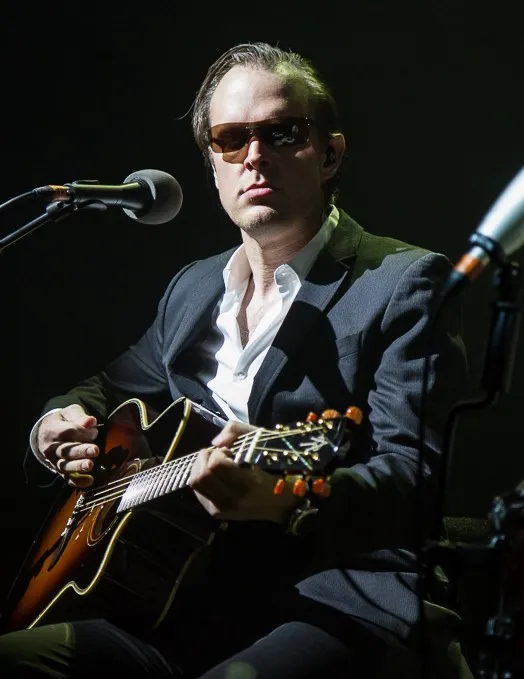
Photo by Florian Stangl from Bayern , licensed under CC BY 2.0 · Wikimedia Commons
Rank #245
Joe Bonamassa
From Wikipedia
Joseph Leonard Bonamassa is an American blues rock guitarist, singer and songwriter. He started his career at age twelve, when he opened for B.B. King. Since 2000, Bonamassa has released fifteen solo albums through his independent record label J&R Adventures, of which eleven have reached No. 1 on the Billboard Blues chart.
Discography & Previews
Browse through and click an album to open and play 30-second previews streamed from Apple Music.
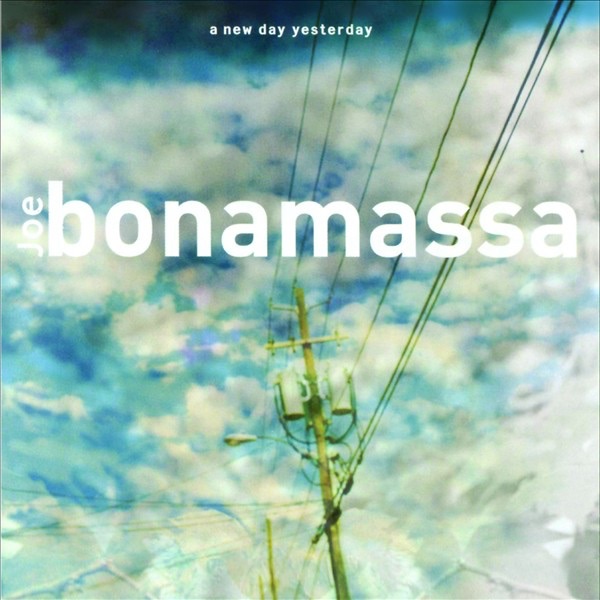
A New Day Yesterday
2000 · 13 tracks
- 1 Cradle Rock ↗ 3:51
- 2 Walk In My Shadow ↗ 3:27
- 3 A New Day Yesterday ↗ 4:45
- 4 I Know Where I Belong ↗ 5:38
- 5 Miss You, Hate You ↗ 3:38
- 6 Nuthin' I Wouldn't Do ↗ 5:10
- 7 Colour and Shape ↗ 5:03
- 8 Head Aches to Heart Breaks ↗ 4:56
- 9 Trouble Waiting ↗ 3:25
- 10 If Heartaches Were Nickels ↗ 7:51
- 11 Current Situation ↗ 3:36
- 12 Don't Burn Down That Bridge ↗ 4:21
- 13 Miss You, Hate You ↗ 6:05

So, It’s Like That
2002 · 13 tracks

Blues Deluxe
2003 · 12 tracks
- 1 You Upset Me Baby ↗ 3:35
- 2 Burning Hell ↗ 6:50
- 3 Blues Deluxe ↗ 7:20
- 4 Man of Many Words ↗ 4:11
- 5 Woke Up Dreaming ↗ 2:51
- 6 I Don't Live Any Where ↗ 3:42
- 7 Wild About You Baby ↗ 3:39
- 8 Long Distance Blues ↗ 3:53
- 9 Pack It Up ↗ 4:04
- 10 Left Overs ↗ 3:22
- 11 Walking Blues ↗ 4:27
- 12 Mumbling Word ↗ 3:27
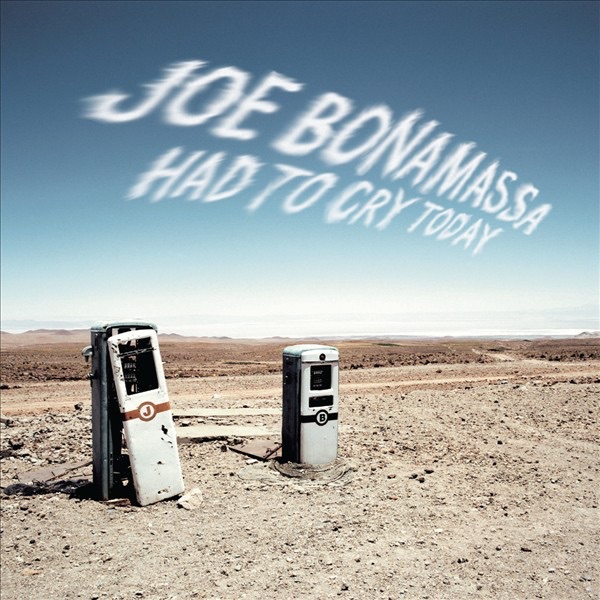
Had to Cry Today
2004 · 11 tracks

You & Me
2006 · 11 tracks
- 1 High Water Every Where ↗ 4:07
- 2 Bridge to Better Days ↗ 5:07
- 3 Asking Around for You ↗ 4:18
- 4 So Many Roads ↗ 7:06
- 5 I Don't Believe ↗ 3:23
- 6 Tamp 'Em Up Solid ↗ 2:31
- 7 Django ↗ 4:57
- 8 Tea for One ↗ 9:34
- 9 Palm Trees, Helicopters and Gasoline ↗ 1:47
- 10 Your Funeral and My Trial ↗ 3:00
- 11 Torn Down ↗ 4:28

The Ballad of John Henry
2009 · 12 tracks
- 1 The Ballad of John Henry ↗ 6:27
- 2 Stop! ↗ 6:48
- 3 Last Kiss ↗ 7:15
- 4 Jockey Full of Bourbon ↗ 5:22
- 5 Story of a Quarryman ↗ 4:58
- 6 Lonesome Road Blues ↗ 3:07
- 7 Happier Times ↗ 6:40
- 8 Feelin Good ↗ 4:42
- 9 Funkier Than a Mosquito's Tweeter ↗ 4:59
- 10 The Great Flood ↗ 7:38
- 11 From the Valley ↗ 2:23
- 12 As the Crow Flies ↗ 3:59
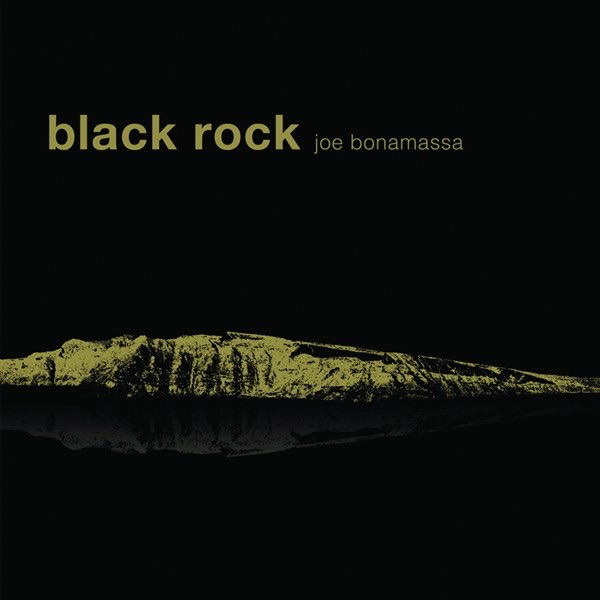
Black Rock
2010 · 13 tracks
- 1 Steal Your Heart Away ↗ 3:48
- 2 I Know A Place ↗ 4:19
- 3 When The Fire Hits The Sea ↗ 3:55
- 4 Quarryman's Lament ↗ 5:21
- 5 Spanish Boots ↗ 4:37
- 6 Bird On A Wire ↗ 5:19
- 7 Three Times A Fool ↗ 2:01
- 8 Night Life ↗ 3:24
- 9 Wandering Earth ↗ 4:18
- 10 Look Over Yonders Wall ↗ 3:25
- 11 Athens To Athens ↗ 2:25
- 12 Blue And Evil ↗ 5:43
- 13 Baby You Gotta Change Your Mind ↗ 4:25

Dust Bowl
2011 · 12 tracks
- 1 Slow Train ↗ 6:50
- 2 Dust Bowl ↗ 4:33
- 3 Tennessee Plates (feat. John Hiatt & Vince Gill) ↗ 4:19
- 4 The Meaning of the Blues ↗ 5:44
- 5 Black Lung Heartache ↗ 4:14
- 6 You Better Watch Yourself ↗ 3:31
- 7 The Last Matador of Bayonne ↗ 5:24
- 8 Heartbreaker (feat. Glenn Hughes) ↗ 5:49
- 9 No Love On the Street (feat. Beth Hart & Blondie Chaplin) ↗ 6:32
- 10 The Whale That Swallowed Jonah ↗ 4:46
- 11 Sweet Rowena (feat. Vince Gill) ↗ 4:34
- 12 Prisoner ↗ 6:49

Driving Towards the Daylight
2012 · 11 tracks
- 1 Dislocated Boy ↗ 6:39
- 2 Stones in My Passway ↗ 3:57
- 3 Driving Towards the Daylight ↗ 4:49
- 4 Who's Been Talking ↗ 3:28
- 5 I Got All You Need ↗ 3:03
- 6 A Place in My Heart ↗ 6:47
- 7 Lonely Town Lonely Street ↗ 7:05
- 8 Heavenly Soul ↗ 5:55
- 9 New Coat of Paint ↗ 4:06
- 10 Somewhere Trouble Don't Go ↗ 4:58
- 11 Too Much Ain't Enough Love ↗ 5:35

Seesaw
2013 · 11 tracks

Different Shades of Blue
2014 · 11 tracks
- 1 Hey Baby (New Rising Sun) ↗ 1:20
- 2 Oh Beautiful! ↗ 5:29
- 3 Love Ain't a Love Song ↗ 3:49
- 4 Living on the Moon ↗ 3:21
- 5 Heartache Follows Wherever I Go ↗ 4:34
- 6 Never Give All Your Heart ↗ 5:24
- 7 I Gave Up Everything for You, 'Cept the Blues ↗ 4:40
- 8 Different Shades of Blue ↗ 4:39
- 9 Get Back My Tomorrow ↗ 4:46
- 10 Trouble Town ↗ 4:56
- 11 So, What Would I Do ↗ 5:29

Ooh Yea!: The Betty Davis Songbook
2015 · 12 tracks
- 1 If I'm In Luck I Might Get Picked Up (feat. Joe Bonamassa) ↗ 5:21
- 2 Steppin' In Her I. Miller Shoes (feat. Joe Bonamassa) ↗ 3:56
- 3 In the Meantime (feat. Joe Bonamassa) ↗ 5:09
- 4 He Was a Big Freak (feat. Joe Bonamassa) ↗ 4:27
- 5 Your Mama Wants You Back (feat. Joe Bonamassa) ↗ 4:29
- 6 Game Is My Middle Name (feat. Joe Bonamassa) ↗ 5:29
- 7 Nasty Gal (feat. Joe Bonamassa) ↗ 4:57
- 8 Ooh Yea! (feat. Joe Bonamassa) ↗ 3:48
- 9 You Won't See Me In the Morning (feat. Joe Bonamassa) ↗ 4:17
- 10 Anti-Love Song (feat. Joe Bonamassa) ↗ 4:46
- 11 Walking Up the Road (feat. Joe Bonamassa) ↗ 3:56
- 12 Shoo-B-Doop and Cop Him (feat. Joe Bonamassa) ↗ 7:41

Blues of Desperation
2016 · 11 tracks
- 1 This Train ↗ 4:21
- 2 Mountain Climbing ↗ 5:44
- 3 Drive ↗ 5:47
- 4 No Good Place for the Lonely ↗ 8:39
- 5 Blues of Desperation ↗ 6:28
- 6 The Valley Runs Low ↗ 4:04
- 7 You Left Me Nothin' but the Bill and the Blues ↗ 4:10
- 8 Distant Lonesome Train ↗ 5:54
- 9 How Deep This River Runs ↗ 6:30
- 10 Livin' Easy ↗ 4:38
- 11 What I've Known for a Very Long Time ↗ 5:33
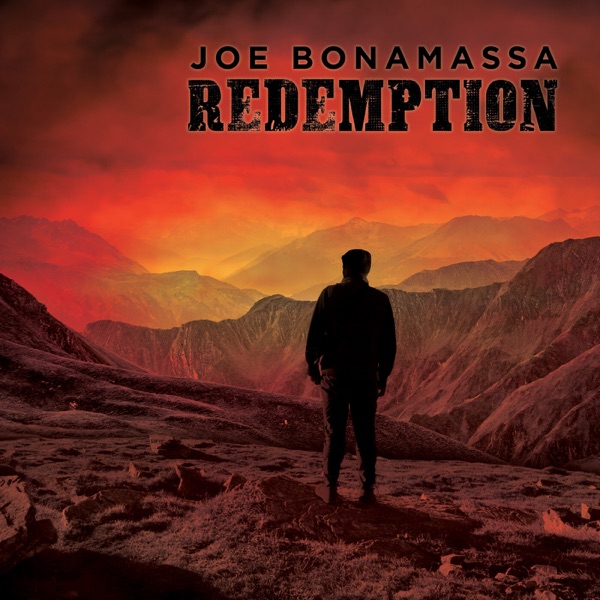
Redemption
2018 · 12 tracks
- 1 Evil Mama ↗ 5:29
- 2 King Bee Shakedown ↗ 4:22
- 3 Molly O' ↗ 6:06
- 4 Deep in the Blues Again ↗ 4:46
- 5 Self-Inflicted Wounds ↗ 6:36
- 6 Pick Up the Pieces ↗ 3:55
- 7 The Ghost of Macon Jones ↗ 5:24
- 8 Just 'Cos You Can Don't Mean You Should ↗ 6:40
- 9 Redemption ↗ 5:57
- 10 I've Got Some Mind Over What Matters ↗ 5:50
- 11 Stronger Now in Broken Places ↗ 4:33
- 12 Love Is a Gamble ↗ 5:13

A New Day Now (20th anniversary edition)
2020 · 15 tracks
- 1 Cradle Rock ↗ 3:50
- 2 Walk In My Shadow ↗ 3:29
- 3 A New Day Yesterday ↗ 4:48
- 4 I Know Where I Belong ↗ 5:41
- 5 Miss You, Hate You ↗ 6:04
- 6 Nuthin' I Wouldn't Do (For a Woman Like You) ↗ 5:56
- 7 Colour and Shape ↗ 4:31
- 8 Headaches To Heartbreaks ↗ 5:00
- 9 Trouble Waiting ↗ 3:30
- 10 If Heartaches Were Nickels ↗ 6:02
- 11 Current Situation ↗ 3:40
- 12 Don't Burn Down That Bridge ↗ 4:23
- 13 Hey Mona ↗ 4:56
- 14 I Want You ↗ 5:22
- 15 Line of Denial ↗ 6:07

Royal Tea
2020 · 10 tracks


Blues Deluxe, Vol. 2
2023 · 10 tracks
- 1 Twenty-Four Hour Blues ↗ 4:32
- 2 It's Hard But It's Fair ↗ 3:16
- 3 Well, I Done Got Over It ↗ 2:55
- 4 I Want To Shout About It ↗ 4:12
- 5 Win-O ↗ 5:30
- 6 Hope You Realize It (Goodbye Again) ↗ 3:58
- 7 Lazy Poker Blues ↗ 3:17
- 8 You Sure Drive A Hard Bargain ↗ 4:00
- 9 The Truth Hurts (feat. Kirk Fletcher & Josh Smith) ↗ 4:35
- 10 Is It Safe To Go Home ↗ 6:22

-
 A New Day YesterdayJoe Bonamassa200013 tracks
 -
 So, It’s Like ThatJoe Bonamassa200213 tracks
 -
 Blues DeluxeJoe Bonamassa200312 tracks
 -
 Had to Cry TodayJoe Bonamassa200411 tracks
 -
 You & MeJoe Bonamassa200611 tracks
 -
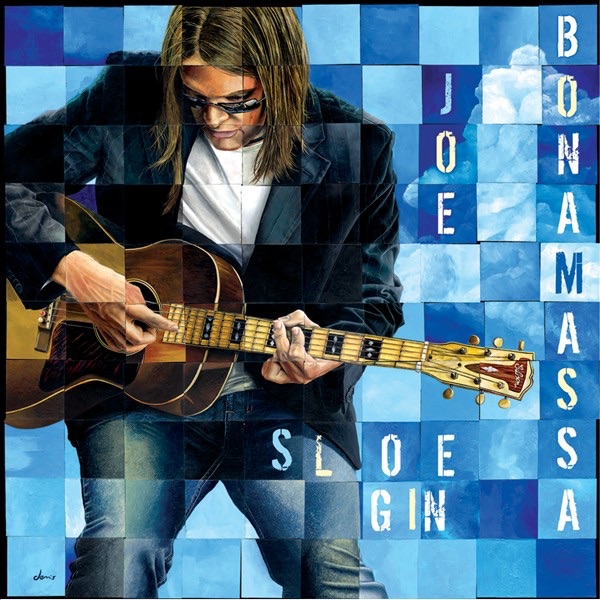
 Sloe GinJoe Bonamassa200711 tracks
 -
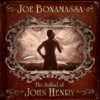 The Ballad of John HenryJoe Bonamassa200912 tracks
 -
 Black RockJoe Bonamassa201013 tracks
 -
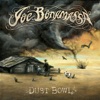 Dust BowlJoe Bonamassa201112 tracks
 -
 Driving Towards the DaylightJoe Bonamassa201211 tracks
 -
 SeesawJoe Bonamassa201311 tracks
 -
 Different Shades of BlueJoe Bonamassa201411 tracks
 -
 Ooh Yea!: The Betty Davis SongbookJoe Bonamassa201512 tracks
 -
 Blues of DesperationJoe Bonamassa201611 tracks
 -
 RedemptionJoe Bonamassa201812 tracks
 -
 A New Day Now (20th anniversary edition)Joe Bonamassa202015 tracks
 -
 Royal TeaJoe Bonamassa202010 tracks
 -
 Easy to Buy, Hard to SellJoe Bonamassa20209 tracks
 -
 Time ClocksJoe Bonamassa202110 tracks
 -
 Blues Deluxe, Vol. 2Joe Bonamassa202310 tracks
 -
 BreakthroughJoe Bonamassa202510 tracks
Deep Dive
Overview
Joe Bonamassa is an American blues rock guitarist, singer, and songwriter whose career spans nearly five decades as a performing musician and over two decades as a recording artist. Since launching his solo output in 2000, Bonamassa has become one of the most prolific and commercially successful blues rock artists of the 21st century, releasing fifteen studio albums through his independent label J&R Adventures—eleven of which have topped the Billboard Blues chart. His rise from a preteen phenomenon opening for blues legend B.B. King to a globally recognized touring artist represents a singular path in modern rock: an artist who built and sustained a career on instrumental virtuosity, prolific recording, and a direct connection to blues tradition.
Formation Story
Joe Bonamassa was born in 1977 in the American Northeast, entering the music world at an extraordinarily young age. By age twelve, he had already developed sufficient proficiency on guitar to open for B.B. King, an encounter that anchored his artistic identity in the blues and cemented his early exposure to one of rock and blues’ greatest practitioners. This formative brush with the blues establishment set the tone for a career built on technical mastery and a deep respect for the idiom. Rather than waiting for industry gatekeepers or following a conventional band-formation narrative, Bonamassa’s path began in his teens as a working musician, gigging steadily through the 1990s before launching his official solo recording career at the turn of the 2000s.
Breakthrough Moment
Bonamassa’s solo discography commenced in 2000 with A New Day Yesterday, establishing the sonic template he would refine over the following decades. His early albums—So, It’s Like That (2002), Blues Deluxe (2003), and Had to Cry Today (2004)—built a steady audience within the blues rock faithful, accumulating chart presence on the Billboard Blues chart. By the mid-2000s, with releases like Sloe Gin (2007) and The Ballad of John Henry (2009), Bonamassa’s combination of instrumental precision and album consistency began translating into consistent chart dominance. The period from 2010 onward saw him establish a pattern of annual or near-annual album releases that would yield multiple number-one finishes on the Blues chart, making him a fixture in the genre’s commercial hierarchy.
Peak Era
The decade spanning 2010 to 2020 represented Bonamassa’s most creatively fertile and commercially assured period. Black Rock (2010), Dust Bowl and Don’t Explain (both 2011), Driving Towards the Daylight (2012), Seesaw (2013), and Different Shades of Blue (2014) established him as the genre’s leading contemporary recording artist. Different Shades of Blue in particular solidified his standing, while the bold cover-album project Ooh Yea!: The Betty Davis Songbook (2015) demonstrated willingness to step outside traditional blues parameters. Blues of Desperation (2016) and Black Coffee (2018) maintained his commercial momentum and critical engagement, with each release reinforcing his reputation as a tireless, inventive interpreter of blues and blues rock material. This fifteen-year span saw him move from a respected touring act to a dominant force in contemporary blues recording.
Musical Style
Bonamassa’s sound is rooted in traditional blues structure and phrasing but filtered through a hard rock sensibility inherited from the 1970s guitar heroes and the blues-rock lineage that connects Cream, Led Zeppelin, and their American blues sources. His guitar tone is characteristically thick and expressive, favoring sustained notes, string bending, and blues-scale phrasing over speed alone, though technical facility is never absent from his playing. His vocals—warm and present but not showy—serve the song rather than dominate it, consistent with classic blues rock aesthetics. Across his catalog, Bonamassa balances slow-burning blues standards with more uptempo, hard rock-inflected grooves; his harmonic choices often lean toward minor keys and modal textures that emphasize emotional depth over commercial pop sensibility. Production across his releases tends toward clarity and space, allowing individual instruments—particularly his guitar—to articulate freely without heavy compression or digital overkill.
Major Albums
Blues Deluxe (2003)
One of Bonamassa’s earliest and most assured statements, Blues Deluxe established his ability to interpret and compose within traditional blues structures while maintaining a contemporary sonic polish. The album’s success on the Billboard Blues chart helped introduce his name to the dedicated blues audience.
The Ballad of John Henry (2009)
This album marked a deepening of Bonamassa’s compositional voice and demonstrated thematic cohesion across a full-length work. Its charting success signaled his transition from respected musician to chart force within the blues category.
Different Shades of Blue (2014)
A career-defining achievement that brought together Bonamassa’s compositional maturity and his reputation as an uncompromising blues interpreter. The album’s critical and commercial success underscored his position as the leading blues rock artist of his generation.
Blues of Desperation (2016)
Released during his peak period, this album showcased Bonamassa’s ability to sustain both commercial appeal and artistic credibility, balancing accessible song structures with sophisticated harmonic and instrumental explorations.
Black Coffee (2018)
A late-2010s statement that maintained Bonamassa’s prolific output and continued his chart dominance, demonstrating his capacity to generate fresh material year after year without sacrificing quality.
Royal Tea (2020)
Released in the same year as his landmark A New Day Now 20th-anniversary edition, Royal Tea exemplified his unbroken creative momentum and his ongoing engagement with contemporary blues recording practices.
Signature Songs
- “A New Day Yesterday” — The title track of his debut solo album, establishing his artistic signature as a blues rock guitarist with classical training and contemporary production values.
- “Had to Cry Today” — A fixture of his performances, representing his ability to convey emotional depth through instrumental and vocal restraint.
- “Sloe Gin” — The title track of his 2007 album, exemplifying his mid-period command of groove and atmospheric blues rock arrangement.
- “Blues of Desperation” — A track from his 2016 album that showcases his mature compositional approach and his ongoing dialogue with traditional blues vocabulary.
Influence on Rock
Bonamassa’s influence operates primarily within the blues and blues rock community rather than across mainstream rock broadly, reflecting his deliberate positioning as a custodian of blues tradition rather than a radical innovator. However, his success as an independent artist—building a substantial global touring operation and consistent chart presence without major-label backing since 2000—has proven instructive for contemporary musicians seeking alternative pathways to sustainability. His example demonstrates that technical mastery in blues guitar combined with prolific recording and direct audience engagement can sustain a full career outside traditional industry structures. Among blues rock musicians in particular, Bonamassa has set a standard for consistency, professionalism, and respect for the idiom’s roots.
Legacy
Joe Bonamassa’s twenty-five-year recording career as a solo artist places him among the most consistently productive blues rock musicians of the contemporary era. His eleven number-one albums on the Billboard Blues chart and ongoing creative output—including the 2025 release Breakthrough—attest to his enduring relevance and the loyalty of his audience. His decision to operate through an independent label (J&R Adventures) rather than seek major-label backing or compromise artistic autonomy has become a model for long-term creative sustainability. Bonamassa’s legacy rests not on a single transformative moment or radical reinvention but rather on an uncompromising commitment to blues tradition, technical excellence, and a work ethic that has kept him productive through multiple musical generations. As streaming and direct-to-fan economics reshape the music industry, his success as an independent artist resonates particularly strongly.
Fun Facts
- Bonamassa opened for B.B. King at age twelve, a formative encounter with blues royalty that set the trajectory for his entire career.
- He has released albums at a pace approaching one per year for much of his solo career, sustaining creative output that rivals or exceeds many artists of earlier eras.
- His discography includes a full cover album of Betty Davis material (Ooh Yea!: The Betty Davis Songbook, 2015), demonstrating curiosity beyond traditional blues-rock boundaries.
- Multiple albums in his catalog have reached the top of the Billboard Blues chart, making him one of the chart’s most-charted contemporary artists.