
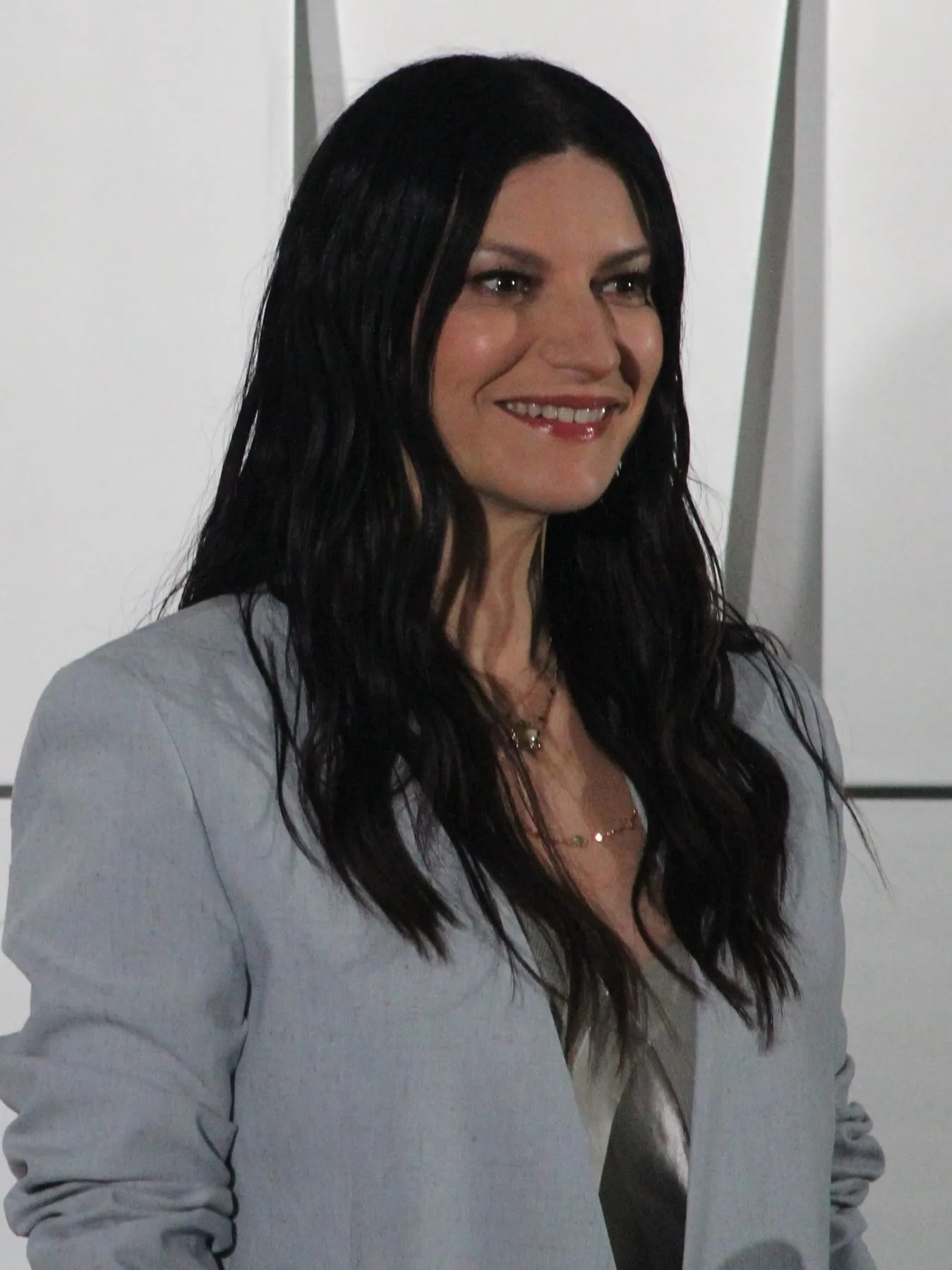
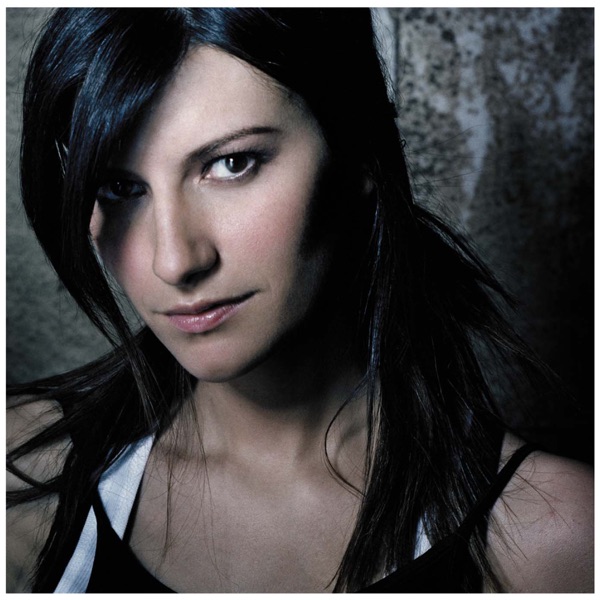
Photo by Ferdinando Traversa , licensed under CC BY-SA 4.0 · Wikimedia Commons
Rank #246
Laura Pausini
From Wikipedia
Laura Pausini is an Italian singer and songwriter. She rose to fame in 1993, winning the newcomer artists' section of the 43rd Sanremo Music Festival with the song "La solitudine", which became an Italian standard and an international hit. Her self-titled debut album was released in Italy on 23 April 1993 and later became an international success, selling two million copies worldwide. Its follow-up, Laura, was released in 1994 and confirmed her international success, selling three million copies worldwide.
Discography & Previews
Browse through and click an album to open and play 30-second previews streamed from Apple Music.
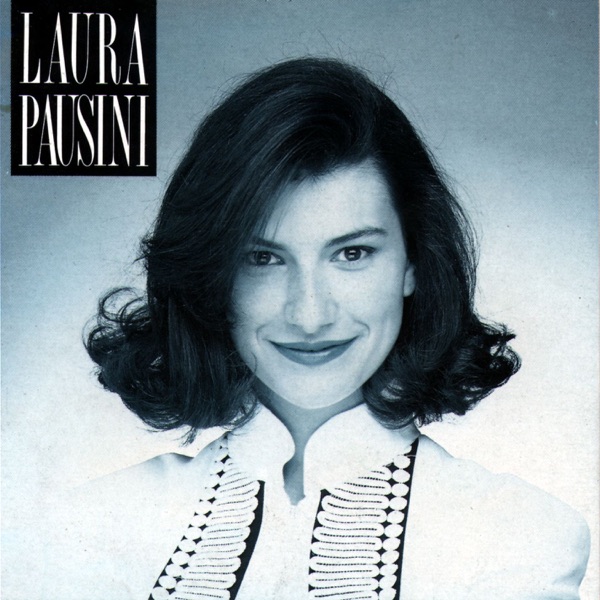
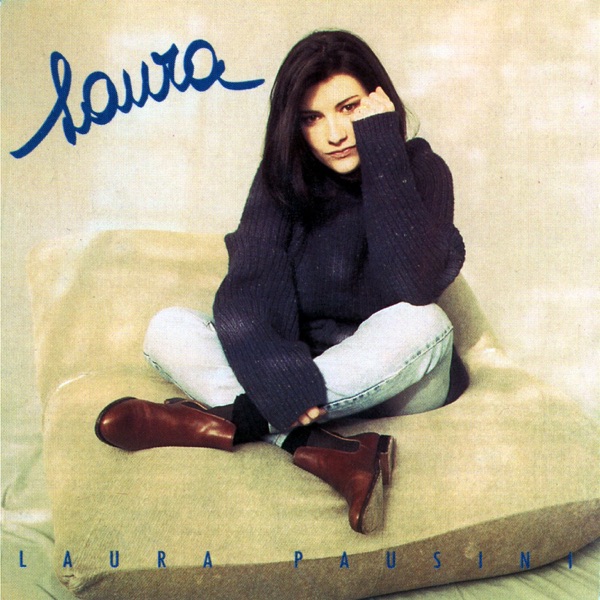

Las cosas que vives
1996 · 12 tracks
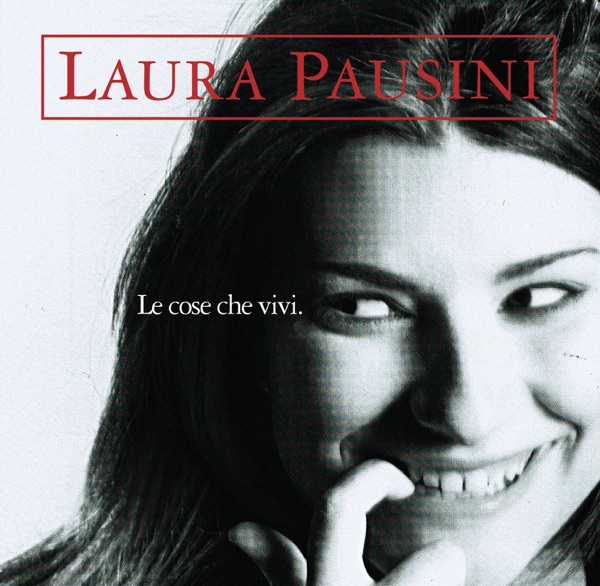
Le cose che vivi
1996 · 15 tracks
- 1 Le cose che vivi ↗ 4:29
- 2 Ascolta il tuo cuore ↗ 4:39
- 3 Incancellabile ↗ 3:47
- 4 Seamisai ↗ 3:38
- 5 Angeli nel blu ↗ 5:17
- 6 Mi dispiace ↗ 6:02
- 7 Due innamorati come noi ↗ 4:41
- 8 Che storia è ↗ 4:13
- 9 16/5/74 ↗ 4:46
- 10 Un giorno senza te ↗ 4:58
- 11 La voce ↗ 4:55
- 12 Il mondo che vorrei ↗ 4:10
- 13 Tudo o que eu vivo ↗ 4:34
- 14 Inesquecivel ↗ 3:49
- 15 Apaixonados como nos ↗ 4:52
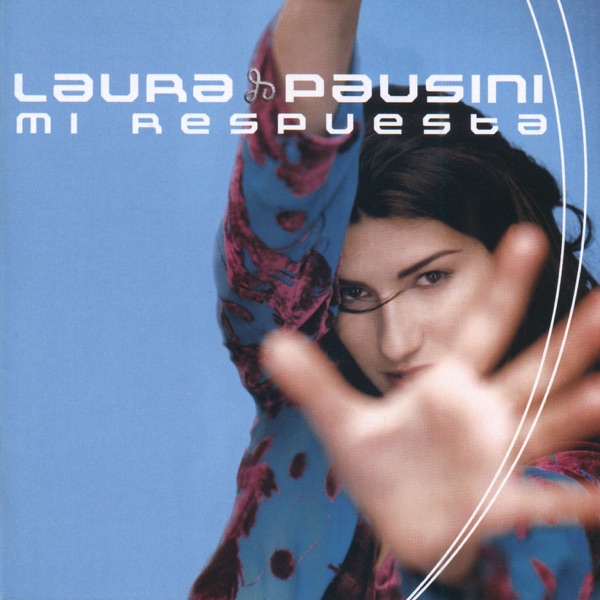
Mi respuesta
1998 · 13 tracks
- 1 Mi respuesta ↗ 3:43
- 2 Quedate esta noche ↗ 4:27
- 3 Emergencia de amor ↗ 4:34
- 4 Ana dime si ↗ 3:58
- 5 Una historia seria ↗ 4:39
- 6 Como una danza ↗ 5:19
- 7 Me siento tan bien ↗ 4:21
- 8 En ausencia de ti ↗ 4:29
- 9 Sucede a veces ↗ 3:41
- 10 Tu con que suenas? ↗ 3:44
- 11 Una gran verdad ↗ 4:00
- 12 Felicidad ↗ 3:57
- 13 Looking for an Angel ↗ 4:14
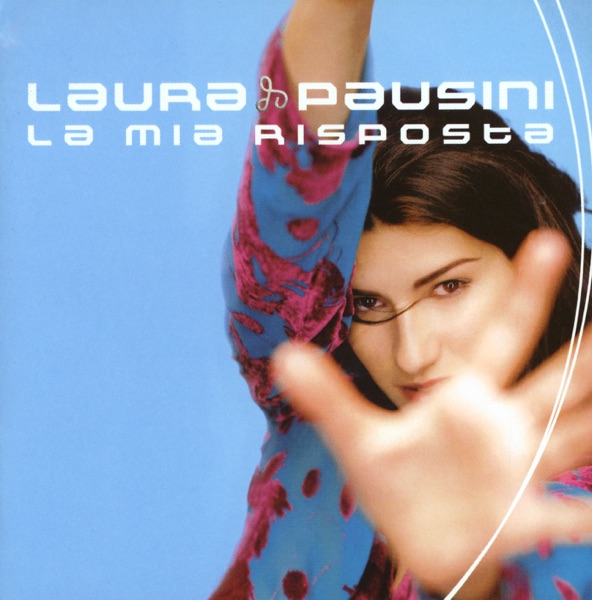
La mia risposta
1998 · 13 tracks
- 1 La mia risposta ↗ 3:43
- 2 Stanotte stai con me ↗ 4:09
- 3 Un'emergenza d'amore ↗ 4:34
- 4 Anna dimmi si ↗ 3:58
- 5 Una storia seria ↗ 4:40
- 6 Come una danza ↗ 5:19
- 7 Che bene mi fai ↗ 4:21
- 8 In assenza di te ↗ 4:27
- 9 Succede al cuore ↗ 3:41
- 10 Tu cosa sogni? ↗ 3:51
- 11 Buone verità ↗ 4:01
- 12 La felicità ↗ 3:56
- 13 Looking for an Angel ↗ 4:14
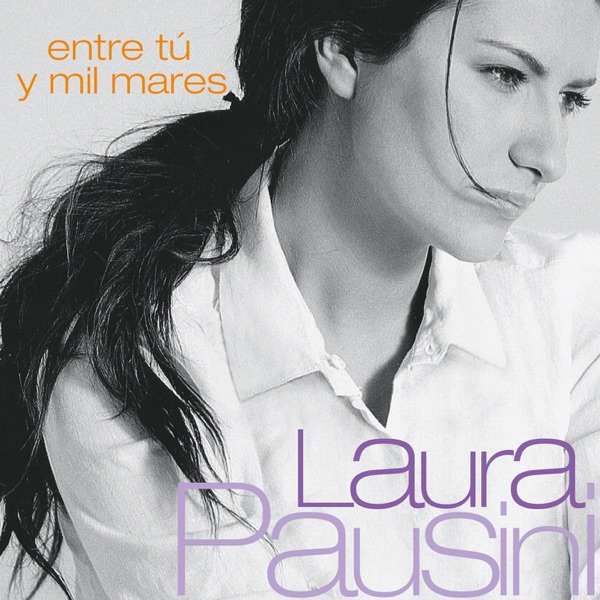
Entre tú y mil mares
2000 · 13 tracks
- 1 Somos hoy ↗ 3:55
- 2 Quiero decirte que te amo ↗ 4:04
- 3 Un error de los grandes ↗ 3:06
- 4 Entre tú y mil mares ↗ 3:48
- 5 La meta de mi víaje ↗ 3:49
- 6 Música será ↗ 3:22
- 7 Si no me quieres hoy ↗ 3:57
- 8 Fiate de mi ↗ 3:49
- 9 Recuérdame ↗ 4:08
- 10 Vívíre ↗ 4:05
- 11 Mientras la noche va ↗ 3:29
- 12 Cómo se hará ↗ 4:10
- 13 Jenny ↗ 4:26

Tra te e il mare
2000 · 13 tracks
- 1 Siamo noi ↗ 3:55
- 2 Volevo dirti che ti amo ↗ 4:04
- 3 Il mio sbaglio più grande ↗ 3:06
- 4 Tra te e il mare ↗ 3:50
- 5 Viaggio con te ↗ 3:49
- 6 Musica sarà ↗ 3:23
- 7 Anche se non mi vuoi ↗ 3:56
- 8 Fidati di me ↗ 3:49
- 9 Ricordami ↗ 4:08
- 10 Per vivere ↗ 4:05
- 11 Mentre la notte va ↗ 3:30
- 12 Come si fa ↗ 4:10
- 13 Jenny ↗ 4:26

From the Inside
2002 · 12 tracks
- 1 I Need Love ↗ 3:53
- 2 Do I Dare ↗ 4:04
- 3 Surrender (Ultamix) ↗ 3:56
- 4 If That's Love ↗ 3:34
- 5 It's Not Good-Bye ↗ 4:38
- 6 Love Comes from the Inside ↗ 3:57
- 7 Every Little Thing You Do ↗ 3:59
- 8 Every Day Is a Monday ↗ 3:04
- 9 You Are ↗ 4:14
- 10 I Do to Be ↗ 3:25
- 11 Without You ↗ 4:31
- 12 Every Little Thing You Do (Piano / Vocal Reprise) ↗ 2:53
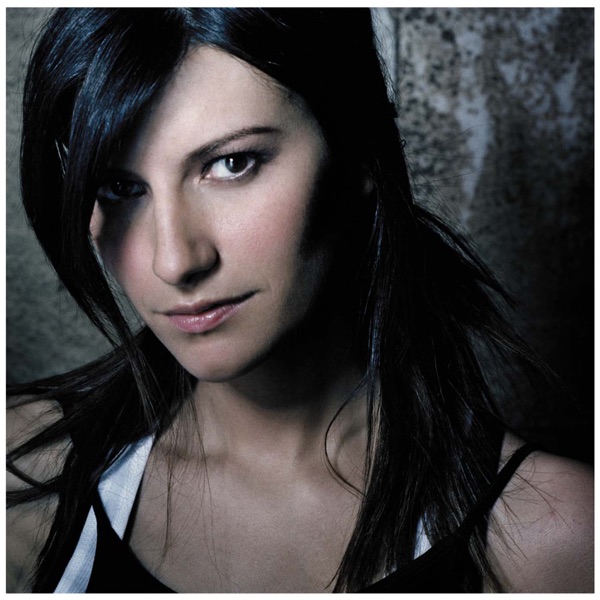
Resta in ascolto
2004 · 11 tracks
- 1 La Prospectiva di Me ↗ 3:05
- 2 Vívimi ↗ 3:51
- 3 Resta In Ascolto ↗ 3:27
- 4 Il Tuo Nome In Maiuscolo ↗ 3:20
- 5 Benedetta Passione ↗ 4:12
- 6 Come Se Non Fosse Stato Mai Amore ↗ 4:02
- 7 Così Importante ↗ 3:29
- 8 Parlami ↗ 3:44
- 9 Dove l'Aria È Polvere ↗ 3:47
- 10 Amare Veramente ↗ 4:00
- 11 Mi Abbondono a Te ↗ 4:43
Escucha
2004 · 11 tracks

Yo canto
2006 · 19 tracks
- 1 YO CANTO ↗ 4:16
- 2 DOS ↗ 4:38
- 3 ESCRÍBEME ↗ 3:52
- 4 MI LIBRE CANCIÓN (with Juanes) ↗ 4:34
- 5 DESTINO PARADISO ↗ 3:40
- 6 ESTRELLA GEMELA ↗ 4:37
- 7 COMO EL SOL INESPERADO ↗ 3:19
- 8 CINCO DÍAS ↗ 4:05
- 9 Y MI BANDA TOCA EL ROCK ↗ 3:46
- 10 DISPÁRAME DISPARA ↗ 4:09
- 11 CORAZÓN FRÁGIL ↗ 3:27
- 12 NO ME LO PUEDO EXPLICAR (with Tiziano Ferro) ↗ 4:32
- 13 EN LOS JARDINES DONDE NADIE VA ↗ 5:13
- 14 EN UN CUARTO CASI ROSA ↗ 4:34
- 15 CUÁNDO ↗ 3:41
- 16 POR EL CAMINO ↗ 5:40
- 17 ES NO ES ↗ 3:47
- 18 NO ME LO PUEDO EXPLICAR (Solo Version) ↗ 4:36
- 19 MI LIBRE CANCIÓN (Solo Version) ↗ 4:40

Io canto
2006 · 19 tracks
- 1 Io canto ↗ 4:16
- 2 Due ↗ 4:38
- 3 Scrivimi ↗ 3:52
- 4 Il mio canto libero (with Juanes) ↗ 4:34
- 5 Destinazione paradiso ↗ 3:40
- 6 Stella gemella ↗ 4:37
- 7 Come il sole all'improvviso (with Johnny Hallyday) ↗ 3:19
- 8 Cinque giorni ↗ 4:05
- 9 La mia banda suona il rock ↗ 3:46
- 10 Spaccacuore ↗ 4:09
- 11 Anima fragile ↗ 3:27
- 12 Non me lo so spiegare (with Tiziano Ferro) ↗ 4:32
- 13 Nei giardini che nessuno sa ↗ 5:13
- 14 In una stanza quasi rosa ↗ 4:34
- 15 Quando ↗ 3:42
- 16 Strada facendo ↗ 5:39
- 17 È non è ↗ 3:48
- 18 Come il sole all'improvviso (Solo Version) ↗ 3:22
- 19 Non me lo so spiegare (Solo Version) ↗ 4:35
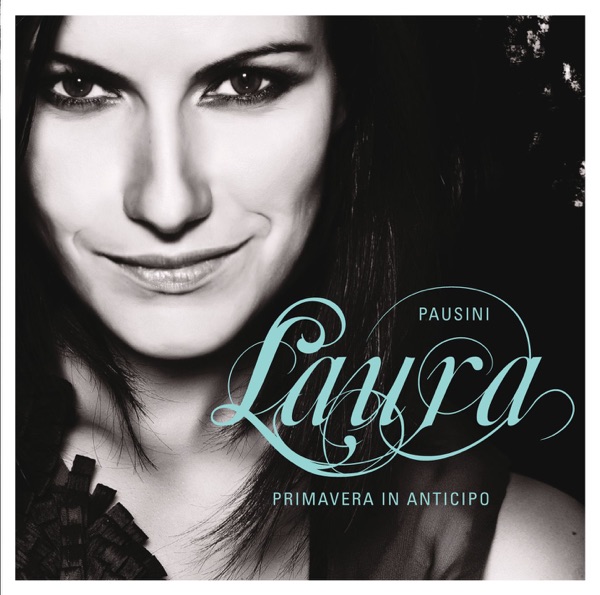
Primavera in anticipo
2008 · 14 tracks
- 1 Mille Braccia ↗ 3:31
- 2 Invece No ↗ 3:56
- 3 Primavera In Anticipo (It Is My Song) [Duet With James Blunt] ↗ 3:28
- 4 Nel Modo Più Sincero Che C'è ↗ 3:26
- 5 Un Fatto Ovvio ↗ 3:08
- 6 Il Mio Beneficio ↗ 3:46
- 7 Prima Che Esci ↗ 3:48
- 8 Più Di Ieri ↗ 3:33
- 9 Bellissimo Cosi ↗ 3:53
- 10 L'impressione ↗ 4:06
- 11 La Geografia Del Mio Cammino ↗ 3:54
- 12 Ogni Colore Al Cielo ↗ 3:48
- 13 Primavera In Anticipo ↗ 3:29
- 14 Sorella Terra ↗ 4:09
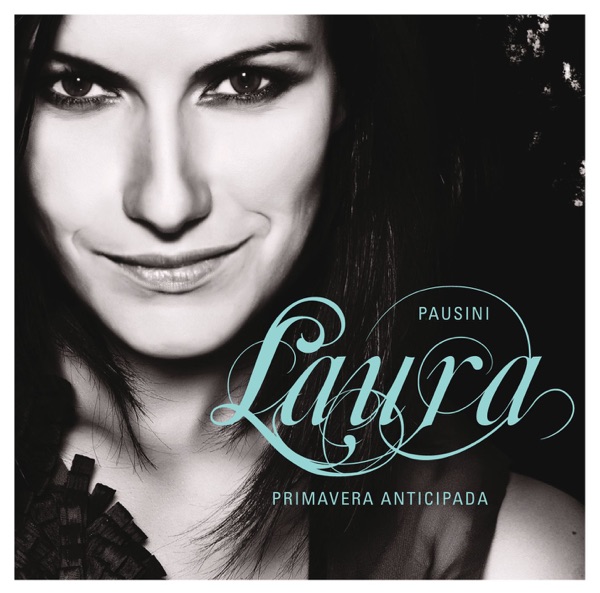
Primavera anticipada
2008 · 14 tracks
- 1 Alzando Nuestros Brazos ↗ 3:29
- 2 En Cambio No ↗ 3:57
- 3 Primavera Anticipada [It Is My Song] (duet With James Blunt) ↗ 3:29
- 4 Del Modo Más Sincero ↗ 3:26
- 5 Un Hecho Obvío ↗ 3:08
- 6 Mis Beneficios ↗ 3:46
- 7 Antes de Irte ↗ 3:47
- 8 Más Que Ayer ↗ 3:33
- 9 Bellisimo Así ↗ 3:53
- 10 La Impresión ↗ 4:06
- 11 La Geografia de Mi Camino ↗ 3:54
- 12 Cada Color al Cielo ↗ 3:48
- 13 Primavera Anticipada ↗ 3:29
- 14 Hermana Tierra ↗ 4:08

Inedito
2011 · 15 tracks
- 1 Bienvenido ↗ 3:56
- 2 Jamás Abandoné ↗ 3:24
- 3 Bastaba ↗ 3:33
- 4 Las Cosas Que No Me Espero ↗ 3:46
- 5 Hace Tiempo (feat. Ivaño Fossati) ↗ 4:03
- 6 Me Quedo ↗ 3:40
- 7 Cada Uno Juega Su Partida ↗ 3:45
- 8 Inédito - Lo Exacto Opuesto de Ti (Duet With Gianna Nannini) ↗ 3:14
- 9 Cómo Víves Tú Sin Mí ↗ 3:23
- 10 A Simple Vísta ↗ 4:35
- 11 Quién Lo Sabrá ↗ 3:08
- 12 Así Celeste ↗ 4:03
- 13 Lo Que Tú Me Das ↗ 4:02
- 14 Te Digo Adiós ↗ 3:20
- 15 Nel primo sguardo (Solo Versión) ↗ 4:34
Inédito
2012 · 15 tracks
- 1 Bienvenido ↗ 3:56
- 2 Jamás Abandoné ↗ 3:24
- 3 Bastaba ↗ 3:33
- 4 Las Cosas Que No Me Espero ↗ 3:46
- 5 Hace Tiempo (feat. Ivaño Fossati) ↗ 4:03
- 6 Me Quedo ↗ 3:40
- 7 Cada Uno Juega Su Partida ↗ 3:45
- 8 Inédito - Lo Exacto Opuesto de Ti (Duet With Gianna Nannini) ↗ 3:14
- 9 Cómo Víves Tú Sin Mí ↗ 3:23
- 10 A Simple Vísta ↗ 4:35
- 11 Quién Lo Sabrá ↗ 3:08
- 12 Así Celeste ↗ 4:03
- 13 Lo Que Tú Me Das ↗ 4:02
- 14 Te Digo Adiós ↗ 3:20
- 15 Nel primo sguardo (Solo Versión) ↗ 4:34
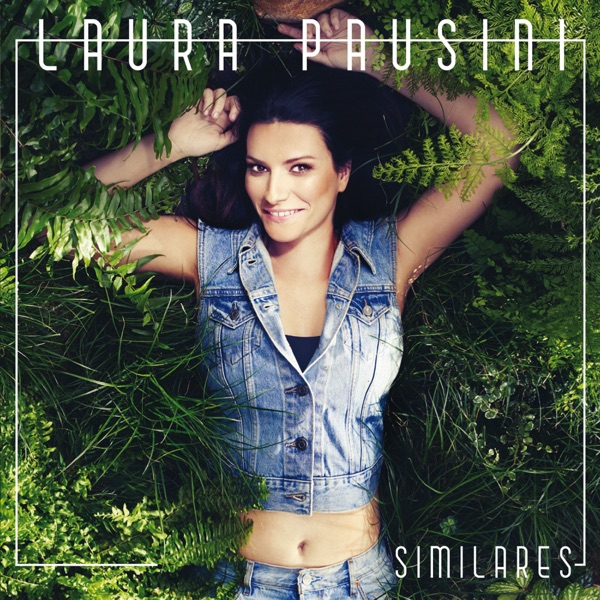
Similares
2015 · 15 tracks
- 1 Lado derecho del corazón ↗ 3:53
- 2 Similares ↗ 3:37
- 3 200 notas ↗ 3:59
- 4 Enamorada ↗ 3:21
- 5 Pregúntale al cielo ↗ 3:17
- 6 He creído en mí ↗ 3:15
- 7 En la puerta de al lado ↗ 3:47
- 8 Nuestro amor de cada día ↗ 3:59
- 9 Regresaré (con calma se verá) ↗ 4:09
- 10 Culpable ↗ 3:37
- 11 Yo estuve (+ amor x favor) ↗ 2:55
- 12 Solo nubes ↗ 4:13
- 13 Es la música ↗ 3:32
- 14 Lo sabías antes tú ↗ 4:03
- 15 A ella le debo mi amor ↗ 2:55
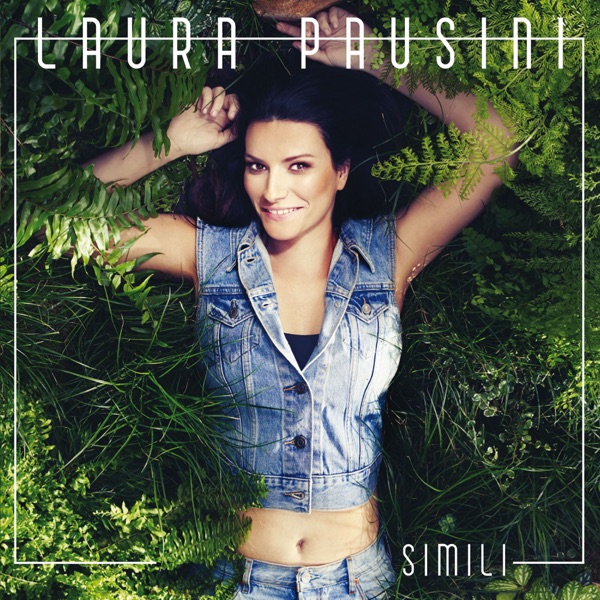
Simili
2015 · 15 tracks
- 1 Lato destro del cuore ↗ 3:52
- 2 Simili ↗ 3:36
- 3 200 note ↗ 3:58
- 4 Innamorata ↗ 3:20
- 5 Chiedilo al cielo ↗ 3:16
- 6 Ho creduto a me ↗ 3:14
- 7 Nella porta accanto ↗ 3:46
- 8 Il nostro amore quotidiano ↗ 3:58
- 9 Tornerò (con calma si vedrà) ↗ 4:08
- 10 Colpevole ↗ 3:36
- 11 Io c'ero (+ amore x favore) ↗ 2:54
- 12 Sono solo nuvole ↗ 4:12
- 13 Per la musica ↗ 3:31
- 14 Lo sapevi prima tu ↗ 4:02
- 15 È a lei che devo l'amore ↗ 2:54

Laura Navidad
2016 · 12 tracks
- 1 It's Beginning to Look a Lot Like Christmas (with the Patrick Williams Orchestra) ↗ 3:57
- 2 Va a Nevar (with the Patrick Williams Orchestra) ↗ 3:01
- 3 Santa Claus Llegó a la Ciudad (with the Patrick Williams Orchestra) ↗ 2:08
- 4 Jingle Bell Rock (with the Patrick Williams Orchestra) ↗ 3:48
- 5 Have Yourself a Merry Little Christmas (with the Patrick Williams Orchestra) ↗ 4:06
- 6 Jingle Bells (with the Patrick Williams Orchestra) ↗ 3:27
- 7 Blanca Navidad (with the Patrick Williams Orchestra) ↗ 2:22
- 8 Happy Xmas (War is Over) [with the Patrick Williams Orchestra] ↗ 3:24
- 9 Feliz Navidad (with the Patrick Williams Orchestra) ↗ 3:44
- 10 Adeste Fideles (with the Patrick Williams Orchestra) ↗ 3:11
- 11 Oh Happy Day (with the Patrick Williams Orchestra) ↗ 4:41
- 12 Noche de Paz (with the Patrick Williams Orchestra) ↗ 4:48

Laura Xmas
2016 · 17 tracks
- 1 It's Beginning to Look a Lot Like Christmas (with The Patrick Williams Orchestra) ↗ 3:57
- 2 Let It Snow! Let It Snow! Let It Snow! (with The Patrick Williams Orchestra) ↗ 3:01
- 3 Blanca Navidad (with The Patrick Williams Orchestra) ↗ 2:22
- 4 Astro del ciel (with The Patrick Williams Orchestra) ↗ 4:48
- 5 Santa Claus Llegó a la Ciudad (with The Patrick Williams Orchestra) ↗ 2:08
- 6 Have Yourself a Merry Little Christmas (with The Patrick Williams Orchestra) ↗ 4:06
- 7 Va a Nevar (with The Patrick Williams Orchestra) ↗ 3:01
- 8 Santa Claus Is Coming to Town (with The Patrick Williams Orchestra) ↗ 2:08
- 9 Jingle Bell Rock (with The Patrick Williams Orchestra) ↗ 3:48
- 10 Noël Blanc (with The Patrick Williams Orchestra) ↗ 2:22
- 11 Jingle Bells (with The Patrick Williams Orchestra) ↗ 3:27
- 12 White Christmas (with The Patrick Williams Orchestra) ↗ 2:22
- 13 Feliz Navidad (with The Patrick Williams Orchestra) ↗ 3:44
- 14 Happy Xmas (War is Over) [with The Patrick Williams Orchestra] ↗ 3:24
- 15 Adeste Fideles (with The Patrick Williams Orchestra) ↗ 3:11
- 16 Noche de Paz (with The Patrick Williams Orchestra) ↗ 4:48
- 17 Oh Happy Day (with The Patrick Williams Orchestra) ↗ 4:41
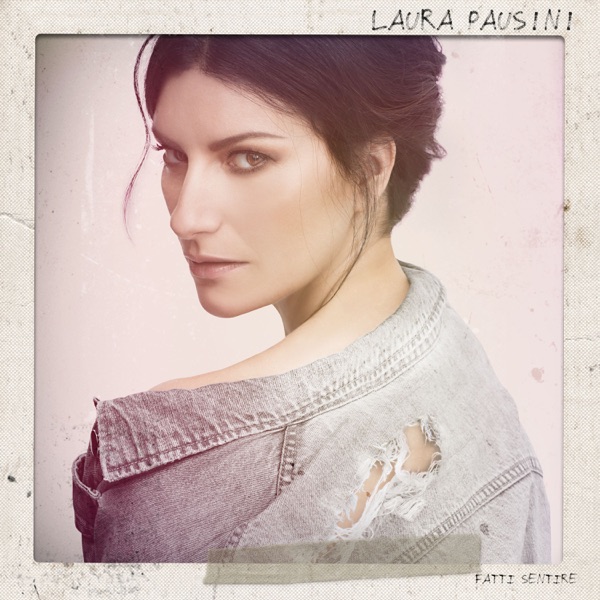
Fatti sentire
2018 · 14 tracks
- 1 Non è detto ↗ 3:28
- 2 Nuevo ↗ 4:13
- 3 La soluzione ↗ 3:54
- 4 E.STA.A.TE ↗ 3:36
- 5 Frasi a metà ↗ 4:02
- 6 Le due finestre ↗ 4:19
- 7 Fantastico (Fai quello che sei) ↗ 3:34
- 8 No river is wilder ↗ 3:21
- 9 L'ultima cosa che ti devo ↗ 3:38
- 10 Un progetto di vita in comune ↗ 3:16
- 11 Il caso è chiuso ↗ 3:30
- 12 Zona d'ombra ↗ 2:50
- 13 Francesca (Piccola aliena) ↗ 3:31
- 14 Il coraggio di andare ↗ 3:45
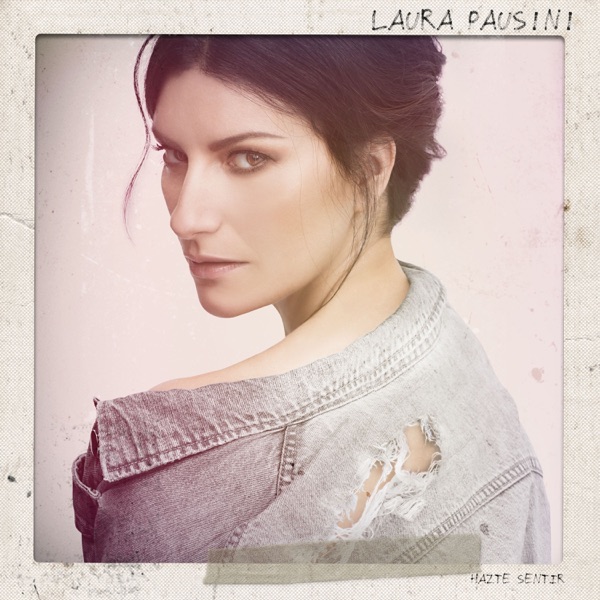
Hazte sentir
2018 · 14 tracks
- 1 Nadie ha dicho ↗ 3:28
- 2 Nuevo ↗ 4:13
- 3 La solución ↗ 3:54
- 4 ESTÁ.ALLÁ ↗ 3:36
- 5 Verdades a medias ↗ 4:02
- 6 Dos ventanas ↗ 4:19
- 7 Fantástico (Haz lo que eres) ↗ 3:34
- 8 No river is wilder ↗ 3:21
- 9 Algo que te debo ↗ 3:38
- 10 Un proyecto de vida en común ↗ 3:16
- 11 El caso está perdido ↗ 3:30
- 12 Niebla gris ↗ 2:50
- 13 Francesca ↗ 3:31
- 14 El valor de seguir adelante ↗ 3:45

Almas paralelas
2020 · 16 tracks
- 1 Cero ↗ 3:21
- 2 Un buen inicio ↗ 3:10
- 3 Durar ↗ 3:20
- 4 Perdona si no es así ↗ 3:39
- 5 Qué es ↗ 3:20
- 6 Todas las veces ↗ 3:29
- 7 El primer paso en la luna ↗ 2:59
- 8 Hogar natural ↗ 3:33
- 9 Más que una idea ↗ 3:27
- 10 Almas paralelas ↗ 3:06
- 11 Pero ↗ 3:34
- 12 Flashback ↗ 3:08
- 13 Venus ↗ 3:32
- 14 Vale la pena ↗ 3:00
- 15 Más allá de la superficie ↗ 3:19
- 16 Frente a nosotros ↗ 2:59
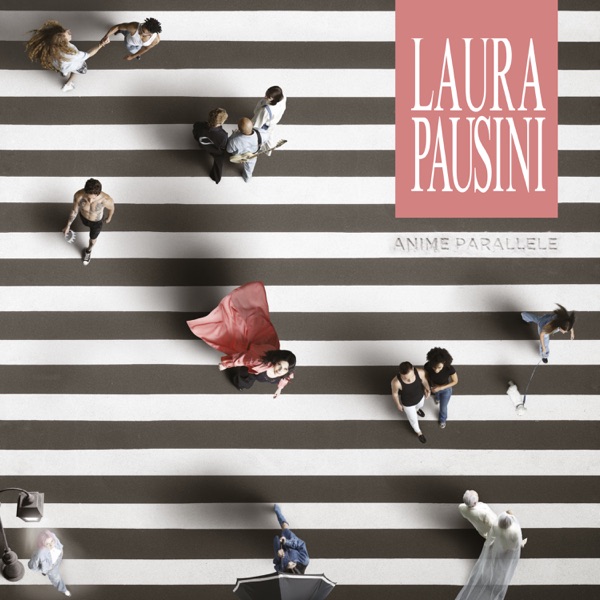
Anime parallele
2023 · 16 tracks
- 1 Zero ↗ 3:21
- 2 Un buon inizio ↗ 3:10
- 3 Durare ↗ 3:20
- 4 Eppure non è così ↗ 3:39
- 5 Cos’è ↗ 3:21
- 6 Tutte le volte ↗ 3:29
- 7 Il primo passo sulla luna ↗ 2:59
- 8 Dimora naturale ↗ 3:33
- 9 Più che un’idea ↗ 3:27
- 10 Anime parallele ↗ 3:06
- 11 Però ↗ 3:34
- 12 Flashback ↗ 3:08
- 13 Venere ↗ 3:32
- 14 Vale la pena ↗ 3:00
- 15 Oltre la superficie ↗ 3:19
- 16 Davanti a noi ↗ 2:59

Io Canto 2
2026 · 20 tracks
- 1 RITORNO AD AMARE ↗ 4:10
- 2 QUANNO CHIOVE ↗ 3:05
- 3 QUEM DE NÓS DOIS (con Ana Carolina e Ferrugem) ↗ 5:15
- 4 DETTAGLI ↗ 4:04
- 5 IMMENSAMENTE ↗ 3:28
- 6 16 MARZO (con Achille Lauro) ↗ 3:42
- 7 HAI SCELTO ME ↗ 2:31
- 8 LA ISLA BONITA ↗ 3:33
- 9 E POI ↗ 4:30
- 10 FELICITÀ (con Lucio Dalla) ↗ 5:03
- 11 JÁ SEI NAMORAR ↗ 2:57
- 12 MA CHE FREDDO FA (con Annalisa) ↗ 2:47
- 13 UN SENSO ↗ 3:41
- 14 NON SONO UNA SIGNORA ↗ 3:41
- 15 CI VORREBBE IL MARE ↗ 3:49
- 16 LA DERNIÈRE CHANSON (DUE VITE) [con Julien Lieb] ↗ 3:44
- 17 WENN DU AN WUNDER GLAUBST ↗ 1:42
- 18 QUEM DE NÓS DOIS (solo version) ↗ 5:16
- 19 MON HISTOIRE ENTRE LES DOIGTS ↗ 5:16
- 20 LA MIA STORIA TRA LE DITA ↗ 5:16

YO CANTO 2
2026 · 18 tracks
- 1 OYE MI CANTO (con Richaelio) [with Richaelio] ↗ 3:29
- 2 HIJO DE LA LUNA ↗ 4:09
- 3 MI HISTORIA ENTRE TUS DEDOS ↗ 5:16
- 4 HASTA LA RAÍZ ↗ 3:13
- 5 BACHATA ROSA ↗ 4:07
- 6 GRACIAS A LA VIDA (con Nahuel Pennisi) [with Nahuel Pennisi] ↗ 2:40
- 7 MARIPOSA TECKNICOLOR ↗ 3:01
- 8 PAUSA (con Mikel Izal) [with Mikel Izal] ↗ 2:45
- 9 ANTOLOGÍA ↗ 3:40
- 10 ¿PORQUÉ TE VAS? ↗ 3:03
- 11 CUANDO NADIE ME VE ↗ 5:12
- 12 ESO Y MÁS ↗ 2:28
- 13 HOY ↗ 3:05
- 14 EL TALISMÁN ↗ 3:41
- 15 TURISTA ↗ 2:47
- 16 LIVIN' LA VIDA LOCA (SPANGLISH VERSION) ↗ 3:57
- 17 CUANDO NACEN AMORES (con Ricardo Montaner) [with Ricardo Montaner] ↗ 3:59
- 18 EL PATIO ↗ 4:24
IO CANTO 2
2026 · 20 tracks
- 1 RITORNO AD AMARE ↗ 4:10
- 2 QUANNO CHIOVE ↗ 3:05
- 3 QUEM DE NÓS DOIS (con Ana Carolina e Ferrugem) ↗ 5:15
- 4 DETTAGLI ↗ 4:04
- 5 IMMENSAMENTE ↗ 3:28
- 6 16 MARZO (con Achille Lauro) ↗ 3:42
- 7 HAI SCELTO ME ↗ 2:31
- 8 LA ISLA BONITA ↗ 3:33
- 9 E POI ↗ 4:30
- 10 FELICITÀ (con Lucio Dalla) ↗ 5:03
- 11 JÁ SEI NAMORAR ↗ 2:57
- 12 MA CHE FREDDO FA (con Annalisa) ↗ 2:47
- 13 UN SENSO ↗ 3:41
- 14 NON SONO UNA SIGNORA ↗ 3:41
- 15 CI VORREBBE IL MARE ↗ 3:49
- 16 LA DERNIÈRE CHANSON (DUE VITE) [con Julien Lieb] ↗ 3:44
- 17 WENN DU AN WUNDER GLAUBST ↗ 1:42
- 18 QUEM DE NÓS DOIS (solo version) ↗ 5:16
- 19 MON HISTOIRE ENTRE LES DOIGTS ↗ 5:16
- 20 LA MIA STORIA TRA LE DITA ↗ 5:16
-
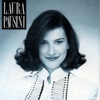 Laura PausiniLaura Pausini19938 tracks
 - Laura PausiniLaura Pausini19948 tracks
-
 LauraLaura Pausini199410 tracks
 -
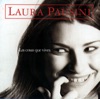 Las cosas que vivesLaura Pausini199612 tracks
 -
 Le cose che viviLaura Pausini199615 tracks
 -
 Mi respuestaLaura Pausini199813 tracks
 -
 La mia rispostaLaura Pausini199813 tracks
 -
 Entre tú y mil maresLaura Pausini200013 tracks
 -
 Tra te e il mareLaura Pausini200013 tracks
 -
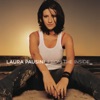 From the InsideLaura Pausini200212 tracks
 -
 Resta in ascoltoLaura Pausini200411 tracks
 -
 EscuchaLaura Pausini200411 tracks
 -
 Yo cantoLaura Pausini200619 tracks
 -
 Io cantoLaura Pausini200619 tracks
 -
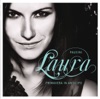 Primavera in anticipoLaura Pausini200814 tracks
 -
 Primavera anticipadaLaura Pausini200814 tracks
 -
 IneditoLaura Pausini201115 tracks
 - InéditoLaura Pausini201215 tracks
-
 SimilaresLaura Pausini201515 tracks
 -
 SimiliLaura Pausini201515 tracks
 -
 Laura NavidadLaura Pausini201612 tracks
 -
 Laura XmasLaura Pausini201617 tracks
 -
 Fatti sentireLaura Pausini201814 tracks
 -
 Hazte sentirLaura Pausini201814 tracks
 -
 Almas paralelasLaura Pausini202016 tracks
 -
 Anime paralleleLaura Pausini202316 tracks
 -
 Io Canto 2Laura Pausini202620 tracks
 -
 YO CANTO 2Laura Pausini202618 tracks
 - IO CANTO 2Laura Pausini202620 tracks
Deep Dive
Overview
Laura Pausini is an Italian pop and rock singer-songwriter born in 1974 whose commercial breakthrough arrived suddenly and definitively in 1993. At the 43rd Sanremo Music Festival that year, she won the newcomer artists’ section with “La solitudine,” a ballad that transcended regional chart success to become both an Italian standard and an international hit. Her emergence marked the beginning of a career spanning three decades, characterized by consistent international visibility and a distinctive approach to multilingual recording—releasing albums in Italian, Spanish, and English versions to reach audiences across the Mediterranean and Latin America.
Formation Story
Laura Pausini was born in Italy in 1974, coming of age during a period when Italian pop music maintained strong domestic traditions while seeking European and global crossover opportunities. The early 1990s offered a particular window: Sanremo remained the nation’s most prestigious launching pad for new talent, and the European pop market was increasingly fragmented by language but unified by crossover ambitions. Pausini entered the 1993 Sanremo competition as an emerging artist, a pathway available to newcomers seeking national exposure. Her victory with “La solitudine” did not merely secure a domestic foothold; the song’s melodic accessibility and emotional directness resonated internationally, positioning her immediately as a viable contender for sustained international recording contracts. This immediate success set the trajectory for her entire career: sustained output, strategic multilingual releases, and careful cultivation of audiences across language borders.
Breakthrough Moment
The 1993 Sanremo victory and the subsequent release of her self-titled debut album Laura Pausini on April 23, 1993, marked her entrance into the broader music industry. The debut album achieved exceptional commercial performance, ultimately selling two million copies worldwide—an extraordinary debut-album tally that secured her position within the upper tier of 1990s pop artists. The follow-up, Laura, released in 1994, confirmed rather than diminished her momentum. That second album sold three million copies globally, demonstrating that her initial success was not a one-hit phenomenon but the foundation of sustained popular appeal. By the mid-1990s, Pausini had established herself as one of the few Italian pop artists capable of selling multi-million-copy albums in international markets.
Peak Era
The mid-to-late 1990s and early 2000s constituted Pausini’s peak era of critical and commercial visibility. Albums such as Las cosas que vives and Le cose che vivi (1996)—both language variants of the same release—demonstrated her established pattern of simultaneous Spanish and Italian versions, a strategy that allowed her to maintain presence in both Iberian and Mediterranean markets without sacrificing creative cohesion. Mi respuesta and La mia risposta (1998) continued this bilingual approach, while Entre tú y mil mares and Tra te e il mare (2000) confirmed the sustainability of her multilingual model. Her 2002 album From the Inside represented a strategic English-language entry, attempting to broaden her North American presence. By the 2004 releases Resta in ascolto and Escucha, she had established a reliable rhythm of output and a proven international fan base willing to follow her across language divides.
Musical Style
Laura Pausini’s musical identity centers on emotional, melody-driven pop-rock balladeering with strong Italian melodic lineage. Her vocal approach emphasizes clarity and emotional directness rather than technical pyrotechnics, allowing lyrics to carry emotional weight. “La solitudine,” her breakthrough, exemplifies her signature mode: a minor-key ballad with sophisticated harmonic structure, restrained arrangement, and a vocal performance that prioritizes lyrical communication over vocal display. Her songwriting gravitates toward themes of love, longing, and emotional independence—subjects that translate readily across cultural and linguistic boundaries. The multilingual strategy itself became integral to her identity: rather than recording once and providing translations, she worked with arrangers and producers to create authentic Italian and Spanish versions that respected each language’s rhythmic and emotional characteristics. This labor-intensive approach reflected a commitment to quality over mere translation convenience, and it became her distinguishing mark within the European pop landscape. Her instrumentation draws from contemporary 1990s and 2000s pop production: acoustic and electric guitars, orchestral strings for emotional peaks, programmed and live percussion, and layered vocal arrangements that give her ballads cinematic scope.
Major Albums
Laura Pausini (1993)
Her debut album introduced “La solitudine” and established the Sanremo-to-international-success template that would define her career. Selling two million copies worldwide, it secured her position within the upper tier of 1990s pop artists.
Laura (1994)
The follow-up validated her breakthrough and tripled international recognition, moving three million copies and confirming that her initial success would endure beyond the typical one-hit arc.
Las cosas que vives / Le cose che vivi (1996)
This paired Spanish-Italian release exemplified her bilingual strategy and demonstrated her ability to maintain creative and commercial presence across language borders simultaneously.
From the Inside (2002)
Her primary English-language effort, representing a strategic attempt to consolidate her North American presence and prove her versatility outside her native Spanish-Italian language comfort zone.
Resta in ascolto / Escucha (2004)
By the mid-2000s, she maintained her signature approach and continued to generate new material at a steady pace, securing her ongoing presence in European and Latin American markets.
Signature Songs
- “La solitudine” (1993) — Her Sanremo-winning debut single and the song that established her international profile, a minor-key ballad that became an Italian standard.
- “Ascolta il tuo cuore” (1994) — Featured on the debut album, demonstrating her capacity for emotional delivery across multiple languages.
- “La mia risposta” (1998) — The Italian version of Mi respuesta, exemplifying her bilingual songwriting approach and emotional directness.
- “Primavera in anticipo” (2008) — Title track from the 2008 album, representing her sustained output and continued relevance in the 2000s.
Influence on Rock
Laura Pausini’s influence operates primarily within European pop and soft rock rather than within aggressive or experimental rock traditions. Her success demonstrated that Italian-language pop ballads could achieve significant international sales without adopting Anglo-American idiom wholesale. She proved the viability of the multilingual strategy within the 1990s European music marketplace, where the fragmentation of language need not preclude commercial success if the emotional core of a song was strong enough to transcend translation. Her emphasis on melodic sophistication, vocal clarity, and emotional directness over technical display influenced younger European pop-rock artists seeking international recognition without abandoning their native-language traditions. The Sanremo-to-world-market pathway that she exemplified became a template for subsequent Italian pop artists attempting to replicate her success.
Legacy
Laura Pausini’s career has endured across three decades, from 1993 to the present, a tenure that places her among the longer-sustained contemporary pop artists. Her albums continue to be released under major-label distribution through Atlantic Records, and her official website remains active, indicating ongoing career management and fan engagement. The combination of consistent album output—with new releases appearing as recently as 2023 (Anime parallele) and scheduled releases into 2026—and her sustained international presence demonstrates remarkable longevity in a genre where careers often peak sharply and decline. Her approach to bilingual and multilingual recording proved influential enough that it became adopted by other European pop artists seeking similar cross-market accessibility. “La solitudine” remains her most culturally resonant song, a composition that transcended its origins as a competition entry to become a permanent fixture of Italian popular music.
Fun Facts
- Pausini’s 1993 Sanremo victory occurred in the newcomer artists’ section, a category that has launched many subsequent Italian chart-toppers but few with her sustained international durability.
- Her strategy of releasing simultaneous Italian and Spanish versions of the same album distinguished her from most competitors, who typically recorded once and provided translations; Pausini worked with separate arrangers and producers for each language version.
- By 2000, with the releases Entre tú y mil mares and Tra te e il mare, she had established herself as one of the few Italian pop artists consistently placing albums in both Spanish and Italian charts simultaneously.
- Her 2016 releases—Laura Navidad and Laura Xmas—demonstrated her willingness to explore holiday material, expanding her commercial footprint during the year-end purchasing season.