
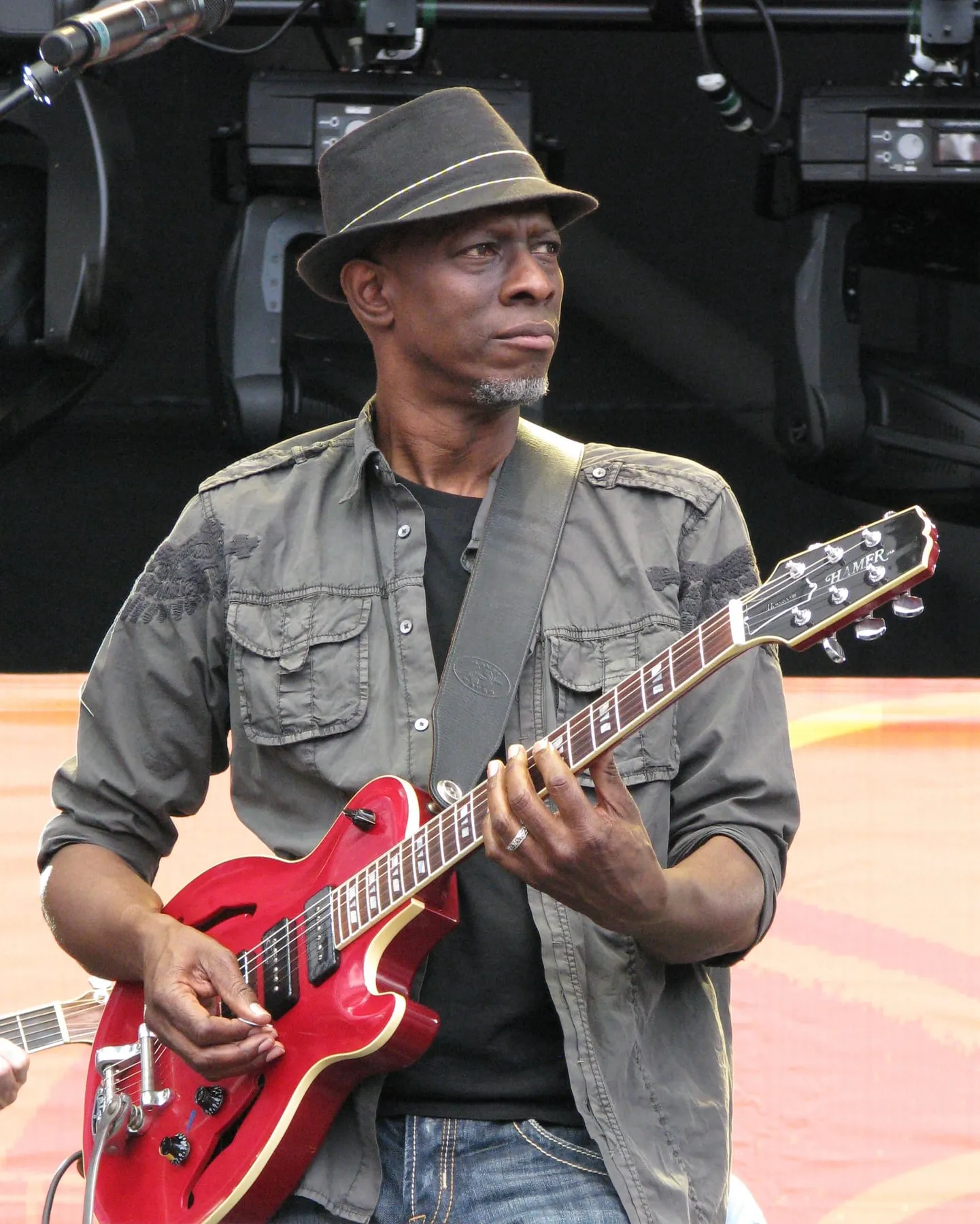
Photo by Steve Proctor , licensed under CC BY-SA 4.0 · Wikimedia Commons
Rank #482
Keb' Mo'
From Wikipedia
Kevin Roosevelt Moore, known as Keb' Mo', is an American blues musician. He is a singer, guitarist and songwriter, living in Nashville, Tennessee. He has been described as "a living link to the seminal Delta blues that travelled up the Mississippi River and across the expanse of America." His post-modern blues style is influenced by many eras and genres, including folk, rock, jazz, pop and country. The moniker "Keb Mo" was coined by his original drummer, Quentin Dennard, and picked up by his record label as a "street talk" abbreviation of his given name.
Discography & Previews
Browse through and click an album to open and play 30-second previews streamed from Apple Music.
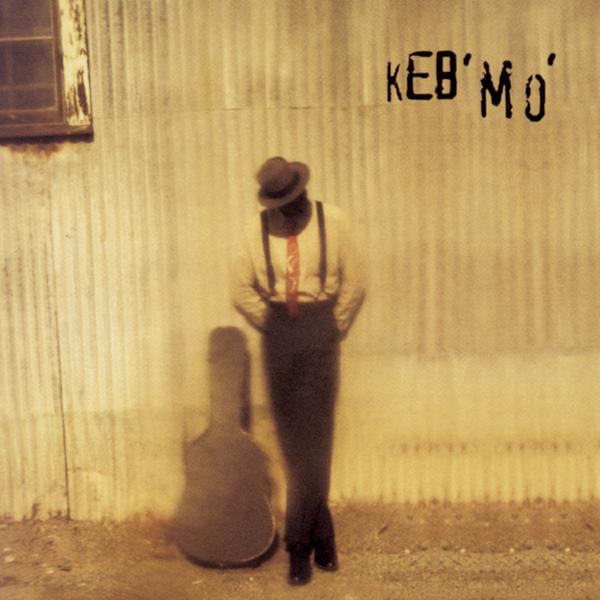
Keb’ Mo’
1994 · 13 tracks
- 1 Every Morning ↗ 3:00
- 2 Tell Everybody I Know ↗ 3:10
- 3 Love Blues ↗ 3:02
- 4 Victims of Comfort ↗ 3:21
- 5 Angelina ↗ 3:47
- 6 Anybody Seen My Girl ↗ 2:56
- 7 She Just Wants to Dance ↗ 3:29
- 8 Am I Wrong ↗ 2:20
- 9 Come In My Kitchen ↗ 4:09
- 10 Dirty Low Down and Bad ↗ 3:08
- 11 Don't Try to Explain ↗ 3:59
- 12 Kindharted Woman Blues ↗ 3:30
- 13 City Boy ↗ 4:06
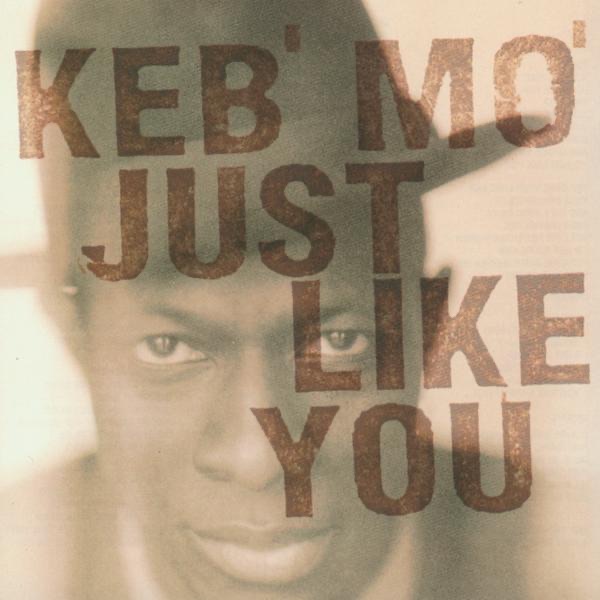
Just Like You
1996 · 13 tracks
- 1 That's Not Love ↗ 4:07
- 2 Perpetual Blues Machine ↗ 3:15
- 3 More Than One Way Home ↗ 4:53
- 4 I'm On Your Side ↗ 3:38
- 5 Just Like You ↗ 3:25
- 6 You Can Love Yourself ↗ 2:33
- 7 Dangerous Mood ↗ 4:58
- 8 The Action ↗ 3:57
- 9 Hand It Over ↗ 2:54
- 10 Standin' At the Station ↗ 3:12
- 11 Momma, Where's My Daddy ↗ 3:07
- 12 Last Fair Deal Gone Down ↗ 3:45
- 13 Lullaby Baby Blues ↗ 2:33
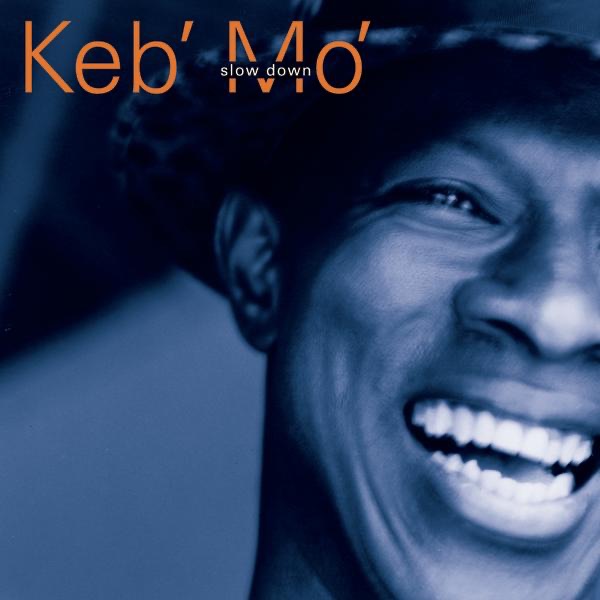
Slow Down
1998 · 13 tracks
- 1 Muddy Water ↗ 4:21
- 2 I Was Wrong ↗ 4:21
- 3 Everything I Need ↗ 3:55
- 4 Henry ↗ 5:18
- 5 Soon As I Get Paid ↗ 4:38
- 6 A Better Man ↗ 5:15
- 7 I Don't Know ↗ 4:12
- 8 A Letter to Tracy ↗ 4:09
- 9 Slow Down ↗ 4:51
- 10 Rainmaker ↗ 4:15
- 11 Love In Vain ↗ 3:05
- 12 God Trying to Get Your Attention ↗ 4:06
- 13 I'm Telling You Now ↗ 2:36

The Door
2000 · 12 tracks

Big Wide Grin
2001 · 12 tracks
- 1 Everybody Be Yo'self ↗ 4:59
- 2 Love Train ↗ 4:30
- 3 Don't Say No ↗ 4:18
- 4 Infinite Eyes ↗ 4:55
- 5 Grandma's Hands ↗ 3:30
- 6 Color Him Father ↗ 3:35
- 7 Family Affair ↗ 3:48
- 8 The Flat Foot Floogie ↗ 2:04
- 9 I Am Your Mother Too ↗ 4:03
- 10 Big Yellow Taxi ↗ 3:45
- 11 Isn't She Lovely ↗ 5:16
- 12 America the Beautiful ↗ 3:36
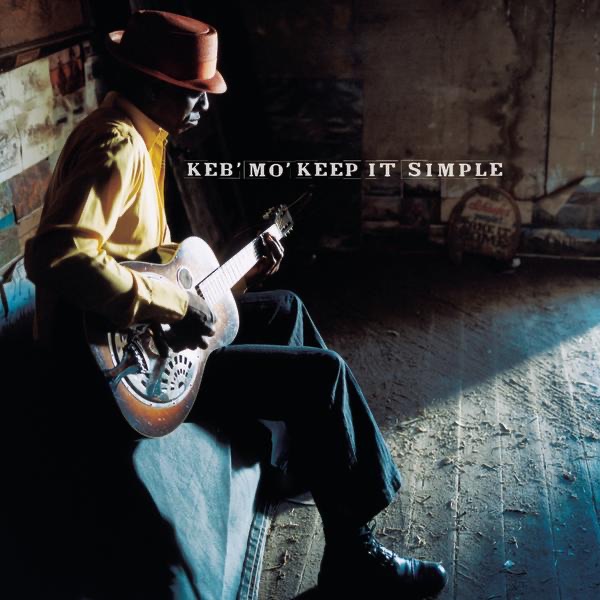
Keep It Simple
2004 · 12 tracks
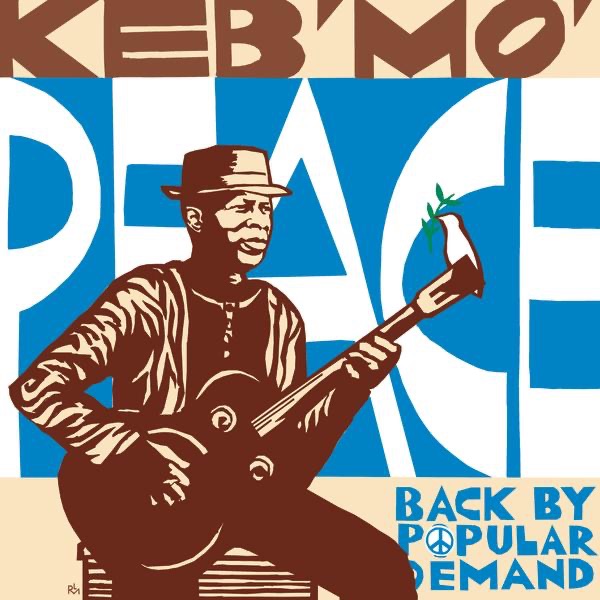
Peace… Back by Popular Demand
2004 · 10 tracks
- 1 For What It's Worth ↗ 3:58
- 2 Wake Up Everybody ↗ 4:07
- 3 People Got to Be Free ↗ 3:46
- 4 Talk ↗ 3:39
- 5 What's Happening Brother ↗ 3:25
- 6 The Times They Are A-Changin' ↗ 4:11
- 7 Get Together ↗ 4:00
- 8 Someday We'll All Be Free ↗ 4:02
- 9 (What's So Funny 'Bout) Peace, Love and Understanding ↗ 3:44
- 10 Imagine ↗ 4:55

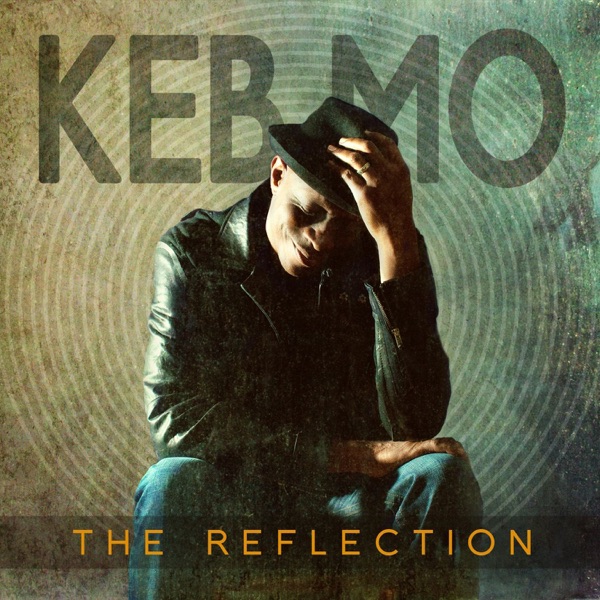
The Reflection
2011 · 12 tracks
- 1 The Whole Enchilada ↗ 4:26
- 2 Inside Outside ↗ 3:37
- 3 All the Way ↗ 3:50
- 4 The Reflection (I See Myself In You) ↗ 6:47
- 5 Crush On You ↗ 3:34
- 6 One of These Nights ↗ 3:49
- 7 My Baby's Tellin' Lies ↗ 3:41
- 8 My Shadow ↗ 4:51
- 9 We Don't Need It ↗ 4:38
- 10 Just Lookin' ↗ 3:56
- 11 Walk Through Fire ↗ 4:14
- 12 Something Within ↗ 5:12


TajMo
2017 · 11 tracks
- 1 Don't Leave Me Here ↗ 5:02
- 2 She Knows How To Rock Me ↗ 2:40
- 3 All Around The World ↗ 3:23
- 4 Om Sweet Om (feat. Lizz Wright) ↗ 3:36
- 5 Shake Me In Your Arms ↗ 5:58
- 6 That's Who I Am ↗ 4:17
- 7 Diving Duck Blues ↗ 4:28
- 8 Squeeze Box ↗ 3:16
- 9 Ain't Nobody Talkin' ↗ 4:00
- 10 Soul ↗ 6:01
- 11 Waiting On The World To Change ↗ 2:43

Moonlight, Mistletoe & You
2019 · 10 tracks
- 1 Please Come Home For Christmas ↗ 2:58
- 2 Moonlight, Mistletoe & You (feat. Gerald Albright) ↗ 3:29
- 3 Better Everyday ↗ 3:35
- 4 Santa Claus, Santa Claus ↗ 3:55
- 5 Christmas Is Annoying ↗ 2:13
- 6 Merry, Merry Christmas ↗ 4:35
- 7 I’ve Got My Love To Keep Me Warm (feat. Melissa Manchester) ↗ 4:17
- 8 Santa Claus Blues ↗ 3:02
- 9 When the Children Sing ↗ 3:07
- 10 One More Year With You ↗ 4:17

Oklahoma
2019 · 10 tracks

Good to Be…
2022 · 13 tracks
- 1 Good To Be (Home Again) ↗ 3:31
- 2 So Easy ↗ 3:08
- 3 Sunny And Warm ↗ 3:27
- 4 Good Strong Woman (feat. Darius Rucker) ↗ 3:18
- 5 The Medicine Man (feat. Old Crow Medicine Show) ↗ 3:38
- 6 Marvelous To Me ↗ 3:34
- 7 Lean On Me ↗ 3:54
- 8 Like Love ↗ 3:40
- 9 All Dressed Up ↗ 4:14
- 10 ’62 Chevy ↗ 3:28
- 11 Louder ↗ 4:24
- 12 So Good To Me ↗ 3:46
- 13 Quiet Moments (feat. Kristin Chenoweth) ↗ 3:54
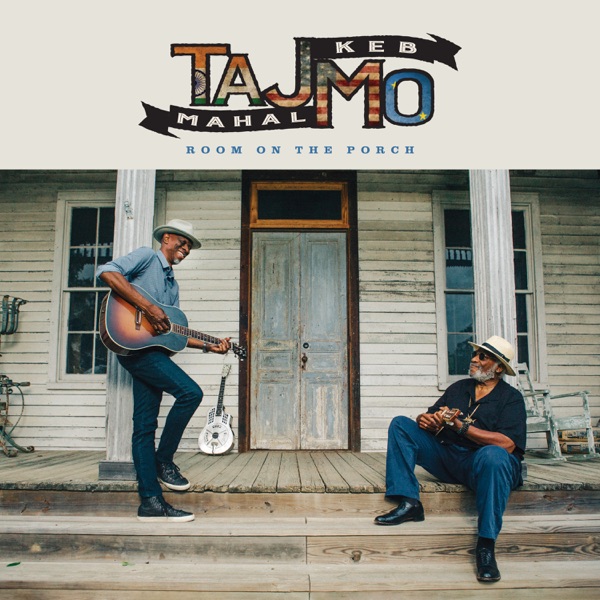
Room on the Porch
2025 · 10 tracks
- 1 Room On The Porch (feat. Ruby Amanfu) ↗ 4:05
- 2 My Darling My Dear ↗ 3:58
- 3 Nobody Knows You When You’re Down And Out ↗ 3:42
- 4 She Keeps Me Movin’ ↗ 4:02
- 5 Make Up Your Mind ↗ 4:40
- 6 Thicker Than Mud ↗ 4:38
- 7 Junkyard Dog ↗ 4:21
- 8 Blues’ll Give You Back Your Soul ↗ 4:47
- 9 Better Than Ever (feat. Wendy Moten) ↗ 5:04
- 10 Rough Time Blues ↗ 4:30
-
 Keb’ Mo’Keb' Mo'199413 tracks
 -
 Just Like YouKeb' Mo'199613 tracks
 -
 Slow DownKeb' Mo'199813 tracks
 -
 The DoorKeb' Mo'200012 tracks
 -
 Big Wide GrinKeb' Mo'200112 tracks
 -
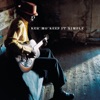 Keep It SimpleKeb' Mo'200412 tracks
 -
 Peace… Back by Popular DemandKeb' Mo'200410 tracks
 -
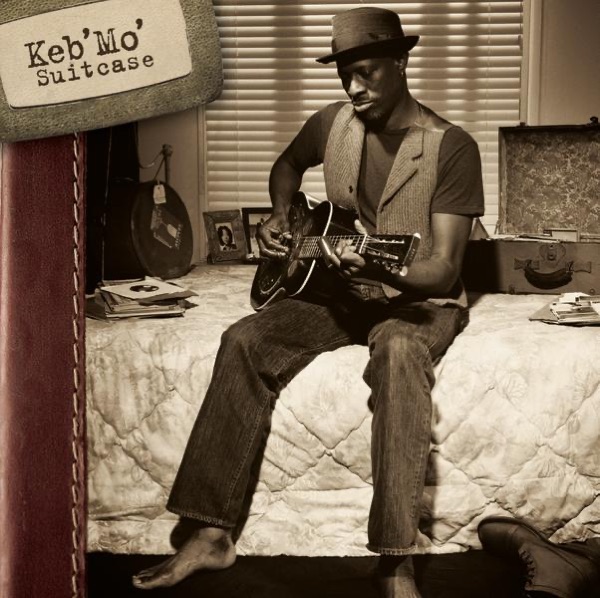
 SuitcaseKeb' Mo'200612 tracks
 -
 Live & Mo’Keb' Mo'200910 tracks
 -
 The ReflectionKeb' Mo'201112 tracks
 -
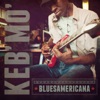 BLUESAmericanaKeb' Mo'201410 tracks
 -
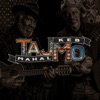 TajMoKeb' Mo'201711 tracks
 -
 Moonlight, Mistletoe & YouKeb' Mo'201910 tracks
 -
 OklahomaKeb' Mo'201910 tracks
 -
 Good to Be…Keb' Mo'202213 tracks
 -
 Room on the PorchKeb' Mo'202510 tracks
Deep Dive
Overview
Keb’ Mo’, the stage name of Kevin Roosevelt Moore, is an American blues singer, guitarist, and songwriter whose career spans from the early 1980s to the present day. Working primarily out of Nashville, Tennessee, he has carved out a distinctive artistic identity by synthesizing the deep tradition of Delta blues with contemporary rock, folk, jazz, pop, and country influences. Described as “a living link to the seminal Delta blues that travelled up the Mississippi River and across the expanse of America,” Keb’ Mo’ represents a modernist approach to blues tradition—one that honors the form’s historical roots while remaining engaged with the musical possibilities of his own era.
Formation Story
Kevin Roosevelt Moore was born in 1951, entering a world where blues had already undergone decades of transformation from its Delta origins. He grew up absorbing the full spectrum of American musical traditions—from traditional folk and country to the amplified, electrified sounds of post-war blues and the emerging landscape of rock and roll. Rather than arriving through a single scene or mentor relationship, Moore developed his musicianship across multiple contexts, drawing equally from rural blues tradition and urban pop-rock sensibilities. His artistic path led him toward Nashville, a city more commonly associated with country music but increasingly home to musicians working across genre boundaries. The moniker “Keb’ Mo’” emerged from his original drummer, Quentin Dennard, who coined the “street talk” abbreviation of his given name—a nickname that his record label subsequently adopted as his professional identity.
Breakthrough Moment
Keb’ Mo’ released his debut studio album, Rainmaker, in 1980, establishing his presence as a recording artist early in the decade. However, his wider recognition came with the 1994 self-titled album Keb’ Mo’, which served as his artistic introduction to a broader audience. This record established the template for his post-modern blues approach, blending traditional blues vocabulary with contemporary production and songwriting sensibilities. The album demonstrated that blues could be both historically grounded and immediately accessible without sacrificing authenticity, setting the stage for a career that would sustain itself through subsequent decades.
Peak Era
From the mid-1990s through the early 2000s, Keb’ Mo’ entered his most creatively fertile period. Albums including Just Like You (1996), Slow Down (1998), The Door (2000), and Big Wide Grin (2001) consolidated his artistic vision and broadened his audience within blues and roots-music communities. Keep It Simple (2004) further refined his approach, while Suitcase (2006) continued his output with consistent artistic engagement. During this period, Keb’ Mo’ established himself not merely as a traditionalist reciting the blues playbook but as a thinking musician willing to let folk, rock, jazz, and country inflect his blues language. His steady release schedule and touring presence throughout these years built a dedicated fanbase that recognized in his work both historical continuity and contemporary relevance.
Musical Style
Keb’ Mo’s sound is fundamentally rooted in blues guitar tradition, yet distinguished by its openness to multiple idioms. His post-modern blues approach refuses rigid genre boundaries, instead treating blues as a foundational language that can accommodate folk storytelling, rock energy, jazz harmonic sophistication, pop melodicism, and country warmth. His guitar work emphasizes clarity and tone over virtuosic display, with roots in both acoustic and electric traditions. Vocally, Moore delivers blues lyrics with a conversational directness—his phrasing neither mannered nor oversold, but grounded in the communicative approach of blues singers concerned with meaning and emotional nuance. The production on his albums has evolved over decades from sparse, intimate settings to fuller arrangements that nonetheless preserve the centrality of his voice and guitar. This eclecticism—the refusal to remain confined within blues purism—has allowed Keb’ Mo’ to speak to audiences across generational and genre boundaries while maintaining credibility within blues communities.
Major Albums
Keb’ Mo’ (1994)
This self-titled album served as Keb’ Mo’s introduction to a wide audience, establishing his post-modern blues aesthetic and proving that contemporary blues could honor tradition while remaining musically vital and accessible.
Just Like You (1996)
Following the success of his debut album, Just Like You deepened Keb’ Mo’s exploration of blues forms refracted through multiple genres, solidifying his reputation as a distinctive voice in contemporary blues.
The Door (2000)
Released at the turn of the millennium, The Door represented a mature statement of his artistic vision, balancing blues fundamentals with the accumulated influences that defined his post-modern approach.
Keep It Simple (2004)
This album distilled Keb’ Mo’s philosophy into its title, emphasizing clarity and directness in both songwriting and performance while showcasing his mastery of blues fundamentals.
TajMo (2017)
A collaborative effort that brought together Keb’ Mo’ with another significant blues voice, demonstrating his continued relevance and willingness to engage in dialogue with peers across the blues tradition.
Oklahoma (2019)
Released in 2019, Oklahoma continued Keb’ Mo’s prolific output in his later career, showing sustained creative engagement and artistic ambition.
Signature Songs
- “The Rainmaker” — The title track from his 1980 debut, establishing his identity as a blues guitarist from his earliest recordings.
- “Just Like You” — The signature track from his breakthrough 1996 album, encapsulating his approach to contemporary blues.
- “Am I Wrong” — A song that exemplifies his gift for blues-based songwriting that speaks to universal emotional truths.
- “Every Morning” — Demonstrates his ability to craft accessible, melodic blues material that bridges traditional and contemporary sensibilities.
Influence on Rock
Keb’ Mo’ has played an important role in maintaining blues vitality within the broader rock and roots-music ecosystem during an era when blues traditionalism alone risked marginalization. His insistence that blues could absorb folk, country, jazz, and pop influences without losing its essential character offered younger musicians permission to work across genres while remaining grounded in blues tradition. His Nashville base—historically a country-music stronghold—made visible the possibility of blues thriving outside traditionally blues-identified cities. For listeners approaching blues from rock, folk, or country directions, Keb’ Mo’ has served as an accessible entry point that does not condescend to its audience or simplify the form’s possibilities. His sustained career through multiple decades of shifting industry conditions demonstrated that blues could maintain cultural relevance through artistic integrity and creative evolution rather than nostalgic preservation.
Legacy
Keb’ Mo’ continues to record and perform into the present day, with albums including Moonlight, Mistletoe & You (2019), Good to Be… (2022), and Room on the Porch (2025) extending his career into its fifth decade. His longevity reflects both personal artistic commitment and the durability of his fundamental approach—blues understood as a living tradition rather than a museum piece. He has recorded for multiple significant labels including Epic Records, Sony Music, Concord Records, and Chocolate City Records, reflecting his ability to appeal across different segments of the music industry. Nashville, his adopted home, has increasingly become recognized as a multigenre hub, and Keb’ Mo’ stands as part of that broader transformation. His work has made him a fixture in contemporary blues and roots-music circles, respected by both traditional blues audiences and listeners approaching the form through rock and folk sensibilities. As streaming platforms have made historical blues recordings widely available, Keb’ Mo’ has positioned himself as a contemporary practitioner who bridges historical blues with present-day musical possibilities—a role that has only grown in significance as popular music has increasingly embraced genre hybridity and historical consciousness.
Fun Facts
- The nickname “Keb’ Mo’” originated with his original drummer Quentin Dennard, who coined the “street talk” abbreviation that would become Keb’ Mo’s permanent professional identity.
- Keb’ Mo’ has maintained a presence across multiple record labels throughout his career, including major companies like Sony Music and Epic Records as well as independent and genre-specific imprints, reflecting his broad appeal across different music industry sectors.
- His prolific recent output—including three studio albums released between 2019 and 2025—demonstrates sustained creative engagement well into his seventh decade, contradicting assumptions about blues as a backward-looking tradition limited to aging practitioners.
- Based in Nashville, Tennessee, Keb’ Mo’ represents an important presence in a city historically dominated by country music, exemplifying the city’s evolution into a multigenre musical center.