
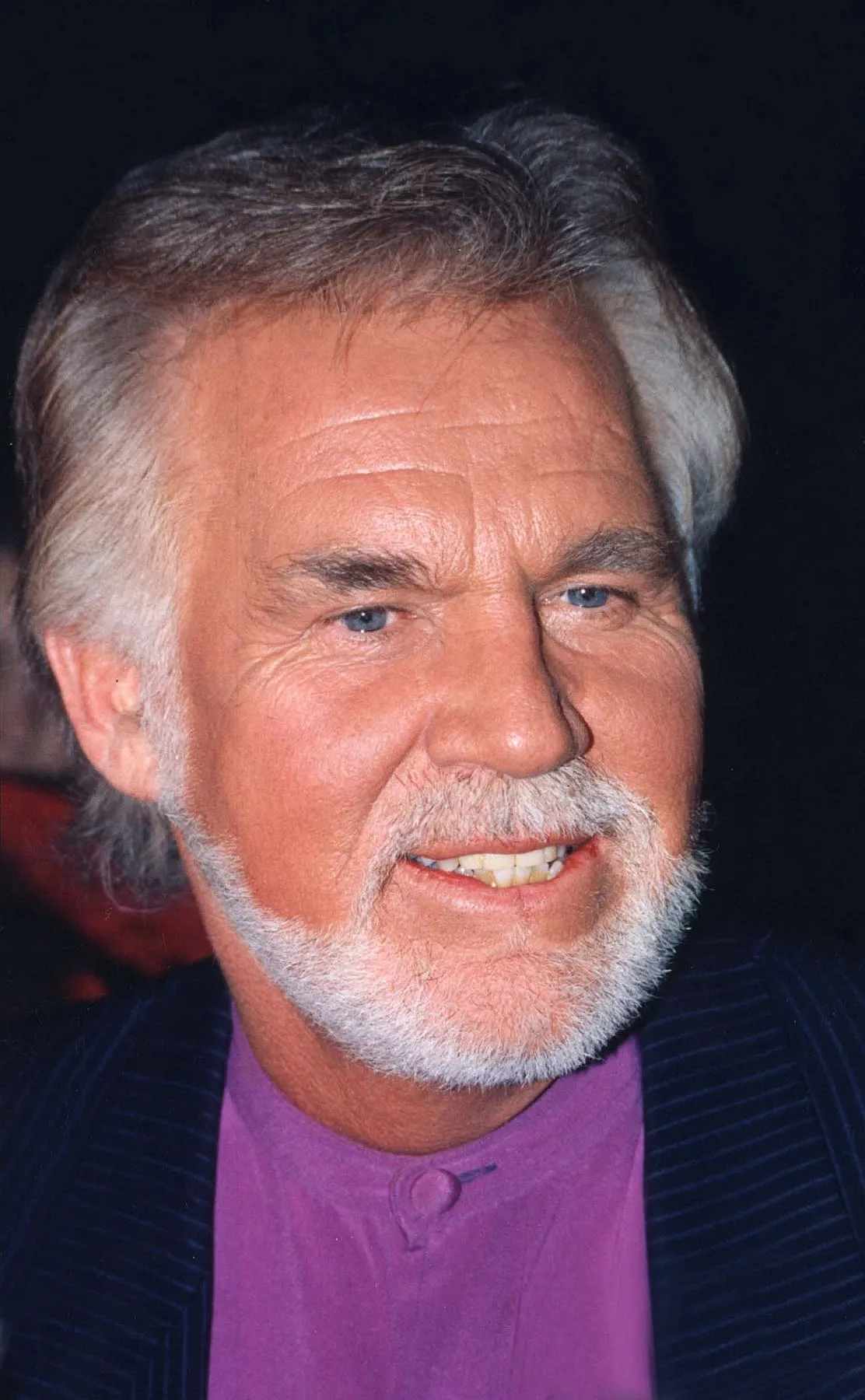
Photo by John Mathew Smith & www.celebrity-photos.com from Laurel Maryland, USA , licensed under CC BY-SA 2.0 · Wikimedia Commons
Rank #182
Kenny Rogers
From Wikipedia
Kenneth Ray Rogers was an American singer-songwriter. Rogers was particularly popular with country audiences, but also charted more than 120 hit singles across various genres, topping the country and pop album charts for more than 200 individual weeks in the United States alone. He sold more than 100 million records worldwide during his lifetime, making him one of the best-selling music artists of all time. His fame and career spanned multiple genres—jazz, folk, pop, rock, and country. He remade his career and was one of the most successful cross-over artists of all time. He was inducted into the Country Music Hall of Fame in 2013.
Discography & Previews
Browse through and click an album to open and play 30-second previews streamed from Apple Music.
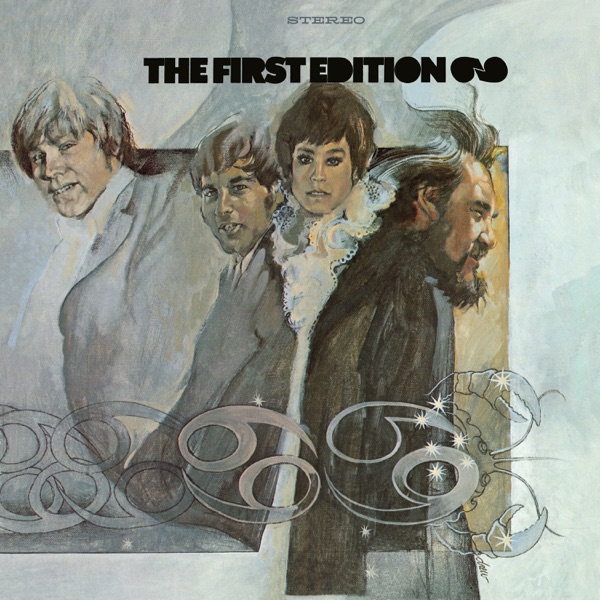
69
1969 · 10 tracks
- 1 But You Know I Love You ↗ 3:04
- 2 I Just Wanna Give My Love To You ↗ 2:48
- 3 It's Gonna Be Better ↗ 3:04
- 4 Last Few Threads Of Love ↗ 2:26
- 5 All That I Am ↗ 3:30
- 6 Trying Just As Hard As I Can ↗ 2:24
- 7 Run Through Your Mind ↗ 2:53
- 8 It's Raining In My Mind ↗ 3:15
- 9 Sleep Comes Easy ↗ 2:56
- 10 Ruby, Don't Take Your Love To Town ↗ 2:58
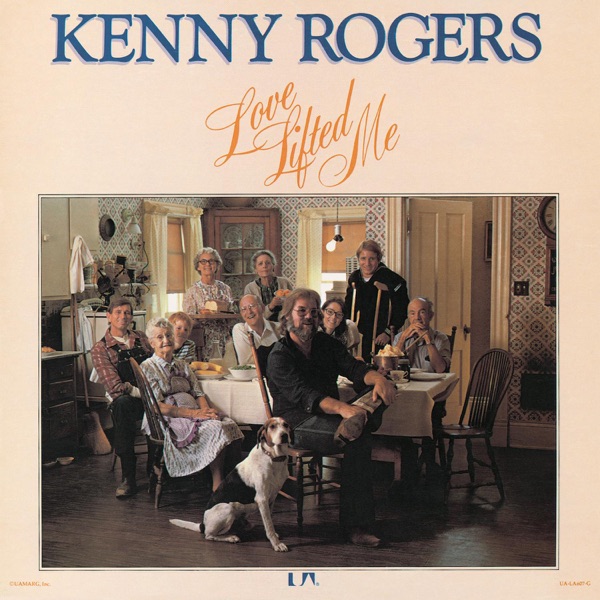
Love Lifted Me
1976 · 10 tracks
- 1 Love Lifted Me ↗ 3:48
- 2 Medley: Abraham, Martin and John / Precious Memories ↗ 4:17
- 3 I Would Like to See You Again ↗ 3:09
- 4 Runaway Girl ↗ 2:48
- 5 The World Needs a Melody ↗ 3:31
- 6 You Gotta Be Tired ↗ 2:55
- 7 Home-Made Love ↗ 2:30
- 8 While the Feeling's Good ↗ 4:04
- 9 Heavenly Sunshine ↗ 2:46
- 10 There's an Old Man In Our Town ↗ 3:36

Kenny Rogers
1976 · 11 tracks
- 1 Laura (What's He Got That I Ain't Got) ↗ 2:50
- 2 I Wasn't Man Enough ↗ 3:27
- 3 Mother Country Music ↗ 2:45
- 4 Why Don't We Go Somewhere and Love ↗ 3:21
- 5 Green Green Grass of Home ↗ 3:34
- 6 Till I Get It Right ↗ 3:06
- 7 Lucille ↗ 3:41
- 8 The Son of Hickory Holler's Tramp ↗ 3:12
- 9 Lay Down Beside Me ↗ 3:53
- 10 Puttin' in Overtime at Home ↗ 2:57
- 11 While I Play the Fiddle ↗ 2:43
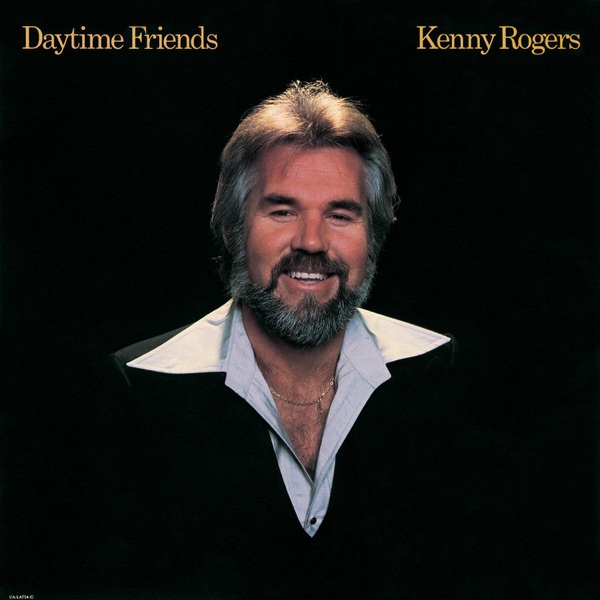
Daytime Friends
1977 · 11 tracks
- 1 Daytime Friends ↗ 3:14
- 2 Desperado ↗ 3:47
- 3 Rock and Roll Man ↗ 2:40
- 4 Lying Again ↗ 2:44
- 5 I'll Just Write My Music and Sing My Songs ↗ 2:59
- 6 My World Begins and Ends With You ↗ 2:43
- 7 Sweet Music Man ↗ 4:21
- 8 Am I Too Late ↗ 3:36
- 9 We Don't Make Love Anymore ↗ 3:54
- 10 Ghost of Another Man ↗ 3:01
- 11 Let Me Sing for You ↗ 4:40
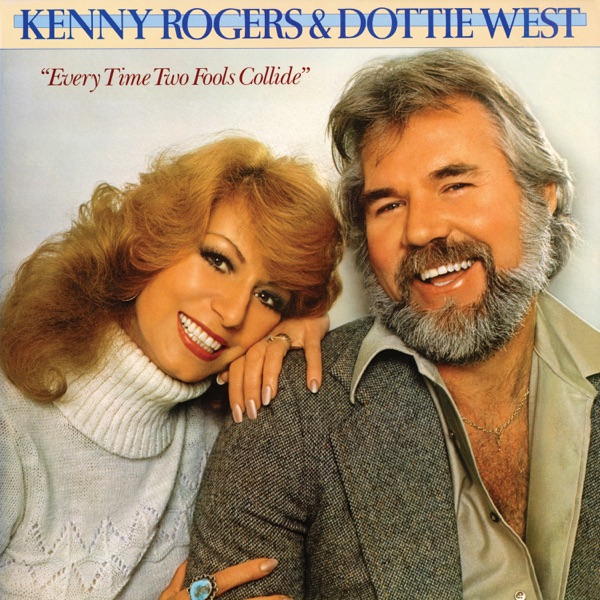
Every Time Two Fools Collide
1978 · 10 tracks
- 1 Every Time Two Fools Collide ↗ 3:01
- 2 You and Me ↗ 2:58
- 3 What's Wrong With Us Today ↗ 2:53
- 4 Beautiful Lies ↗ 3:26
- 5 That's the Way It Could've Been ↗ 3:06
- 6 Why Don't We Go Somewhere and Love ↗ 2:47
- 7 Baby I'm-A Want You ↗ 2:35
- 8 Anyone Who Isn't Me Tonight ↗ 2:22
- 9 The Loving Gift ↗ 2:24
- 10 We Love Each Other ↗ 2:52
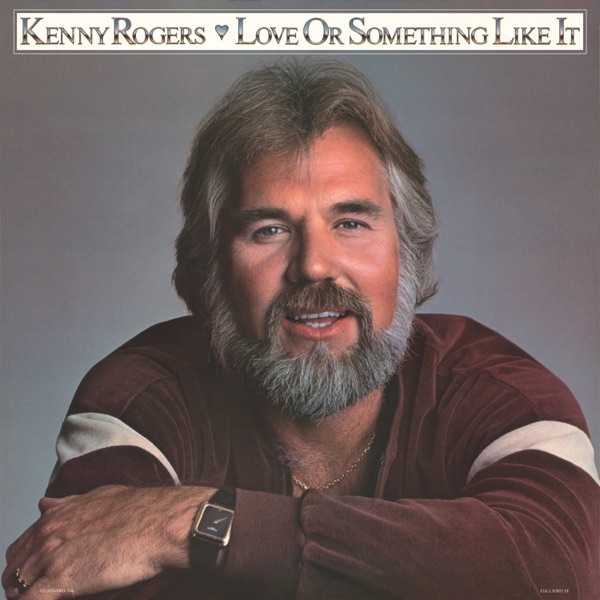
Love or Something Like It
1978 · 11 tracks
- 1 Love Or Something Like It ↗ 2:55
- 2 There's A Lot Of That Going Around ↗ 2:46
- 3 Buried Treasures ↗ 3:20
- 4 Something About Your Song ↗ 2:42
- 5 Momma's Waiting ↗ 4:10
- 6 We Could Have Been The Closest Of Friends ↗ 3:15
- 7 I Could Be So Good For You ↗ 3:02
- 8 Sail Away ↗ 3:35
- 9 Even A Fool Would Let Go ↗ 3:12
- 10 Highway Flyer ↗ 2:19
- 11 Starting Again ↗ 3:17

The Gambler
1978 · 11 tracks
- 1 The Gambler ↗ 3:31
- 2 I Wish That I Could Hurt That Way Again ↗ 2:55
- 3 The King of Oak Street ↗ 5:02
- 4 Making Music for Money ↗ 3:16
- 5 The Hoodooin' of Miss Fannie Deberry ↗ 4:45
- 6 She Believes in Me ↗ 4:12
- 7 Tennessee Bottle ↗ 4:00
- 8 Sleep Tight, Goodnight Man ↗ 2:53
- 9 A Little More Like Me (The Crucifixion) ↗ 2:49
- 10 San Francisco Mabel Joy ↗ 3:39
- 11 Morgana Jones ↗ 3:05

Kenny
1979 · 11 tracks
- 1 You Turn the Light On ↗ 3:03
- 2 You Decorated My Life ↗ 3:38
- 3 She's a Mystery ↗ 2:55
- 4 Goodbye Marie ↗ 2:47
- 5 Tulsa Turnaround ↗ 2:52
- 6 I Want To Make You Smile ↗ 3:20
- 7 Santiago Midnight Moonlight ↗ 3:15
- 8 One Man's Woman ↗ 3:46
- 9 In and Out of Your Heart ↗ 3:24
- 10 Old Folks ↗ 2:44
- 11 Coward of the County ↗ 4:20

Classics
1979 · 10 tracks
- 1 All I Ever Need Is You (feat. Dottie West) ↗ 3:10
- 2 'Til I Can Make It On My Own (feat. Dottie West) ↗ 3:19
- 3 Just The Way You Are ↗ 3:34
- 4 You Needed Me ↗ 3:10
- 5 (Hey Won't You Play) Another Somebody Done Somebody Wrong Song [feat. Dottie West] ↗ 3:10
- 6 Together Again (feat. Dottie West) ↗ 2:56
- 7 Midnight Flyer ↗ 3:22
- 8 You've Lost That Lovin' Feelin' ↗ 4:09
- 9 Let's Take The Long Way Around The World ↗ 2:56
- 10 Let It Be Me ↗ 3:24
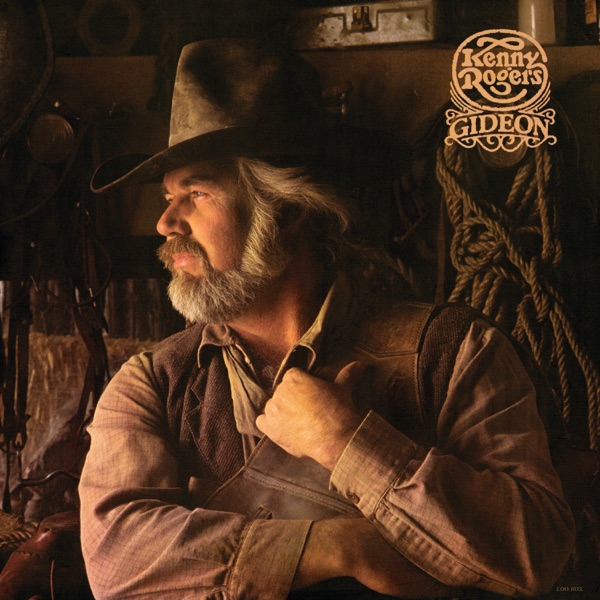
Gideon
1980 · 12 tracks
- 1 Goin' Home to the Rock (Intro) ↗ 0:42
- 2 Gideon Tanner ↗ 2:34
- 3 No Good Texas Rounder ↗ 4:15
- 4 Don't Fall in Love with a Dreamer (feat. Kim Carnes) ↗ 3:42
- 5 The Buckerros ↗ 3:22
- 6 You Were a Good Friend ↗ 3:59
- 7 Call Me Up (The Phone Is the Cradle) ↗ 3:22
- 8 These Chains ↗ 3:28
- 9 Somebody Help Me ↗ 2:56
- 10 One Place in the Night ↗ 3:05
- 11 Sayin' Goodbye ↗ 3:29
- 12 Goin' Home to the Rock (Reprise) ↗ 1:05

Share Your Love
1981 · 10 tracks
- 1 Blaze Of Glory ↗ 2:34
- 2 I Don't Need You ↗ 3:29
- 3 The Good Life ↗ 2:49
- 4 Makes Me Wonder If I Ever Said Goodbye ↗ 2:31
- 5 Through The Years (Single Version) ↗ 4:46
- 6 Share Your Love With Me ↗ 3:19
- 7 So In Love With You ↗ 4:14
- 8 Goin' Back To Alabama ↗ 4:32
- 9 Without You In My Life ↗ 5:07
- 10 Greybeard ↗ 2:36

Christmas
1981 · 10 tracks
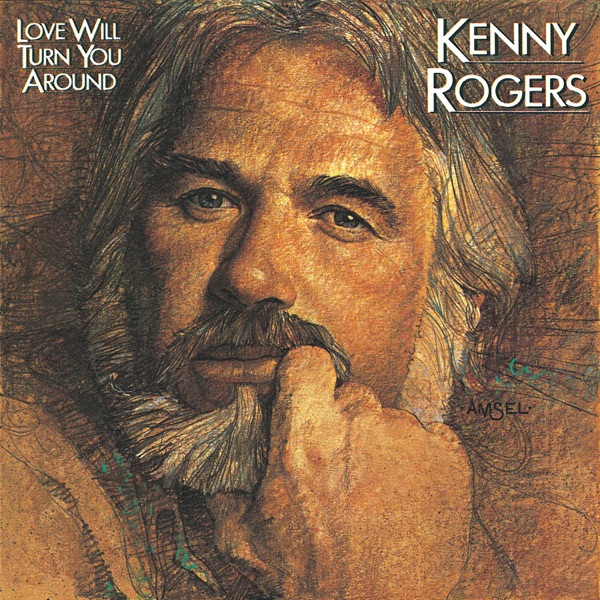
Love Will Turn You Around
1982 · 10 tracks
- 1 Love Will Turn You Around ↗ 3:41
- 2 A Love Song ↗ 3:18
- 3 Fightin' Fire With Fire ↗ 2:33
- 4 Maybe You Should Know ↗ 2:40
- 5 Somewhere Between Lovers and Friends ↗ 2:56
- 6 Take This Heart ↗ 3:24
- 7 If You Can Lie a Little Bit ↗ 3:37
- 8 I'll Take Care of You ↗ 2:39
- 9 The Fool In Me ↗ 4:07
- 10 I Want a Son ↗ 3:10

We’ve Got Tonight
1983 · 10 tracks

What About Me?
1984 · 10 tracks
- 1 What About Me? (with Kim Carnes & James Ingram) ↗ 4:23
- 2 The Night Goes On ↗ 4:35
- 3 Dream Dancin' ↗ 4:26
- 4 Two Hearts, One Love ↗ 3:37
- 5 I Don't Want to Know Why (with Cindy Fee) ↗ 4:06
- 6 Didn't We? ↗ 3:55
- 7 Somebody Took My Love ↗ 3:53
- 8 Crazy ↗ 3:44
- 9 The Stranger ↗ 3:47
- 10 Heart to Heart ↗ 3:41

Once Upon a Christmas
1984 · 9 tracks

The Heart of the Matter
1985 · 10 tracks

They Don’t Make Them Like They Used To
1986 · 10 tracks
- 1 This Love We Share ↗ 4:33
- 2 If I Could Hold On to Love ↗ 4:16
- 3 You're My Love ↗ 4:09
- 4 Time for Love ↗ 3:24
- 5 They Don't Make Them Like They Used To ↗ 4:32
- 6 Life Is Good, Love Is Better ↗ 3:59
- 7 Just the Thought of Losing You ↗ 4:15
- 8 Anything At All ↗ 4:36
- 9 After All This Time ↗ 4:18
- 10 Twenty Years Ago ↗ 3:43

I Prefer the Moonlight
1987 · 10 tracks
- 1 I Prefer the Moonlight ↗ 5:11
- 2 Now and Forever ↗ 4:10
- 3 We're Doin' Alright ↗ 4:00
- 4 Make No Mistake, She's Mine (with Ronnie Milsap) [feat. Kenny Rogers] ↗ 3:58
- 5 One More Day ↗ 2:57
- 6 She's Ready for Someone to Love Her ↗ 2:52
- 7 I Don't Call Him Daddy ↗ 4:09
- 8 The Factory ↗ 3:26
- 9 We Fell in Love Anyway ↗ 3:22
- 10 You Can't Say (You Don't Love Me Anymore) ↗ 3:15
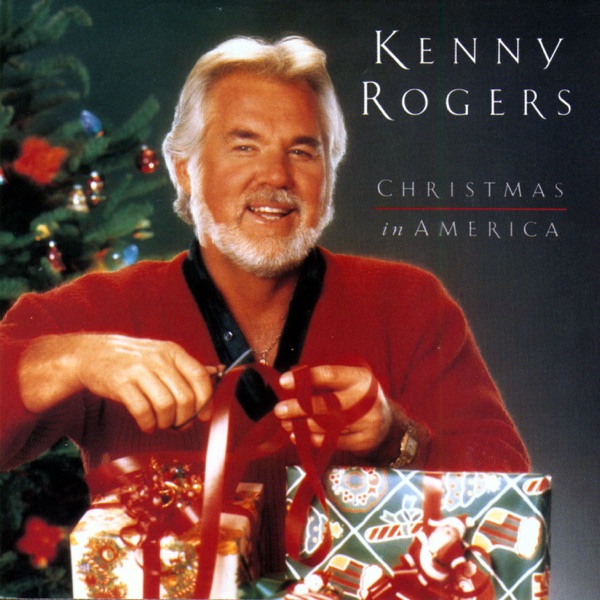
Christmas In America
1989 · 14 tracks
- 1 Christmas In America ↗ 3:03
- 2 Winter Wonderland ↗ 2:10
- 3 I'll Be Home for Christmas ↗ 3:04
- 4 Silver Bells ↗ 3:56
- 5 Have Yourself a Merry Little Christmas ↗ 3:28
- 6 Christmas In America (Reprise) ↗ 1:03
- 7 Joy to the World ↗ 1:56
- 8 Away In a Manger ↗ 1:23
- 9 O Little Town of Bethlehem ↗ 2:42
- 10 God Rest Ye Merry Gentlemen ↗ 1:26
- 11 The First Noel ↗ 2:42
- 12 Christmas In America (Segue) ↗ 0:21
- 13 What Child Is This ↗ 1:50
- 14 Silent Night ↗ 2:27
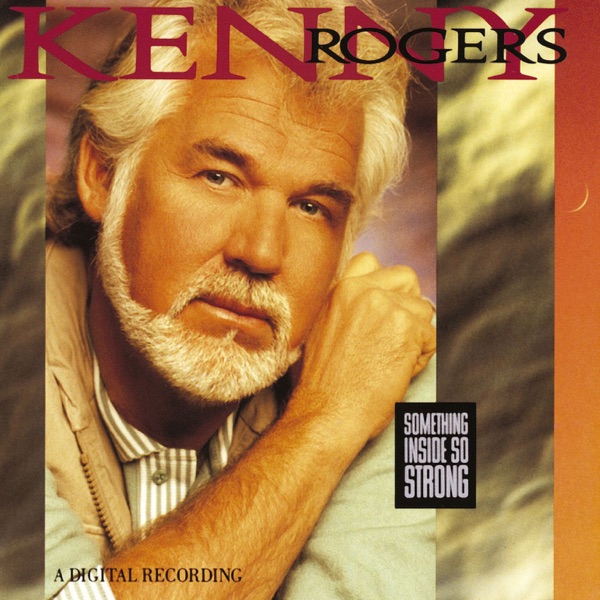
Something Inside So Strong
1989 · 10 tracks
- 1 Planet Texas ↗ 4:53
- 2 (Something Inside) So Strong ↗ 5:02
- 3 If I Knew Then What I Know Now (Duet With Gladys Knight) ↗ 3:55
- 4 One Night ↗ 4:41
- 5 There Lies the Difference ↗ 4:26
- 6 If I Ever Fall In Love Again (Duet With Anne Murray) ↗ 3:40
- 7 When You Put Your Heart In It ↗ 3:53
- 8 The Vows Go Unbroken (Always True to You) ↗ 3:31
- 9 Maybe (Duet With Holly Dunn) ↗ 3:30
- 10 Love the Way You Do ↗ 7:48

Back Home Again
1991 · 10 tracks
- 1 If You Want to Find Love ↗ 3:08
- 2 Bed of Roses ↗ 3:41
- 3 Someone Must Feel Like a Fool Tonight ↗ 3:32
- 4 Two Good Reasons ↗ 2:59
- 5 Some Prisons Don't Have Walls ↗ 3:13
- 6 They Just Don't Make 'Em Like You Anymore ↗ 3:49
- 7 When You Were Loving Me ↗ 2:55
- 8 Sunshine ↗ 3:08
- 9 I'll Be There for You ↗ 2:50
- 10 How do I Break It to My Heart ↗ 3:36

If Only My Heart Had a Voice
1993 · 10 tracks
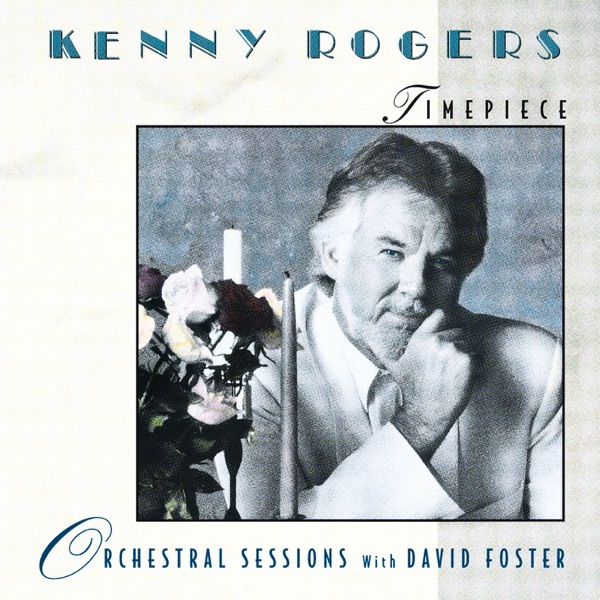
Timepiece
1994 · 12 tracks
- 1 I Remember You ↗ 5:06
- 2 But Beautiful ↗ 4:59
- 3 When I Fall In Love ↗ 4:15
- 4 Love Is Here to Stay ↗ 2:56
- 5 The Nearness of You ↗ 4:35
- 6 My Funny Valentine ↗ 4:50
- 7 Love Is Just Around the Corner ↗ 2:29
- 8 Where or When ↗ 4:16
- 9 My Romance ↗ 5:03
- 10 In the Wee Small Hours of the Morning ↗ 4:09
- 11 I Get Along Without You Very Well (Except Sometimes) ↗ 5:39
- 12 You Are So Beautiful ↗ 3:26
The Gift
1996 · 9 tracks
- 1 Mary, Did You Know? (Duet With Wynonna Judd) ↗ 3:53
- 2 A Soldier's King ↗ 3:57
- 3 Pretty Little Baby Child ↗ 3:48
- 4 What a Wonderful Beginning ↗ 3:51
- 5 It's the Messiah ↗ 3:52
- 6 I Trust You ↗ 2:39
- 7 Sweet Little Jesus Boy ↗ 2:55
- 8 The Chosen One Montage ↗ 15:44
- 9 'Til the Season Comes 'Round Again ↗ 3:55

With Love
1996 · 12 tracks
- 1 She Believes In Me (Rerecorded) ↗ 4:18
- 2 Through the Years (Rerecorded) ↗ 3:27
- 3 You Decorated My Life (Rerecorded) ↗ 3:44
- 4 Wind Beneath My Wings ↗ 3:34
- 5 Have I Told You Lately That I Love You ↗ 4:45
- 6 I Only Have Eyes for You ↗ 4:14
- 7 Unforgettable ↗ 3:21
- 8 You Are so Beautiful ↗ 3:05
- 9 Lady (Rerecorded) ↗ 3:47
- 10 As Time Goes By ↗ 2:49
- 11 I Will Always Love You ↗ 2:58
- 12 You Light Up My Life ↗ 3:07
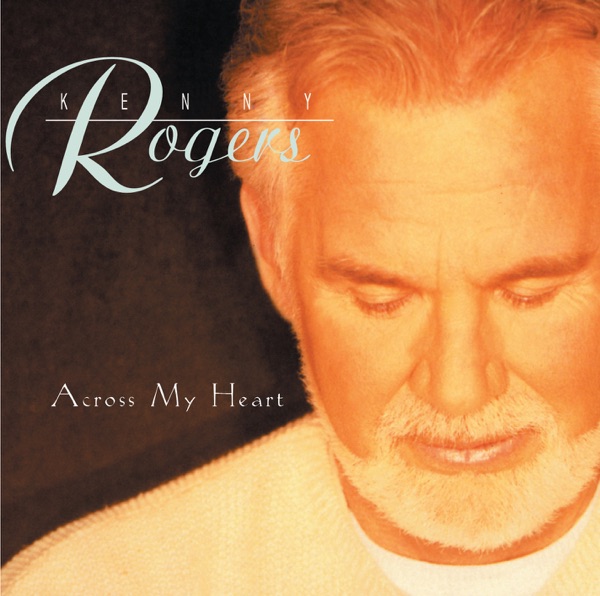
Across My Heart
1997 · 10 tracks
- 1 To Me ↗ 3:16
- 2 Write Your Name (Across My Heart) ↗ 3:32
- 3 The Only Way I Know ↗ 4:00
- 4 Have a Little Faith In Me ↗ 3:58
- 5 Sing Me Your Love Song ↗ 4:16
- 6 As God Is My Witness ↗ 3:38
- 7 You're Not Asking Much ↗ 4:26
- 8 Only Once In a Lifetime ↗ 3:28
- 9 Find a Little Grace ↗ 4:39
- 10 See Me Through ↗ 3:30
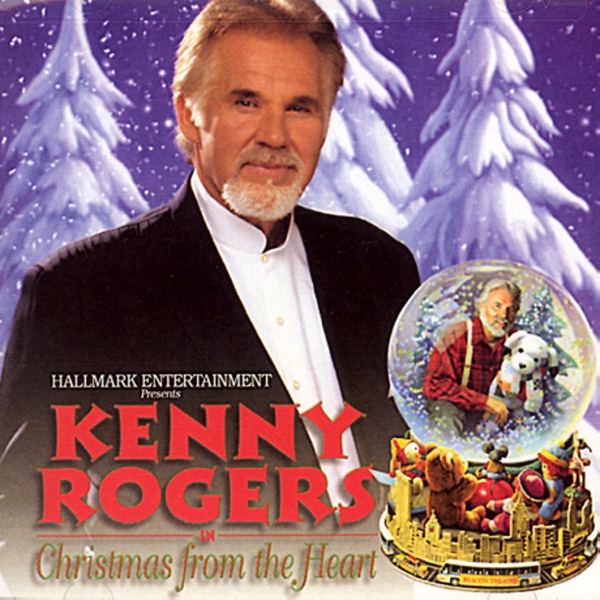
Christmas From the Heart
1998 · 17 tracks
- 1 It's Just Not Christmas ↗ 3:11
- 2 The Christmas Song ↗ 2:49
- 3 My Favorite Things ↗ 2:41
- 4 White Christmas ↗ 2:57
- 5 Let It Snow, Let It Snow, Let It Snow ↗ 1:57
- 6 O' Come All Ye Faithful ↗ 3:29
- 7 Hey, Little Christmas Tree ↗ 2:51
- 8 Merry Christmas ↗ 2:02
- 9 Money Isn't What Really Matters ↗ 2:23
- 10 Heroes ↗ 2:13
- 11 I Wanna Be a Christmas Present ↗ 2:10
- 12 The Ballerina Song ↗ 3:41
- 13 Help Somebody Find Their Way ↗ 2:05
- 14 If I Only Had Your Heart ↗ 3:45
- 15 Mister Perfect ↗ 2:26
- 16 I Promise You ↗ 3:32
- 17 The Toy Shoppe ↗ 2:53
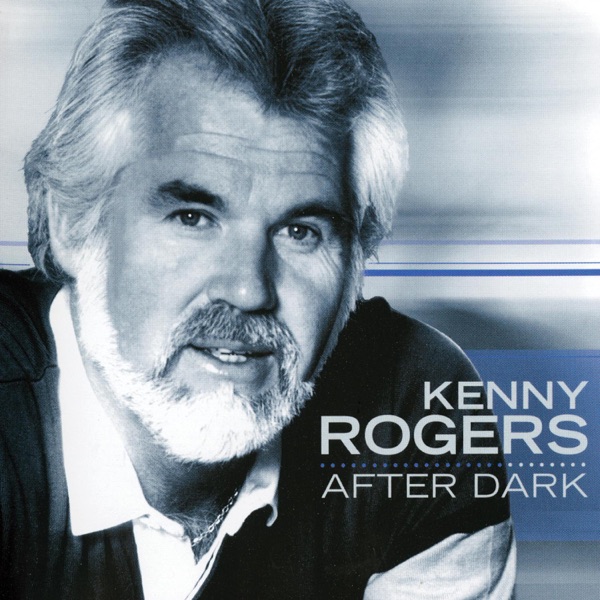
After Dark
1999 · 11 tracks
- 1 Ain't No Sunshine ↗ 3:46
- 2 You Don't Know Me ↗ 3:25
- 3 How Sweet It Is (To Be Loved By You) ↗ 3:19
- 4 Three Times a Lady ↗ 3:52
- 5 Share Your Love With Me (Re-Record) ↗ 3:29
- 6 I Don't Need You (Re-Record) ↗ 3:35
- 7 This Masquerade ↗ 2:37
- 8 Since I Fell for You ↗ 3:46
- 9 Don't Fall in Love With a Dreamer (feat. Kim Carnes) [Re-Record] ↗ 4:00
- 10 You Looked So Beautiful ↗ 3:50
- 11 Small Dark Cloud ↗ 4:37

She Rides Wild Horses
1999 · 10 tracks

There You Go Again
2000 · 12 tracks
- 1 There You Go Again ↗ 2:47
- 2 He Will, She Knows ↗ 3:01
- 3 I Wish I Could Say That ↗ 3:19
- 4 Homeland ↗ 4:06
- 5 When We Made Love ↗ 3:30
- 6 Until Forever's Gone ↗ 4:24
- 7 Crazy Me ↗ 3:57
- 8 Blue Train ↗ 3:24
- 9 I Do It For Your Love ↗ 3:37
- 10 What That Means ↗ 2:50
- 11 I Won't Forget ↗ 3:22
- 12 All That You Could Be ↗ 3:17
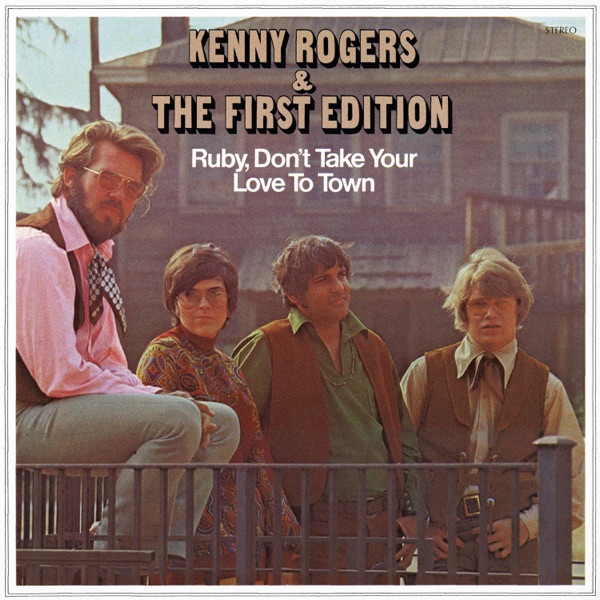
Ruby Don’t Take Your Love to Town
2003 · 10 tracks
- 1 Ruby, Don't Take Your Love To Town ↗ 2:59
- 2 Me And Bobby McGee ↗ 2:39
- 3 New Design ↗ 2:19
- 4 Always Leaving Always Gone ↗ 2:30
- 5 Listen To The Music ↗ 2:36
- 6 Sunshine ↗ 3:11
- 7 Once Again She's All Alone ↗ 2:19
- 8 Girl, Get A Hold Of Yourself ↗ 2:34
- 9 Good Time Liberator ↗ 2:21
- 10 Reuben James ↗ 2:46
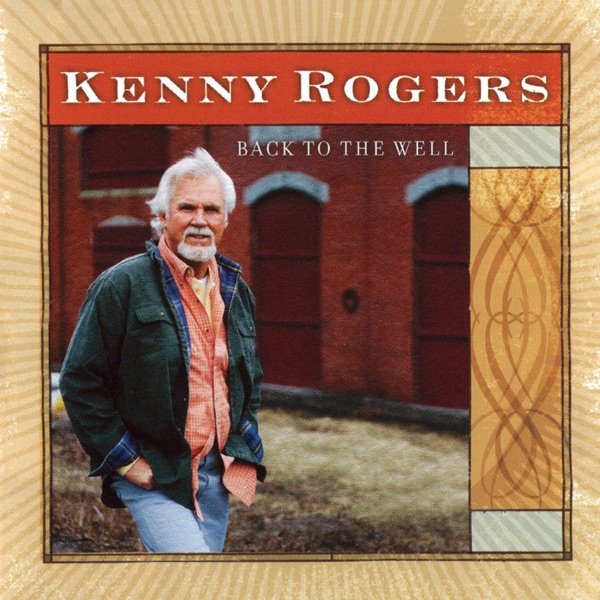
Back to the Well
2003 · 12 tracks
- 1 Back to the Well ↗ 3:06
- 2 Listen to the Rain ↗ 4:35
- 3 727 East Magnolia Avenue ↗ 2:52
- 4 Undercover (feat. Dolly Parton) ↗ 2:40
- 5 Prairie Wedding ↗ 4:36
- 6 I'm Missing You ↗ 3:12
- 7 It's a Beautiful Life ↗ 3:14
- 8 Tears in God's Eyes ↗ 4:16
- 9 Harder Cards ↗ 4:04
- 10 Handprints On the Wall ↗ 4:02
- 11 Owe Them More Than That (feat. Tim McGraw) ↗ 3:11
- 12 Love Like This (feat. Alison Krauss) ↗ 4:40

Water & Bridges
2006 · 12 tracks
- 1 Water & Bridges ↗ 4:10
- 2 Someone Is Me ↗ 3:30
- 3 Someone Somewhere Tonight ↗ 5:18
- 4 I Can't Unlove You ↗ 3:25
- 5 Calling Me ↗ 3:59
- 6 Half A Man ↗ 3:19
- 7 I Can Feel You Drifting ↗ 3:51
- 8 The Last Ten Years (Superman) ↗ 3:42
- 9 You'll Know Love ↗ 4:14
- 10 My Petition ↗ 4:13
- 11 One Life ↗ 3:46
- 12 Honey, Where's The Money Gone ↗ 3:15

The Love of God
2011 · 13 tracks
- 1 Will The Circle Be Unbroken ↗ 4:43
- 2 Peace ↗ 3:36
- 3 I'll Fly Away (feat. The Whites) ↗ 3:19
- 4 The Rock Of Your Love ↗ 3:55
- 5 In The Sweet By And By (feat. Winfield's Locket) ↗ 3:55
- 6 He Showed Me Love ↗ 3:06
- 7 Grace ↗ 4:23
- 8 What A Friend We Have In Jesus ↗ 3:03
- 9 Circle Of Friends (feat. Point of Grace) ↗ 3:50
- 10 For The Love Of God ↗ 3:59
- 11 The Gospel Truth (feat. The Oak Ridge Boys) ↗ 3:43
- 12 Amazing Grace ↗ 4:18
- 13 Leaning On The Everlasting Arms ↗ 1:47
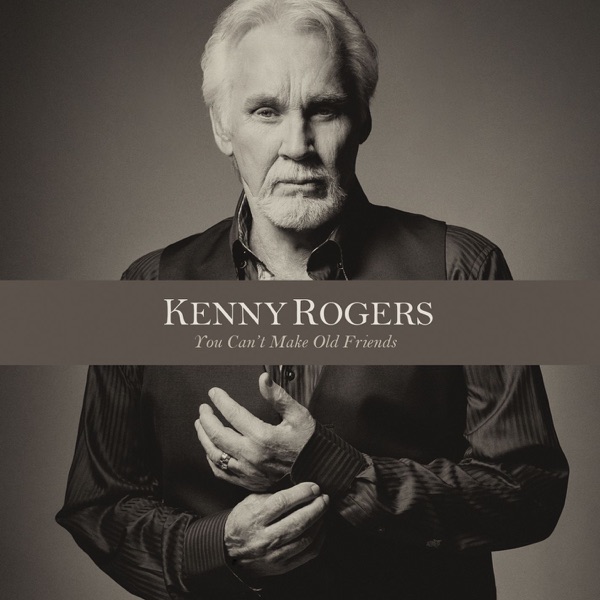
You Can’t Make Old Friends
2013 · 11 tracks
- 1 You Can't Make Old Friends (Duet With Dolly Parton) ↗ 4:03
- 2 All I Need Is One ↗ 3:31
- 3 You Had To Be There ↗ 4:01
- 4 'Merica ↗ 3:44
- 5 Turn This World Around ↗ 4:32
- 6 Dreams of the San Joaquin ↗ 6:07
- 7 Don't Leave Me In the Night Time (feat. Buckwheat Zydeco) ↗ 2:52
- 8 Look At You ↗ 3:58
- 9 Neon Horses ↗ 4:32
- 10 When You Love Someone ↗ 3:41
- 11 It's Gonna Be Easy Now ↗ 3:47

Once Again It’s Christmas
2015 · 11 tracks
- 1 Once Again It's Christmas ↗ 3:57
- 2 There's a New Kid In Town (feat. Winfield's Locket) ↗ 3:51
- 3 Here It Is Christmas / Baby, It's Cold Outside (feat. Jennifer Nettles) ↗ 2:55
- 4 Little Drummer Boy ↗ 3:20
- 5 Back To Bethlehem ↗ 3:42
- 6 Winter Wonderland ↗ 3:50
- 7 Some Children See Him (feat. Alison Krauss) ↗ 4:24
- 8 I'll Be Home For Christmas ↗ 2:46
- 9 Children, Go Where I Send Thee (feat. Home Free) ↗ 4:34
- 10 That Silent Night (feat. Jim Brickman) ↗ 3:42
- 11 The Light ↗ 4:08

Life Is Like a Song
2023 · 12 tracks
- 1 Love Is A Drug ↗ 2:58
- 2 I Wish It Would Rain ↗ 3:03
- 3 Am I Too Late ↗ 3:28
- 4 Tell Me That You Love Me ↗ 3:14
- 5 Straight Into Love ↗ 4:02
- 6 Wonderful Tonight ↗ 3:27
- 7 Catchin' Grasshoppers ↗ 4:09
- 8 That's Love To Me ↗ 3:43
- 9 I Will Wait For You ↗ 5:07
- 10 Goodbye ↗ 3:22
- 11 Say Hello To Heaven (Bonus Track) ↗ 3:40
- 12 At Last (Bonus Track) ↗ 2:47
-
 69Kenny Rogers196910 tracks
 -
 Love Lifted MeKenny Rogers197610 tracks
 -
 Kenny RogersKenny Rogers197611 tracks
 -
 Daytime FriendsKenny Rogers197711 tracks
 -
 Every Time Two Fools CollideKenny Rogers197810 tracks
 -
 Love or Something Like ItKenny Rogers197811 tracks
 -
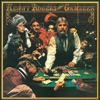 The GamblerKenny Rogers197811 tracks
 -
 KennyKenny Rogers197911 tracks
 -
 ClassicsKenny Rogers197910 tracks
 -
 GideonKenny Rogers198012 tracks
 -
 Share Your LoveKenny Rogers198110 tracks
 -
 ChristmasKenny Rogers198110 tracks
 -
 Love Will Turn You AroundKenny Rogers198210 tracks
 -
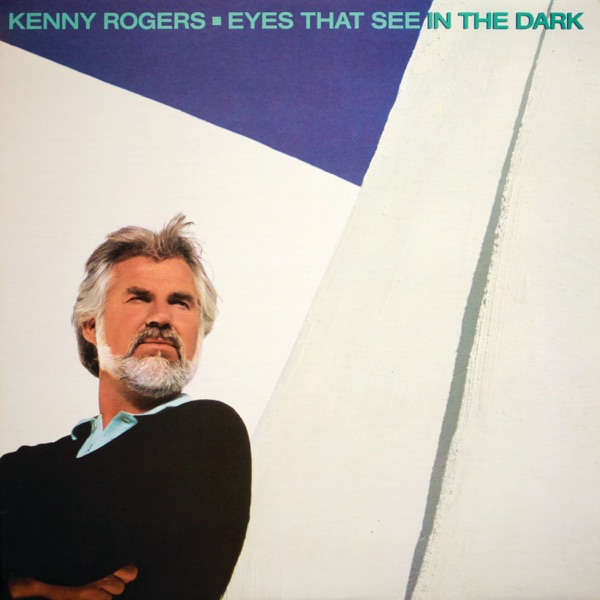
 Eyes That See in the DarkKenny Rogers19839 tracks
 -
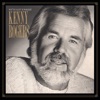 We’ve Got TonightKenny Rogers198310 tracks
 -
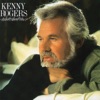 What About Me?Kenny Rogers198410 tracks
 -
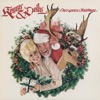 Once Upon a ChristmasKenny Rogers19849 tracks
 -
 The Heart of the MatterKenny Rogers198510 tracks
 -
 They Don’t Make Them Like They Used ToKenny Rogers198610 tracks
 -
 I Prefer the MoonlightKenny Rogers198710 tracks
 -
 Christmas In AmericaKenny Rogers198914 tracks
 -
 Something Inside So StrongKenny Rogers198910 tracks
 -
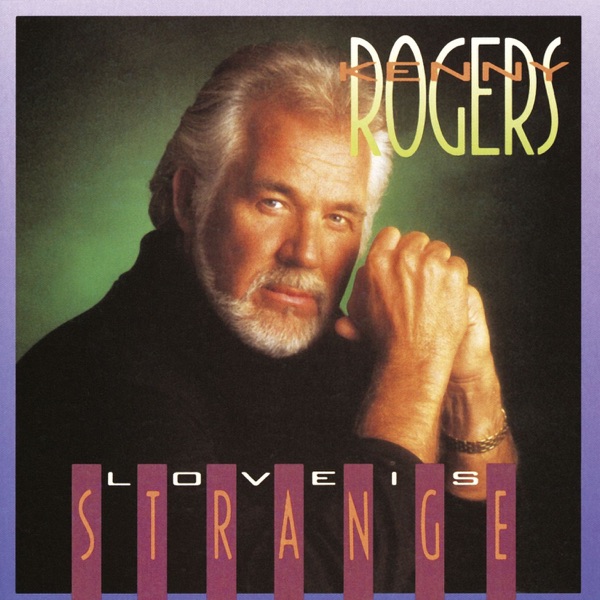
 Love Is StrangeKenny Rogers199010 tracks
 -
 Back Home AgainKenny Rogers199110 tracks
 -
 If Only My Heart Had a VoiceKenny Rogers199310 tracks
 -
 TimepieceKenny Rogers199412 tracks
 -
 The GiftKenny Rogers19969 tracks
 -
 With LoveKenny Rogers199612 tracks
 -
 Across My HeartKenny Rogers199710 tracks
 -
 Christmas From the HeartKenny Rogers199817 tracks
 -
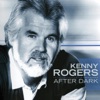 After DarkKenny Rogers199911 tracks
 -
 She Rides Wild HorsesKenny Rogers199910 tracks
 -
 There You Go AgainKenny Rogers200012 tracks
 -
 Ruby Don’t Take Your Love to TownKenny Rogers200310 tracks
 -
 Back to the WellKenny Rogers200312 tracks
 -
 Water & BridgesKenny Rogers200612 tracks
 -
 The Love of GodKenny Rogers201113 tracks
 -
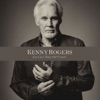 You Can’t Make Old FriendsKenny Rogers201311 tracks
 -
 Once Again It’s ChristmasKenny Rogers201511 tracks
 -
 Life Is Like a SongKenny Rogers202312 tracks
Deep Dive
Overview
Kenny Rogers stands as one of the most prolific and commercially successful artists in modern music history, a figure who transcended the rigid genre boundaries of his era to become a genuine crossover phenomenon. Born Kenneth Ray Rogers in 1938, he achieved what few artists accomplish: sustained popularity across country, pop, rock, and adult contemporary formats, charting more than 120 hit singles and selling over 100 million records worldwide. His career spanned from the late 1950s through 2020, encompassing a remarkable reinvention that saw him move from folk-jazz roots to become a staple of country radio and mainstream pop audiences alike.
Formation Story
Rogers emerged from the American music landscape of the 1950s and early 1960s, a period when the boundaries between folk, jazz, country, and pop were still being negotiated. Before his solo ascent, he worked within ensemble and group contexts that exposed him to multiple musical traditions. His early recordings and performances drew from jazz, folk, and pop influences, establishing a foundation that would allow him to move fluidly between genres throughout his career. By the late 1960s, Rogers had begun his solo recording journey, initially releasing material on various independent and major labels. This apprenticeship in diverse musical contexts gave him the versatility and audience sophistication to eventually become one of rock and pop’s most reliable chart performers.
Breakthrough Moment
Rogers’ most significant commercial breakthrough came in the mid-to-late 1970s, a period that coincided with the rise of the outlaw country movement and the growing popularity of country-pop crossovers. His 1978 album The Gambler became a watershed moment, establishing him as a major force in both country and pop markets. The title track became one of his signature songs and opened doors to a mainstream audience that transcended traditional country radio. Following this breakthrough, Rogers demonstrated an ability to sustain momentum across multiple hit albums and singles throughout the late 1970s and into the 1980s, a feat that separated him from countless one-hit artists. Albums like Kenny Rogers (1976), Daytime Friends (1977), and Share Your Love (1981) established him as a consistent hitmaker, capable of producing commercially viable material year after year.
Peak Era
The period from 1978 to 1985 represents Rogers’ most commercially dominant stretch, during which he released a string of platinum-selling albums and maintained a vice-grip on both country and pop charts. The Gambler (1978), Kenny (1979), Love Will Turn You Around (1982), and What About Me? (1984) collectively showcased his ability to craft soft-rock and country-pop material that appealed to adult contemporary radio formats while maintaining credibility in country circles. This era also saw him engage in successful duet recordings and collaborations, further expanding his reach. By the mid-1980s, Rogers had become one of the most visible and commercially dominant artists in American popular music, with a touring presence and recording output that showed no signs of slowing. His flexibility—moving between uptempo pop-country numbers, intimate ballads, and novelty material—gave him an evergreen quality that kept him relevant through shifting radio formats and audience tastes.
Musical Style
Rogers’ defining characteristic as an artist was his refusal to be confined by generic categories. His voice—warm, conversational, and distinctly recognizable—worked equally well in a country shuffle, a soft-rock ballad, or an adult contemporary pop arrangement. Sonically, his work evolved from the jazz-inflected folk of his earlier period toward the polished, radio-friendly production of the late 1970s and 1980s, when orchestral arrangements, synthesizers, and drum machines became standard in his recordings. His songwriting and song selection favored narrative-driven material that told stories of love, heartbreak, and redemption, often with a theatrical or novelistic quality. This storytelling approach, exemplified by The Gambler, gave his records a cinematic quality that appealed to listeners across demographic lines. Lyrically, he gravitated toward themes that resonated with middle-of-the-road audiences—family values, faithfulness, second chances—without venturing into the raw emotional territory of pure country or the irony-laden sophistication of rock. His production choices emphasized clarity and accessibility, ensuring that his vocals remained the focal point while instrumental arrangements provided sophisticated backing.
Major Albums
The Gambler (1978)
This album crystallized Rogers’ commercial appeal and established the template for his biggest successes. The title track became his signature song, a narrative ballad about a chance encounter on a train that demonstrated his gift for theatrical storytelling and his ability to reach pop audiences through country material.
Kenny Rogers (1976)
Released early in his solo peak, this self-titled effort helped establish his viability as a solo artist and demonstrated his range across soft-rock and country-pop material, setting the stage for his subsequent commercial dominance.
Share Your Love (1981)
This album showcased Rogers’ mature artistry during his peak commercial period, balancing romantic ballads with more uptempo material and reinforcing his position as a crossover mainstay.
What About Me? (1984)
A late-era addition to his commercial zenith, this album proved that Rogers could still produce hit material well into the 1980s, maintaining his presence on multiple chart formats simultaneously.
Love Will Turn You Around (1982)
This effort exemplified Rogers’ mastery of the adult contemporary format, combining polished production with emotionally accessible material that dominated both country and pop radio.
Signature Songs
- “The Gambler” — A narrative ballad that became Rogers’ most enduring signature work, defining his career and demonstrating his storytelling prowess.
- “Daytime Friends” — A country-pop crossover that showcased his ability to find emotional depth in domestic scenarios and relatable storylines.
- “Lucille” — A staple of his live and recorded catalog, this song exemplified his gift for character-driven narratives rooted in country tradition.
- “Lady” — A soft-rock ballad that appealed to mainstream pop listeners while maintaining his country credibility.
- “We’ve Got Tonight” — A duet that demonstrated his collaborative instincts and ability to generate chemistry with other artists.
- “Share Your Love” — A romantic ballad that exemplified his adult contemporary strengths and radio-friendly approach to balladry.
- “Islands in the Stream” — A major crossover success that paired him with a pop artist, extending his reach into purely pop-oriented markets.
Influence on Rock
While Rogers worked primarily outside the rock tradition proper, his influence on the broader popular music landscape and on the concept of genre fluidity cannot be overstated. He proved that artists could move between country, pop, rock, and adult contemporary formats without losing credibility in any of them. His commercial success in the late 1970s and 1980s helped normalize the country-pop crossover at a time when such movements were still viewed with skepticism by genre purists. Rogers’ sustained presence across multiple formats influenced how record labels, radio programmers, and artists themselves thought about audience reach and commercial viability. His approach to production—emphasizing clarity, narrative accessibility, and broad appeal—became a template for later artists seeking to balance artistic ambition with commercial success. In the rock and pop context, his demonstration that adult contemporary formats could generate massive sales encouraged investment in the soft-rock and adult contemporary genres that dominated 1980s radio.
Legacy
Rogers’ induction into the Country Music Hall of Fame in 2013 recognized his fundamental importance to country music history, even as his career had transcended any single generic category. His lifetime sales of over 100 million records and his charting of more than 120 hit singles across multiple genres establish him among the most commercially successful recording artists in history. Though his recording output became less frequent in his later decades, his touring presence remained strong, and his catalog continued to stream extensively on digital platforms, introducing his work to new generations. Rogers passed away in 2020, leaving behind a recorded legacy that spans over five decades of continuous professional activity. His influence persists not in specific stylistic innovations but in the model of sustained commercial success across genre boundaries, a template that subsequent crossover artists have followed. His voice and presence became synonymous with mainstream American popular music during the late 1970s and 1980s, a golden age of commercial pop-country that his career helped define and sustain.
Fun Facts
- Rogers worked across multiple record labels throughout his career, including Capitol Records Nashville, Mercury Records, United Artists Records, and Warner Bros. Records, demonstrating his desirability as an artist across the industry.
- His prolific output included numerous Christmas albums, beginning with Christmas in 1981, reflecting both his commercial savvy and his understanding of perennial holiday catalog sales.
- Rogers collaborated frequently with major pop and country artists across his career, understanding that duet recordings could extend his reach into new audience segments and markets.
- His later releases, such as Heed the Call (2018) and Life Is Like a Song (2023), demonstrated that he continued recording and releasing new material well into his eighth and ninth decades, maintaining an active presence in the music industry until his death in 2020.