
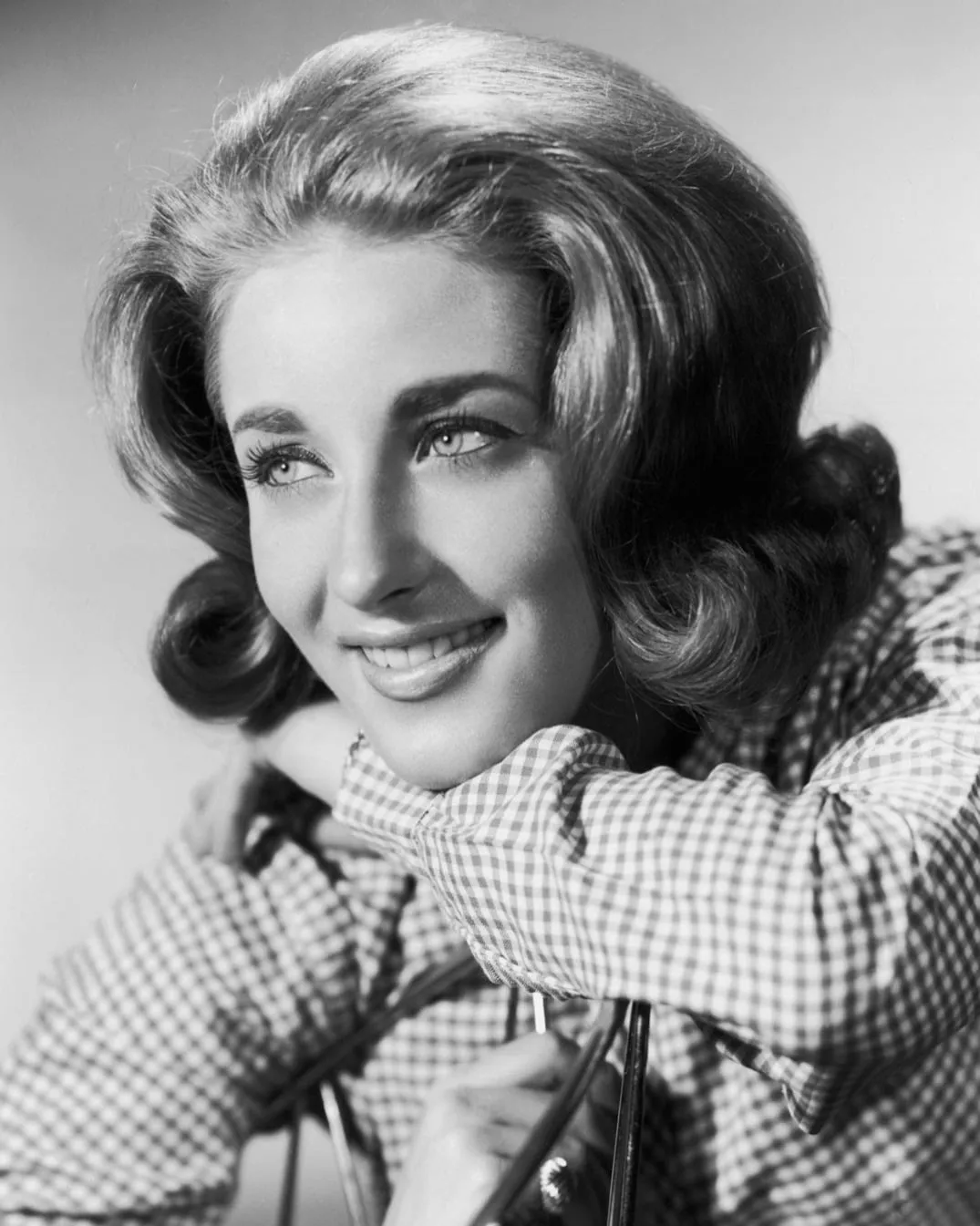
Photo by Bruno of Hollywood , licensed under Public domain · Wikimedia Commons
Rank #141
Lesley Gore
From Wikipedia
Lesley Gore was an American singer, songwriter, and actress. At the age of 16, she recorded her first hit song "It's My Party", a U.S. number one in 1963. She followed it up with ten further U.S. Billboard top 40 hits including "Judy's Turn to Cry" and "You Don't Own Me". Gore said she considered "You Don't Own Me" her signature song.
Discography & Previews
Browse through and click an album to open and play 30-second previews streamed from Apple Music.

I’ll Cry If I Want To
1963 · 12 tracks
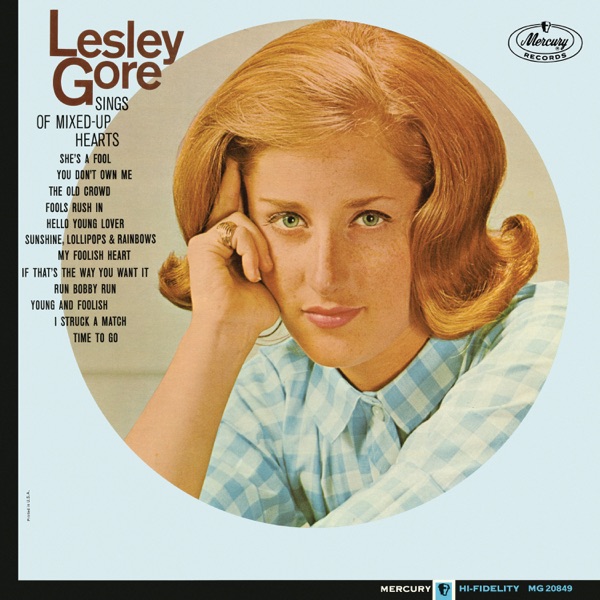
Lesley Gore Sings of Mixed-Up Hearts
1963 · 12 tracks
- 1 She's a Fool ↗ 2:07
- 2 The Old Crowd ↗ 2:26
- 3 Fools Rush In (Where Angels Fear to Tread) ↗ 2:13
- 4 Young Lovers ↗ 2:17
- 5 My Foolish Heart ↗ 2:35
- 6 Sunshine, Lollipops and Rainbows ↗ 1:36
- 7 You Don't Own Me ↗ 2:30
- 8 Run Bobby Run ↗ 2:25
- 9 Young and Foolish ↗ 2:45
- 10 I Struck a Match ↗ 2:31
- 11 If That's the Way You Want It ↗ 2:23
- 12 Time to Go ↗ 3:03

Boys, Boys, Boys
1964 · 12 tracks
- 1 That's the Way Boys Are ↗ 2:13
- 2 Boys ↗ 2:22
- 3 It's Gotta Be You ↗ 1:59
- 4 Something Wonderful ↗ 2:44
- 5 You Name It ↗ 2:21
- 6 Danny ↗ 2:05
- 7 I Don't Wanna Be a Loser ↗ 2:40
- 8 That's the Way the Ball Bounces ↗ 2:21
- 9 Leave Me Alone ↗ 1:43
- 10 Don't Call Me, I'll Call You ↗ 2:32
- 11 I'll Make It up to You ↗ 2:13
- 12 I'm Coolin', No Foolin' ↗ 2:53

Girl Talk
1964 · 12 tracks
- 1 Hey Now ↗ 2:15
- 2 Live and Learn ↗ 2:23
- 3 Say Goodbye ↗ 2:13
- 4 Look of Love ↗ 1:59
- 5 You've Come Back ↗ 2:15
- 6 Maybe I Know ↗ 2:34
- 7 Sometimes I Wish I Were a Boy ↗ 2:04
- 8 Little Girl Go Home ↗ 2:43
- 9 I Died Inside ↗ 2:50
- 10 Wonder Boy ↗ 2:15
- 11 Movin' Away ↗ 3:13
- 12 It's Just About That Time ↗ 2:59

All About Love
1965 · 12 tracks
- 1 Young Lovers ↗ 1:53
- 2 I Won't Love You Anymore (Sorry) ↗ 2:04
- 3 With Any Other Girl ↗ 2:18
- 4 Too Young ↗ 2:24
- 5 Start the Party Again ↗ 2:14
- 6 That's What I'll Do ↗ 1:49
- 7 Only Last Night ↗ 2:34
- 8 To Know Him Is to Love Him ↗ 2:28
- 9 I Can Tell ↗ 2:09
- 10 We Know We're in Love ↗ 2:10
- 11 Will You Love Me Tomorrow ↗ 2:17
- 12 I Just Can't Get Enough of You ↗ 1:57

My Town, My Guy & Me
1965 · 12 tracks
- 1 My Town, My Guy and Me ↗ 2:24
- 2 What's a Girl Supposed to Do ↗ 2:24
- 3 What Am I Gonna Do with You ↗ 3:11
- 4 You Didn't Look Around ↗ 2:50
- 5 I Don't Care ↗ 2:27
- 6 No Matter What You Do ↗ 2:45
- 7 Baby That's Me ↗ 2:37
- 8 A Girl in Love ↗ 2:43
- 9 The Things We Did Last Summer ↗ 3:03
- 10 Just Another Fool ↗ 1:59
- 11 Let Me Dream ↗ 2:19
- 12 Before and After ↗ 2:52

California Nights
1967 · 10 tracks

Someplace Else Now
1972 · 12 tracks

Love Me by Name
1976 · 12 tracks
- 1 Sometimes (feat. The Brothers Johnson) ↗ 4:40
- 2 Paranoia ↗ 3:13
- 3 Love Me By Name ↗ 5:11
- 4 Immortality ↗ 2:59
- 5 Can't Seem To Live Our Good Times Down ↗ 4:18
- 6 Don't Stop Me ↗ 4:34
- 7 Other Lady ↗ 4:01
- 8 Along The Way ↗ 4:15
- 9 Give It To Me Sweet Thing ↗ 3:17
- 10 Reprise: Love Me By Name ↗ 1:50
- 11 Immortality (Single Version) ↗ 3:36
- 12 Give It To Me Sweet Thing (Single Version) ↗ 3:14

-
 I’ll Cry If I Want ToLesley Gore196312 tracks
 -
 Lesley Gore Sings of Mixed-Up HeartsLesley Gore196312 tracks
 -
 Boys, Boys, BoysLesley Gore196412 tracks
 -
 Girl TalkLesley Gore196412 tracks
 -
 All About LoveLesley Gore196512 tracks
 -
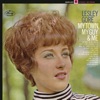 My Town, My Guy & MeLesley Gore196512 tracks
 -
 California NightsLesley Gore196710 tracks
 -
 Someplace Else NowLesley Gore197212 tracks
 -
 Love Me by NameLesley Gore197612 tracks
 -
 Ever SinceLesley Gore200511 tracks
Deep Dive
Overview
Lesley Gore was an American singer, songwriter, and actress who emerged as one of the defining pop voices of the early 1960s. Born in 1946, she achieved her first major success at sixteen with “It’s My Party,” which reached number one on the U.S. Billboard charts in 1963. Over the following years, Gore accumulated ten additional top 40 hits and became known for her distinctive contralto voice and songwriting prowess. Her career spanned from the early 1960s through the 2010s, making her a figure who bridged multiple eras of popular music while maintaining her artistic integrity.
Formation Story
Lesley Gore grew up in post-war America during a period of rapidly expanding youth culture and commercial radio dominance. The early 1960s saw the rise of teen-oriented pop music, and Gore came of age in this landscape, developing her craft as a vocalist and songwriter during her adolescent years. By the time she was a teenager, she had already caught the attention of record industry figures and was signed to Mercury Records, one of the era’s major labels. Her early entrance into the music business—recording her first hit while still in her mid-teens—positioned her as part of the wave of young female pop stars who found commercial success in the pre-Beatles pop landscape.
Breakthrough Moment
Gore’s breakthrough came swiftly and decisively with “It’s My Party” in 1963. Released on her debut album I’ll Cry If I Want To, the song became a number-one hit on the U.S. Billboard Hot 100, establishing her as a force in the pop charts at just sixteen years old. The success of this debut sparked immediate follow-up releases; her second album, Lesley Gore Sings of Mixed-Up Hearts, arrived the same year. The momentum continued into 1964 with subsequent albums including Boys, Boys, Boys and Girl Talk, proving that her initial success was not a one-off but the beginning of a sustained commercial run. These early years saw Gore establish herself as a reliable hitmaker with a string of charting singles.
Peak Era
The mid-1960s represented Gore’s period of greatest chart prominence and cultural visibility. Between 1963 and 1965, she released a steady stream of albums including All About Love and My Town, My Guy & Me, both arriving in 1965. During this window, she accumulated her series of top 40 hits and became a recognizable presence on radio and in teen-oriented media. Her songwriting developed alongside her recording career, with Gore moving beyond being merely an interpreter of songs to becoming more actively involved in her artistic direction. By the mid-1960s, she had solidified her place in the commercial pop landscape while the broader music industry was undergoing seismic shifts with the British Invasion and the emergence of rock as the dominant youth idiom.
Musical Style
Lesley Gore’s musical signature was built on her distinctive contralto vocal timbre—a lower, more mature-sounding voice than many of her teen pop contemporaries, which gave her recordings an unusual sophistication. Her approach to pop was rooted in the Tin Pan Alley and early rock and roll traditions, blending accessible melodic hooks with lyrics that often addressed romantic situations and teenage emotional life. Her sound was produced within the pop and rock idioms of early-to-mid-1960s Mercury Records, typically featuring orchestral arrangements, crisp production, and straightforward song structures designed for radio consumption and teenager appeal. As the 1960s progressed and rock music evolved, Gore’s recorded work shifted in tone and production aesthetic, as evidenced by albums like California Nights (1967) and the later Someplace Else Now (1972), which reflected changing production values and her continued artistic growth. Her strength lay in her ability to deliver emotionally direct performances with technical polish.
Major Albums
I’ll Cry If I Want To (1963)
Gore’s debut album, featuring her breakthrough number-one single “It’s My Party,” established the template for her early commercial success and introduced her contralto voice to a national audience.
Lesley Gore Sings of Mixed-Up Hearts (1963)
Released in the same year as her debut to capitalize on her sudden popularity, this follow-up album reinforced her status as a hitmaking artist with teen pop appeal.
Boys, Boys, Boys (1964)
Continuing her prolific output, this album kept Gore in the charts during the height of her early-1960s commercial peak.
California Nights (1967)
This album marked a shift in Gore’s sound as the mid-to-late 1960s brought changes in production and arrangement styles, reflecting the broader evolution of pop music during the era.
Ever Since (2005)
A late-career release demonstrating Gore’s continued commitment to recording and performance, arriving decades after her initial fame.
Magic Colors: The Lost Album 1967-1969 (2011)
This compilation of previously unreleased material from the late 1960s offered archival insight into Gore’s creative work during a transitional period in her career.
Signature Songs
- “It’s My Party” — Her number-one breakthrough hit of 1963, establishing her as a major chart force at sixteen.
- “Judy’s Turn to Cry” — A follow-up hit that capitalized on the emotional narrative established by her debut single.
- “You Don’t Own Me” — Gore’s self-identified signature song, a declaration of independence that became her most enduring anthem.
- “Girl Talk” — A charting single that showcased her ability to deliver teen-oriented pop material.
Influence on Rock
Lesley Gore occupied a unique position in early 1960s popular music as a female artist with both commercial success and songwriting involvement during an era when those roles were often separated, particularly for women. Her entry into recording at sixteen and her sustained chart presence into the mid-1960s contributed to the broader visibility of female pop singers in the pre-British Invasion American music industry. While she was not a rock artist in the electric guitar-based sense that would come to dominate the late 1960s and beyond, her work in pop music operated within the same youth-culture ecosystem and helped establish the commercial viability of female teenage performers. Her career trajectory—emerging as a teen star, adapting to changing musical styles, and continuing to record across decades—provided a model for longevity in the music business.
Legacy
Lesley Gore’s career extended from 1963 to 2015, spanning over five decades of recording and performance. While her initial fame was concentrated in the 1963–1965 period, her continued recording activity through the 2000s and 2010s, including the 2005 album Ever Since and the 2011 archival release Magic Colors: The Lost Album 1967-1969, demonstrated her sustained engagement with music. “You Don’t Own Me,” which Gore identified as her signature song, has endured as a cultural touchstone—a pop song that transcended its original commercial context to become recognized as a statement of personal autonomy. Her work remains available through streaming services and reissue campaigns, ensuring that new generations encounter her recordings. Gore’s career serves as a historical marker for the brief but vibrant era of early 1960s American pop music and the emergence of teenage female singers as commercial forces in the record industry.
Fun Facts
- Gore was signed to Mercury Records, one of the major American record labels of the 1960s, which gave her access to professional production and wide distribution for her early releases.
- Her debut hit “It’s My Party” achieved its number-one status when Gore was still in her teenage years, making her one of the youngest artists to reach the top of the Billboard Hot 100 during that era.
- Gore released multiple albums within single calendar years during the height of her commercial success—both her debut and sophomore albums arrived in 1963, reflecting the rapid turnover of product typical of the early-1960s record industry.