
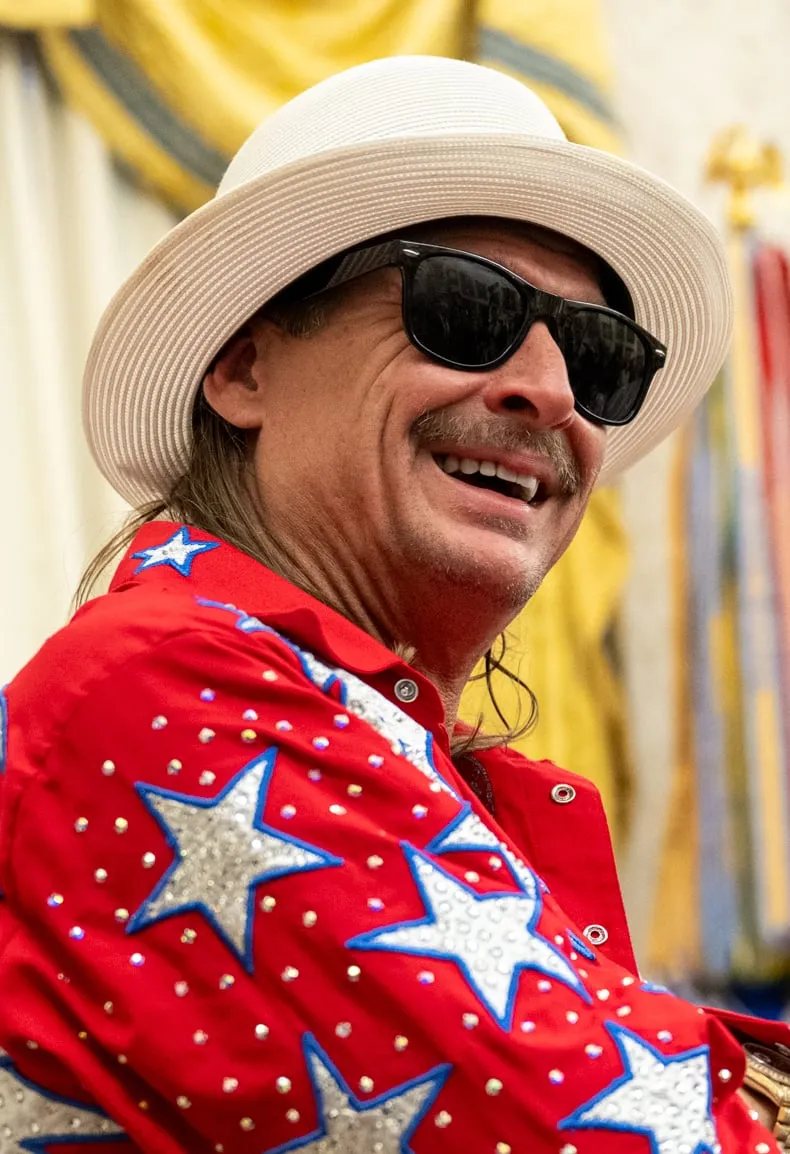
Photo by The White House , licensed under Public domain · Wikimedia Commons
Rank #105
Kid Rock
From Wikipedia
Robert James Ritchie, known professionally as Kid Rock, is an American musician, singer, rapper, and songwriter. After establishing himself in the Detroit hip-hop scene, he broke through into mainstream success with a rap rock sound before shifting his performance style to country rock. A self-taught musician, he can play every instrument in his backing band and has overseen production on all but two of his albums.
Discography & Previews
Browse through and click an album to open and play 30-second previews streamed from Apple Music.
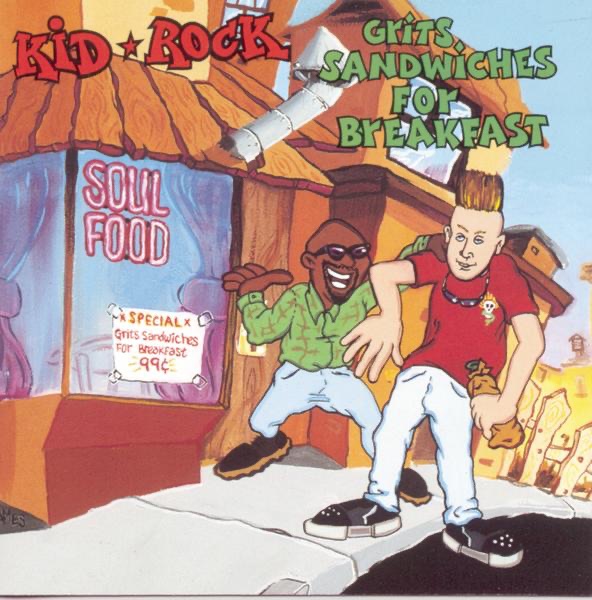
Grits Sandwiches for Breakfast
1990 · 13 tracks
- 1 Yo-Da-Lin In the Valley ↗ 4:18
- 2 Genuine Article ↗ 4:42
- 3 Cramp Ya Style ↗ 4:19
- 4 New York's Not My Home ↗ 4:28
- 5 Super Rhyme Maker ↗ 3:37
- 6 With a One-Two ↗ 3:38
- 7 Wax the Booty ↗ 5:21
- 8 Pimp of the Nation ↗ 5:11
- 9 Abdul Jabar Cut ↗ 4:28
- 10 Step In Stride ↗ 3:25
- 11 The Upside ↗ 5:05
- 12 Style of X-Pression ↗ 4:22
- 13 Trippin' Over a Rock ↗ 3:10
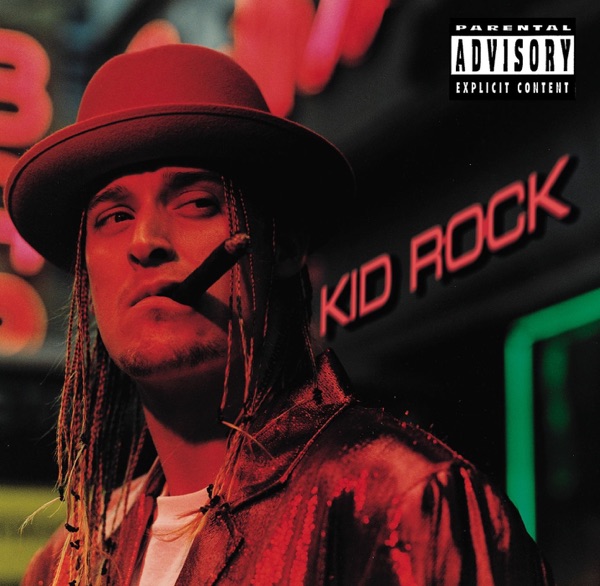
Devil Without a Cause
1998 · 14 tracks
- 1 Bawitdaba ↗ 4:27
- 2 Cowboy ↗ 4:18
- 3 Devil Without a Cause ↗ 5:33
- 4 I Am the Bullgod ↗ 4:51
- 5 Roving Gangster (Rollin') ↗ 4:23
- 6 Wasting Time ↗ 4:02
- 7 Welcome 2 the Party (Ode 2 the Old School) ↗ 5:14
- 8 I Got One for Ya ↗ 3:44
- 9 Somebody's Gotta Feel This ↗ 3:08
- 10 Fist of Rage ↗ 3:23
- 11 Only God Knows Why ↗ 5:28
- 12 F**k Off ↗ 6:13
- 13 Where U at Rock ↗ 4:24
- 14 Black Chick, White Guy ↗ 12:00
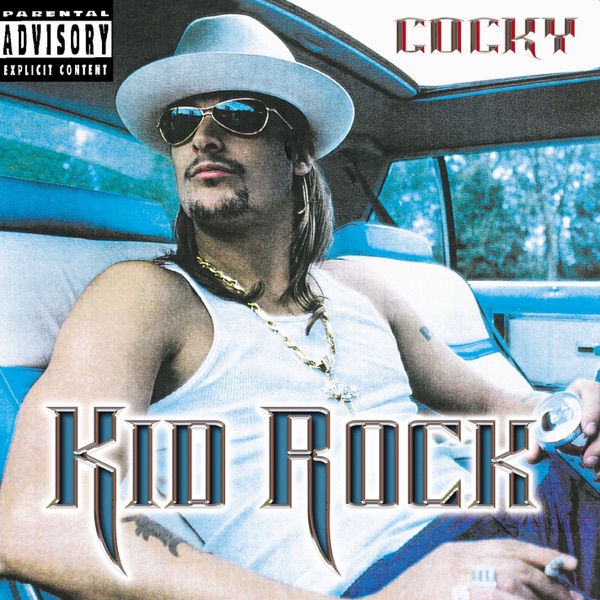
Cocky
2001 · 14 tracks
- 1 Trucker Anthem ↗ 4:40
- 2 Forever ↗ 3:46
- 3 Lay It On Me ↗ 4:56
- 4 Cocky ↗ 3:58
- 5 What I Learned Out On the Road ↗ 4:58
- 6 I'm Wrong, But You Ain't Right ↗ 4:56
- 7 Lonely Road of Faith ↗ 5:28
- 8 You Never Met a Motherf**ker Quite Like Me ↗ 4:54
- 9 Picture (feat. Sheryl Crow) ↗ 4:59
- 10 I'm a Dog ↗ 3:36
- 11 Midnight Train to Memphis ↗ 4:44
- 12 Baby Come Home ↗ 3:08
- 13 Drunk In the Morning ↗ 5:31
- 14 WCSR (feat. Snoop Dogg) ↗ 4:45

Kid Rock
2003 · 15 tracks
- 1 Rock N' Roll Pain Train ↗ 5:53
- 2 Cadillac P***y (feat. Hank Williams, Jr.) ↗ 3:12
- 3 Feel Like Makin' Love (Rock's Mix) ↗ 5:09
- 4 Black Bob ↗ 5:31
- 5 Jackson, Mississippi ↗ 4:31
- 6 Cold and Empty ↗ 4:23
- 7 Intro ↗ 2:05
- 8 Rock N' Roll ↗ 4:28
- 9 Hillbilly Stomp ↗ 4:21
- 10 I Am ↗ 5:04
- 11 Son of Detroit ↗ 4:21
- 12 Do It for You ↗ 4:26
- 13 Hard Night for Sarah ↗ 4:12
- 14 Run Off to LA ↗ 5:16
- 15 Single Father ↗ 4:28
Rock n Roll Jesus
2007 · 12 tracks

Born Free
2010 · 13 tracks
- 1 Born Free ↗ 5:15
- 2 Slow My Roll ↗ 4:20
- 3 Care (feat. Martina McBride & T.I.) ↗ 4:12
- 4 Purple Sky ↗ 4:07
- 5 When It Rains ↗ 4:46
- 6 God Bless Saturday ↗ 3:35
- 7 Collide (feat. Sheryl Crow & Bob Seger) ↗ 4:49
- 8 Flyin' High (feat. Zac Brown) ↗ 4:03
- 9 Times Like These ↗ 5:57
- 10 Rock On ↗ 5:23
- 11 Rock Bottom Blues ↗ 3:53
- 12 For the First Time (In a Long Time) ↗ 5:47
- 13 Care (Demo Version) ↗ 4:25
Rebel Soul
2012 · 14 tracks
- 1 Chickens In the Pen ↗ 4:50
- 2 Let's Ride ↗ 4:51
- 3 3 CATT Boogie ↗ 4:25
- 4 Detroit, Michigan ↗ 3:57
- 5 Rebel Soul ↗ 4:03
- 6 God Save Rock 'N Roll ↗ 5:21
- 7 Happy New Year ↗ 3:34
- 8 Celebrate ↗ 4:01
- 9 The Mirror ↗ 4:46
- 10 Mr. Rock 'N Roll ↗ 6:37
- 11 Cucci Galore ↗ 4:25
- 12 Redneck Paradise ↗ 5:12
- 13 Cocaine and Gin ↗ 4:15
- 14 Midnight Ferry ↗ 5:18


Sweet Southern Sugar
2017 · 10 tracks

Bad Reputation
2022 · 18 tracks
- 1 Don't Tell Me How To Live (feat. Monster Truck) ↗ 4:04
- 2 We the People ↗ 4:10
- 3 My Kind of Country ↗ 3:56
- 4 Bad Reputation ↗ 4:10
- 5 Never Quit ↗ 3:21
- 6 Shakedown (feat. Robert James) ↗ 2:41
- 7 Rockin' ↗ 3:42
- 8 The Last Dance ↗ 4:01
- 9 See You Again ↗ 5:50
- 10 Still Somethin' ↗ 4:08
- 11 She's Your Baby (Now Rock Her) ↗ 4:16
- 12 Never Enough ↗ 3:43
- 13 Everything To Me ↗ 4:27
- 14 Cold Beer ↗ 4:10
- 15 Ala-F****n'-Bama ↗ 3:56
- 16 Am What I Am ↗ 2:58
- 17 The Nashville I Know ↗ 3:39
- 18 Fifty ↗ 4:24
-
 Grits Sandwiches for BreakfastKid Rock199013 tracks
 -
 Devil Without a CauseKid Rock199814 tracks
 -
 CockyKid Rock200114 tracks
 -
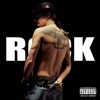 Kid RockKid Rock200315 tracks
 -
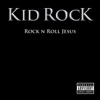 Rock n Roll JesusKid Rock200712 tracks
 -
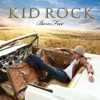 Born FreeKid Rock201013 tracks
 -
 Rebel SoulKid Rock201214 tracks
 -
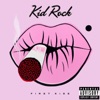 First KissKid Rock201510 tracks
 -
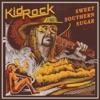 Sweet Southern SugarKid Rock201710 tracks
 -
 Bad ReputationKid Rock202218 tracks
Deep Dive
Overview
Robert James Ritchie, professionally known as Kid Rock, is an American musician, singer, rapper, and songwriter who spent more than three decades navigating the intersections of hip-hop, rock, metal, and country music. Beginning as a self-taught Detroit hip-hop artist, he achieved mainstream breakthrough in the late 1990s as a rap rock performer before progressively shifting toward country rock aesthetics and sensibilities. A rare figure in contemporary rock—one who can play every instrument in his backing band and has overseen production on nearly all his studio recordings—Kid Rock represents a particular strain of post-grunge eclecticism: the working musician who refused to be confined to a single genre or regional sound.
Formation Story
Kid Rock was born in 1971 and grew up in Detroit during a period when the city’s hip-hop and electronic music scenes were establishing themselves as cultural forces. The Midwest industrial backdrop and the presence of emerging rap collectives and producers shaped his early musical sensibilities. As a self-taught multi-instrumentalist, Ritchie began his recording career in the early 1990s, initially positioning himself within Detroit’s hip-hop ecosystem before gradually incorporating rock, metal, and country influences into his sound. This foundation in hip-hop, combined with his hands-on instrumental prowess, set him apart from contemporaries who typically specialized in a single genre or relied on session musicians and producers to realize their creative vision.
Breakthrough Moment
Kid Rock’s pathway to mainstream recognition accelerated with the 1998 release of Devil Without a Cause, an album that consolidated his rap rock approach and reached a substantially wider audience than his earlier work. This project marked a turning point in his commercial trajectory, establishing him as a significant figure in the late-1990s rap rock landscape alongside artists mining similar genre-blending territory. The album’s success positioned him as more than a regional Detroit artist, opening doors to national touring and radio exposure. Following this breakthrough, he issued Cocky in 2001, further cementing his status in the mainstream rock and hip-hop crossover market during the early 2000s.
Peak Era
Kid Rock’s most commercially and creatively prominent period extended from the late 1990s through the early 2010s. Albums including Devil Without a Cause (1998), Cocky (2001), Kid Rock (2003), Rock n Roll Jesus (2007), and Born Free (2010) represented the apex of his mainstream visibility and studio output intensity. During this span, he refined his ability to balance rap-inflected verses with rock instrumentation, metal passages, and country-music sensibilities—often within single songs. His willingness to shift production and arrangement approaches from album to album, combined with his consistent touring presence, maintained his relevance across multiple demographic segments and radio formats.
Musical Style
Kid Rock’s sonic identity resists easy categorization, which is partly the point. He emerged from Detroit hip-hop culture but incorporated heavy metal influences, arena rock bombast, and southern country-rock elements into a largely self-produced catalog. His vocal approach ranges from rhythmic rap delivery to sung melodic passages, often within the same track. Instrumentally, his mastery of guitar, drums, bass, and keyboards allows him to construct arrangements that pivot between stripped-down acoustic work and full-band electric intensity. The production aesthetic he oversees tends toward clarity and punch rather than experimental studio manipulation—a direct, no-nonsense sound that mirrors the Midwestern pragmatism embedded in his background. Over time, his catalog reflects a gradual drift away from rap-rock orthodoxy toward country-rock and Americana territory, though the genre boundaries remain permeable throughout his discography.
Major Albums
Devil Without a Cause (1998)
The album that brought Kid Rock to mainstream attention, establishing his rap-rock template and demonstrating his ability to balance hip-hop sensibilities with rock instrumentation and songwriting.
Cocky (2001)
Released at the peak of his commercial momentum, this album consolidated his status as a significant crossover artist and showcased his growing confidence as both performer and producer.
Kid Rock (2003)
A self-titled effort that allowed him to reassess his sound and production approach while maintaining the commercial viability he had built over the previous five years.
Rock n Roll Jesus (2007)
Reflecting the continued evolution of his musical interests, this album demonstrated his willingness to explore country-rock terrain more explicitly while retaining the rock and rap elements that defined his earlier work.
Born Free (2010)
Continuing his pattern of album-to-album stylistic exploration, this project further emphasized his drift toward country-rock and Americana influences.
Signature Songs
- A fixture of late-1990s rock radio that exemplifies his rap-rock formula at its most direct and accessible.
- Demonstrates his ability to shift between rap delivery and sung chorus work within a rock framework.
- Showcases the metal-influenced guitar work and bombastic production that characterize his heavier material.
- Represents his gradual turn toward country-rock territory while retaining his hip-hop-inflected vocal style.
Influence on Rock
Kid Rock occupied an important position within the late-1990s and 2000s rap-rock landscape, offering an alternative to both pure hip-hop and straight rock aesthetics. His Detroit roots and insistence on hands-on musicianship—playing and producing nearly all his own work—aligned him with a certain strain of Midwestern rock pragmatism that valued craft over fashion. While not as critically canonized as some of his rap-rock contemporaries, he demonstrated the commercial viability of genre-fluid approaches and helped establish country-rock fusion as a legitimate mainstream direction during the 2000s. His influence traces through subsequent artists comfortable operating across traditional genre boundaries and maintaining artistic control over their production and recording processes.
Legacy
Kid Rock’s career spanning from 1990 to the present day represents one of the longest and most commercially consistent trajectories in post-grunge rock music. His discography, marked by aesthetic shifts and genre exploration rather than stagnation, demonstrates an artist unafraid to follow his musical instincts across decades. The release of Bad Reputation in 2022 confirmed his continued activity and relevance, suggesting that his influence and presence in rock and country music remain substantive despite changing cultural and musical climates. His self-directed production approach and multi-instrumental capability set a template for artists seeking autonomy within major-label structures. Streaming platforms and catalog-based music economics have sustained continued engagement with his recorded output across his entire career span.
Fun Facts
- Kid Rock is a self-taught musician capable of playing every instrument in his backing band, a rarity among artists who achieve mainstream success at the level he has attained.
- He has overseen production on all but two of his studio albums, maintaining artistic control and hands-on involvement in the recording process throughout his career.
- His early work positioned him within Detroit’s hip-hop scene during the emergence of that city as a significant center for electronic music and rap production.
- The span of his studio output—from Grits Sandwiches for Breakfast in 1990 through Bad Reputation in 2022—represents more than three decades of continuous recording and touring activity.