
Photo by Shelter Records , licensed under Public domain · Wikimedia Commons
Rank #495
Leon Russell
From Wikipedia
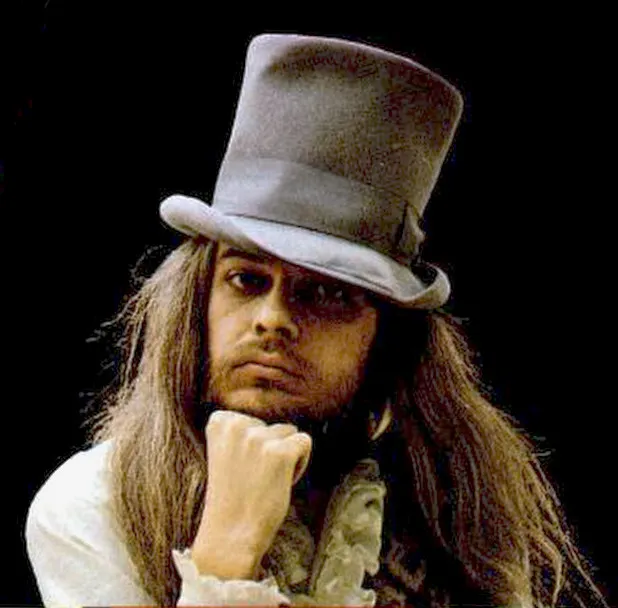
Leon Russell was an American musician and songwriter who was involved with numerous bestselling records during his 60-year career that spanned multiple genres, including rock and roll, country, gospel, bluegrass, rhythm and blues, southern rock, blues rock, folk, surf and the Tulsa sound. His recordings earned six gold records and he received two Grammy Awards from seven nominations. In 1973 Billboard named Russell the "Top Concert Attraction in the World". In 2011, he was inducted into both the Rock and Roll Hall of Fame and the Songwriters Hall of Fame.
Discography & Previews
Browse through and click an album to open and play 30-second previews streamed from Apple Music.

Leon Russell
1970 · 14 tracks
- 1 Stranger In a Strange Land (Remastered 95) ↗ 4:03
- 2 Of Thee I Sing (Remastered 95) ↗ 4:24
- 3 It's a Hard Rain's a-Gonna Fall (Remastered 95) ↗ 5:11
- 4 Crystal Closet Queen (Remastered 95) ↗ 3:00
- 5 Home Sweet Oklahoma (Remastered 95) ↗ 3:28
- 6 Alcatraz (Remastered 95) ↗ 3:52
- 7 The Ballad of Mad Dogs and Englishmen ↗ 4:03
- 8 It Takes a Lot to Laugh, It Takes a Train to Cry (Remastered 95) ↗ 4:03
- 9 She Smiles Like a River (Remastered 95) ↗ 3:00
- 10 Sweet Emily (Remastered 95) ↗ 3:22
- 11 Beware of Darkness (Remastered 95) ↗ 4:45
- 12 It's All Over Now, Baby Blue (Remastered 95) ↗ 3:40
- 13 Love Minus Zero / No Limit (Remastered 95) ↗ 3:20
- 14 She Belongs to Me (Remastered 95) ↗ 3:26
Leon Russell and the Shelter People
1971 · 14 tracks
- 1 Stranger In a Strange Land (Remastered 95) ↗ 4:03
- 2 Of Thee I Sing (Remastered 95) ↗ 4:24
- 3 It's a Hard Rain's a-Gonna Fall (Remastered 95) ↗ 5:11
- 4 Crystal Closet Queen (Remastered 95) ↗ 3:00
- 5 Home Sweet Oklahoma (Remastered 95) ↗ 3:28
- 6 Alcatraz (Remastered 95) ↗ 3:52
- 7 The Ballad of Mad Dogs and Englishmen ↗ 4:03
- 8 It Takes a Lot to Laugh, It Takes a Train to Cry (Remastered 95) ↗ 4:03
- 9 She Smiles Like a River (Remastered 95) ↗ 3:00
- 10 Sweet Emily (Remastered 95) ↗ 3:22
- 11 Beware of Darkness (Remastered 95) ↗ 4:45
- 12 It's All Over Now, Baby Blue (Remastered 95) ↗ 3:40
- 13 Love Minus Zero / No Limit (Remastered 95) ↗ 3:20
- 14 She Belongs to Me (Remastered 95) ↗ 3:26

Asylum Choir II
1971 · 16 tracks
- 1 Sweet Home Chicago (1995 Remaster) ↗ 3:22
- 2 Down on the Base (1995 Remaster) ↗ 2:17
- 3 Hello, Little Friend (1995 Remaster) ↗ 2:52
- 4 Salty Candy (1995 Remaster) ↗ 2:27
- 5 Tryin' to Stay 'live (1995 Remaster) ↗ 2:49
- 6 Intro to Rita (1995 Remaster) ↗ 2:07
- 7 Straight Brother (1995 Remaster) ↗ 3:07
- 8 Learn How to Boogie (1995 Remaster) ↗ 2:41
- 9 Ballad for a Soldier (1995 Remaster) ↗ 4:25
- 10 When You Wish Upon a F*g (1995 Remaster) ↗ 4:09
- 11 Lady In Waiting (1995 Remaster) ↗ 3:39
- 12 Welcome to Hollywood (1995 Remaster) ↗ 2:32
- 13 Death of the Flowers (1995 Remaster) ↗ 3:17
- 14 Icicle Star Tree (1995 Remaster) ↗ 3:06
- 15 Mr. Henri the Clown (1995 Remaster) ↗ 3:01
- 16 Soul Food (1995 Remaster) ↗ 2:15

Carney
1972 · 12 tracks

Hank Wilson’s Back!
1973 · 15 tracks
- 1 Roll In My Sweet Baby's Arms (1995 Remaster) ↗ 4:27
- 2 She Thinks I Still Care (1995 Remaster) ↗ 4:28
- 3 I'm So Lonesome I Could Cry (1995 Remaster) ↗ 3:16
- 4 I'll Sail My Ship Alone (1995 Remaster) ↗ 2:36
- 5 Jambalaya (On the Bayou) ↗ 2:49
- 6 A Six Pack to Go ↗ 2:23
- 7 The Battle of New Orleans (1995 Remaster) ↗ 2:38
- 8 Uncle Pen (1995 Remaster) ↗ 2:17
- 9 Am I That Easy to Forget? (1995 Remaster) ↗ 2:36
- 10 Truck Drivin' Man (1995 Remaster) ↗ 2:12
- 11 The Window Up Above (1995 Remaster) ↗ 3:25
- 12 Lost Highway (1995 Remaster) ↗ 2:20
- 13 Goodnight Irene (1995 Remaster) ↗ 4:03
- 14 Hey Good Lookin' (1995 Remaster) ↗ 2:42
- 15 In the Jailhouse Now ↗ 5:19

Stop All That Jazz
1974 · 12 tracks
- 1 If I Were a Carpenter ↗ 3:51
- 2 Smashed ↗ 2:19
- 3 Leaving Whipporwhill ↗ 3:55
- 4 Spanish Harlem ↗ 4:33
- 5 Streaker's Ball ↗ 2:14
- 6 Working Girl ↗ 3:13
- 7 Time For Love ↗ 4:04
- 8 The Ballad of Hollis Brown ↗ 3:40
- 9 Mona Lisa Please ↗ 3:28
- 10 Stop All That Jazz ↗ 4:04
- 11 Wild Horses ↗ 3:38
- 12 Wabash Cannonball ↗ 2:47

Will o’ the Wisp
1975 · 11 tracks
- 1 Will o' the Wisp ↗ 0:55
- 2 Little Hideaway ↗ 4:18
- 3 Make You Feel Good ↗ 2:10
- 4 Can't Get Over Losing You ↗ 6:31
- 5 My Father's Shoes ↗ 4:20
- 6 Stay Away from Sad Songs ↗ 4:08
- 7 Back to the Island ↗ 5:25
- 8 Down On Deep River ↗ 4:00
- 9 Bluebird ↗ 3:59
- 10 Laying Right Here In Heaven ↗ 2:55
- 11 Lady Blue ↗ 3:32

One for the Road
1979 · 20 tracks
- 1 Detour ↗ 2:26
- 2 I Saw the Light ↗ 3:06
- 3 Heartbreak Hotel ↗ 3:04
- 4 Let the Rest of the World Go By ↗ 3:49
- 5 Trouble in Mind ↗ 2:43
- 6 Don't Fence Me In ↗ 2:28
- 7 The Wild Side of Life ↗ 3:24
- 8 Ridin' Down the Canyon ↗ 2:23
- 9 Sioux City Sue ↗ 3:17
- 10 You Are My Sunshine ↗ 2:52
- 11 Danny Boy ↗ 4:00
- 12 Always ↗ 2:19
- 13 Summertime ↗ 2:30
- 14 Because of You ↗ 2:07
- 15 Am I Blue ↗ 2:20
- 16 Tenderly ↗ 4:01
- 17 Far Away Places ↗ 3:10
- 18 That Lucky Old Sun (Just Rolls Around Heaven All Day) ↗ 2:41
- 19 Stormy Weather ↗ 2:26
- 20 One for My Baby and "One More for the Road" ↗ 2:34


Hymns Of Christmas
1995 · 10 tracks

Face in the Crowd
1999 · 12 tracks
- 1 Love Is a Battlefield ↗ 2:58
- 2 Dr. Love ↗ 4:26
- 3 Down In the Flood ↗ 4:07
- 4 So Hard to Say Goodbye ↗ 2:37
- 5 Betty Ann ↗ 4:20
- 6 This Heart of Mine ↗ 3:37
- 7 Message From My Baby ↗ 3:41
- 8 Blue Eyes & a Black Heart ↗ 4:06
- 9 What Will I Do Without You ↗ 4:41
- 10 Mean and Evil ↗ 2:53
- 11 The Devil Started Talking ↗ 4:18
- 12 Don't Bring the Blues To Bed ↗ 3:52

Moonlight & Love Songs
2000 · 12 tracks
- 1 Orchestra Tuning ↗ 0:20
- 2 The Very Thought of You ↗ 4:13
- 3 That's All ↗ 3:06
- 4 My Funny Valentine ↗ 3:46
- 5 Smoke Gets In Your Eyes ↗ 3:24
- 6 Stormy Weather ↗ 3:22
- 7 Once In Awhile ↗ 4:13
- 8 That Lucky Old Sun ↗ 5:19
- 9 Round Midnight ↗ 3:38
- 10 Shadow of Your Smile ↗ 4:25
- 11 As Time Goes By ↗ 3:42
- 12 Angel Eyes ↗ 4:19

Crazy Love
2000 · 11 tracks

Signature Songs
2001 · 11 tracks

Guitar Blues
2001 · 12 tracks
- 1 Ways of a Woman ↗ 4:38
- 2 House of Blues ↗ 2:42
- 3 Rip Van Winkle ↗ 2:46
- 4 This Love I Have For You ↗ 3:14
- 5 Lost Inside of the Blues ↗ 4:27
- 6 Dark Carousel ↗ 4:21
- 7 It's Impossible ↗ 2:41
- 8 My Hard Times ↗ 4:30
- 9 Strange Power of Love ↗ 3:26
- 10 Make Everything Alright ↗ 3:37
- 11 The Same Old Song ↗ 3:55
- 12 End of the Road ↗ 2:29


In Your Dreams
2003 · 12 tracks
- 1 I Love the Way You Love Me ↗ 4:54
- 2 Oklahoma Boogie ↗ 3:20
- 3 Lover's Hideaway ↗ 2:57
- 4 Big Lips ↗ 3:45
- 5 End of a Love Affair ↗ 3:23
- 6 Love Can Hurt You So ↗ 4:30
- 7 I Wanna Make Love To You ↗ 3:45
- 8 Down In Louisiana ↗ 3:00
- 9 Perfect Love ↗ 3:49
- 10 A Little Thing Called Love ↗ 3:30
- 11 Last Dance ↗ 2:41
- 12 Down In Dixieland ↗ 2:57

Angel in Disguise
2007 · 11 tracks

Bad Country
2007 · 11 tracks


The Union
2010 · 14 tracks
- 1 If It Wasn't For Bad ↗ 3:43
- 2 Eight Hundred Dollar Shoes ↗ 3:23
- 3 Hey Ahab ↗ 5:39
- 4 Gone To Shiloh ↗ 4:50
- 5 Jimmie Rodgers' Dream ↗ 3:43
- 6 There's No Tomorrow ↗ 3:45
- 7 Monkey Suit ↗ 4:46
- 8 The Best Part Of The Day ↗ 4:45
- 9 A Dream Come True ↗ 5:07
- 10 When Love Is Dying ↗ 4:51
- 11 I Should Have Sent Roses ↗ 5:21
- 12 Hearts Have Turned To Stone ↗ 3:47
- 13 Never Too Old (To Hold Somebody) ↗ 4:58
- 14 In The Hands Of Angels ↗ 4:43

Snapshot
2013 · 10 tracks

Life Journey
2014 · 12 tracks
- 1 Come On In My Kitchen ↗ 2:19
- 2 Big Lips ↗ 3:13
- 3 Georgia On My Mind ↗ 4:52
- 4 That Lucky Old Sun ↗ 4:09
- 5 Fever ↗ 4:20
- 6 Think of Me ↗ 3:29
- 7 I Got It Bad and That Ain’t Good ↗ 4:29
- 8 I’m Afraid the Masquerade Is Over ↗ 5:44
- 9 I Really Miss You ↗ 4:13
- 10 New York State of Mind ↗ 5:28
- 11 Fool's Paradise ↗ 2:54
- 12 Down In Dixieland ↗ 3:08

On a Distant Shore
2017 · 12 tracks
- 1 On a Distant Shore ↗ 3:16
- 2 Love This Way ↗ 3:49
- 3 Here Without You ↗ 3:51
- 4 This Masquerade ↗ 4:42
- 5 Black and Blue ↗ 3:16
- 6 Just Leaves and Grass ↗ 5:02
- 7 On the Waterfront ↗ 3:54
- 8 Easy to Love ↗ 3:32
- 9 Hummingbird ↗ 4:08
- 10 The One I Love Is Wrong ↗ 3:10
- 11 Where Do We Go from Here ↗ 3:28
- 12 A Song for You ↗ 3:37
-
 Leon RussellLeon Russell197014 tracks
 - Leon Russell and the Shelter PeopleLeon Russell197114 tracks
-
 Asylum Choir IILeon Russell197116 tracks
 -
 CarneyLeon Russell197212 tracks
 -
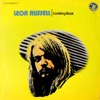 Looking BackLeon Russell197310 tracks
 -
 Hank Wilson’s Back!Leon Russell197315 tracks
 -
 Stop All That JazzLeon Russell197412 tracks
 -
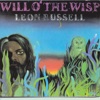 Will o’ the WispLeon Russell197511 tracks
 -
 Make Love to the MusicLeon Russell19779 tracks
 -
 AmericanaLeon Russell197810 tracks
 -
 One for the RoadLeon Russell197920 tracks
 -
 Anything Can HappenLeon Russell199210 tracks
 -
 Hymns Of ChristmasLeon Russell199510 tracks
 -
 Face in the CrowdLeon Russell199912 tracks
 -
 Moonlight & Love SongsLeon Russell200012 tracks
 -
 Crazy LoveLeon Russell200011 tracks
 -
 Signature SongsLeon Russell200111 tracks
 -
 Guitar BluesLeon Russell200112 tracks
 -
 Almost PianoLeon Russell200310 tracks
 -
 In Your DreamsLeon Russell200312 tracks
 -
 Angel in DisguiseLeon Russell200711 tracks
 -
 Bad CountryLeon Russell200711 tracks
 -
 A Mighty FloodLeon Russell200811 tracks
 -
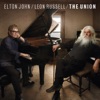 The UnionLeon Russell201014 tracks
 -
 SnapshotLeon Russell201310 tracks
 -
 Life JourneyLeon Russell201412 tracks
 -
 On a Distant ShoreLeon Russell201712 tracks
Deep Dive
Overview
Leon Russell was an American musician and songwriter whose six-decade career touched nearly every major strain of American popular music—rock and roll, country, gospel, bluegrass, rhythm and blues, southern rock, blues rock, folk, and the Tulsa sound. From the late 1950s onward, Russell worked as a session musician, session pianist, and later as a solo recording artist, earning six gold records and two Grammy Awards from seven nominations. In 1973, Billboard magazine named him the “Top Concert Attraction in the World,” a recognition of his stature as both a recording artist and a dynamic live performer. His induction into both the Rock and Roll Hall of Fame and the Songwriters Hall of Fame in 2011 cemented his legacy as one of American rock’s most versatile and durable figures.
Formation Story
Leon Russell was born in 1942 and emerged from the American musical landscape as a pianist and multi-instrumentalist whose early training and ear allowed him to absorb and synthesize the blues, country, gospel, and rock idioms that surrounded him. Rather than joining an established band, Russell’s path was one of constant musical migration and reinvention. He began his recording career in the 1960s, initially appearing on records produced by others before establishing himself as a bandleader and solo artist. By the late 1960s, Russell had become a sought-after session musician and arranger, a role that gave him intimate knowledge of how records were made across multiple genres. This apprenticeship in the studio and on the road provided the foundation for his transition into recording his own material in the early 1970s.
Breakthrough Moment
Russell’s breakthrough as a solo artist came with his self-titled album Leon Russell in 1970, which introduced his distinctive approach to melding rock, country, gospel, and blues. This record established the template for his solo work: a pianist’s sensibility married to roots-music instrumentation, emotional directness, and virtuosic playing. The album was followed quickly by Leon Russell and the Shelter People (1971), which expanded on his collaborative vision and further cemented his reputation as a bandleader. By the early 1970s, Russell had transitioned from being primarily a session man to being a recording artist in his own right, a shift marked by his albums Carney (1972) and his novelty record Hank Wilson’s Back! (1973), which showcased his ability to move fluidly between styles while maintaining a cohesive artistic identity.
Peak Era
Russell’s most prolific and creatively vital period spanned the first half of the 1970s, when he released a series of albums that established him as a major solo figure. Carney (1972) represented a high point of his songwriting and arranging craft, while Looking Back (1973) and Hank Wilson’s Back! (1973) demonstrated his range across country, gospel, and blues idioms. Stop All That Jazz (1974) and Will o’ the Wisp (1975) continued to showcase a restless creative energy, with Russell exploring different instrumental configurations and production approaches. During these years, Russell was performing at concert halls and festivals as a principal attraction, commanding audiences through his virtuosity at the piano and his ability to lead bands through extended, emotionally charged performances. The mid-1970s, crowned by his recognition in 1973, marked the zenith of his commercial and critical visibility.
Musical Style
Russell’s musical identity was built on his mastery of the piano, which he wielded as both a lead instrument and a textural foundation. His playing drew from gospel, blues, and classical traditions, but he deployed it within rock and country contexts that gave his work a distinctive hybrid character. Vocally, Russell sang with a raspy, soulful timbre that conveyed emotional authenticity and vulnerability. His songwriting typically centered on themes of love, loss, spirituality, and social observation, set to melodies that were neither pop-radio-simple nor avant-garde. What unified the genres across his career—whether recording straightforward rock albums, country covers, gospel material, or blues interpretations—was his commitment to the emotional content of the material and his refusal to segregate those genres into hermetic categories. Russell understood that American popular music had always been a conversation between these traditions, and his recordings, production, and arrangements made that conversation explicit.
Major Albums
Leon Russell (1970)
Russell’s debut solo album announced his arrival as a bandleader and recording artist, establishing the piano-driven, emotionally direct sound that would define his solo work.
Leon Russell and the Shelter People (1971)
This album expanded Russell’s vision by deepening his collaborative approach, featuring an ensemble arrangement that balanced rock energy with soul and gospel textures.
Carney (1972)
One of Russell’s finest albums, Carney showcased his maturity as a songwriter and arranger, blending country, soul, and rock idioms into a cohesive statement.
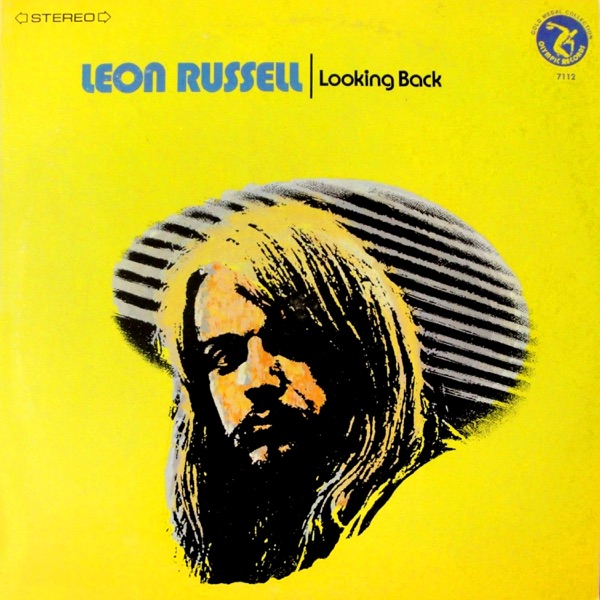
Hank Wilson’s Back! (1973)
A novelty record of cover songs, this album demonstrated Russell’s versatility and his deep knowledge of American country and blues standards.
The Union (2010)
A later-career collaboration that brought Russell back to prominence, proving his ability to remain vital and engaged decades into his recording life.
Signature Songs
- “A Song of You” — A showcase for Russell’s emotional vocal delivery and introspective songwriting, drawing on soul and ballad traditions.
- “Tighten Up Your Wig” — A funk and soul-inflected track displaying Russell’s rhythmic sophistication and blues-rooted sensibility.
- “Lady Blue” — A tender ballad that exemplified Russell’s gifts as a melodist and his ability to convey vulnerability through his arrangements.
- “Prince of Peace” — A gospel-inflected composition that illustrated Russell’s spiritual side and his command of that idiom.
- “So Long” — A song that captured Russell’s bittersweet approach to love and loss, featuring his piano as the emotional anchor.
Influence on Rock
Russell’s influence on rock music was deep but diffuse, reflecting his role as a synthesizer and boundary-crosser rather than an innovator of a single style. His demonstration that a rock musician could move fluidly between genres—country, gospel, blues, soul—without compromising artistic integrity had a profound effect on musicians working in the 1970s and beyond. He served as a model for producer-arrangers who worked across multiple idioms, and his emphasis on emotional authenticity over stylistic purity influenced singer-songwriters who came of age during his peak era. His recordings with other artists, both as a session musician and as a collaborator, touched multiple generations of musicians and helped establish production and arrangement approaches that became standard in rock, country, and soul recording. The Tulsa sound, a regional tradition he helped define, carried his influence into the broader landscape of American roots music.
Legacy
Russell’s induction into the Rock and Roll Hall of Fame and the Songwriters Hall of Fame in 2011 represented a long-overdue recognition of his historical importance and artistic achievement. His catalog of six gold records and two Grammy Awards, accumulated over a six-decade career, remains a testament to his enduring appeal and commercial success. Russell continued recording and performing into his final years, releasing albums such as The Union (2010), Snapshot (2013), and Life Journey (2014), demonstrating his commitment to artistic expression throughout his life. His death in 2016 marked the end of a career that had spanned the entire arc of modern rock music, from its emergence in the 1950s through the digital age. Russell’s music remains available on streaming platforms and through reissues, and his influence continues to resonate among musicians and listeners who value his refusal to be confined by genre, his technical mastery, and his emotional directness.
Fun Facts
- Russell recorded Hank Wilson’s Back! in 1973 as a novelty album of cover songs, adopting the fictional persona of Hank Wilson to pay homage to American country and blues standards.
- In 1973, the same year he released multiple albums, Billboard magazine recognized Russell’s drawing power by naming him the “Top Concert Attraction in the World.”
- Russell’s prolific output in the early 1970s saw him release multiple albums in single years, including two albums in 1973 and two in 1979, reflecting both his creative restlessness and his status as a in-demand artist.
- His collaboration with modern artists on The Union (2010) late in his career demonstrated his continued relevance and willingness to engage with contemporary musicians.