
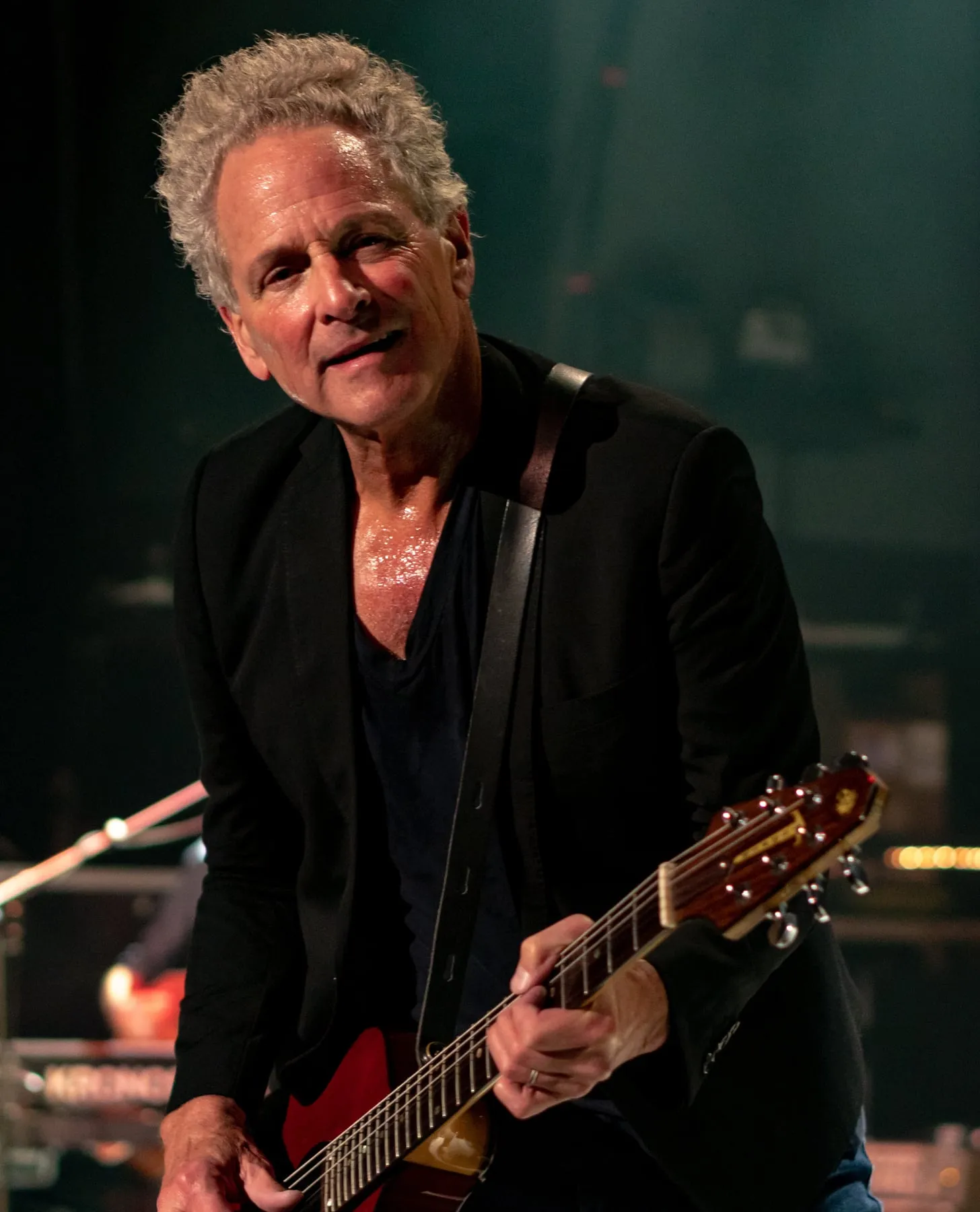
Photo by Raphael Pour-Hashemi , licensed under CC BY 2.0 · Wikimedia Commons
Rank #219
Lindsey Buckingham
From Wikipedia
Lindsey Adams Buckingham is an American musician, record producer, and the lead guitarist and co-lead vocalist of the rock band Fleetwood Mac from 1975 to 1987 and 1997 to 2018. In addition to his tenure with Fleetwood Mac, Buckingham has released seven solo studio albums and three live albums. As a member of Fleetwood Mac, he was inducted into the Rock and Roll Hall of Fame in 1998. Buckingham was ranked 100th in Rolling Stone's 2011 list of "The 100 Greatest Guitarists of All Time". Buckingham is known for his fingerpicking guitar style.
Discography & Previews
Browse through and click an album to open and play 30-second previews streamed from Apple Music.
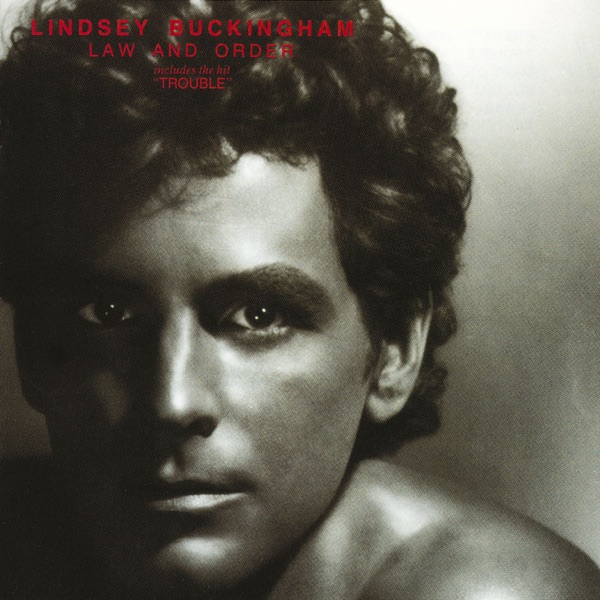
Law and Order
1981 · 11 tracks
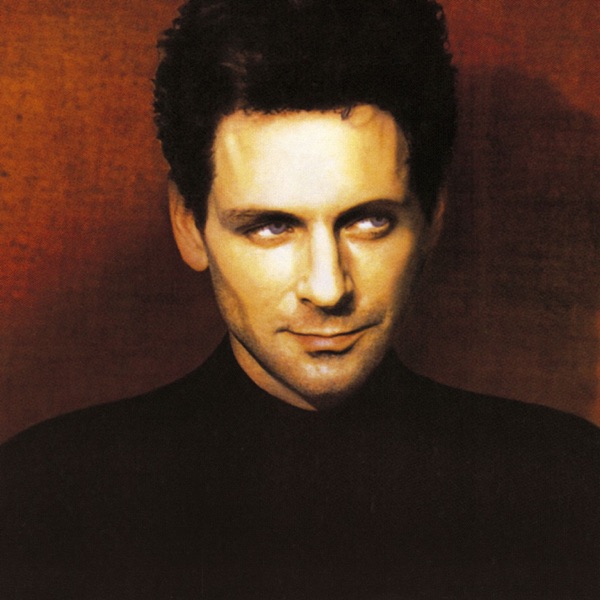
Out of the Cradle
1992 · 13 tracks
- 1 Don't Look Down (Instrumental Introduction) ↗ 3:13
- 2 Wrong ↗ 4:21
- 3 Countdown ↗ 3:23
- 4 All My Sorrow ↗ 4:02
- 5 Soul Drifter ↗ 3:29
- 6 This Is the Time (Instrumental Introduction) ↗ 5:31
- 7 You Do or You Don't ↗ 3:40
- 8 Street of Dreams ↗ 4:29
- 9 Surrender the Rain (Spoken Introduction) ↗ 4:27
- 10 Doing What I Can ↗ 4:06
- 11 Turn It On ↗ 3:51
- 12 This Nearly Was Mine (Instrumental) ↗ 1:38
- 13 Say We'll Meet Again ↗ 2:28
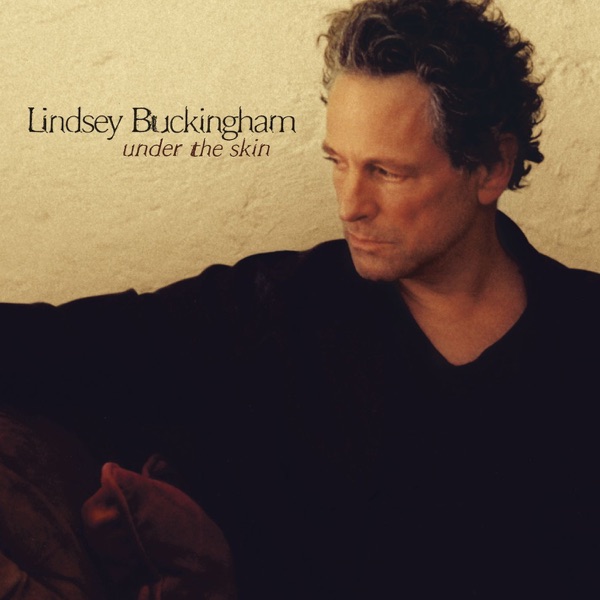
Under the Skin
2006 · 11 tracks
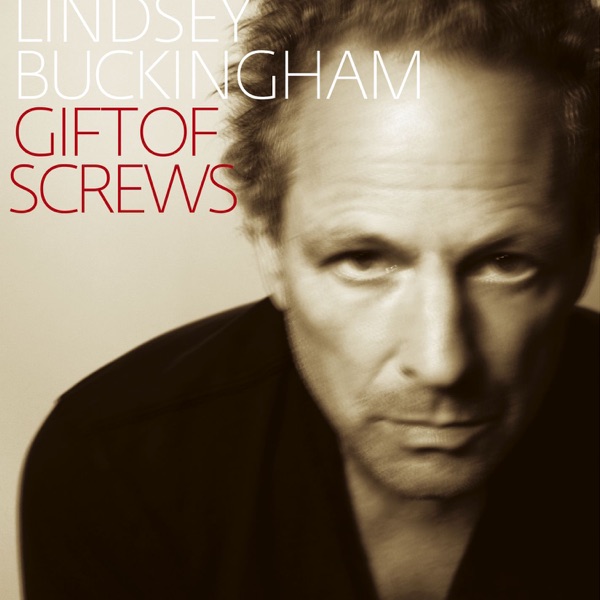

Seeds We Sow
2011 · 12 tracks
- 1 Seeds We Sow ↗ 3:42
- 2 In Our Own Time ↗ 4:21
- 3 Illumination ↗ 2:18
- 4 That's the Way Love Goes ↗ 3:54
- 5 Stars Are Crazy ↗ 4:49
- 6 When She Comes Down ↗ 4:48
- 7 Rock Away Blind ↗ 3:56
- 8 One Take ↗ 3:26
- 9 Gone Too Far ↗ 3:20
- 10 End of Time ↗ 3:54
- 11 She Smiled Sweetly ↗ 2:54
- 12 Sleeping Around the Corner (Electric) ↗ 3:33

Lindsey Buckingham & Christine McVie
2017 · 10 tracks
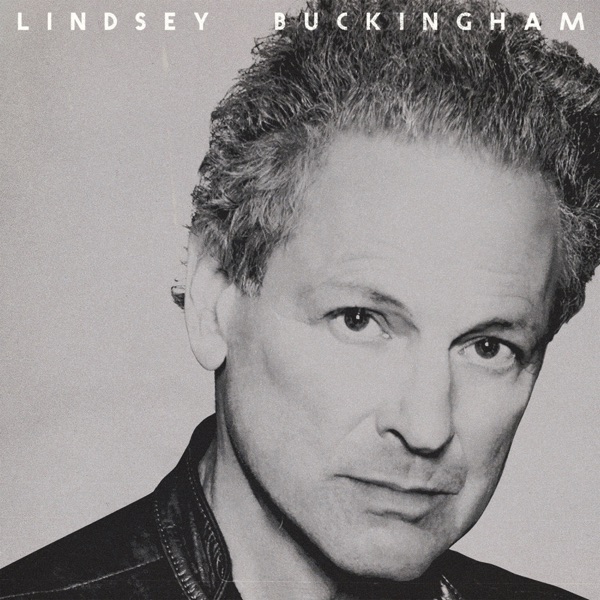
-
 Law and OrderLindsey Buckingham198111 tracks
 -
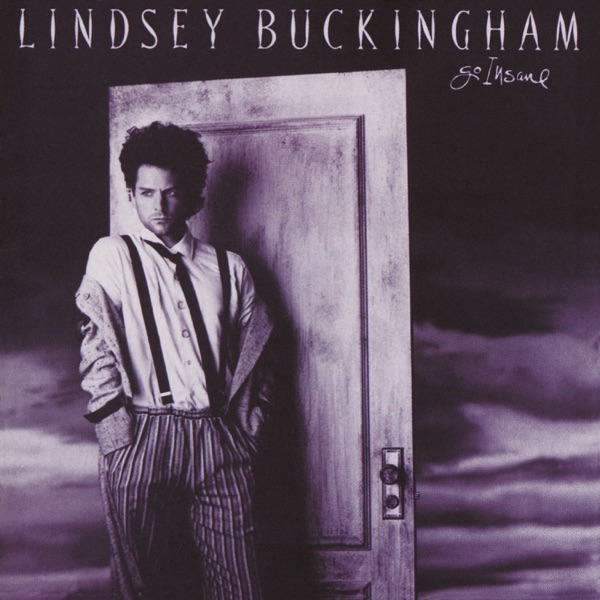
 Go InsaneLindsey Buckingham19849 tracks
 -
 Out of the CradleLindsey Buckingham199213 tracks
 -
 Under the SkinLindsey Buckingham200611 tracks
 -
 Gift of ScrewsLindsey Buckingham200810 tracks
 -
 Seeds We SowLindsey Buckingham201112 tracks
 -
 Lindsey Buckingham & Christine McVieLindsey Buckingham201710 tracks
 -
 Lindsey BuckinghamLindsey Buckingham202110 tracks
Deep Dive
Overview
Lindsey Adams Buckingham stands as one of rock music’s most influential guitarists and producers, defined by an innovative fingerpicking style that departed from the blues-based lead guitar tradition of his era. Born in 1949, Buckingham rose to prominence as the lead guitarist and co-lead vocalist of Fleetwood Mac, the band he joined in 1975 and shaped across three decades. His technical mastery, songwriting acuity, and production sensibility made him central to Fleetwood Mac’s commercial and artistic success; beyond the band, he has maintained a parallel solo career spanning studio and live recordings that demonstrated his range as both a performer and craftsman.
Formation Story
Buckingham emerged from the mid-1970s California rock scene, arriving at Fleetwood Mac at a transformational moment for the group. In 1975, he joined the band alongside Stevie Nicks, replacing founding member Danny Kirwan. This lineup—Mick Fleetwood, Christine McVie, Nicks, and Buckingham—would define the band’s most celebrated era. Buckingham brought to Fleetwood Mac a disciplined, technique-forward approach to guitar that contrasted with the blues-rock textures that had preceded him, while his collaborative songwriting and production involvement reshaped the band’s sonic direction away from its blues roots toward a more sophisticated pop-rock framework.
Breakthrough Moment
Buckingham’s arrival at Fleetwood Mac coincided with the band’s entry into its most commercially successful chapter. The 1977 album Rumours, released during his first tenure with the band, established him as a major force in rock music production and songwriting. His fingerpicking guitar work became a signature element of the band’s sound, and his co-writing and production contributions helped craft songs that dominated charts and radio. This period cemented Buckingham’s standing as both a technical innovator and a commercially astute musician whose work would influence guitarists across multiple genres for decades to come.
Peak Era
Buckingham’s most creatively concentrated period as a solo artist unfolded in the 1980s and early 1990s, during intervals between his work with Fleetwood Mac. His 1981 solo debut Law and Order established him as a solo entity capable of producing his own material with the same care he brought to band work. The 1984 album Go Insane furthered his exploration of studio experimentation and production techniques. Later, Out of the Cradle (1992) showcased a musician refining his craft and expanding his stylistic range. These albums, released while Fleetwood Mac remained largely inactive or dormant, allowed Buckingham to develop ideas that might not fit the band’s collective aesthetic and demonstrate his facility across multiple songwriting and production approaches.
Musical Style
Buckingham is most recognized for his fingerpicking guitar style, a technique rooted in acoustic and classical guitar traditions but adapted to rock music with precision and speed. Rather than relying on standard rock lead guitar phrasing built from bend-and-vibrato techniques or pick-driven power, Buckingham used his fingers to create intricate, syncopated patterns that blurred the line between rhythm and lead playing. This approach allowed him to create dense, layered textures using single guitar tracks and gave his music a clarity and technical sophistication that stood apart from his contemporaries. His vocal work, though less celebrated than his guitar playing, served as co-lead alongside Stevie Nicks in Fleetwood Mac, and in solo work he demonstrated a songwriter’s sensibility focused on crafting cohesive albums rather than chasing individual hits. Production-wise, Buckingham favored meticulous, studio-based approaches, often layering multiple instrumental parts and employing unconventional recording techniques to achieve his sonic vision.
Major Albums
Law and Order (1981)
Buckingham’s solo debut established his independence from Fleetwood Mac, showcasing his capabilities as a writer, instrumentalist, and producer working across a range of rock and pop styles.
Go Insane (1984)
This album pushed further into studio experimentation and demonstrated Buckingham’s willingness to explore electronic and production-forward textures alongside his signature guitar work.
Out of the Cradle (1992)
Released after Fleetwood Mac’s temporary dissolution, this album represented Buckingham at a creative peak, balancing his technical mastery with mature songwriting and production sophistication.
Under the Skin (2006)
A later-career album reflecting Buckingham’s continued evolution and his ability to remain artistically vital across multiple decades of rock music history.
Lindsey Buckingham & Christine McVie (2017)
A collaborative album pairing Buckingham with his longtime Fleetwood Mac bandmate Christine McVie, representing a reunion of creative energies outside the full band context.
Signature Songs
- “Monday Morning” (Fleetwood Mac) — A showcase for Buckingham’s fingerpicking style and his ability to balance intricate guitar work with accessible pop songwriting.
- “Go Your Own Way” (Fleetwood Mac) — Features his distinctive guitar riff and exemplifies the production sophistication he brought to the band’s arrangements.
- “Tusk” (Fleetwood Mac) — An unconventional rock song that demonstrated Buckingham’s willingness to experiment within the band’s framework.
- “Big Love” (Fleetwood Mac) — A later-era Fleetwood Mac composition highlighting his evolving guitar approach and studio production techniques.
Influence on Rock
Buckingham’s fingerpicking style and studio-centric approach fundamentally altered expectations for rock guitarists in the 1970s and beyond. Where blues-based lead guitar had dominated rock music through the 1960s, Buckingham demonstrated an alternative vocabulary rooted in technical precision, fingerstyle tradition, and compositional sophistication. His influence on rock production—particularly his meticulous, layered approach to arranging and recording—extended beyond guitarists to shape how rock bands approached studio work more broadly. His induction into the Rock and Roll Hall of Fame in 1998 as a member of Fleetwood Mac, and his ranking as the 100th greatest guitarist in Rolling Stone’s 2011 list, reflect the sustained recognition of his contributions to rock music’s technical and aesthetic vocabulary.
Legacy
Lindsey Buckingham’s legacy encompasses his role as an architect of Fleetwood Mac’s most successful era alongside his sustained solo career as a guitarist, songwriter, and producer. His fingerpicking technique and production philosophy continue to influence contemporary musicians working across rock, alternative, and pop idioms. The longevity of his career—active from the mid-1970s through the 2020s—demonstrates his ability to remain creatively engaged across changing musical eras. His solo recordings, though less commercially dominant than his work with Fleetwood Mac, represent a body of work that deepened and expanded the ideas he developed within the band, and continue to circulate through streaming and archival release. The 2017 collaboration with Christine McVie and subsequent solo albums confirm his ongoing presence as an active artist, while his influence on rock guitar technique remains foundational to how contemporary musicians approach the instrument.
Fun Facts
- Buckingham was ranked 100th in Rolling Stone’s 2011 “The 100 Greatest Guitarists of All Time,” recognition of his technical contributions to rock music outside the context of his pop-music fame.
- His 2018 release Lindsey Buckingham Plays Fleetwood Mac represented a solo reinterpretation of the band’s catalog, demonstrating how his guitar arrangements and production choices could reimagine classic songs from a solo perspective.
- Buckingham has maintained his official website since the early internet era, reflecting his engagement with direct communication with audiences independent of label or band intermediaries.
- His recording contract with Reprise Records spanned decades, providing stable institutional support for his solo work across multiple creative cycles.