

Photo by Web Summit , licensed under CC BY 2.0 · Wikimedia Commons
Rank #410
Roberto Carlos
From Wikipedia
Roberto Carlos da Silva Rocha, often recognized as Roberto Carlos and sometimes RC3, is a Brazilian former professional footballer. He has been described as the "most offensive-minded left-back in the history of the game", and one of the greatest full-backs in history. In 1997, he was runner-up in the FIFA World Player of the Year and in 2002, was runner-up for the Ballon d'Or. He is primarily known for his long career at Real Madrid and constant presence on the Brazilian national team.
Discography & Previews
Browse through and click an album to open and play 30-second previews streamed from Apple Music.

É proibido fumar
1964 · 12 tracks
- 1 É Proibido Fumar (Versão Remasterizada) ↗ 2:32
- 2 Um Leão Está Solto Nas Ruas (Versão Remasterizada) ↗ 1:55
- 3 Rosinha (Versão Remasterizada) ↗ 2:50
- 4 Broto do Jacaré (Versão Remasterizada) ↗ 2:13
- 5 Jura Me (Versão Remasterizada) ↗ 2:07
- 6 Meu Grande Bem (Versão Remasterizada) ↗ 2:22
- 7 O Calhambeque (Road Hog) [Versão Remasterizada] ↗ 2:21
- 8 Minha História de Amor (Versão Remasterizada) ↗ 2:22
- 9 Nasci Para Chorar (Born To Cry) [Versão Remasterizada] ↗ 3:36
- 10 Amapola (Versão Remasterizada) ↗ 1:53
- 11 Louco Não Estou Mais (Versão Remasterizada) ↗ 2:13
- 12 Desamarre o Meu Coração (Unchain My Heart) [Versão Remasterizada] ↗ 2:07

Jovem guarda
1965 · 12 tracks
- 1 Quero Que Vá Tudo Pro Inferno (Versão Remasterizada) ↗ 3:59
- 2 Lobo Mau (The Wanderer) [Versão Remasterizada] ↗ 2:48
- 3 Coimbra (Versão Remasterizada) ↗ 2:41
- 4 Sorrindo Para Mim (Versão Remasterizada) ↗ 2:46
- 5 O Feio (Versão Remasterizada) ↗ 2:26
- 6 O Velho Homem do Mar (Versão Remasterizada) ↗ 1:55
- 7 Eu Te Adoro Meu Amor (Versão Remasterizada) ↗ 2:35
- 8 Pega Ladrão (Versão Remasterizada) ↗ 2:21
- 9 Gosto do Jeitinho Dela (Versão Remasterizada) ↗ 2:39
- 10 Escreva uma Carta Meu Amor (Versão Remasterizada) ↗ 2:25
- 11 Não É Papo Pra Mim (Versão Remasterizada) ↗ 2:07
- 12 Mexerico da Candinha (Versão Remasterizada) ↗ 3:02

Roberto Carlos canta para a juventude
1965 · 12 tracks
- 1 História de um Homem Mau (Ol' Man Mose) [Versão Remasterizada] ↗ 2:29
- 2 Noite de Terror (Versão Remasterizada) ↗ 2:41
- 3 Como É Bom Saber (Versão Remasterizada) ↗ 2:43
- 4 Os Sete Cabeludos (Versão Remasterizada) ↗ 2:32
- 5 Parei...Olhei (Versão Remasterizada) ↗ 1:50
- 6 Os Velhinhos (Versão Remasterizada) ↗ 2:23
- 7 Eu Sou Fan do Monoquini (Versão Remasterizada) ↗ 2:56
- 8 Aquele Beijo Que Te Dei (Versão Remasterizada) ↗ 2:36
- 9 Brucutu (Alley-Oop) [Versão Remasterizada] ↗ 2:43
- 10 Não Quero Ver Você Triste (Versão Remasterizada) ↗ 3:23
- 11 A Garota do Baile (Versão Remasterizada) ↗ 3:24
- 12 Rosita (Versão Remasterizada) ↗ 2:08

Roberto Carlos
1966 · 12 tracks
- 1 As Flores do Jardim de Nossa Casa (Versão Remasterizada) ↗ 3:11
- 2 Aceito Seu Coração (Versão Remasterizada) ↗ 3:40
- 3 Nada Vai Me Convencer (Versão Remasterizada) ↗ 2:50
- 4 Do Outro Lado da Cidade (Versão Remasterizada) ↗ 3:42
- 5 Quero Ter Você Perto de Mim (Versão Remasterizada) ↗ 3:08
- 6 O Diamante Cor de Rosa (Versão Remasterizada) ↗ 3:19
- 7 Não Vou Ficar (Versão Remasterizada) ↗ 3:00
- 8 As Curvas da Estrada de Santos (Versão Remasterizada) ↗ 3:33
- 9 Sua Estupidez (Versão Remasterizada) ↗ 4:54
- 10 Oh! Meu Imenso Amor (Versão Remasterizada) ↗ 2:05
- 11 Não Adianta (Versão Remasterizada) ↗ 3:49
- 12 Nada Tenho a Perder (Versão Remasterizada) ↗ 2:49

O inimitável
1968 · 12 tracks
- 1 E Não Vou Mais Deixar Você Tão Só (Versão Remasterizada) ↗ 3:33
- 2 Ninguém Vai Tirar Você de Mim (Versão Remasterizada) ↗ 2:58
- 3 Se Você Pensa (Versão Remasterizada) ↗ 2:42
- 4 É Meu, É Meu, É Meu (Versão Remasterizada) ↗ 3:09
- 5 Quase Fui Lhe Procurar (Versão Remasterizada) ↗ 3:26
- 6 Eu Te Amo, Te Amo, Te Amo (Versão Remasterizada) ↗ 3:59
- 7 As Canções Que Você Fez Pra Mim (Versão Remasterizada) ↗ 3:31
- 8 Nem Mesmo Você (Versão Remasterizada) ↗ 2:39
- 9 Ciúme de Você (Versão Remasterizada) ↗ 3:03
- 10 Não Há Dinheiro Que Pague (Versão Remasterizada) ↗ 2:37
- 11 O Tempo Vai Apagar (Versão Remasterizada) ↗ 3:38
- 12 Madrasta (Versão Remasterizada) ↗ 4:12
Roberto Carlos
1969 · 12 tracks
- 1 As Flores do Jardim de Nossa Casa (Versão Remasterizada) ↗ 3:11
- 2 Aceito Seu Coração (Versão Remasterizada) ↗ 3:40
- 3 Nada Vai Me Convencer (Versão Remasterizada) ↗ 2:50
- 4 Do Outro Lado da Cidade (Versão Remasterizada) ↗ 3:42
- 5 Quero Ter Você Perto de Mim (Versão Remasterizada) ↗ 3:08
- 6 O Diamante Cor de Rosa (Versão Remasterizada) ↗ 3:19
- 7 Não Vou Ficar (Versão Remasterizada) ↗ 3:00
- 8 As Curvas da Estrada de Santos (Versão Remasterizada) ↗ 3:33
- 9 Sua Estupidez (Versão Remasterizada) ↗ 4:54
- 10 Oh! Meu Imenso Amor (Versão Remasterizada) ↗ 2:05
- 11 Não Adianta (Versão Remasterizada) ↗ 3:49
- 12 Nada Tenho a Perder (Versão Remasterizada) ↗ 2:49

Roberto Carlos
1970 · 12 tracks
- 1 Detalhes (Versão Remasterizada) ↗ 5:03
- 2 Como Dois e Dois (Versão Remasterizada) ↗ 3:24
- 3 A Namorada (Versão Remasterizada) ↗ 3:13
- 4 Você Não Sabe o Que Vai Perder (Versão Remasterizada) ↗ 2:58
- 5 Traumas (Versão Remasterizada) ↗ 4:08
- 6 Eu Só Tenho um Caminho (Versão Remasterizada) ↗ 2:40
- 7 Todos Estão Surdos (Versão Remasterizada) ↗ 4:18
- 8 Debaixo dos Caracóis dos Seus Cabelos (Versão Remasterizada) ↗ 3:48
- 9 Se Eu Partir (Versão Remasterizada) ↗ 3:42
- 10 I Love You (Versão Remasterizada) ↗ 2:40
- 11 De Tanto Amor (Versão Remasterizada) ↗ 3:25
- 12 Amada, Amante (Versão Remasterizada) ↗ 3:58
Roberto Carlos
1971 · 12 tracks
- 1 Detalhes (Versão Remasterizada) ↗ 5:03
- 2 Como Dois e Dois (Versão Remasterizada) ↗ 3:24
- 3 A Namorada (Versão Remasterizada) ↗ 3:13
- 4 Você Não Sabe o Que Vai Perder (Versão Remasterizada) ↗ 2:58
- 5 Traumas (Versão Remasterizada) ↗ 4:08
- 6 Eu Só Tenho um Caminho (Versão Remasterizada) ↗ 2:40
- 7 Todos Estão Surdos (Versão Remasterizada) ↗ 4:18
- 8 Debaixo dos Caracóis dos Seus Cabelos (Versão Remasterizada) ↗ 3:48
- 9 Se Eu Partir (Versão Remasterizada) ↗ 3:42
- 10 I Love You (Versão Remasterizada) ↗ 2:40
- 11 De Tanto Amor (Versão Remasterizada) ↗ 3:25
- 12 Amada, Amante (Versão Remasterizada) ↗ 3:58

Roberto Carlos
1972 · 10 tracks
- 1 A Cigana (Versão Remasterizada) ↗ 4:58
- 2 Atitudes (Versão Remasterizada) ↗ 3:37
- 3 Proposta (Versão Remasterizada) ↗ 4:29
- 4 Amigos, Amigos (Versão Remasterizada) ↗ 2:59
- 5 O Moço Velho (Versão Remasterizada) ↗ 5:01
- 6 Palavras (Versão Remasterizada) ↗ 4:15
- 7 El Día Que Me Quieras (Versão Remasterizada) ↗ 4:39
- 8 Não Adianta Nada (Versão Remasterizada) ↗ 3:03
- 9 O Homem (Versão Remasterizada) ↗ 4:38
- 10 Rotina (Versão Remasterizada) ↗ 4:54
Roberto Carlos
1973 · 10 tracks
- 1 A Cigana (Versão Remasterizada) ↗ 4:58
- 2 Atitudes (Versão Remasterizada) ↗ 3:37
- 3 Proposta (Versão Remasterizada) ↗ 4:29
- 4 Amigos, Amigos (Versão Remasterizada) ↗ 2:59
- 5 O Moço Velho (Versão Remasterizada) ↗ 5:01
- 6 Palavras (Versão Remasterizada) ↗ 4:15
- 7 El Día Que Me Quieras (Versão Remasterizada) ↗ 4:39
- 8 Não Adianta Nada (Versão Remasterizada) ↗ 3:03
- 9 O Homem (Versão Remasterizada) ↗ 4:38
- 10 Rotina (Versão Remasterizada) ↗ 4:54


Roberto Carlos
1974 · 12 tracks
- 1 Despedida (Versão Remasterizada) ↗ 4:49
- 2 Quero Ver Você de Perto (Versão Remasterizada) ↗ 3:19
- 3 O Portão (Versão Remasterizada) ↗ 5:32
- 4 Ternura Antiga (Versão Remasterizada) ↗ 3:52
- 5 Você (Versão Remasterizada) ↗ 2:58
- 6 É Preciso Saber Viver (Versão Remasterizada) ↗ 3:29
- 7 Eu Quero Apenas (Versão Remasterizada) ↗ 4:30
- 8 Jogo de Damas (Versão Remasterizada) ↗ 4:19
- 9 Resumo (Versão Remasterizada) ↗ 3:28
- 10 A Deusa da Minha Rua (Versão Remasterizada) ↗ 3:39
- 11 A Estação (Versão Remasterizada) ↗ 4:11
- 12 Eu Me Recordo (Yo Te Recuerdo) [Versão Remasterizada] ↗ 4:38

Roberto Carlos
1975 · 12 tracks
- 1 Quero Que Vá Tudo Pro Inferno (Versão Remasterizada) ↗ 3:40
- 2 O Quintal do Vizinho (Versão Remasterizada) ↗ 3:05
- 3 Inolvidable (Versão Remasterizada) ↗ 3:18
- 4 Amanheceu (Versão Remasterizada) ↗ 4:22
- 5 Existe Algo Errado (Versão Remasterizada) ↗ 3:41
- 6 Olha (Versão Remasterizada) ↗ 4:06
- 7 Além do Horizonte (Versão Remasterizada) ↗ 4:23
- 8 Elas Por Elas (Versão Remasterizada) ↗ 3:16
- 9 Desenhos Na Parede (Versão Remasterizada) ↗ 3:24
- 10 Seu Corpo (Versão Remasterizada) ↗ 3:22
- 11 El Humahuaqueño (Versão Remasterizada) ↗ 3:31
- 12 Mucuripe (Versão Remasterizada) ↗ 4:45

Roberto Carlos
1976 · 12 tracks
- 1 Ilegal, Imoral Ou Engorda (Versão Remasterizada) ↗ 3:10
- 2 Os Seus Botões (Versão Remasterizada) ↗ 4:01
- 3 O Progresso (Versão Remasterizada) ↗ 3:06
- 4 Preciso Chamar Sua Atenção (Versão Remasterizada) ↗ 4:58
- 5 O Dia a Dia (Versão Remasterizada) ↗ 3:27
- 6 Pelo Avesso (Versão Remasterizada) ↗ 3:58
- 7 Você Em Minha Vida (Versão Remasterizada) ↗ 4:06
- 8 A Menina e o Poeta (Versão Remasterizada) ↗ 3:17
- 9 Comentários (Versão Remasterizada) ↗ 3:51
- 10 Minha Tia (Versão Remasterizada) ↗ 3:23
- 11 Um Jeito Estúpido de Te Amar (Versão Remasterizada) ↗ 3:14
- 12 Por Motivo de Força Maior (Versão Remasterizada) ↗ 4:32

Roberto Carlos
1977 · 12 tracks
- 1 Amigo (Versão Remasterizada) ↗ 3:34
- 2 Nosso Amor (Versão Remasterizada) ↗ 4:23
- 3 Falando Serio (Versão Remasterizada) ↗ 3:51
- 4 Muito Romântico (Versão Remasterizada) ↗ 4:30
- 5 Solamente una Vez (Versão Remasterizada) ↗ 2:56
- 6 Ternura (Somehow It Got To Be Tomorrow) [Versão Remasterizada] ↗ 3:59
- 7 Cavalgada (Versão Remasterizada) ↗ 4:00
- 8 Não Se Esqueça de Mim (Versão Remasterizada) ↗ 3:46
- 9 Jovens Tardes de Domingo (Versão Remasterizada) ↗ 3:45
- 10 Pra Ser Só Minha Mulher (Versão Remasterizada) ↗ 4:18
- 11 Outra Vez (Versão Remasterizada) ↗ 3:15
- 12 Sinto Muito, Minha Amiga (Versão Remasterizada) ↗ 3:45

Roberto Carlos
1978 · 11 tracks
- 1 Fé (Versão Remasterizada) ↗ 3:45
- 2 A Primeira Vez (Versão Remasterizada) ↗ 4:58
- 3 Mais uma Vez (Versão Remasterizada) ↗ 3:55
- 4 Lady Laura (Versão Remasterizada) ↗ 4:03
- 5 Vivendo por Viver (Versão Remasterizada) ↗ 3:57
- 6 Música Suave (Versão Remasterizada) ↗ 3:18
- 7 Café da Manhã (Versão Remasterizada) ↗ 3:53
- 8 Tente Esquecer (Versão Remasterizada) ↗ 2:56
- 9 Força Estranha (Versão Remasterizada) ↗ 3:49
- 10 Por Fin Mañana (Versão Remasterizada) ↗ 3:39
- 11 Todos os Meus Rumos (Versão Remasterizada) ↗ 3:22

Mi Querido, Mi Viejo, Mi Amigo
1979 · 10 tracks
- 1 La Paz de Tu Sonrisa (Na Paz do Teu Sorriso) ↗ 4:35
- 2 Abandono ↗ 3:21
- 3 El Año Pasado (No Ano Passado) ↗ 4:07
- 4 Esta Tarde Vi Llover ↗ 3:24
- 5 Cuéntame Tu Historia (Me Conta a Sua História) ↗ 3:37
- 6 Desahogo ↗ 3:38
- 7 Hoy Volví Al Pasado (Eu Voltei ao Passado) ↗ 4:06
- 8 Mi Querido, Mi Viejo, Mi Amigo (Meu Querido, Meu Velho, Meu Amigo) ↗ 3:33
- 9 Costumbre (Costumes) ↗ 4:27
- 10 A Veces Pienso (As Vezes Penso) ↗ 4:03

Roberto Carlos
1979 · 10 tracks
- 1 Na Paz do Seu Sorriso (Versão Remasterizada) ↗ 5:14
- 2 Abandono (Versão Remasterizada) ↗ 3:23
- 3 O Ano Passado (Versão Remasterizada) ↗ 4:09
- 4 Esta Tarde Vi Llover (Versão Remasterizada) ↗ 3:25
- 5 Me Conte a Sua História (Versão Remasterizada) ↗ 3:58
- 6 Desabafo (Versão Remasterizada) ↗ 3:39
- 7 Voltei Ao Passado (Versão Remasterizada) ↗ 4:08
- 8 Meu Querido, Meu Velho, Meu Amigo (Versão Remasterizada) ↗ 3:27
- 9 Costumes (Versão Remasterizada) ↗ 4:30
- 10 Às Vezes Penso (Versão Remasterizada) ↗ 4:02
Roberto Carlos
1979 · 10 tracks
- 1 Na Paz do Seu Sorriso (Versão Remasterizada) ↗ 5:14
- 2 Abandono (Versão Remasterizada) ↗ 3:23
- 3 O Ano Passado (Versão Remasterizada) ↗ 4:09
- 4 Esta Tarde Vi Llover (Versão Remasterizada) ↗ 3:25
- 5 Me Conte a Sua História (Versão Remasterizada) ↗ 3:58
- 6 Desabafo (Versão Remasterizada) ↗ 3:39
- 7 Voltei Ao Passado (Versão Remasterizada) ↗ 4:08
- 8 Meu Querido, Meu Velho, Meu Amigo (Versão Remasterizada) ↗ 3:27
- 9 Costumes (Versão Remasterizada) ↗ 4:30
- 10 Às Vezes Penso (Versão Remasterizada) ↗ 4:02

Roberto Carlos (En Castellano)
1980 · 10 tracks
- 1 A Guerra dos Meninos (Remasterizado) ↗ 6:04
- 2 O Gosto de Tudo (Remasterizado) ↗ 3:50
- 3 A Ilha (Remasterizado) ↗ 4:27
- 4 Eu Me Vi Tão Só (Remasterizado) ↗ 3:55
- 5 Passatempo (Remasterizado) ↗ 4:16
- 6 Nao Se Afaste de Mim (Remasterizado) ↗ 4:22
- 7 Procura-Se (Remasterizado) ↗ 5:02
- 8 Amante a Moda Antiga (Remasterizado) ↗ 3:18
- 9 Tentativa (Remasterizado) ↗ 4:23
- 10 Confissão (Remasterizado) ↗ 4:23
Roberto Carlos
1980 · 10 tracks
- 1 A Guerra dos Meninos (Remasterizado) ↗ 6:04
- 2 O Gosto de Tudo (Remasterizado) ↗ 3:50
- 3 A Ilha (Remasterizado) ↗ 4:27
- 4 Eu Me Vi Tão Só (Remasterizado) ↗ 3:55
- 5 Passatempo (Remasterizado) ↗ 4:16
- 6 Nao Se Afaste de Mim (Remasterizado) ↗ 4:22
- 7 Procura-Se (Remasterizado) ↗ 5:02
- 8 Amante a Moda Antiga (Remasterizado) ↗ 3:18
- 9 Tentativa (Remasterizado) ↗ 4:23
- 10 Confissão (Remasterizado) ↗ 4:23

Roberto Carlos
1981 · 10 tracks
- 1 Ele Esta Pra Chegar (Remasterizado) ↗ 4:30
- 2 Simples Magica (Remasterizado) ↗ 3:21
- 3 As Baleias (Remasterizado) ↗ 5:32
- 4 Tudo Para (Remasterizado) ↗ 4:27
- 5 Doce Loucura (Remasterizado) ↗ 3:03
- 6 Cama e Mesa (Remasterizado) ↗ 3:19
- 7 Emoções (Remasterizado) ↗ 4:12
- 8 Quando o Sol Nascer (Remasterizado) ↗ 4:07
- 9 Eu Preciso de Voce (Remasterizado) ↗ 4:35
- 10 Olhando Estrelas (Remasterizado) ↗ 4:42
Roberto Carlos
1981 · 10 tracks
- 1 Ele Esta Pra Chegar (Remasterizado) ↗ 4:30
- 2 Simples Magica (Remasterizado) ↗ 3:21
- 3 As Baleias (Remasterizado) ↗ 5:32
- 4 Tudo Para (Remasterizado) ↗ 4:27
- 5 Doce Loucura (Remasterizado) ↗ 3:03
- 6 Cama e Mesa (Remasterizado) ↗ 3:19
- 7 Emoções (Remasterizado) ↗ 4:12
- 8 Quando o Sol Nascer (Remasterizado) ↗ 4:07
- 9 Eu Preciso de Voce (Remasterizado) ↗ 4:35
- 10 Olhando Estrelas (Remasterizado) ↗ 4:42

Roberto Carlos
1982 · 10 tracks
- 1 Amiga (Remasterizado) ↗ 5:20
- 2 Coisas Que Nao Se Esquece (Remasterizado) ↗ 4:29
- 3 Fim de Semana (Remasterizado) ↗ 4:56
- 4 Pensamentos (Remasterizado) ↗ 4:20
- 5 Quantos Momentos Bonitos (Remasterizado) ↗ 3:22
- 6 Meus Amores da Televisão (Remasterizado) ↗ 4:40
- 7 Fera Ferida (Remasterizado) ↗ 5:06
- 8 Como e Possivel (Remasterizado) ↗ 3:56
- 9 Recordações (Remasterizado) ↗ 4:26
- 10 Como Foi (Remasterizado) ↗ 4:34

Roberto Carlos
1983 · 10 tracks
- 1 O Amor e a Moda (Remasterizado) ↗ 3:51
- 2 Recordações e Maid Nada (Remasterizado) ↗ 4:12
- 3 Estou Aqui (Remasterizado) ↗ 4:42
- 4 Preciso de Voce (Remasterizado) ↗ 3:58
- 5 Me Disse Adeus (Remasterizado) ↗ 3:56
- 6 Você Não Sabe (Remasterizado) ↗ 5:09
- 7 O Concavo e o Convexo (Remasterizado) ↗ 3:08
- 8 No Mesmo Verão (Remasterizado) ↗ 4:36
- 9 Perdoa (Remasterizado) ↗ 4:15
- 10 A Partir Desse Instante (Remasterizado) ↗ 2:51


Roberto Carlos
1985 · 10 tracks
- 1 Verde e Amarelo (Remasterizado) ↗ 4:34
- 2 De Coração Pra Coração (Remasterizado) ↗ 4:21
- 3 So Vou Se Você For (Remasterizado) ↗ 4:40
- 4 Paz na Terra (Remasterizado) ↗ 5:03
- 5 Contradições (Remasterizado) ↗ 4:08
- 6 Pelas Esquinas da Nossa Casa (Remasterizado) ↗ 4:53
- 7 Simbolo Sexual (Remasterizado) ↗ 4:39
- 8 A Atriz (Remasterizado) ↗ 4:29
- 9 Voce na Minha Mente (Remasterizado) ↗ 4:37
- 10 Da Boca Pra Fora (Remasterizado) ↗ 4:22

Roberto Carlos
1986 · 10 tracks
- 1 Apocalipse (Remasterizado) ↗ 5:22
- 2 Do Fundo do Meu Coração (Remasterizado) ↗ 5:42
- 3 Amor Perfeito (Remasterizado) ↗ 4:55
- 4 Quando Vi Voce Passar (Remasterizado) ↗ 4:30
- 5 Eu Sem Voce (Remasterizado) ↗ 4:30
- 6 Nega (Remasterizado) ↗ 5:11
- 7 O Nosso Amor (Remasterizado) ↗ 4:56
- 8 Tente Viver Sem Mim (Remasterizado) ↗ 4:26
- 9 Aquela Casa Simples (Remasterizado) ↗ 5:20
- 10 Eu Quero Voltar Pra Voce (Remasterizado) ↗ 4:36


Volver
1988 · 14 tracks
- 1 Telepatia (Tu Chutando Lata) ↗ 4:24
- 2 Tristes Momentos ↗ 4:00
- 3 Volver ↗ 4:14
- 4 Antiguamente Era Asi (Antigamente Era Assim) ↗ 4:46
- 5 Ingenuo y Soñador (Ingenuo e Sonhador) ↗ 4:44
- 6 La Vida Te Ofrece Otras Cosas (O Careta) ↗ 4:53
- 7 Si el Amor Se Va ↗ 4:36
- 8 Mis Amores ↗ 3:51
- 9 Aventuras (Aventuras) ↗ 5:23
- 10 Cosas del Corazon (Coisas do Coraçao) ↗ 3:40
- 11 Corazon (Coraçao) ↗ 4:10
- 12 Yo y Ella (Eu e Ela) ↗ 4:43
- 13 O Velho Caminhoneiro ↗ 6:59
- 14 Yo Te Amo (And I Love Her) ↗ 4:07

Roberto Carlos
1988 · 10 tracks
- 1 Se Diverte e Já Não Pensa em Mim ↗ 5:46
- 2 Todo Mundo É Alguém ↗ 5:46
- 3 Se Você Disser Que Não Me Ama ↗ 4:42
- 4 Como as Ondas do Mar ↗ 3:58
- 5 Se o Amor Se Vai (Si el Amor Se Va) ↗ 4:15
- 6 Papo de Esquina ↗ 4:58
- 7 Eu Sem Você ↗ 5:07
- 8 O Que É Que Eu Faço ↗ 4:54
- 9 Toda Vã Filosófia ↗ 4:15
- 10 Volver ↗ 4:14

Roberto Carlos
1989 · 9 tracks
- 1 Amazonia (Remasterizado) ↗ 6:02
- 2 Tolo (Remasterizado) ↗ 5:18
- 3 O Tempo e o Vento (Remasterizado) ↗ 6:03
- 4 Se Voce Me Esqueceu (Si Me Vas a Olvidar) [Remasterizado] ↗ 4:48
- 5 Passaro Ferido (Remasterizado) ↗ 5:57
- 6 Nem as Paredes Confesso (Remasterizado) ↗ 4:46
- 7 Só Você Não Sabe (Remasterizado) ↗ 4:46
- 8 Sonríe (Smile) [Remasterizado] ↗ 4:54
- 9 Se Voce Pretende (Remasterizado) ↗ 5:04
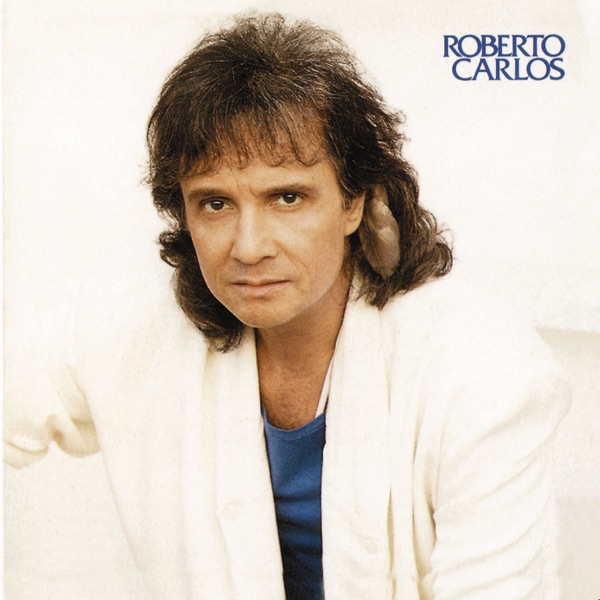
Roberto Carlos
1990 · 10 tracks
- 1 Super Herói (Versão Remasterizada) ↗ 5:27
- 2 Meu Ciúme (Versão Remasterizada) ↗ 4:37
- 3 Por Ela (Por Ella) [Versão Remasterizada] ↗ 4:21
- 4 Pobre De Quem Me Tiver Depois De Você (Versão Remasterizada) ↗ 5:14
- 5 Cenário (Versão Remasterizada) ↗ 4:52
- 6 Quero Paz (Versão Remasterizada) ↗ 5:38
- 7 Um Mais Um (Versão Remasterizada) ↗ 4:37
- 8 Porque a Gente Se Ama (Versão Remasterizada) ↗ 5:19
- 9 Como As Ondas Volcam Para O Mar (Versão Remasterizada) ↗ 4:37
- 10 Mujer (Versão Remasterizada) ↗ 3:53


Roberto Carlos
1991 · 9 tracks
- 1 Todas as Manhãs (Versão Remasterizada) ↗ 3:57
- 2 Primeira Dama (Versão Remasterizada) ↗ 4:31
- 3 Se Você (Si Piensas...Si Quieres...) [Versão Remasterizada] ↗ 3:51
- 4 Não Me Deixe (Versão Remasterizada) ↗ 4:10
- 5 Oh, Oh, Oh (Versão Remasterizada) ↗ 3:42
- 6 Luz Divina (Versão Remasterizada) ↗ 4:52
- 7 Pergunte Pro Seu Coração (Versão Remasterizada) ↗ 4:48
- 8 Diga-Me Coisas Bonitas (Versão Remasterizada) ↗ 3:54
- 9 Mudança (Versão Remasterizada) ↗ 5:14

Roberto Carlos
1992 · 10 tracks
- 1 Você É Minha (Versão Remasterizada) ↗ 5:27
- 2 Mulher Pequena (Versão Remasterizada) ↗ 4:08
- 3 De Coração (Versão Remasterizada) ↗ 4:30
- 4 Você Como Vai (E Tu Como Stai?) [Versão Remasterizada] ↗ 3:59
- 5 Dito e Feito (Versão Remasterizada) ↗ 4:41
- 6 Herói Calado (Versão Remasterizada) ↗ 5:11
- 7 Eu Preciso Desse Amor (Versão Remasterizada) ↗ 4:15
- 8 Você Mexeu Com a Minha Vida (Versão Remasterizada) ↗ 4:50
- 9 Dizem Que um Homem Não Deve Chorar (Nova Flor / Los Hombres No Deben Llorar) [Versão Remasterizada] ↗ 4:26
- 10 Una En um Millón (Versão Remasterizada) ↗ 5:03
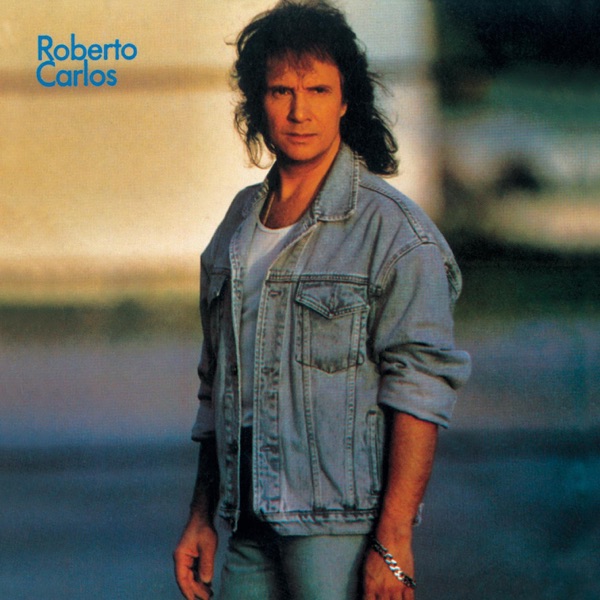
Roberto Carlos
1993 · 9 tracks
- 1 O Velho Caminhoneiro (Versão Remasterizada) ↗ 5:10
- 2 Coisa Bonita (Gordinha) [Versão Remasterizada] ↗ 4:36
- 3 Hoje É Domingo (Versão Remasterizada) ↗ 4:57
- 4 Obsessão (Versão Remasterizada) ↗ 4:58
- 5 Nossa Senhora (Versão Remasterizada) ↗ 6:05
- 6 Tanta Solidão (Versão Remasterizada) ↗ 5:30
- 7 Se Você Pensa (Versão Remasterizada) ↗ 3:17
- 8 Parabéns (Versão Remasterizada) ↗ 4:46
- 9 Mis Amores (Versão Remasterizada) ↗ 3:52
Roberto Carlos
1993 · 9 tracks
- 1 O Velho Caminhoneiro (Versão Remasterizada) ↗ 5:10
- 2 Coisa Bonita (Gordinha) [Versão Remasterizada] ↗ 4:36
- 3 Hoje É Domingo (Versão Remasterizada) ↗ 4:57
- 4 Obsessão (Versão Remasterizada) ↗ 4:58
- 5 Nossa Senhora (Versão Remasterizada) ↗ 6:05
- 6 Tanta Solidão (Versão Remasterizada) ↗ 5:30
- 7 Se Você Pensa (Versão Remasterizada) ↗ 3:17
- 8 Parabéns (Versão Remasterizada) ↗ 4:46
- 9 Mis Amores (Versão Remasterizada) ↗ 3:52

Roberto Carlos
1994 · 9 tracks
- 1 Alô (Versão Remasterizada) ↗ 5:25
- 2 Quero Lhe Falar do Meu Amor (Versão Remasterizada) ↗ 4:45
- 3 O Taxista (Versão Remasterizada) ↗ 4:48
- 4 Custe o Que Custar (Versão Remasterizada) ↗ 3:22
- 5 Jesus Salvador (Versão Remasterizada) ↗ 5:40
- 6 Meu Coração Ainda Quer Voce (Versão Remasterizada) ↗ 5:08
- 7 Quando a Gente Ama (Versão Remasterizada) ↗ 4:09
- 8 Silêncio (Versão Remasterizada) ↗ 5:12
- 9 Eu Nunca Amei Alguém Como Eu Te Amei (Versão Remasterizada) ↗ 4:29

Roberto Carlos
1995 · 9 tracks
- 1 Amigo Não Chore Por Ela (Versão Remasterizada) ↗ 4:54
- 2 O Charme dos Seus Óculos (Versão Remasterizada) ↗ 4:02
- 3 O Coração Não Tem Idade (Versão Remasterizada) ↗ 4:30
- 4 Pra Ficar Com Você (Versão Remasterizada) ↗ 3:43
- 5 Quando Eu Quero Falar Com Deus (Versão Remasterizada) ↗ 5:16
- 6 Romântico (Versão Remasterizada) ↗ 4:25
- 7 Nunca Te Esqueci (Versão Remasterizada) ↗ 4:48
- 8 Quase Fui Lhe Procurar (Versão Remasterizada) ↗ 3:36
- 9 Sonho de Amor (Versão Remasterizada) ↗ 3:13

Roberto Carlos
1996 · 10 tracks
- 1 Mulher de 40 (Versão Remasterizada) ↗ 5:23
- 2 Cheirosa (Versão Remasterizada) ↗ 4:23
- 3 Quando Digo Que Te Amo (Versão Remasterizada) ↗ 4:35
- 4 Amor Antigo (Versão Remasterizada) ↗ 4:12
- 5 Como É Grande o Meu Amor Por Você (Versão Remasterizada) ↗ 3:04
- 6 O Terço (Versão Remasterizada) ↗ 6:13
- 7 Tem Coisas Que a Gente Nao Tira do Coração (Versão Remasterizada) ↗ 5:33
- 8 Comandante do Seu Coração (Versão Remasterizada) ↗ 4:43
- 9 Assunto Predileto (Versão Remasterizada) ↗ 4:52
- 10 O Homem Bom (Versão Remasterizada) ↗ 4:18
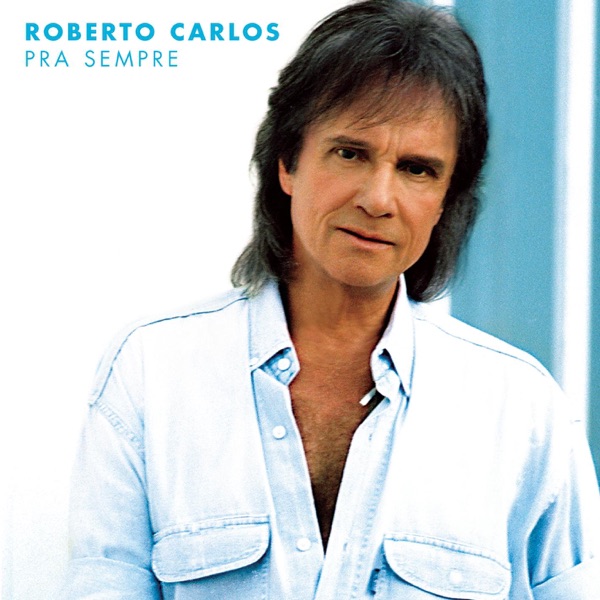

Linea Azul Vol. 6 - La Guerra De Los Niños
2003 · 13 tracks
- 1 La Guerra de los Niños (A Guerra dos Meninos) ↗ 6:01
- 2 El Sabor de Todo (O Gosto de Tudo) ↗ 3:41
- 3 La Isla (A Ilha) ↗ 4:24
- 4 Me Vuelves Loco ↗ 3:25
- 5 Pasatiempo (Passatempo) ↗ 4:10
- 6 No Te Apartes De Mí (Não Se Afaste de Mim) ↗ 4:16
- 7 Se Busca (Procura-se) ↗ 4:56
- 8 Amante a la Antigua (Amante a Moda Antiga) ↗ 2:44
- 9 Y Tengo Que Seguir (Tentativa) ↗ 4:25
- 10 Confesión (Confissão) ↗ 4:22
- 12 Mi Fin de Semana (Fim de Semana) ↗ 4:56
- 13 Mis Amores de Television (Meus Amores da Televisão) ↗ 4:37
- 14 Fiera Herida (Fera Ferida) ↗ 5:06


Amor sin límite
2018 · 10 tracks
- 1 Que Yo Te Vea ↗ 3:04
- 2 Esa Mujer (feat. Alejandro Sanz) ↗ 3:02
- 3 Regreso ↗ 4:16
- 4 Llegaste ↗ 3:56
- 5 Cuando Digo que Te Amo (Quando Digo que Te Amo) ↗ 4:32
- 6 Luz Divina (Luz Divina) ↗ 4:26
- 7 Comandante de tu Corazón (Comandante do seu Coração) ↗ 4:57
- 8 Por Siempre (Pra Sempre) ↗ 4:55
- 9 Amor Sin Límite (Amor Sem Limite) ↗ 4:42
- 10 Mujer de 40 (Mulher de 40) ↗ 4:14
-
 É proibido fumarRoberto Carlos196412 tracks
 -
 Jovem guardaRoberto Carlos196512 tracks
 -
 Roberto Carlos canta para a juventudeRoberto Carlos196512 tracks
 -
 Roberto CarlosRoberto Carlos196612 tracks
 -
 O inimitávelRoberto Carlos196812 tracks
 - Roberto CarlosRoberto Carlos196912 tracks
-
 Roberto CarlosRoberto Carlos197012 tracks
 - Roberto CarlosRoberto Carlos197112 tracks
-
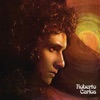 Roberto CarlosRoberto Carlos197210 tracks
 - Roberto CarlosRoberto Carlos197310 tracks
-
 El Dia Que Me QuierasRoberto Carlos19739 tracks
 -
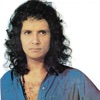 Roberto CarlosRoberto Carlos197412 tracks
 -
 Roberto CarlosRoberto Carlos197512 tracks
 -
 Roberto CarlosRoberto Carlos197612 tracks
 -
 Roberto CarlosRoberto Carlos197712 tracks
 -
 Roberto CarlosRoberto Carlos197811 tracks
 -
 Mi Querido, Mi Viejo, Mi AmigoRoberto Carlos197910 tracks
 -
 Roberto CarlosRoberto Carlos197910 tracks
 - Roberto CarlosRoberto Carlos197910 tracks
-
 Roberto Carlos (En Castellano)Roberto Carlos198010 tracks
 - Roberto CarlosRoberto Carlos198010 tracks
-
 Roberto CarlosRoberto Carlos198110 tracks
 - Roberto CarlosRoberto Carlos198110 tracks
-
 Roberto CarlosRoberto Carlos198210 tracks
 -
 Roberto CarlosRoberto Carlos198310 tracks
 -
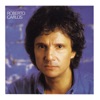 Roberto CarlosRoberto Carlos19849 tracks
 -
 Roberto CarlosRoberto Carlos198510 tracks
 -
 Roberto CarlosRoberto Carlos198610 tracks
 -
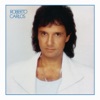 Roberto CarlosRoberto Carlos19879 tracks
 -
 VolverRoberto Carlos198814 tracks
 -
 Roberto CarlosRoberto Carlos198810 tracks
 -
 Roberto CarlosRoberto Carlos19899 tracks
 -
 Roberto CarlosRoberto Carlos199010 tracks
 -
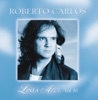 Pájaro heridoRoberto Carlos19905 tracks
 -
 Roberto CarlosRoberto Carlos19919 tracks
 -
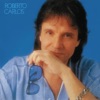 Roberto CarlosRoberto Carlos199210 tracks
 -
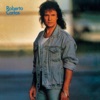 Roberto CarlosRoberto Carlos19939 tracks
 - Roberto CarlosRoberto Carlos19939 tracks
-
 Roberto CarlosRoberto Carlos19949 tracks
 -
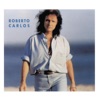 Roberto CarlosRoberto Carlos19959 tracks
 -
 Roberto CarlosRoberto Carlos199610 tracks
 -
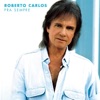 Pra sempreRoberto Carlos200310 tracks
 -
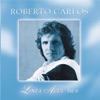 Linea Azul Vol. 6 - La Guerra De Los NiñosRoberto Carlos200313 tracks
 -
 Roberto CarlosRoberto Carlos20059 tracks
 -
 Amor sin límiteRoberto Carlos201810 tracks
Deep Dive
Overview
Roberto Carlos da Silva Rocha stands as one of the most prolific recording artists in rock and popular music history. Emerging from Brazil in the early 1960s, he became a defining voice of the Jovem Guarda movement—a youth-oriented rock and pop phenomenon that swept across Brazil and into Spanish-speaking Latin America. Over six decades of continuous recording, he released more than eighty studio albums across Portuguese, Spanish, and Italian, establishing himself as a towering figure in Latin rock and establishing a legacy that spans generations of listeners across the Americas and beyond.
Formation Story
Roberto Carlos’s musical career began in the early 1960s, marking a departure from traditional Brazilian music into rock and contemporary pop. Arriving on the scene as a young vocalist in Brazil, he positioned himself at the forefront of the Jovem Guarda movement, a cultural phenomenon that captured the spirit of Brazilian youth seeking modern, rock-inflected sounds. His initial recordings, beginning with Louco por você in 1961, signaled his arrival as a serious musical force. The movement itself reflected a broader shift in Brazilian popular culture—away from samba and bossa nova traditions toward the guitar-driven, English-language rock influence that was spreading globally throughout the early 1960s.
Breakthrough Moment
Roberto Carlos’s most significant breakthrough came through his association with the Jovem Guarda movement in the mid-1960s, particularly solidified by the release of the 1965 album Jovem guarda. This record became emblematic of the movement’s aesthetic and commercial appeal, establishing him as one of its leading voices. The success of these early to mid-1960s recordings extended his reach throughout Brazil and into Spanish-speaking markets across Latin America. By the late 1960s, his recording presence had expanded internationally; albums such as Triunfador festival San Remo 1968 and Canzoni per te (1968) demonstrated his ability to compete on European stages and in Italian-language markets, an unusual achievement for a Brazilian artist of that era.
Peak Era
The period from the late 1960s through the 1970s represented Roberto Carlos’s most creatively and commercially dominant stretch. Throughout this decade, he maintained an extraordinarily prolific output, releasing multiple albums annually and establishing himself across numerous language markets and national boundaries. Albums such as Mi Querido, Mi Viejo, Mi Amigo (1979) and Volver (1988) showcased his ability to evolve his sound and maintain commercial relevance across shifting musical tastes. His consistent presence across Brazil, Spanish America, and Europe during the 1970s and 1980s made him one of the few Latin American rock artists to achieve sustained international recognition across multiple decades and linguistic regions.
Musical Style
Roberto Carlos’s sound blended rock sensibilities with Latin American romantic traditions, creating a style that was distinctly modern yet rooted in regional musical identity. His vocal approach emphasized melodic phrasing and emotional directness, qualities that translated effectively across languages and regional markets. The guitar-driven arrangements characteristic of his early Jovem Guarda-era work gradually incorporated orchestral elements and production sophistication as his career progressed, reflecting both his own artistic evolution and broader industry trends toward elaborate studio production in the 1970s and beyond. His willingness to record in Portuguese, Spanish, and Italian demonstrated a cosmopolitan approach to artistic identity—rather than remaining fixed to a single national market, he adapted his material and linguistic presentation to reach audiences across Latin America and Southern Europe.
Major Albums
Jovem guarda (1965)
A defining statement of the Jovem Guarda movement, this album established Roberto Carlos as a central figure in Brazil’s youth-oriented rock scene and remains iconic within Brazilian popular music history.
O inimitável (1968)
Released at the peak of his late-1960s creative run, this album demonstrated his growing sophistication in arrangement and production, helping him transition from regional phenomenon to international contender.
Mi Querido, Mi Viejo, Mi Amigo (1979)
A major commercial success that showcased his mature artistic voice and ability to craft emotionally resonant material for Spanish-language audiences.
Volver (1988)
This album marked a significant artistic statement in his later career, reaffirming his relevance and creative vitality across three decades of recording.
Amor sin límite (2000)
A late-career release demonstrating his continued ability to produce and record material, sustaining his presence into the twenty-first century.
Signature Songs
- Tracks from Jovem guarda established his foundational hits and remain central to his identity as a Jovem Guarda pioneer.
- Materials from Mi Querido, Mi Viejo, Mi Amigo represent his romantic balladry and Spanish-language appeal at their peak commercial strength.
- Volver material showcases his ability to revisit and reimagine his own artistic legacy across decades.
Influence on Rock
Roberto Carlos’s influence on Latin American rock and popular music proved substantial and lasting. As a leading figure in Jovem Guarda, he helped establish rock as a viable idiom within Brazil at a moment when the country’s musical establishment remained deeply invested in samba and bossa nova. His success demonstrated that Brazilian artists could compete effectively in international markets using rock and pop frameworks rather than exclusively nationalist musical forms. His sustained career across Spanish-American markets showed that language and regional specificity were not barriers to longevity in rock music—a lesson that would influence generations of Latin American rock artists who followed.
Legacy
Roberto Carlos’s career longevity remains extraordinary within rock and popular music. From his 1961 debut through continuous recording across more than fifty years, he maintained artistic and commercial presence across multiple linguistic and national markets—a feat few artists of any tradition have achieved. His prolific discography, encompassing more than eighty studio albums, positions him among the most recorded artists in music history. The breadth of his output across Portuguese, Spanish, and Italian markets established him as a genuinely hemispheric figure in Latin American rock, transcending the national boundaries that typically constrain popular music careers. His recordings continue to circulate and remain accessible across streaming platforms, ensuring that new generations encounter his music alongside longtime listeners who experienced his peak era firsthand.
Fun Facts
- Roberto Carlos recorded material in Italian, reaching audiences in Southern Europe and establishing himself as one of the few Brazilian rock artists to achieve genuine commercial success in European markets.
- His recording output was remarkably consistent, with multiple albums released nearly every year throughout the 1970s and 1980s, demonstrating an almost industrial approach to musical productivity.
- The album Triunfador festival San Remo 1968 commemorated his success at the San Remo Music Festival, one of Europe’s most prestigious international song competitions, marking his penetration into elite European musical circles.
- His career spanned from the Jovem Guarda era of the 1960s through the digital age of the twenty-first century, making him a living bridge across nearly six decades of music industry transformation.