

Photo by Dina Regine , licensed under CC BY-SA 2.0 · Wikimedia Commons
Rank #38
Lucinda Williams
From Wikipedia
Lucinda Gayl Williams is an American singer-songwriter and a solo guitarist. She recorded her first two albums, Ramblin' on My Mind (1979) and Happy Woman Blues (1980), in a traditional country and blues style that received critical praise but little public or radio attention. In 1988, she released her third album, Lucinda Williams, to widespread critical acclaim. Regarded as "an Americana classic", the album also featured "Passionate Kisses", a song later recorded by Mary Chapin Carpenter for her 1992 album Come On Come On, which garnered Williams her first Grammy Award for Best Country Song in 1994. Williams released her fourth album, Sweet Old World, four years later in 1992. Sweet Old World was met with further critical acclaim and was voted the 11th best album of 1992 in The Village Voice's Pazz & Jop, an annual poll of prominent music critics. Robert Christgau, the poll's creator, ranked it 6th on his own year-end list, later writing that the album as well as Lucinda Williams were "gorgeous, flawless, brilliant".
Discography & Previews
Browse through and click an album to open and play 30-second previews streamed from Apple Music.
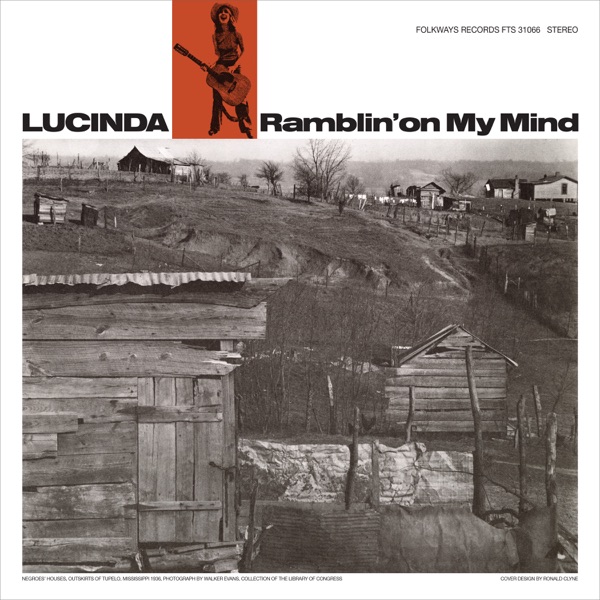
Ramblin’ on My Mind
1979 · 14 tracks
- 1 Ramblin' on My Mind ↗ 2:36
- 2 Me and My Chauffeur ↗ 3:17
- 3 Motherless Children ↗ 3:36
- 4 Malted Milk Blues ↗ 2:34
- 5 Disgusted ↗ 2:33
- 6 Jug Band Music ↗ 2:27
- 7 Stop Breakin' Down ↗ 3:25
- 8 Drop Down Daddy ↗ 3:25
- 9 Little Darling Pal of Mine ↗ 3:04
- 10 Make Me a Pallet on Your Floor ↗ 3:53
- 11 Jambalaya ↗ 3:09
- 12 Great Speckled Bird ↗ 3:00
- 13 You're Gonna Need Pure Religion ↗ 3:13
- 14 Satisfied Mind ↗ 4:06
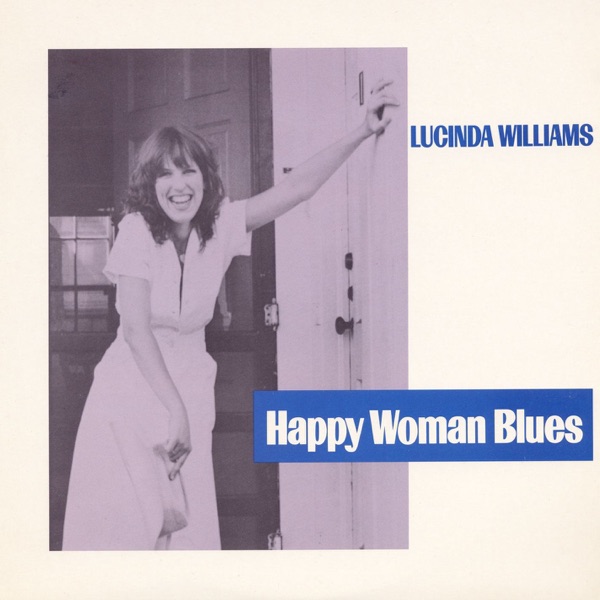
Happy Woman Blues
1980 · 11 tracks

Lucinda Williams
1988 · 12 tracks
- 1 Don't Let Me Down ↗ 3:28
- 2 I'm Looking Through You ↗ 3:12
- 3 Can't Buy Me Love ↗ 2:23
- 4 Rain ↗ 2:53
- 5 While My Guitar Gently Weeps ↗ 4:51
- 6 Let It Be ↗ 3:57
- 7 Yer Blues ↗ 2:58
- 8 I've Got a Feeling ↗ 3:51
- 9 I'm So Tired ↗ 1:59
- 10 Something ↗ 3:08
- 11 With a Little Help from My Friends ↗ 4:28
- 12 The Long and Winding Road ↗ 3:03

Sweet Old World
1992 · 12 tracks
- 1 Six Blocks Away ↗ 2:52
- 2 Something About What Happens When We Talk. ↗ 3:50
- 3 He Never Got Enough Love ↗ 3:53
- 4 Sweet Old World ↗ 4:04
- 5 Little Angel, Little Brother ↗ 4:26
- 6 Pineola ↗ 4:11
- 7 Lines Around Your Eyes ↗ 2:29
- 8 Prove My Love ↗ 2:48
- 9 Sidewalks of the City ↗ 3:46
- 10 Memphis Pearl ↗ 3:49
- 11 Hot Blood ↗ 5:27
- 12 Which Will ↗ 3:50

Car Wheels on a Gravel Road
1998 · 13 tracks
- 1 Right In Time ↗ 4:36
- 2 Car Wheels On a Gravel Road ↗ 4:45
- 3 2 Kool 2 Be 4-Gotten ↗ 4:42
- 4 Drunken Angel ↗ 3:20
- 5 Concrete and Barbed Wire ↗ 3:09
- 6 Lake Charles ↗ 5:28
- 7 Can't Let Go ↗ 3:29
- 8 I Lost It ↗ 3:31
- 9 Metal Firecracker ↗ 3:31
- 10 Greenville ↗ 3:24
- 11 Still I Long for Your Kiss ↗ 4:09
- 12 Joy ↗ 4:01
- 13 Jackson ↗ 3:43


World Without Tears
2003 · 13 tracks
- 1 Fruits of My Labor ↗ 4:48
- 2 Righteously ↗ 4:38
- 3 Ventura ↗ 4:42
- 4 Real Live Bleeding Fingers and Broken Guitar Strings ↗ 4:41
- 5 Overtime ↗ 3:59
- 6 Those Three Days ↗ 5:00
- 7 Atonement ↗ 5:50
- 8 Sweet Side ↗ 3:36
- 9 Minneapolis ↗ 4:08
- 10 People Talkin' ↗ 5:12
- 11 American Dream ↗ 4:38
- 12 World Without Tears ↗ 4:15
- 13 Words Fell ↗ 4:14

West
2007 · 13 tracks

Little Honey
2008 · 13 tracks
- 1 Real Love ↗ 3:45
- 2 Circles And X's ↗ 3:41
- 3 Tears of Joy ↗ 4:27
- 4 Little Rock Star ↗ 5:43
- 5 Honey Bee ↗ 3:04
- 6 Well Well Well ↗ 4:27
- 7 If Wishes Were Horses ↗ 5:41
- 8 Jailhouse Tears ↗ 5:26
- 9 Knowing ↗ 5:59
- 10 Heaven Blues ↗ 5:23
- 11 Rarity ↗ 8:42
- 12 Plan To Marry ↗ 3:24
- 13 It's a Long Way To the Top ↗ 4:56

Blessed
2011 · 12 tracks

Down Where the Spirit Meets the Bone
2014 · 20 tracks
- 1 Compassion ↗ 2:57
- 1 Something Wicked This Way Comes ↗ 5:45
- 2 Protection ↗ 4:48
- 2 Big Mess ↗ 5:32
- 3 Burning Bridges ↗ 4:49
- 3 When I Look at the World ↗ 4:56
- 4 East Side of Town ↗ 4:56
- 4 Walk On ↗ 4:11
- 5 West Memphis ↗ 5:45
- 5 Temporary Nature (Of Any Precious Thing) ↗ 5:05
- 6 Cold Day in Hell ↗ 5:16
- 6 Everything but the Truth ↗ 5:11
- 7 Foolishness ↗ 5:58
- 7 This Old Heartache ↗ 5:03
- 8 Wrong Number ↗ 5:01
- 8 Stowaway in Your Heart ↗ 3:28
- 9 Stand Right by Each Other ↗ 3:59
- 9 One More Day ↗ 6:22
- 10 It's Gonna Rain ↗ 4:18
- 10 Magnolia ↗ 9:51

The Ghosts of Highway 20
2016 · 14 tracks
- 1 Dust ↗ 6:20
- 2 House of Earth ↗ 5:28
- 3 I Know All About It ↗ 5:46
- 4 Place in My Heart ↗ 5:14
- 5 Death Came ↗ 6:14
- 6 Doors of Heaven ↗ 5:34
- 7 Louisiana Story ↗ 9:06
- 8 The Ghosts of Highway 20 ↗ 7:20
- 9 Bitter Memory ↗ 4:07
- 10 Factory ↗ 4:01
- 11 Can't Close the Door on Love ↗ 5:36
- 12 If My Love Could Kill ↗ 5:10
- 13 If There's a Heaven ↗ 3:35
- 14 Faith and Grace ↗ 12:43

This Sweet Old World
2017 · 16 tracks
- 1 Six Blocks Away ↗ 4:13
- 2 Prove My Love ↗ 4:54
- 3 Something About What Happens When We Talk ↗ 4:45
- 4 Memphis Pearl ↗ 4:19
- 5 Sidewalks of the City ↗ 5:24
- 6 Sweet Old World ↗ 4:46
- 7 Little Angel, Little Brother ↗ 4:42
- 8 Pineola ↗ 4:19
- 9 Lines Around Your Eyes ↗ 2:46
- 10 Drivin' Down a Dead End Street ↗ 6:06
- 11 Hot Blood ↗ 6:20
- 12 Which Will ↗ 4:32
- 13 Factory Blues (Bonus Track) ↗ 3:36
- 14 What You Don't Know (Bonus Track) ↗ 3:52
- 15 Wild and Blue (Bonus Track) ↗ 3:32
- 16 Dark Side of Life (Bonus Track) ↗ 3:02


Good Souls Better Angels
2020 · 12 tracks
- 1 You Can't Rule Me ↗ 4:01
- 2 Bad News Blues ↗ 4:36
- 3 Man Without a Soul ↗ 5:31
- 4 Big Black Train ↗ 5:27
- 5 Wakin' Up ↗ 4:44
- 6 Pray the Devil Back to Hell ↗ 5:38
- 7 Shadows & Doubts ↗ 6:01
- 8 When the Way Gets Dark ↗ 3:27
- 9 Bone of Contention ↗ 4:05
- 10 Down Past the Bottom ↗ 3:21
- 11 Big Rotator ↗ 5:20
- 12 Good Souls ↗ 7:35

Stories From a Rock n Roll Heart
2023 · 10 tracks
Lucinda Williams Sings the Beatles From Abbey Road
2024 · 12 tracks
- 1 Don't Let Me Down ↗ 3:28
- 2 I'm Looking Through You ↗ 3:12
- 3 Can't Buy Me Love ↗ 2:23
- 4 Rain ↗ 2:53
- 5 While My Guitar Gently Weeps ↗ 4:51
- 6 Let It Be ↗ 3:57
- 7 Yer Blues ↗ 2:58
- 8 I've Got a Feeling ↗ 3:51
- 9 I'm So Tired ↗ 1:59
- 10 Something ↗ 3:08
- 11 With a Little Help from My Friends ↗ 4:28
- 12 The Long and Winding Road ↗ 3:03

World’s Gone Wrong
2026 · 10 tracks
- 1 The World's Gone Wrong (feat. Brittney Spencer) ↗ 5:07
- 2 Something's Gotta Give (feat. Brittney Spencer) ↗ 5:38
- 3 Low Life ↗ 4:24
- 4 How Much Did You Get For Your Soul ↗ 4:00
- 5 So Much Trouble In The World (feat. Mavis Staples) ↗ 4:35
- 6 Sing Unburied Sing ↗ 3:31
- 7 Black Tears ↗ 5:39
- 8 Punchline ↗ 5:38
- 9 Freedom Speaks ↗ 4:04
- 10 We've Come Too Far To Turn Around ↗ 4:59
-
 Ramblin’ on My MindLucinda Williams197914 tracks
 -
 Happy Woman BluesLucinda Williams198011 tracks
 -
 Lucinda WilliamsLucinda Williams198812 tracks
 -
 Sweet Old WorldLucinda Williams199212 tracks
 -
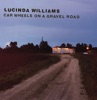 Car Wheels on a Gravel RoadLucinda Williams199813 tracks
 -
 EssenceLucinda Williams200111 tracks
 -
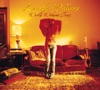 World Without TearsLucinda Williams200313 tracks
 -
 WestLucinda Williams200713 tracks
 -
 Little HoneyLucinda Williams200813 tracks
 -
 BlessedLucinda Williams201112 tracks
 -
 Down Where the Spirit Meets the BoneLucinda Williams201420 tracks
 -
 The Ghosts of Highway 20Lucinda Williams201614 tracks
 -
 This Sweet Old WorldLucinda Williams201716 tracks
 -
 Vanished GardensLucinda Williams201810 tracks
 -
 Good Souls Better AngelsLucinda Williams202012 tracks
 -
 Stories From a Rock n Roll HeartLucinda Williams202310 tracks
 - Lucinda Williams Sings the Beatles From Abbey RoadLucinda Williams202412 tracks
-
 World’s Gone WrongLucinda Williams202610 tracks
Deep Dive
Overview
Lucinda Gayl Williams is an American singer-songwriter and solo guitarist whose career spans from the late 1970s to the present day. Emerging from a tradition of country and blues, Williams built her reputation through meticulous songwriting and a willingness to move beyond genre boundaries. Her work occupies the intersection of folk, country, blues, and alternative rock—a space that came to be known as Americana—and she stands as one of the defining voices in that tradition.
Formation Story
Born in 1953, Lucinda Williams came of age in a household steeped in music and literature. Her path into professional music began in the late 1970s, when she released her first album, Ramblin’ on My Mind, in 1979. This debut, recorded in a traditional country and blues style, announced her arrival as a serious artist rooted in American roots traditions. She followed it with Happy Woman Blues in 1980, continuing in the same vein. Both albums earned critical respect from discerning listeners and musicians, though they struggled to gain traction on radio or in the broader commercial marketplace. These early recordings established her as an artist of depth and authenticity, working in styles that valued substance over airplay.
Breakthrough Moment
Williams’ breakthrough came nine years after her debut with the release of her self-titled album Lucinda Williams in 1988. The album was met with widespread critical acclaim and marked a turning point in her career. Its centerpiece was “Passionate Kisses,” a song that would become her signature composition. The song later achieved significant recognition when Mary Chapin Carpenter recorded it for her 1992 album Come On Come On. That version brought Williams her first Grammy Award for Best Country Song in 1994, introducing her name to a far wider audience and validating the artistic vision she had pursued since the late 1970s.
Peak Era
Williams entered a period of sustained critical success in the early 1990s. Four years after her self-titled breakthrough, she released Sweet Old World in 1992, an album that deepened her reputation as a major artistic voice. The album was voted the 11th best album of 1992 by The Village Voice’s Pazz & Jop, a prestigious annual poll conducted among prominent music critics. Robert Christgau, the poll’s creator, ranked it even higher—6th on his own year-end list—and later wrote of the album and artist with unguarded praise, calling them “gorgeous, flawless, brilliant.” This period solidified Williams as an artist whose work transcended commercial categories and earned respect from critics and fellow musicians alike.
Musical Style
Lucinda Williams’ music draws from folk, alternative country, blues, and pop rock traditions. Her approach as a solo guitarist places her in the singer-songwriter tradition, where the voice and acoustic guitar often carry the primary narrative and emotional weight. Her songwriting emphasizes literary detail and emotional specificity; she constructs narratives with the precision of a novelist, filling her lyrics with concrete imagery and psychological depth. Over her career, her sound has evolved from the straightforward country-and-blues approach of her earliest work toward a more expansive palette that incorporates elements of rock, alternative country, and contemporary songwriting. Her vocal delivery—direct, unsentimental, and deeply expressive—serves the songs rather than overpowering them. The influence of blues and folk traditions remains audible throughout her discography, but Williams has consistently resisted genre constraints, moving fluidly among styles while maintaining a coherent artistic identity.
Major Albums
Ramblin’ on My Mind (1979)
Her debut announced Williams as an artist grounded in traditional country and blues, establishing the foundations of her aesthetic with critical praise despite minimal commercial attention.
Lucinda Williams (1988)
The self-titled breakthrough that brought her wider recognition, featuring “Passionate Kisses” and regarded as an Americana classic that demonstrated her mature artistry and songwriting sophistication.
Sweet Old World (1992)
A follow-up that cemented her critical standing, earning placement among the year’s best albums by leading critics and establishing her as a major contemporary voice in roots-based music.
Car Wheels on a Gravel Road (1998)
Released a decade into her critical success, this album continued her exploration of Americana and singer-songwriter traditions across her prolific career.
West (2007)
A significant album from her mature period, demonstrating the range and evolving sophistication of her artistic vision across three decades of recording.
Signature Songs
- “Passionate Kisses” — The composition that brought Williams her first Grammy Award and introduced her work to mainstream audiences through Mary Chapin Carpenter’s 1992 recording.
- “Lucinda” — A track that became central to her identity as a recording artist and live performer.
- “Sweet Old World” — The title track from her acclaimed 1992 album, a signature composition that exemplifies her lyrical depth.
- “Car Wheels on a Gravel Road” — The title track from her 1998 album, representing her sustained exploration of Americana themes.
Influence on Rock
Lucinda Williams occupies an important position in the development of Americana and alternative country as distinct genres in the American rock landscape. Her meticulous approach to songwriting—combining the emotional specificity of contemporary singer-songwriters with the tonal and thematic traditions of country and blues—demonstrated that roots-based music could achieve artistic and critical complexity without abandoning its origins. Her success helped establish a market and critical framework for artists working in folk, country, and blues traditions at a time when those genres were often marginalized in mainstream rock discourse. The Grammy recognition she achieved for “Passionate Kisses” validated not only her own work but the broader category of Americana songwriting, opening doors for other artists working in similar terrain.
Legacy
Across a career now spanning more than four decades, Lucinda Williams has remained a consistent and prolific voice in American music. Her discography—which includes studio albums through 2024 and beyond—demonstrates a commitment to continued artistic exploration well into her seventh decade of life. Her impact extends beyond her own recordings; “Passionate Kisses” became a standard in contemporary country songwriting, covered by major artists and earning her the kind of compositional recognition that few singer-songwriters achieve. Williams’ body of work has influenced multiple generations of artists working in folk, country, and alternative music, establishing her as a foundational figure in the Americana tradition. Her albums remain widely available and continue to be streamed and studied by musicians and listeners seeking examples of sophisticated songwriting rooted in American traditions.
Fun Facts
- Williams’ first Grammy Award came in 1994 for a song recorded by another artist, demonstrating the strength of her compositions even before her own recordings achieved mainstream commercial success.
- She released a covers album in 2024, Lucinda Williams Sings the Beatles From Abbey Road, showing her continued engagement with musical traditions across her entire career.
- Her extensive discography includes over 20 studio albums, making her one of the most prolific recording artists in contemporary American music.