

Photo by ( Kirk Stauffer ) , licensed under CC BY-SA 3.0 · Wikimedia Commons
Rank #262
David Gray
From Wikipedia
David Peter Gray is a British singer-songwriter. Having released his debut album in 1993, he received worldwide attention with White Ladder five years later, particularly for the hit single "Babylon". White Ladder was the first of three chart-toppers in six years for Gray in the UK, where it became the fifth best-selling album of the 2000s. In 2019, it was ranked as the UK's tenth best-selling album of the 21st century. Gray reached the US Top 20 with five successive albums, and has received four Brit Award nominations, including two nominations for Best British Male.
Discography & Previews
Browse through and click an album to open and play 30-second previews streamed from Apple Music.


Sell, Sell, Sell
1996 · 12 tracks
- 1 Faster, Sooner, Now ↗ 2:24
- 2 Late Night Radio ↗ 3:54
- 3 Sell, Sell, Sell ↗ 5:11
- 4 Hold On to Nothing ↗ 4:15
- 5 Everytime ↗ 4:41
- 6 Magdalena ↗ 4:25
- 7 Smile ↗ 4:06
- 8 Only the Lonely ↗ 4:47
- 9 What Am I Doing Wrong? ↗ 5:02
- 10 Gutters Full of Rain ↗ 4:23
- 11 Forever Is Tomorrow Is Today ↗ 5:32
- 12 Folk Song ↗ 5:18


A New Day at Midnight
2002 · 12 tracks


Foundling
2010 · 11 tracks

Mutineers
2014 · 12 tracks


Dear Life
2025 · 13 tracks
- 1 After The Harvest ↗ 4:36
- 2 Plus & Minus ↗ 3:08
- 3 Eyes Made Rain ↗ 3:34
- 4 Leave Taking ↗ 6:57
- 5 I Saw Love ↗ 3:46
- 6 Fighting Talk ↗ 3:48
- 7 Sunlight On Water ↗ 5:25
- 8 That Day Must Surely Come ↗ 4:58
- 9 Singing For The Pharaoh ↗ 3:50
- 10 Acceptance (It's Alright) ↗ 4:56
- 11 Future Bride ↗ 4:07
- 12 The Only Ones ↗ 4:30
- 13 The First Stone ↗ 6:32
Nightjar
2026 · 19 tracks
- 1 When I Fall in Love ↗ 4:45
- 2 Money ↗ 3:47
- 3 The Easy Way Out ↗ 3:28
- 4 Nightjar ↗ 5:31
- 5 Green Light ↗ 2:07
- 6 Mr. Bennett ↗ 3:38
- 7 Long Gone Now (Alt Version) ↗ 3:45
- 8 Everybody's Leaving Town (Drum Delay Mix) ↗ 5:30
- 9 Alive ↗ 4:01
- 10 Poor John ↗ 3:00
- 11 Wave ↗ 3:11
- 12 Sacred Ground (Alt Version) ↗ 4:26
- 13 The Golden Ray ↗ 2:13
- 14 Far From Here ↗ 4:30
- 15 A Model Life/My Angel Now ↗ 7:23
- 16 Madder Rain ↗ 4:43
- 17 Laughing Gas (2004 Version) ↗ 3:23
- 18 Side Effects (May Also Include) ↗ 5:02
- 19 The Final Order ↗ 2:56
-
 A Century EndsDavid Gray199310 tracks
 -
 FleshDavid Gray199410 tracks
 -
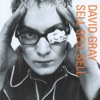 Sell, Sell, SellDavid Gray199612 tracks
 -
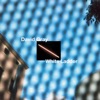 White LadderDavid Gray199810 tracks
 -
 Lost Songs 95–98David Gray200111 tracks
 -
 A New Day at MidnightDavid Gray200212 tracks
 -
 Life in Slow MotionDavid Gray200510 tracks
 -
 Draw the LineDavid Gray200911 tracks
 -
 FoundlingDavid Gray201011 tracks
 -
 MutineersDavid Gray201412 tracks
 -
 Gold in a Brass AgeDavid Gray201911 tracks
 -
 SkelligDavid Gray20213 tracks
 -
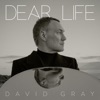 Dear LifeDavid Gray202513 tracks
 -
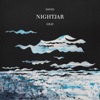 NightjarDavid Gray202619 tracks
Deep Dive
Overview
David Gray is a British singer-songwriter whose career trajectory maps a steady ascent from indie obscurity to mainstream commercial success. Born in 1968, Gray emerged from the folk and alternative rock tradition of the 1990s, eventually crafting a sound rooted in acoustic guitar, introspective lyricism, and orchestral arrangements. His 1998 album White Ladder became a cultural phenomenon in the UK and beyond, establishing him as one of the decade’s defining alternative rock voices and yielding the international hit “Babylon.”
Formation Story
David Peter Gray was born into the United Kingdom in 1968, coming of age during a period when singer-songwriters drawing from both folk tradition and contemporary rock idioms occupied a distinctive space in British music. His path toward a recording career began in the early 1990s, informed by the introspective, guitar-driven aesthetic that emerged from independent rock and alternative scenes. In 1993, Gray released his debut album A Century Ends on IHT Records, an understated introduction that established the foundational elements of his approach: acoustic instrumentation, observational songwriting, and a spare vocal delivery.
Breakthrough Moment
Gray’s first four albums—A Century Ends (1993), Flesh (1994), and Sell, Sell, Sell (1996)—built an underground following but remained largely confined to alternative rock circuits. The watershed came with White Ladder in 1998, released on Hut Records. The album’s commercial breakthrough was anchored by “Babylon,” a single that became inescapable on radio and streaming platforms internationally. White Ladder’s combination of accessible melodies, sophisticated production, and emotionally direct songwriting resonated with a mass audience that alternative rock had cultivated over the preceding decade. In the UK, it ascended to chart-topping status and became the fifth best-selling album of the 2000s—a remarkable feat for an artist who had spent five years building credibility outside the mainstream.
Peak Era
The decade following White Ladder’s release defined Gray’s creative and commercial peak. Between 1998 and 2005, he released three successive chart-topping albums in the UK: White Ladder (1998), A New Day at Midnight (2002), and Life in Slow Motion (2005). This six-year run established him as a fixture in British popular music and expanded his American presence considerably; he reached the US Top 20 with five consecutive albums across this period and beyond. His work during these years balancing commercial appeal with songwriting substance earned him four Brit Award nominations, including two for Best British Male. The consistency of his output and the sustained audience engagement during this era cemented his status as one of the defining artists of post-Britpop alternative rock.
Musical Style
David Gray’s music is built on the foundation of acoustic guitar songwriting, drawing from both British folk traditions and the introspective alternative rock that flourished in the 1990s. His voice—a clear, mid-range baritone—delivers lyrics with emotional restraint rather than theatrical projection, a choice that allows the observational detail in his writing to take precedence. Musically, his arrangements evolved from the sparse, guitar-centric approach of his early albums toward increasingly orchestral and layered productions, particularly from White Ladder onward. Strings, keyboards, and subtle electronic textures became hallmarks of his mature work, creating a sound that occupies space between alternative rock, pop, and contemporary folk. The production choices—often warm, analog-leaning even as recording technology advanced—lend his work a timeless quality that has sustained its appeal across decades.
Major Albums
White Ladder (1998)
The album that transformed Gray from cult artist to mainstream phenomenon. “Babylon” became a global hit, and the record’s blend of melodic accessibility and sophisticated emotional depth established the template for his subsequent commercial success.
A New Day at Midnight (2002)
Gray’s first chart-topper in the UK following White Ladder, demonstrating that his commercial ascent was not a one-album phenomenon but reflected a sustained evolution of his craft.
Life in Slow Motion (2005)
The third consecutive chart-topping UK album, representing the apex of his commercial dominance during the peak era and showcasing his ability to balance production sophistication with songwriting clarity.
Draw the Line (2009)
Released after a four-year gap, this album marked a shift in Gray’s approach and demonstrated his capacity to sustain a recording career beyond the initial wave of mainstream success.
Mutineers (2014)
A return to recording after a five-year absence, Mutineers signaled Gray’s continued engagement with songwriting and his willingness to evolve his sound for contemporary audiences.
Signature Songs
- “Babylon” — The breakthrough single that became synonymous with Gray’s name and introduced his music to a worldwide audience.
- “This Year’s Love” — A White Ladder track that established the album’s emotional register and became a staple of alternative rock playlists.
- “Sail Away” — A later single showcasing Gray’s facility with melody and his evolution toward more overtly accessible songcraft.
- “Please Forgive Me” — A track demonstrating the introspective lyrical tradition that defined his approach across multiple albums.
Influence on Rock
David Gray’s commercial success with White Ladder arrived at a moment when alternative rock was consolidating its position as the dominant popular music idiom in the English-speaking world. His particular contribution was demonstrating that singer-songwriter traditions—the acoustic guitar, the emphasis on lyrical observation, the restraint of vocal delivery—could coexist with and indeed enhance contemporary production and orchestration. Gray’s work influenced the broader softening of alternative rock in the 2000s, encouraging a generation of artists to integrate folk and acoustic elements into rock frameworks. His sustained chart presence in both the UK and US validated a model of alternative rock that prioritized emotional directness and melodic accessibility over aggressive or avant-garde stylistic gestures.
Legacy
David Gray’s enduring presence in British and international popular music reflects the durability of his songwriting and the deep connection his work established with audiences. White Ladder’s status as the UK’s tenth best-selling album of the 21st century, nearly three decades after its release, testifies to its cultural staying power and continued streaming presence. Gray has maintained an active recording career into the 2020s, releasing albums including Skellig (2021) and Dear Life (2025), demonstrating that his engagement with songwriting and performance has not diminished with age. His trajectory from unsigned, regionally obscure artist to chart-topping, Brit Award-nominated songwriter exemplifies the possibility of sustained alternative rock success without compromise or genre reinvention.
Fun Facts
- White Ladder spent multiple years on the UK charts after its initial release, becoming a slow-burn phenomenon that continued accumulating sales and listeners years after its debut.
- Gray’s albums have been released across multiple record labels including IHT Records, Hut Records, East West Records, and ATO Records, reflecting the international scope of his career.
- Despite achieving significant commercial success in North America, Gray has maintained particular cultural prominence in the United Kingdom, where his chart achievements and award nominations remain most concentrated.
- The title track “Babylon” drew influence from the biblical and reggae musical traditions, creating a crossover moment that brought Gray’s work to audiences beyond his core alternative rock constituency.