
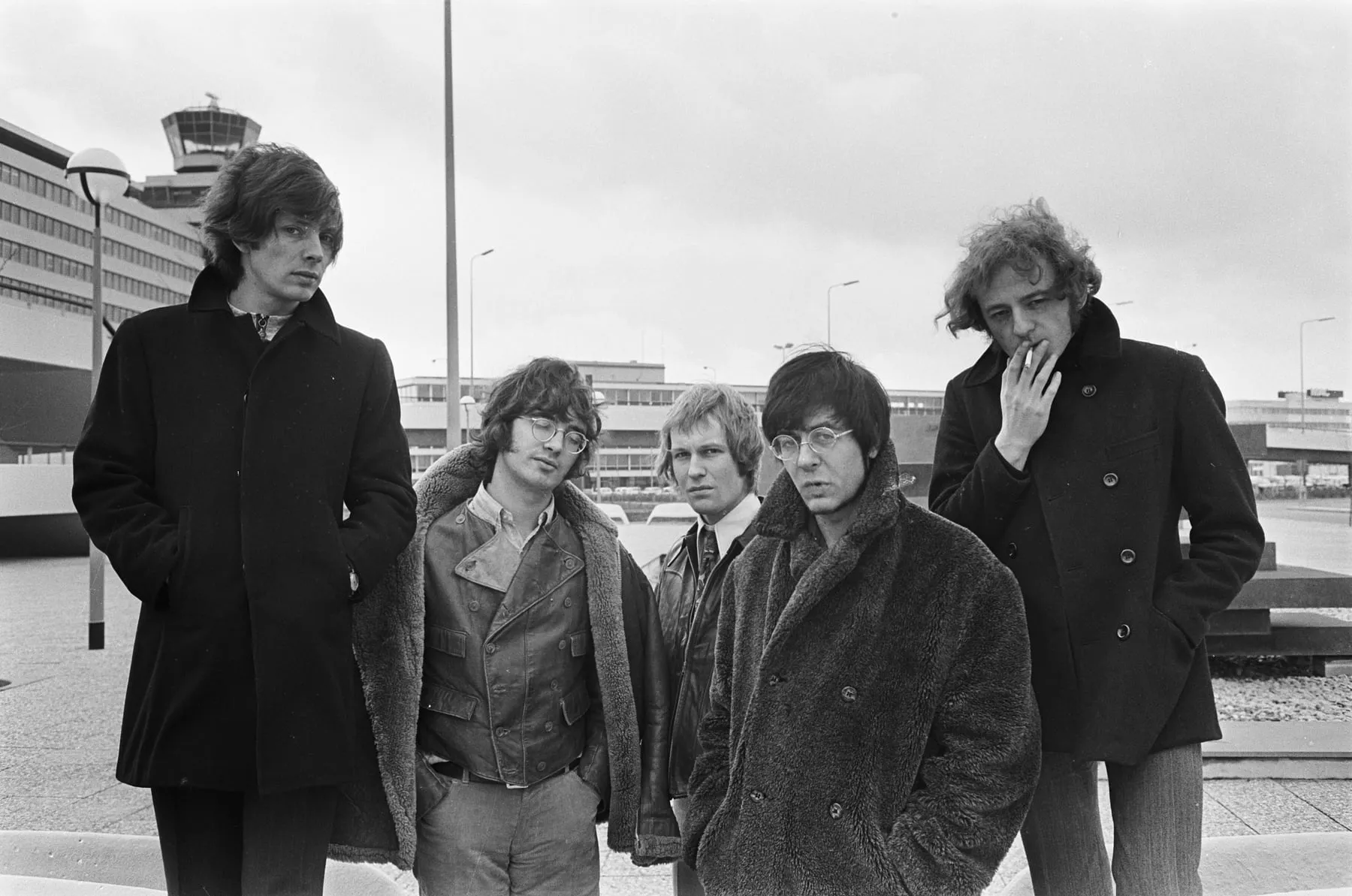
Photo by Eric Koch for Anefo , licensed under CC0 · Wikimedia Commons
Rank #351
Manfred Mann
From Wikipedia
Manfred Mann were an English-based rock band formed in London in 1962. They were named after their keyboardist Manfred Mann. The group had two lead vocalists: Paul Jones from 1962 to 1966 and Mike d'Abo from 1966 to 1969. Other members of various group line-ups were Mike Hugg, Mike Vickers, Dave Richmond, Tom McGuinness, Jack Bruce, Lyn Dobson, Henry Lowther and Klaus Voormann.
Members
- Manfred Mann
- Paul Jones
Discography & Previews
Browse through and click an album to open and play 30-second previews streamed from Apple Music.
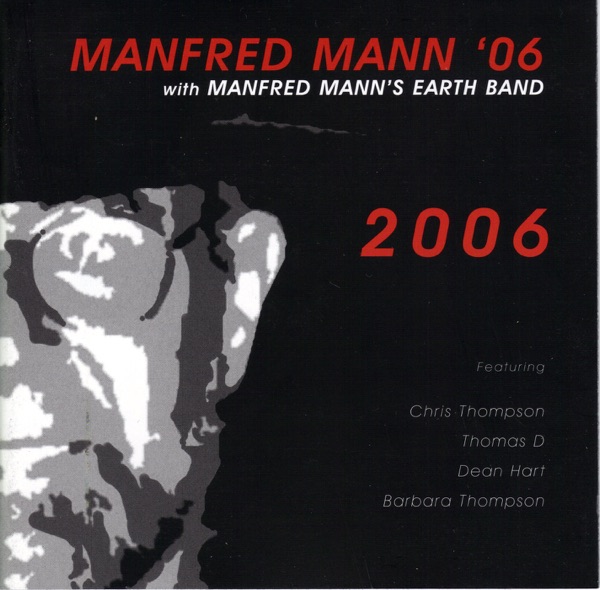
2006
2004 · 14 tracks
- 1 Demons and Dragons ↗ 3:29
- 2 Two Brides ↗ 1:22
- 3 Down In Mexico ↗ 3:32
- 4 Happenstance ↗ 3:03
- 5 The History of Sexual Jealousy ↗ 4:47
- 6 Black Eyes ↗ 2:11
- 7 Mars ↗ 3:57
- 8 Get Me Out of This ↗ 5:36
- 9 Frog ↗ 4:29
- 10 Two Friends ↗ 5:25
- 11 Monkmann ↗ 3:11
- 12 Marche Slave ↗ 1:43
- 13 Independent Woman ↗ 3:31
- 14 Dragons Reprise ↗ 2:01
-
 2006Manfred Mann200414 tracks
Deep Dive
Overview
Manfred Mann was an English rock band formed in London in 1962, taking its name from the group’s keyboardist and bandleader. The group operated during the height of the British rock boom, establishing themselves as a consistent presence on the charts and radio throughout the 1960s. Built around Mann’s distinctive keyboard work and a succession of strong lead vocalists, the band carved out a niche in the beat music scene that defined the era.
Formation Story
Manfred Mann assembled his ensemble in London in 1962, drawing from the vibrant British rock scene of the early 1960s. The band’s foundation rested on Mann’s keyboard skills and compositional sensibility, supported by a rotating lineup of musicians who brought different textures and energy to the group’s output. Paul Jones became the group’s first major lead vocalist from 1962, anchoring the band’s early commercial identity. The London-based ensemble emerged amid the wave of British beat music that was beginning to assert itself both domestically and internationally, positioning themselves within a tradition of rhythm-and-blues-influenced rock that characterized much of that period’s output.
Breakthrough Moment
The band secured recording contracts with major labels including Fontana Records, Capitol Records, and His Master’s Voice, establishing a professional foundation for steady touring and recording. Their presence on these labels ensured consistent radio and chart exposure throughout the mid-1960s, building a dedicated following in the United Kingdom and abroad. By releasing material through multiple international labels, Manfred Mann established themselves as a commercially viable concern capable of sustaining album releases and charting singles across different markets.
Peak Era
Manfred Mann’s most productive period extended from their formation in 1962 through the late 1960s. The band underwent a significant lineup change in 1966 when Mike d’Abo assumed vocal duties, replacing Paul Jones and bringing a new character to the group’s sound. This transition marked a mature phase of the band’s development, allowing them to continue recording and performing at a high level. The band’s ability to adapt and evolve their vocal approach while maintaining their core instrumental identity kept them relevant as British rock styles continued to shift and diversify throughout the decade.
Musical Style
Manfred Mann’s sound centered on keyboards as the primary voice and compositional driver, an approach that distinguished them from many of their contemporaries who prioritized guitar-based arrangements. Mann’s organ and keyboards provided the melodic and harmonic backbone of their compositions, while the supporting ensemble delivered energetic rhythm-section playing rooted in beat music traditions. The group’s beat music foundation meant they worked within a blues-influenced rock idiom emphasizing strong rhythmic propulsion and accessible, hook-driven songwriting. The addition of different lead vocalists allowed the band to explore varying vocal styles and emotional colorations while maintaining instrumental continuity, making them adaptable to different material and allowing each vocalist era to develop its own character.
Major Albums
2004–2006
These sessions represent later recordings from the Manfred Mann catalog, documenting the band’s continued creative activity well beyond their original 1960s heyday.
Lone Arranger (2014)
Released in 2014, this album represents Manfred Mann’s work in the 21st century, showing the ongoing presence of the project decades after its formation.
Signature Songs
- Paul Jones vocal era material — The group’s early-to-mid-1960s singles established their commercial profile and mainstream appeal.
- Keyboard-driven arrangements — Mann’s instrumental compositions and arrangements became the group’s calling card across their discography.
- Mike d’Abo vocal era tracks — The group’s later 1960s output showcased d’Abo’s interpretive approach to the band’s evolving material.
- Beat music standards — The group’s covers and original compositions drew from the broader British beat music tradition.
Influence on Rock
Manfred Mann demonstrated that keyboards could serve as a band’s primary creative and emotional voice rather than merely supporting the guitar and vocals. Their success encouraged other musicians to foreground organ and keyboard sounds in rock contexts, influencing the direction of 1960s and 1970s rock music more broadly. The band’s longevity through vocal lineup changes also modeled how bands could sustain themselves through strategic personnel shifts while maintaining core instrumental identity. Their work within the beat music tradition helped establish that style as a legitimate and commercially successful branch of rock music, influencing subsequent bands exploring similar blues-rock and soul-influenced directions.
Legacy
Manfred Mann remained active well into the 21st century, with studio recordings appearing in 2004–2006 and as recently as 2014 with the album Lone Arranger, demonstrating the enduring viability of the project decades after the band’s original peak years. The band’s survival and continued recording activity stands in contrast to many of their 1960s contemporaries who disbanded or became inactive, testament to their fundamental durability and the appeal of their keyboard-centric approach. Their presence on major international record labels throughout their career ensured that their work circulated widely and has remained accessible to successive generations of listeners, maintaining their position within the broader narrative of 1960s British rock history.
Fun Facts
- The band was named directly after its keyboardist, making Manfred Mann himself the group’s namesake and most consistent member through multiple vocal and instrumental lineup changes.
- Multiple international record labels—Fontana, Capitol, and HMV—released Manfred Mann recordings, reflecting the band’s broad commercial reach across different territories and markets.
- The band successfully navigated vocal changes twice during its original run, first with Paul Jones through 1966 and then with Mike d’Abo from 1966 to 1969, each bringing distinct character to the group’s material.
- Their continued recording activity well into the 2010s made them one of the longest-sustained projects originating from the British beat music era, with studio albums appearing more than fifty years after the band’s formation.