
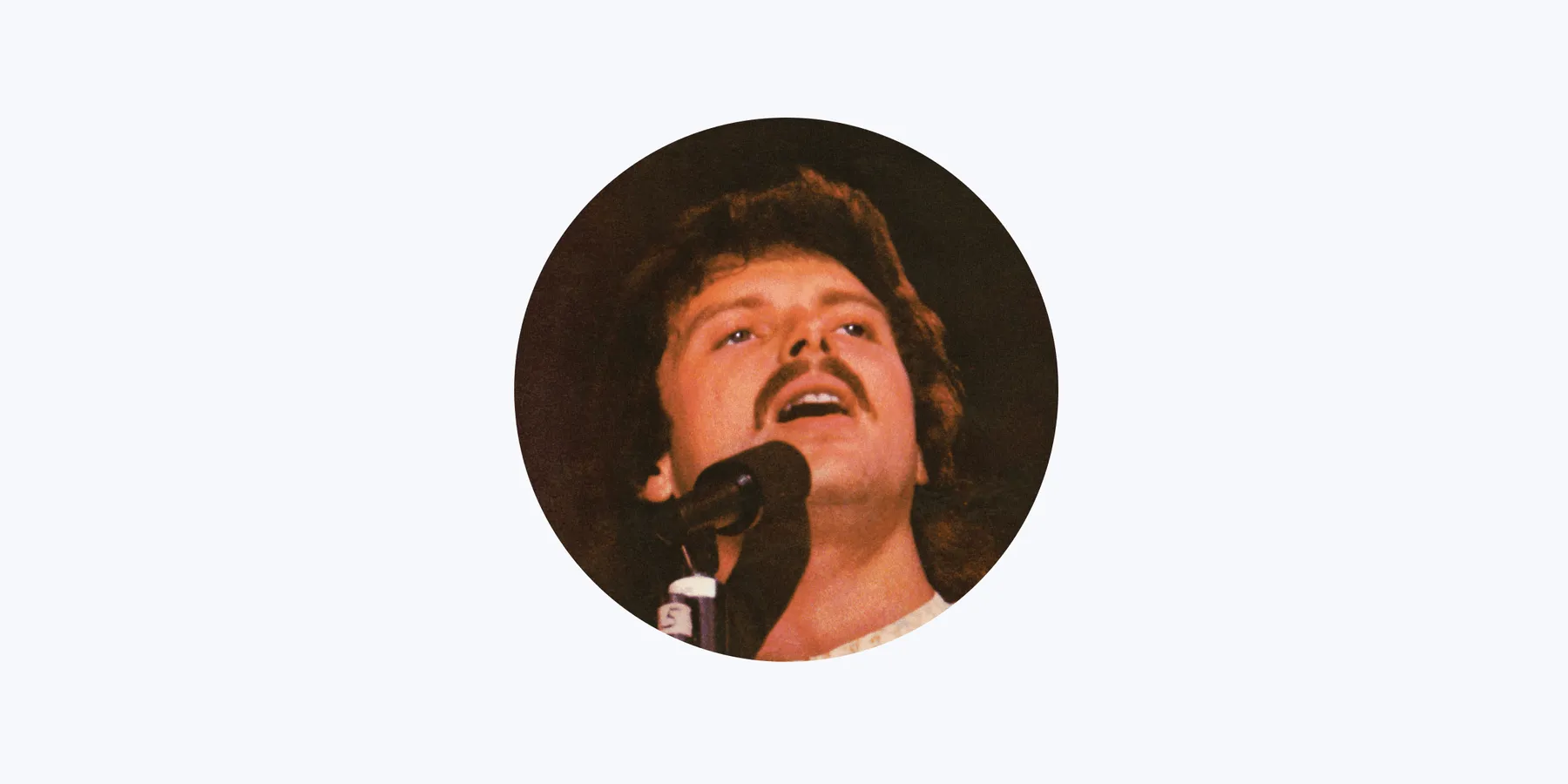
Image courtesy of Apple Music
Rank #350
Scott McKenzie
From Wikipedia
Scott McKenzie was an American singer and songwriter who recorded the 1967 hit single "San Francisco ".
Discography & Previews
Browse through and click an album to open and play 30-second previews streamed from Apple Music.

The Voice of Scott McKenzie
1967 · 19 tracks
- 1 San Francisco (Be Sure to Wear Some Flowers In Your Hair) ↗ 2:59
- 2 Celeste ↗ 3:29
- 3 It's Not Time Now ↗ 2:46
- 4 What's the Difference (Chapter II) ↗ 2:40
- 5 Reason to Believe ↗ 2:22
- 6 Like an Old Time Movie ↗ 3:15
- 7 No, No, No, No, No ↗ 2:50
- 8 Don't Make Promises ↗ 3:55
- 9 Twelve Thirty ↗ 3:17
- 10 Rooms ↗ 3:28
- 11 What's the Difference (Chapter I) ↗ 2:19
- 12 San Francisco (Be Sure to Wear Flowers In Your Hair) [Mono Single Version] ↗ 2:55
- 13 What's the Difference (Single Mix) ↗ 2:16
- 14 Like an Old Time Movie (Mono Single Version) ↗ 3:15
- 15 What's the Difference (Chapter II) [Mono Single Version] ↗ 2:40
- 16 Celeste (Mono Single Version) ↗ 3:29
- 17 No, No, No, No, No (Mono Single Version) ↗ 2:51
- 18 Holy Man ↗ 2:46
- 19 What's the Difference (Chapter III) ↗ 3:36

-
 The Voice of Scott McKenzieScott McKenzie196719 tracks
 -
 San FranciscoScott McKenzie19671 track
 -
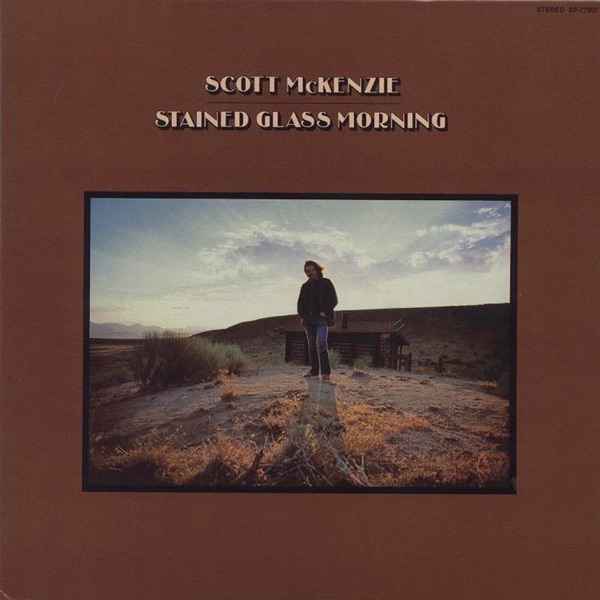
 Stained Glass MorningScott McKenzie19709 tracks
Deep Dive
Overview
Scott McKenzie was an American singer-songwriter whose career spanned from the late 1950s through the early 2010s, though his widest cultural footprint was made in a single, transformative year. Born in 1939, McKenzie became inextricably linked to the counterculture and the psychedelic movement of the 1960s, not through experimental studio innovations or extended touring but through one song that captured the spirit of an era and helped define the mythology of a city. “San Francisco,” released in 1967, became the unofficial anthem of the Summer of Love, a recording that transcended its modest commercial profile to become a generational touchstone.
McKenzie worked across rock and pop idioms, recording as a vocalist and songwriter whose approach emphasized melody and directness. Though he never achieved the sustained commercial dominance of contemporaries in the singer-songwriter movement, his single contribution to the cultural landscape of the 1960s secured his place in rock history as the voice most closely associated with San Francisco’s mythologized moment.
Formation Story
Scott McKenzie was born in 1939 in the United States, coming of age during the postwar boom and the early years of rock and roll’s emergence. Growing up in the mid-twentieth century, McKenzie absorbed the popular music and vocal traditions of his era, developing an interest in songwriting and performance that would carry him into the recording industry by the late 1950s. He entered the music business at a time when rock music was still establishing its identity, and the folk revival and soul music movements were beginning to reshape American popular song. McKenzie’s path into recording was gradual rather than meteoric; he spent much of the early 1960s working as a performer and songwriter, building experience and craft before the moment that would define his career.
Breakthrough Moment
Scott McKenzie’s breakthrough arrived in 1967 with the single “San Francisco,” released on Ode Records. The song, which encouraged listeners to wear flowers in their hair and travel to San Francisco, became an immediate cultural phenomenon at the height of the Summer of Love. The recording arrived at a precise historical moment when San Francisco was emerging as the epicenter of American counterculture, psychedelia, and rock innovation. “San Francisco” achieved massive chart success and radio saturation, transforming McKenzie from a working session singer and songwriter into a nationally recognized artist. The song’s infectious optimism, accessible melody, and evocative imagery of San Francisco as a haven for youth and change made it an ideal soundtrack for the era’s generational moment. The commercial and cultural impact of “San Francisco” was so dominant that it overshadowed McKenzie’s entire recording output, defining his public identity permanently.
Peak Era
McKenzie’s peak commercial period was 1967, the year “San Francisco” achieved its massive success and he released two studio albums: The Voice of Scott McKenzie and San Francisco. The latter album, which shared its name with his signature single, capitalized on the momentum of his hit record. Following this zenith, McKenzie continued recording, releasing Stained Glass Morning in 1970, but the cultural moment that had propelled him to prominence in 1967 had already passed. The late 1960s and early 1970s saw shifts in popular music taste away from the optimistic, flower-power sensibility that “San Francisco” embodied. Though McKenzie remained active as a recording artist and performer, he never replicated the commercial or cultural resonance of his 1967 breakthrough.
Musical Style
Scott McKenzie’s sound was rooted in accessible pop and rock traditions, emphasizing clear, melodic vocals and straightforward songwriting. “San Francisco” exemplified his approach: a memorable, singable melody carried by his warm and engaging vocal delivery, supported by lush orchestral arrangement and production that leaned toward the orchestral pop sensibility of the mid-1960s. His music drew on both traditional pop songcraft and the emerging rock idiom, creating work that was more aligned with mainstream radio accessibility than with the experimental or heavily electric sounds that dominated progressive rock or psychedelic music of the period. McKenzie’s voice was his primary instrument—a competent, emotionally direct tenor that conveyed sincerity and optimism without dramatic vocal pyrotechnics. His approach to songwriting prioritized lyrics that evoked mood and place, as exemplified by “San Francisco,” and melodic hooks that lodged easily in listeners’ minds. This combination of clarity, melodic strength, and emotional directness placed him within the broader tradition of 1960s pop singers and singer-songwriters who valued accessibility and emotional authenticity over technical virtuosity.
Major Albums
The Voice of Scott McKenzie (1967)
McKenzie’s debut studio album, released in the same year as his breakthrough single, showcased his strengths as a vocalist and interpreter of pop material, establishing the sonic framework that had brought “San Francisco” to life.
San Francisco (1967)
This eponymous album capitalized on the massive success of the single “San Francisco,” positioning McKenzie as the voice of the summer’s counterculture movement and offering listeners an extended collection of his pop-rock work.
Stained Glass Morning (1970)
McKenzie’s third and final studio album documented his attempt to evolve beyond the 1967 breakthrough, recorded during a period when the musical landscape had shifted significantly away from the flower-power optimism of his signature hit.
Signature Songs
- “San Francisco” (1967) — The career-defining single that became the unofficial anthem of the Summer of Love and the 1960s counterculture movement.
Influence on Rock
While Scott McKenzie’s direct influence on rock music’s development was limited by his relatively narrow output and brief period of prominence, his work has remained culturally significant as a document of a specific historical moment. “San Francisco” is remembered as one of the defining songs of the 1960s, a recording that captured the idealism and optimism of a generation seeking communal experience and cultural transformation. The song has been referenced, sampled, and covered repeatedly in the decades since its release, maintaining a presence in popular memory. McKenzie’s straightforward pop approach and emphasis on singable melody and clear emotional communication represented a strand of 1960s rock that valued accessibility and mainstream appeal alongside artistic ambition. His work serves as a reminder that rock history is shaped not only by technical innovation or experimental daring but also by cultural moments crystallized in unforgettable recordings that transcend their original commercial context.
Legacy
Scott McKenzie lived until 2012, outliving the era that made him famous by more than four decades. Though his recording career was relatively brief, his cultural footprint remained substantial. “San Francisco” has never disappeared from cultural circulation, appearing in film soundtracks, television programs, and streaming playlists as a permanent fixture of 1960s nostalgia and counterculture iconography. The song’s association with San Francisco and the Summer of Love ensures its continued presence in discussions of 1960s history, music, and cultural memory. McKenzie’s career serves as a historical marker of a particular moment in rock music when a single, perfectly timed recording could achieve both commercial success and lasting cultural significance. His work remains accessible to contemporary listeners through digital streaming and reissues, allowing new generations to encounter “San Francisco” and understand its resonance within its original historical context.
Fun Facts
- Scott McKenzie recorded under contract with Ode Records, the Los Angeles-based label that later became known for releasing a diverse catalog of pop, soul, and rock artists throughout the 1970s.
- Despite the massive success of “San Francisco,” McKenzie never achieved another Top 40 hit single, making him one of rock history’s most notable one-hit wonders.
- McKenzie’s career spanned over fifty years, from the late 1950s until his death in 2012, though the vast majority of his commercial success and cultural recognition occurred within a single year.