
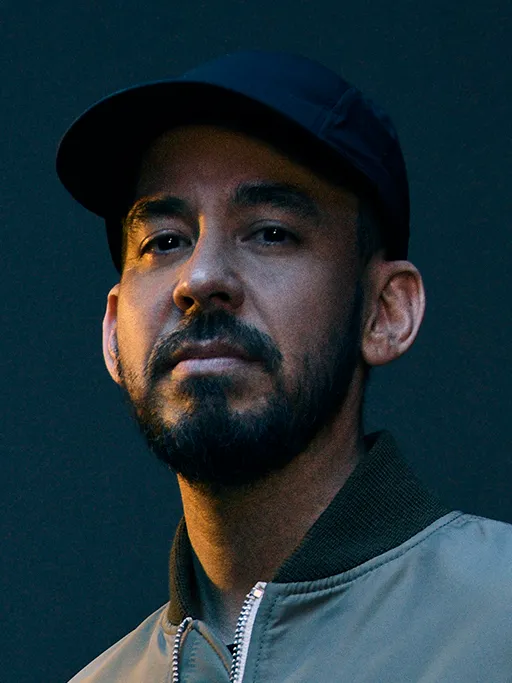
Photo by Warner Records , licensed under CC BY-SA 4.0 · Wikimedia Commons
Rank #197
Mike Shinoda
From Wikipedia
Michael Kenji Shinoda is an American rapper, singer, songwriter, record producer, and graphic designer. He co-founded the rock band Linkin Park in 1996 as the band's co-lead vocalist, as well as rhythm guitarist, keyboardist, primary songwriter and producer. He also created the hip-hop-driven side project, Fort Minor, in 2004. He has also served as a producer for tracks and albums by artists such as Lupe Fiasco, Styles of Beyond, and the X-Ecutioners.
Discography & Previews
Browse through and click an album to open and play 30-second previews streamed from Apple Music.

Post Traumatic
2018 · 16 tracks
- 1 Place To Start ↗ 2:13
- 2 Over Again ↗ 3:51
- 3 Watching As I Fall ↗ 3:31
- 4 Nothing Makes Sense Anymore ↗ 3:34
- 5 About You (feat. blackbear) ↗ 3:26
- 6 Brooding (Instrumental) ↗ 2:32
- 7 Promises I Can’t Keep ↗ 3:23
- 8 Crossing A Line ↗ 4:03
- 9 Hold It Together ↗ 3:25
- 10 Ghosts ↗ 2:55
- 11 Make It Up As I Go (feat. K.Flay) ↗ 3:30
- 12 Lift Off (feat. Chino Moreno & Machine Gun Kelly) ↗ 4:00
- 13 I.O.U. ↗ 2:43
- 14 Running From My Shadow (feat. grandson) ↗ 3:25
- 15 World’s On Fire ↗ 3:16
- 16 Can’t Hear You Now ↗ 3:28

Dropped Frames, Vol. 3
2020 · 14 tracks
- 1 Dream Fragment ↗ 2:48
- 2 Sound Collector ↗ 2:58
- 3 Dust Code ↗ 3:54
- 4 No Delete ↗ 2:40
- 5 Robot Yodel ↗ 2:24
- 6 Vibe Train ↗ 2:20
- 7 Mike's Gonna Mike ↗ 2:02
- 8 Shoreline ↗ 3:04
- 9 Goodbye Cow ↗ 3:21
- 10 Genesis Supernova ↗ 1:09
- 11 Sidechain Gang ↗ 2:36
- 12 Overcast ↗ 2:17
- 13 A Thousand Jams ↗ 2:53
- 14 License to Waltz ↗ 2:27
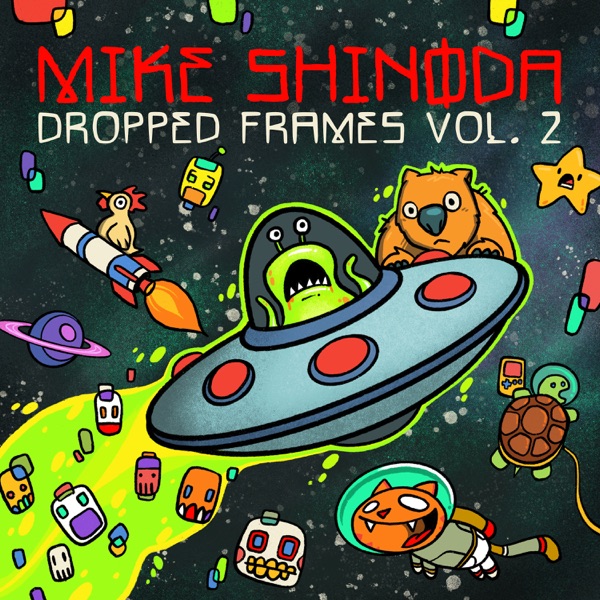
Dropped Frames, Vol. 2
2020 · 12 tracks
- 1 Transitions ↗ 3:00
- 2 Crystalina ↗ 3:30
- 3 Julio's Revenge ↗ 1:49
- 4 Isolation Bird (feat. Money Mark) ↗ 3:04
- 5 Side Scrolling ↗ 3:25
- 6 Dungeon Crawler ↗ 1:33
- 7 Dog Whistles ↗ 2:15
- 8 Astral (feat. Elise Trouw) ↗ 2:24
- 9 Sunset Drive ↗ 2:40
- 10 Channeling, Pt. 2 (feat. Dan Mayo) ↗ 2:30
- 11 King Paprika ↗ 2:22
- 12 Party Meow ↗ 1:45
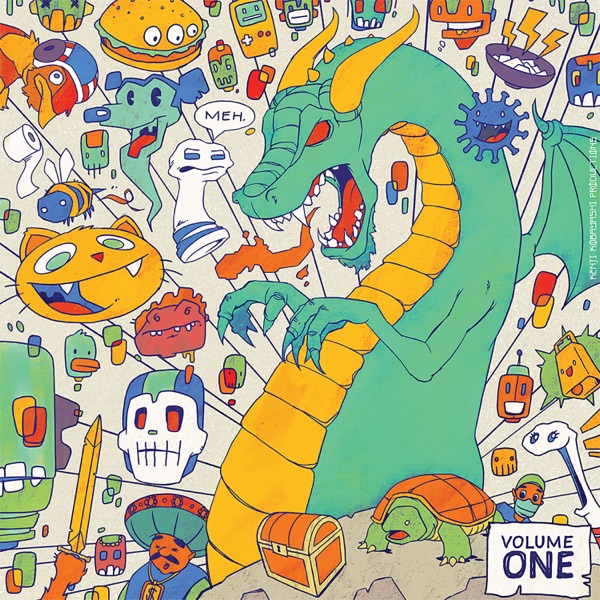
Dropped Frames, Vol. 1
2020 · 12 tracks
-
 Post TraumaticMike Shinoda201816 tracks
 -
 Dropped Frames, Vol. 3Mike Shinoda202014 tracks
 -
 Dropped Frames, Vol. 2Mike Shinoda202012 tracks
 -
 Dropped Frames, Vol. 1Mike Shinoda202012 tracks
Deep Dive
Overview
Mike Shinoda emerged as one of rock music’s most multifaceted creative forces, simultaneously functioning as a vocalist, guitarist, keyboardist, songwriter, and producer. Born in 1977 and active since the mid-1990s, Shinoda became best known as co-founder and co-lead vocalist of Linkin Park, where he shaped the sound of late-1990s and 2000s rock through his distinctive blend of rap and melodic rock composition. His work extended far beyond that singular band: as a producer, he collaborated with diverse artists including Lupe Fiasco, Styles of Beyond, and the X-Ecutioners, cementing his reputation as a versatile studio architect. His solo output and side projects revealed an artist intent on exploring electronic, hip-hop, and alternative rock territories independent of his primary band affiliation.
Formation Story
Michael Kenji Shinoda was born in 1977 in the United States, emerging from a cultural moment when rock and hip-hop were beginning to collide at the margins. Growing up during the rise of both alternative rock and West Coast hip-hop, Shinoda absorbed both idioms, a dual linguistic competence that would define his artistic identity. He began his formal music career in the mid-1990s, drawn toward production and songwriting as much as performance. His early trajectory positioned him at the intersection of genres that major rock and pop institutions had largely kept separate—a positioning that would prove prophetic when he co-founded Linkin Park in 1996 as the band’s co-lead vocalist, rhythm guitarist, keyboardist, primary songwriter, and producer.
Breakthrough Moment
Linkin Park’s 1999 debut album and its 2001 follow-up established Shinoda as a songwriter of considerable reach, blending nu-metal heaviness with accessible rap-rock hooks and electronic textures. His role within that band expanded rapidly: he was not merely a performer but the primary architect of the group’s songwriting vision and studio sound, decisions that shaped the commercial and artistic trajectory of one of the largest rock acts of the early 2000s. Even as Linkin Park dominated rock radio and MTV, Shinoda’s creative restlessness drove him toward additional projects, signaling an artist unwilling to confine himself to a single outlet.
Peak Era
Shinoda’s influence during the 2000s extended across multiple contexts. His primary work with Linkin Park generated massive commercial success and critical engagement, while his parallel studio work with producer collaborators and artists like Lupe Fiasco, Styles of Beyond, and the X-Ecutioners demonstrated a different set of production sensibilities—more rooted in hip-hop production techniques and electronic experimentation. In 2004, he formalized this exploratory impulse by creating Fort Minor, a hip-hop-driven side project that allowed him to foreground rap and electronic production in ways distinct from his band’s direction. This period exemplified Shinoda’s approach to creative labor: rather than viewing projects as mutually exclusive, he treated them as parallel channels through which to filter different aspects of his artistic vision.
Musical Style
Shinoda’s voice and production philosophy merged hip-hop’s rhythmic and lyrical sensibilities with rock instrumentation and melodic song structures. His instrumental approach—built around keyboards, rhythm guitar, and electronic layering—created space for both sung melodies and rapped verses within single compositions. His production work revealed an ear attuned to texture and spatial arrangement, drawing on electronic music’s possibilities while maintaining rock’s dynamic range. The genres that populated his discography—nu metal, rap rock, electronic rock, alternative metal, hip-hop, and alternative rock—were less separate categories than a continuous spectrum along which he moved fluidly. His songwriting habit favored economy of lyrical phrase combined with memorable melodic hooks, a blend that made complex emotional content accessible without sacrificing depth.
Major Albums
Post Traumatic (2018)
Shinoda’s solo album Post Traumatic marked a significant statement of independent artistic intent, released through Machine Shop Recordings and featuring production and guest appearances reflecting his decades-long network within rock and hip-hop. The record showcased his continued willingness to integrate electronic, rock, and hip-hop elements while exploring introspective lyrical terrain.
Dropped Frames, Vol. 1 (2020)
Released as the first volume in a series, this project exemplified Shinoda’s experimental approach to form and release strategy, departing from the traditional album structure in favor of episodic releases throughout the year.
Dropped Frames, Vol. 2 (2020)
The second installment continued Shinoda’s exploration of electronic and alternative production methods, demonstrating his sustained interest in formal innovation and sonic experimentation.
Dropped Frames, Vol. 3 (2020)
The third volume completed a trilogy released within a single calendar year, emphasizing Shinoda’s prolific output and commitment to consistent artistic communication with his audience across multiple platforms.
Signature Songs
- “In the End” — Shinoda’s most recognizable song as a vocalist and co-writer, built on keyboard melody and rap-sung vocals, establishing his mainstream identity.
- “With You” — A prominent solo feature demonstrating his vocal range and melodic sensibility within the band context.
- “Numb” — A defining nu-metal composition featuring his distinctive rapped verses and anthemic sung choruses.
- “Papercut” — An early track showcasing the integration of electronic production, rap delivery, and melodic hooks that became his trademark.
Influence on Rock
Shinoda’s approach to songwriting and production helped establish rap-rock and nu-metal as commercially viable mainstream rock genres during a period when their legitimacy remained contested. His role as a co-primary songwriter in Linkin Park, rather than a featured vocalist, meant that his compositional choices shaped how millions of listeners understood the possibilities of blending hip-hop and rock idioms. Beyond commercial success, his producer work with diverse artists—particularly his collaborations in hip-hop contexts—demonstrated that rock musicians could operate credibly in non-rock genres, eroding the categorical boundaries that had historically segregated these fields. His instrumental and production choices influenced how subsequent bands integrated electronic elements and hip-hop methodology into rock composition.
Legacy
Mike Shinoda remains active and creatively engaged, continuing to release original material and maintain a visible presence in music production and songwriting across multiple contexts. His decades-long career—spanning from the mid-1990s through the present—reflects a sustained commitment to artistic exploration rather than repetition. The consistency with which he has operated across rock, hip-hop, and electronic music contexts suggests an artistic identity fundamentally unbounded by genre designation. His influence extends beyond his own recordings to the producers, songwriters, and artists he has mentored and collaborated with, a legacy that includes not just musical output but pedagogical and professional impact within the industry.
Fun Facts
- Shinoda served as graphic designer as well as musician, applying his visual design sensibility to album artwork and visual presentation across his projects.
- His work with the X-Ecutioners, a legendary DJ collective, positioned him as one of the few rock-era musicians to gain credibility within the turntablist and hip-hop production communities.
- The Fort Minor project operated as a fully controlled independent venture, allowing Shinoda complete creative authority over the hip-hop-inflected material in a way that complemented rather than competed with his band responsibilities.