
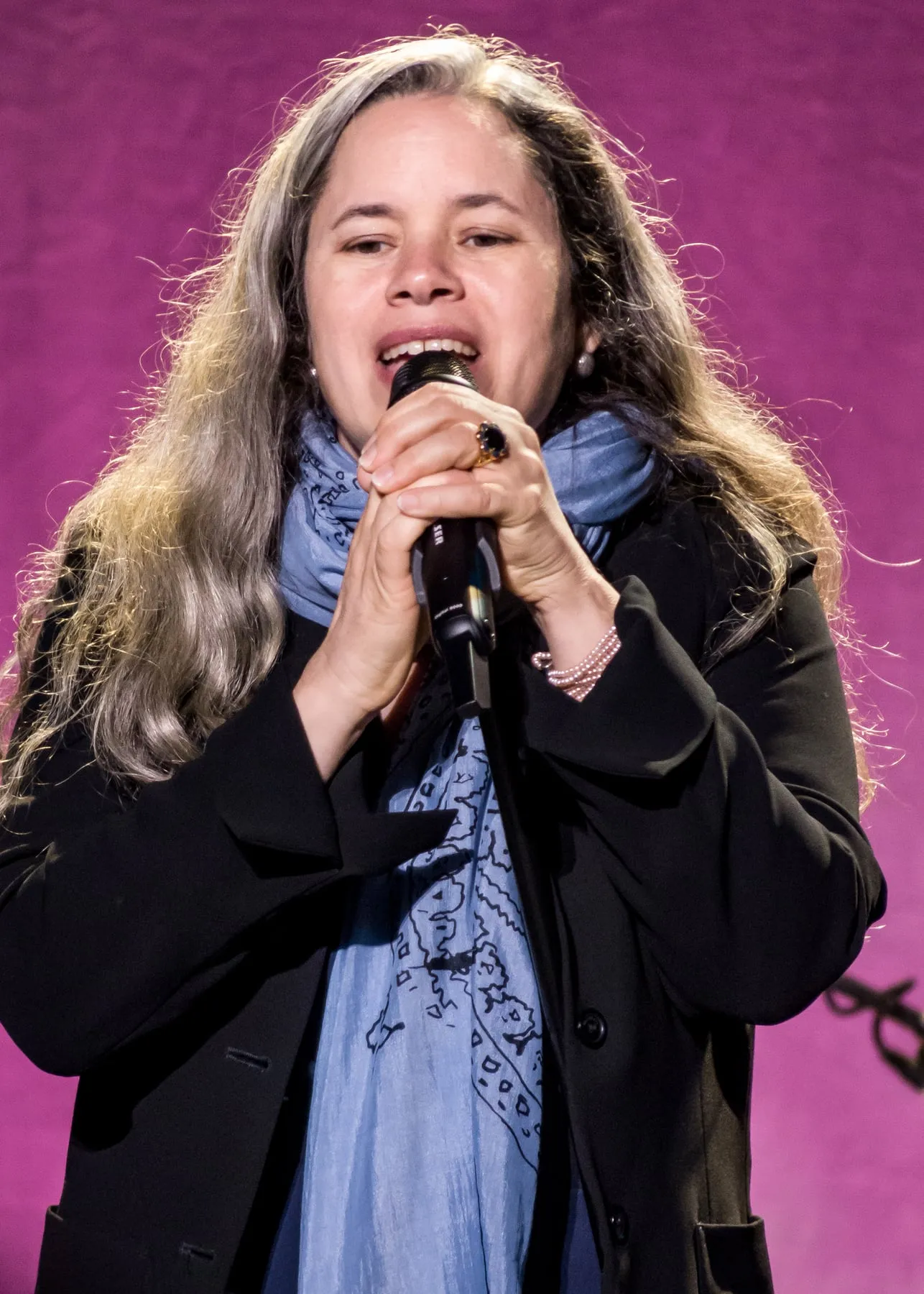
Photo by Justin Higuchi from Los Angeles, CA, USA , licensed under CC BY 2.0 · Wikimedia Commons
Rank #224
Natalie Merchant
From Wikipedia
Natalie Anne Merchant is an American singer-songwriter. She joined the band 10,000 Maniacs in 1981 and was lead vocalist and primary lyricist for the group. She remained with the group for their first seven albums before leaving to begin her solo career in 1993. She has since released nine studio albums as a solo artist.
Discography & Previews
Browse through and click an album to open and play 30-second previews streamed from Apple Music.


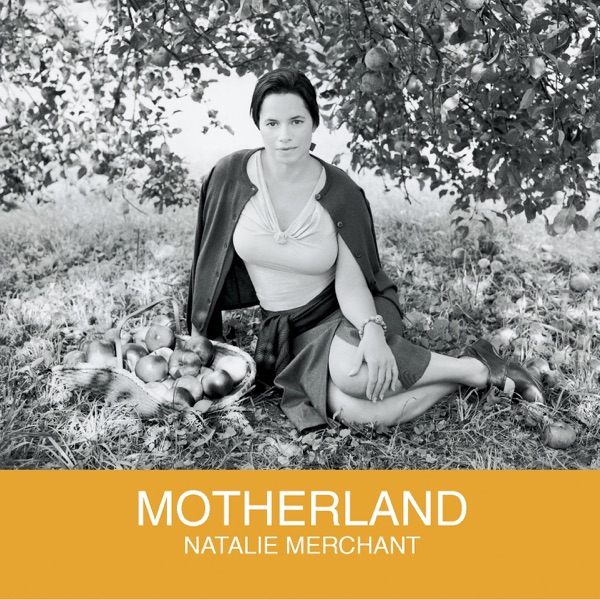
Motherland
2001 · 12 tracks
- 1 This House Is On Fire ↗ 4:39
- 2 Motherland ↗ 4:42
- 3 Saint Judas ↗ 5:43
- 4 Put the Law On You ↗ 5:00
- 5 Build a Levee ↗ 4:44
- 6 Golden Boy ↗ 4:08
- 7 The Ballad of Henry Darger ↗ 4:24
- 8 The Worst Thing ↗ 5:44
- 9 Tell Yourself ↗ 5:12
- 10 Just Can't Last ↗ 4:29
- 11 Not In This Life ↗ 5:20
- 12 I'm Not Gonna Beg ↗ 3:38

The House Carpenter’s Daughter
2003 · 11 tracks

Leave Your Sleep
2010 · 26 tracks
- 1 Nursery Rhyme of Innocence and Experience ↗ 5:11
- 2 Equestrienne ↗ 4:39
- 3 Calico Pie ↗ 2:42
- 4 Bleezer's Ice-Cream ↗ 5:17
- 5 It Makes a Change ↗ 3:31
- 6 The King of China's Daughter ↗ 2:39
- 7 The Dancing Bear ↗ 5:38
- 8 The Man in the Wilderness ↗ 3:45
- 9 maggie and milly and molly and may ↗ 4:09
- 10 If No One Ever Marries Me ↗ 2:22
- 11 The Sleepy Giant ↗ 3:20
- 12 The Peppery Man ↗ 5:06
- 13 The Blind Men and the Elephant ↗ 5:31
- 14 Adventures of Isabel ↗ 3:25
- 15 The Walloping Window Blind ↗ 4:17
- 16 Topsyturvey-World ↗ 5:10
- 17 The Janitor's Boy ↗ 3:52
- 18 Griselda ↗ 5:51
- 19 The Land of Nod ↗ 4:06
- 20 Vain and Careless ↗ 4:44
- 21 Crying, My Little One ↗ 2:28
- 22 Sweet and a Lullaby ↗ 3:05
- 23 I Saw a Ship A-Sailing ↗ 2:13
- 24 Autumn Lullaby ↗ 3:23
- 25 Spring and Fall: To a Young Child ↗ 3:07
- 26 Indian Names ↗ 5:50


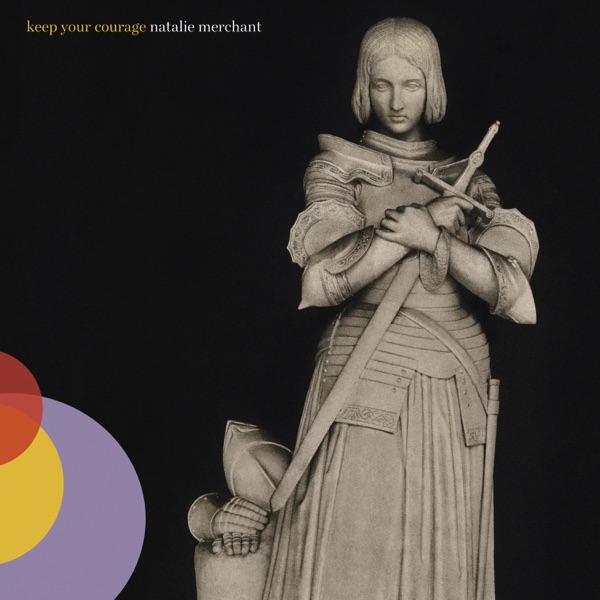
Keep Your Courage
2023 · 10 tracks
- 1 Big Girls (feat. Abena Koomson-Davis) ↗ 4:57
- 2 Come on, Aphrodite (feat. Abena Koomson-Davis) ↗ 5:20
- 3 Sister Tilly ↗ 7:43
- 4 Narcissus ↗ 6:03
- 5 Hunting the Wren ↗ 5:47
- 6 Guardian Angel ↗ 5:57
- 7 Eye of the Storm ↗ 5:30
- 8 Tower of Babel ↗ 2:29
- 9 Song of Himself ↗ 4:51
- 10 The Feast of Saint Valentine ↗ 6:06
-
 TigerlilyNatalie Merchant199511 tracks
 -
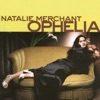 OpheliaNatalie Merchant199811 tracks
 -
 Her StoryNatalie Merchant19998 tracks
 -
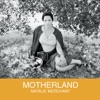 MotherlandNatalie Merchant200112 tracks
 -
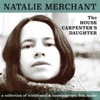 The House Carpenter’s DaughterNatalie Merchant200311 tracks
 -
 Leave Your SleepNatalie Merchant201026 tracks
 -
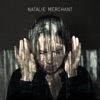 Natalie MerchantNatalie Merchant201411 tracks
 -
 Paradise Is There: The New Tigerlily RecordingsNatalie Merchant201511 tracks
 -
 ButterflyNatalie Merchant201710 tracks
 -
 Keep Your CourageNatalie Merchant202310 tracks
Deep Dive
Overview
Natalie Merchant is an American singer-songwriter whose career spans more than four decades, marked by two distinct chapters: her tenure as lead vocalist and primary lyricist of the influential band 10,000 Maniacs from 1981 to 1993, and her substantial solo career beginning in 1993. As a solo artist, she has released nine studio albums across genres ranging from contemporary pop-rock to traditional folk music, establishing herself as a thoughtful lyricist concerned with narrative detail and social observation. Her work bridges the alternative rock movement of the 1980s and 1990s with a deeper exploration of folk traditions and literary influences in her solo work.
Formation Story
Natalie Anne Merchant was born in 1963 in upstate New York, emerging from a cultural context shaped by the folk revival and singer-songwriter traditions that had deep roots in American popular music. She came of age during a period when punk and new wave were transforming rock music, yet her sensibilities were shaped by an earlier tradition of narrative songwriting and acoustic instrumentation. In 1981, at the age of 18, Merchant joined the band 10,000 Maniacs in Jamestown, New York, a decision that would define the first phase of her professional life and establish her reputation as a significant voice in alternative rock.
Breakthrough Moment
Merchant’s breakthrough as a solo artist came with the release of two albums in 1995: Garden Lillies and Tigerlily. Tigerlily, in particular, marked her statement as an independent artist, showcasing her ability to craft introspective, character-driven songs that moved beyond the collaborative framework of 10,000 Maniacs. The album demonstrated that her lyrical sensibility and vocal presence could sustain a solo career, establishing the foundation for her work throughout the late 1990s and beyond. By stepping away from the band after their first seven albums, Merchant demonstrated an artistic independence that would shape the trajectory of her subsequent career.
Peak Era
The late 1990s and early 2000s represented Merchant’s most sustained creative period as a solo artist. The release of Ophelia in 1998 was followed by Her Story in 1999 and Motherland in 2001, a sequence of albums that refined her songwriting voice and expanded her audience. These records consolidated her reputation as a serious lyricist capable of detailed character sketches and emotional precision. During this period, Merchant maintained a steady recording and performing schedule while also working with Elektra Records, which had become her label home. The 2003 album The House Carpenter’s Daughter marked another creative waypoint, demonstrating her continued commitment to album-length artistic statements.
Musical Style
Merchant’s music is rooted in the singer-songwriter tradition, characterized by literary lyrics that prioritize narrative and observation over confessional immediacy. Her vocal delivery is clear and often conversational, suited to lyrics that demand careful listening. In her solo work, she has drawn increasingly on folk music traditions and acoustic instrumentation, a natural extension of interests present but less dominant in her work with 10,000 Maniacs. Her songs frequently feature detailed storytelling, drawing inspiration from historical figures, literary sources, and carefully observed social scenes. The production of her albums has varied across her solo career, moving at times toward more contemporary pop arrangements and at other times toward stripped-down acoustic settings that emphasize melody and lyric. This evolution reflects her ongoing exploration of how to balance accessibility with artistic depth.
Major Albums
Tigerlily (1995)
Her second album of 1995 and her definitive solo debut statement, showcasing Merchant’s ability to craft emotionally resonant pop-rock songs with intricate lyrical detail and strong melodic hooks that proved she could sustain a solo career independent of 10,000 Maniacs.
Ophelia (1998)
A refined follow-up that deepened her exploration of character-driven songwriting, demonstrating her growth as a solo artist and her commitment to lyrically sophisticated rock music.
Motherland (2001)
Recorded during a period of artistic consolidation, this album reinforced Merchant’s reputation for thoughtful, socially aware songwriting that balanced personal introspection with broader cultural observation.
The House Carpenter’s Daughter (2003)
A collection that showed Merchant’s increasing interest in folk traditions and acoustic arrangement, moving further toward the traditional music influences that would dominate her later work.
Leave Your Sleep (2010)
A notable late-period work that continued her exploration of folk music and literary sources, reflecting her sustained artistic growth across more than a decade and a half of solo activity.
Signature Songs
- “Carnival” — A track from Tigerlily that exemplifies her ability to create emotionally direct songs with strong melodic appeal and careful lyrical observation.
- “Wonder” — A song that demonstrates her gift for introspective storytelling and emotional accessibility within a pop-rock framework.
- “These Are Days” — An early solo composition that became one of her most recognizable works, showcasing her capacity for both melody and meaningful lyrical content.
- “San Andreas Fault” — A character-driven narrative song typical of her detailed approach to songwriting and her interest in place-specific storytelling.
Influence on Rock
Natalie Merchant’s influence operates primarily through her demonstration that a solo artist could maintain artistic seriousness and commercial viability simultaneously during the 1990s and 2000s. As lead vocalist of 10,000 Maniacs, she helped establish alternative rock as a viable space for literary, detail-oriented songwriting that rejected the bombast and posturing of much 1980s rock. Her solo career, extending across nearly three decades, has modeled a path for female singer-songwriters interested in evolving their artistic approach over time, moving between contemporary production and traditional influences without sacrificing integrity. Her work contributed to broader conversations about the legitimacy of folk traditions within popular music and the value of narrative complexity in rock songwriting.
Legacy
Merchant’s legacy is that of a serious, evolving artist who has maintained creative autonomy and artistic purpose across multiple decades. Her combination of work with 10,000 Maniacs and her substantial solo discography has established her as a significant figure in American rock music, one who has prioritized lyrical depth and musical integrity over commercial calculation. Her catalog continues to be available on streaming platforms and through her official channels, ensuring access for both longtime listeners and new audiences discovering her work. The breadth of her solo recordings—from contemporary rock to folk reinterpretations and original folk-influenced material—demonstrates an artist committed to sustained artistic exploration and growth well into her later career.
Fun Facts
- Merchant released two studio albums in 1995, establishing her solo presence simultaneously rather than following the more common pattern of a single debut album.
- Her 2015 release Paradise Is There: The New Tigerlily Recordings represented a revisitation and reinterpretation of material from her breakthrough 1995 solo album, demonstrating her willingness to revisit earlier work with new perspective and arrangements.
- Her official website (nataliemerchant.com) has maintained an active presence documenting her career, reflecting her direct engagement with fan communication across the digital era.
- In 2017, Merchant released both Folk Songs and Butterfly within the same year, showing sustained creative productivity and a willingness to explore multiple artistic directions simultaneously.