

Photo by Angela George , licensed under CC BY-SA 3.0 · Wikimedia Commons
Rank #59
Neil Diamond
From Wikipedia
Neil Leslie Diamond is an American singer-songwriter. He has sold more than 56.5 million records in the US alone, making him one of the best-selling musicians in history.
Discography & Previews
Browse through and click an album to open and play 30-second previews streamed from Apple Music.

The Feel of Neil Diamond
1966 · 12 tracks

Just for You
1967 · 11 tracks

Velvet Gloves and Spit
1968 · 11 tracks


Brother Love’s Travelling Salvation Show
1969 · 12 tracks
- 1 Brother Love's Travelling Salvation Show ↗ 3:32
- 2 Dig In ↗ 2:43
- 3 River Runs, New Grown Plums ↗ 2:01
- 4 Juliet ↗ 2:56
- 5 Long Gone ↗ 3:22
- 6 And the Grass Won't Pay No Mind ↗ 3:38
- 7 Glory Road ↗ 3:23
- 8 Deep in the Morning ↗ 3:08
- 9 If I Never Knew Your Name ↗ 3:20
- 10 Memphis Streets ↗ 2:43
- 11 You're So Sweet, Horseflies Keep Hangin' Round Your Face ↗ 3:17
- 12 Hurtin' You Don't Come Easy ↗ 2:34

Tap Root Manuscript
1970 · 12 tracks
- 1 Cracklin' Rosie (Single Version) ↗ 3:00
- 2 Free Life ↗ 3:11
- 3 Coldwater Morning ↗ 3:22
- 4 Done Too Soon ↗ 2:41
- 5 He Ain't Heavy ... He's My Brother ↗ 4:11
- 6 Childsong ↗ 2:11
- 7 I Am the Lion ↗ 2:08
- 8 Madrigal ↗ 1:53
- 9 Soolaimon ↗ 4:33
- 10 Missa ↗ 2:05
- 11 African Trilogy ↗ 4:28
- 12 Childsong (Reprise) ↗ 2:05

Stones
1971 · 10 tracks
- 1 I Am...I Said (Single Version) ↗ 3:35
- 2 The Last Thing On My Mind ↗ 3:35
- 3 Husbands And Wives ↗ 3:47
- 4 Chelsea Morning ↗ 2:39
- 5 Crunchy Granola Suite (Single Version) ↗ 2:56
- 6 Stones (Single Version) ↗ 3:06
- 7 If You Go Away ↗ 3:50
- 8 Suzanne ↗ 4:42
- 9 I Think It's Gonna Rain Today ↗ 2:36
- 10 I Am...I Said (Reprise) ↗ 2:38

Moods
1972 · 11 tracks


I’m Glad You’re Here With Me Tonight
1977 · 10 tracks
- 1 God Only Knows ↗ 4:00
- 2 Let Me Take You in My Arms Again ↗ 3:00
- 3 Once In a While ↗ 3:41
- 4 Let the Little Boy Sing ↗ 3:30
- 5 I'm Glad You're Here with Me Tonight ↗ 4:19
- 6 Lament in D Minor / Dance of the Sabres ↗ 6:00
- 7 Desirée ↗ 3:20
- 8 As If ↗ 3:29
- 9 You Don't Bring Me Flowers (Solo Version) ↗ 3:11
- 10 Free Man in Paris ↗ 4:48

You Don’t Bring Me Flowers
1978 · 10 tracks
- 1 The American Popular Song ↗ 5:16
- 2 Forever in Blue Jeans ↗ 3:39
- 3 Remember Me ↗ 5:03
- 4 You've Got Your Troubles ↗ 3:54
- 5 You Don't Bring Me Flowers ↗ 3:18
- 6 The Dancing Bumble Bee / Bumble Boogie ↗ 4:57
- 7 Mothers and Daughters, Fathers and Sons ↗ 4:09
- 8 Memphis Flyer ↗ 3:12
- 9 Say Maybe ↗ 4:07
- 10 Diamond Girls ↗ 3:38

On the Way to the Sky
1981 · 11 tracks


Primitive
1984 · 11 tracks
- 1 Turn Around ↗ 3:46
- 2 Primitive ↗ 4:26
- 3 Fire on the Tracks ↗ 3:08
- 4 Brooklyn on a Saturday Night ↗ 3:42
- 5 Sleep with Me Tonight ↗ 3:42
- 6 Crazy ↗ 3:41
- 7 My Time with You ↗ 4:30
- 8 Love's Own Song ↗ 3:33
- 9 It's a Trip (Go for the Moon) ↗ 2:49
- 10 You Make It Feel Like Christmas ↗ 3:59
- 11 One By One ↗ 2:39

Headed for the Future
1986 · 10 tracks

The Best Years of Our Lives
1988 · 11 tracks
- 1 The Best Years of Our Lives ↗ 4:00
- 2 Hard Times for Lovers ↗ 4:25
- 3 This Time ↗ 3:58
- 4 Everything's Gonna Be Fine ↗ 4:00
- 5 Hooked on the Memory of You ↗ 3:51
- 6 Take Care of Me ↗ 3:40
- 7 Baby Can I Hold You ↗ 3:55
- 8 Carmelita's Eyes ↗ 4:06
- 9 Courtin' Disaster ↗ 4:32
- 10 If I Couldn't See You Again ↗ 4:03
- 11 Long Hard Climb ↗ 4:47

Lovescape
1991 · 15 tracks
- 1 If There Were No Dreams ↗ 3:16
- 2 Mountains of Love ↗ 4:53
- 3 Don't Turn Around ↗ 3:50
- 4 Someone Who Believes In You ↗ 4:14
- 5 When You Miss Your Love ↗ 4:40
- 6 Fortune of the Night ↗ 4:09
- 7 One Hand, One Heart ↗ 3:03
- 8 Hooked On the Memory of You ↗ 2:52
- 9 Wish Everything Was Alright ↗ 3:53
- 10 The Way ↗ 4:52
- 11 Sweet L.A. Days ↗ 4:13
- 12 All I Really Need Is You ↗ 4:22
- 13 Lonely Lady #17 ↗ 3:59
- 14 I Feel You ↗ 3:38
- 15 Common Ground ↗ 4:53

The Christmas Album
1992 · 14 tracks
- 1 O Come, O Come Emmanuel / We Three Kings of Orient Are ↗ 2:59
- 2 Silent Night ↗ 4:04
- 3 Little Drummer Boy ↗ 3:59
- 4 Santa Claus Is Comin' to Town ↗ 3:26
- 5 The Christmas Song ↗ 3:33
- 6 Morning Has Broken ↗ 3:03
- 7 Happy Christmas (War Is Over) ↗ 4:20
- 8 White Christmas ↗ 3:57
- 9 God Rest Ye Merry Gentlemen ↗ 1:19
- 10 Jingle Bell Rock ↗ 1:52
- 11 Hark the Herald Angels Sing ↗ 2:50
- 12 Silver Bells ↗ 3:07
- 13 You Make It Feel Like Christmas ↗ 3:39
- 14 O Holy Night ↗ 3:33

Up on the Roof: Songs From the Brill Building
1993 · 16 tracks
- 1 You've Lost That Lovin' Feelin' (feat. Dolly Parton) ↗ 4:31
- 2 Up On the Roof ↗ 3:30
- 3 Love Potion Number Nine ↗ 3:05
- 4 Will You Love Me Tomorrow ↗ 3:29
- 5 Don't Be Cruel ↗ 3:46
- 6 Do Wah Diddy Diddy (feat. Mary's Danish) ↗ 2:56
- 7 I (Who Have Nothing) ↗ 4:05
- 8 Do You Know the Way to San Jose? ↗ 3:04
- 9 Don't Make Me Over ↗ 3:38
- 10 River Deep - Mountain High ↗ 3:58
- 11 A Groovy Kind of Love ↗ 2:52
- 12 Spanish Harlem ↗ 3:43
- 13 Sweets for My Sweet ↗ 2:54
- 14 Happy Birthday Sweet Sixteen ↗ 3:40
- 15 Ten Lonely Guys ↗ 4:17
- 16 Save the Last Dance for Me ↗ 2:29

Tennessee Moon
1996 · 18 tracks
- 1 Tennessee Moon ↗ 3:00
- 2 One Good Love (feat. Waylon Jennings) ↗ 4:19
- 3 Shame (feat. Hal Ketchum) ↗ 3:31
- 4 A Matter of Love ↗ 4:36
- 5 Marry Me (feat. Buffy Lawson) ↗ 3:51
- 6 Deep Inside of You (feat. Beth Nielsen Chapman) ↗ 3:53
- 7 Gold Don't Rust ↗ 3:44
- 8 Like You Do (feat. Rosemary Butler) ↗ 4:05
- 9 Can Anybody Hear Me ↗ 3:52
- 10 Win the World ↗ 4:13
- 11 No Limit ↗ 3:08
- 12 Reminisce For a While ↗ 4:29
- 13 Kentucky Woman ↗ 2:50
- 14 If I Lost My Way ↗ 3:24
- 15 Everybody ↗ 3:47
- 16 Talking Optimist Blues (Good Day Today) ↗ 2:55
- 17 Open Wide These Prison Doors ↗ 4:32
- 18 Blue Highway (feat. Chet Atkins) ↗ 3:58

The Movie Album: As Time Goes By
1998 · 20 tracks
- 1 As Time Goes By ↗ 2:56
- 1 True Love ↗ 3:11
- 2 Secret Love ↗ 3:40
- 2 My Heart Will Go On ↗ 4:13
- 3 Unchained Melody ↗ 3:49
- 3 The Look of Love ↗ 4:00
- 4 Can You Feel the Love Tonight ↗ 4:08
- 4 In the Still of the Night ↗ 4:40
- 5 The Way You Look Tonight ↗ 2:41
- 5 Moon River ↗ 3:32
- 6 Love with the Proper Stranger ↗ 3:29
- 6 Ruby ↗ 3:16
- 7 Puttin' on the Ritz ↗ 2:58
- 7 Suite Sinatra: I've Got You Under My Skin / One for My Baby ↗ 4:23
- 8 When You Wish Upon a Star ↗ 2:46
- 8 And I Love Her ↗ 2:26
- 9 The Windmills of Your Mind ↗ 4:23
- 9 Can't Help Falling in Love ↗ 3:06
- 10 Ebb Tide ↗ 2:39
- 10 As Time Goes By (Reprise) ↗ 0:47

Three Chord Opera
2001 · 12 tracks
- 1 I Haven't Played This Song in Years ↗ 4:25
- 2 Don't Look Down ↗ 3:09
- 3 I Believe in Happy Endings ↗ 4:30
- 4 At the Movies ↗ 3:40
- 5 Midnight Dream ↗ 4:57
- 6 You Are the Best Part of Me ↗ 4:02
- 7 Baby Let's Drive ↗ 4:36
- 8 My Special Someone ↗ 3:36
- 9 A Mission of Love ↗ 4:15
- 10 Elijah's Song ↗ 2:56
- 11 Leave a Little Room for God ↗ 2:53
- 12 Turn Down the Lights ↗ 4:24


Home Before Dark
2008 · 12 tracks
- 1 If I Don't See You Again ↗ 7:12
- 2 Pretty Amazing Grace ↗ 4:54
- 3 Don't Go There ↗ 6:04
- 4 Another Day (That Time Forgot) ↗ 6:12
- 5 One More Bite Of The Apple ↗ 6:39
- 6 Forgotten ↗ 4:22
- 7 Act Like A Man ↗ 4:04
- 8 Whose Hands Are These ↗ 3:12
- 9 No Words ↗ 4:49
- 10 The Power Of Two ↗ 4:35
- 11 Slow It Down ↗ 4:56
- 12 Home Before Dark ↗ 6:01

A Cherry Cherry Christmas
2009 · 14 tracks
- 1 Cherry Cherry Christmas ↗ 3:31
- 2 Sleigh Ride ↗ 2:45
- 3 Have Yourself a Merry Little Christmas ↗ 4:46
- 4 White Christmas ↗ 3:23
- 5 Christmas Dream ↗ 5:50
- 6 The Christmas Song ↗ 3:34
- 7 Deck the Halls / We Wish You a Merry Christmas ↗ 1:44
- 8 Jingle Bell Rock ↗ 1:53
- 9 You Make It Feel Like Christmas ↗ 3:40
- 10 Winter Wonderland ↗ 2:46
- 11 Joy to the World ↗ 2:42
- 12 Amazing Grace ↗ 3:45
- 13 Meditations on a Winter Night ↗ 0:56
- 14 The Chanukah Song ↗ 3:57

Dreams
2010 · 14 tracks
- 1 Ain't No Sunshine ↗ 3:36
- 2 Blackbird ↗ 3:23
- 3 Alone Again (Naturally) ↗ 3:57
- 4 Feels Like Home ↗ 4:52
- 5 Midnight Train to Georgia ↗ 5:00
- 6 I'm a Believer ↗ 4:27
- 7 Love Song ↗ 3:58
- 8 Losing You ↗ 3:17
- 9 Hallelujah ↗ 4:11
- 10 A Song for You ↗ 4:31
- 11 Yesterday ↗ 3:32
- 12 Let It Be Me ↗ 3:20
- 13 Desperado ↗ 3:36
- 14 Don't Forget Me ↗ 3:24

The Classic Christmas Album
2013 · 12 tracks
- 1 White Christmas ↗ 3:57
- 2 Joy to the World ↗ 2:38
- 3 O Come All Ye Faithful ↗ 4:16
- 4 The First Noel ↗ 3:36
- 5 Winter Wonderland ↗ 2:44
- 6 You Make It Feel Like Christmas ↗ 3:39
- 7 The Christmas Song ↗ 3:32
- 8 O Holy Night ↗ 3:29
- 9 Silver Bells ↗ 3:06
- 10 Sleigh Ride ↗ 2:43
- 11 Have Yourself a Merry Little Christmas ↗ 4:45
- 12 Silent Night ↗ 4:04

Melody Road
2014 · 12 tracks
- 1 Melody Road ↗ 3:12
- 2 First Time ↗ 4:02
- 3 Seongah and Jimmy ↗ 5:45
- 4 Something Blue ↗ 4:03
- 5 Nothing But a Heartache ↗ 4:34
- 6 In Better Days ↗ 3:31
- 7 (OOO) Do I Wanna Be Yours ↗ 6:14
- 8 Alone At the Ball ↗ 2:57
- 9 Sunny Disposition ↗ 3:14
- 10 Marry Me Now ↗ 3:35
- 11 The Art of Love ↗ 4:07
- 12 Melody Road (Reprise) ↗ 1:11

Acoustic Christmas
2016 · 10 tracks
- 1 O Holy Night (2016 Version) ↗ 3:45
- 2 Do You Hear What I Hear ↗ 4:03
- 3 Christmas Prayers ↗ 4:31
- 4 Hark the Herald Angels Sing (2016 Version) ↗ 4:13
- 5 Mary's Boy Child ↗ 3:19
- 6 Silent Night (2016 Version) ↗ 3:42
- 7 Go Tell It On the Mountain ↗ 3:17
- 8 Children Go Where I Send Thee ↗ 5:26
- 9 Christmas In Killarney ↗ 2:02
- 10 Christmas Medley ↗ 3:12

A Neil Diamond Christmas
2022 · 25 tracks
- 1 Happy Christmas (War Is Over) [Edit] ↗ 4:02
- 1 O Holy Night (2022 Mix) ↗ 3:25
- 2 The Christmas Song ↗ 3:30
- 2 Little Drummer Boy ↗ 3:51
- 3 Jingle Bell Rock ↗ 1:49
- 3 O Come, O Come Emmanuel / We Three Kings Of Orient Are ↗ 2:55
- 4 White Christmas ↗ 3:54
- 4 Silent Night ↗ 4:00
- 5 You Make It Feel Like Christmas ↗ 3:35
- 5 O Come All Ye Faithful ↗ 4:12
- 6 Morning Has Broken ↗ 3:02
- 6 Mary's Boy Child ↗ 3:18
- 7 Santa Claus Is Comin' To Town ↗ 3:25
- 7 Children Go Where I Send Thee ↗ 5:25
- 8 Silver Bells ↗ 3:04
- 8 The First Noel ↗ 3:34
- 9 Cherry Cherry Christmas ↗ 3:26
- 9 Hark The Herald Angels Sing ↗ 4:11
- 10 Sleigh Ride ↗ 2:36
- 10 God Rest Ye Merry Gentlemen ↗ 1:18
- 11 Winter Wonderland ↗ 2:39
- 11 Angels We Have Heard On High ↗ 3:16
- 12 Christmas Medley ↗ 3:14
- 12 Christmas Prayers ↗ 4:30
- 13 Joy To The World ↗ 2:42

-
 The Feel of Neil DiamondNeil Diamond196612 tracks
 -
 Just for YouNeil Diamond196711 tracks
 -
 Velvet Gloves and SpitNeil Diamond196811 tracks
 -
 Touching You, Touching MeNeil Diamond19699 tracks
 -
 Brother Love’s Travelling Salvation ShowNeil Diamond196912 tracks
 -
 Tap Root ManuscriptNeil Diamond197012 tracks
 -
 StonesNeil Diamond197110 tracks
 -
 MoodsNeil Diamond197211 tracks
 -
 SerenadeNeil Diamond19748 tracks
 -
 Beautiful NoiseNeil Diamond197611 tracks
 -
 I’m Glad You’re Here With Me TonightNeil Diamond197710 tracks
 -
 You Don’t Bring Me FlowersNeil Diamond197810 tracks
 -
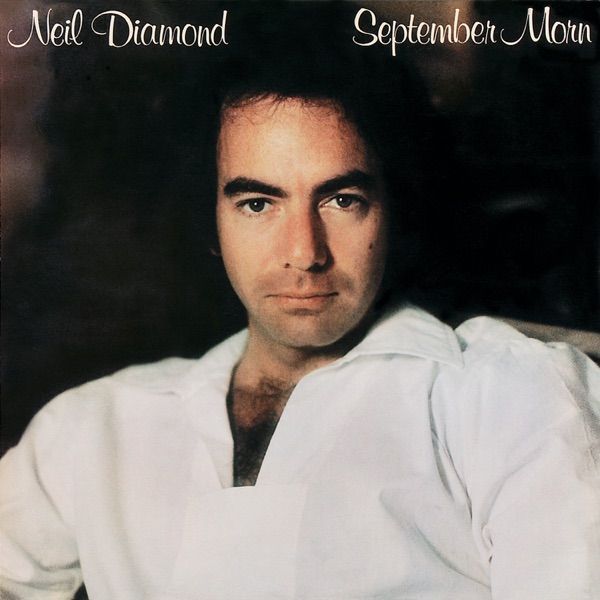
 September MornNeil Diamond197910 tracks
 -
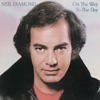 On the Way to the SkyNeil Diamond198111 tracks
 -
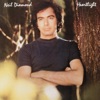 HeartlightNeil Diamond198211 tracks
 -
 PrimitiveNeil Diamond198411 tracks
 -
 Headed for the FutureNeil Diamond198610 tracks
 -
 The Best Years of Our LivesNeil Diamond198811 tracks
 -
 LovescapeNeil Diamond199115 tracks
 -
 The Christmas AlbumNeil Diamond199214 tracks
 -
 Up on the Roof: Songs From the Brill BuildingNeil Diamond199316 tracks
 -
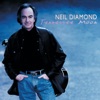 Tennessee MoonNeil Diamond199618 tracks
 -
 The Movie Album: As Time Goes ByNeil Diamond199820 tracks
 -
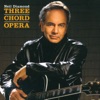 Three Chord OperaNeil Diamond200112 tracks
 -
 12 SongsNeil Diamond200512 tracks
 -
 Home Before DarkNeil Diamond200812 tracks
 -
 A Cherry Cherry ChristmasNeil Diamond200914 tracks
 -
 DreamsNeil Diamond201014 tracks
 -
 The Classic Christmas AlbumNeil Diamond201312 tracks
 -
 Melody RoadNeil Diamond201412 tracks
 -
 Acoustic ChristmasNeil Diamond201610 tracks
 -
 A Neil Diamond ChristmasNeil Diamond202225 tracks
 -
 Wild At HeartNeil Diamond202610 tracks
Deep Dive
Overview
Neil Leslie Diamond is an American singer-songwriter whose career has spanned over six decades and established him as one of the most commercially successful recording artists in history. With more than 56.5 million records sold in the United States alone, Diamond occupies a distinctive position in popular music—a chart-crossing artist whose work encompasses pop rock, soft rock, and folk sensibilities. His prolific output, steady touring presence, and ability to craft songs that appeal to both adult contemporary and rock audiences have made him a durable fixture in American popular culture.
Formation Story
Neil Diamond was born in 1941 and emerged from the vibrant songwriting and recording communities of 1960s New York. Rather than forming a band, Diamond developed his career as a solo artist during an era when the line between songwriter-for-hire and recording artist was porous. His early work placed him at the intersection of the Brill Building songwriting tradition and the folk-rock movement that was reshaping popular music. By the mid-1960s, he began recording as an artist in his own right, initially for smaller labels before establishing partnerships with major record companies that would distribute his music worldwide.
Breakthrough Moment
Diamond’s initial commercial success came with his early albums in the late 1960s, particularly Brother Love’s Travelling Salvation Show (1969), which marked a creative and commercial peak during that era. The album showcased his ability to blend rock sensibilities with warm, accessible melodies and heartfelt vocal delivery. This period established the template for his mainstream appeal: earnest, orchestral arrangements that emphasized melody and emotional directness over experimental production. The album’s success demonstrated that there was a substantial audience for his brand of sophisticated pop-rock, setting the stage for the bigger commercial breakthroughs that would follow in the 1970s.
Peak Era
Diamond’s most creatively fertile and commercially dominant period extended through the 1970s and into the early 1980s. Albums such as Tap Root Manuscript (1970), Moods (1972), Serenade (1974), Beautiful Noise (1976), and September Morn (1979) became fixtures on the charts and in adult contemporary radio rotation. This era represented the apex of his visibility and influence, with each album release becoming a significant commercial event. His ability to maintain both critical credibility and chart success across this decade made him one of the dominant figures in the adult contemporary market. The consistency and sophistication of his output during these years cemented his status as a major American recording artist.
Musical Style
Neil Diamond’s musical identity rests on the interplay between rock instrumentation and deeply melodic songwriting rooted in pop sensibilities. His vocal style—warm, full-bodied, and emotionally direct without excessive histrionics—became his signature instrument. Lyrically, he favored accessible, narrative-driven songs that explored themes of love, memory, and everyday human experience. His arrangements typically featured orchestral elements, including strings and horns, layered over rock guitar and rhythm sections, creating a sound that was neither purely rock nor purely pop, but rather a synthesis that appealed across demographic lines. Over his career, while production styles evolved with changing technology, the core elements of his approach remained consistent: melody-first songwriting, polished but not sterile production, and vocals delivered with straightforward emotional conviction. This stylistic coherence, combined with his prolific recording schedule, allowed him to adapt to shifting commercial winds without fundamentally altering his artistic identity.
Major Albums
Brother Love’s Travelling Salvation Show (1969)
A landmark album that showcased Diamond’s gift for warm, orchestral pop-rock arrangements and established the emotional directness that would define his career. The album proved his ability to connect with mainstream audiences while maintaining artistic integrity.
Tap Root Manuscript (1970)
An early-seventies statement that demonstrated Diamond’s range as a songwriter and his comfort moving between introspective material and larger, more theatrical arrangements. The album solidified his position in the adult contemporary marketplace.
Serenade (1974)
A refined work that exemplified Diamond’s mature pop-rock sound, balancing sophisticated arrangements with memorable hooks and emotionally resonant lyrics. The album showcased his ability to craft songs designed for both radio play and repeated listening.
Beautiful Noise (1976)
A milestone release that underscored Diamond’s enduring commercial appeal and creative confidence during his peak decade. The album featured some of his most polished production work and demonstrated his mastery of the sophisticated pop-rock form.
September Morn (1979)
One of his final major albums of the 1970s, capturing Diamond at a point of sustained popularity and creative engagement. The album represented the continuation of the formula that had made him one of America’s most successful recording artists.
Signature Songs
- “Sweet Caroline” — One of Diamond’s most recognizable songs, embodying his gift for creating singalong-friendly melodies that achieve both commercial and cultural longevity.
- “Solitary Man” — An earlier work that demonstrated his ability to write introspective, character-driven rock songs with memorable hooks.
- “I Am… I Said” — A deeply personal composition that showcased Diamond’s emotional directness and his ability to infuse pop arrangements with genuine vulnerability.
- “Cracklin’ Rosié” — A quintessential Diamond performance that combined his warm vocals with an earthy, accessible arrangement that reached across multiple audience demographics.
Influence on Rock
Neil Diamond’s influence on rock and popular music rests less on technical innovation or radical genre experimentation than on his demonstration that commercially successful, melodically sophisticated pop-rock could sustain a major artistic career. He helped establish a template for the adult contemporary artist—someone whose work bridges rock and pop audiences, whose touring draws both longtime fans and cultural curiosity seekers, and whose recorded catalog remains economically valuable across decades. His influence appears in subsequent generations of singer-songwriters who prioritized melody and emotional clarity over avant-garde production choices. Diamond’s commercial success also validated the market for artists whose appeal transcended demographic categories, demonstrating that there was substantial financial and cultural space for music that rejected the false choice between artistic seriousness and popular accessibility.
Legacy
Neil Diamond’s long-term impact rests on his status as one of the best-selling musicians in American history and his continued presence in popular culture through both catalog streaming and live performance. His body of work—spanning from 1966’s The Feel of Neil Diamond through recent releases into the 2020s—documents both the evolution of recording technology and production aesthetics and the enduring appeal of well-crafted, emotionally direct songwriting. His influence extends into the present day through consistent streaming consumption, periodic reissues and compilations of his catalog, and his continued touring presence. Diamond’s career trajectory, marked by sustained commercial success over multiple decades without the benefit of youth-oriented marketing or novelty, stands as a rare example of durability in the popular music business.
Fun Facts
- Diamond has maintained an active recording career spanning nearly six decades, releasing albums from 1966 through 2026, demonstrating remarkable creative and commercial longevity in an industry where most artists fade from view within a fraction of that timespan.
- His discography includes multiple Christmas albums released across different eras, reflecting both the enduring commercial appeal of holiday music and his willingness to revisit and reimagine material across changing production contexts.
- Diamond’s work has been recorded and rerecorded across multiple formats and iterations, including acoustic versions, holiday compilations, and curated collections, reflecting the deep catalog that accumulated across his prolific recording period.