
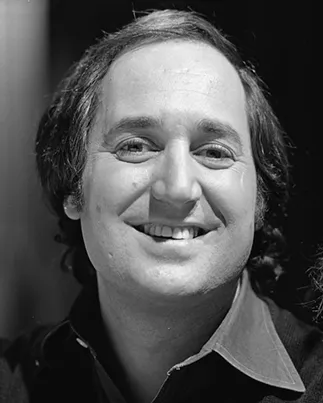
Photo by AVRO , licensed under CC BY-SA 3.0 nl · Wikimedia Commons
Rank #227
Neil Sedaka
From Wikipedia
Neil Sedaka was an American singer, songwriter, and pianist. Beginning his music career in 1957, he sold millions of records worldwide and wrote or co-wrote over 500 songs for himself and other artists, collaborating mostly with lyricists Howard Greenfield and Phil Cody.
Discography & Previews
Browse through and click an album to open and play 30-second previews streamed from Apple Music.


Circulate
1961 · 26 tracks
- 1 Circulate ↗ 2:46
- 2 Smile ↗ 3:15
- 3 Nothing Ever Changes My Love for You ↗ 3:39
- 4 All the Way ↗ 3:21
- 5 We Kiss In a Shadow (From "The King and I") ↗ 2:35
- 6 Bess You Is My Woman Now ↗ 4:03
- 7 Look to the Rainbow ↗ 3:39
- 8 Everything Happens to Me ↗ 3:12
- 9 A Felicidade ↗ 2:54
- 10 Angel Eyes ↗ 3:54
- 11 I Found My World In You ↗ 3:39
- 12 You Took Advantage of Me ↗ 3:12
- 13 Little Devil ↗ 2:44
- 14 Another Day, Another Heartache ↗ 2:40
- 15 This Endless Night ↗ 2:26
- 16 Your Heart Changed Its Mind ↗ 2:34
- 17 Sweet Little You ↗ 2:05
- 18 Don't Lead Me On ↗ 2:55
- 19 Happy Birthday, Sweet Sixteen ↗ 2:37
- 20 King of Clowns ↗ 2:42
- 21 Breaking Up Is Hard to Do ↗ 2:19
- 22 All the Words in the World ↗ 2:29
- 23 Next Door to an Angel ↗ 2:26
- 24 Bad Girl ↗ 2:29
- 25 Look Inside Your Heart ↗ 3:12
- 26 Waiting for Never (La Terza Luna) ↗ 2:38

Emergence
1971 · 14 tracks
- 1 I'm a Song, Sing Me ↗ 3:23
- 2 Gone with the Morning ↗ 3:22
- 3 Superbird ↗ 4:13
- 4 Silent Movies ↗ 4:16
- 5 Little Song ↗ 0:54
- 6 Prelude ↗ 0:53
- 7 Cardboard California ↗ 5:09
- 8 One More Mountain to Climb ↗ 3:28
- 9 God Bless Joanna ↗ 3:09
- 10 Is Anybody Gonna Miss You ↗ 3:00
- 11 What Have They Done to the Moon ↗ 3:29
- 12 Rosemary Blue ↗ 3:42
- 13 Wish I Was a Carousel ↗ 2:42
- 14 Reprise: I'm a Song (Sing Me) ↗ 0:46
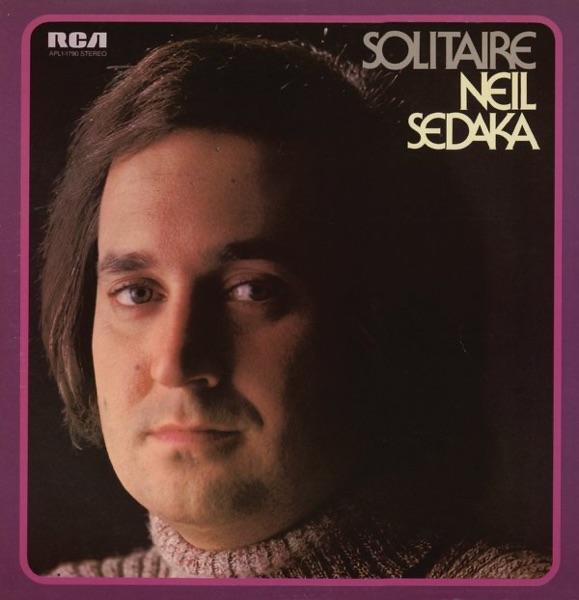
Solitaire
1972 · 11 tracks
- 1 That's When the Music Takes Me ↗ 3:40
- 2 Beautiful You ↗ 3:38
- 3 Express Yourself ↗ 3:25
- 4 Anywhere You're Gonna Be (Leba's Song) ↗ 3:36
- 5 Home ↗ 3:17
- 6 Adventures of a Boy Child Wonder ↗ 3:01
- 7 Better Days Are Coming ↗ 4:24
- 8 Dimbo Man ↗ 3:54
- 9 Trying to Say Goodbye ↗ 3:25
- 10 Solitaire ↗ 5:05
- 11 Don't Let It Mess Your Mind ↗ 4:27

The Hungry Years
1975 · 15 tracks
- 1 Crossroads ↗ 3:29
- 2 Lonely Night (Angel Face) ↗ 3:19
- 3 Stephen ↗ 4:23
- 4 Bad Blood ↗ 3:09
- 5 Your Favorite Entertainer ↗ 3:32
- 6 Baby Blue ↗ 3:33
- 7 Tit For Tat ↗ 3:58
- 8 New York City Blues ↗ 4:22
- 9 When You Were Lovin’ Me ↗ 4:36
- 10 The Hungry Years ↗ 4:08
- 11 Breaking Up Is Hard To Do ↗ 3:21
- 12 Hey Mister Sunshine ↗ 3:03
- 13 The Queen Of 1964 ↗ 3:35
- 14 Betty Grable ↗ 2:53
- 15 Goodman Goodbye ↗ 3:53

Steppin’ Out
1976 · 14 tracks
- 1 Sing Me ↗ 2:31
- 2 You Gotta Make Your Own Sunshine ↗ 3:27
- 3 #1 With a Heartache ↗ 3:53
- 4 Steppin’ Out ↗ 3:22
- 5 Love In The Shadows ↗ 3:25
- 6 Cardboard California ↗ 4:17
- 7 Here We Are Falling In Love Again ↗ 3:37
- 8 I Let You Walk Away ↗ 4:01
- 9 Good Times, Good Music, Good Friends ↗ 3:20
- 10 Perfect Strangers ↗ 4:45
- 11 Bad and Beautiful ↗ 3:53
- 12 Summer Nights ↗ 3:00
- 13 (Baby) Don't Let It Mess Your Mind ↗ 5:28
- 14 Time Waits For No One ↗ 2:53

A Song
1977 · 12 tracks
- 1 A Song ↗ 3:16
- 2 You Never Done It Like That ↗ 3:07
- 3 The Leaving Game ↗ 2:44
- 4 Amarillo ↗ 3:20
- 5 Alone at Last ↗ 4:04
- 6 Hollywood Lady ↗ 4:34
- 7 I’ve Never Really Been in Love Before ↗ 3:14
- 8 One Night Stand ↗ 3:29
- 9 Hot & Sultry Nights ↗ 4:02
- 10 Sleazy Love ↗ 3:59
- 11 Tin Pan Alley ↗ 3:30
- 12 A Song (Reprise) ↗ 1:34

All You Need Is the Music
1978 · 10 tracks

In the Pocket
1980 · 10 tracks
- 1 Do It Like You Done It When You Meant It ↗ 4:13
- 2 Junkie For Your Love ↗ 4:37
- 3 Letting Go ↗ 4:37
- 4 You Better Leave That Girl Alone ↗ 3:50
- 5 My Friend ↗ 4:54
- 6 It's Good To Be Alive Again ↗ 3:59
- 7 You ↗ 4:48
- 8 Should've Never Let You Go ↗ 4:22
- 9 You're So Good For Me ↗ 4:23
- 10 What A Difference A Day Makes ↗ 3:38

Classically Sedaka
1995 · 13 tracks
- 1 Prologue ↗ 0:21
- 2 A Moscow Night ↗ 6:35
- 3 The Keeper of My Heart ↗ 4:23
- 4 Neverending Serenade ↗ 5:13
- 5 Steel Blue Eyes ↗ 4:04
- 6 Santiago ↗ 3:47
- 7 I'm Always Chasing Rainbows ↗ 5:30
- 8 There Is A Place ↗ 4:35
- 9 Claire De Lune ↗ 5:05
- 10 I'll Sing You A Song ↗ 4:52
- 11 Honey Of My Life ↗ 3:24
- 12 As Gentle As a Summer's Day ↗ 4:45
- 13 Goodnight My Love Goodnight ↗ 5:34

The Miracle of Christmas
2008 · 22 tracks
- 1 A Lonely Christmas In New York ↗ 3:33
- 2 A Christmas Prayer ↗ 3:27
- 3 A Christmas Miracle ↗ 4:04
- 4 Love Is Spreading Over The World ↗ 3:25
- 5 Baby's First Christmas Lullabye ↗ 2:46
- 6 Happy New Year Baby ↗ 3:02
- 7 Christmas 'Round The World ↗ 3:06
- 8 Razzle Dazzle Christmas ↗ 2:07
- 9 What A Lousy, Rotten Christmas ↗ 2:50
- 10 Christmas Time Is Just Not The Same Without You ↗ 4:00
- 11 Where Is God? ↗ 3:17
- 12 A Christmas Melody ↗ 3:22
- 13 Let It Snow ↗ 1:56
- 14 Silent Night ↗ 2:19
- 15 Winter Wonderland ↗ 1:57
- 16 O Holy Night ↗ 4:34
- 17 White Christmas ↗ 2:40
- 18 What Child Is This? ↗ 2:31
- 19 Have Yourself a Merry Little Christmas ↗ 3:47
- 20 The First Noel ↗ 1:56
- 21 The Christmas Song ↗ 2:54
- 22 O Come All Ye Faithful ↗ 2:01

Waking Up Is Hard to Do
2009 · 11 tracks
- 1 Waking Up Is Hard To Do ↗ 2:06
- 2 Dinosaur Pet ↗ 2:34
- 3 Where The Toys Are ↗ 3:10
- 4 Lunch Will Keep Us Together ↗ 3:35
- 5 Happy Birthday Number Three ↗ 3:12
- 6 Laughter In The Rain ↗ 3:06
- 7 Rubber Duckie ↗ 2:03
- 8 Is This The Way To Cross The Street? ↗ 3:04
- 9 Little Devil ↗ 2:32
- 10 I Go Ape ↗ 2:22
- 11 Baby's First Christmas Lullaby ↗ 2:46

The Music of My Life
2010 · 12 tracks
- 1 Do You Remember? ↗ 3:55
- 2 A Fool In Love ↗ 3:55
- 3 Living In A Fantasy ↗ 3:50
- 4 Right Or Wrong ↗ 3:29
- 5 I Got To Believe In Me Again ↗ 3:56
- 6 You Are The Music Of My Life ↗ 3:11
- 7 I Keep Searching ↗ 3:17
- 8 Waiting ↗ 3:31
- 9 Won't You Share This Dream Of Mine ↗ 2:49
- 10 How Can I Change Your Mind ↗ 4:05
- 11 Bringing Me Back To Life ↗ 3:13
- 12 You ↗ 5:34

The Real Neil
2012 · 17 tracks
- 1 Intro ↗ 0:19
- 2 Beginning To Breathe Again ↗ 4:44
- 3 You'll Be There ↗ 3:33
- 4 You ↗ 4:42
- 5 Breaking Up Is Hard To Do ↗ 3:00
- 6 Laughter In The Rain ↗ 2:42
- 7 Amarillo ↗ 3:40
- 8 Broken Street Of Dreams ↗ 4:44
- 9 Heart Of Stone ↗ 4:07
- 10 It's Hard To Say Goodbye ↗ 4:21
- 11 Queen Of Hearts ↗ 2:51
- 12 Everybody Knows ↗ 3:07
- 13 Captured By Your Love ↗ 2:25
- 14 Runaway Lover ↗ 2:55
- 15 Mi Amor ↗ 3:41
- 16 Sweet Music ↗ 3:36
- 17 Manhattan Intermezzo ↗ 18:26

I Do It for Applause
2016 · 13 tracks
- 1 I Do It for Applause ↗ 3:39
- 2 Just Call Me ↗ 3:23
- 3 Super Hottie ↗ 4:03
- 4 I Hit the Jackpot ↗ 3:28
- 5 All at Once Came You ↗ 4:04
- 6 Even Though We Said Goodbye ↗ 3:34
- 7 Tonight We Gotta Call It a Day ↗ 5:01
- 8 Phantom in a Song ↗ 3:31
- 9 Should I Begin the Dance ↗ 3:28
- 10 Distant Memories ↗ 4:22
- 11 Nothing Is Impossible ↗ 4:20
- 12 Reaching for the Sky ↗ 3:55
- 13 Joie de vivre (Bonus Track) ↗ 13:45
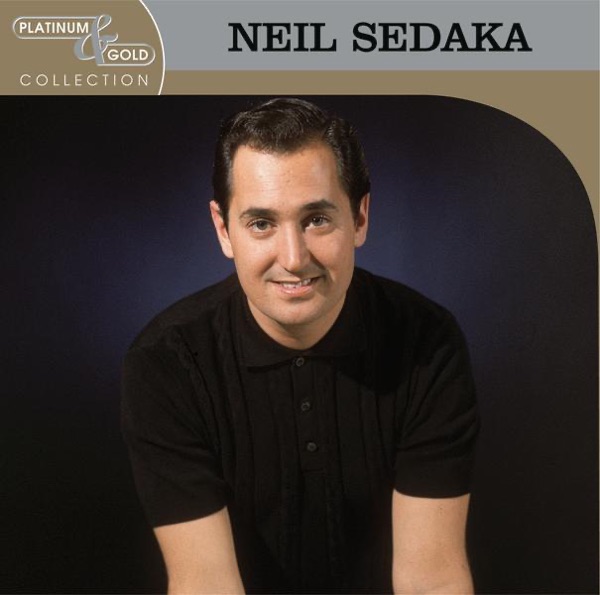
Gold
2020 · 12 tracks
- 1 Calendar Girl ↗ 2:37
- 2 Breaking Up Is Hard to Do ↗ 2:16
- 3 Oh! Carol ↗ 2:16
- 4 Next Door to an Angel ↗ 2:25
- 5 Happy Birthday, Sweet Sixteen ↗ 2:37
- 6 Stairway to Heaven ↗ 2:39
- 7 You Mean Everything to Me ↗ 2:39
- 8 I Go Ape ↗ 2:32
- 9 The Diary ↗ 2:16
- 10 Let's Go Steady Again ↗ 2:34
- 11 The Dreamer ↗ 3:07
- 12 Bad Girl ↗ 2:39
-
 Neil SedakaNeil Sedaka195910 tracks
 -
 CirculateNeil Sedaka196126 tracks
 -
 EmergenceNeil Sedaka197114 tracks
 -
 SolitaireNeil Sedaka197211 tracks
 -
 The Hungry YearsNeil Sedaka197515 tracks
 -
 Steppin’ OutNeil Sedaka197614 tracks
 -
 A SongNeil Sedaka197712 tracks
 -
 All You Need Is the MusicNeil Sedaka197810 tracks
 -
 In the PocketNeil Sedaka198010 tracks
 -
 Classically SedakaNeil Sedaka199513 tracks
 -
 The Miracle of ChristmasNeil Sedaka200822 tracks
 -
 Waking Up Is Hard to DoNeil Sedaka200911 tracks
 -
 The Music of My LifeNeil Sedaka201012 tracks
 -
 The Real NeilNeil Sedaka201217 tracks
 -
 I Do It for ApplauseNeil Sedaka201613 tracks
 -
 GoldNeil Sedaka202012 tracks
Deep Dive
Overview
Neil Sedaka stands as one of pop music’s most prolific and enduring craftsmen. Beginning his music career in 1957, Sedaka became known as a pianist-songwriter who could straddle multiple genres—from doo-wop and rock and roll to soft rock and pop ballads—across a career that spanned nearly seven decades. He sold millions of records worldwide and wrote or co-wrote over 500 songs, both for himself and for other artists, establishing himself not merely as a performer but as a foundational figure in mid-century pop songwriting.
Formation Story
Born in New York in 1939, Neil Sedaka came of age in a city alive with diverse musical traditions: the vocal group harmonies of doo-wop, the emerging energy of early rock and roll, and the craftsmanship of the Tin Pan Alley songwriting tradition. He began his music career in 1957, at a moment when the piano-driven ballad and the upbeat novelty pop song were both thriving genres. From the outset, Sedaka positioned himself as a performer who could write and arrange his own material, drawing on his classical training as a pianist to craft sophisticated pop melodies. His primary partnership was with lyricist Howard Greenfield, an alliance that would prove central to his songwriting output. Later in his career, he would also collaborate closely with lyricist Phil Cody. This songwriter-centric approach—where Sedaka maintained creative control over both melody and arrangement—distinguished him in an era when many pop performers relied on external hit-making teams.
Breakthrough Moment
Sedaka’s early work in the late 1950s and early 1960s established him as a recording artist in his own right. His debut album, Neil Sedaka, arrived in 1959, anchoring him in the catalog as a recording presence. The album Circulate (1961) and the ensemble project 3 Great Guys (1963) extended his foothold in the market. However, Sedaka’s true commercial momentum would build not in the 1960s but in the 1970s, when a combination of his own revival and changing radio formats brought his music back into prominence. The 1974 album Laughter in the Rain marked a resurgence, followed by Overnight Success and The Hungry Years in 1975. These mid-1970s releases demonstrated that Sedaka’s melodic sensibility and soft-rock approach had found renewed audience interest during the era of singer-songwriter introspection and orchestral pop.
Peak Era
The mid-to-late 1970s represented Sedaka’s most commercially vigorous period as a recording artist. Albums such as Laughter in the Rain (1974), Overnight Success (1975), The Hungry Years (1975), and Steppin’ Out (1976) established him as a consistent album artist during an era when the album format dominated the industry. His sound—sophisticated piano arrangements, orchestral accompaniment, and melodic vocal delivery—aligned with the tastes of adult contemporary and soft rock audiences. The consistency of his album releases during this period, with works appearing nearly every year from 1974 through 1978, reflected both his productivity and his appeal to record labels confident in his marketability. Albums such as A Song (1977), Sounds of Sedaka (1977), and All You Need Is the Music (1978) consolidated this reputation, each one leveraging his strengths as a melody-maker and piano-based arranger.
Musical Style
Sedaka’s primary instrument was the piano, and this choice shaped his entire approach to pop music. His melodies tend toward the singable and structured, influenced by classical training and the strict melodic craft of earlier pop songwriting. His vocal style—clear, earnest, and technically capable—delivered these melodies without histrionics, allowing the song’s architecture to remain visible. Across his genres of choice—doo-wop, rock and roll, soft rock, and pop—Sedaka maintained a consistent aesthetic: the song came first, arrangement followed, and studio craft enhanced rather than obscured the melody. He worked frequently with orchestral and string arrangements, a choice that positioned him within the lush production values of 1970s soft rock but also rooted him in the earlier pop tradition of the 1950s. His prolific songwriting output—over 500 compositions—demonstrates a methodical approach to craft, one focused on commercial viability and melodic memorability rather than experimental risk-taking.
Major Albums
Neil Sedaka (1959)
Sedaka’s debut album established his voice as a recording artist and introduced his piano-centered approach to pop and rock and roll material.
Laughter in the Rain (1974)
Marking a significant commercial return, this album captured Sedaka’s contemporary soft-rock sound and demonstrated renewed audience interest in his music and songwriting.
Overnight Success (1975)
Released in the midst of his 1970s resurgence, this album exemplified his ability to craft consistent, radio-friendly material rooted in melodic pop sensibility.
Steppin’ Out (1976)
Continuing the momentum of the mid-1970s, this album reinforced Sedaka’s standing as a reliable recording artist within the adult contemporary market.
Tuneweaver (1995)
A later-career return to the studio, this album demonstrated Sedaka’s continued commitment to songwriting and recording well into his later years.
Signature Songs
- “Laughter in the Rain”—A signature soft-rock ballad that exemplified Sedaka’s melodic approach and achieved significant commercial success during his 1970s resurgence.
- “Breaking Up Is Hard to Do”—One of his most recognizable compositions, showcasing his gift for emotional yet commercially accessible pop melody.
Influence on Rock
Sedaka’s influence extends across multiple lineages. As a songwriter who crafted over 500 songs, he shaped pop radio across the 1950s, 1960s, and 1970s—both through his own recordings and through material he supplied to other artists. His emphasis on melody and classical structure helped bridge the gap between earlier pop songwriting traditions and the more contemporary soft-rock and adult contemporary formats that emerged in the 1970s. His success as both performer and songwriter established a model for pop artists who maintained creative autonomy and refused to separate the roles of singer and composer. The enduring accessibility of his melodic approach—rooted in singability and emotional clarity—ensured that his songs remained part of the standard repertoire of American popular music, covered by diverse artists across generations.
Legacy
Neil Sedaka died in 2026, leaving behind a catalog of over 500 compositions and nearly 70 years of continuous activity in popular music. His prolific output, combined with his consistency as a recording artist across multiple decades, secured his place in the classic rock canon. The breadth of his work—spanning doo-wop, rock and roll, soft rock, and pop—reflects the evolution of popular music itself over the period from 1957 through the early 2020s. Later releases such as The Real Neil (2012), Manhattan Intermezzo: American and British Works for Piano and Orchestra (2016), and I Do It for Applause (2016) demonstrated his continued recording presence and his ability to contextualize his work within classical and orchestral frameworks. His long life in music and steady presence across changing radio formats ensured that subsequent generations encountered his work through film, television, and the enduring appeal of well-crafted melody.
Fun Facts
- Sedaka recorded extensively across multiple record labels throughout his career, including RCA Records, Polydor, Elektra, and others, adapting to industry changes and market shifts.
- His partnership with lyricist Howard Greenfield resulted in some of pop music’s most recognizable melodies and established a songwriting alliance that produced hundreds of compositions across several decades.
- Late in his life, Sedaka undertook ambitious projects exploring classical music contexts, including Manhattan Intermezzo: American and British Works for Piano and Orchestra (2016), which situated his work within concert music traditions.