
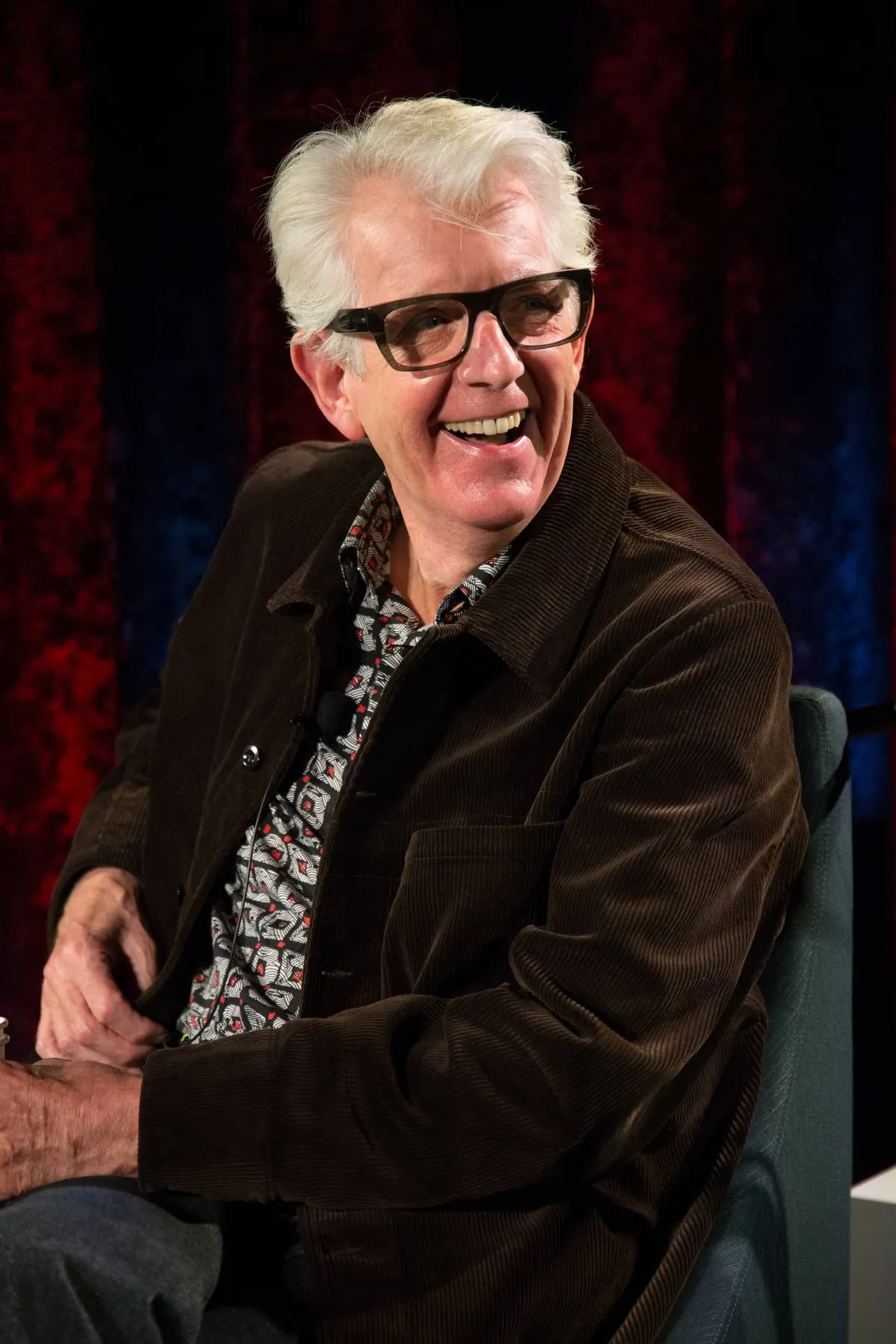
Photo by Montclair Film , licensed under CC BY 2.0 · Wikimedia Commons
Rank #454
Nick Lowe
From Wikipedia
Nicholas Drain Lowe is an English singer, musician and producer. A noted figure in pub rock, power pop and new wave, Lowe has recorded a string of well-reviewed solo albums. Along with being a vocalist, Lowe plays guitar, bass guitar, piano and harmonica.
Discography & Previews
Browse through and click an album to open and play 30-second previews streamed from Apple Music.
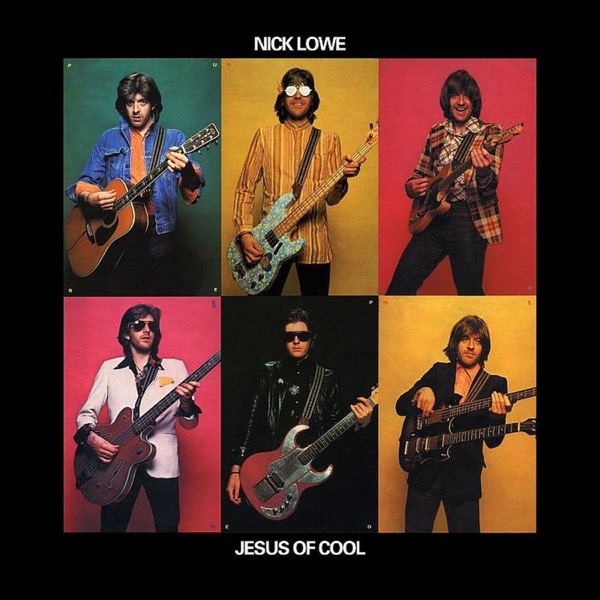
Jesus of Cool
1978 · 21 tracks
- 1 Music for Money ↗ 2:08
- 2 I Love the Sound of Breaking Glass ↗ 3:15
- 3 Little Hitler ↗ 3:01
- 4 Shake and Pop ↗ 3:23
- 5 Tonight ↗ 4:00
- 6 So It Goes ↗ 2:34
- 7 No Reason ↗ 3:34
- 8 36 Inches High ↗ 2:59
- 9 Marie Provost ↗ 2:51
- 10 Nutted By Reality ↗ 2:51
- 11 Heart of the City (Live) ↗ 4:09
- 12 Shake That Rat ↗ 2:13
- 13 I Love My Label ↗ 3:01
- 14 They Called It Rock ↗ 3:13
- 15 Born a Woman ↗ 2:29
- 16 Endless Sleep ↗ 4:09
- 17 Halfway to Paradise ↗ 2:28
- 18 Rollers Show ↗ 3:33
- 19 Cruel to Be Kind (Original Version) ↗ 2:53
- 20 Heart of the City ↗ 2:08
- 21 I Don't Want the Night to End ↗ 1:57
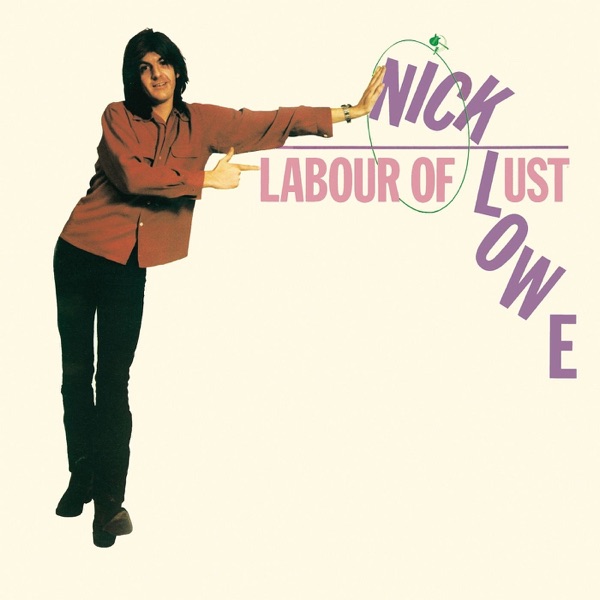
Labour of Lust
1979 · 13 tracks
- 1 Cruel to Be Kind ↗ 3:30
- 2 Cracking Up ↗ 2:59
- 3 Big Kick, Plain Scrap ↗ 2:27
- 4 American Squirm ↗ 2:31
- 5 Born Fighter ↗ 3:09
- 6 You Make Me ↗ 1:53
- 7 Skin Deep ↗ 3:15
- 8 Switchboard Susan ↗ 3:49
- 9 Endless Grey Ribbon ↗ 3:17
- 10 Without Love ↗ 2:29
- 11 Dose of You ↗ 3:21
- 12 Love So Fine ↗ 3:55
- 13 Basing Street (Bonus Track) ↗ 2:32
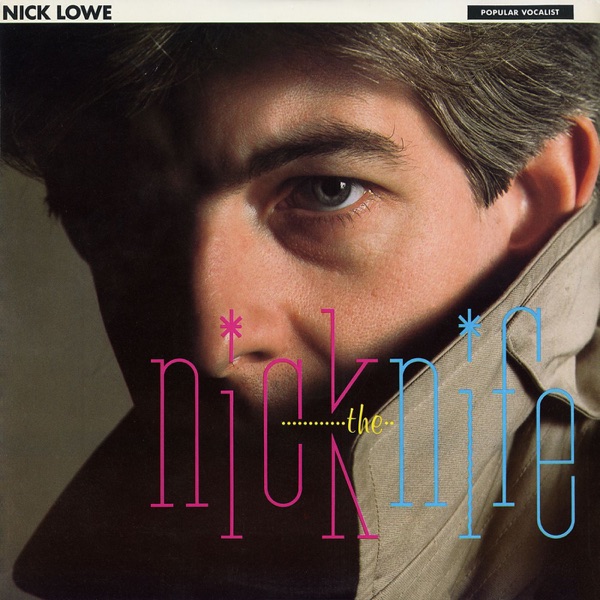
Nick the Knife
1982 · 12 tracks
- 1 Burning ↗ 2:03
- 2 Heart ↗ 3:41
- 3 Stick It Where the Sun Don't Shine ↗ 3:40
- 4 Queen of Sheba ↗ 2:30
- 5 My Heart Hurts ↗ 2:42
- 6 Couldn't Love You (Any More Than I Do) ↗ 2:37
- 7 Let Me Kiss Ya ↗ 2:58
- 8 Too Many Teardrops ↗ 2:33
- 9 Ba Doom ↗ 2:21
- 10 Raining Raining ↗ 2:46
- 11 One's Too Many (And a Hundred Ain't Enough) ↗ 2:33
- 12 Zulu Kiss ↗ 3:25

The Abominable Showman
1983 · 12 tracks
- 1 We Want Action ↗ 2:36
- 2 Raging Eyes ↗ 2:40
- 3 Cool Reaction ↗ 2:38
- 4 Time Wounds All Heels ↗ 2:45
- 5 Man of a Fool ↗ 2:47
- 6 Tanque-Rae ↗ 2:53
- 7 Wish You Were Here ↗ 3:16
- 8 Chicken and Feathers ↗ 2:46
- 9 Paid the Price ↗ 3:27
- 10 Mess Around with Love ↗ 3:07
- 11 Saint Beneath the Paint ↗ 2:50
- 12 How Do You Talk to an Angel ↗ 3:55
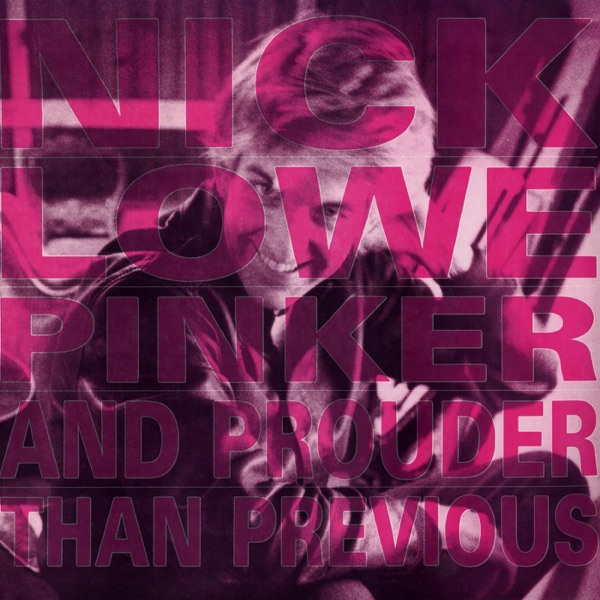
Pinker and Prouder Than Previous
1988 · 11 tracks

Party of One
1990 · 11 tracks
- 1 You Got the Look I Like ↗ 3:23
- 2 (I Want to Build a) Jumbo Ark ↗ 3:29
- 3 Gai-Gin Man ↗ 2:46
- 4 Who Was That Man? ↗ 3:02
- 5 What's Shakin' on the Hill ↗ 4:01
- 6 Shting-Shtang ↗ 3:21
- 7 All Men Are Liars ↗ 3:23
- 8 Rocky Road ↗ 3:21
- 9 Refrigerator White ↗ 3:04
- 10 I Don't Know Why You Keep Me On ↗ 3:15
- 11 Honeygun ↗ 2:32

The Impossible Bird
1994 · 13 tracks
- 1 Soulful Wind ↗ 3:01
- 2 The Beast in Me ↗ 2:28
- 3 True Love Travels on a Gravel Road ↗ 3:37
- 4 Trail of Tears ↗ 3:18
- 5 Shelley My Love ↗ 3:15
- 6 Where's My Everything? ↗ 2:42
- 7 12-Step Program (To Quit You Babe) ↗ 3:16
- 8 Lover Don't Go ↗ 4:07
- 9 Drive-Thru Man ↗ 2:41
- 10 Withered on the Vine ↗ 3:23
- 11 I Live on a Battlefield ↗ 3:23
- 12 14 Days ↗ 2:58
- 13 I'll Be There ↗ 2:18
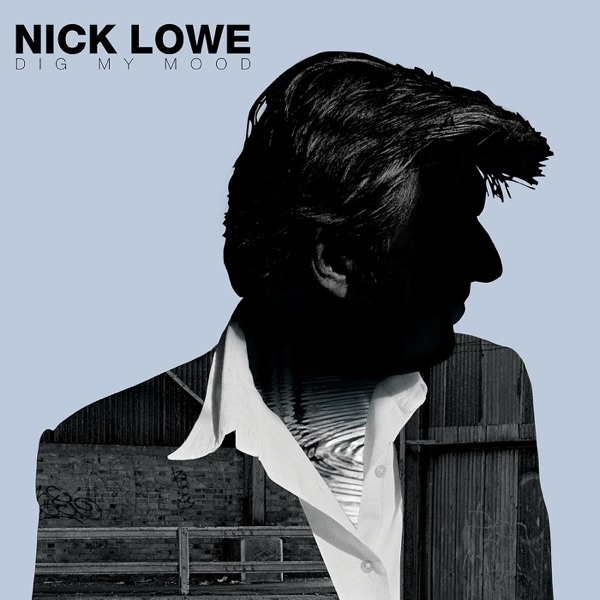
Dig My Mood
1998 · 12 tracks
- 1 Faithless Lover ↗ 2:45
- 2 Lonesome Reverie ↗ 2:55
- 3 You Inspire Me ↗ 3:12
- 4 What Lack of Love Has Done ↗ 2:50
- 5 Time I Took a Holiday ↗ 3:32
- 6 Failed Christian ↗ 3:56
- 7 Man That I've Become ↗ 2:54
- 8 Freezing ↗ 3:59
- 9 High on a Hilltop ↗ 3:05
- 10 Lead Me Not ↗ 3:00
- 11 I Must Be Getting Over You ↗ 2:22
- 12 Cold Grey Light of Dawn ↗ 2:58
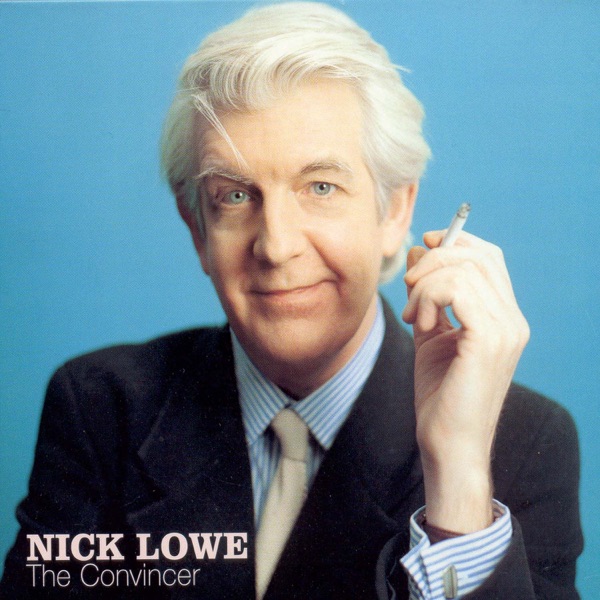
The Convincer
2001 · 12 tracks
- 1 Homewrecker ↗ 3:08
- 2 Only a Fool Breaks His Own Heart ↗ 3:40
- 3 Lately I've Let Things Slide ↗ 3:07
- 4 She's Got Soul ↗ 2:24
- 5 Cupid Must Be Angry ↗ 2:47
- 6 Indian Queens ↗ 3:42
- 7 Poor Side of Town ↗ 3:51
- 8 I'm a Mess ↗ 3:11
- 9 Between Dark and Dawn ↗ 2:31
- 10 Bygones (Won't Go) ↗ 3:10
- 11 Has She Got a Friend? ↗ 2:42
- 12 Let's Stay In and Make Love ↗ 3:50
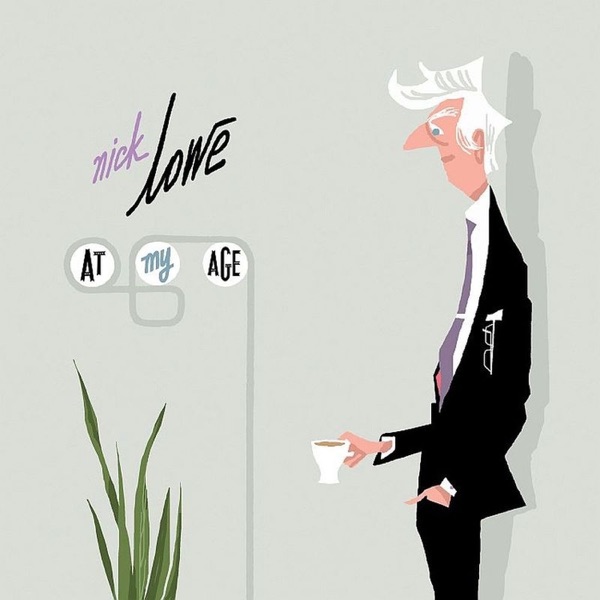
At My Age
2007 · 12 tracks
- 1 A Better Man ↗ 2:16
- 2 Long Limbed Girl ↗ 2:53
- 3 I Trained Her to Love Me ↗ 2:59
- 4 The Club ↗ 2:36
- 5 Hope for Us All ↗ 3:43
- 6 People Change ↗ 2:55
- 7 A Man In Love ↗ 2:09
- 8 Love's Got a Lot to Answer For ↗ 3:02
- 9 Rome Wasn't Built In a Day ↗ 2:42
- 10 Not Too Long Ago ↗ 2:21
- 11 The Other Side of the Coin ↗ 2:48
- 12 Feel Again ↗ 2:48
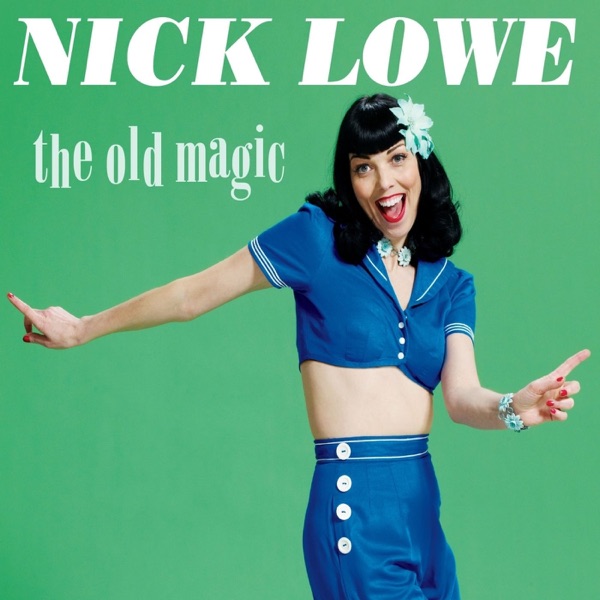
The Old Magic
2011 · 11 tracks
- 1 Stoplight Roses ↗ 3:28
- 2 Checkout Time ↗ 2:52
- 3 House for Sale ↗ 3:41
- 4 Sensitive Man ↗ 2:52
- 5 I Read a Lot ↗ 3:18
- 6 Shame On the Rain ↗ 2:25
- 7 Restless Feeling ↗ 2:41
- 8 Poisoned Rose ↗ 4:46
- 9 Somebody Cares for Me ↗ 2:51
- 10 You Don't Know Me at All ↗ 3:07
- 11 'Til the Real Thing Comes Along ↗ 3:26

Quality Street: A Seasonal Selection for All the Family
2013 · 12 tracks
- 1 Children Go Where I Send Thee ↗ 2:39
- 2 Christmas Can't Be Far Away ↗ 3:29
- 3 Christmas At the Airport ↗ 3:47
- 4 Old Toy Trains ↗ 2:58
- 5 The North Pole Express ↗ 2:43
- 6 Hooves On the Roof ↗ 3:31
- 7 I Was Born in Bethlehem ↗ 3:22
- 8 Just to Be With You (This Christmas) ↗ 3:30
- 9 Rise Up Shepherd ↗ 2:56
- 10 Silent Night ↗ 2:38
- 11 A Dollar Short of Happy ↗ 2:44
- 12 I Wish It Could Be Christmas Every Day ↗ 4:21
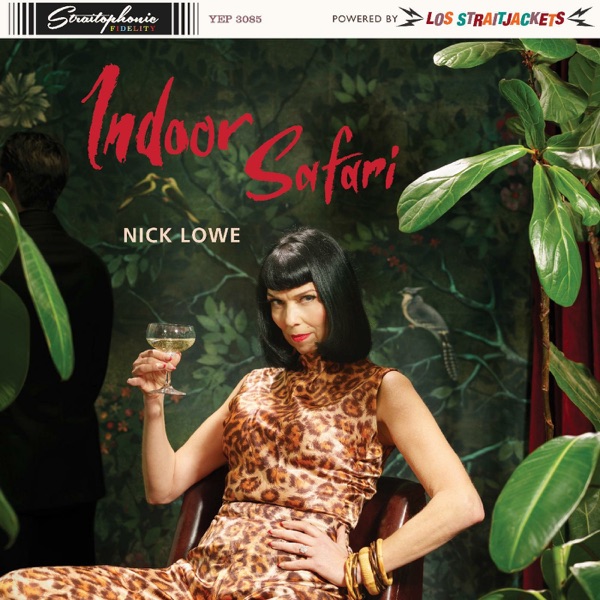
Indoor Safari
2024 · 12 tracks
- 1 Went to a Party ↗ 2:58
- 2 Love Starvation ↗ 2:51
- 3 Crying Inside ↗ 2:55
- 4 A Quiet Place ↗ 3:12
- 5 Blue on Blue ↗ 3:37
- 6 Jet Pac Boomerang ↗ 3:14
- 7 Tokyo Bay ↗ 2:22
- 8 Trombone ↗ 4:07
- 9 Different Kind of Blue ↗ 3:33
- 10 Raincoat in the River ↗ 2:58
- 11 Lay It on Me Baby ↗ 2:55
- 12 Don't Be Nice to Me ↗ 2:55
-
 Jesus of CoolNick Lowe197821 tracks
 -
 Labour of LustNick Lowe197913 tracks
 -
 Nick the KnifeNick Lowe198212 tracks
 -
 The Abominable ShowmanNick Lowe198312 tracks
 -
 Pinker and Prouder Than PreviousNick Lowe198811 tracks
 -
 Party of OneNick Lowe199011 tracks
 -
 The Impossible BirdNick Lowe199413 tracks
 -
 Dig My MoodNick Lowe199812 tracks
 -
 The ConvincerNick Lowe200112 tracks
 -
 At My AgeNick Lowe200712 tracks
 -
 The Old MagicNick Lowe201111 tracks
 -
 Quality Street: A Seasonal Selection for All the FamilyNick Lowe201312 tracks
 -
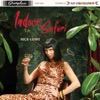 Indoor SafariNick Lowe202412 tracks
Deep Dive
Overview
Nick Lowe is a British singer, musician, and producer whose career spans from the mid-1970s to the present day. A multitasking performer skilled on guitar, bass, piano, and harmonica, Lowe emerged as a significant figure in pub rock before pivoting to new wave and power pop. His solo output—a series of well-reviewed albums released across five decades—established him as a craftsman of lean, hook-driven songs that balanced wit with emotional directness. Lowe’s influence extends beyond his own recordings into his prolific production work, which has shaped the sound of countless artists across multiple genres.
Formation Story
Nick Lowe was born in 1949 in England and came of age during a transformative period in British rock music. Rather than emerging from a formal band structure, Lowe’s path into rock music was that of a versatile session musician and songwriter who cut his teeth in the pub rock scene of the 1970s. His early career was marked by a fluid engagement with multiple genres and styles, building relationships with musicians and producers that would define his later solo work. By the late 1970s, Lowe had established himself as both a performer and an astute observer of songwriting craft, positioning him to harness the energy of the emerging new wave movement while retaining the pop sensibilities that had always guided his writing.
Breakthrough Moment
Lowe’s solo breakthrough arrived in 1978 with the release of Jesus of Cool, an album that announced a fully formed artistic voice. That same year, he released Pure Pop for Now People, reiterating his commitment to accessible, well-crafted pop-rock songs. These early albums established the template for his solo career: punchy arrangements, memorable melodies, and lyrics that mixed humor with genuine emotion. The albums’ reception confirmed that Lowe had found an audience for his brand of power pop and new wave, moving him from the margins of pub rock into the mainstream conversation around late-1970s British rock innovation.
Peak Era
The period from 1978 to 1983 marked Lowe’s most prolific and celebrated phase as a solo artist. Following Jesus of Cool and Pure Pop for Now People, he released Labour of Lust in 1979, Nick the Knife in 1982, and The Abominable Showman in 1983. During these years, Lowe refined his sound, balancing the rhythmic punch of new wave with the melodic generosity of power pop. His records showcased his versatility as a multi-instrumentalist and his gift for economy in songwriting—each song functioned as a compact, memorable statement rather than an extended showcase. This era cemented his reputation as one of the most intelligent songwriters working in rock music at the time.
Musical Style
Lowe’s music is characterized by sharp melodic hooks, economical arrangements, and a dry, understated vocal delivery that invites close listening. His work draws on the traditions of pub rock—unpretentious, live-sounding recordings—while embracing the precision and studio sophistication of new wave and power pop. His multi-instrumental abilities allow him to compose and arrange with confidence across guitar, bass, and keyboards, creating a cohesive sonic world that is distinctly his own. Lyrically, Lowe favors specificity and emotional restraint; his songs often contain wry observations about relationships and everyday life delivered with the deadpan charm of a British raconteur. The evolution of his sound across his career shows a consistent refinement of these core elements rather than radical reinvention.
Major Albums
Jesus of Cool (1978)
Lowe’s debut announced his mastery of the power pop form, combining infectious melodies with the rhythmic drive of new wave. The album established the sonic blueprint he would refine throughout the following years.
Labour of Lust (1979)
A tightly wound set of new wave and power pop miniatures, this album showcased Lowe’s ability to craft memorable hooks while maintaining an air of cool detachment. Its success solidified his standing in the new wave landscape.
Nick the Knife (1982)
Released during his peak creative period, this album furthered his exploration of power pop’s melodic possibilities while demonstrating his increasingly sophisticated production sensibilities.
The Impossible Bird (1994)
A return to form after several years of relative quiet, this album reaffirmed Lowe’s gift for melody and his enduring relevance as a songwriter. It signaled his continued creative engagement despite changing tastes in the music industry.
At My Age (2007)
Recorded in Lowe’s later years, this album demonstrated that his songwriting powers remained intact, proving his artistry was not bound to a specific era or commercial moment.
Signature Songs
- “Cruel to Be Kind” — A wry meditation on emotional honesty wrapped in an irresistible power pop package.
- “I Love the Sound of Breaking Glass” — A darkly comic new wave nugget that balanced humor with genuine unease.
- “Switchboard Susan” — A showcase for Lowe’s ability to build narrative and character into brief, memorable pop songs.
- “(What’s So Funny ‘Bout) Peace, Love and Understanding” — A straightforward pop song that became one of his most enduring compositions.
Influence on Rock
Nick Lowe’s significance in rock music extends from his solo recordings into his work as a producer and collaborator. His approach to new wave—emphasizing melody and listenability over avant-garde experiment—influenced the direction the genre took throughout the 1980s. His production work across numerous artists helped establish a sonic template for power pop and new wave that privileged clarity and emotional directness. Lowe demonstrated that it was possible to write intelligent, well-crafted rock songs without sacrificing commercial appeal, a lesson that influenced generations of songwriters working in pop and rock music. His refusal to chase trends or dramatically reinvent himself with each album cycle established a model for artistic longevity and integrity.
Legacy
Now in his mid-70s, Nick Lowe continues to record and perform, with recent albums including The Old Magic (2011), Tokyo Warning (2020), and Wonderful Copenhagen (2024). His body of work remains consistently well-regarded by critics and musicians alike, and his influence on power pop, new wave, and contemporary songwriter communities is substantial and ongoing. Lowe’s career demonstrates a rare combination of commercial success and critical respect sustained across five decades. His albums continue to find audiences through streaming platforms and reissues, introducing his work to listeners who may have missed his original releases. In rock music’s evolving landscape, Lowe stands as a figure of principle and consistency—an artist whose commitment to craft, melody, and emotional honesty has remained constant even as fashions have shifted around him.
Fun Facts
- Lowe’s multi-instrumental prowess extends across guitar, bass, piano, and harmonica, allowing him to perform virtually every instrument on his recordings.
- He has maintained an active presence in rock music for nearly five decades, releasing new albums well into the 2020s alongside archival reissues of earlier work.
- His songwriting has been covered by numerous artists across multiple genres, attesting to the fundamental strength of his melodic and lyrical craft.
- Despite achieving prominence during the new wave era, Lowe’s music draws equally from pub rock traditions, creating a bridge between 1970s British rock and the emerging wave of the late decade.