
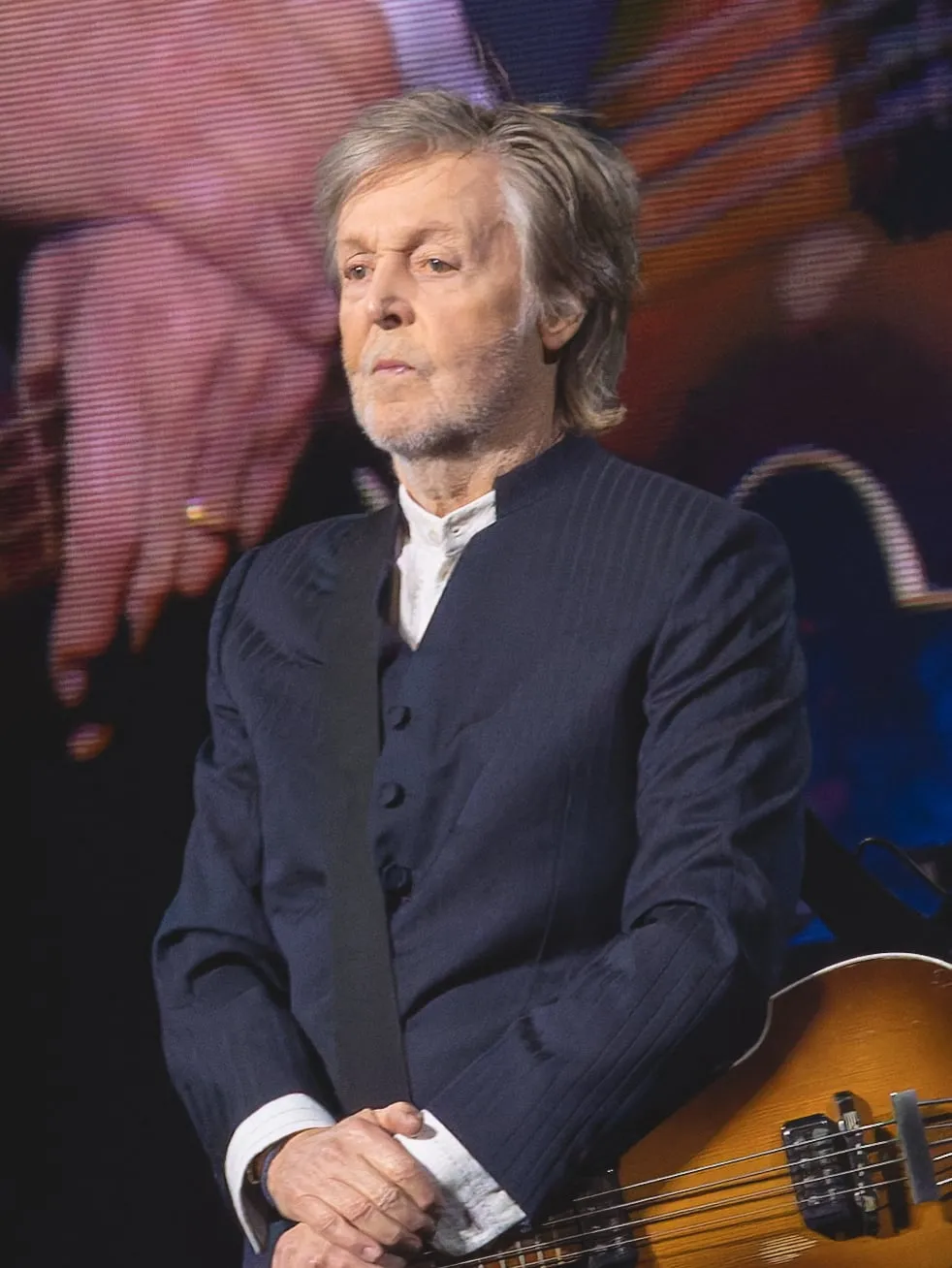
Photo by Raph_PH , licensed under CC BY 2.0 · Wikimedia Commons
Rank #73
Paul McCartney
From Wikipedia
Sir James Paul McCartney is an English musician and songwriter. He gained global fame with the Beatles, for whom he was the bassist and keyboardist, and shared primary songwriting and lead vocal duties with John Lennon. McCartney is known for his melodic approach to bass-playing, versatile tenor vocal range and musical eclecticism, exploring genres ranging from pre-rock and roll pop to classical, ballads and electronica. His songwriting partnership with Lennon is the most successful in music history.
Discography & Previews
Browse through and click an album to open and play 30-second previews streamed from Apple Music.

McCartney
1970 · 13 tracks
- 1 The Lovely Linda ↗ 0:46
- 2 That Would Be Something ↗ 2:41
- 3 Valentine Day ↗ 1:44
- 4 Every Night ↗ 2:35
- 5 Hot As Sun / Glasses ↗ 2:09
- 6 Junk ↗ 1:57
- 7 Man We Was Lonely ↗ 3:00
- 8 Oo You ↗ 2:50
- 9 Momma Miss America ↗ 4:08
- 10 Teddy Boy ↗ 2:25
- 11 Singalong Junk ↗ 2:37
- 12 Maybe I'm Amazed ↗ 3:53
- 13 Kreen-Akrore ↗ 4:15

RAM
1971 · 12 tracks
- 1 Too Many People ↗ 4:11
- 2 3 Legs ↗ 2:48
- 3 Ram On ↗ 2:30
- 4 Dear Boy ↗ 2:16
- 5 Uncle Albert / Admiral Halsey ↗ 4:55
- 6 Smile Away ↗ 3:53
- 7 Heart Of The Country ↗ 2:24
- 8 Monkberry Moon Delight ↗ 5:26
- 9 Eat At Home ↗ 3:23
- 10 Long Haired Lady ↗ 6:05
- 11 Ram On (Reprise) ↗ 0:56
- 12 The Back Seat Of My Car ↗ 4:31

McCartney II
1980 · 27 tracks
- 1 Coming Up ↗ 3:54
- 2 Temporary Secretary ↗ 3:16
- 3 On the Way ↗ 3:41
- 4 Waterfalls ↗ 4:46
- 5 Nobody Knows ↗ 2:55
- 6 Front Parlour ↗ 3:34
- 7 Summer's Day Song ↗ 3:26
- 8 Frozen Jap ↗ 3:41
- 9 Bogey Music ↗ 3:28
- 10 Darkroom ↗ 2:22
- 11 One of These Days ↗ 3:38
- 12 Blue Sway (with Richard Niles Orchestration) ↗ 4:37
- 13 Coming Up (Live At Glasgow 1979) ↗ 4:10
- 14 Check My Machine (Edited Version) ↗ 5:52
- 15 Bogey Wobble ↗ 3:01
- 16 Secret Friend (Full Length Version) ↗ 10:32
- 17 Mr. H. Atom / You Know I’ll Get You Baby ↗ 5:57
- 18 Wonderful Christmastime (Edited Version) ↗ 3:49
- 19 All You Horse Riders / Blue Sway ↗ 10:15
- 20 Coming Up (Full Length Version) ↗ 5:37
- 21 Front Parlour (Full Length Version) ↗ 5:17
- 22 Frozen Jap (Full Length Version) ↗ 5:45
- 23 Darkroom (Full Length Version) ↗ 3:48
- 24 Check My Machine (Full Length Version) ↗ 8:59
- 25 Wonderful Christmastime (Full Length Version) ↗ 4:18
- 26 Summer's Day Song (Without Vocals) ↗ 3:28
- 27 Waterfalls (DJ Edit) ↗ 3:23

Tug of War
1982 · 12 tracks
- 1 Tug Of War (2015 Remix) ↗ 4:23
- 2 Take It Away (2015 Remix) ↗ 4:16
- 3 Somebody Who Cares (2015 Remix) ↗ 3:19
- 4 What’s That You’re Doing? (2015 Remix) ↗ 6:23
- 5 Here Today (2015 Remix) ↗ 2:29
- 6 Ballroom Dancing (2015 Remix) ↗ 4:09
- 7 The Pound Is Sinking (2015 Remix) ↗ 2:56
- 8 Wanderlust (2015 Remix) ↗ 3:49
- 9 Get It (2015 Remix) ↗ 2:28
- 10 Be What You See (Link) [2015 Remix] ↗ 0:34
- 11 Dress Me Up As A Robber (2015 Remix) ↗ 2:43
- 12 Ebony And Ivory (2015 Remix) ↗ 3:46

Pipes of Peace
1983 · 11 tracks
- 1 Pipes Of Peace (Remastered 2015) ↗ 3:56
- 2 Say Say Say (Remastered 2015) ↗ 3:56
- 3 The Other Me (Remastered 2015) ↗ 3:58
- 4 Keep Under Cover (Remastered 2015) ↗ 3:07
- 5 So Bad (Remastered 2015) ↗ 3:22
- 6 The Man (Remastered 2015) ↗ 3:56
- 7 Sweetest Little Show (Remastered 2015) ↗ 2:52
- 8 Average Person (Remastered 2015) ↗ 4:34
- 9 Hey Hey (Remastered 2015) ↗ 2:54
- 10 Tug Of Peace (Remastered 2015) ↗ 2:56
- 11 Through Our Love (Remastered 2015) ↗ 3:30


Flowers in the Dirt
1989 · 13 tracks
- 1 My Brave Face ↗ 3:21
- 2 Rough Ride ↗ 4:45
- 3 You Want Her Too ↗ 3:15
- 4 Distractions ↗ 4:43
- 5 We Got Married ↗ 4:59
- 6 Put It There ↗ 2:12
- 7 Figure of Eight ↗ 3:27
- 8 This One ↗ 4:12
- 9 Don't Be Careless Love ↗ 3:21
- 10 That Day Is Done ↗ 4:22
- 11 How Many People ↗ 4:16
- 12 Motor of Love ↗ 6:28
- 13 Où Est Le Soleil? (Bonus Track) ↗ 4:47

Off the Ground
1993 · 12 tracks
- 1 Off the Ground ↗ 3:40
- 2 Looking for Changes ↗ 2:47
- 3 Hope of Deliverance ↗ 3:22
- 4 Mistress and Maid ↗ 3:00
- 5 I Owe It All to You ↗ 4:51
- 6 Biker Like an Icon ↗ 3:26
- 7 Peace In the Neighbourhood ↗ 5:06
- 8 Golden Earth Girl ↗ 3:45
- 9 The Lovers That Never Were ↗ 3:43
- 10 Get Out of My Way ↗ 3:32
- 11 Winedark Open Sea ↗ 5:27
- 12 C'Mon People ↗ 7:43
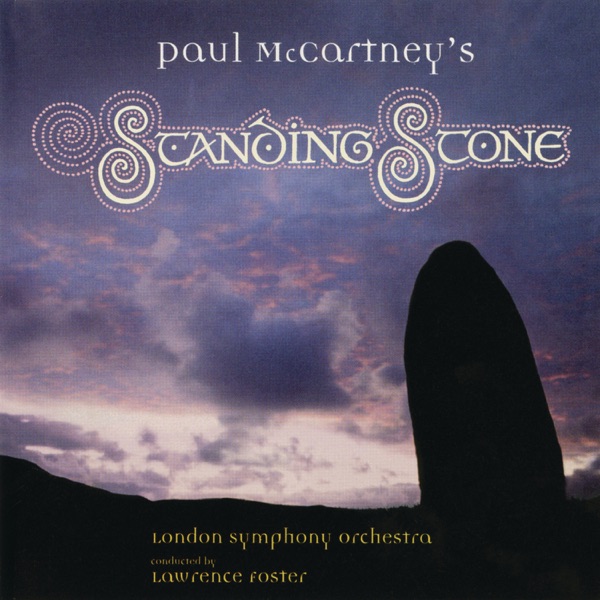
Standing Stone
1997 · 19 tracks
- 1 Standing Stone: I. After Heavy Light Years: Fire / Rain (Allegro energico) ↗ 4:30
- 2 Standing Stone: I. After Heavy Light Years: Cell Growth (Semplice) ↗ 8:31
- 3 Standing Stone: I. After Heavy Light Years: 'Human' Theme (Maestoso) ↗ 3:36
- 4 Standing Stone: II. He Awoke Startled: Meditation (Contemplativo) ↗ 3:58
- 5 Standing Stone: II. He Awoke Startled: Crystal Ship (Con moto scherzando) ↗ 2:02
- 6 Standing Stone: II. He Awoke Startled: Sea Voyage (Pulsating, With Cool Jazz Feel) ↗ 3:40
- 7 Standing Stone: II. He Awoke Startled: Lost At Sea (Sognando) ↗ 4:38
- 8 Standing Stone: II. He Awoke Startled: Release (Allegro con spirito) ↗ 1:54
- 9 Standing Stone: III. Subtle Colours Merged Soft Contours: Safe Haven / Standing Stone (Pastorale con moto) ↗ 4:12
- 10 Standing Stone: III. Subtle Colours Merged Soft Contours: Peaceful Moment (Andante tranquillo) ↗ 2:09
- 11 Standing Stone: III. Subtle Colours Merged Soft Contours: Messenger (Energico) ↗ 3:36
- 12 Standing Stone: III. Subtle Colours Merged Soft Contours: Lament (Lamentoso) ↗ 2:26
- 13 Standing Stone: III. Subtle Colours Merged Soft Contours: Trance (Misterioso) ↗ 5:32
- 14 Standing Stone: III. Subtle Colours Merged Soft Contours: Eclipse (Eroico) ↗ 4:57
- 15 Standing Stone: IV. Strings Pluck, Horns Blow, Drums Beat: Glory Tales (Trionfale) ↗ 2:40
- 16 Standing Stone: IV. Strings Pluck, Horns Blow, Drums Beat: Fugal Celebration (L’istesso tempo. Fresco) ↗ 4:25
- 17 Standing Stone: IV. Strings Pluck, Horns Blow, Drums Beat: Rustic Dance (Rustico) ↗ 2:01
- 18 Standing Stone: IV. Strings Pluck, Horns Blow, Drums Beat: Love Duet (Andante intimo) ↗ 3:43
- 19 Standing Stone: IV. Strings Pluck, Horns Blow, Drums Beat: Celebration (Andante) ↗ 6:16

Flaming Pie
1997 · 45 tracks
- 1 The Song We Were Singing (feat. Jeff Lynne) [Remastered 2020] ↗ 3:55
- 2 The World Tonight (feat. Jeff Lynne) [Remastered 2020] ↗ 4:06
- 3 If You Wanna (feat. Steve Miller) [Remastered 2020] ↗ 4:37
- 4 Somedays (Remastered 2020) ↗ 4:15
- 5 Young Boy (feat. Steve Miller) [Remastered 2020] ↗ 3:55
- 6 Calico Skies (Remastered 2020) ↗ 2:32
- 7 Flaming Pie (feat. Jeff Lynne) [Remastered 2020] ↗ 2:31
- 8 Heaven On A Sunday (feat. Jeff Lynne, James McCartney & Linda McCartney) [Remastered 2020] ↗ 4:27
- 9 Used To Be Bad (feat. Steve Miller) [Remastered 2020] ↗ 4:12
- 10 Souvenir (feat. Jeff Lynne) [Remastered 2020] ↗ 3:41
- 11 Little Willow (feat. Jeff Lynne) [Remastered 2020] ↗ 2:58
- 12 Really Love You (feat. Jeff Lynne & Ringo Starr) [Remastered 2020] ↗ 5:18
- 13 Beautiful Night (feat. Jeff Lynne, Ringo Starr & Linda McCartney) [Remastered 2020] ↗ 5:09
- 14 Great Day (feat. Linda McCartney) [Remastered 2020] ↗ 2:10
- 15 The Song We Were Singing (Home Recording) ↗ 5:26
- 16 The World Tonight (Home Recording) ↗ 2:27
- 17 If You Wanna (Home Recording) ↗ 3:01
- 18 Somedays (Home Recording) ↗ 4:15
- 19 Young Boy (Home Recording) ↗ 2:23
- 20 Calico Skies (Home Recording) ↗ 2:32
- 21 Flaming Pie (Home Recording) ↗ 1:41
- 22 Souvenir (Home Recording) ↗ 2:55
- 23 Little Willow (Home Recording) ↗ 2:27
- 24 Beautiful Night (1995 Demo) ↗ 4:27
- 25 Great Day (feat. Linda McCartney) [Home Recording] ↗ 3:30
- 26 Great Day (feat. Linda McCartney) [Acoustic] ↗ 2:18
- 27 Calico Skies (Acoustic) ↗ 2:06
- 28 C’mon Down C’mon Baby ↗ 1:24
- 29 If You Wanna (Demo) ↗ 1:55
- 30 Beautiful Night (feat. Ringo Starr) [Run Through] ↗ 4:10
- 31 The Song We Were Singing (Rough Mix) ↗ 3:51
- 32 The World Tonight (feat. Jeff Lynne) [Rough Mix] ↗ 3:48
- 33 Little Willow (feat. Jeff Lynne) [Rough Mix] ↗ 2:59
- 34 Whole Life (Rough Mix) ↗ 5:34
- 35 Heaven On A Sunday (Rude Cassette) ↗ 4:43
- 36 Looking For You (feat. Jeff Lynne & Ringo Starr) ↗ 4:42
- 37 Broomstick (feat. Steve Miller) ↗ 5:10
- 38 Love Come Tumbling Down ↗ 4:24
- 39 Same Love ↗ 3:56
- 40 Oobu Joobu Pt. 1 ↗ 8:48
- 41 Oobu Joobu Pt. 2 ↗ 8:27
- 42 Oobu Joobu Pt. 3 ↗ 7:57
- 43 Oobu Joobu Pt. 4 ↗ 5:31
- 44 Oobu Joobu Pt. 5 ↗ 8:48
- 45 Oobu Joobu Pt. 6 ↗ 9:17

Run Devil Run
1999 · 15 tracks
- 1 Bluejean Bop ↗ 1:57
- 2 She Said Yeah ↗ 2:07
- 3 All Shook Up ↗ 2:06
- 4 Run Devil Run ↗ 2:36
- 5 No Other Baby ↗ 4:18
- 6 Lonesome Town ↗ 3:30
- 7 Try Not to Cry ↗ 2:41
- 8 Movie Magg ↗ 2:12
- 9 Brown Eyed Handsome Man ↗ 2:27
- 10 What It Is ↗ 2:23
- 11 Coquette ↗ 2:43
- 12 I Got Stung ↗ 2:40
- 13 Honey Hush ↗ 2:36
- 14 Shake a Hand ↗ 3:52
- 15 Party ↗ 2:38


Driving Rain
2001 · 16 tracks
- 1 Lonely Road ↗ 3:16
- 2 From a Lover to a Friend ↗ 3:49
- 3 She's Given Up Talking ↗ 4:57
- 4 Driving Rain ↗ 3:27
- 5 I Do ↗ 2:56
- 6 Tiny Bubble ↗ 4:21
- 7 Magic ↗ 3:59
- 8 Your Way ↗ 2:55
- 9 Spinning On an Axis ↗ 5:16
- 10 About You ↗ 2:54
- 11 Heather ↗ 3:26
- 12 Back In the Sunshine Again ↗ 4:22
- 13 Your Loving Flame ↗ 3:44
- 14 Riding Into Jaipur ↗ 4:08
- 15 Rinse the Raindrops ↗ 10:13
- 16 Freedom (Studio Mix) ↗ 3:34

Chaos and Creation in the Backyard
2005 · 14 tracks
- 1 Fine Line ↗ 3:05
- 2 How Kind of You ↗ 4:47
- 3 Jenny Wren ↗ 3:47
- 4 At the Mercy ↗ 2:38
- 5 Friends To Go ↗ 2:43
- 6 English Tea ↗ 2:12
- 7 Too Much Rain ↗ 3:24
- 8 A Certain Softness ↗ 2:42
- 9 Riding To Vanity Fair ↗ 5:07
- 10 Follow Me ↗ 2:31
- 11 Promise To You Girl ↗ 3:10
- 12 This Never Happened Before ↗ 3:24
- 13 Anyway ↗ 4:10
- 14 I've Only Got Two Hands ↗ 3:13


Memory Almost Full
2007 · 13 tracks
- 1 Dance Tonight ↗ 2:54
- 2 Ever Present Past ↗ 2:57
- 3 See Your Sunshine ↗ 3:20
- 4 Only Mama Knows ↗ 4:18
- 5 You Tell Me ↗ 3:16
- 6 Mr. Bellamy ↗ 3:39
- 7 Gratitude ↗ 3:19
- 8 Vintage Clothes ↗ 2:22
- 9 That Was Me ↗ 2:39
- 10 Feet In the Clouds ↗ 3:24
- 11 House of Wax ↗ 4:59
- 12 The End of the End ↗ 2:57
- 13 Nod Your Head ↗ 1:58
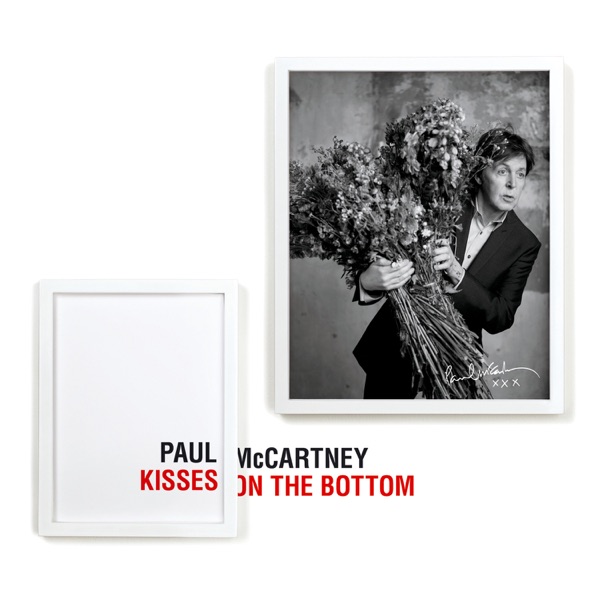
Kisses on the Bottom
2012 · 16 tracks
- 1 I'm Gonna Sit Right Down and Write Myself a Letter ↗ 2:35
- 2 Home (When Shadows Fall) ↗ 4:04
- 3 It's Only a Paper Moon ↗ 2:35
- 4 More I Cannot Wish You ↗ 3:03
- 5 The Glory of Love ↗ 3:45
- 6 We Three (My Echo, My Shadow and Me) ↗ 3:22
- 7 Ac-Cent-Tchu-Ate the Positive ↗ 2:31
- 8 My Valentine ↗ 3:14
- 9 Always ↗ 3:49
- 10 My Very Good Friend the Milkman ↗ 3:04
- 11 Bye Bye Blackbird ↗ 4:26
- 12 Get Yourself Another Fool ↗ 4:42
- 13 The Inch Worm ↗ 3:42
- 14 Only Our Hearts ↗ 4:21
- 15 Baby's Request ↗ 3:29
- 16 My One and Only Love ↗ 3:50


Egypt Station
2018 · 16 tracks
- 1 Opening Station ↗ 0:42
- 2 I Don't Know ↗ 4:27
- 3 Come On To Me ↗ 4:11
- 4 Happy With You ↗ 3:34
- 5 Who Cares ↗ 3:13
- 6 Fuh You ↗ 3:24
- 7 Confidante ↗ 3:05
- 8 People Want Peace ↗ 2:59
- 9 Hand In Hand ↗ 2:35
- 10 Dominoes ↗ 5:02
- 11 Back In Brazil ↗ 3:21
- 12 Do It Now ↗ 3:17
- 13 Caesar Rock ↗ 3:29
- 14 Despite Repeated Warnings ↗ 6:58
- 15 Station II ↗ 0:47
- 16 Hunt You Down/Naked/C-Link ↗ 6:23
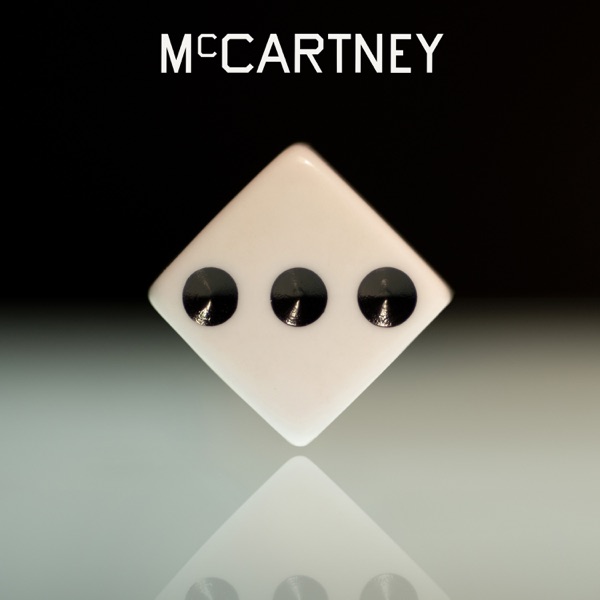
McCartney III
2020 · 11 tracks

The Boys of Dungeon Lane
2026 · 14 tracks
- 1 As You Lie There ↗ 4:45
- 2 Lost Horizon ↗ 3:04
- 3 Days We Left Behind ↗ 3:18
- 4 Ripples in a Pond ↗ 2:43
- 5 Mountain Top ↗ 3:40
- 6 Down South ↗ 2:23
- 7 We Two ↗ 3:01
- 8 Come Inside ↗ 3:13
- 9 Never Know ↗ 4:15
- 10 Home to Us ↗ 3:11
- 11 Life Can Be Hard ↗ 3:16
- 12 First Star of the Night ↗ 2:57
- 13 Salesman Saint ↗ 3:20
- 14 Momma Gets By ↗ 4:05
-
 McCartneyPaul McCartney197013 tracks
 -
 RAMPaul McCartney197112 tracks
 -
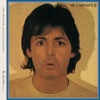 McCartney IIPaul McCartney198027 tracks
 -
 Tug of WarPaul McCartney198212 tracks
 -
 Pipes of PeacePaul McCartney198311 tracks
 -
 Press to PlayPaul McCartney198610 tracks
 -
 Flowers in the DirtPaul McCartney198913 tracks
 -
 Off the GroundPaul McCartney199312 tracks
 -
 Standing StonePaul McCartney199719 tracks
 -
 Flaming PiePaul McCartney199745 tracks
 -
 Run Devil RunPaul McCartney199915 tracks
 -
 Liverpool Sound CollagePaul McCartney20005 tracks
 -
 Driving RainPaul McCartney200116 tracks
 -
 Chaos and Creation in the BackyardPaul McCartney200514 tracks
 -
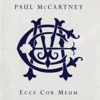 Ecce Cor MeumPaul McCartney20065 tracks
 -
 Memory Almost FullPaul McCartney200713 tracks
 -
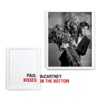 Kisses on the BottomPaul McCartney201216 tracks
 -
 NewPaul McCartney201312 tracks
 -
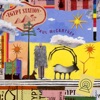 Egypt StationPaul McCartney201816 tracks
 -
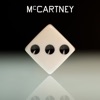 McCartney IIIPaul McCartney202011 tracks
 -
 The Boys of Dungeon LanePaul McCartney202614 tracks
Deep Dive
Overview
Sir Paul McCartney is an English musician and songwriter who achieved global fame as bassist and keyboardist of the Beatles, where he shared primary songwriting and lead vocal duties with John Lennon. Since the Beatles’ dissolution in 1970, McCartney has maintained an uninterrupted recording and performing career spanning over five decades, exploring genres from pre-rock pop and ballads to classical music and electronica. His melodic approach to bass-playing, versatile tenor vocal range, and musical eclecticism have established him as one of rock music’s most prolific and commercially successful solo artists. McCartney’s songwriting partnership with Lennon remains the most successful in music history, while his solo work demonstrates a restless creative impulse that has kept him relevant across changing musical landscapes.
Formation Story
McCartney’s path to becoming a rock musician began in post-war Liverpool, where he grew up immersed in the city’s rich musical culture. His early exposure to rock and roll and American popular music shaped his melodic sensibilities. By the late 1950s, he had joined the Beatles—then known as the Quarrymen and later as the Silver Beatles—alongside John Lennon, George Harrison, and eventual drummer Ringo Starr. The band’s emergence from Liverpool’s Cavern Club scene in the early 1960s coincided with a broader British rock revival that would reshape global popular music. McCartney’s role evolved from guitarist to bassist, a position he transformed through innovative and melodic playing that departed from traditional rhythm-section timidity. By the mid-1960s, as the Beatles’ principal recording act, McCartney had become a primary architect of their studio innovations and songwriting direction, contributing iconic compositions that defined the era.
Breakthrough Moment
McCartney’s solo breakthrough arrived immediately following the Beatles’ breakup. His first album, McCartney, released in 1970, was recorded largely by McCartney alone at his home studio, featuring him playing most instruments himself. Though modest in scope compared to the Beatles’ output, it established McCartney as a viable solo artist independent of the group’s shadow. The album’s domestic sound and intimate production presaged the direction his solo career would take. Throughout the early 1970s, RAM (1971) consolidated his solo identity with a fuller band sound and personal songwriting, setting the stage for his most commercially successful project: Wings, his band with Linda McCartney, which would dominate the mid-to-late 1970s and establish him as a solo act of major commercial consequence.
Peak Era
The 1980s marked the apex of McCartney’s solo commercial success, a period defined by synthesizer-driven pop-rock and ambitious production. Tug of War (1982) and Pipes of Peace (1983) achieved massive chart success, blending orchestral arrangements with electronic textures that reflected the decade’s sonic palette. Press to Play (1986) continued this trajectory, showcasing McCartney’s willingness to engage with contemporary production trends. The late 1980s and 1990s saw sustained recording activity with albums including Flowers in the Dirt (1989), Off the Ground (1993), and Flaming Pie (1997), each demonstrating his commitment to remaining creatively active while exploring diverse instrumental and stylistic territories. Though McCartney never again achieved the cultural dominance he held during the Beatles era or the mid-1970s, this period solidified his status as rock music’s most consistently productive major artist.
Musical Style
McCartney’s solo work reflects the same melodic gift and instrumental versatility that defined his Beatles output, but with greater emphasis on personal control and experimental impulse. His solo recordings frequently showcase multi-instrumental arrangements, with McCartney playing drums, bass, keyboards, and guitars across tracks—a hands-on production approach that lends his work an idiosyncratic character. Vocally, his tenor range and gift for hook-driven melody remain constant across genres. The music spans beat music, pop rock, art rock, psychedelic rock, classical music, and electronic experimentation, refusing easy categorization. Albums like Chaos and Creation in the Backyard (2005) and Memory Almost Full (2007) blend rock instrumentation with sophisticated harmonic sensibilities. His engagement with classical forms—evidenced by works like Standing Stone (1997), Working Classical (1999), and Ecce Cor Meum (2006)—demonstrates McCartney’s ambition to transcend the rock idiom and establish himself as a composer of broader artistic reach. This genre-fluid approach, inherited from the experimental ethos of the Beatles’ later work, remains the defining characteristic of his solo aesthetic.
Major Albums
McCartney (1970)
McCartney’s self-titled debut established him as a solo artist capable of writing, arranging, and performing entire albums. Recorded largely by McCartney alone, the album’s intimate, home-studio production and straightforward melodic sensibility signaled a departure from the Beatles’ elaborate studio arrangements.
RAM (1971)
A fuller band effort featuring collaborative input, RAM balanced personal songwriting with expanded instrumentation and demonstrated McCartney’s growth as a solo composer while maintaining the melodic clarity that defined his work with the Beatles.
Tug of War (1982)
Tug of War marked McCartney’s return to major commercial success, blending orchestral arrangements with synthesizer-driven pop-rock and establishing the sonic direction that would dominate his 1980s output.
Flaming Pie (1997)
A retrospective collection and new compositions, Flaming Pie reasserted McCartney’s creative vitality in the late 1990s and featured a blend of rock, pop, and experimental approaches characteristic of his mature solo style.
Chaos and Creation in the Backyard (2005)
Recorded largely solo by McCartney, this album returned to the intimate, home-studio approach of his earliest work while incorporating modern production techniques and demonstrating continued melodic and harmonic sophistication.
Egypt Station (2018)
A collaborative effort with contemporary producers and musicians, Egypt Station positioned McCartney as an artist remaining engaged with current musical trends while maintaining the melodic sensibilities that define his songwriting.
Signature Songs
- “Maybe I’m Amazed” — A solo composition from McCartney II, showcasing McCartney’s ability to craft emotionally direct, keyboard-driven pop ballads.
- “Live and Let Die” — His theme song for the James Bond film, demonstrating his range across cinematic and commercial contexts.
- “Band on the Run” — A complex, multi-section composition from his Wings era that remains one of his most celebrated solo compositions.
- “Daytime Nighttime Suffering” — A signature example of McCartney’s willingness to explore unconventional song structures and atmospheric production.
- “Coming Up” — A synth-pop driven single that achieved major commercial success and exemplified his 1980s commercial peak.
Influence on Rock
McCartney’s solo career extended the innovative legacy established during his Beatles tenure into subsequent decades, demonstrating that rock’s founding figures could sustain artistic relevance beyond their original groups. His willingness to explore synthesizers, classical composition, and electronic production influenced subsequent generations of art-rock and pop-rock musicians who saw in him a model of uncompromising musical curiosity. The accessibility of his melodies, combined with his technical sophistication, provided a template for commercially successful pop-rock that maintained artistic ambition. His multi-instrumental approach—the practice of writing, arranging, and performing most of a solo album’s parts—influenced countless rock musicians and shaped production practices that emphasized artistic control. The sustained commercial viability of McCartney’s solo work across five decades demonstrated that former members of canonical rock groups could build independent careers of genuine significance, reshaping how the music industry approached legacy artists and franchise nostalgia.
Legacy
Paul McCartney remains one of rock music’s most streamed and commercially active artists, with a catalog spanning studio albums, orchestral works, and live recordings that extends across multiple decades without significant interruption. His later releases—New (2013), McCartney III (2020), and forthcoming projects like The Boys of Dungeon Lane (2026)—demonstrate continued creative output well into his ninth decade. McCartney’s influence on contemporary rock, pop, and classical music remains substantial, with his compositions representing some of the most recognizable melodies in twentieth and twenty-first-century music. His official website and continued touring presence keep him engaged with audiences, while his extensive catalog remains a standard reference point for melodic songwriting and rock craftsmanship. Beyond commercial metrics, McCartney’s legacy encompasses his transformation of the bassist’s role in rock music, his pioneering use of studio technology, and his demonstration that artistic growth and commercial success could be sustained across radically different creative periods and musical genres.
Fun Facts
- McCartney recorded a significant body of material in the Soviet Union during the 1988 sessions for Снова в СССР, reflecting his willingness to pursue international collaborations and non-traditional recording contexts.
- His album Working Classical (1999) marked a formal engagement with classical composition and arrangement, demonstrating his ambitions beyond rock and pop idioms.
- Chaos and Creation in the Backyard (2005) was recorded entirely by McCartney alone, echoing the solo recording methodology of his 1970 debut McCartney and emphasizing his continued hands-on creative control.
- McCartney’s engagement with digital and electronic music production across albums like Kisses on the Bottom (2012) and New (2013) shows his sustained technical engagement with contemporary production methods.