
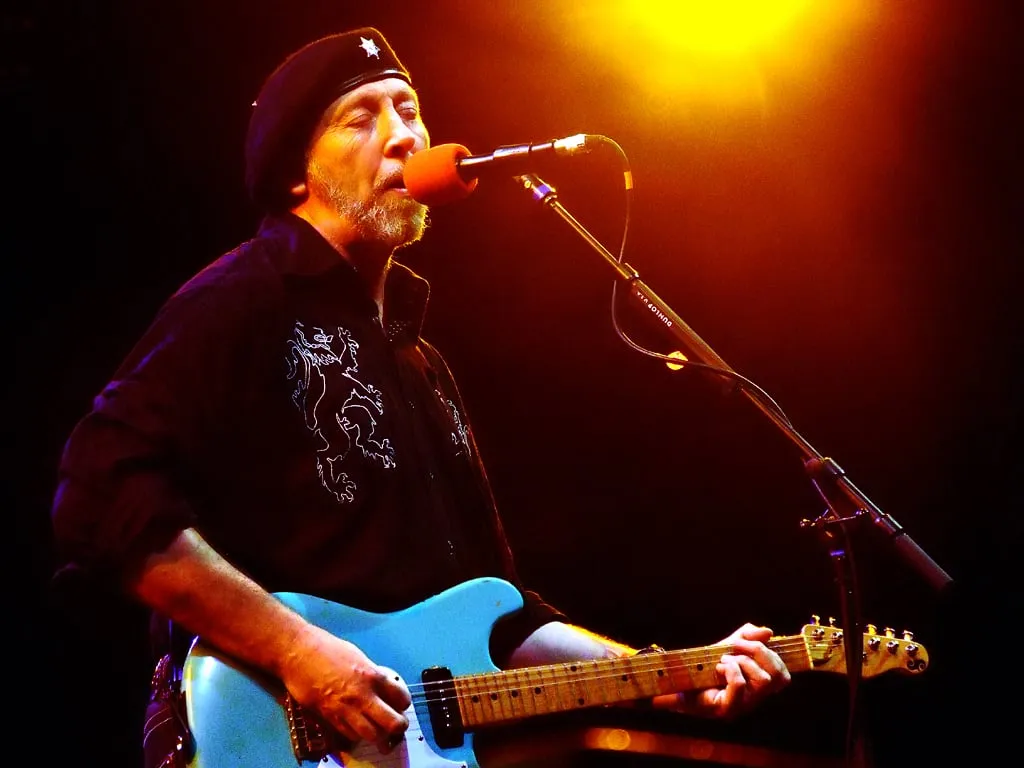
Photo by Dxede5x , licensed under CC BY-SA 3.0 · Wikimedia Commons
Rank #497
Richard Thompson
From Wikipedia
Richard Thompson is an English songwriter, musician, singer and record producer.
Discography & Previews
Browse through and click an album to open and play 30-second previews streamed from Apple Music.

Strict Tempo!
1981 · 12 tracks
- 1 New-Fangled Flogging Reel / Kerry Reel ↗ 2:52
- 2 Vaillance Polka Militaire / Belfast Polka ↗ 3:51
- 3 Scott Skinner Medley: Glencoe / Scott Skinner's Rockin' Step / Bonny Banchory ↗ 4:44
- 4 Banish Misfortune ↗ 3:00
- 5 Dundee Hornpipe / Poppy-Leaf Hornpipe ↗ 3:14
- 6 Do It For My Sake ↗ 2:27
- 7 Rockin' In Rhythm ↗ 2:46
- 8 The Random Jig / The Grinder ↗ 2:47
- 9 Will Ye No Cam Back Again / Cam O'er the Stream Charlie / Ye Banks and Braes ↗ 4:20
- 10 Rufty Tufty / Nonsuch à la mode de France ↗ 2:15
- 11 Andalus / Radio Marrakesh ↗ 4:00
- 12 The Knife-Edge ↗ 5:31

Across a Crowded Room
1985 · 9 tracks
- 1 When the Spell Is Broken ↗ 4:31
- 2 You Don't Say ↗ 3:37
- 3 I Ain't Going To Drag My Feet No More ↗ 4:23
- 4 Love In a Faithless Country ↗ 5:57
- 5 Fire In the Engine Room ↗ 3:43
- 6 Walking Through a Wasted Land ↗ 4:04
- 7 Little Blue Number ↗ 3:06
- 8 She Twists the Knife Again ↗ 3:14
- 9 Ghosts In the Wind ↗ 5:40


Rumor and Sigh
1991 · 14 tracks
- 1 Read About Love ↗ 3:37
- 2 I Feel So Good ↗ 3:22
- 3 I Misunderstood ↗ 4:08
- 4 Grey Walls ↗ 4:25
- 5 You Dream Too Much ↗ 4:05
- 6 Why Must I Plead ↗ 5:00
- 7 1952 Vincent Black Lightning ↗ 4:42
- 8 Backlash Love Affair ↗ 4:48
- 9 Mystery Wind ↗ 4:36
- 10 Don't Sit on My Jimmy Shands ↗ 4:26
- 11 Keep Your Distance ↗ 4:12
- 12 Mother Knows Best ↗ 4:59
- 13 God Loves a Drunk ↗ 4:39
- 14 Psycho Street ↗ 4:26

Mirror Blue
1994 · 13 tracks
- 1 For the Sake of Mary ↗ 4:22
- 2 I Can't Wake up to Save My Life ↗ 3:13
- 3 MGB-GT ↗ 3:36
- 4 The Way That It Shows ↗ 6:13
- 5 Easy There, Steady Now ↗ 4:46
- 6 King of Bohemia ↗ 3:46
- 7 Shane and Dixie ↗ 4:06
- 8 Mingus Eyes ↗ 4:48
- 9 I Ride in Your Slipstream ↗ 4:07
- 10 Beeswing ↗ 5:34
- 11 Fast Food ↗ 2:44
- 12 Mascara Tears ↗ 3:37
- 13 Taking My Business Elsewhere ↗ 4:28

You? Me? Us?
1996 · 19 tracks
- 1 Razor Dance ↗ 2:42
- 1 Baby Don't Know What to Do with Herself ↗ 3:32
- 2 She Steers By Lightning ↗ 2:23
- 2 She Cut Off Her Long Silken Hair ↗ 5:01
- 3 Dark Hand over My Heart ↗ 3:55
- 3 Hide It Away (Acoustic) ↗ 4:33
- 4 Hide It Away ↗ 4:23
- 4 Burns Supper ↗ 3:50
- 5 Put It There Pal ↗ 6:15
- 5 Train Don't Leave ↗ 2:20
- 6 Business on You ↗ 2:50
- 6 Cold Kisses ↗ 4:26
- 7 No's Not a Word ↗ 4:23
- 7 Sam Jones ↗ 3:57
- 8 Am I Wasting My Love on You? ↗ 2:58
- 8 Razor Dance (Acoustic) ↗ 2:29
- 9 Bank Vault in Heaven ↗ 4:38
- 9 Woods of Darney ↗ 5:43
- 10 The Ghost of You Walks ↗ 3:40

Industry
1997 · 11 tracks
- 1 Chorale ↗ 0:55
- 2 Sweetheart On the Barricade ↗ 4:23
- 3 Children of the Dark ↗ 4:19
- 4 Big Chimney ↗ 4:37
- 5 Kitty 'Tommy, Quick! Get Up. I Can Hear Clogs Goin' Up the Street'. ↗ 4:08
- 6 Drifting Through the Days ↗ 3:25
- 7 Lotteryland ↗ 2:52
- 8 Pitfalls ↗ 6:06
- 9 Saboteur ↗ 2:16
- 10 New Rhythms ↗ 7:06
- 11 Last Shift ↗ 3:55
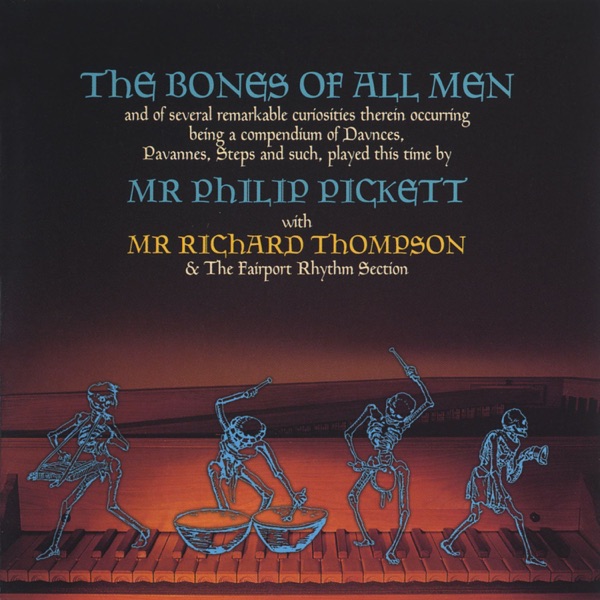
The Bones of All Men
1998 · 8 tracks
- 1 Short Mesure Off My Lady Wynkfylds Rownde ↗ 3:06
- 2 Chi Passa Per Sta Strada ↗ 2:32
- 3 Fusi Pavana Piana / Son Quel Duca de Milano ↗ 6:36
- 4 Forze D'hercole / Lo Ballo Dell'intorcia ↗ 4:23
- 5 My Lady Carey's Dompe ↗ 3:27
- 6 Tutte Venite Armati ↗ 2:15
- 7 Passo e Mezo / Pavana In Passo e Mezzo / La Cara Cossa del Berdolin / El Pomo ↗ 10:18
- 8 Gin Cuter Neuer Dantz / Tedesca Dita la Proficia / Der Mohren Auftzugkh / Bra ↗ 12:50

Mock Tudor
1999 · 12 tracks
- 1 Cooksferry Queen ↗ 4:13
- 2 Sibella ↗ 4:15
- 3 Bathsheba Smiles ↗ 3:56
- 4 Two-Faced Love ↗ 4:03
- 5 Hard on Me ↗ 5:58
- 6 Crawl Back (Under My Stone) ↗ 4:06
- 7 Uninhabited Man ↗ 4:52
- 8 Dry My Tears and Move On ↗ 3:50
- 9 Walking the Long Miles Home ↗ 4:11
- 10 Sights and Sounds of London Town ↗ 4:57
- 11 That's All, Amen, Close the Door ↗ 5:56
- 12 Hope You Like the New Me ↗ 5:01

Sweet Warrior
2007 · 14 tracks
- 1 Needle and Thread ↗ 4:44
- 2 I'll Never Give It Up ↗ 3:22
- 3 Take Care the Road You Choose ↗ 6:45
- 4 Mr. Stupid ↗ 3:54
- 5 Dad's Gonna Kill Me ↗ 5:16
- 6 Poppy-Red ↗ 4:38
- 7 Bad Monkey ↗ 5:14
- 8 Francesca ↗ 5:17
- 9 Too Late to Come Fishing ↗ 4:36
- 10 Sneaky Boy ↗ 2:59
- 11 She Sang Angels to Rest ↗ 3:26
- 12 Johnny's Far Away ↗ 4:54
- 13 Guns Are the Tongues ↗ 7:28
- 14 Sunset Song ↗ 5:39

Electric
2013 · 11 tracks
- 1 Stony Ground ↗ 4:43
- 2 Salford Sunday ↗ 4:08
- 3 Sally B ↗ 4:04
- 4 Stuck On the Treadmill ↗ 4:20
- 5 My Enemy ↗ 5:38
- 6 Good Things Happen To Bad People ↗ 5:22
- 7 Where's Home? ↗ 3:30
- 8 Another Small Thing In Her Favour ↗ 5:07
- 9 Straight and Narrow ↗ 4:14
- 10 The Snow Goose ↗ 5:06
- 11 Saving the Good Stuff For You ↗ 3:55

Acoustic Classics
2014 · 14 tracks
- 1 I Want to See the Bright Lights Tonight ↗ 2:57
- 2 Walking on a Wire ↗ 3:53
- 3 Wall of Death ↗ 3:23
- 4 Down Where the Drunkards Roll ↗ 4:05
- 5 One Door Opens ↗ 3:46
- 6 Persuasion ↗ 3:54
- 7 1952 Vincent Black Lightning ↗ 5:12
- 8 I Misunderstood ↗ 3:57
- 9 From Galway to Graceland ↗ 3:30
- 10 Valerie ↗ 4:24
- 11 Shoot out the Lights ↗ 4:17
- 12 Beeswing ↗ 5:43
- 13 When the Spell Is Broken ↗ 4:20
- 14 Dimming of the Day ↗ 3:19

Still
2015 · 12 tracks
- 1 She Never Could Resist a Winding Road ↗ 4:28
- 2 Beatnik Walking ↗ 3:54
- 3 Patty Don’t You Put Me Down ↗ 4:30
- 4 Broken Doll ↗ 3:51
- 5 All Buttoned Up ↗ 4:07
- 6 Josephine ↗ 3:25
- 7 Long John Silver ↗ 4:00
- 8 Pony In the Stable ↗ 2:45
- 9 Where’s Your Heart ↗ 4:05
- 10 No Peace, No End ↗ 4:16
- 11 Dungeons for Eyes ↗ 3:49
- 12 Guitar Heroes ↗ 7:40

Acoustic Classics II
2017 · 14 tracks
- 1 She Twists the Knife Again ↗ 2:49
- 2 Ghost of You Walks ↗ 4:41
- 3 Genesis Hall ↗ 3:30
- 4 Jet Plane in a Rocking Chair ↗ 2:29
- 5 A Heart Needs a Home ↗ 3:27
- 6 Pharaoh ↗ 4:26
- 7 Gethsemane ↗ 5:14
- 8 Devonside ↗ 3:06
- 9 Meet on the Ledge ↗ 3:06
- 10 Keep Your Distance ↗ 3:35
- 11 Bathsheba Smiles ↗ 3:33
- 12 Crazy Man Michael ↗ 4:24
- 13 Guns Are the Tongues ↗ 6:05
- 14 Why Must I Plead? ↗ 4:07

Acoustic Rarities
2017 · 14 tracks
- 1 What If? ↗ 3:38
- 2 They Tore the Hippodrome Down ↗ 4:33
- 3 Seven Brothers ↗ 3:37
- 4 Rainbow over the Hill ↗ 2:28
- 5 Never Again ↗ 2:36
- 6 I Must Have a March ↗ 3:25
- 7 I'll Take All My Sorrows to the Sea ↗ 2:28
- 8 The Poor Ditching Boy ↗ 3:11
- 9 Alexander Graham Bell ↗ 3:10
- 10 Sloth ↗ 5:27
- 11 Push and Shove ↗ 3:17
- 12 End of the Rainbow ↗ 3:47
- 13 Poor Will and the Jolly Hangman ↗ 4:32
- 14 She Played Right into My Hands ↗ 2:34
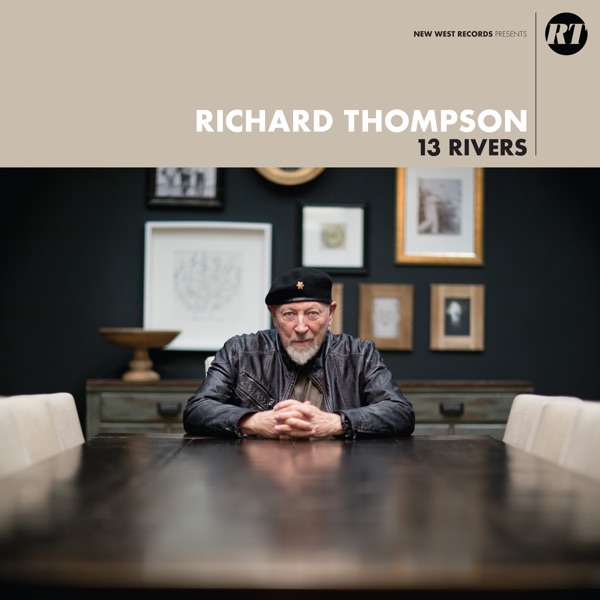
13 Rivers
2018 · 13 tracks
- 1 The Storm Won't Come ↗ 6:11
- 2 The Rattle Within ↗ 3:06
- 3 Her Love Was Meant For Me ↗ 5:01
- 4 Bones of Gilead ↗ 4:21
- 5 The Dog In You ↗ 4:55
- 6 Trying ↗ 3:36
- 7 Do All These Tears Belong To You? ↗ 4:14
- 8 My Rock, My Rope ↗ 3:19
- 9 You Can't Reach Me ↗ 3:58
- 10 O Cinderella ↗ 3:50
- 11 No Matter ↗ 3:46
- 12 Pride ↗ 3:17
- 13 Shaking the Gates ↗ 4:01

Ship to Shore
2024 · 12 tracks
-
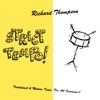 Strict Tempo!Richard Thompson198112 tracks
 -
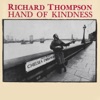 Hand of KindnessRichard Thompson19839 tracks
 -
 Across a Crowded RoomRichard Thompson19859 tracks
 -
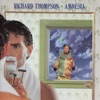 AmnesiaRichard Thompson198810 tracks
 -
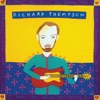 Rumor and SighRichard Thompson199114 tracks
 -
 Mirror BlueRichard Thompson199413 tracks
 -
 You? Me? Us?Richard Thompson199619 tracks
 -
 IndustryRichard Thompson199711 tracks
 -
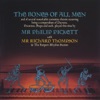 The Bones of All MenRichard Thompson19988 tracks
 -
 Mock TudorRichard Thompson199912 tracks
 -
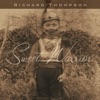 Sweet WarriorRichard Thompson200714 tracks
 -
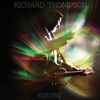 ElectricRichard Thompson201311 tracks
 -
 Acoustic ClassicsRichard Thompson201414 tracks
 -
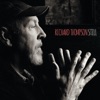 StillRichard Thompson201512 tracks
 -
 Acoustic Classics IIRichard Thompson201714 tracks
 -
 Acoustic RaritiesRichard Thompson201714 tracks
 -
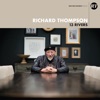 13 RiversRichard Thompson201813 tracks
 -
 Ship to ShoreRichard Thompson202412 tracks
Deep Dive
Overview
Richard Thompson is a British singer-songwriter, musician, and guitarist born in 1949 whose solo career spans from the early 1970s to the present day. Operating across rock music with a prolific output that defies easy categorization, Thompson has sustained a recording presence across five decades, building a substantial discography that reflects his restless approach to songwriting and arrangement. His work ranges from introspective acoustic material to electrified full-band productions, marking him as one of the most consistent and versatile voices in the classic rock tradition.
Formation Story
Richard Thompson emerged as a recording artist in the early 1970s, stepping into a solo career during a period of pronounced musical experimentation in British rock. Born in 1949, he came of age during the post-war British rock boom, absorbing influences from the electric and folk traditions that shaped the era. His entry into professional music as a singer-songwriter coincided with the broader move toward introspective, lyric-driven work that characterized the singer-songwriter movement of the 1970s. Beginning with Morris On and Henry the Human Fly, both released in 1972, Thompson established himself as a recording artist signed to Island Records, a label that would prove instrumental in his early visibility.
Breakthrough Moment
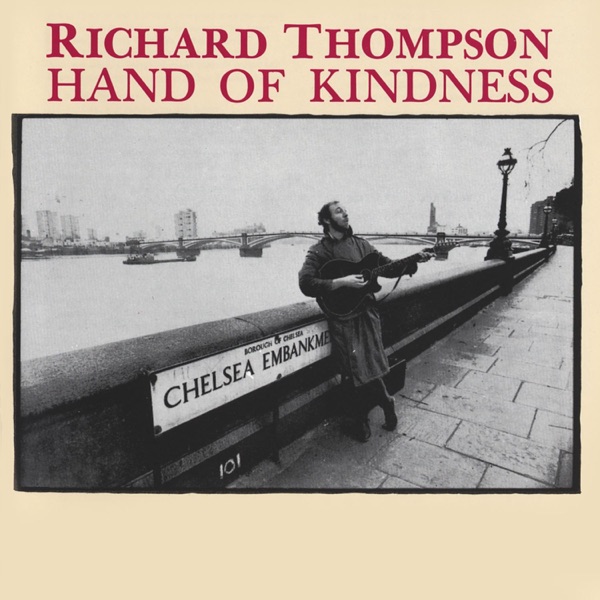
The early 1980s marked a turning point in Thompson’s career trajectory. Hand of Kindness, released in 1983, arrived as a work of artistic maturity and broader commercial recognition, establishing Thompson as a significant figure in the singer-songwriter landscape. The album represented a consolidation of his approach to both songwriting and production, demonstrating his ability to craft compelling narratives and melodies with increasing sophistication. Following this success, Across a Crowded Room (1985) and Daring Adventures (1986) cemented his position as a prolific and ambitious artist capable of sustaining listener interest across multiple studio releases in quick succession.
Peak Era
The late 1980s and early 1990s represented Thompson’s most creatively fertile and critically engaged period. Amnesia (1988) continued his evolution, while Rumor and Sigh (1991) emerged as a landmark achievement that deepened his reputation for intricate songwriting and emotional clarity. This era, spanning roughly from Hand of Kindness through the mid-1990s with releases including Mirror Blue (1994) and You? Me? Us? (1996), found Thompson balancing folk sensibilities with rock instrumentation and production techniques. His work during these years reflected a musician fully in command of his voice and vision, capable of both intimate acoustic work and fully arranged ensemble pieces.
Musical Style
Richard Thompson’s music draws from both the acoustic folk tradition and electric rock, often within the same song or album. His approach to songwriting emphasizes narrative clarity and emotional specificity, crafting lyrics that balance personal reflection with observational detail. Across his discography, his arrangements have evolved from sparse, folk-influenced accompaniment to more elaborate productions involving full band configurations, layered instrumentation, and studio production techniques. His guitar playing ranges from fingerpicking acoustic work to electric textures, allowing him to shift tonal character depending on the material at hand. The consistency of his output suggests an artist committed to the album format as a meaningful artistic statement rather than a vehicle for individual hit songs, with each record marking subtle shifts in approach or emphasis.
Major Albums
Hand of Kindness (1983)
A foundational work in Thompson’s solo career, this album marked the beginning of his most sustained period of commercial and critical visibility, establishing the quality of songwriting and production that would define his 1980s work.
Rumor and Sigh (1991)
Arguably Thompson’s most celebrated solo work, this album deepened his reputation for sophisticated songwriting and emotional nuance, arriving at a moment of peak creative confidence and musical maturity.
Mirror Blue (1994)
Continuing the artistic momentum of the early 1990s, this release sustained Thompson’s engagement with both electric and acoustic arrangements, reflecting his evolving approach to production and song structure.
The Old Kit Bag (2003)
A mid-career retrospective moment that reasserted Thompson’s commitment to the album format and studio recording, demonstrating his continued creative investment after the turn of the millennium.
13 Rivers (2018)
A significant late-career statement released when Thompson was in his late sixties, this album confirmed his ongoing artistic vitality and continued capacity for meaningful songwriting and recording.
Signature Songs
- “Hand of Kindness” — The title track from his 1983 breakthrough, exemplifying his gift for emotional directness and lyrical precision.
- “Walking on a Wire” — A signature composition demonstrating his ability to build emotional intensity through careful arrangement and narrative development.
- “Cooksferry Queen” — A song that showcases Thompson’s folk roots and his skill at creating character-driven narratives within the rock song form.
- “1952 Vincent Black Lightning” — One of Thompson’s most enduring compositions, built on storytelling and vivid detail.
- “Dimming of the Day” — A composition that demonstrates his range across intimate acoustic settings and his gift for melancholic reflection.
Influence on Rock
Richard Thompson’s sustained solo career has positioned him as a figure of quiet but persistent influence within the broader landscape of rock music and singer-songwriting. His commitment to the album format and his refusal to chase trends have established him as a model for artistic independence and longevity. The consistency of his output across five decades—from 1972’s Morris On through 2024’s Ship to Shore—marks him as one of the most prolific and reliable voices in classic rock. His integration of folk and rock traditions without subordinating either to the other has influenced subsequent generations of singer-songwriters navigating similar aesthetic territory, demonstrating that sustained artistic credibility can coexist with commercial independence and artistic experimentation.
Legacy
Richard Thompson’s legacy rests on his extraordinary longevity and creative consistency as a recording artist and performer. His presence on both Capitol Records and Island Records across his career speaks to his ability to maintain visibility within major label structures while preserving artistic autonomy. Spanning from the early 1970s to 2024, his discography of studio albums represents one of the most substantial bodies of work in post-war British rock music. Thompson’s continued activity as a recording artist into his seventies—with recent releases including Acoustic Classics II (2017), Acoustic Rarities (2017), and 13 Rivers (2018)—confirms his status as an active rather than historical figure, a musician for whom the act of recording and songwriting remains central to artistic identity. The breadth of his catalog and the respect accorded him by subsequent generations of musicians secure his position as a figure of significance within the classic rock tradition.
Fun Facts
- Thompson has maintained an official website at http://www.richardthompson-music.com/ that serves as a direct connection between the artist and his audience, reflecting his long-term engagement with both recording and performance.
- His prolific output includes multiple acoustic-focused releases in the 2010s, including Acoustic Classics (2014) and Acoustic Rarities (2017), demonstrating his continued interest in revisiting and reframing his existing work.
- The 2000 MusicBrainz entry titled “2000-05-23, Gröna Lund, Stockholm, Sweden” suggests a live recording or performance document from his touring activity, reflecting his ongoing commitment to live performance across his career.
- Thompson’s willingness to record with different production approaches and studio settings across his discography—from sparse acoustic arrangements to fully orchestrated electric work—marks him as an artist uninterested in formulaic repetition.