
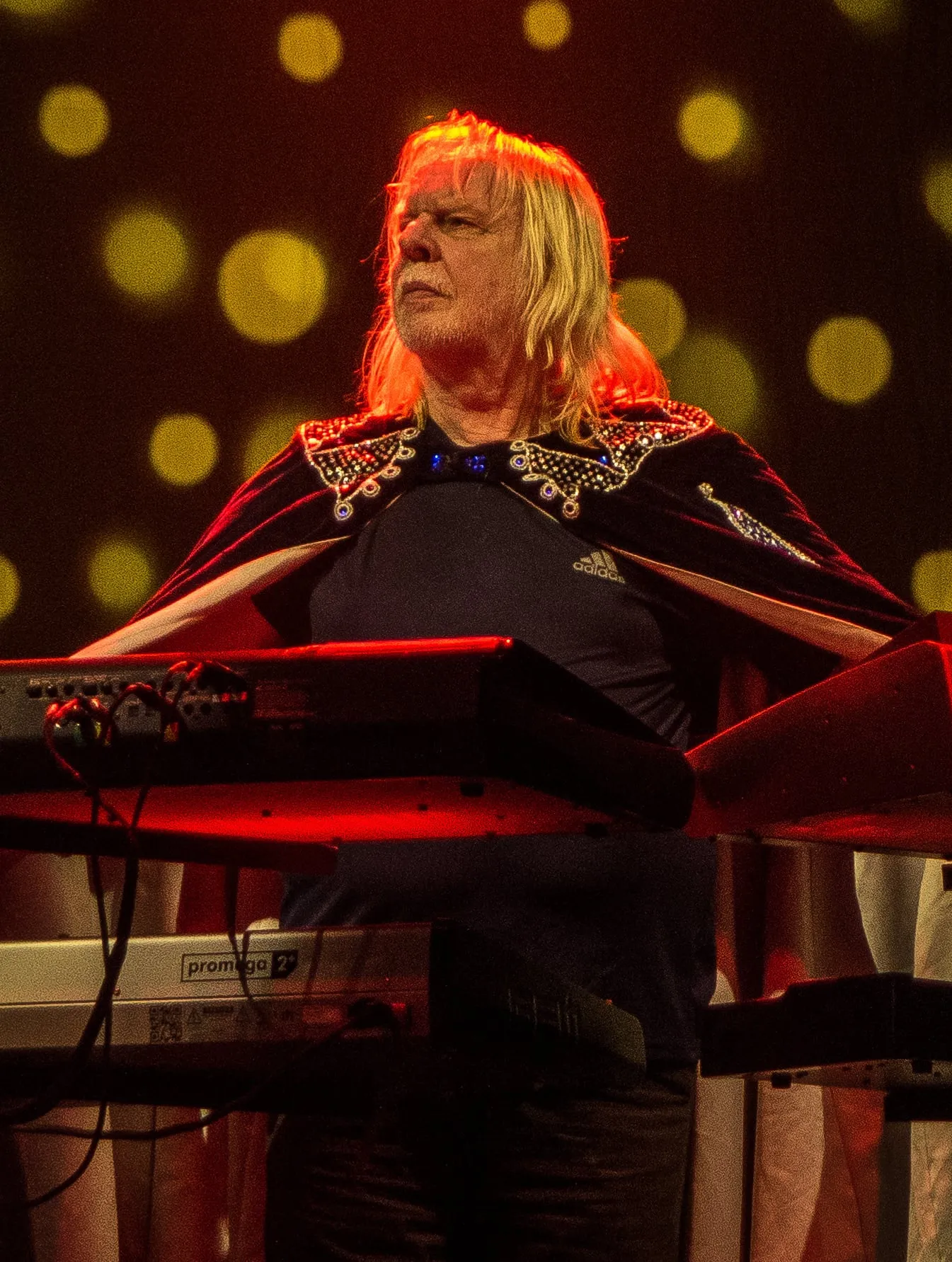
Photo by Stéphane Gallay from Laconnex, Switzerland , licensed under CC BY 2.0 · Wikimedia Commons
Rank #377
Rick Wakeman
From Wikipedia
Richard Christopher Wakeman is an English keyboardist and composer best known for his multiple tenures in the progressive rock band Yes and for his prolific solo career which has spanned across six decades. His most successful and acclaimed albums are his first three progressive rock concept albums–The Six Wives of Henry VIII (1973), the UK number-one Journey to the Centre of the Earth (1974), and The Myths and Legends of King Arthur and the Knights of the Round Table (1975). AllMusic describes Wakeman as a "classically trained keyboardist extraordinaire who plied his trade with Yes and developed his own brand of live spectacular in a solo act."
Discography & Previews
Browse through and click an album to open and play 30-second previews streamed from Apple Music.


Rhapsodies
1979 · 17 tracks
- 1 Pedra De Gavea ↗ 4:14
- 2 Front Line ↗ 3:44
- 3 Bombay Duck ↗ 3:16
- 4 Animal Showdown (Yes We Have No Bananas) ↗ 2:42
- 5 Big Ben ↗ 3:59
- 6 Rhapsody in Blue ↗ 5:27
- 7 Wooly Willy Tango ↗ 3:21
- 8 The Pulse ↗ 5:25
- 9 Swan Lager ↗ 2:46
- 10 March of the Gladiators ↗ 4:56
- 11 Flacons De Neige ↗ 5:05
- 12 The Flasher ↗ 5:32
- 13 The Palais ↗ 2:20
- 14 Stand-By ↗ 3:34
- 15 Sea Horses ↗ 3:55
- 16 Half Holiday ↗ 3:01
- 17 Summertime ↗ 4:24

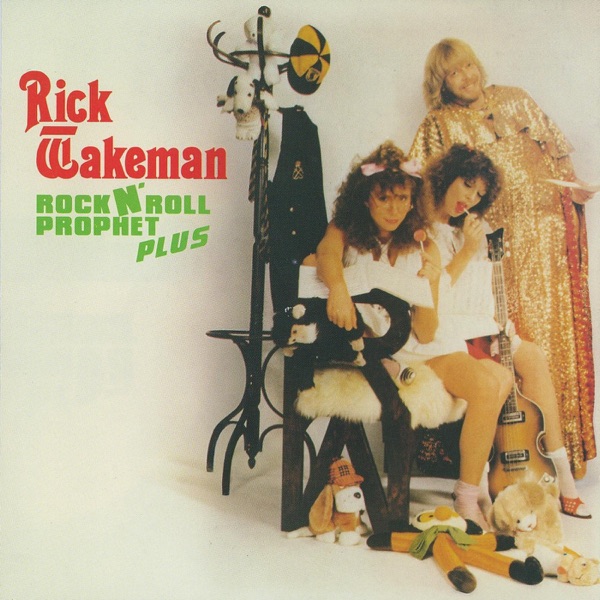
Rock ’n’ Roll Prophet
1982 · 12 tracks
- 1 Return of the Prophet ↗ 6:04
- 2 I'm So Straight I'm a Weirdo ↗ 3:54
- 3 The Dragon ↗ 3:35
- 4 Dark ↗ 5:08
- 5 Alpha Sleep ↗ 6:01
- 6 Maybe '80 ↗ 5:27
- 7 March of the Child Soldiers ↗ 6:06
- 8 Early Warning ↗ 3:34
- 9 Spy of '55 ↗ 5:07
- 10 Stalemate ↗ 5:56
- 11 Do You Believe In Fairies? ↗ 4:30
- 12 Rock N' Roll Prophet ↗ 4:41


Beyond the Planets
1985 · 8 tracks
- 1 Waves - a Special Overture (feat. Jeff Wayne & Kevin Peek) ↗ 1:58
- 2 Mars, the Bringer of War (feat. Jeff Wayne & Kevin Peek) ↗ 3:25
- 3 Venus, the Bringer of Peace (feat. Jeff Wayne & Kevin Peek) ↗ 7:48
- 4 Mercury, the Winged Messenger (feat. Jeff Wayne & Kevin Peek) ↗ 4:01
- 5 Jupiter, the Bringer of Jollity (feat. Jeff Wayne & Kevin Peek) ↗ 6:54
- 6 Saturn, the Bringer of Old Age (feat. Jeff Wayne & Kevin Peek) ↗ 6:59
- 7 Uranus, the Magician (feat. Jeff Wayne & Kevin Peek) ↗ 5:34
- 8 Neptune, the Mystic / Beyond (feat. Jeff Wayne & Kevin Peek) ↗ 9:15
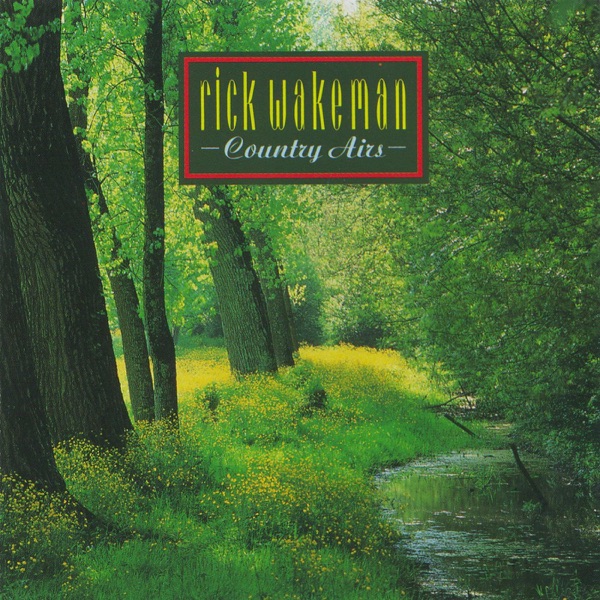
Country Airs
1986 · 14 tracks
- 1 Lakeland Walks ↗ 3:50
- 2 Wild Moors ↗ 4:01
- 3 Harvest Festival ↗ 3:14
- 4 The Glade ↗ 3:02
- 5 Dandelion Dreams ↗ 5:45
- 6 Ducks and Drakes ↗ 4:07
- 7 Green to Gold ↗ 3:29
- 8 Stepping Stones ↗ 5:18
- 9 Morning Haze ↗ 4:07
- 10 Waterfalls ↗ 5:33
- 11 The Spring ↗ 3:49
- 12 Quiet Valleys ↗ 6:01
- 13 Nature Trails ↗ 4:11
- 14 Heather Carpets ↗ 3:49

Journey to the Centre of the Earth
1988 · 4 tracks
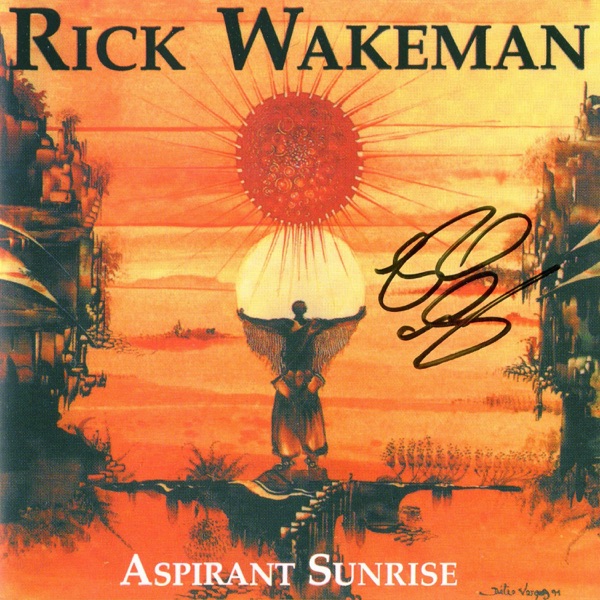
Aspirant Sunrise
1990 · 11 tracks


Softsword: King John and the Magna Charter
1991 · 11 tracks
The Classical Connection
1991 · 10 tracks

Aspirant Sunshadows
1991 · 11 tracks
The Classical Connection 2
1991 · 12 tracks
Heritage Suite
1993 · 12 tracks
No Expense Spared
1993 · 12 tracks

Romance of the Victorian Age
1994 · 13 tracks
- 1 Burlington Arcade ↗ 2:50
- 2 If Only ↗ 4:22
- 3 The Last Teardrop ↗ 3:26
- 4 Still Dreaming ↗ 4:13
- 5 Memories of the Victorian Age ↗ 3:35
- 6 Lost In Words ↗ 6:07
- 7 A Tale of Love ↗ 7:57
- 8 Mysteries Unfold ↗ 3:05
- 9 Forever In My Heart ↗ 6:03
- 10 Days of Wonder ↗ 6:55
- 11 The Swans ↗ 4:45
- 12 Another Mellow Day ↗ 5:31
- 13 Dance of the Elves ↗ 3:21

Lure of the Wild
1994 · 11 tracks
- 1 Lure of the Wild ↗ 7:07
- 2 The Beach Comber ↗ 4:06
- 3 Megalomania (feat. Adam Wakeman) ↗ 3:05
- 4 Raga and Rhyme ↗ 3:02
- 5 Sync or Swim (feat. Adam Wakeman) ↗ 6:08
- 6 Jiggajig (feat. Adam Wakeman) ↗ 3:58
- 7 Caesarea ↗ 9:18
- 8 After the Atom ↗ 4:56
- 9 The Suicide Shuffle (feat. Adam Wakeman) ↗ 3:21
- 10 Past and Present (feat. Adam Wakeman) ↗ 3:23
- 11 Paint It Black (feat. Adam Wakeman) ↗ 5:39
Visions
1995 · 12 tracks

The Piano Album
1995 · 13 tracks
- 1 A Wish (Live in California & Virginia 1994) ↗ 1:16
- 2 A Glimpse of Heaven (Live in California & Virginia 1994) ↗ 4:04
- 3 Catherine Howard (Live in California & Virginia 1994) ↗ 7:35
- 4 Morning Has Broken (Live in California & Virginia 1994) ↗ 3:19
- 5 Wondrous Stories (Live in California & Virginia 1994) ↗ 4:07
- 6 Chapel Hill (Live in California & Virginia 1994) ↗ 3:39
- 7 St. Michael's Island (Live in California & Virginia 1994) ↗ 3:40
- 8 Space Oddity (Live in California & Virginia 1994) ↗ 4:05
- 9 Life on Mars (Live in California & Virginia 1994) ↗ 3:14
- 10 The Meeting (Live in California & Virginia 1994) ↗ 2:10
- 11 And You and I (Live in California & Virginia 1994) ↗ 5:51
- 12 Merlin the Magician (Live in California & Virginia 1994) ↗ 5:48
- 13 Gone But Not Forgotten (Live in California & Virginia 1994) ↗ 7:07

The Seven Wonders of the World
1995 · 14 tracks
- 1 The Pharos of Alexandria (Narration) ↗ 0:44
- 2 The Pharos of Alexandria ↗ 9:41
- 3 The Colossus of Rhodes (Narration) ↗ 0:44
- 4 The Colossus of Rhodes ↗ 7:05
- 5 The Pyramids of Egypt (Narration) ↗ 0:39
- 6 The Pyramids of Egypt ↗ 6:31
- 7 The Hanging Gardens of Babylon (Narration) ↗ 0:54
- 8 The Hanging Gardens of Babylon ↗ 5:10
- 9 The Temple of Artemis (Narration) ↗ 0:58
- 10 The Temple of Artemis ↗ 6:28
- 11 The Statue of Zeus (Narration) ↗ 0:48
- 12 The Statue of Zeus ↗ 5:36
- 13 The Mausoleum At Halicarnassus (Narration) ↗ 0:42
- 14 The Mausoleum At Halicarnassus ↗ 11:13
Vignettes
1996 · 13 tracks
- 1 Waiting Alone ↗ 4:21
- 2 Wish I Was You ↗ 4:09
- 3 Sun Comes Crying ↗ 4:46
- 4 A Breath of Heaven ↗ 4:58
- 5 Moment In Time ↗ 3:45
- 6 The Artist's Dream ↗ 3:34
- 7 Change of Face ↗ 3:07
- 8 Madman Blues ↗ 3:53
- 9 A Painting of Our Love ↗ 5:57
- 10 Riverside ↗ 4:23
- 11 Need You ↗ 5:01
- 12 Simply Acoustic ↗ 3:33
- 13 Just Another Tear ↗ 5:12


Orisons
1996 · 22 tracks
- 1 A Wish ↗ 1:42
- 2 An Instrument of Your Peace ↗ 1:43
- 3 A Prayer for Creation ↗ 2:10
- 4 A Closing Door ↗ 2:48
- 5 A Prayer for All ↗ 1:55
- 6 Persecution ↗ 1:35
- 7 The Empty Vessel ↗ 2:01
- 8 Silent Prayer ↗ 4:44
- 9 God's Lily ↗ 1:33
- 10 Devotion ↗ 3:09
- 11 Paul's Prayer ↗ 1:35
- 12 Prayers of Prophets ↗ 3:07
- 13 David's Great Prayer ↗ 3:06
- 14 The Lord's Prayer ↗ 3:31
- 15 God's Creatures ↗ 1:01
- 16 Egyptian Doxology ↗ 1:00
- 17 Trust ↗ 1:18
- 18 Alone with Him ↗ 1:50
- 19 The Family ↗ 2:04
- 20 The Only God ↗ 3:39
- 21 Thank-You ↗ 2:50
- 22 An Evening Prayer ↗ 1:42
Tapestries
1996 · 14 tracks
- 1 Fremiet's Cat ↗ 4:15
- 2 Time Will Tell ↗ 4:29
- 3 Fountains of Love ↗ 4:24
- 4 A View from a Window ↗ 4:59
- 5 Les Vendanges ↗ 5:16
- 6 Summer's End ↗ 3:34
- 7 Clair de Lune ↗ 2:56
- 8 A Brighter Dawn ↗ 4:15
- 9 The "Blue Lily" ↗ 4:27
- 10 Tapestries ↗ 3:49
- 11 The Garden Party ↗ 3:55
- 12 Portraits In a Gallery ↗ 4:45
- 13 The Daydream ↗ 4:16
- 14 The Storyteller ↗ 3:54


The Natural World Trilogy
1997 · 27 tracks
- 1 The Snow Leopard ↗ 7:18
- 2 Tuatara ↗ 7:20
- 3 The Desert Lizard ↗ 8:01
- 4 The Pond Skater ↗ 7:42
- 5 Lacemakers ↗ 6:33
- 6 The Salamander ↗ 5:57
- 7 Chameleons ↗ 7:16
- 8 The Christmas Wren ↗ 6:17
- 9 The Chrysalis ↗ 5:08
- 10 The Spider Crab ↗ 6:29
- 11 Sea Green Turtles ↗ 9:22
- 12 The Coral Reef ↗ 6:32
- 13 Sea Urchins ↗ 8:09
- 14 Angel Falls ↗ 6:10
- 15 The Minerva Terraces ↗ 6:26
- 16 Mono Lake ↗ 8:01
- 17 The Sun Dew ↗ 5:27
- 18 The Queen of Gems ↗ 4:33
- 19 Pacific Paradise ↗ 8:16
- 20 The Olgas ↗ 7:21
- 21 The Tower of Guilin ↗ 7:44
- 22 Teneya Creek ↗ 6:30
- 23 The Laguna Colorado ↗ 6:51
- 24 The Alpine Snowbell ↗ 5:35
- 25 Mitre Peak ↗ 5:09
- 26 Pammukale ↗ 7:45
- 27 The Painted Desert ↗ 5:13


Art in Music Trilogy
1999 · 35 tracks
- 1 White Castles ↗ 8:24
- 2 Glacier Valleys ↗ 11:57
- 3 The Porcelain Doll ↗ 5:26
- 4 The Snowcat ↗ 4:09
- 5 Pillars of Hope ↗ 6:25
- 6 A Fountain of Tears ↗ 5:39
- 7 The Figurine ↗ 6:49
- 8 The Dancing Pierrot ↗ 7:05
- 9 A Castle of Dreams ↗ 5:43
- 10 Seeds of Thought ↗ 6:36
- 11 Preface to a Dream ↗ 4:48
- 12 The Mottled Blackbird ↗ 6:13
- 13 The Quill ↗ 5:01
- 14 Lucky Curve ↗ 10:37
- 15 The Evening Fable ↗ 5:20
- 16 Shelly Beach ↗ 6:47
- 17 Birth of Nature ↗ 5:10
- 18 A Tale of Spring ↗ 6:28
- 19 Stories of Bygone Days ↗ 6:14
- 20 The Dancing Hedgerow ↗ 3:05
- 21 The Clock Tower ↗ 3:06
- 22 Sumbeams ↗ 3:01
- 23 The Village Green ↗ 6:04
- 24 Portrait of a Dream ↗ 3:26
- 25 Mountain Mist ↗ 3:43
- 26 Waterlillies ↗ 6:11
- 27 Tommy Big Eyes ↗ 2:36
- 28 The Lone Fisherman ↗ 3:34
- 29 Little Lady ↗ 4:39
- 30 View from a Hill ↗ 2:41
- 31 A Hint of Autumn ↗ 8:28
- 32 Boulter Lock ↗ 2:47
- 33 Orcombe Point ↗ 3:29
- 34 The Brooklet ↗ 3:01
- 35 The Fireside ↗ 2:31

Return to the Centre of the Earth
1999 · 22 tracks
- 1 A Vision ↗ 2:34
- 2 The Return Overture ↗ 2:40
- 3 Mother Earth / The Shadow of June / The Gallery / The Avenue of Prismed Light / The Earthquake (feat. Patrick Stewart) ↗ 3:48
- 4 Buried Alive (feat. Ozzy Osbourne) ↗ 6:01
- 5 The Enigma (feat. Patrick Stewart) ↗ 1:18
- 6 Is Anybody There? (feat. Bonnie Tyler) ↗ 6:35
- 7 The Ravine (feat. Patrick Stewart) ↗ 0:49
- 8 The Dance of a Thousand Lights ↗ 5:41
- 9 The Shepherd (feat. Patrick Stewart) ↗ 2:01
- 10 Mr. Slow (feat. Tony Mitchell) ↗ 3:48
- 11 Bridge of Time (feat. Patrick Stewart) ↗ 1:12
- 12 Never is a Long, Long, Time (feat. Trevor Rabin) ↗ 5:19
- 13 Tales from the Lindenbrook Sea / River of Hope / Hunter and Hunted / Fight for Life (feat. Patrick Stewart) ↗ 2:57
- 14 The Kill ↗ 5:23
- 15 Timeless History (feat. Patrick Stewart) ↗ 1:11
- 16 Still Waters Run Deep (feat. Justin Hayward) ↗ 5:21
- 17 Time Within Time / The Ebbing Tide / The Electric Storm (feat. Patrick Stewart) ↗ 2:40
- 18 Ride of Your Life (feat. Katrina Leskanich) ↗ 6:01
- 19 Floating / Globes of Fire / Cascades of Fear (feat. Patrick Stewart) ↗ 2:00
- 20 Floodflames ↗ 2:00
- 21 The Volcano / Tongues of Fire / The Blue Mountains (feat. Patrick Stewart) ↗ 2:10
- 22 The End of the Return ↗ 5:23

Morning Has Broken
2000 · 3 tracks
Preludes to a Century
2000 · 12 tracks
- 1 Prelude to a Millennium ↗ 3:47
- 2 Only a Dream ↗ 4:35
- 3 A Waltz of Life ↗ 5:03
- 4 Forever More ↗ 4:53
- 5 The Dancing Piano ↗ 4:38
- 6 Reflections of a Winter's Day ↗ 6:24
- 7 A New Dawn ↗ 5:20
- 8 Lullaby ↗ 5:25
- 9 Seasons of Change ↗ 5:37
- 10 Waiting for God ↗ 5:03
- 11 Vienna By Moonlight ↗ 4:11
- 12 The Cycle of Life ↗ 7:15
Chronicles of Man
2000 · 13 tracks
- 1 The Siege ↗ 6:28
- 2 The Abbey Garden ↗ 5:15
- 3 The Banquet ↗ 5:02
- 4 The Heritage of Man ↗ 4:09
- 5 The Monk's Prayer ↗ 5:16
- 6 The Chapel By Candlelight ↗ 4:48
- 7 Castle Rushen ↗ 5:22
- 8 The Ruin ↗ 4:36
- 9 Olaf ↗ 5:04
- 10 The Peasant's Dance ↗ 3:13
- 11 Chronicles ↗ 4:34
- 12 Jesters At Court ↗ 3:54
- 13 The Monastery ↗ 5:52

Two Sides of Yes
2001 · 13 tracks
- 1 Your Move ↗ 7:31
- 2 Wondrous Stories ↗ 7:52
- 3 Long Distance ↗ 7:13
- 4 Don't Kill the Whale ↗ 4:09
- 5 Close to the Edge ↗ 7:36
- 6 Roundabout ↗ 13:19
- 7 The Meeting ↗ 4:12
- 8 Awaken ↗ 8:57
- 9 Siberian Khatru ↗ 12:31
- 10 Madrigal ↗ 4:05
- 11 Starship Trooper ↗ 12:24
- 12 Heart of the Sunrise ↗ 7:22
- 13 Going for the One ↗ 7:15
Journey to the Centre of the Earth
2002 · 4 tracks

Hummingbird
2002 · 13 tracks
- 1 The Young Pretender ↗ 5:51
- 2 Hummingbird ↗ 3:41
- 3 So Shall Our Love Die ↗ 3:36
- 4 Steppes ↗ 1:23
- 5 October to May ↗ 3:26
- 6 Ice Maiden ↗ 0:42
- 7 Higher Germanie ↗ 4:35
- 8 Stone Cold is the Woman's Heart ↗ 4:33
- 9 Crie Du Coeur ↗ 1:26
- 10 All in Vain ↗ 3:50
- 11 Can You Believe ↗ 4:45
- 12 Via Bencini ↗ 2:12
- 13 Forever Ocean Blue ↗ 3:38

The Wizard and the Forest of all Dreams
2004 · 6 tracks
- 1 The Meeting of Minds (feat. The English Chamber Choir) [Edit] ↗ 6:09
- 2 A Wish to Fly (feat. The English Chamber Choir) ↗ 8:54
- 3 Childhood Dreams (feat. The English Chamber Choir) ↗ 9:41
- 4 A Sense of Heaven (feat. The English Chamber Choir) ↗ 8:31
- 5 A Year in a Day (feat. The English Chamber Choir) ↗ 7:17
- 6 The Gift of Life (feat. The English Chamber Choir) ↗ 10:56

Christmas Variations
2006 · 10 tracks
- 1 Silent Night ↗ 4:33
- 2 Hark the Herald Angels Sing ↗ 6:17
- 3 Christians Awake Salute the Happy Morn ↗ 7:00
- 4 Away in a Manger ↗ 5:26
- 5 While Shepherds Watched Their Flocks by Night ↗ 5:31
- 6 O Little Town of Bethlehem ↗ 6:04
- 7 It Came Upon a Midnight Clear ↗ 5:09
- 8 Once in Royal David's City ↗ 4:56
- 9 O Come All Ye Faithful ↗ 5:13
- 10 Angels from the Realms of Glory ↗ 4:26

Amazing Grace
2007 · 19 tracks
- 1 Amazing Grace ↗ 5:18
- 2 Now Thank We All Our God ↗ 4:08
- 3 There Is a Green Hill Far Away ↗ 3:48
- 4 Morning Has Broken ↗ 3:09
- 5 Glad That I Live Am I ↗ 3:27
- 6 All Things Bright & Beautiful ↗ 4:06
- 7 Jesu, Lover of My Soul ↗ 3:20
- 8 Nearer, My God, To Thee ↗ 4:46
- 9 Jerusalem ↗ 3:36
- 10 Come, O Come, Emmanuel ↗ 5:46
- 11 All People That On Earth Do Dwell ↗ 3:20
- 12 I Vow To Thee, My Country ↗ 3:05
- 13 When We Walk With the Lord (Trust & Obey) ↗ 4:27
- 14 Hills of the North, Rejoice ↗ 3:25
- 15 When I survey the Wondrous Cross ↗ 3:24
- 16 Abide With Me ↗ 4:09
- 17 Ode To Joy ↗ 5:11
- 18 The Day Thou Gavest ↗ 3:48
- 19 Amazing Grace (Alternative Version) ↗ 5:39
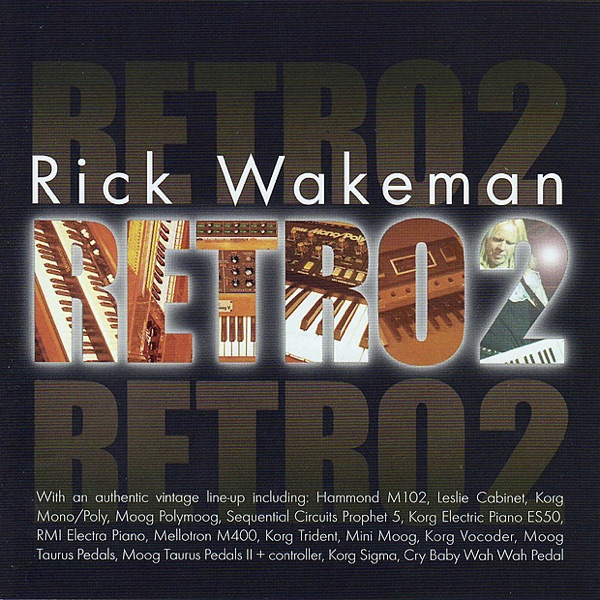
Retro 2
2007 · 10 tracks

Journey
2009 · 41 tracks
- 1 The Journey (Live At Royal Festival Hall, London/1974) ↗ 8:51
- 1 Recollection (Live At Royal Festival Hall, London/1974) ↗ 12:09
- 1 Rienzi / Chopsticks Fantasia (From "Lisztomania") ↗ 4:12
- 2 Anne Boleyn 'the Day Thou Gavest Lord Hath Ended' (Quad Version) ↗ 6:28
- 2 Merlin the Magician ↗ 8:49
- 2 Love's Dream (From "Lisztomania") ↗ 4:25
- 3 Arthur (Quad Version) ↗ 7:24
- 3 The Lost Cycle ↗ 7:03
- 3 Dante Period (From "Lisztomania") ↗ 2:06
- 4 The Prisoner ↗ 7:03
- 4 Anne of Cleves (Quad Version) ↗ 7:50
- 4 Orpheus Song (From "Lisztomania") ↗ 3:08
- 5 March of the Gladiators ↗ 4:54
- 5 Chamber of Horrors ↗ 6:37
- 5 Hell (From "Lisztomania") ↗ 1:57
- 6 Statue of Justice ↗ 6:20
- 6 Catherine Parr (Quad Version) ↗ 6:53
- 6 Hibernation ↗ 1:12
- 7 Sea Horses ↗ 3:55
- 7 Music Reincarnate: The Spaceman (BBC Live In Hammersmith/1976) ↗ 3:42
- 7 Exelsior Song (From "Lisztomania") ↗ 2:30
- 8 The Last Battle ↗ 9:40
- 8 Music Reincarnate: The Realisation (BBC Live In Hammersmith/1976) ↗ 4:37
- 8 Master Race (From "Lisztomania") ↗ 0:44
- 9 Music Reincarnate: The Prisoner (BBC Live In Hammersmith/1976) ↗ 6:59
- 9 Rape, Pillage & Clap (From "Lisztomania") ↗ 3:11
- 10 Birdman of Alcatraz ↗ 4:10
- 10 Funerailles (From "Lisztomania") ↗ 3:51
- 11 I'm So Straight I'm a Weirdo ↗ 3:46
- 11 Free Song (Instrumental) ↗ 1:59
- 12 Pedra De Gavea ↗ 4:11
- 12 Peace At Last (From "Lisztomania") ↗ 3:01
- 13 Animal Showdown (Yes We Have No Bananas) ↗ 2:40
- 13 White Rock (From "White Rock" Soundtrack) ↗ 3:12
- 14 Searching For Gold (From "White Rock" Soundtrack) ↗ 4:19
- 15 The Loser (From "White Rock" Soundtrack) ↗ 5:30
- 16 The Shoot (From "White Rock" Soundtrack) ↗ 4:00
- 17 Lax'x (From "White Rock" Soundtrack) ↗ 4:54
- 18 After the Ball (From "White Rock" Soundtrack) ↗ 3:01
- 19 Montezuma's Revenge (From "White Rock" Soundtrack) ↗ 3:56
- 20 Ice Run (From "White Rock" Soundtrack) ↗ 6:11
Journey to the Centre of the Earth
2012 · 4 tracks

Piano Portraits
2017 · 15 tracks
- 1 Help ↗ 3:56
- 2 Stairway to Heaven ↗ 6:13
- 3 Life on Mars ↗ 3:23
- 4 I'm Not in Love ↗ 3:10
- 5 Wonderous Stories ↗ 4:24
- 6 Berceuse, Op. 16 (Arr. for Piano) ↗ 4:28
- 7 Amazing Grace ↗ 3:56
- 8 Swan Lake, Op. 20 (Swan Theme Arr. for Piano) ↗ 4:29
- 9 Morning Has Broken ↗ 3:42
- 10 Summertime (Arr. for Piano from Porgy & Bess) ↗ 4:07
- 11 Space Oddity ↗ 4:47
- 12 Dance of the Damselflies ↗ 3:33
- 13 Clair de lune, L. 75 No. 3 ↗ 3:06
- 14 I Vow to Thee My Country ↗ 2:57
- 15 Eleanor Rigby ↗ 5:05

Piano Odyssey
2018 · 12 tracks
- 1 While My Guitar Gently Weeps (Arranged for Piano, Strings & Chorus by Rick Wakeman) ↗ 4:07
- 2 Liebesträume / After The Ball (Arranged for Piano, Strings & Chorus by Rick Wakeman) ↗ 5:41
- 3 And You & I (Arranged for Piano, Strings & Chorus by Rick Wakeman) ↗ 4:34
- 4 Rocky (The Legacy) ↗ 6:25
- 5 The Boxer (Arranged for Piano, Strings & Chorus by Rick Wakeman) ↗ 5:14
- 6 The Wild Eyed Boy From Freecloud (Arranged for Piano, Strings & Chorus by Rick Wakeman) ↗ 4:55
- 7 Strawberry Fields Forever (Arranged for Piano, Strings & Chorus by Rick Wakeman) ↗ 2:53
- 8 Roundabout (Arranged for Piano, Strings & Chorus by Rick Wakeman) ↗ 3:17
- 9 Cyril Wolverine ↗ 5:19
- 10 Jane Seymour ↗ 3:41
- 11 Largos (Arranged for Piano, Strings & Chorus by Rick Wakeman) ↗ 3:17
- 12 Bohemian Rhapsody (Arranged for Piano, Strings & Chorus by Rick Wakeman) ↗ 5:37

Christmas Portraits
2019 · 14 tracks
- 1 The First Noel ↗ 3:26
- 2 In The Bleak Midwinter ↗ 3:36
- 3 Deck The Halls / Away In A Manger ↗ 3:29
- 4 The Holly & The Ivy / Mary's Boy Child ↗ 3:25
- 5 Silent Night ↗ 3:30
- 6 God Rest Ye Merry Gentlemen / Angels from the Realms of Glory ↗ 3:59
- 7 O Come All Ye Faithful / Hark The Herald Angels Sing / See Amid the Winter Snow ↗ 4:19
- 8 O Little Town Of Bethlehem ↗ 4:13
- 9 I Saw Three Ships / When A Child Is Born ↗ 3:09
- 10 O Holy Night ↗ 2:59
- 11 Coventry Carol / O Come, O Come, Emmanuel ↗ 4:08
- 12 A Winter's Tale ↗ 3:41
- 13 We Three Kings ↗ 4:06
- 14 Sussex Carol / It Came Upon A Midnight Clear ↗ 3:31

A Gallery of the Imagination
2022 · 12 tracks
- 1 Hidden Depths ↗ 4:24
- 2 The Man in the Moon ↗ 5:01
- 3 A Mirage in the Clouds ↗ 5:35
- 4 The Creek ↗ 3:42
- 5 My Moonlight Dream ↗ 6:55
- 6 Only When I Cry ↗ 4:01
- 7 Cuban Carnival ↗ 4:05
- 8 Just A Memory ↗ 3:10
- 9 The Dinner Party ↗ 3:49
- 10 A Day Spent on the Pier ↗ 4:37
- 11 The Visitation ↗ 4:49
- 12 The Eyes of a Child ↗ 3:48

Yessonata
2024 · 2 tracks

-
 Piano VibrationsRick Wakeman197110 tracks
 -
 The Six Wives of Henry VIIIRick Wakeman19736 tracks
 -
 The Myths and Legends of King Arthur and the Knights of the Round TableRick Wakeman19757 tracks
 -
 No Earthly ConnectionRick Wakeman19767 tracks
 -
 RhapsodiesRick Wakeman197917 tracks
 -
 1984Rick Wakeman198112 tracks
 -
 Rock ’n’ Roll ProphetRick Wakeman198212 tracks
 -
 Cost of LivingRick Wakeman19839 tracks
 -
 Beyond the PlanetsRick Wakeman19858 tracks
 -
 Silent NightsRick Wakeman198510 tracks
 -
 Country AirsRick Wakeman198614 tracks
 -
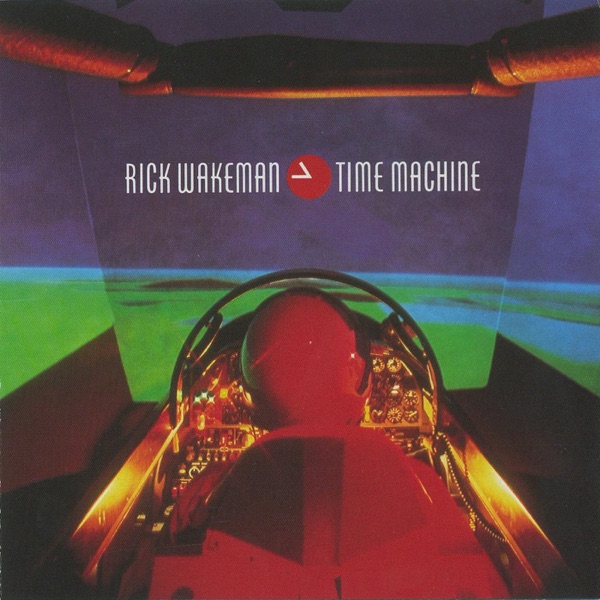
 Time MachineRick Wakeman19889 tracks
 -
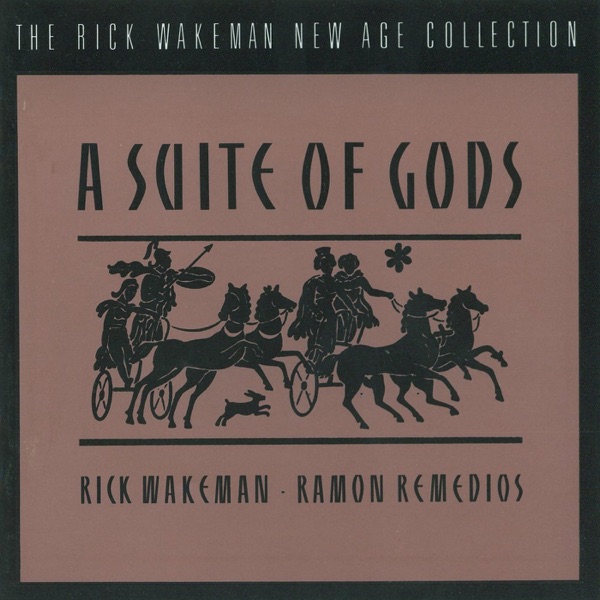
 A Suite of GodsRick Wakeman19887 tracks
 -
 Journey to the Centre of the EarthRick Wakeman19884 tracks
 -
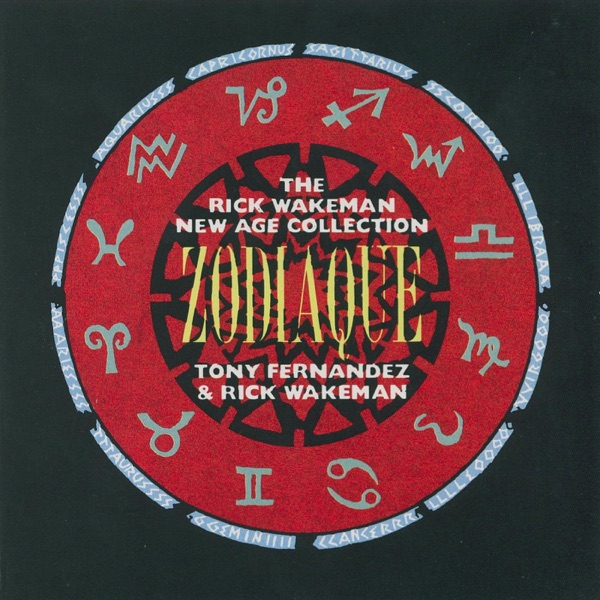
 ZodiaqueRick Wakeman198812 tracks
 -
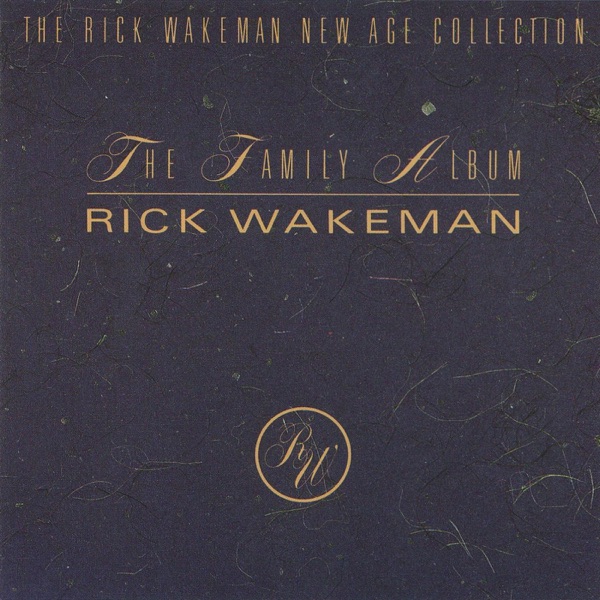
 The Family AlbumRick Wakeman198915 tracks
 -
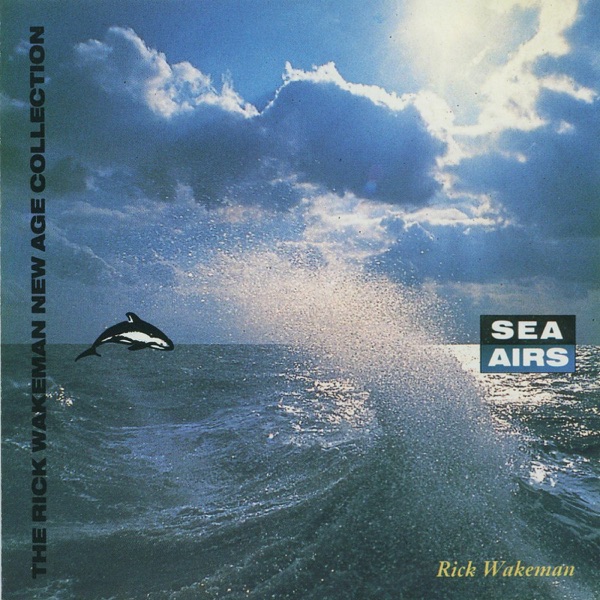
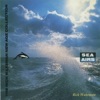 Sea AirsRick Wakeman198912 tracks
 -
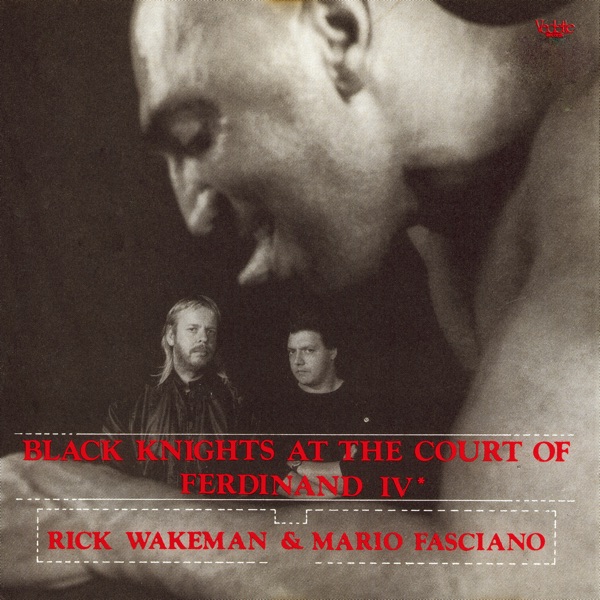
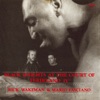 Black Knights at the Court of Ferdinand IVRick Wakeman19898 tracks
 -
 Aspirant SunriseRick Wakeman199011 tracks
 -
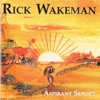 Aspirant SunsetRick Wakeman199010 tracks
 -
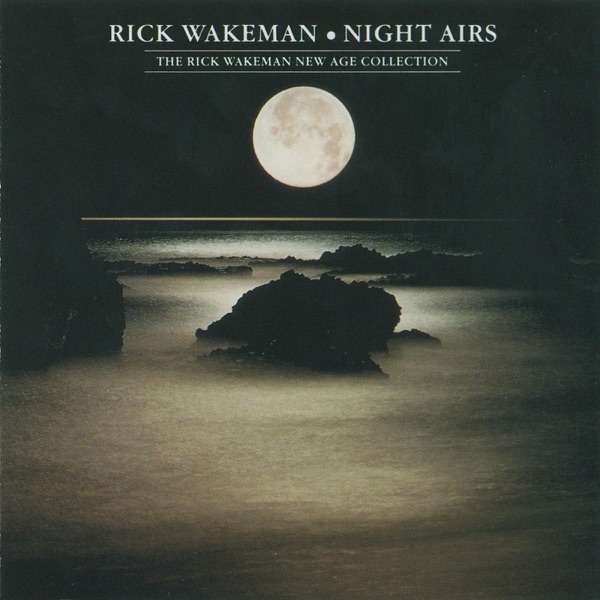
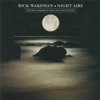 Night AirsRick Wakeman199010 tracks
 -
 African BachRick Wakeman199110 tracks
 -
 2000 A.D. Into the FutureRick Wakeman19919 tracks
 -
 Softsword: King John and the Magna CharterRick Wakeman199111 tracks
 -
 The Classical ConnectionRick Wakeman199110 tracks
 -
 Aspirant SunshadowsRick Wakeman199111 tracks
 -
 The Classical Connection 2Rick Wakeman199112 tracks
 -
 Heritage SuiteRick Wakeman199312 tracks
 -
 No Expense SparedRick Wakeman199312 tracks
 -
 PrayersRick Wakeman199312 tracks
 -
 Romance of the Victorian AgeRick Wakeman199413 tracks
 -
 Lure of the WildRick Wakeman199411 tracks
 -
 VisionsRick Wakeman199512 tracks
 -
 The Private CollectionRick Wakeman19959 tracks
 -
 The Piano AlbumRick Wakeman199513 tracks
 -
 The Seven Wonders of the WorldRick Wakeman199514 tracks
 -
 Cirque SurrealRick Wakeman199511 tracks
 -
 VignettesRick Wakeman199613 tracks
 -
 Fields of GreenRick Wakeman199610 tracks
 -
 OrisonsRick Wakeman199622 tracks
 -
 TapestriesRick Wakeman199614 tracks
 -
 The Word and MusicRick Wakeman19969 tracks
 -
 Can You Hear Me?Rick Wakeman19968 tracks
 -
 The Natural World TrilogyRick Wakeman199727 tracks
 -
 ThemesRick Wakeman199811 tracks
 -
 White Rock IIRick Wakeman19997 tracks
 -
 Art in Music TrilogyRick Wakeman199935 tracks
 -
 Return to the Centre of the EarthRick Wakeman199922 tracks
 -
 Morning Has BrokenRick Wakeman20003 tracks
 -
 Preludes to a CenturyRick Wakeman200012 tracks
 -
 Chronicles of ManRick Wakeman200013 tracks
 -
 Stella Bianca alla corte di Re FerdinandoRick Wakeman20009 tracks
 -
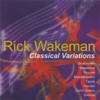 Classical VariationsRick Wakeman200110 tracks
 -
 Two Sides of YesRick Wakeman200113 tracks
 -
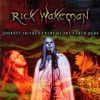 Journey to the Centre of the Earth PlusRick Wakeman20025 tracks
 - Journey to the Centre of the EarthRick Wakeman20024 tracks
-
 HummingbirdRick Wakeman200213 tracks
 -
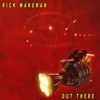 Out ThereRick Wakeman20036 tracks
 -
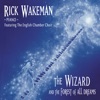 The Wizard and the Forest of all DreamsRick Wakeman20046 tracks
 -
 RetroRick Wakeman200610 tracks
 -
 Christmas VariationsRick Wakeman200610 tracks
 -
 Amazing GraceRick Wakeman200719 tracks
 -
 Retro 2Rick Wakeman200710 tracks
 -
 JourneyRick Wakeman200941 tracks
 - Journey to the Centre of the EarthRick Wakeman20124 tracks
- The Myths and Legends of King Arthur and the Knights of the Round TableRick Wakeman20167 tracks
-
 Piano PortraitsRick Wakeman201715 tracks
 -
 Piano OdysseyRick Wakeman201812 tracks
 -
 Christmas PortraitsRick Wakeman201914 tracks
 -
 The Red PlanetRick Wakeman20208 tracks
 -
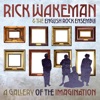 A Gallery of the ImaginationRick Wakeman202212 tracks
 -
 YessonataRick Wakeman20242 tracks
 -
 MelancholiaRick Wakeman202512 tracks
Deep Dive
Overview
Rick Wakeman is an English keyboardist and composer whose influence on progressive rock spans six decades, from his breakthrough tenure with Yes in the early 1970s to an extraordinarily prolific solo career that continues to the present day. Born in 1949, Wakeman emerged as a classically trained virtuoso who brought orchestral ambition and structural complexity to rock music, defining an entire branch of progressive rock built on concept albums, live spectacles, and the marriage of classical composition with rock instrumentation. His work with Yes and his solo output have positioned him as one of rock’s most significant keyboard players and composers.
Formation Story
Wakeman’s path to rock emerged from a deep classical music foundation. Growing up in England in the 1950s and 1960s, he absorbed both classical training at the keyboard and the rising tide of rock and roll that was reshaping popular music. Rather than pursuing a purely classical trajectory, Wakeman gravitated toward the intersection of both worlds—a sensibility that would define his career. His early professional work included session work and touring as a keyboardist before joining Yes, where his arrival in the early 1970s coincided with the band’s ascent into progressive rock’s upper echelon. From that position, he developed the confidence and platform to launch an ambitious solo career, beginning in earnest with his 1971 debut Piano Vibrations and accelerating through the decade with increasingly elaborate concept albums and live productions.
Breakthrough Moment
Wakeman’s solo breakthrough arrived decisively with The Six Wives of Henry VIII in 1973, a concept album that announced his capacity for album-length composition and orchestral arrangement without sacrificing rock’s energy or Yes’s symphonic scale. Two years later, Journey to the Centre of the Earth (1974) achieved even greater commercial success, reaching number one in the UK and establishing Wakeman as a solo artist of considerable commercial and artistic consequence. The album’s cinematic scope—combining Wakeman’s keyboard arrangements with narration and full orchestral support—created a template for his subsequent work and demonstrated that a solo rock artist could command the resources and audience attention once reserved for established bands. Following immediately was The Myths and Legends of King Arthur and the Knights of the Round Table (1975), which consolidated this breakthrough into a sustained run of critical and commercial success.
Peak Era
The years 1973 to 1975 mark Wakeman’s peak creative and commercial period, though his ambition and productivity only expanded thereafter. His first three solo albums established the conceptual and sonic vocabulary that would sustain decades of work: elaborate keyboard arrangements rooted in classical composition, rock ensemble support, and thematic coherence across entire albums. The success of these three records—each arriving within two years of its predecessor—demonstrated not only audience appetite for his vision but also his capacity to refine and expand it with each release. Beyond this initial trilogy, Wakeman continued to generate concept albums at a brisk pace: No Earthly Connection (1976), Rick Wakeman’s Criminal Record (1977), and Rhapsodies (1979) followed, each exploring fresh thematic territory while maintaining his trademark keyboard-forward arrangements and orchestral sensibilities.
Musical Style
Wakeman’s musical identity rests on his classical training married to rock’s rhythmic and ensemble structure. He is foremost a keyboard player of technical command and compositional sophistication, capable of moving fluently between the Moog synthesizer, the grand piano, and the pipe organ depending on the album’s thematic demands. His songwriting favors extended compositions, narrative arcs, and orchestral density over the three-minute single; his albums typically unfold as suites or cycles, with individual tracks functioning as movements within a larger whole. This approach—concept albums as the primary artistic unit rather than a collection of songs—placed him squarely within the progressive rock movement’s most ambitious wing. Vocally, Wakeman’s solo albums typically feature guest vocalists or narrators rather than his own voice, positioning the keyboards and composition as the primary narrative vehicle. Over his six-decade career, his sonic palette has widened considerably, encompassing not only progressive rock but also new age, ambient, Christian music, and classical variations on existing material, though the core sensibility—orchestral keyboard arrangements with rock or classical ensemble support—remains constant.
Major Albums
The Six Wives of Henry VIII (1973)
Wakeman’s debut solo concept album, structured as a suite of keyboard compositions themed around the six wives of Henry VIII, announced his arrival as a solo composer of orchestral ambition and thematic coherence.
Journey to the Centre of the Earth (1974)
Reaching number one in the UK, this album combined Wakeman’s keyboard arrangements with orchestral support and narration, creating a cinematic rock-classical hybrid that became his most commercially successful solo work.
The Myths and Legends of King Arthur and the Knights of the Round Table (1975)
Completing his early trilogy of concept albums, this work demonstrated Wakeman’s sustained command of extended composition and his ability to expand the scope of progressive rock’s instrumental and thematic ambitions.
1984 (1981)
A concept album adaptation of Orwell’s dystopian novel, showcasing Wakeman’s continued engagement with literary source material and his ability to translate narrative complexity into keyboard-driven instrumental rock.
Return to the Centre of the Earth (1999)
Released 25 years after the original, this sequel revisited Wakeman’s most successful concept album theme, demonstrating his enduring commitment to reworking and expanding earlier material.
Signature Songs
- “Catherine of Aragon” — The opening movement of The Six Wives of Henry VIII, establishing the album’s thematic and sonic template with keyboard virtuosity and orchestral arrangement.
- “Journey to the Centre of the Earth” — The title track of his UK number-one album, a sweeping keyboard-led composition that exemplifies his symphonic rock approach.
- “Merlin the Magician” — A centerpiece of The Myths and Legends of King Arthur, demonstrating Wakeman’s fluency with medieval and fantastical thematic material at the keyboard.
- “The Piper’s Dream” — A notable composition from Wakeman’s extensive catalog, highlighting his capacity for atmospheric keyboard work and thematic variation.
Influence on Rock
Wakeman’s contribution to progressive rock lies chiefly in his elevation of the keyboard from accompaniment to primary compositional voice. His orchestral ambitions and concept-album orientation influenced a generation of progressive rock composers and established that rock could accommodate—and audiences would embrace—album-length classical structures, extended instrumental passages, and thematic coherence across entire records. His work with Yes and solo demonstrated that rock’s expressive range extended into narrative complexity and symphonic scale. Beyond progressive rock, his later forays into new age, ambient, and classical variations expanded the keyboard’s territory in rock-adjacent genres, influencing musicians exploring the intersection of rock production and classical composition in subsequent decades.
Legacy
Rick Wakeman’s six-decade career and voluminous discography have secured his position as one of rock’s most prolific and influential keyboard players. His three concept albums of 1973–1975 remain touchstones of progressive rock’s ambitions, regularly revisited by both longtime listeners and new audiences exploring the genre’s classical roots. His continued activity—releasing new albums into the 2020s and regularly revisiting earlier work through remasters, live recordings, and reimagined versions—demonstrates an artist whose creative energy has not diminished with age. The breadth of his output, spanning progressive rock, classical variations, new age, and ambient music, has ensured his presence across multiple audiences and streaming platforms. Whether through his foundational work with Yes, his own spectacular and elaborate live productions, or his seemingly inexhaustible stream of studio recordings, Wakeman remains a defining figure in the intersection of classical and rock music, demonstrating that keyboard-driven progressive rock retained both artistic and commercial viability across multiple generations of rock listeners.
Fun Facts
- Wakeman released over 90 studio albums across his six-decade career, one of rock’s most prolific discographies, spanning progressive rock, classical, new age, ambient, and Christian music genres.
- Beyond his keyboard prowess, Wakeman has created multiple concept albums based on literary and historical sources, including adaptations of George Orwell’s 1984 and extensive explorations of Arthurian legend and historical figures.
- His live productions became renowned for their theatrical scale and orchestral ambition, frequently incorporating full orchestras, narrators, and visual spectacle alongside his keyboard performances, elevating the concert experience beyond conventional rock touring.
- Wakeman has recorded numerous variations and reimaginings of his own material and of other artists’ works, including symphonic versions of Pink Floyd and Beatles albums, demonstrating his enduring engagement with reinterpretation and orchestral arrangement.