

Photo by SolarScott , licensed under CC BY 2.0 · Wikimedia Commons
Rank #278
Stephen Stills
From Wikipedia
Stephen Arthur Stills is an American musician, singer, and songwriter best known for his work with Buffalo Springfield; Crosby, Stills & Nash; and Manassas. As both a solo act and member of three successful bands, Stills has combined record sales of over 35 million albums. He was ranked number 28 in Rolling Stone's 2003 list of "The 100 Greatest Guitarists of All Time" and number 47 in the 2011 list. Stills became the first person to be inducted twice on the same night into the Rock and Roll Hall of Fame.
Discography & Previews
Browse through and click an album to open and play 30-second previews streamed from Apple Music.


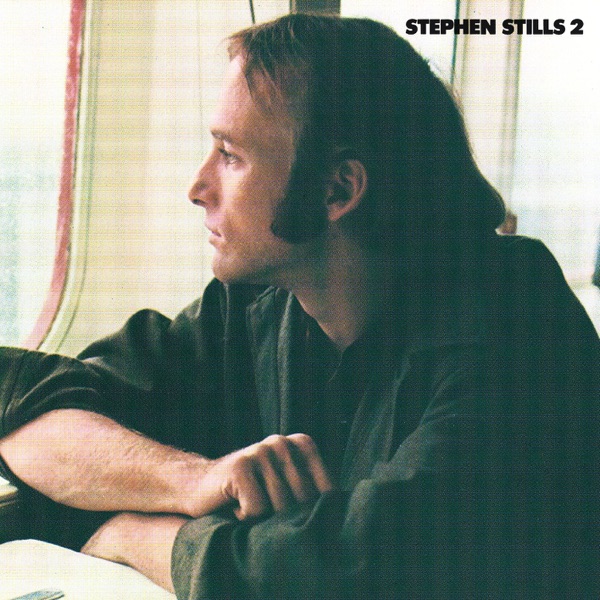
Stephen Stills 2
1971 · 12 tracks
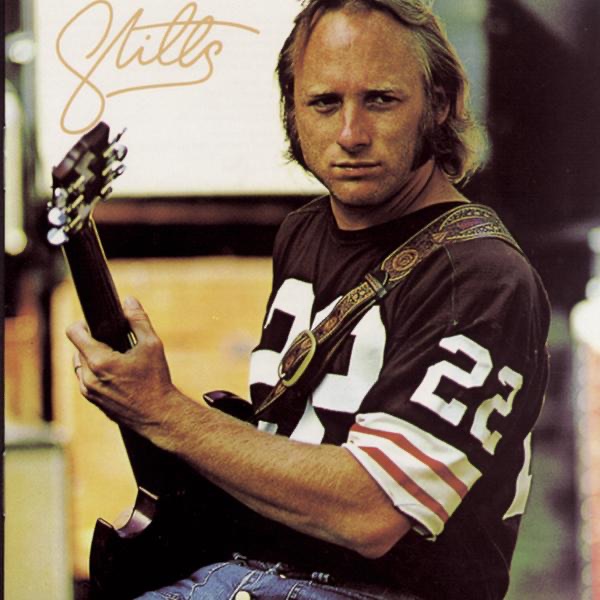
Stills
1975 · 12 tracks
- 1 Turn Back the Pages ↗ 4:04
- 2 My Favorite Changes ↗ 2:53
- 3 My Angel ↗ 2:19
- 4 In the Way ↗ 3:37
- 5 Love Story ↗ 4:14
- 6 To Mama from Christopher and the Old Man ↗ 2:15
- 7 First Things First ↗ 2:15
- 8 New Mama ↗ 2:31
- 9 As I Come of Age ↗ 2:36
- 10 Shuffle Just As Bad ↗ 2:41
- 11 Cold Cold World ↗ 4:35
- 12 Myth of Sisyphus ↗ 4:14


-
 Super SessionStephen Stills19689 tracks
 -
 Stephen StillsStephen Stills197010 tracks
 -
 Stephen Stills 2Stephen Stills197112 tracks
 -
 StillsStephen Stills197512 tracks
 -
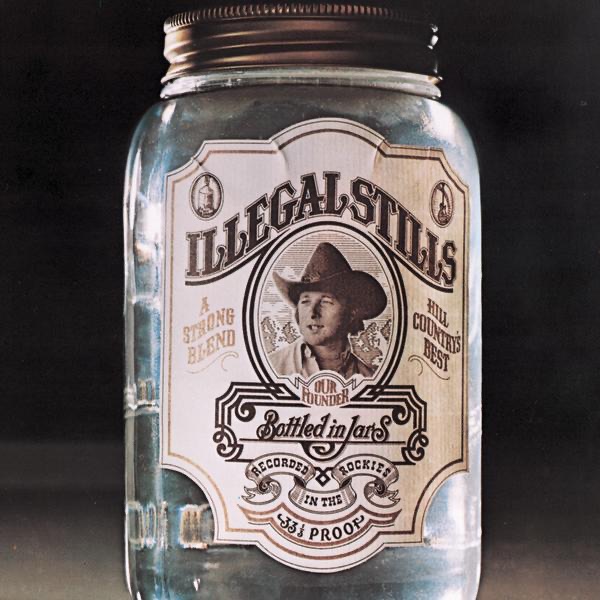
 Illegal StillsStephen Stills197610 tracks
 -
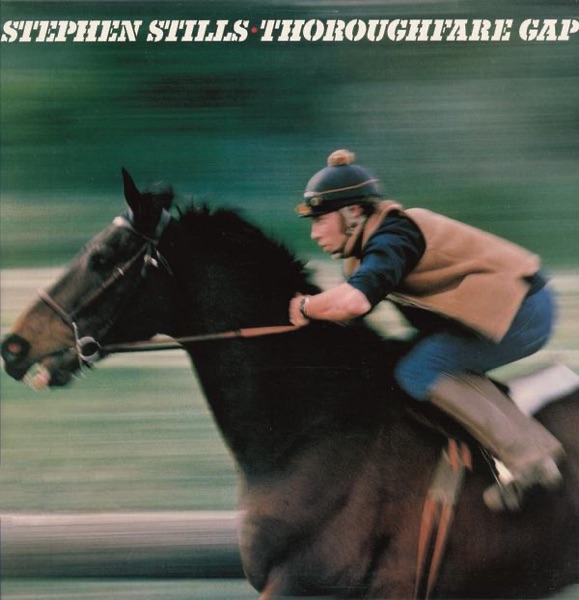
 Thoroughfare GapStephen Stills197810 tracks
 -
 Right by YouStephen Stills198410 tracks
 -
 Everybody KnowsStephen Stills201710 tracks
Deep Dive
Overview
Stephen Arthur Stills stands as one of rock music’s most prolific and technically accomplished musician-songwriters. Born in 1945, Stills became known not as a singular solo entity but as a founding architect across three landmark bands: Buffalo Springfield, Crosby, Stills & Nash, and Manassas. With combined record sales exceeding 35 million albums, Stills bridged folk-rock, country-rock, and blues-inflected rock across five decades of recording. He was ranked number 28 in Rolling Stone’s 2003 list of “The 100 Greatest Guitarists of All Time” and number 47 in the 2011 revision—a reflection of both his technical mastery and the breadth of his influence.
Stills became the first person to be inducted twice on the same night into the Rock and Roll Hall of Fame, a distinction that underscores the weight of his contributions across distinct musical chapters. His career trajectory—from late-1960s garage rock through supergroup harmony and into country-tinged rock textures—traced the genre’s own evolution during its most fertile period.
Formation Story
Stephen Stills emerged from the American rock and folk-rock scenes of the early 1960s, arriving in Los Angeles as part of the broader migration of musicians drawn to California’s expanding music industry. He found his initial creative voice in Buffalo Springfield, the groundbreaking Los Angeles-based band that fused rock and roll with folk-guitar sophistication. Buffalo Springfield planted Stills at the center of the moment when folk-rock was solidifying into a permanent part of rock’s vocabulary, and his songwriting and multi-instrumental abilities—particularly on guitar and keyboards—became central to the band’s identity.
Following Buffalo Springfield’s dissolution, Stills moved into collaboration with David Crosby and Graham Nash, forming Crosby, Stills & Nash in the late 1960s. This supergroup added harmony-driven compositions to Stills’ arsenal, creating a new template for band songwriting that emphasized vocal interplay and acoustic-electric textures. Later, his partnership with Chris Hillman in Manassas extended his range further into country-rock and Latin-influenced material, establishing him as a restless musical explorer unwilling to remain confined to a single aesthetic.
Breakthrough Moment
Stills’ initial breakthrough came through Buffalo Springfield’s radio presence and the band’s album releases in the mid-to-late 1960s, but his emergence as a recognized force in rock music crystallized with Crosby, Stills & Nash. That supergroup’s 1969 debut combined Stills’ rock muscle with Crosby’s innovative studio arrangements and Nash’s melodic sense, creating an album that became both a commercial and artistic benchmark. The band’s ability to sell millions of records and command arena audiences established Stills as more than a session player or supporting act—he was now a principal creative voice in one of rock’s most commercially successful collectives.
His solo debut, Super Session (1968), arrived during the height of late-1960s experimental rock and provided an early statement of his vision beyond group contexts. The subsequent self-titled solo album Stephen Stills (1970) arrived at a moment when his supergroup work had already made him a household name, allowing him to explore material that did not fit the Crosby, Stills & Nash framework.
Peak Era
Stills’ peak era as a recording artist and cultural force spanned the early 1970s, when his supergroup commitments coexisted with regular solo releases. The albums Stephen Stills (1970), Stephen Stills 2 (1971), and Stills (1975) represented a period of remarkable prolificacy and artistic ambition. During these years, Stills balanced the harmonic sophistication demanded by Crosby, Stills & Nash with his own blues-rock and country-rock impulses, genres that flourished in the early 1970s. His work with Manassas introduced yet another dimension, as Chris Hillman’s presence brought stringed-instrument textures and country sensibilities that pushed Stills further into genre fusion.
The mid-to-late 1970s, encompassing albums such as Illegal Stills (1976) and Thoroughfare Gap (1978), showed a musician at the height of his technical powers and recording access, even as the broader rock landscape began fragmenting into more specialized subcategories. Stills’ ability to record prolifically across multiple projects and styles made him a central figure throughout this period.
Musical Style
Stills’ musical signature is defined by his fluency across multiple instruments—particularly guitar and keyboards—and his ability to move seamlessly between hard rock, country-rock, blues, and folk-influenced idioms. His guitar work combines the articulate fingerpicking of folk tradition with the sustain and distortion of electric blues, giving his playing a textural range that distinguished him from contemporaries who specialized in a narrower palette. His vocals sit in a comfortable mid-range, capable of both intimate vocal harmony and harder-edged lead singing.
As a songwriter, Stills favored melodically direct compositions that often contained harmonic sophistication underneath their accessible surfaces. His work with Crosby, Stills & Nash refined his ability to compose vocal-harmony vehicles that balanced individual songwriting personalities within a group context. Meanwhile, his solo work and Manassas albums revealed his affinity for blues-based rock and country-rock textures that drew from American vernacular traditions. This stylistic range—never settling into a singular sound—became Stills’ defining characteristic, marking him as a musician interested in the full spectrum of rock and American roots music rather than the perfection of a single approach.
Major Albums
Stephen Stills (1970)
Stills’ second solo album (after Super Session) became his most commercially successful and artistically coherent solo statement. Featuring multi-tracked instrumentation and a cohesive vision of his musical range, the album established him as a solo artist capable of matching the commercial and creative ambitions of his group work.
Stephen Stills 2 (1971)
Following immediately on the heels of his debut, this album continued his exploration of blues-rock, country-rock, and folk-influenced compositions. The rapid output testified to Stills’ prolific nature and his eagerness to document multiple musical ideas.
Stills (1975)
This album represented Stills at a moment of creative consolidation, incorporating the influences and approaches he had developed across five years of intense recording. It marked a point of artistic maturity in his solo work.
Illegal Stills (1976)
Recorded during an era of continued creativity, Illegal Stills showcased Stills’ blues-rock sensibilities and his ongoing technical command of his instruments.
Stills Alone (1991)
Released after a relative absence from the studio, this album represented Stills returning to solo recording and demonstrated his enduring ability to craft rock compositions.
Signature Songs
- “For What It’s Worth” — Written during his Buffalo Springfield period, this became one of rock’s most recognizable protest songs, defined by its distinctive guitar riff and lyrical topicality.
- “Suite: Judy Blue Eyes” — A multi-part composition written for Crosby, Stills & Nash that showcased Stills’ sophistication as a songwriter and arranger.
- “Love the One You’re With” — A solo-era composition that became a radio staple and demonstrated Stills’ gift for memorable, direct pop-rock songwriting.
- “Southern Cross” — Co-written with Crosby and Nash, this song exemplified the harmonic sophistication and melodic accessibility that defined Crosby, Stills & Nash’s approach.
Influence on Rock
Stills’ influence on rock music flows through multiple channels. His work with Buffalo Springfield helped establish the template for folk-rock fusion that bands throughout the late 1960s would adopt and adapt. Crosby, Stills & Nash, meanwhile, created a new model for supergroup collaboration, one based on genuine songwriting parity and vocal harmony rather than the rhythm-section-plus-frontman architecture that had defined earlier supergroups. This approach influenced countless harmony-based rock and folk-rock acts that followed.
As a guitarist, Stills’ blend of folk-derived fingerpicking with blues-rock electricity influenced how subsequent generations thought about rock guitar technique. His willingness to move between genres and his demonstrated mastery across multiple instruments challenged the idea that rock musicians needed to specialize in a single style, making him a model for later multi-instrumental rock musicians who resisted categorical limits.
Legacy
Stephen Stills’ induction twice on the same night into the Rock and Roll Hall of Fame stands as a unique recognition of his dual impact as a band member and solo artist. His combined record sales exceeding 35 million units place him among rock’s most commercially successful musicians across multiple configurations. The continued streaming and radio play of his work from the late 1960s and 1970s ensures his presence in contemporary listeners’ understanding of classic rock’s foundations.
Stills’ sustained activity—including the 2005 release of Man Alive!, the archival document Just Roll Tape: April 26, 1968 (2007), and the 2017 album Everybody Knows—demonstrates an artist who remained engaged with recording and performance across decades. His technical mastery as a guitarist and his prolific songwriting output across multiple bands and solo projects established him as one of rock music’s most accomplished all-around musicians.
Fun Facts
- Stills was ranked among Rolling Stone’s 100 greatest guitarists twice, in both the 2003 and 2011 editions, reflecting the consistent regard in which his instrumental work has been held across generations.
- His ability to record simultaneously for multiple projects during the early 1970s—balancing Crosby, Stills & Nash commitments with Manassas and solo work—made him one of rock’s most active recording musicians during that period.
- Stills’ official website documents an extensive discography spanning nearly five decades of recording and touring, reflecting a career that avoided the extended hiatuses that characterized many of his rock contemporaries.