
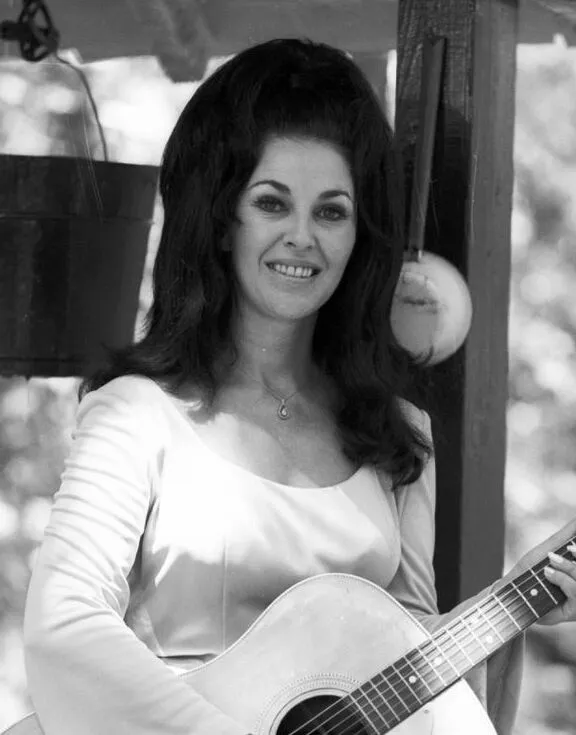
Photo by Michael Ochs Archives , licensed under Public domain · Wikimedia Commons
Rank #378
Wanda Jackson
From Wikipedia
Wanda LaVonne Jackson is an American retired singer and songwriter. Since the 1950s, she has recorded and released music in the genres of rock, country and gospel. She was among the first women to have a career in rock and roll, recording a series of 1950s singles that helped give her the nickname "The Queen of Rockabilly". She is also counted among the first female stars in the genre of country music.
Discography & Previews
Browse through and click an album to open and play 30-second previews streamed from Apple Music.
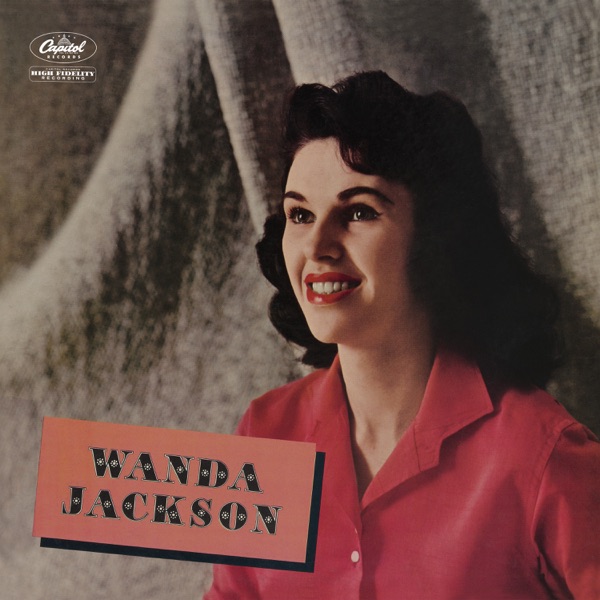
Wanda Jackson
1958 · 12 tracks
- 1 Day Dreamin' (Remastered) ↗ 3:09
- 2 I Wanna Waltz (Remastered) ↗ 2:05
- 3 Heartbreak Ahead (Remastered) ↗ 2:48
- 4 Making Believe (Remastered) ↗ 2:19
- 5 Here We Are Again (Remastered) ↗ 2:52
- 6 Long Tall Sally ↗ 2:00
- 7 Just Call Me Lonesome (Remastered) ↗ 3:09
- 8 Let Me Go, Lover! (Remastered) ↗ 2:11
- 9 Money Honey (Remastered) ↗ 2:15
- 10 I Can't Make My Dreams Understand (Remastered) ↗ 2:24
- 11 Happy, Happy Birthday (Remastered) ↗ 2:38
- 12 Let's Have A Party ↗ 2:11

There’s a Party Goin’ On
1961 · 12 tracks
- 1 There's a Party Goin' On ↗ 2:07
- 2 Lonely Week-Ends ↗ 2:23
- 3 Kansas City ↗ 2:48
- 4 Bye Bye Baby ↗ 2:11
- 5 Fallin' ↗ 2:51
- 6 Hard Headed Woman ↗ 1:59
- 7 Tongue Tied ↗ 2:23
- 8 It Doesn't Matter Anymore ↗ 2:54
- 9 Tweedlee Dee ↗ 2:44
- 10 Sparkling Brown Eyes ↗ 2:38
- 11 Lost Week-End ↗ 2:20
- 12 Man We Had a Party ↗ 2:01
There’s A Party Goin’ On
1961 · 12 tracks
- 1 There's a Party Goin' On ↗ 2:07
- 2 Lonely Week-Ends ↗ 2:23
- 3 Kansas City ↗ 2:48
- 4 Bye Bye Baby ↗ 2:11
- 5 Fallin' ↗ 2:51
- 6 Hard Headed Woman ↗ 1:59
- 7 Tongue Tied ↗ 2:23
- 8 It Doesn't Matter Anymore ↗ 2:54
- 9 Tweedlee Dee ↗ 2:44
- 10 Sparkling Brown Eyes ↗ 2:38
- 11 Lost Week-End ↗ 2:20
- 12 Man We Had a Party ↗ 2:01

Right or Wrong
1961 · 12 tracks
- 1 Right or Wrong ↗ 2:39
- 2 Why I'm Walkin' ↗ 2:34
- 3 So Soon ↗ 2:23
- 4 The Last Letter ↗ 3:02
- 5 I May Never Get to Heaven ↗ 2:36
- 6 The Window Up Above ↗ 2:51
- 7 Sticks and Stones ↗ 2:10
- 8 Stupid Cupid ↗ 2:16
- 9 Slippin' and a Slidin' ↗ 2:11
- 10 Brown Eyed Handsome Man ↗ 2:16
- 11 Who Shot Sam ↗ 2:22
- 12 My Baby Left Me ↗ 2:13

Wonderful Wanda
1962 · 12 tracks
- 1 In the Middle of a Heartache ↗ 2:37
- 2 Seven Lonely Days ↗ 2:10
- 3 If I Cried Every Time You Hurt Me ↗ 2:34
- 4 Is It Wrong ↗ 2:18
- 5 Don't Ask Me Why ↗ 2:36
- 6 Let My Love Walk In ↗ 2:18
- 7 A Little Bitty Tear ↗ 2:19
- 8 I Need You Now ↗ 2:20
- 9 I Don't Wanta Go ↗ 2:17
- 10 We Could ↗ 3:05
- 11 You Don't Know, Baby ↗ 2:50
- 12 I'd Be Ashamed ↗ 2:41

Love Me Forever
1963 · 12 tracks
- 1 Please Love Me Forever ↗ 2:32
- 2 Funny How Time Slips Away ↗ 2:48
- 3 Since I Met You Baby ↗ 2:41
- 4 Pledging My Love ↗ 2:35
- 5 The Things I Might Have Been ↗ 2:32
- 6 May You Never Be Alone ↗ 2:44
- 7 How Important Can It Be? ↗ 2:41
- 8 I May Never Get to Heaven ↗ 2:35
- 9 Little Things Mean a Lot ↗ 3:23
- 10 What Am I Living For ↗ 2:43
- 11 Empty Arms ↗ 2:23
- 12 Have You Ever Been Lonely ↗ 2:10

Two Sides of Wanda
1964 · 12 tracks
- 1 Whole Lot Of Shakin' Goin' On ↗ 2:46
- 2 Honey Don't ↗ 2:16
- 3 Yakety-Yak ↗ 2:14
- 4 Searchin' ↗ 2:54
- 5 Candy Man ↗ 2:40
- 6 Rip It Up ↗ 2:17
- 7 Making Believe ↗ 2:36
- 8 The Keeper Of The Key ↗ 3:28
- 9 Don't Let Me Cross Over ↗ 3:00
- 10 Cold, Cold Heart ↗ 2:36
- 11 Don't Worry ↗ 3:44
- 12 Please Help Me I'm Falling (In Love With You) ↗ 2:26

Blues in My Heart
1965 · 12 tracks
- 1 Blues In My Heart ↗ 2:15
- 2 Lonely Street ↗ 2:36
- 3 Midnight ↗ 2:24
- 4 Weary Blues from Waitin' ↗ 3:18
- 5 I'm Waiting Just for You ↗ 2:17
- 6 Oh, Lonesome Me ↗ 2:44
- 7 Blues Stay Away from Me ↗ 2:59
- 8 Worried Mind ↗ 2:55
- 9 Just for You ↗ 2:43
- 10 I'm So Lonesome I Could Cry ↗ 2:47
- 11 Night Life ↗ 2:17
- 12 Singin' the Blues ↗ 2:39

Reckless Love Affair
1967 · 12 tracks
- 1 Reckless Love Affair ↗ 2:44
- 2 The Box It Came In ↗ 2:25
- 3 Look Out Heart ↗ 2:18
- 4 Because It's You ↗ 2:25
- 5 What Have We Done ↗ 2:25
- 6 This Gun Don't Care ↗ 2:42
- 7 Tears Will Be the Chaser for You Wine ↗ 2:24
- 8 I Wonder If She Knows ↗ 2:51
- 9 Long As I Have You ↗ 2:21
- 10 Let Me Talk to You ↗ 2:10
- 11 My Baby's Gone ↗ 2:48
- 12 You Can't Make a Heel Toe the Mark ↗ 2:11

Cream of the Crop
1968 · 12 tracks
- 1 Little Boy Soldier ↗ 2:39
- 2 Together Again ↗ 2:27
- 3 The Hurtin's All Over ↗ 2:42
- 4 My Baby Walked Right Out On Me ↗ 2:20
- 5 Don't Touch Me ↗ 2:41
- 6 A Girl Don't Have to Drink to Have Fun ↗ 2:39
- 7 Swinging Doors ↗ 2:46
- 8 There Stands the Glass ↗ 2:42
- 9 I Talk a Pretty Story ↗ 2:36
- 10 I Betcha My Heart I Love You ↗ 2:20
- 11 No Place to Go But Home ↗ 2:25
- 12 Wishing Well ↗ 2:09

The Many Moods of Wanda Jackson
1969 · 11 tracks
- 1 I Wish I Was Your Friend ↗ 2:33
- 2 Walk Right In ↗ 2:29
- 3 Memphis, Tennessee ↗ 2:13
- 4 I'd Do It All Over Again ↗ 2:29
- 5 If I Had a Hammer (The Hammer Song) ↗ 2:40
- 6 I'm a Believer ↗ 2:44
- 7 I Started Loving You Again ↗ 2:20
- 8 Fever ↗ 3:11
- 9 Poor Ole Me ↗ 2:34
- 10 Walk On Out of My Mind ↗ 2:28
- 11 Big Daddy ↗ 2:00
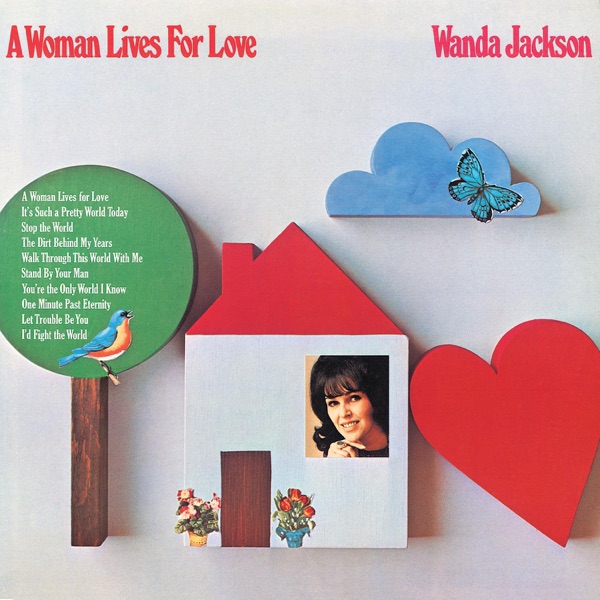
A Woman Lives for Love
1970 · 10 tracks
- 1 A Woman Lives for Love ↗ 2:48
- 2 It's Such a Pretty World Today ↗ 2:16
- 3 Stop the World ↗ 2:26
- 4 The Dirt Behind My Years ↗ 2:36
- 5 Walk Through This World With Me ↗ 2:26
- 6 Stand By Your Man ↗ 2:41
- 7 You're the Only World I Know ↗ 3:06
- 8 One Minute Past Eternity ↗ 2:32
- 9 Let Trouble Be You ↗ 2:19
- 10 I'd Fight the World ↗ 2:22

Wanda Jackson Country!
1970 · 10 tracks
- 1 My Big Iron Skillet ↗ 2:14
- 2 Everything's Leaving ↗ 2:28
- 3 Two Separate Bar Stools ↗ 2:30
- 4 You Created Me ↗ 2:14
- 5 Your Good Girl's Gonna Go Bad ↗ 2:08
- 6 Try a Little Kindness ↗ 2:18
- 7 Just Between You and Me ↗ 2:20
- 8 The Pain of It All ↗ 2:44
- 9 By the Time You Get to Phoenix ↗ 2:15
- 10 The Hunter ↗ 2:29

I’ve Gotta Sing
1971 · 10 tracks
- 1 I've Gotta Sing ↗ 2:39
- 2 Hello Darlin' ↗ 2:27
- 3 Everything Is Beautiful ↗ 3:32
- 4 Wonder Could I Live There Anymore ↗ 2:39
- 5 Bridge Over Troubled Water ↗ 3:50
- 6 Fancy Satin Pillows ↗ 2:25
- 7 Break My Mind ↗ 2:27
- 8 I'm Gonna Walk Out of Your Life ↗ 2:22
- 9 Those Were the Days ↗ 3:06
- 10 Love of the Common People ↗ 3:25

Praise the Lord
1972 · 10 tracks
- 1 The King Is Coming ↗ 3:29
- 2 My Testimony ↗ 2:20
- 3 Didn't He Shine ↗ 3:13
- 4 He Gives Us All His Love ↗ 2:39
- 5 People Gotta Be Loving ↗ 2:01
- 6 How Great Thou Art ↗ 3:13
- 7 Am I Not My Brother's Keeper ↗ 2:36
- 8 Oh Happy Day ↗ 4:08
- 9 He's the Man ↗ 2:43
- 10 Battle Hymn of the Republic (Glory, Glory, Hallelujah) ↗ 3:09

Country Keepsakes
1973 · 10 tracks
- 1 Ruben James ↗ 2:58
- 2 A Wound Time Can't Erase ↗ 3:04
- 3 Roll With the Tide ↗ 2:49
- 4 You Took Him Off My Hands (Now Take Him Off My Mind) ↗ 3:10
- 5 I Don't Believe I'll Fall In Love Today ↗ 2:43
- 6 Tennessee Women's Prison ↗ 3:05
- 7 I Don't Know How to Tell Him ↗ 2:52
- 8 Your Memory Comes and Gets Me ↗ 2:46
- 9 Pass Me By (If You're Only Passing Through) ↗ 2:33
- 10 He Is My Everything ↗ 2:51

Country Gospel
1973 · 11 tracks

Now I Have Everything
1975 · 12 tracks
- 1 Don't Ever Let Go of My Hand ↗ 2:36
- 2 Let This Be My Attitude ↗ 2:59
- 3 Heaven's Gonna Be a Blast ↗ 2:18
- 4 When the Saints Go Marchin' In ↗ 3:45
- 5 Oh, How I Love Jesus ↗ 1:49
- 6 Jesus Put a Yodel in My Soul ↗ 2:05
- 7 Now I Have Everything ↗ 2:33
- 8 Pick Me up, Lord ↗ 2:17
- 9 Jesus, I Love You ↗ 2:24
- 10 Some Call Him Jesus ↗ 2:27
- 11 Let's Just Praise the Lord ↗ 2:10
- 12 Pass Me Not, O Gentle Saviour ↗ 2:44

Closer to Jesus
1977 · 10 tracks
- 1 Where I'm Going ↗ 3:14
- 2 The World Didn't Give It to Me ↗ 3:02
- 3 The Carpenter's Son ↗ 3:22
- 4 Grandma Sang off Key ↗ 2:50
- 5 He Was There All the Time ↗ 3:25
- 6 Closer to Jesus ↗ 3:20
- 7 Learning to Lean ↗ 3:54
- 8 The Gaither Praise Medley ↗ 2:31
- 9 Walkin' in the Spirit ↗ 2:29
- 10 He's Been Through It Too ↗ 3:43

Let’s Have a Party
1988 · 2 tracks
Let's Have a Party
1993 · 2 tracks
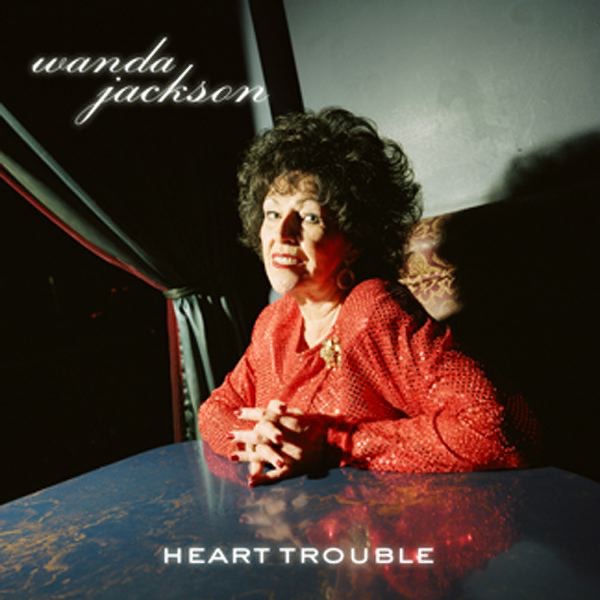
Heart Trouble
2003 · 16 tracks
- 1 Heart Trouble ↗ 3:12
- 2 Cash On the Barrelhead ↗ 3:29
- 3 Funnel of Love (feat. The Cramps) ↗ 2:33
- 4 Woman Walk Out the Door (feat. Lee Rocker & Rosie Flores) ↗ 3:36
- 5 Crying Time (feat. Elvis Costello) ↗ 3:02
- 6 Mean Mean Man ↗ 2:04
- 7 It Happens Every Time (feat. Dave Alvin) ↗ 2:51
- 8 Riot In Cellblock #9 (feat. The Cramps) ↗ 2:57
- 9 Anytime You Wanna Fool Around ↗ 3:34
- 10 Hard Headed Woman (feat. The Cadillac Angels) ↗ 2:28
- 11 Lonely for You ↗ 2:16
- 12 What Gives You the Right (To Do Me Wrong) ↗ 2:50
- 13 Rockabilly Fever (feat. Dave Alvin) ↗ 3:59
- 14 It'll Be Me (feat. Dave Alvin) ↗ 2:47
- 15 Walk With Me ↗ 3:44
- 16 Let's Have a Party ↗ 2:15

I Remember Elvis
2006 · 16 tracks
- 1 Wanda Jackson's Introduction ↗ 0:20
- 2 Good Rockin' Tonight ↗ 2:55
- 3 Blue Moon of Kentucky ↗ 2:16
- 4 Heartbreak Hotel ↗ 2:33
- 5 I Don't Care If the Sun Don't Shine ↗ 2:52
- 6 Trying to Get to You ↗ 2:43
- 7 Baby, Let's Play House ↗ 2:41
- 8 Give Me the Right ↗ 3:19
- 9 You're Right, I'm Left, He's Gone ↗ 3:13
- 10 Mystery Train ↗ 3:56
- 11 Ain't That Loving You Baby ↗ 2:54
- 12 I Forgot to Remember to Forget Him ↗ 2:54
- 13 I Wore Elvis' Ring ↗ 3:18
- 14 Too Much ↗ 3:03
- 15 Love Me Tender ↗ 3:12
- 16 Wanda Jackson Remembers Elvis ↗ 5:50

Rockabilly Queen
2011 · 12 tracks
- 1 Let's Have a Party (Rerecorded) ↗ 2:17
- 2 Oh, Boy! ↗ 2:09
- 3 Stupid Cupid ↗ 2:19
- 4 Breathless ↗ 3:00
- 5 Raining in My Heart ↗ 2:51
- 6 Sweet Nothin's ↗ 2:26
- 7 What in the World's Come over You ↗ 2:42
- 8 It's Only Make Believe ↗ 2:17
- 9 Rave On ↗ 1:55
- 10 Tryin' to Get to You ↗ 2:17
- 11 Love's Gonna Do It ↗ 2:28
- 12 Go for It ↗ 3:30

The Party Ain’t Over
2011 · 11 tracks

Unfinished Business
2012 · 10 tracks

Encore
2021 · 8 tracks
- 1 Big Baby ↗ 3:02
- 2 Two Shots (feat. Elle King & Joan Jett) ↗ 2:51
- 3 You Drive Me Wild ↗ 3:37
- 4 Good Girl Down (feat. Angaleena Presley & Candi Carpenter) ↗ 3:15
- 5 It Keeps Right On A Hurtin’ ↗ 2:56
- 6 We Gotta Stop ↗ 2:59
- 7 Treat Me Like A Lady (feat. Joan Jett) ↗ 2:35
- 8 That’s What Love Is (feat. Joan Jett) ↗ 3:32
-
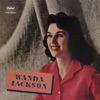 Wanda JacksonWanda Jackson195812 tracks
 -
 There’s a Party Goin’ OnWanda Jackson196112 tracks
 - There’s A Party Goin’ OnWanda Jackson196112 tracks
-
 Right or WrongWanda Jackson196112 tracks
 -
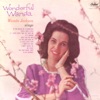 Wonderful WandaWanda Jackson196212 tracks
 -
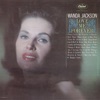 Love Me ForeverWanda Jackson196312 tracks
 -
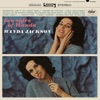 Two Sides of WandaWanda Jackson196412 tracks
 -
 Blues in My HeartWanda Jackson196512 tracks
 -
 Reckless Love AffairWanda Jackson196712 tracks
 -
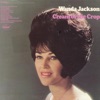 Cream of the CropWanda Jackson196812 tracks
 -
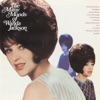 The Many Moods of Wanda JacksonWanda Jackson196911 tracks
 -
 A Woman Lives for LoveWanda Jackson197010 tracks
 -
 Wanda Jackson Country!Wanda Jackson197010 tracks
 -
 I’ve Gotta SingWanda Jackson197110 tracks
 -
 Praise the LordWanda Jackson197210 tracks
 -
 Country KeepsakesWanda Jackson197310 tracks
 -
 Country GospelWanda Jackson197311 tracks
 -
 Now I Have EverythingWanda Jackson197512 tracks
 -
 Closer to JesusWanda Jackson197710 tracks
 -
 Let’s Have a PartyWanda Jackson19882 tracks
 - Let's Have a PartyWanda Jackson19932 tracks
-
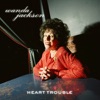 Heart TroubleWanda Jackson200316 tracks
 -
 I Remember ElvisWanda Jackson200616 tracks
 -
 Rockabilly QueenWanda Jackson201112 tracks
 -
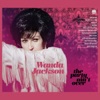 The Party Ain’t OverWanda Jackson201111 tracks
 -
 Unfinished BusinessWanda Jackson201210 tracks
 -
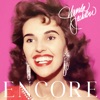 EncoreWanda Jackson20218 tracks
Deep Dive
Overview
Wanda Jackson stands as one of the earliest and most prolific female voices in rock and roll history. Born in 1937, Jackson emerged in the 1950s as a recording artist at a time when the genre was almost entirely male-dominated. Her ability to command a rockabilly sound with authority and versatility earned her the enduring title “The Queen of Rockabilly”—a distinction that reflects both her technical prowess as a vocalist and her historical significance as a woman who carved out a substantial career in a field that had few female contemporaries.
Jackson’s seven-decade recording career—spanning from the 1950s into the 2020s—demonstrates uncommon longevity and artistic range. She moved fluidly across rockabilly, country, gospel, and folk idioms, recording for multiple major labels including Decca, Capitol, and later Third Man Records. Her ability to reinvent and sustain her work across shifting commercial and cultural landscapes makes her a crucial figure in understanding how female artists navigated and shaped post-war American popular music.
Formation Story
Wanda LaVonne Jackson was born in 1937 and came of age as a musician during the birth of rock and roll. She began her recording career in the mid-1950s, a period when the genre was still consolidating its sound and identity. Unlike many of her male contemporaries who emerged from blues or country traditions, Jackson approached rockabilly with a trained vocalist’s versatility, capable of delivering both the energy of uptempo rockers and the emotional depth of slower ballads.
Her entry into professional recording came at a pivotal moment in popular music. The mid-1950s saw the commercial explosion of rock and roll following Elvis Presley’s success, yet the genre remained a largely male preserve. Jackson’s presence on record and in performance venues challenged that dynamic from within, establishing herself not as a novelty act or a female imitator of male stars, but as an artist with her own command of the rockabilly idiom. Her early recordings for Decca in 1958 marked her formal studio debut, setting the stage for a recording career that would ultimately encompass more than sixty albums across multiple decades.
Breakthrough Moment
Jackson’s initial recordings in 1958 introduced her voice to audiences as a rockabilly performer with genuine stylistic authority. The album Wanda Jackson established her presence in the marketplace and began the process of building her reputation as a serious contender in rock and roll. However, her breakthrough into broader recognition came through the sheer consistency and volume of her output in the early 1960s.
Between 1961 and 1962, Jackson released a rapid succession of albums—There’s a Party Goin’ On (1961), Right or Wrong (1961), Lovin’ Country Style (1962), and Wonderful Wanda (1962)—that demonstrated her range across uptempo rockabilly, country-inflected ballads, and emotionally direct vocal delivery. This prolific period established her as a working artist capable of sustaining a recording contract and building a catalog. The sheer number of these early releases reflects the music industry’s confidence in her commercial viability and her own commitment to the craft of recording and performing.
Peak Era
The 1960s represented Jackson’s most artistically expansive and commercially active period. Albums such as Love Me Forever (1963), Two Sides of Wanda (1964), and Blues in My Heart (1965) showcased her willingness to explore different emotional registers and musical contexts. Two Sides of Wanda in particular exemplified her ability to navigate multiple genres—capturing both her rockabilly roots and her growing interest in country and soul-inflected material.
By the late 1960s and early 1970s, Jackson’s recording output became increasingly diverse in content, though not in commitment. Albums such as The Many Moods of Wanda Jackson (1969), A Woman Lives for Love (1970), and I’ve Gotta Sing (1971) reflected her evolving artistic priorities, which came to include gospel music and inspirational material alongside her earlier rockabilly and country recordings. This period saw her move between secular and sacred material without apparent tension, suggesting that she viewed her career not as a single trajectory but as a sustained engagement with multiple forms of emotional and spiritual expression through song.
Musical Style
Jackson’s voice carried a distinctive clarity and control that set her apart from many of her rockabilly contemporaries. She possessed the ability to deliver uptempo rockabilly numbers with genuine rhythmic authority while also accessing the emotional vulnerability required for ballad singing. Her tone was neither aggressively powerful nor delicate; instead, it was direct and communicative, prioritizing clarity and emotional directness over vocal virtuosity or technical display.
Her recorded output across the 1950s through 1970s traced the evolution of American popular music itself. She worked within rockabilly’s core sound—driving rhythm sections, guitar-forward arrangements, and the genre’s characteristic blend of country instrumentation with rock and roll energy—but she also embraced country music’s narrative traditions and gospel’s emotional depth as her career progressed. This stylistic flexibility reflected both her own artistic curiosity and the changing commercial landscape of American popular music. By the 1970s, her embrace of gospel material represented a shift in her creative priorities rather than a departure from her core identity as a vocalist.
Major Albums
Wanda Jackson (1958)
Her debut album established her voice and approach to rockabilly, introducing audiences to her ability to command the genre with vocal clarity and emotional directness.
Right or Wrong (1961)
This album showcased Jackson’s range across the early 1960s rockabilly sound and helped consolidate her reputation during her most commercially active period.
Two Sides of Wanda (1964)
The album’s title captured Jackson’s dual competency in rockabilly and country material, demonstrating her ability to move between genres without losing artistic coherence.
Blues in My Heart (1965)
This recording expanded her palette to include soul and blues influences while maintaining her core identity as a rockabilly-rooted vocalist.
I’ve Gotta Sing (1971)
An album capturing her continued vitality as a performer and her deepening engagement with spiritually and emotionally resonant material.
Rock ‘n’ Roll Away Your Blues (1986)
A late-career recording that revisited her rockabilly roots, suggesting her ongoing connection to the genre that defined her early career and enduring legacy.
Signature Songs
- “Let’s Have a Party”—A rockabilly standard that became her calling card, recorded multiple times across her career, most notably in 1993 and appearing on compilations through the 2010s.
- “I Remember Elvis”—A later recording from 2006 that reflected her historical position within rock and roll and her connection to the genre’s founding figures.
- “Rockabilly Queen”—The title track from her 2011 album Rockabilly Queen, affirming the nickname that had defined her public identity for more than fifty years.
- “Unfinished Business”—The title track of her 2012 album, representing her continued recording activity into her eighth decade.
Influence on Rock
Jackson’s significance lies partly in what she accomplished as a female artist in a male-dominated genre, but more fundamentally in how she accomplished it—through consistent, professional work rather than novelty appeal or manufactured spectacle. Her presence in recording studios and touring circuits throughout the 1950s and 1960s established that women could be serious practitioners of rock and roll and rockabilly, capable of both commercial success and artistic development.
Her willingness to move between genres—rockabilly, country, gospel, folk—without losing her artistic identity suggested a model of musical professionalism that transcended narrow genre boundaries. Later female artists in rock and country benefited from the path Jackson had already walked, a path that established her as both a performer and a recording artist rather than a one-dimensional category.
Legacy
Wanda Jackson’s career extends from the birth of rock and roll through the early twenty-first century, making her a living link to the genre’s origins. Her work with Third Man Records, beginning in the 2000s, introduced her music to contemporary audiences and reflected the continued relevance of her catalogue. Albums such as I Remember Elvis (2006), Rockabilly Queen (2011), and Unfinished Business (2012) demonstrated her ongoing creative engagement and her willingness to continue recording even as she entered her eighth decade.
Her retirement from regular performance and recording did not diminish her historical importance. Jackson remains counted among the first women to sustain a career in rock music and rockabilly, a pioneer whose accomplishments were grounded in artistic skill and professional commitment rather than novelty or marketing. Compilations such as Let’s Have A Party - The Very Best Of Wanda Jackson (2011) and her final studio recording Encore (2021) affirmed her place in rock history as a figure whose career spanned the genre’s entire evolution.
Fun Facts
- Jackson recorded versions of “Let’s Have a Party” multiple times across her career, including notable releases in 1993 and compilations in the 2010s, making it her most revisited composition.
- Her career spanned more than sixty studio albums across seven decades, from her 1958 debut through her 2021 final studio recording Encore, an exceptionally long recording tenure.
- Jackson worked with major American record labels including Decca, Capitol Records, and later Third Man Records, reflecting her sustained professional status across different eras of the music industry.
- Her nickname “The Queen of Rockabilly” was earned through her consistent recordings and performances in the 1950s and 1960s, a title that remained attached to her identity throughout her career and beyond.