
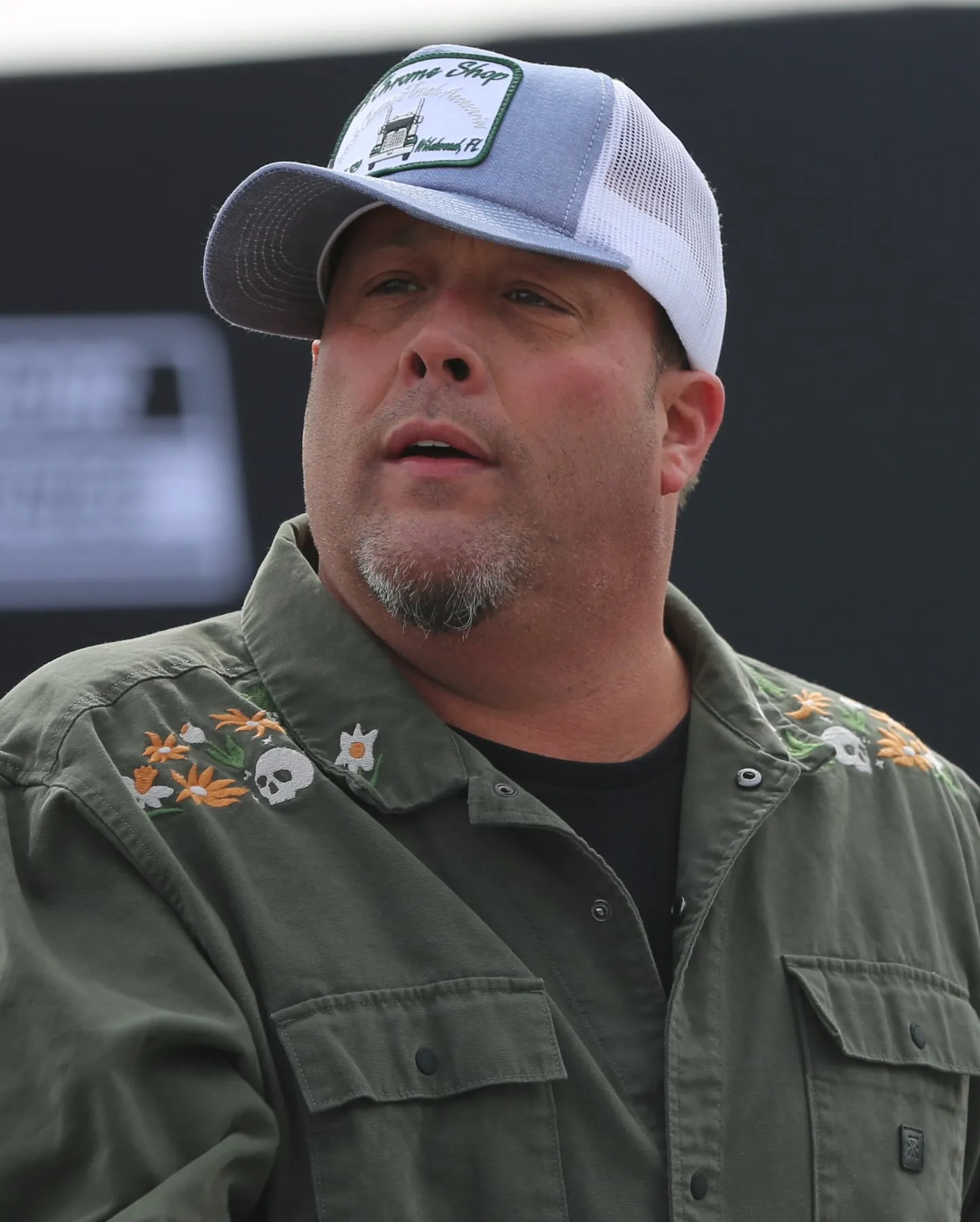
Photo by TaurusEmerald , licensed under CC BY-SA 4.0 · Wikimedia Commons
Rank #437
Uncle Kracker
From Wikipedia
Matthew Shafer, also known by his stage name Uncle Kracker, is an American singer and musician. He came to prominence in the 1990s as a turntablist for Kid Rock's backing group Twisted Brown Trucker and launched a solo career in 1999. He is best known for his singles "Follow Me", "Drift Away", and "Smile" – all of which peaked within the top 40 of the Billboard Hot 100.
Discography & Previews
Browse through and click an album to open and play 30-second previews streamed from Apple Music.
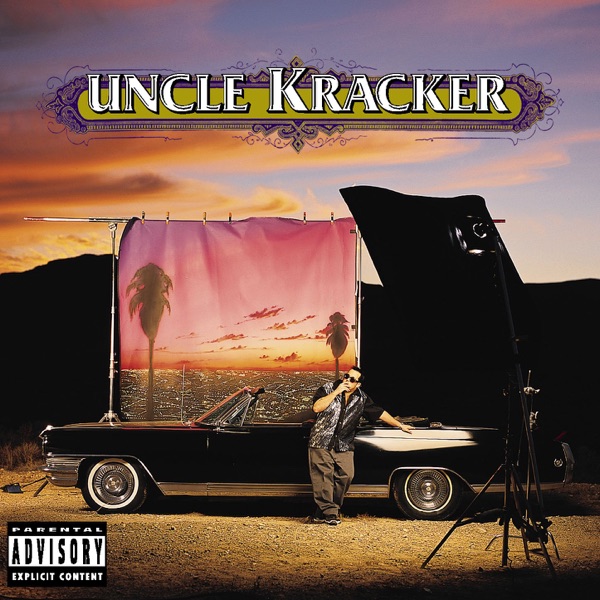
Double Wide
2000 · 11 tracks
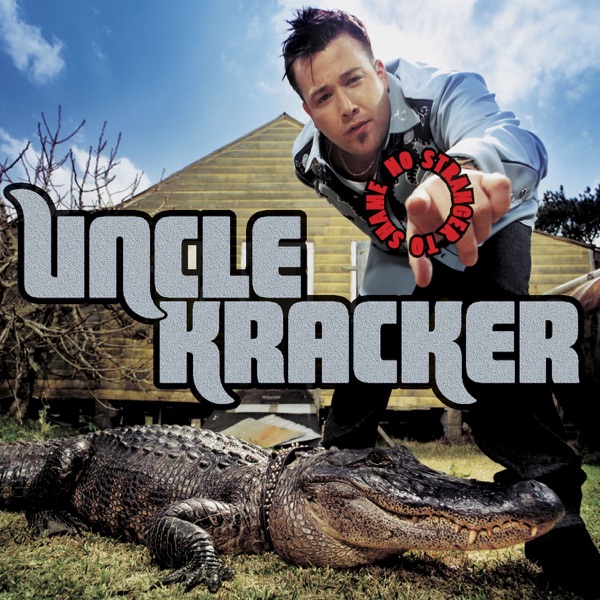
No Stranger to Shame
2002 · 12 tracks
- 1 Keep It Comin' ↗ 3:22
- 2 Thunderhead Hawkins ↗ 3:47
- 3 In a Little While ↗ 4:10
- 4 I Wish I Had a Dollar ↗ 4:04
- 5 Drift Away ↗ 4:16
- 6 Baby Don't Cry ↗ 4:26
- 7 I Do ↗ 3:11
- 8 Memphis Soul Song ↗ 3:58
- 9 I Don't Know ↗ 3:57
- 10 To Think I Used to Love You ↗ 3:29
- 11 Letter to My Daughters ↗ 3:08
- 12 No Stranger to Shame ↗ 3:40

Seventy Two & Sunny
2004 · 13 tracks
- 1 This Time ↗ 3:42
- 2 Rescue ↗ 4:04
- 3 Further Down the Road ↗ 4:23
- 4 Don't Know How (Not to Love You) ↗ 4:10
- 5 What Do We Want? ↗ 3:35
- 6 Writing It Down ↗ 4:38
- 7 A Place at My Table ↗ 4:16
- 8 Some Things You Can't Take Back ↗ 4:12
- 9 Blues Man ↗ 3:20
- 10 Songs About Me, Songs About You ↗ 3:34
- 11 Please Come Home ↗ 3:59
- 12 You're Not Free ↗ 3:31
- 13 Last Night Again (feat. Kenny Chesney & Bret Michaels) ↗ 2:56

Happy Hour
2009 · 12 tracks

Midnight Special
2012 · 11 tracks
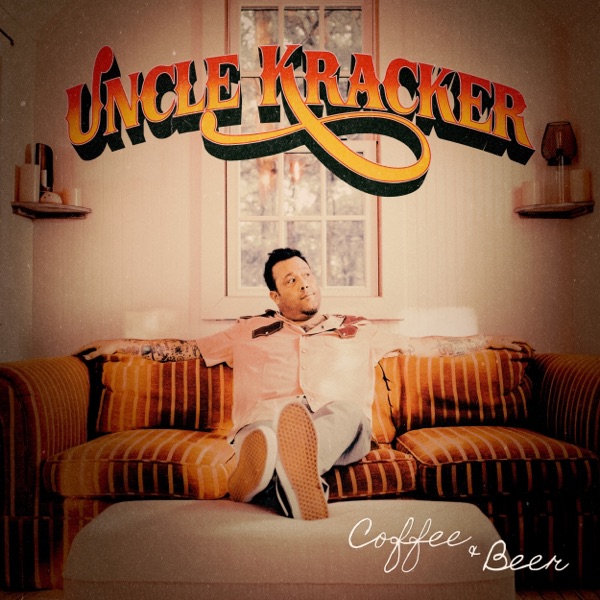
Coffee & Beer
2024 · 13 tracks
- 1 High On My Horse ↗ 2:24
- 2 Coffee & Beer ↗ 4:55
- 3 Reason To Drink ↗ 3:26
- 4 Life Goes On ↗ 3:20
- 5 Just Like That ↗ 2:42
- 6 Cruising Altitude ↗ 3:24
- 7 Beach Chair ↗ 3:38
- 8 Get Back Home ↗ 3:39
- 9 Lonely Lets You Down ↗ 3:12
- 10 You Should've Love Me ↗ 3:11
- 11 Rockabye ↗ 3:03
- 12 Sweet 16 ↗ 3:22
- 13 Mark On Me ↗ 4:09
-
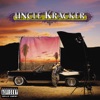 Double WideUncle Kracker200011 tracks
 -
 No Stranger to ShameUncle Kracker200212 tracks
 -
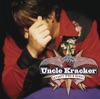 Seventy Two & SunnyUncle Kracker200413 tracks
 -
 Happy HourUncle Kracker200912 tracks
 -
 Midnight SpecialUncle Kracker201211 tracks
 -
 Coffee & BeerUncle Kracker202413 tracks
Deep Dive
Overview
Uncle Kracker is an American singer and musician who emerged as a solo artist in 1999 after establishing himself as a turntablist in Kid Rock’s backing group Twisted Brown Trucker. Born Matthew Shafer in 1974, he would become one of the defining voices of early-2000s country-rock crossover, scoring three major Billboard Hot 100 hits and sustaining a recording career across multiple decades. His work spans rock and country idioms with accessibility that positioned him at the intersection of radio-friendly rock and mainstream country.
Formation Story
Matthew Shafer grew up in the American rock and country landscape of the 1970s and 1980s, coming of age during an era when regional rock acts and touring musicians shaped local scenes. Rather than forming a traditional band, Shafer found his entry into prominence through the emerging hip-hop and turntable culture of the 1990s, working as a DJ and turntablist. His breakthrough came as part of Kid Rock’s Twisted Brown Trucker, a backing collective that supported Rock’s albums and live shows. This role—handling turntables and production elements rather than playing conventional instruments—positioned Shafer within a crew-based musical ecosystem before he would strike out as a solo artist in 1999, launching what would become a sustained commercial career in rock and country music.
Breakthrough Moment
Shafer’s solo debut, Double Wide, arrived in 2000 on Atlantic Records and immediately established him as a crossover force. The album spawned “Follow Me,” a laid-back, radio-friendly rock song that climbed into the top 40 of the Billboard Hot 100 and became his signature single. The success of Double Wide and its lead track proved that Shafer’s transition from turntablist to frontman was commercially viable, and it set the template for his approach: country-inflected rock melodies, accessible production, and hooks designed for broad radio play.
Peak Era
The period spanning 2000 to 2004 represented Uncle Kracker’s greatest commercial and cultural visibility. Following the breakthrough of Double Wide, his 2002 album No Stranger to Shame continued to establish his presence on rock radio, while Seventy Two & Sunny (2004) reinforced his status as a consistent hitmaker. During this window, “Drift Away”—a cover of the 1973 Mentor Williams–Dobie Gray composition—became another major hit, reaching the top 40 and extending his profile beyond the original audience for Double Wide. These four years saw Uncle Kracker transition from unexpected solo success to an established touring and recording artist with significant radio presence.
Musical Style
Uncle Kracker’s sound blends country-music songwriting sensibilities with accessible rock production and a conversational vocal delivery. His work draws on the laid-back, groove-oriented approach that characterized much of Kid Rock’s output, favoring rhythm and pocket over virtuosic display. The turntablist background that first brought him to prominence rarely appears in his solo recordings; instead, his songs rely on guitar-based arrangements, straightforward song structures, and hooks pitched for maximum accessibility. His vocal tone is warm but unembellished, more concerned with communicating a lyrical idea directly than with technical showcase. Lyrically, his songs tend toward observational storytelling and accessible emotional terrain—breakup songs, love songs, and reflections on living—rather than dense narrative or abstract imagery. The production across his albums favors clarity and radio-readiness over sonic experimentation, grounding his work firmly in the country-rock and rock radio mainstream.
Major Albums
Double Wide (2000)
Shafer’s debut introduced “Follow Me” and established the template for his commercial approach: country-rock crossover with radio-friendly production and accessible melodic hooks that would define his early solo period.
No Stranger to Shame (2002)
This follow-up sustained his momentum in the early 2000s, keeping Uncle Kracker visible on rock and country radio during a period when crossover acts were gaining significant market share.
Seventy Two & Sunny (2004)
Released at the peak of his radio presence, this album represented the end of his most commercially intensive period and continued his string of chart-placed singles.
Happy Hour (2009)
Five years after Seventy Two & Sunny, Uncle Kracker returned to recording, demonstrating his ability to maintain a career beyond initial breakthrough success and the early-2000s peak.
Signature Songs
- “Follow Me” — The breakout single from Double Wide that established Uncle Kracker’s mainstream identity and peaked in the top 40 of the Billboard Hot 100.
- “Drift Away” — A cover of the 1973 classic that became his second major hit and extended his commercial reach into country radio.
- “Smile” — Another top-40 Billboard Hot 100 entry that reinforced his status as a hitmaker with broad commercial appeal.
Influence on Rock
Uncle Kracker’s career reflected and reinforced the early-2000s crossover moment when rock radio and country radio increasingly shared artists and production sensibilities. His success as a turntablist-turned-singer demonstrated that unconventional entry routes into rock music could be commercially viable, and his radio hits helped normalize the country-rock blend that was becoming mainstream during that era. While not typically credited as a pioneering influence on subsequent artists, his presence in rock radio established a template for accessible, groove-oriented rock aimed at adult contemporary and country audiences—a market niche that remained lucrative well into the 2010s.
Legacy
Uncle Kracker has sustained a recording and touring career from 1999 into the present, releasing Midnight Special in 2012 and returning to the studio with Coffee & Beer in 2024—a span of nearly a quarter-century. His three major Billboard Hot 100 hits, particularly “Follow Me” and “Drift Away,” remain staples of 2000s rock and country radio playlists and streaming catalogs. Though he never achieved the critical prestige or cultural dominance of artists who dominated rock radio during the same era, his commercial consistency and longevity reflect the staying power of accessible country-rock crossover. His presence on Atlantic Records’ roster and his continued touring schedule demonstrate the enduring audience for his particular blend of melodic rock and country sensibilities.
Fun Facts
- Matthew Shafer adopted the stage name “Uncle Kracker” early in his career, distinctly branding himself apart from his turntablist background with Kid Rock.
- His cover of “Drift Away,” which became a career-defining hit, was originally recorded by Dobie Gray in 1973, giving Uncle Kracker’s version a four-decade gap between the original and his successful rendition.
- Uncle Kracker’s 2024 album Coffee & Beer marks his return to recording after a twelve-year gap from Midnight Special, indicating a resurgence of creative activity later in his career.