
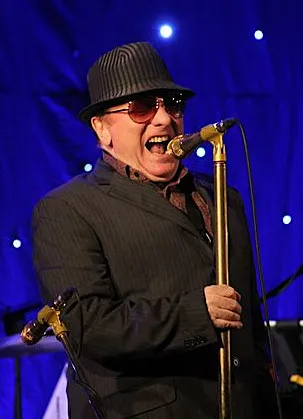
Photo by ArtSiegel , licensed under CC BY-SA 4.0 · Wikimedia Commons
Rank #7
Van Morrison
From Wikipedia
Sir George Ivan "Van" Morrison is a Northern Irish musician, singer, and songwriter whose recording career started in the 1960s. Morrison's albums have performed well in the UK and Ireland, with more than 40 reaching the UK Top 40, as well as internationally, including in Germany, the Netherlands and Switzerland.
Discography & Previews
Browse through and click an album to open and play 30-second previews streamed from Apple Music.


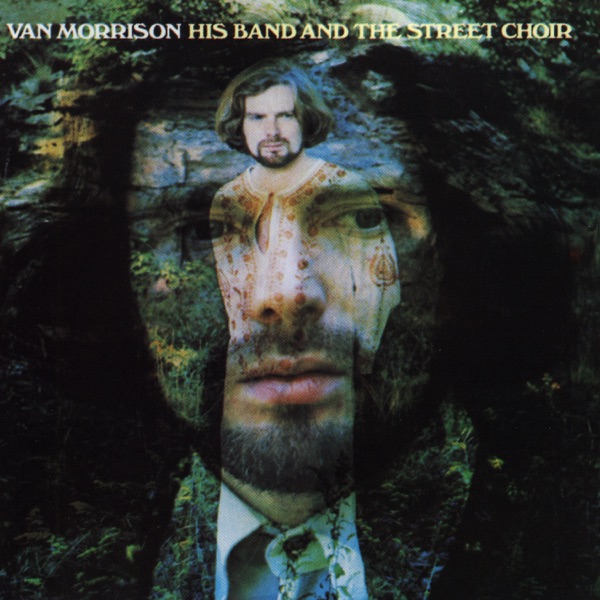
His Band and the Street Choir
1970 · 12 tracks


Veedon Fleece
1974 · 12 tracks
- 1 Fair Play ↗ 6:15
- 2 Linden Arden Stole the Highlights ↗ 2:37
- 3 Who Was That Masked Man ↗ 2:55
- 4 Streets of Arklow ↗ 4:23
- 5 You Don't Pull No Punches, But You Don't Push the River ↗ 8:50
- 6 Bulbs ↗ 4:19
- 7 Cul De Sac ↗ 5:51
- 8 Comfort You ↗ 4:25
- 9 Come Here My Love ↗ 2:21
- 10 Country Fair ↗ 5:51
- 11 Twilight Zone (Alternative Take) ↗ 5:51
- 12 Cul De Sac (Alternative Take) ↗ 2:54


Wavelength
1978 · 11 tracks
- 1 Kingdom Hall (2008 Remaster) ↗ 6:00
- 2 Checkin' It Out (2008 Remaster) ↗ 3:31
- 3 Natalia (2008 Remaster) ↗ 4:06
- 4 Venice U.S.A. (2008 Remaster) ↗ 6:40
- 5 Lifetimes (2008 Remaster) ↗ 4:16
- 6 Wavelength (2008 Remaster) ↗ 5:47
- 7 Santa Fe / Beautiful Obsession (2008 Remaster) ↗ 7:10
- 8 Hungry for Your Love (2008 Remaster) ↗ 3:45
- 9 Take It Where You Find It (2008 Remaster) ↗ 8:51
- 10 Kingdom Hall (Live At The Roxy Theatre, 1978) ↗ 6:07
- 11 Wavelength (Live At The Roxy Theatre, 1978) ↗ 6:05

Into the Music
1979 · 12 tracks
- 1 Bright Side of the Road ↗ 3:47
- 2 Full Force Gale ↗ 3:14
- 3 Steppin' Out Queen ↗ 5:27
- 4 Troubadours ↗ 4:41
- 5 Rolling Hills ↗ 2:53
- 6 You Make Me Feel so Free ↗ 4:09
- 7 Angelou ↗ 6:51
- 8 And the Healing Has Begun ↗ 8:02
- 9 It's All in the Game ↗ 5:09
- 10 You Know What They're Writing About ↗ 5:49
- 11 Steppin' Out Queen (Alternative Take) ↗ 7:00
- 12 Troubadours (Alternative Take) ↗ 5:30


Beautiful Vision
1982 · 10 tracks

Inarticulate Speech of the Heart
1983 · 13 tracks
- 1 Higher Than the World ↗ 3:44
- 2 Connswater ↗ 4:11
- 3 River of Time ↗ 3:04
- 4 Celtic Swing ↗ 5:05
- 5 Rave on John Donne ↗ 5:19
- 6 Inarticulate Speech of the Heart, No. 1 ↗ 4:56
- 7 Irish Heartbeat ↗ 4:41
- 8 The Street Only Knew Your Name ↗ 3:37
- 9 Cry for Home ↗ 3:46
- 10 Inarticulate Speech of the Heart, No. 2 ↗ 3:55
- 11 September Night ↗ 5:29
- 12 Cry for Home (Alternate Take) ↗ 3:53
- 13 Inarticulate Speech of the Heart, No. 2 (Alternate Take) ↗ 4:46

A Sense of Wonder
1984 · 12 tracks
- 1 Tore Down a la Rimbaud ↗ 4:12
- 2 Ancient of Days ↗ 3:41
- 3 Evening Meditation ↗ 4:15
- 4 The Master's Eyes ↗ 4:04
- 5 What Would I Do Without You ↗ 5:13
- 6 A Sense of Wonder ↗ 7:11
- 7 Boffyflow and Spike ↗ 3:09
- 8 If You Only Knew ↗ 2:58
- 9 Let the Slave (Incorporating the Price of Experience) ↗ 5:30
- 10 A New Kind of Man ↗ 3:30
- 11 Crazy Jane On God (Alternative Take) ↗ 3:51
- 12 A Sense of Wonder (Alternative Take) ↗ 6:06

No Guru, No Method, No Teacher
1986 · 12 tracks
- 1 Got to Go Back ↗ 5:00
- 2 Oh the Warm Feeling ↗ 3:20
- 3 Foreign Window ↗ 5:26
- 4 A Town Called Paradise ↗ 6:18
- 5 In the Garden ↗ 5:47
- 6 Tir Na Nog ↗ 7:19
- 7 Here Comes the Knight ↗ 3:45
- 8 Thanks for the Information ↗ 7:19
- 9 One Irish Rover ↗ 3:31
- 10 Ivory Tower ↗ 3:44
- 11 Oh the Warm Feeling (Alternative Take) ↗ 4:37
- 12 Lonely at the Top ↗ 4:16

Poetic Champions Compose
1987 · 11 tracks
- 1 Spanish Steps ↗ 5:24
- 2 The Mystery ↗ 5:19
- 3 Queen of the Slipstream ↗ 4:57
- 4 I Forgot That Love Existed ↗ 4:20
- 5 Sometimes I Feel Like a Motherless Child ↗ 4:28
- 6 Celtic Excavation ↗ 3:20
- 7 Someone Like You ↗ 4:10
- 8 Alan Watts Blues ↗ 4:27
- 9 Give Me My Rapture ↗ 3:46
- 10 Did Ye Get Healed ↗ 4:08
- 11 Allow Me ↗ 3:52


Avalon Sunset
1989 · 12 tracks
- 1 Whenever God Shines His Light (feat. Cliff Richard) ↗ 4:55
- 2 Contacting My Angel ↗ 4:59
- 3 I'd Love to Write Another Song ↗ 2:55
- 4 Have I Told You Lately ↗ 4:20
- 5 Coney Island ↗ 2:03
- 6 I'm Tired Joey Boy ↗ 2:33
- 7 When Will I Ever Learn to Live In God ↗ 5:39
- 8 Orangefield ↗ 3:52
- 9 Daring Night ↗ 6:14
- 10 These Are the Days ↗ 5:19
- 11 Whenever God Shines His Light (Alternative Take) ↗ 3:52
- 12 When the Saints Go Marching In ↗ 6:02

Enlightenment
1990 · 12 tracks
- 1 Real Real Gone ↗ 3:41
- 2 Enlightenment ↗ 4:06
- 3 So Quiet In Here ↗ 6:17
- 4 Avalon of the Heart ↗ 4:50
- 5 See Me Through ↗ 6:21
- 6 Youth of 1,000 Summers ↗ 3:44
- 7 In the Days Before Rock 'N' Roll ↗ 8:12
- 8 Start All Over Again ↗ 4:14
- 9 She's My Baby ↗ 5:17
- 10 Memories ↗ 4:30
- 11 Enlightenment (Alternative Take) ↗ 3:32
- 12 So Quiet In Here (Alternative Take) ↗ 4:02

Hymns to the Silence
1991 · 21 tracks
- 1 Professional Jealousy ↗ 3:47
- 1 By His Grace ↗ 2:38
- 2 I'm Not Feeling It Anymore ↗ 6:36
- 2 All Saints Day ↗ 2:32
- 3 Ordinary Life ↗ 3:34
- 3 Hymns to the Silence ↗ 9:43
- 4 Some Peace of Mind ↗ 6:28
- 4 On Hyndford Street ↗ 5:22
- 5 So Complicated ↗ 3:23
- 5 Be Thou My Vision ↗ 3:51
- 6 I Can't Stop Loving You ↗ 3:58
- 6 Carrying a Torch ↗ 4:29
- 7 Why Must I Always Explain? ↗ 3:53
- 7 Green Mansions ↗ 3:42
- 8 Village Idiot ↗ 3:17
- 8 Pagan Streams ↗ 3:41
- 9 See Me Through, Pt. II / Just a Closer Walk with Thee ↗ 3:13
- 9 Quality Street ↗ 4:00
- 10 Take Me Back ↗ 9:12
- 10 It Must Be You ↗ 4:11
- 11 I Need Your Kind of Loving ↗ 4:32

Too Long in Exile
1993 · 15 tracks
- 1 Too Long in Exile ↗ 6:19
- 2 Big Time Operators ↗ 6:04
- 3 Lonely Avenue ↗ 6:26
- 4 Ball & Chain ↗ 5:36
- 5 In the Forest ↗ 4:38
- 6 Till We Get the Healing Done ↗ 8:31
- 7 Gloria ↗ 5:20
- 8 Good Morning Little Schoolgirl ↗ 4:08
- 9 Wasted Years ↗ 3:58
- 10 The Lonesome Road ↗ 3:16
- 11 Moody's Mood for Love ↗ 2:54
- 12 Close Enough for Jazz ↗ 2:40
- 13 Before the World Was Made ↗ 4:24
- 14 I'll Take Care of You ↗ 5:19
- 15 Instrumental / Tell Me What You Want ↗ 8:09

Days Like This
1995 · 12 tracks

Tell Me Something: The Songs of Mose Allison
1996 · 13 tracks
- 1 One of These Days ↗ 3:18
- 2 You Can Count on Me (To Do My Part) ↗ 3:22
- 3 If You Live ↗ 3:47
- 4 Was ↗ 3:29
- 5 Look Here ↗ 2:09
- 6 City Home ↗ 3:26
- 7 No Trouble Living ↗ 2:16
- 8 Benediction ↗ 3:01
- 9 Back on the Corner ↗ 2:23
- 10 Tell Me Something ↗ 2:41
- 11 I Don't Want Much ↗ 2:04
- 12 News Nightclub ↗ 2:44
- 13 Perfect Moment ↗ 2:12

The Healing Game
1997 · 11 tracks
- 1 Rough God Goes Riding ↗ 6:18
- 2 Fire In the Belly ↗ 6:34
- 3 This Weight ↗ 4:37
- 4 Waiting Game ↗ 5:56
- 5 Piper at the Gates of Dawn ↗ 3:53
- 6 Burning Ground ↗ 5:38
- 7 It Once Was My Life ↗ 5:11
- 8 Sometimes We Cry ↗ 5:14
- 9 If You Love Me ↗ 5:01
- 10 The Healing Game ↗ 5:27
- 11 At the End of the Day (Bonus Track) ↗ 4:30

Back on Top
1999 · 12 tracks
- 1 Goin' Down Geneva (2008 Remaster) ↗ 4:27
- 2 Philosopher's Stone (2008 Remaster) ↗ 6:07
- 3 In the Midnight (2008 Remaster) ↗ 5:08
- 4 Back On Top (2008 Remaster) ↗ 4:22
- 5 When the Leaves Come Falling Down (2008 Remaster) ↗ 5:41
- 6 High Summer (2008 Remaster) ↗ 5:14
- 7 Reminds Me of You (2008 Remaster) ↗ 5:42
- 8 New Biography (2008 Remaster) ↗ 5:25
- 9 Precious Time (2008 Remaster) ↗ 3:49
- 10 Golden Autumn Day (2008 Remaster) ↗ 6:41
- 11 Philosopher's Stone (Alternate Take) ↗ 4:52
- 12 Valley of Tears ↗ 5:03
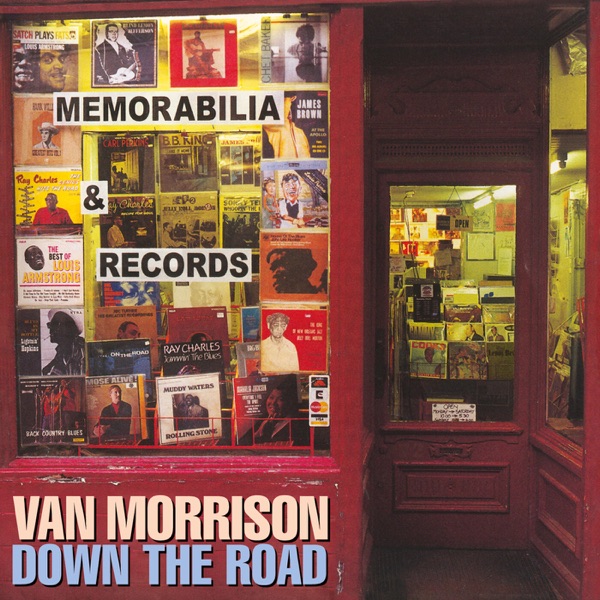
Down the Road
2002 · 15 tracks
- 1 Down the Road ↗ 4:19
- 2 Meet Me In the Indian Summer ↗ 4:00
- 3 Steal My Heart Away ↗ 4:24
- 4 Hey Mr. DJ ↗ 3:49
- 5 Talk Is Cheap ↗ 4:23
- 6 Choppin' Wood ↗ 3:30
- 7 What Makes the Irish Heart Beat ↗ 3:50
- 8 All Work and No Play ↗ 4:55
- 9 Whatever Happened to PJ Proby? ↗ 3:17
- 10 The Beauty of the Days Gone By ↗ 5:50
- 11 Georgia On My Mind ↗ 5:37
- 12 Only a Dream ↗ 5:00
- 13 Man Has to Struggle ↗ 5:11
- 14 Evening Shadows ↗ 4:04
- 15 Fast Train ↗ 5:03
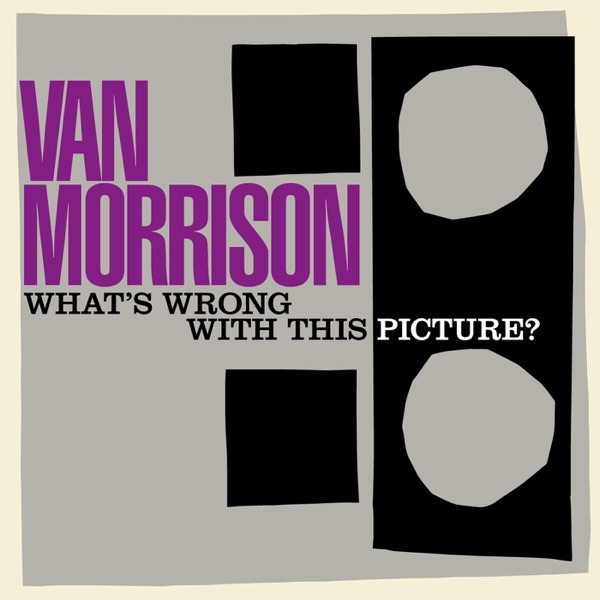
What’s Wrong With This Picture?
2003 · 13 tracks
- 1 What's Wrong with This Picture? ↗ 6:00
- 2 Whinin Boy Moan ↗ 4:18
- 3 Evening in June ↗ 4:00
- 4 Too Many Myths ↗ 4:32
- 5 Somerset ↗ 4:10
- 6 Meaning of Loneliness ↗ 6:41
- 7 Stop Drinking ↗ 3:24
- 8 Goldfish Bowl ↗ 6:02
- 9 Once in a Blue Moon ↗ 3:30
- 10 Saint James Infirmary ↗ 5:32
- 11 Little Village ↗ 4:31
- 12 Fame ↗ 5:21
- 13 Get On with the Show ↗ 5:38

Magic Time
2005 · 13 tracks
- 1 Stranded ↗ 5:38
- 2 Celtic New Year ↗ 6:12
- 3 Keep Mediocrity at Bay ↗ 3:45
- 4 Evening Train ↗ 2:51
- 5 This Love of Mine ↗ 2:44
- 6 I'm Confessin' ↗ 4:29
- 7 Just Like Greta ↗ 6:28
- 8 Gypsy In My Soul ↗ 4:05
- 9 Lonely and Blue ↗ 3:45
- 10 The Lion This Time ↗ 4:59
- 11 Magic Time ↗ 5:08
- 12 They Sold Me Out ↗ 3:13
- 13 Carry On Regardless ↗ 5:52

Pay the Devil
2006 · 14 tracks
- 1 There Stands the Glass ↗ 2:16
- 2 Half as Much ↗ 2:36
- 3 Things Have Gone to Pieces ↗ 3:11
- 4 Big Blue Diamonds ↗ 2:56
- 5 Playhouse ↗ 4:14
- 6 Your Cheatin' Heart ↗ 2:32
- 7 My Bucket's Got a Hole In It ↗ 2:22
- 8 Back Street Affair ↗ 2:49
- 9 Pay the Devil ↗ 3:03
- 10 What Am I Living For? ↗ 3:57
- 11 This Has Got to Stop ↗ 4:44
- 12 Once a Day ↗ 2:52
- 13 More and More ↗ 2:46
- 14 Till I Gain Control Again ↗ 5:57

Keep It Simple
2008 · 11 tracks

Born to Sing: No Plan B
2012 · 10 tracks

Duets: Re‐Working the Catalogue
2015 · 16 tracks
- 1 Some Peace Of Mind ↗ 5:14
- 2 If I Ever Needed Someone ↗ 3:49
- 3 Higher Than The World ↗ 3:49
- 4 Wild Honey ↗ 6:22
- 5 Whatever Happened to P.J. Proby ↗ 3:42
- 6 Carrying A Torch ↗ 4:53
- 7 The Eternal Kansas City ↗ 4:11
- 8 Streets of Arklow ↗ 4:57
- 9 These Are The Days ↗ 3:51
- 10 Get On With The Show ↗ 4:42
- 11 Rough God Goes Riding ↗ 4:24
- 12 Fire In The Belly ↗ 6:41
- 13 Born To Sing ↗ 3:59
- 14 Irish Heartbeat ↗ 5:15
- 15 Real Real Gone ↗ 4:00
- 16 How Can A Poor Boy? ↗ 6:33

Keep Me Singing
2016 · 13 tracks
- 1 Let It Rhyme ↗ 3:53
- 2 Every Time I See A River ↗ 4:43
- 3 Keep Me Singing ↗ 3:40
- 4 Out In The Cold Again ↗ 7:07
- 5 Memory Lane ↗ 4:09
- 6 The Pen Is Mightier Than The Sword ↗ 3:51
- 7 Holy Guardian Angel ↗ 6:19
- 8 Share Your Love With Me ↗ 4:11
- 9 In Tiburon ↗ 5:18
- 10 Look Beyond The Hill ↗ 2:28
- 11 Going Down To Bangor ↗ 5:18
- 12 Too Late ↗ 2:49
- 13 Caledonia Swing ↗ 2:52

Roll With the Punches
2017 · 15 tracks
- 1 Roll With The Punches ↗ 3:58
- 2 Transformation ↗ 3:32
- 3 I Can Tell ↗ 3:51
- 4 Stormy Monday / Lonely Avenue ↗ 5:31
- 5 Goin' To Chicago ↗ 5:22
- 6 Fame ↗ 5:07
- 7 Too Much Trouble ↗ 3:05
- 8 Bring It On Home To Me ↗ 5:39
- 9 Ordinary People ↗ 4:42
- 10 How Far From God ↗ 3:48
- 11 Teardrops From My Eyes ↗ 3:54
- 12 Automobile Blues ↗ 3:40
- 13 Benediction ↗ 3:12
- 14 Mean Old World ↗ 5:00
- 15 Ride On Josephine ↗ 3:03

Versatile
2017 · 16 tracks
- 1 Broken Record ↗ 3:15
- 2 A Foggy Day ↗ 3:33
- 3 Let's Get Lost ↗ 3:38
- 4 Bye Bye Blackbird ↗ 3:45
- 5 Skye Boat Song ↗ 4:01
- 6 Take It Easy Baby ↗ 4:07
- 7 Makin' Whoopee ↗ 4:52
- 8 I Get a Kick Out of You ↗ 4:10
- 9 I Forgot That Love Existed (Live) ↗ 3:37
- 10 Unchained Melody ↗ 4:33
- 11 Start All Over Again ↗ 4:40
- 12 Only a Dream (Live) ↗ 5:29
- 13 Affirmation ↗ 6:03
- 14 The Party's Over ↗ 3:10
- 15 I Left My Heart In San Francisco ↗ 6:01
- 16 They Can't Take That Away from Me ↗ 3:31

You’re Driving Me Crazy
2018 · 15 tracks
- 1 Miss Otis Regrets ↗ 5:16
- 2 Hold It Right There ↗ 4:09
- 3 All Saints Day ↗ 3:05
- 4 The Way Young Lovers Do ↗ 4:13
- 5 The Things I Used to Do ↗ 5:57
- 6 Travelin' Light ↗ 4:18
- 7 Close Enough for Jazz ↗ 4:45
- 8 Goldfish Bowl ↗ 7:06
- 9 Evening Shadows ↗ 3:22
- 10 Magic Time ↗ 5:14
- 11 You're Driving Me Crazy ↗ 4:47
- 12 Everyday I Have the Blues ↗ 5:38
- 13 Have I Told You Lately? ↗ 4:52
- 14 Sticks and Stones ↗ 2:47
- 15 Celtic Swing ↗ 5:16

The Prophet Speaks
2018 · 14 tracks
- 1 Gonna Send You Back To Where I Got You From ↗ 4:40
- 2 Dimples ↗ 5:34
- 3 Got To Go Where The Love Is ↗ 4:23
- 4 Laughin And Clownin ↗ 5:32
- 5 5am Greenwich Mean Time ↗ 5:37
- 6 Gotta Get You Off My Mind ↗ 3:45
- 7 Teardrops ↗ 6:00
- 8 I Love The Life I Live ↗ 3:35
- 9 Worried Blues / Rollin And Tumblin ↗ 6:22
- 10 Ain't Gonna Moan No More ↗ 6:16
- 11 Love Is A Five Letter Word ↗ 3:45
- 12 Love Is Hard Work ↗ 4:29
- 13 Spirit Will Provide ↗ 4:03
- 14 The Prophet Speaks ↗ 4:55

What’s It Gonna Take?
2022 · 15 tracks
- 1 Dangerous ↗ 7:40
- 2 What's It Gonna Take? ↗ 3:23
- 3 Fighting Back is the New Normal ↗ 3:36
- 4 Fodder for the Masses ↗ 4:45
- 5 Can't Go On This Way ↗ 6:42
- 6 Sometimes It's Just Blah Blah Blah ↗ 3:37
- 7 Money From America ↗ 7:36
- 8 Not Seeking Approval ↗ 6:31
- 9 Damage and Recovery ↗ 4:05
- 10 Nervous Breakdown ↗ 5:09
- 11 Absolutely Positively the Most ↗ 5:20
- 12 I Ain’t No Celebrity ↗ 4:41
- 13 Stage Name ↗ 4:28
- 14 Fear and Self-Loathing in Las Vegas ↗ 5:04
- 15 Pretending ↗ 6:47
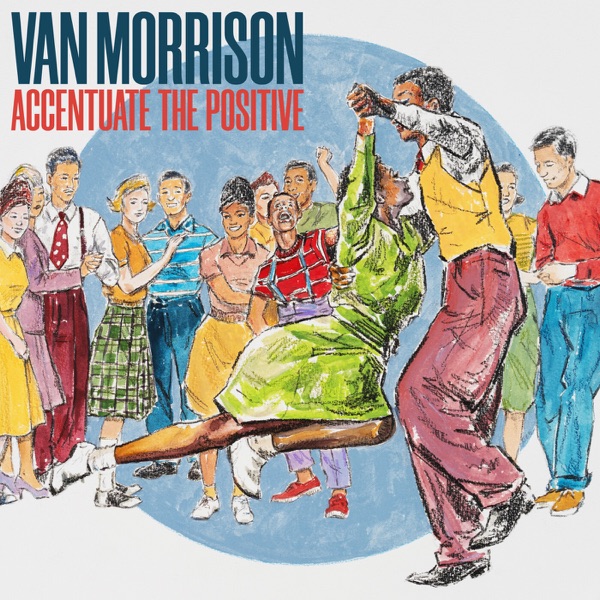
Accentuate the Positive
2023 · 19 tracks
- 1 You Are My Sunshine ↗ 3:43
- 2 When Will I Be Loved? ↗ 3:53
- 3 Two Hound Dogs ↗ 3:01
- 4 Flip, Flop And Fly ↗ 3:53
- 5 I Want A Roof Over My Head ↗ 2:40
- 6 Problems ↗ 4:38
- 7 Hang Up My Rock And Roll Shoes ↗ 2:42
- 8 The Shape I’m In ↗ 2:21
- 9 Accentuate The Positive ↗ 3:24
- 10 Lonesome Train ↗ 2:58
- 11 A Shot Of Rhythm And Blues ↗ 2:45
- 12 Shakin’ All Over ↗ 3:01
- 13 Bye Bye Johnny ↗ 2:58
- 14 Red Sails In The Sunset ↗ 2:51
- 15 Sea Of Heartbreak ↗ 4:06
- 16 Blueberry Hill ↗ 2:49
- 17 Bonaparte’s Retreat ↗ 2:15
- 18 Lucille ↗ 2:55
- 19 Shake Rattle And Roll ↗ 5:00
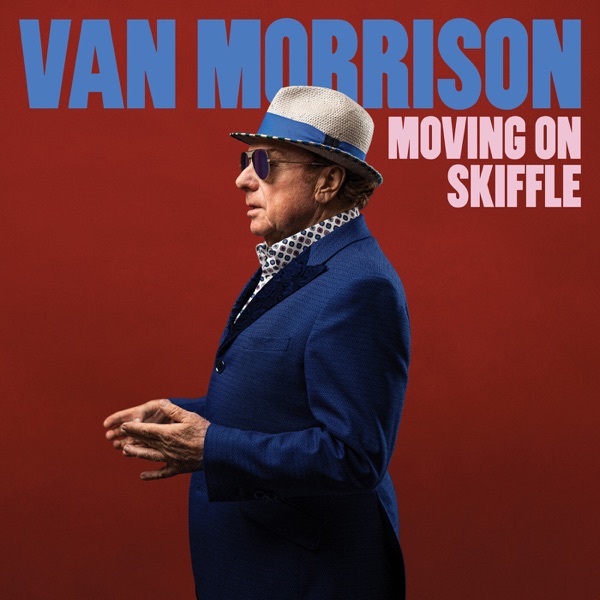
Moving on Skiffle
2023 · 23 tracks
- 1 Freight Train ↗ 3:27
- 2 Careless Love ↗ 5:38
- 3 Sail Away Ladies ↗ 3:18
- 4 Streamline Train ↗ 4:03
- 5 Take This Hammer ↗ 4:38
- 6 No Other Baby ↗ 4:30
- 7 Gypsy Davy ↗ 4:18
- 8 This Loving Light Of Mine ↗ 5:11
- 9 In The Evening When The Sun Goes Down ↗ 4:25
- 10 Yonder Comes A Sucker ↗ 3:11
- 11 Travelin’ Blues ↗ 3:43
- 12 Gov Don't Allow ↗ 4:10
- 13 Come On In ↗ 3:39
- 14 Streamlined Cannonball ↗ 3:16
- 15 Greenback Dollar ↗ 3:43
- 16 Oh Lonesome Me ↗ 3:25
- 17 I Wish I Was An Apple On A Tree ↗ 3:14
- 18 I’m So Lonesome I Could Cry ↗ 3:04
- 19 I’m Movin’ On ↗ 2:58
- 20 Cold Cold Heart ↗ 3:26
- 21 Worried Man Blues ↗ 4:38
- 22 Cotton Fields ↗ 3:07
- 23 Green Rocky Road ↗ 9:02

New Arrangements and Duets
2024 · 15 tracks
- 1 Ain't Gonna Moan No More (feat. Kurt Elling) ↗ 5:33
- 2 Broken Record (feat. Kurt Elling) ↗ 4:20
- 3 Avalon Of The Heart ↗ 3:57
- 4 Close Enough For Jazz (feat. Curtis Stigers) ↗ 3:38
- 5 I'll Be Your Lover, Too ↗ 6:40
- 6 Only A Dream ↗ 5:30
- 7 So Quiet In Here ↗ 7:11
- 8 Someone Like You (feat. Joss Stone) ↗ 5:03
- 9 The Beauty Of Days Gone By ↗ 4:25
- 10 The Master's Eyes ↗ 5:14
- 11 So Complicated ↗ 4:08
- 12 Choppin' Wood ↗ 3:32
- 13 You Gotta Make It Through The World ↗ 3:23
- 14 What's Wrong With This Picture (feat. Willie Nelson) ↗ 4:45
- 15 Steal My Heart Away (feat. Willie Nelson) ↗ 3:43

Remembering Now
2025 · 14 tracks
- 1 Down To Joy ↗ 3:38
- 2 If It Wasn’t For Ray ↗ 3:17
- 3 Haven’t Lost My Sense Of Wonder ↗ 5:28
- 4 Love, Lover and Beloved ↗ 5:14
- 5 Cutting Corners ↗ 3:06
- 6 Back To Writing Love Songs ↗ 3:57
- 7 The Only Love I Ever Need Is Yours ↗ 2:36
- 8 Once In A Lifetime Feelings ↗ 4:38
- 9 Stomping Ground ↗ 5:15
- 10 Memories And Visions ↗ 6:49
- 11 When The Rains Came ↗ 6:22
- 12 Colourblind ↗ 3:30
- 13 Remembering Now ↗ 5:20
- 14 Stretching Out ↗ 8:57

Somebody Tried to Sell Me a Bridge
2026 · 20 tracks
- 1 Kidney Stew Blues ↗ 3:45
- 2 King For A Day Blues ↗ 3:46
- 3 Snatch It Back And Hold It ↗ 3:58
- 4 Deep Blue Sea (feat. Elvin Bishop) ↗ 4:19
- 5 Ain’t That A Shame ↗ 3:27
- 6 Madame Butterfly Blues (feat. Elvin Bishop) ↗ 5:47
- 7 Can’t Help Myself (feat. Taj Mahal) ↗ 3:42
- 8 Betty And Dupree (feat. Taj Mahal) ↗ 4:59
- 9 Delia’s Gone ↗ 3:20
- 10 On A Monday ↗ 3:22
- 11 Monte Carlo Blues ↗ 2:55
- 12 When It’s Love Time (feat. Elvin Bishop) ↗ 2:59
- 13 Loving Memories (feat. Elvin Bishop) ↗ 4:32
- 14 Play The Honky Tonks (feat. Elvin Bishop) ↗ 3:51
- 15 (Go To The) High Place In Your Mind [feat. John Allair] ↗ 3:54
- 16 Social Climbing Scene ↗ 3:43
- 17 Somebody Tried To Sell Me A Bridge ↗ 4:02
- 18 You’re The One (feat. Elvin Bishop) ↗ 4:25
- 19 I'm Ready (feat. Buddy Guy) ↗ 3:29
- 20 Rock Me Baby (feat. Buddy Guy) ↗ 5:33
-
 Blowin’ Your Mind!Van Morrison19678 tracks
 -
 Astral WeeksVan Morrison19688 tracks
 -
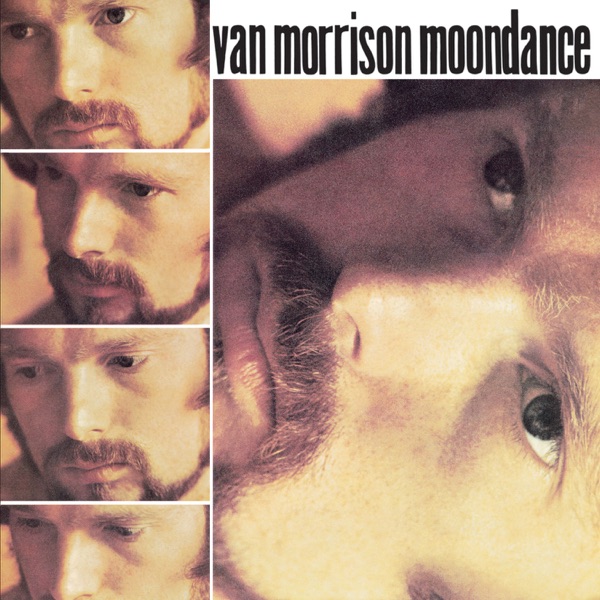
 MoondanceVan Morrison197010 tracks
 -
 His Band and the Street ChoirVan Morrison197012 tracks
 -
 Saint Dominic’s PreviewVan Morrison19727 tracks
 -
 Hard Nose the HighwayVan Morrison19738 tracks
 -
 Veedon FleeceVan Morrison197412 tracks
 -
 A Period of TransitionVan Morrison19777 tracks
 -
 WavelengthVan Morrison197811 tracks
 -
 Into the MusicVan Morrison197912 tracks
 -
 Common OneVan Morrison19808 tracks
 -
 Beautiful VisionVan Morrison198210 tracks
 -
 Inarticulate Speech of the HeartVan Morrison198313 tracks
 -
 A Sense of WonderVan Morrison198412 tracks
 -
 No Guru, No Method, No TeacherVan Morrison198612 tracks
 -
 Poetic Champions ComposeVan Morrison198711 tracks
 -
 Irish HeartbeatVan Morrison198810 tracks
 -
 Avalon SunsetVan Morrison198912 tracks
 -
 EnlightenmentVan Morrison199012 tracks
 -
 Hymns to the SilenceVan Morrison199121 tracks
 -
 Too Long in ExileVan Morrison199315 tracks
 -
 Days Like ThisVan Morrison199512 tracks
 -
 Tell Me Something: The Songs of Mose AllisonVan Morrison199613 tracks
 -
 The Healing GameVan Morrison199711 tracks
 -
 Back on TopVan Morrison199912 tracks
 -
 Down the RoadVan Morrison200215 tracks
 -
 What’s Wrong With This Picture?Van Morrison200313 tracks
 -
 Magic TimeVan Morrison200513 tracks
 -
 Pay the DevilVan Morrison200614 tracks
 -
 Keep It SimpleVan Morrison200811 tracks
 -
 Born to Sing: No Plan BVan Morrison201210 tracks
 -
 Duets: Re‐Working the CatalogueVan Morrison201516 tracks
 -
 Keep Me SingingVan Morrison201613 tracks
 -
 Roll With the PunchesVan Morrison201715 tracks
 -
 VersatileVan Morrison201716 tracks
 -
 You’re Driving Me CrazyVan Morrison201815 tracks
 -
 The Prophet SpeaksVan Morrison201814 tracks
 -
 What’s It Gonna Take?Van Morrison202215 tracks
 -
 Accentuate the PositiveVan Morrison202319 tracks
 -
 Moving on SkiffleVan Morrison202323 tracks
 -
 New Arrangements and DuetsVan Morrison202415 tracks
 -
 Remembering NowVan Morrison202514 tracks
 -
 Somebody Tried to Sell Me a BridgeVan Morrison202620 tracks
Deep Dive
Overview
Van Morrison is a Northern Irish musician and songwriter whose recording career began in the 1960s and has sustained through more than five decades to the present day. Emerging from Belfast during an era when American soul, jazz, and blues were reshaping rock music, Morrison developed a distinctive fusion of Celtic melody, soul authenticity, and poetic introspection that would place him among rock’s most enduring artists. His albums have achieved consistent commercial success across the UK, Ireland, and Europe, with more than 40 releases reaching the UK Top 40, while his influence extends across multiple genres—from blue-eyed soul and jazz fusion to the broader classical rock landscape.
Formation Story
Born George Ivan Morrison in Belfast in 1945, Van Morrison came of age in a post-war Northern Ireland where American rhythm and blues, soul, and jazz records arrived through radio and import channels, creating an underground current separate from mainstream British pop. The city’s musical culture fostered a generation attuned to African-American vernacular styles, and Morrison, from an early age, absorbed the vocal textures and emotional intensity of soul singers and jazz interpreters. By the early 1960s, he was performing in Belfast clubs and eventually became the frontman for a local band, cutting his teeth on rhythm and blues material before embarking on a solo career that would begin his official recording timeline in 1967.
Breakthrough Moment
Morrison’s commercial emergence came swiftly with his debut solo album, Blowin’ Your Mind! (1967), which introduced the template of his artistic voice: lyrical sophistication paired with soulful vocal inflection and accomplished musicianship. However, his genuine breakthrough arrived with Astral Weeks (1968), a album that redefined his artistic ambition and critical standing. Recorded in New York and featuring string arrangements that married soul phrasing to orchestral texture, Astral Weeks became a landmark in the intersection of soul, folk, and art-rock sensibilities. The album’s commercial and critical reception established Morrison as more than a novelty act; it positioned him as an artist capable of producing work of sustained emotional and musical depth.
Peak Era
Morrison’s most creatively vital and commercially successful period spanned the early 1970s. Moondance (1970) and His Band and the Street Choir (1970) delivered accessible yet substantive soul-rock that achieved broad chart success while maintaining artistic integrity. Tupelo Honey (1971) and Saint Dominic’s Preview (1972) extended this momentum, establishing Morrison as a consistent albums artist whose work appealed to both mainstream audiences and serious listeners. Throughout this period, Morrison refined a signature approach: grounded in soul and rhythm-and-blues fundamentals but enriched by Celtic tonality, Irish literary sensibility, and jazz harmonic awareness. His prolific output—multiple albums per year—demonstrated an artist in full creative confidence, testing new production approaches and thematic territory with each release.
Musical Style
Van Morrison’s sound synthesizes blue-eyed soul—the tradition of white artists interpreting and extending African-American soul idioms—with Celtic melody and a jazz musician’s harmonic sensibility. His vocal instrument is his primary tool: a rangy, expressive voice capable of growl and whisper, spiritual intensity and intimate proximity, capable of bending and sliding around syllables in the manner of soul singers while maintaining the melodic and lyrical precision of a songwriter schooled in folk and pop forms. His arrangements evolved from the string-laden sophistication of Astral Weeks to the funkier, band-driven grooves of Moondance and onward, incorporating jazz keyboards, horn sections, and rhythmic approaches informed by New Orleans and British rock traditions. Lyrically, Morrison draws from Irish Catholic imagery, spiritual and philosophical inquiry, and autobiographical reflection, often working thematic variations across multiple albums. The genres listed in his records—blue-eyed soul, Celtic music, rock, and jazz fusion—reflect not genre-hopping but rather a unified aesthetic that treats these traditions as compatible resources within a larger artistic vision.
Major Albums
Astral Weeks (1968)
Recorded in New York with orchestral arrangements, Astral Weeks established Morrison’s art-music credentials and remains among his most critically admired works, merging soul vocals with string-based atmospherics.
Moondance (1970)
A commercial and critical peak that balanced accessibility with artistic substance, Moondance featured tighter arrangements, funk-inflected rhythm sections, and became his most widely recognized album.
Tupelo Honey (1971)
A songwriting showcase that extended his blue-eyed soul foundation while incorporating more folk and country inflections, demonstrating Morrison’s range within his core idiom.
Saint Dominic’s Preview (1972)
A dense, layered album reflecting Morrison’s spiritual and musical expansiveness during his commercial ascendancy, combining soul, rock, and Celtic influences.
Into the Music (1979)
A later career milestone marking a return to form after a mid-1970s period of musical transition, Into the Music reasserted Morrison’s commitment to soulful authenticity and introspective lyricism.
Poetic Champions Compose (1987)
A reflective work from his mature period that showcased Morrison’s refinement as both vocalist and lyricist, applying decades of artistic accumulated wisdom to questions of creativity and meaning.
Signature Songs
- “Gloria” — An energetic, celebratory soul-rocker that became one of his most recognizable recordings and a staple of live performance.
- “Domino” — A rhythmically driving number showcasing Morrison’s ability to pair soulful vocals with groove-oriented arrangements.
- “Brown Eyed Girl” — A lighter, more accessible track that achieved significant radio play and remains widely known across generations.
- “Into the Mystic” — A spiritual, introspective composition that exemplifies Morrison’s capacity for poetic depth and emotional resonance.
- “Cyprus Avenue” — A sprawling, orchestrally arranged piece from Astral Weeks that demonstrates his gift for merging literary sophistication with soul expression.
- “Wavelength” — A funk-influenced track that captures Morrison’s later-1970s experimentation with groove-oriented soul-rock.
Influence on Rock
Van Morrison’s synthesis of soul, rock, and Celtic sensibility influenced generations of artists navigating similar intersections of genre and authenticity. His demonstration that a white artist could engage deeply with African-American soul traditions while maintaining a distinct artistic voice—rooted in Irish identity and literary complexity—provided a model for subsequent musicians unwilling to choose between popular accessibility and artistic seriousness. His prolific output across five decades, maintained at a level of consistent quality and artistic ambition, established a template for the working artist in rock music. Morrison’s influence extends across genres: soul and rhythm-and-blues musicians valued his vocal authenticity and phrasing; singer-songwriters admired his integration of literary sensibility into popular song; and rock artists across stylistic boundaries drew from his example of uncompromising artistic evolution.
Legacy
Van Morrison remains an active and prominent figure in rock music, with a discography extending into the 2020s that shows no sign of diminishment in output or ambition. His consistent chart presence—more than 40 UK Top 40 albums—reflects both initial commercial success and enduring audience loyalty across multiple generations. His work has become canonized within classic rock, his major albums circulating widely in streaming and reissue contexts, ensuring accessibility to both longtime listeners and newcomers. Morrison’s sustained creative activity into his eighth decade, with releases including Three Chords & the Truth (2019), Latest Record Project, Volume 1 (2021), and Accentuate the Positive (2023), demonstrates an artist whose commitment to recording and creative expression has not diminished. His integration of soul, Celtic tradition, and rock music has become foundational to how those genres are understood in relation to one another, and his example as an artist maintaining both commercial viability and artistic integrity across decades has shaped the expectations and possibilities available to subsequent generations of recording musicians.
Fun Facts
- Morrison has recorded material spanning an exceptionally broad stylistic range, from straight soul-rock to jazz fusion to folk and Celtic music, often within the same album or period.
- His prolific recording schedule has intensified in recent decades, with multiple albums released in single years (2017 and 2023 each saw two releases).
- Morrison’s official website and continued touring presence demonstrate his active engagement with audiences and the recording industry well into his eighth decade of life.
- His influence on British and Irish rock music, particularly among artists navigating folk, soul, and art-rock traditions, extends to multiple generations of performers who cite his work as foundational to their own artistic development.