
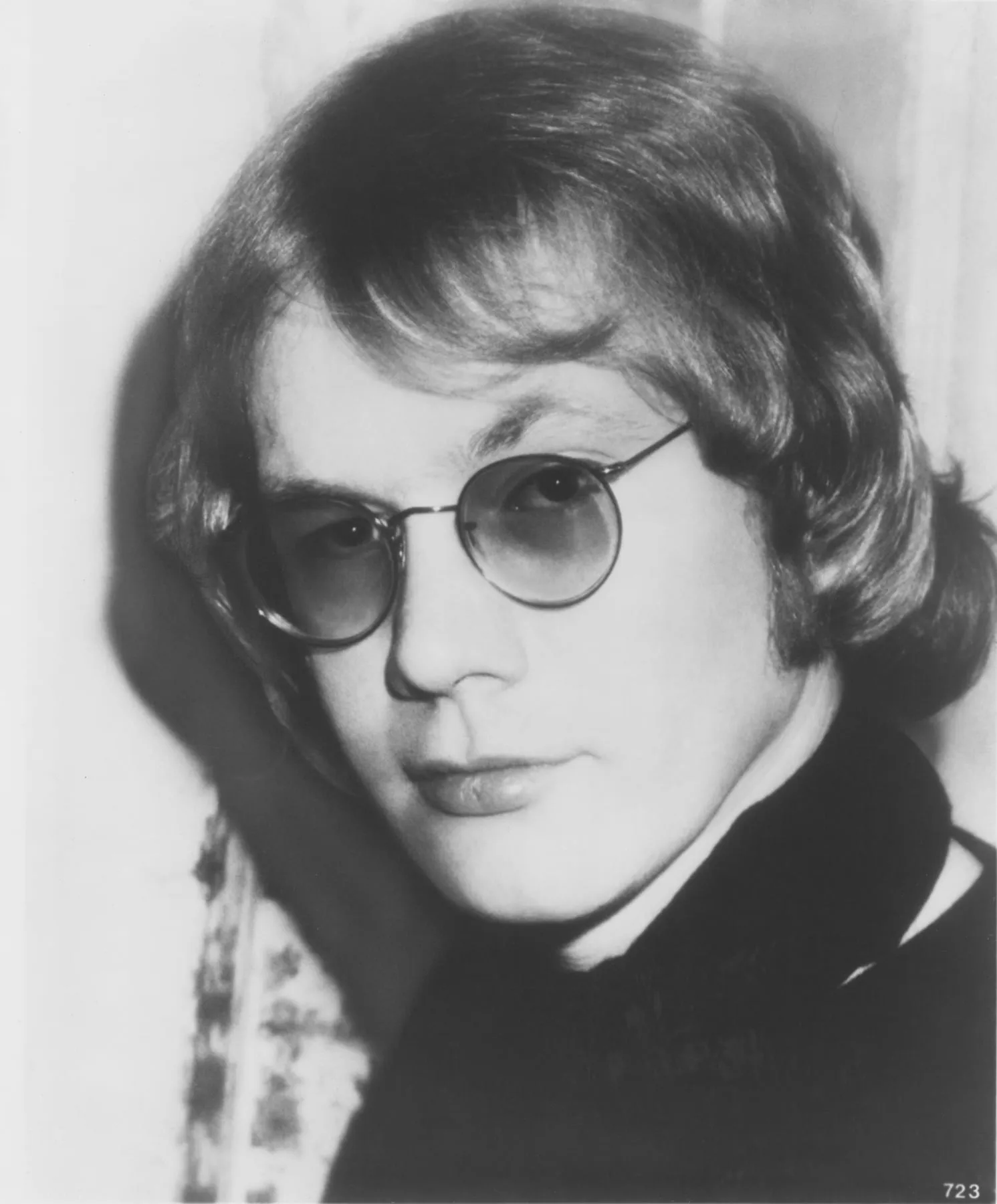
Photo by Unknown author Unknown author , licensed under Public domain · Wikimedia Commons
Rank #126
Warren Zevon
From Wikipedia
Warren William Zevon was an American rock singer and songwriter. His most famous compositions include "Werewolves of London", "Lawyers, Guns and Money" and "Roland the Headless Thompson Gunner". All three songs are featured on his third album, Excitable Boy (1978), the title track of which is also well-known. He also wrote major hits that were recorded by other artists, including "Poor Poor Pitiful Me", "Mohammed's Radio", "Carmelita" and "Hasten Down the Wind". Per The New York Times, "Mr. Zevon had a pulp-fiction imagination" which yielded "terse, action-packed, gallows-humored tales that could sketch an entire screenplay in four minutes and often had death as a punchline. But there was also vulnerability and longing in Mr. Zevon's ballads, like 'Mutineer,' 'Accidentally Like a Martyr' and 'Hasten Down the Wind'."
Discography & Previews
Browse through and click an album to open and play 30-second previews streamed from Apple Music.


Warren Zevon
1976 · 11 tracks
- 1 Frank and Jesse James ↗ 4:37
- 2 Mama Couldn't Be Persuaded ↗ 2:57
- 3 Backs Turned Looking Down the Path ↗ 2:31
- 4 Hasten Down the Wind ↗ 3:00
- 5 Poor Poor Pitiful Me ↗ 3:06
- 6 The French Inhaler ↗ 3:45
- 7 Mohammed's Radio ↗ 3:43
- 8 I'll Sleep When I'm Dead ↗ 3:00
- 9 Carmelita ↗ 3:35
- 10 Join Me In L.A. ↗ 3:19
- 11 Desperados Under the Eaves ↗ 4:48

Excitable Boy
1978 · 9 tracks
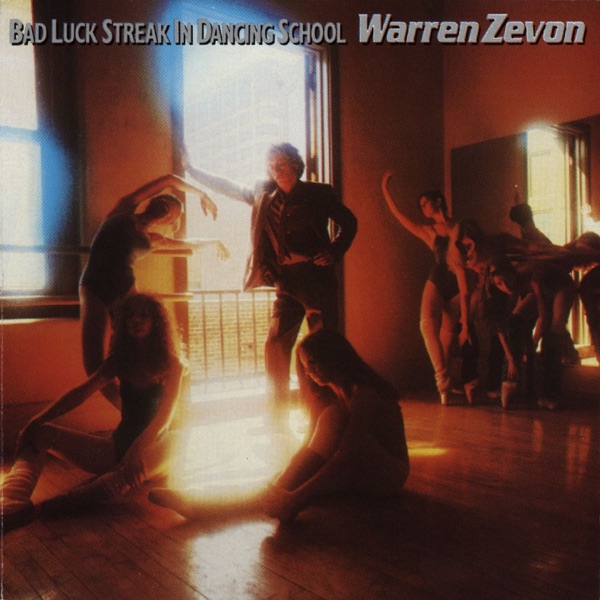
Bad Luck Streak in Dancing School
1980 · 12 tracks
- 1 Bad Luck Streak In Dancing School ↗ 3:01
- 2 A Certain Girl ↗ 3:08
- 3 Jungle Work ↗ 3:59
- 4 Empty Handed Heart ↗ 3:16
- 5 Interlude No. 1 ↗ 0:26
- 6 Play It All Night Long ↗ 2:53
- 7 Jeannie Needs a Shooter ↗ 3:55
- 8 Interlude No. 2 ↗ 1:08
- 9 Bill Lee ↗ 1:37
- 10 Gorilla, You're a Desperado ↗ 2:47
- 11 Bed of Coals ↗ 5:04
- 12 Wild Age ↗ 4:20

Sentimental Hygiene
1987 · 10 tracks

Transverse City
1989 · 11 tracks
- 1 Transverse City ↗ 4:18
- 2 Run Straight Down ↗ 4:06
- 3 The Long Arm of the Law ↗ 3:47
- 4 Turbulence ↗ 4:07
- 5 They Moved the Moon ↗ 4:31
- 6 Splendid Isolation ↗ 4:35
- 7 Networking ↗ 3:02
- 8 Gridlock ↗ 4:33
- 9 Down In the Mall ↗ 4:28
- 10 Nobody's In Love This Year ↗ 4:21
- 11 Networking (Acoustic Demo Version) ↗ 3:14

Mr. Bad Example
1991 · 10 tracks

Mutineer
1995 · 10 tracks

Life'll Kill Ya
2000 · 12 tracks
- 1 I Was in the House When the House Burned Down ↗ 3:04
- 2 Life'll Kill Ya ↗ 2:47
- 3 Porcelain Monkey ↗ 3:32
- 4 For My Next Trick I'll Need a Volunteer ↗ 3:14
- 5 I'll Slow You Down ↗ 3:13
- 6 Hostage-O ↗ 4:06
- 7 Dirty Little Religion ↗ 3:11
- 8 Back In the High Life Again ↗ 3:13
- 9 My Shit's F****d Up ↗ 2:46
- 10 Fistful of Rain ↗ 5:19
- 11 Ourselves to Know ↗ 3:18
- 12 Don't Let Us Get Sick ↗ 3:06

My Ride’s Here
2001 · 10 tracks
- 1 Sacrificial Lambs ↗ 3:56
- 2 Basket Case ↗ 3:38
- 3 Lord Byron's Luggage ↗ 4:36
- 4 MacGillycuddy's Reeks ↗ 3:05
- 5 You're a Whole Different Person When You're Scared ↗ 5:14
- 6 Hit Somebody! (The Hockey Song) ↗ 5:27
- 7 Genius ↗ 5:02
- 8 Laissez-Moi Tranquille ↗ 3:32
- 9 I Have to Leave ↗ 3:06
- 10 My Ride's Here ↗ 3:41

The Wind
2003 · 11 tracks
- 1 Dirty Life and Times ↗ 3:15
- 2 Disorder in the House ↗ 4:37
- 3 Knockin' On Heaven's Door ↗ 4:05
- 4 Numb as a Statue ↗ 4:09
- 5 She's Too Good for Me ↗ 3:12
- 6 Prison Grove ↗ 4:52
- 7 El amor de mi vida ↗ 3:35
- 8 The Rest of the Night ↗ 4:41
- 9 Please Stay ↗ 3:35
- 10 Rub Me Raw ↗ 5:45
- 11 Keep Me in Your Heart ↗ 3:28
-
 Wanted Dead or AliveWarren Zevon196910 tracks
 -
 Warren ZevonWarren Zevon197611 tracks
 -
 Excitable BoyWarren Zevon19789 tracks
 -
 Bad Luck Streak in Dancing SchoolWarren Zevon198012 tracks
 -
 Sentimental HygieneWarren Zevon198710 tracks
 -
 Transverse CityWarren Zevon198911 tracks
 -
 Mr. Bad ExampleWarren Zevon199110 tracks
 -
 MutineerWarren Zevon199510 tracks
 -
 Life'll Kill YaWarren Zevon200012 tracks
 -
 My Ride’s HereWarren Zevon200110 tracks
 -
 The WindWarren Zevon200311 tracks
Deep Dive
Overview
Warren Zevon was an American rock singer and songwriter whose solo output spanning from 1969 to 2003 established him as one of rock music’s sharpest storytellers. Operating in the intersecting lanes of blues rock, folk rock, and hard rock, Zevon crafted a body of work distinguished by terse, action-packed narratives with a darkly comic sensibility—tales that could compress an entire screenplay into four minutes and frequently turned death into a punchline. Beyond his own recordings, he also authored major hits for other artists, cementing his status as both performer and songwriter of uncommon skill.
Formation Story
Zevon emerged from the 1960s folk and rock scene as a vocalist and composer with an instinct for both literary craft and commercial melody. Born in 1947, he came of age during a period when folk-rock hybrids were reshaping American popular music. Rather than emerging from a band framework, Zevon developed as a solo artist and prolific songwriter, establishing himself through composition work and collaborative ventures before launching a recording career in earnest. His early albums and growing reputation as a writer for other performers laid the foundation for his eventual solo breakthrough.
Breakthrough Moment
Zevon’s third album, Excitable Boy (1978), became the commercial and artistic pinnacle that defined his public identity. The record yielded three songs that became signatures of his career: “Werewolves of London,” “Lawyers, Guns and Money,” and the title track “Excitable Boy.” These compositions showcased Zevon’s distinctive voice—darkly humorous, narratively intricate, and relentlessly hooky. The album’s success elevated him from a respected songwriter’s songwriter to a recognizable name in mainstream rock radio, a status built on the strength of his pulp-fiction imagination and his ability to construct memorable melodies around subject matter that ranged from supernatural horror to geopolitical cynicism.
Peak Era
The period from Excitable Boy (1978) through The Envoy (1982) represented Zevon’s most consistent creative and commercial run. During these years, he consolidated his reputation as a rock artist of considerable range and inventiveness, balancing the humorous grotesquerie that had become his trademark with deeper emotional territory. Albums like Bad Luck Streak in Dancing School (1980) and The Envoy (1982) demonstrated his willingness to explore different sonic and thematic textures while maintaining the essential Zevon sensibility—a combination of vulnerability and dark wit that gave his work durability beyond novelty appeal.
Musical Style
Zevon’s sound drew from blues rock fundamentals and folk-rock melodic sensibility, anchored by his distinctive baritone and a lyrical approach that valued narrative specificity and emotional paradox. His compositions often balanced gallows humor with genuine pathos, moving between rock-propelled arrangements and more intimate, spare settings. The instrumentation on his records typically featured electric guitar-driven rock underpinnings, with occasional horn arrangements and textural flourishes that reflected the influence of his studio collaborators. Stylistically, Zevon occupied a space between the singer-songwriter tradition—with its emphasis on lyrical detail and introspection—and arena rock’s accessibility. His ballads like “Mutineer,” “Accidentally Like a Martyr,” and “Hasten Down the Wind” demonstrated a gift for vulnerability and longing that complicated his public image as a purveyor of dark comedy, revealing the emotional scaffolding beneath his more theatrical compositions.
Major Albums
Warren Zevon (1976)
Zevon’s self-titled debut introduced his authorial voice and attracted attention with its blend of rock craftsmanship and literary ambition, establishing him as a serious recording artist.
Excitable Boy (1978)
The album that defined Zevon’s career, featuring his three signature songs and demonstrating his mastery of the three-to-four-minute rock narrative with dark humor and melodic sophistication.
Bad Luck Streak in Dancing School (1980)
A continuation of his mid-period peak, this album expanded his thematic range while maintaining the mordant wit and melodic integrity that characterized his best work.
Sentimental Hygiene (1987)
A return to recording after a five-year gap, marked by more contemporary production while preserving Zevon’s essential narrative sensibility.
Mutineer (1995)
Later in his career, this album reaffirmed his compositional gifts and featured some of his most introspective material.
Life’ll Kill Ya (2000)
One of his final albums, demonstrating undiminished songwriting ability as Zevon navigated the final phase of his recording career.
Signature Songs
- “Werewolves of London” — The howling, guitar-driven novelty-horror track that became Zevon’s most enduring hit, anchored by a unforgettable hook and the image of a werewolf on King’s Road.
- “Lawyers, Guns and Money” — A tour de force in cynical storytelling, compressing international intrigue and moral compromise into a propulsive rock anthem.
- “Excitable Boy” — The title track showcasing Zevon’s ability to make disturbing subject matter rhythmically compelling and darkly comic.
- “Carmelita” — A slower, more introspective composition that highlighted his gift for emotional vulnerability alongside his darker sensibility.
- “Hasten Down the Wind” — A signature ballad demonstrating the longing and pathos that underlay his more theatrical work.
- “Accidentally Like a Martyr” — Another showcase for Zevon’s ability to infuse rock arrangements with genuine feeling and narrative complexity.
- “Mohammed’s Radio” — A song featuring his characteristic blend of geopolitical awareness, melodic sophistication, and understated dark humor.
- “Poor Poor Pitiful Me” — Widely recorded by other artists, this composition exemplified his skill at writing sympathetic character studies.
Influence on Rock
Zevon’s principal influence lay in demonstrating that rock songwriting could accommodate literary ambition, dark humor, and narrative specificity without sacrificing commercial appeal or emotional depth. His approach—combining blues-rock musicality with folk-song storytelling sensibility and treating violent, absurd, or transgressive subject matter with both irony and seriousness—influenced subsequent generations of singer-songwriters and rock composers who valued craft, wit, and thematic substance. His success as both a performer and songwriter-for-hire expanded the possibilities for rock artists working in the songwriter-centered tradition, proving that such figures could operate effectively in both capacities simultaneously.
Legacy
Warren Zevon’s recording career from Wanted Dead or Alive (1969) to The Wind (2003) established him as a distinctive and enduring voice in American rock. “Werewolves of London,” “Lawyers, Guns and Money,” and “Excitable Boy” remain fixtures of classic rock radio, preserving his work in the cultural conversation decades after their release. Beyond these perennials, his deeper cuts—“Hasten Down the Wind,” “Carmelita,” “Mutineer,” and “Accidentally Like a Martyr”—have sustained a devoted following among listeners and musicians who value his combination of technical skill, emotional honesty, and dark imaginative power. His influence can be traced through subsequent rock songwriters who similarly sought to balance commercial accessibility with literary and thematic ambition.
Fun Facts
- Zevon composed major hits for other artists including “Poor Poor Pitiful Me,” “Hasten Down the Wind,” “Mohammed’s Radio,” and “Carmelita” before achieving solo fame, establishing himself as a songwriter’s songwriter in Los Angeles.
- His recording career spanned 34 years across multiple record labels including Asylum Records, Warner Bros. Records, and others, an unusual longevity for an artist outside mainstream pop or country genres.
- The New York Times characterized Zevon’s distinctive imaginative approach as a “pulp-fiction imagination” that yielded narratives capable of sketching entire screenplays within rock song structures.
- His later work continued to engage with the same themes and sensibility that defined his 1978 breakthrough, demonstrating remarkable consistency across three decades of recording.