
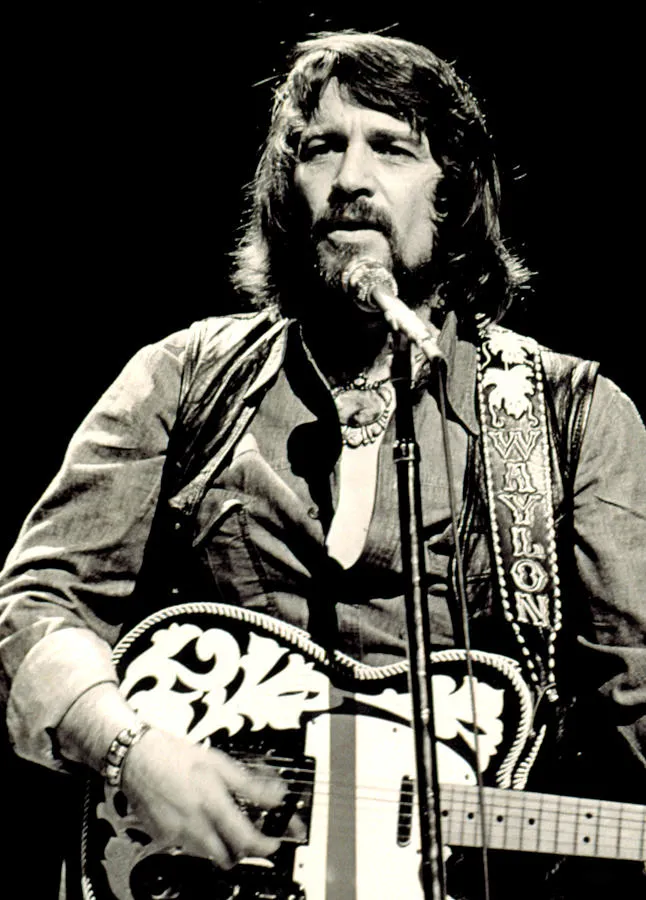
Photo by RCA Records , licensed under Public domain · Wikimedia Commons
Rank #202
Waylon Jennings
From Wikipedia
Waylon Arnold Jennings was an American country music singer, songwriter, musician, and actor. He is considered one of the pioneers of the outlaw movement in country music.
Discography & Previews
Browse through and click an album to open and play 30-second previews streamed from Apple Music.

JD’s
1964 · 12 tracks
- 1 Crying ↗ 2:36
- 2 Sally Was a Good Old Girl ↗ 2:28
- 3 Burning Memories ↗ 2:19
- 4 Big Mamou ↗ 2:26
- 5 Money (That’s What I Want) [feat. Jerry Gropp] ↗ 2:17
- 6 Don’t Think Twice, It’s All Right ↗ 2:40
- 7 Dream Baby (How Long Must I Dream) ↗ 2:31
- 8 It’s So Easy ↗ 1:29
- 9 Lorena (feat. Paul Foster) ↗ 2:17
- 10 Love’s Gonna Live Here ↗ 1:53
- 11 Abilene (feat. Paul Foster & Jerry Gropp) ↗ 1:52
- 12 White Lightning ↗ 2:14
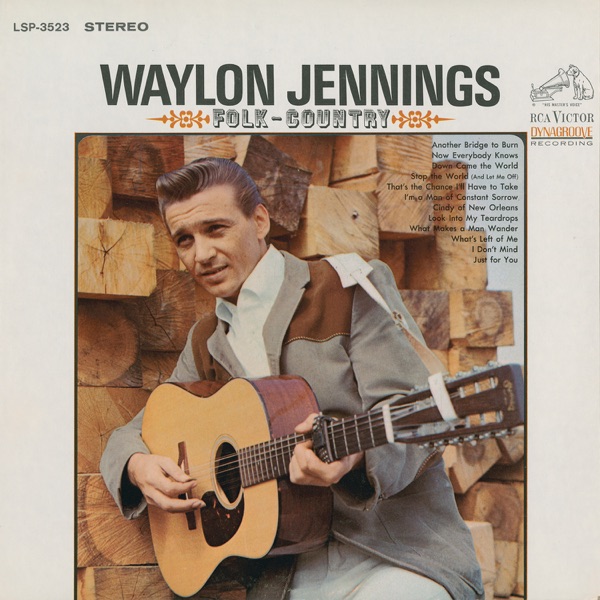
Folk‐Country
1966 · 12 tracks
- 1 Another Bridge to Burn ↗ 2:42
- 2 Stop the World (And Let Me Off) ↗ 2:05
- 3 Cindy of New Orleans ↗ 2:00
- 4 Look into My Teardrops ↗ 2:24
- 5 Down Came the World ↗ 2:18
- 6 I Don't Mind ↗ 2:57
- 7 Just for You ↗ 2:12
- 8 Now Everybody Knows ↗ 2:40
- 9 That's the Chance I'll Have to Take ↗ 2:06
- 10 What Makes a Man Wander ↗ 2:39
- 11 I'm a Man of Constant Sorrow ↗ 2:45
- 12 What's Left of Me ↗ 2:33
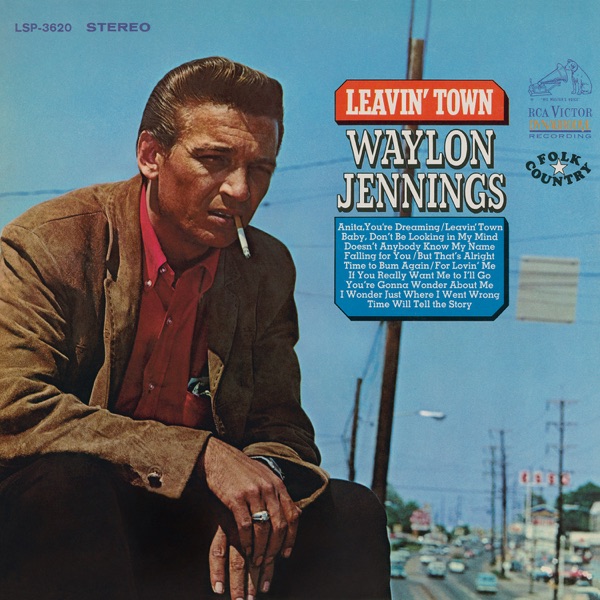
Leavin’ Town
1966 · 12 tracks
- 1 Leavin' Town ↗ 2:07
- 2 Time to Bum Again ↗ 2:04
- 3 If You Really Want Me to I'll Go ↗ 2:02
- 4 Baby, Don't Be Looking in My Mind ↗ 2:54
- 5 But That's Alright ↗ 2:06
- 6 Time Will Tell the Story ↗ 2:03
- 7 You're Gonna Wonder About Me ↗ 2:27
- 8 (That's What You Get) For Lovin' Me ↗ 2:28
- 9 Anita, You're Dreaming ↗ 2:28
- 10 Doesn't Anybody Know My Name ↗ 2:57
- 11 Falling for You ↗ 2:37
- 12 I Wonder Just Where I Went Wrong ↗ 2:19

Waylon Sings Ol’ Harlan
1967 · 12 tracks
- 1 She Called Me Baby ↗ 2:32
- 2 Sunset and Vine ↗ 2:07
- 3 Woman, Let Me Sing You a Song ↗ 2:16
- 4 The Everglades ↗ 2:09
- 5 She's Gone, Gone, Gone ↗ 2:01
- 6 Busted ↗ 2:17
- 7 Beautiful Annabel Lee ↗ 2:42
- 8 Heartaches By the Number ↗ 2:06
- 9 Tiger By the Tail ↗ 2:25
- 10 Heartaches for a Dime ↗ 2:13
- 11 Foolin' Around ↗ 2:18
- 12 In This Very Same Room ↗ 2:41

Love of the Common People
1967 · 14 tracks
- 1 Money Cannot Make the Man ↗ 2:50
- 2 Young Widow Brown ↗ 2:09
- 3 You've Got to Hide Your Love Away ↗ 2:20
- 4 Love of the Common People ↗ 2:53
- 5 I Tremble for You ↗ 2:15
- 6 Destiny's Child ↗ 2:05
- 7 Ruby, Don't Take Your Love to Town ↗ 2:12
- 8 The Road ↗ 2:51
- 9 If the Shoe Fits ↗ 2:17
- 10 Don't Waste Your Time ↗ 2:16
- 11 Taos, New Mexico ↗ 2:20
- 12 Two Streaks of Steel ↗ 2:16
- 13 The Chokin' Kind ↗ 2:26
- 14 Walk On Out of My Mind ↗ 2:18

The One and Only
1967 · 10 tracks
- 1 Yes, Virginia ↗ 2:35
- 2 Dream Baby (How Long Must I Dream) ↗ 2:30
- 3 You Beat All I Ever Saw ↗ 2:22
- 4 She Loves Me (She Don't Love You) ↗ 2:23
- 5 It's All Over Now ↗ 2:16
- 6 Born To Love You ↗ 2:35
- 7 Down Came the World ↗ 2:20
- 8 The Dark Side of Fame ↗ 2:36
- 9 John's Back In Town ↗ 2:02
- 10 Listen, They're Playing My Song ↗ 2:52
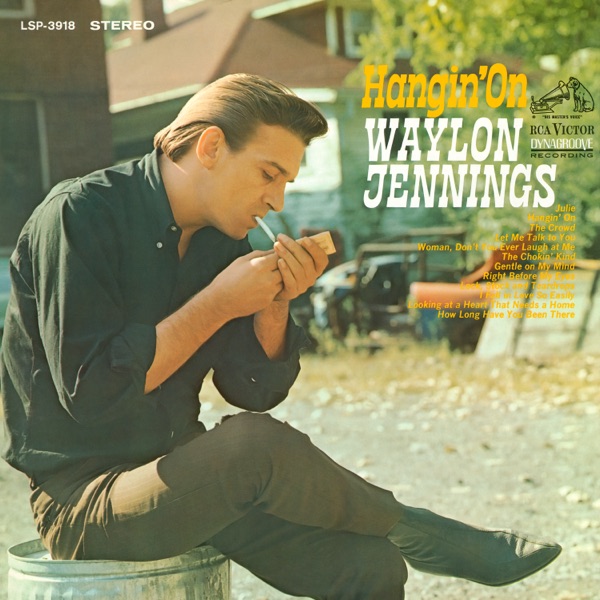
Hangin’ On
1968 · 12 tracks
- 1 Hangin' On ↗ 2:20
- 2 Julie ↗ 2:25
- 3 The Crowd ↗ 2:37
- 4 Let Me Talk To You ↗ 2:14
- 5 Woman, Don't You Ever Laugh At Me ↗ 2:23
- 6 The Chokin' Kind ↗ 2:30
- 7 Gentle On My Mind ↗ 3:08
- 8 Right Before My Eyes ↗ 2:03
- 9 Lock, Stock and Teardrops ↗ 2:50
- 10 I Fall In Love So Easily ↗ 2:09
- 11 Looking At a Heart That Needs a Home ↗ 2:28
- 12 How Long Have You Been There ↗ 2:36

Only the Greatest
1968 · 12 tracks
- 1 Only Daddy That'll Walk the Line ↗ 2:20
- 2 California Sunshine ↗ 2:14
- 3 Weakness In a Man ↗ 2:51
- 4 Sorrow (Breaks a Good Man Down) ↗ 2:08
- 5 Christina ↗ 2:15
- 6 Such a Waste of Love ↗ 2:34
- 7 Walk On Out of My Mind ↗ 2:19
- 8 Kentucky Woman ↗ 2:21
- 9 Long Gone ↗ 2:32
- 10 You'll Think of Me ↗ 2:09
- 11 Wave Goodbye to Me ↗ 2:04
- 12 Too Far Gone ↗ 2:55
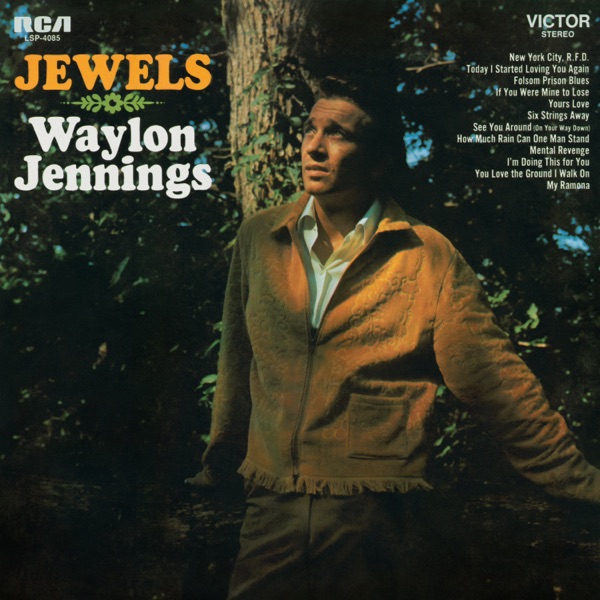
Jewels
1968 · 12 tracks
- 1 New York City, R.F.D. ↗ 2:29
- 2 Today I Started Loving You Again ↗ 2:53
- 3 Folsom Prison Blues ↗ 3:15
- 4 If You Were Mine To Lose ↗ 3:04
- 5 See You Around (On Your Way Down) ↗ 2:22
- 6 Six Strings Away ↗ 2:16
- 7 Yours Love ↗ 2:21
- 8 How Much Rain Can One Man Stand ↗ 2:38
- 9 Mental Revenge ↗ 2:25
- 10 I'm Doing This For You ↗ 2:32
- 11 You Love the Ground I Walk On ↗ 2:27
- 12 My Ramona ↗ 3:00
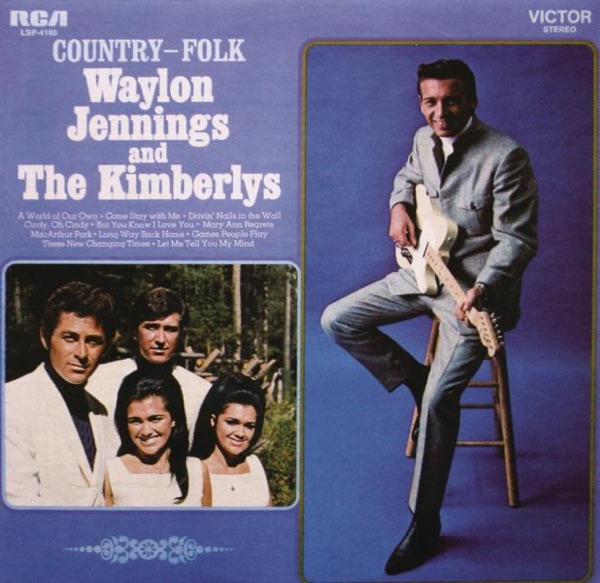
Country‐Folk
1969 · 11 tracks
- 1 MacArthur Park ↗ 5:09
- 2 These New Changing Times ↗ 2:55
- 3 Come Stay With Me ↗ 2:43
- 4 Cindy, Oh Cindy ↗ 2:42
- 5 Games People Play ↗ 3:14
- 6 Mary Ann Regrets ↗ 3:52
- 7 Let Me Tell You My Mind ↗ 2:56
- 8 Drivin' Nails In the Wall ↗ 2:36
- 9 Long Way Back Home ↗ 2:51
- 10 But You Know I Love You ↗ 2:31
- 11 A World of Our Own ↗ 2:03

Just to Satisfy You
1969 · 12 tracks
- 1 Lonely Weekends ↗ 2:32
- 2 Sing the Blues to Daddy ↗ 2:42
- 3 Change My Mind ↗ 2:31
- 4 Farewell Party ↗ 2:53
- 5 Rings of Gold ↗ 2:33
- 6 Alone ↗ 2:55
- 7 Just to Satisfy You ↗ 2:17
- 8 I Lost Me ↗ 2:29
- 9 I've Been Needing Someone Like You ↗ 2:49
- 10 For the Kids ↗ 2:38
- 11 I Got You ↗ 2:37
- 12 Straighten My Mind ↗ 2:10

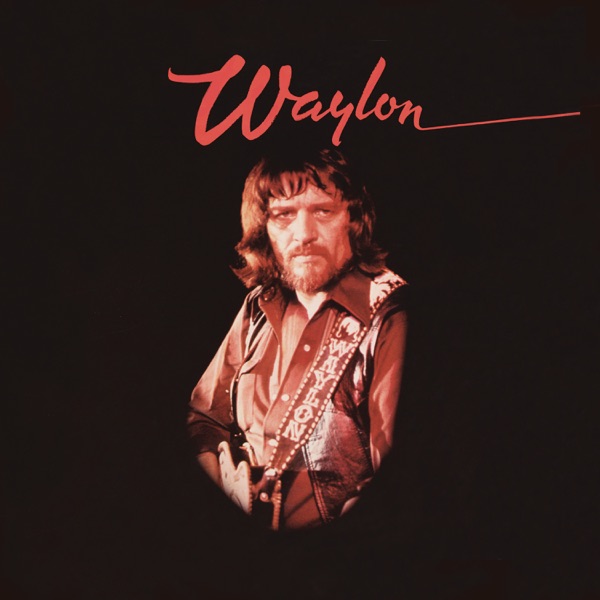
Waylon
1970 · 11 tracks
- 1 Brown Eyed Handsome Man ↗ 2:01
- 2 Just Across the Way ↗ 2:39
- 3 Don't Play the Game ↗ 2:53
- 4 Shutting Out the Light ↗ 2:40
- 5 I May Never Pass This Way Again ↗ 2:48
- 6 The Thirty Third of August ↗ 3:29
- 7 Yellow Haired Woman ↗ 1:51
- 8 Where Love Has Died ↗ 2:16
- 9 All of Me Belongs to You ↗ 2:06
- 10 Yes, Virginia (Remake) ↗ 2:37
- 11 This Time Tomorrow (I'll Be Gone) ↗ 1:48

Don’t Think Twice
1970 · 11 tracks
- 1 Don't Think Twice ↗ 3:00
- 2 River Boy ↗ 2:46
- 3 Twelfth Of Never ↗ 2:28
- 4 The Race Is On ↗ 2:40
- 5 Stepping Stone ↗ 1:53
- 6 The Real House Of The Rising Sun ↗ 3:39
- 7 Just To Satisfy You ↗ 2:30
- 8 Kisses Sweeter Than Wine ↗ 2:28
- 9 Unchained Melody ↗ 3:14
- 10 I Don't Believe You ↗ 4:06
- 11 Four Strong Winds ↗ 3:00

Singer of Sad Songs
1970 · 11 tracks
- 1 Singer of Sad Songs ↗ 2:56
- 2 Sick and Tired ↗ 1:55
- 3 Time Between Bottles of Wine ↗ 2:18
- 4 Must You Throw Dirt In My Face ↗ 2:19
- 5 No Regrets ↗ 3:10
- 6 Ragged But Right ↗ 2:12
- 7 Honky Tonk Woman ↗ 2:59
- 8 She Comes Running ↗ 2:11
- 9 If I Were a Carpenter ↗ 2:24
- 10 Donna On My Mind ↗ 2:11
- 11 Rock, Salt and Nails ↗ 2:07

The Taker / Tulsa
1971 · 10 tracks
- 1 The Taker ↗ 2:26
- 2 You'll Look for Me ↗ 2:04
- 3 Mississippi Woman ↗ 2:56
- 4 Lovin' Her Was Easier (Than Anything I'll Ever Do Again) ↗ 3:06
- 5 Six White Horses ↗ 2:39
- 6 (Don't Let the Sun Set On You) Tulsa ↗ 3:12
- 7 Casey's Last Ride ↗ 4:04
- 8 (I'd Be) A Legend In My Time ↗ 2:21
- 9 Sunday Morning Coming Down ↗ 3:55
- 10 Grey Eyes You Know ↗ 2:31

Cedartown, Georgia
1971 · 10 tracks
- 1 Cedartown, Georgia ↗ 2:50
- 2 Big D ↗ 2:32
- 3 The House Song ↗ 3:31
- 4 Tomorrow Night in Baltimore ↗ 3:05
- 5 Pickin' White Gold ↗ 2:35
- 6 Bridge Over Troubled Water (with Jessi Colter) ↗ 3:58
- 7 It's All Over Now ↗ 2:35
- 8 I'm Gonna Leave You Now (While I Still Love You) ↗ 3:07
- 9 I've Got Eyes For You ↗ 2:37
- 10 Let Me Stay Awhile ↗ 2:25
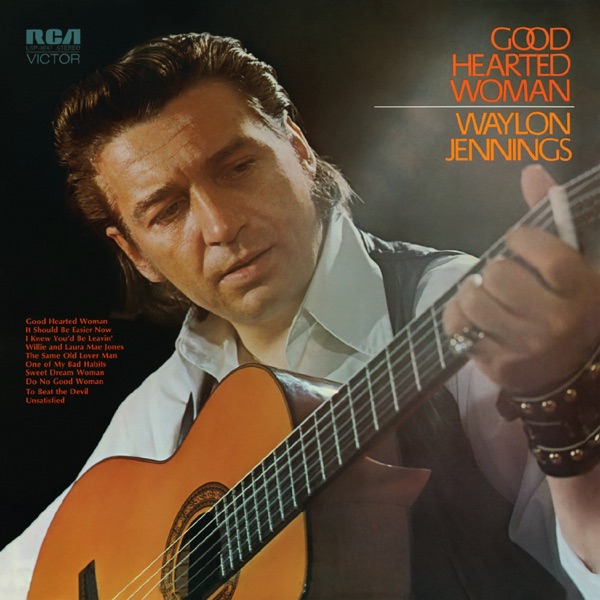
Good Hearted Woman
1972 · 10 tracks
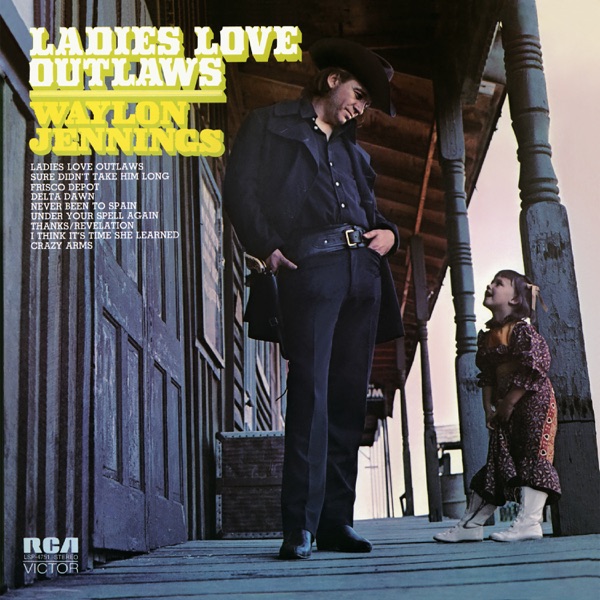
Ladies Love Outlaws
1972 · 10 tracks
- 1 Ladies Love Outlaws ↗ 2:35
- 2 Never Been to Spain ↗ 2:42
- 3 Sure Didn't Take Him Long ↗ 2:24
- 4 Crazy Arms ↗ 2:37
- 5 Revelation ↗ 3:18
- 6 Delta Dawn ↗ 3:23
- 7 Frisco Depot (San Francisco Depot) ↗ 5:02
- 8 Thanks ↗ 2:28
- 9 I Think It's Time She Learned ↗ 2:51
- 10 Under Your Spell Again (with Jessi Colter) ↗ 2:54
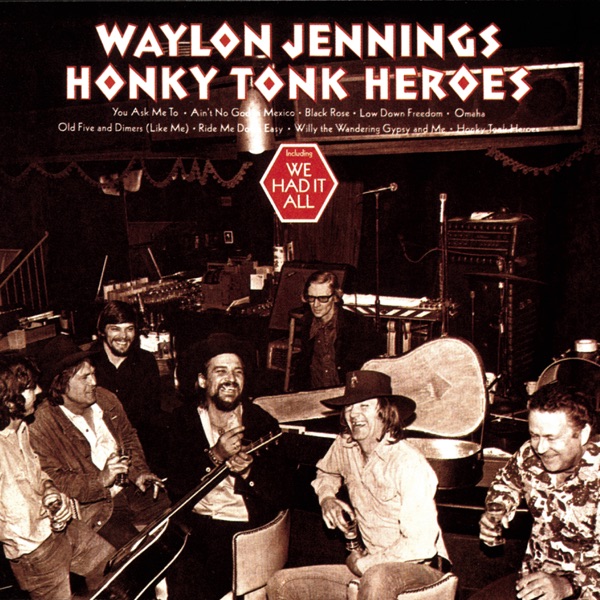
Honky Tonk Heroes
1973 · 10 tracks
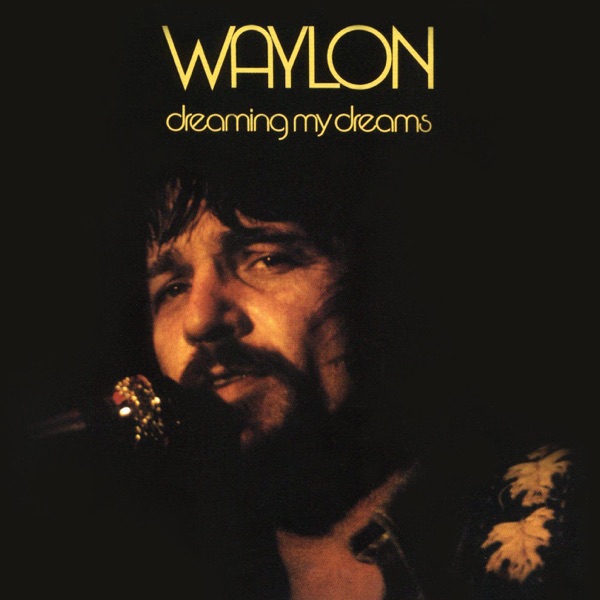
Dreaming My Dreams
1975 · 11 tracks
- 1 Are You Sure Hank Done It This Way (Remastered) ↗ 2:59
- 2 Waymore's Blues (Remastered) ↗ 2:44
- 3 I Recall a Gypsy Woman (Remastered) ↗ 2:58
- 4 High Time (You Quit Your Lowdown Ways) [Remastered] ↗ 2:45
- 5 I've Been a Long Time Leaving (But I'll Be a Long Time Gone) [Remastered] ↗ 2:44
- 6 Let's All Help the Cowboys (Sing the Blues) [Remastered] ↗ 3:17
- 7 The Door Is Always Open (Remastered) ↗ 2:42
- 8 Let's Turn Back the Years (Remastered) ↗ 2:30
- 9 She's Looking Good (Remastered) ↗ 2:33
- 10 Dreaming My Dreams with You (Remastered) ↗ 2:26
- 11 Bob Wills Is Still the King (Remastered/Live) ↗ 3:36

Are You Ready for the Country
1976 · 10 tracks
I’ve Always Been Crazy
1978 · 10 tracks
- 1 I've Always Been Crazy ↗ 4:17
- 2 Don't You Think This Outlaw Bit's Done Got Out of Hand ↗ 3:00
- 3 Billy ↗ 4:18
- 4 A Long Time Ago ↗ 2:23
- 5 As the 'Billy World Turns ↗ 3:02
- 6 Medley of Buddy Holly Hits: Well All Right / It's So Easy / Maybe Baby / Peggy Sue ↗ 6:04
- 7 I Walk the Line ↗ 3:32
- 8 Tonight the Bottle Let Me Down ↗ 3:32
- 9 Girl I Can Tell (You're Trying to Work It Out) ↗ 2:40
- 10 Whistlers and Jugglers ↗ 4:34
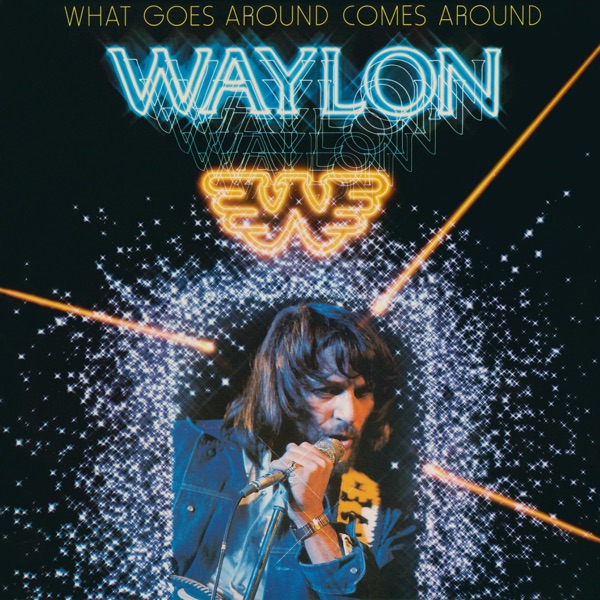
What Goes Around Comes Around
1979 · 10 tracks
- 1 I Ain't Living Long Like This ↗ 4:48
- 2 What Goes Around ↗ 2:56
- 3 Another Man's Fool ↗ 2:54
- 4 I Got the Train Sittin' Waitin' ↗ 2:41
- 5 It's the World's Gone Crazy (Cotillion) ↗ 2:27
- 6 Ivory Tower ↗ 2:45
- 7 Out Among the Stars ↗ 3:33
- 8 Come with Me ↗ 3:03
- 9 If You See Her ↗ 3:28
- 10 Old Love, New Eyes ↗ 4:41
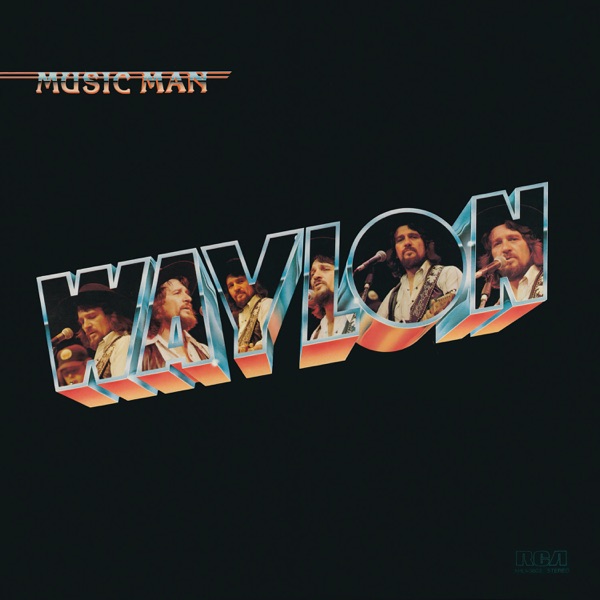
Music Man
1980 · 10 tracks

Leather and Lace
1981 · 10 tracks
- 1 You Never Can Tell (C'est La Vie) ↗ 3:16
- 2 Rainy Seasons ↗ 2:36
- 3 I'll Be Alright ↗ 1:57
- 4 Medley: Wild Side of Life / It Wasn't God Who Made Honky Tonk Angels ↗ 3:22
- 5 Pastels and Harmony ↗ 3:22
- 6 I Believe You Can ↗ 3:00
- 7 What's Happened to Blue Eyes ↗ 2:36
- 8 Storms Never Last ↗ 3:10
- 9 I Ain't the One ↗ 2:20
- 10 You're Not My Same Sweet Baby ↗ 3:45
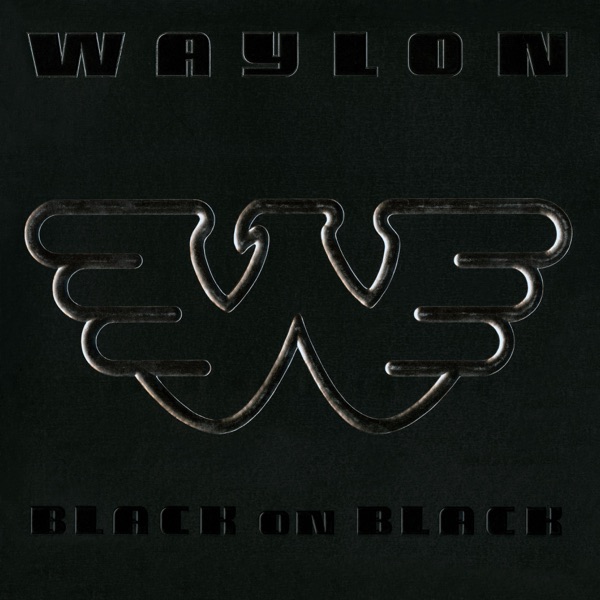
Black on Black
1982 · 10 tracks
- 1 Women Do Know How to Carry On ↗ 3:17
- 2 Honky Tonk Blues ↗ 2:47
- 3 Just to Satisfy You ↗ 2:50
- 4 We Made It as Lovers (We Just Couldn't Make It as Friends) ↗ 2:15
- 5 Shine ↗ 2:52
- 6 Folsom Prison Blues ↗ 2:41
- 7 Gonna Write a Letter ↗ 2:39
- 8 May I Borrow Some Sugar from You ↗ 3:25
- 9 Song for the Life ↗ 3:41
- 10 Get Naked with Me ↗ 3:14
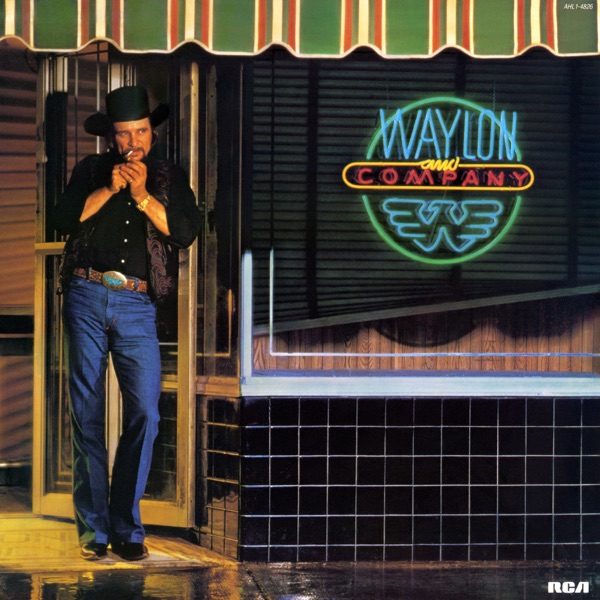
Waylon and Company
1983 · 10 tracks
- 1 Hold On, I'm Comin' ↗ 2:33
- 2 Leave Them Boys Alone (with Hank Williams, Jr.) ↗ 3:31
- 3 Spanish Johnny ↗ 3:50
- 4 Just to Satisfy You ↗ 2:48
- 5 So You Want to Be a Cowboy Singer (with Tony Joe White) ↗ 2:58
- 6 I May Be Used (But Baby I Ain't Used Up) ↗ 2:58
- 7 Sight for Sore Eyes (with Jessi Colter) ↗ 3:46
- 8 I'll Find It Where I Can (with James Garner) ↗ 2:58
- 9 The Conversation (with Hank Williams, Jr.) ↗ 3:50
- 10 Mason Dixon Lines (with Mel Tillis) ↗ 2:45

It’s Only Rock & Roll
1983 · 10 tracks
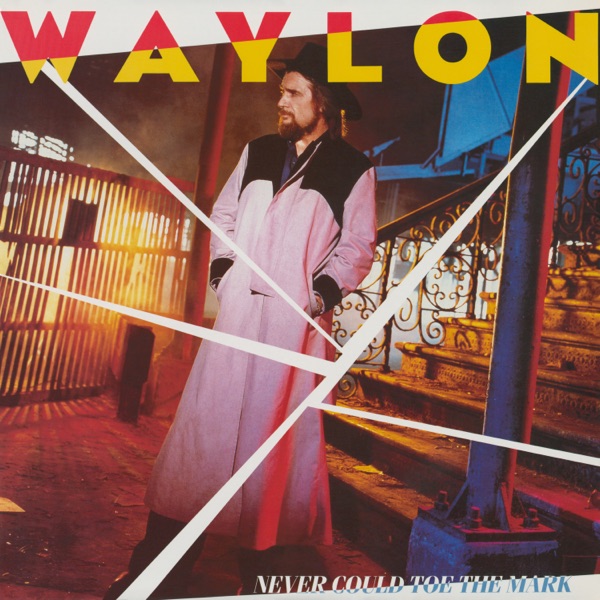
Never Could Toe the Mark
1984 · 10 tracks
- 1 Never Could Toe the Mark ↗ 2:58
- 2 Talk Good Boogie ↗ 2:23
- 3 People up In Texas ↗ 2:28
- 4 Sparkling Brown Eyes ↗ 2:43
- 5 If She'll Leave Her Mama ↗ 2:44
- 6 Settin' Me Up ↗ 2:26
- 7 The Gemini Song (When I'm Bad, I'm Bad) ↗ 2:34
- 8 Where Would I Be (Without You) ↗ 2:52
- 9 Whatever Gets You Through the Night ↗ 3:42
- 10 The Entertainer ↗ 2:45

Turn the Page
1985 · 10 tracks
- 1 The Devil's On The Loose ↗ 2:44
- 2 You Showed Me Somethin' About Lovin' (I Never Knew Was) ↗ 3:48
- 3 Good Morning John ↗ 3:12
- 4 The Broken Promise Land ↗ 3:18
- 5 Don't Bring It Around Anymore ↗ 2:47
- 6 Rhiannon ↗ 2:59
- 7 Drinkin' and Dreamin' ↗ 3:02
- 8 As Far As The Eye Can See ↗ 3:18
- 9 Turn The Page ↗ 4:38
- 10 Those Kind Of Memories ↗ 3:16


Will the Wolf Survive
1986 · 10 tracks
- 1 Will the Wolf Survive? ↗ 3:28
- 2 They Ain't Got 'Em All ↗ 2:43
- 3 Working Without a Net ↗ 2:41
- 4 Where Does Love Go ↗ 2:15
- 5 That Dog Won't Hunt ↗ 2:54
- 6 What You'll Do When I'm Gone ↗ 2:56
- 7 Suddenly Single ↗ 2:45
- 8 The Shadow of Your Distant Friend ↗ 4:00
- 9 I've Got Me a Woman ↗ 2:43
- 10 The Devil's Right Hand ↗ 3:29

Heroes
1986 · 10 tracks
- 1 Folks Out On the Road ↗ 2:47
- 2 I'm Never Gonna Roam Again ↗ 2:55
- 3 American By Birth ↗ 2:32
- 4 Field of Diamonds ↗ 2:35
- 5 Heroes ↗ 4:14
- 6 Even Cowgirls Get the Blues ↗ 3:02
- 7 Love Is the Way ↗ 2:29
- 8 The Ballad of Forty Dollars ↗ 3:07
- 9 I Will Always Love You (In My Own Crazy Way) ↗ 3:58
- 10 One Too Many Mornings ↗ 2:39

A Man Called Hoss
1987 · 11 tracks
- 1 Prologue ↗ 3:36
- 2 Childhood: Littlefield (Chapter One) ↗ 2:11
- 3 Texas: You'll Never Take The Texas Out Of Me (Chapter Two) ↗ 2:58
- 4 First Love: You Went Out With Rock And Roll (Chapter Three) ↗ 2:22
- 5 Lost Love: A Love Song (I Can't Sing Anymore) [Chapter Four] ↗ 2:40
- 6 Nashville: If Ole Hank Could Only See Us Now (Chapter Five) ↗ 2:54
- 7 Crazies: Rough And Rowdy Days (Chapter Six) ↗ 2:35
- 8 Drugs: I'm Living Proof (There's Life After You) [Chapter Seven] ↗ 3:17
- 9 Jessi: You Deserve The Stars In My Crown (Chapter Eight) ↗ 2:45
- 10 Reflections: Turn It All Around (Chapter Nine) ↗ 2:25
- 11 The Beginning: Where Do We Go From Here (Chapter Ten) ↗ 4:49

Hangin’ Tough
1987 · 10 tracks
- 1 Baker Street ↗ 4:31
- 2 I Can't Help the Way I Don't Feel About You ↗ 4:20
- 3 Rose In Paradise ↗ 3:40
- 4 Crying Don't Even Come Close ↗ 2:27
- 5 Chevy Van ↗ 3:05
- 6 Fallin' Out ↗ 3:34
- 7 Deep In the West ↗ 3:56
- 8 Between Fathers and Sons ↗ 3:16
- 9 The Crown Prince ↗ 4:05
- 10 Defying Gravity (Executioner's Song) ↗ 3:31

Full Circle
1988 · 10 tracks
- 1 Trouble Man ↗ 3:20
- 2 Grapes On The Vine ↗ 2:59
- 3 Which Way Do I Go (Now That I'm Gone) ↗ 3:12
- 4 Yoyos, Bozos, Bimbos And Heroes ↗ 3:10
- 5 It Goes With The Territory ↗ 3:47
- 6 How Much Is It Worth To Live In L.A. ↗ 2:56
- 7 Hey Willie ↗ 2:03
- 8 You Put The Soul In The Song ↗ 3:35
- 9 G.I. Joe ↗ 2:58
- 10 Woman I Hate It ↗ 4:35


Too Dumb for New York City, Too Ugly for L.A.
1992 · 10 tracks

Waymore’s Blues (Part II)
1994 · 10 tracks

Right for the Time
1996 · 13 tracks
- 1 WBPT ↗ 3:02
- 2 Cactus Texas ↗ 3:06
- 3 The Most Sensible Thing ↗ 4:04
- 4 The Boxer ↗ 3:46
- 5 Hittin' the Bottle Again ↗ 4:20
- 6 Wastin' Time ↗ 2:49
- 7 Kissing You Goodbye ↗ 1:58
- 8 Carnival Song ↗ 3:47
- 9 Out of Jail ↗ 3:32
- 10 Lines ↗ 3:01
- 11 Deep In the West ↗ 3:36
- 12 Right For the Time ↗ 3:52
- 13 Living Legends Pt. 2 ↗ 3:04
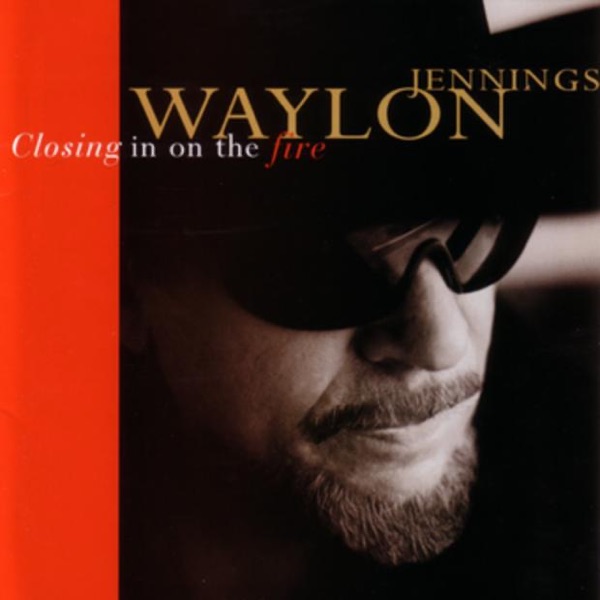
Closing In on the Fire
1998 · 11 tracks
- 1 Closing In On the Fire ↗ 4:42
- 2 I Know About Me, Don't Know About You ↗ 3:02
- 3 Best Friends of Mine ↗ 3:57
- 4 Just Watch Your Mama and Me ↗ 4:45
- 5 She's Too Good for Me ↗ 2:31
- 6 Back Home (Where I Come From) ↗ 4:37
- 7 Be Mine ↗ 4:42
- 8 Easy Money ↗ 4:51
- 9 The Blues Don't Care ↗ 6:08
- 10 Untitled Waltz ↗ 3:53
- 11 No Expectations ↗ 10:05
Honky Tonk Heroes
2000 · 10 tracks

Early Years
2006 · 20 tracks
- 1 When Sin Stops (Single Version) ↗ 2:10
- 2 Jole Blon (Single Version) ↗ 1:56
- 3 My Baby Walks All Over Me (Single Version) ↗ 2:09
- 4 The Stage (Stars In Heaven) [Single Version] ↗ 4:10
- 5 Rave On (Single Version) ↗ 1:54
- 6 Love Denied (Single Version) ↗ 2:11
- 7 Four Strong Winds (Single Version) ↗ 2:52
- 8 Just To Satisfy You (Single Version) ↗ 2:20
- 9 The Real House of the Rising Sun (Single Version) ↗ 3:37
- 10 I'm Coming Home ↗ 2:51
- 11 Sing the Girls a Song, Bill (Single Version) ↗ 2:22
- 12 Crying (Single Version) ↗ 2:39
- 13 Sally Was a Good Old Girl (Single Version) ↗ 2:30
- 14 Burning Memories ↗ 2:22
- 15 Big Mamou ↗ 1:21
- 16 Don't Think Twice It's Alright ↗ 2:42
- 17 Dream Baby (Single Version) ↗ 2:29
- 18 It's So Easy ↗ 1:30
- 19 Love's Gonna Live Here Again ↗ 1:55
- 20 White Lightnin' (Single Version) ↗ 2:16

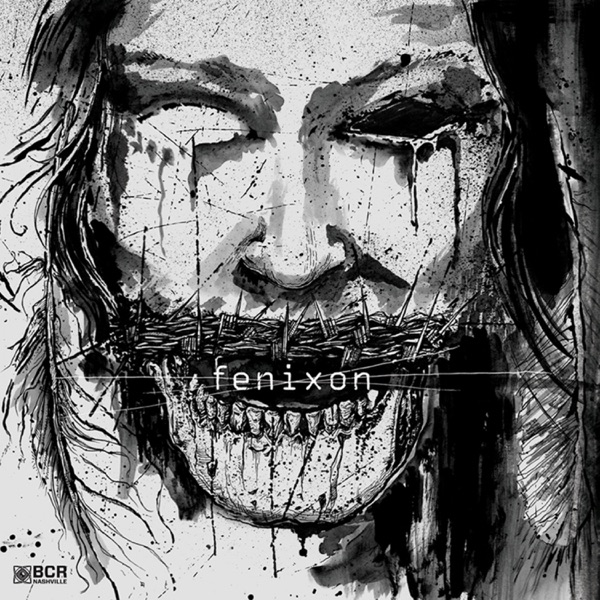
Fenixon
2014 · 12 tracks
- 1 Sludgehammer ↗ 2:40
- 2 I Found the Body ↗ 4:36
- 3 Dream ↗ 3:51
- 4 Waymore's Blues ↗ 3:03
- 5 Passive Destruction ↗ 3:29
- 6 Lonesome on'ry and Mean ↗ 3:45
- 7 White Room ↗ 3:43
- 8 Jack of Diamonds ↗ 3:45
- 9 I Think I'm Gonna Kill Myself ↗ 3:31
- 10 Knockin' on Heaven's Door ↗ 4:21
- 11 Superstar ↗ 4:35
- 12 Outlaw Shit ↗ 4:27

The Lost Nashville Sessions
2016 · 15 tracks
- 1 Only Daddy That'll Walk the Line ↗ 3:13
- 2 The Chokin' Kind ↗ 2:32
- 3 Stop the World (And Let Me Off) ↗ 3:02
- 4 Anita, You're Dreaming ↗ 2:24
- 5 Just to Satisfy You ↗ 4:05
- 6 Green River ↗ 3:02
- 7 Singer of Sad Songs ↗ 3:19
- 8 Love of the Common People ↗ 3:25
- 9 MacArthur Park ↗ 4:40
- 10 Brown Eyed Handsome Man ↗ 2:43
- 11 Mental Revenge ↗ 3:49
- 12 Time to Bum Again ↗ 3:36
- 13 Sunday Mornin' Comin' Down ↗ 4:06
- 14 Young Widow Brown ↗ 3:06
- 15 Kentucky Woman ↗ 3:06
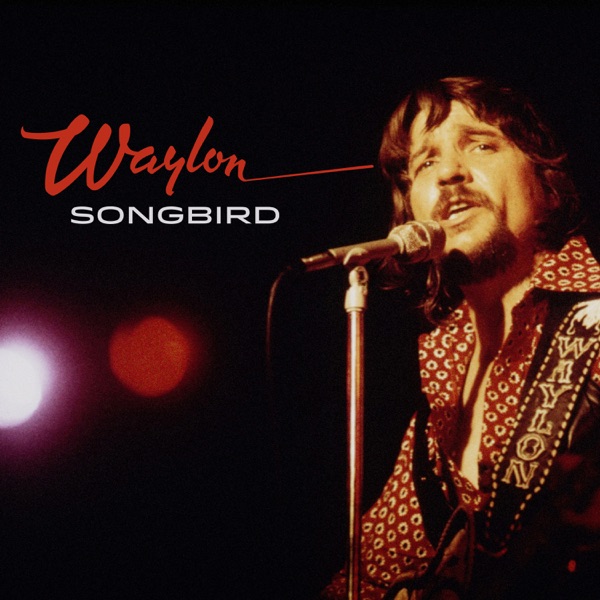
Songbird
2025 · 10 tracks
- 1 Songbird ↗ 3:40
- 2 The Cowboy (Small Texas Town) ↗ 2:20
- 3 I'd Like To Love You Baby ↗ 2:50
- 4 I'm Gonna Lay Back With My Woman ↗ 3:05
- 5 Wrong Road Again ↗ 2:31
- 6 I Hate To Go Searchin’ Them Bars Again ↗ 2:26
- 7 Brand New Tennessee Waltz ↗ 4:09
- 8 (I Don’t Have) Any More Love Songs ↗ 2:47
- 9 After The Ball ↗ 3:10
- 10 Dink's Blues ↗ 3:43
-
 JD’sWaylon Jennings196412 tracks
 -
 Folk‐CountryWaylon Jennings196612 tracks
 -
 Leavin’ TownWaylon Jennings196612 tracks
 -
 Waylon Sings Ol’ HarlanWaylon Jennings196712 tracks
 -
 Love of the Common PeopleWaylon Jennings196714 tracks
 -
 The One and OnlyWaylon Jennings196710 tracks
 -
 Hangin’ OnWaylon Jennings196812 tracks
 -
 Only the GreatestWaylon Jennings196812 tracks
 -
 JewelsWaylon Jennings196812 tracks
 -
 Country‐FolkWaylon Jennings196911 tracks
 -
 Just to Satisfy YouWaylon Jennings196912 tracks
 -
 WaylonWaylon Jennings197011 tracks
 -
 Don’t Think TwiceWaylon Jennings197011 tracks
 -
 Singer of Sad SongsWaylon Jennings197011 tracks
 -
 The Taker / TulsaWaylon Jennings197110 tracks
 -
 Cedartown, GeorgiaWaylon Jennings197110 tracks
 -
 Good Hearted WomanWaylon Jennings197210 tracks
 -
 Ladies Love OutlawsWaylon Jennings197210 tracks
 -
 Honky Tonk HeroesWaylon Jennings197310 tracks
 -
 This TimeWaylon Jennings197410 tracks
 -
 The Ramblin’ ManWaylon Jennings197410 tracks
 -
 Dreaming My DreamsWaylon Jennings197511 tracks
 -
 Are You Ready for the CountryWaylon Jennings197610 tracks
 -
 I’ve Always Been CrazyWaylon Jennings197810 tracks
 -
 What Goes Around Comes AroundWaylon Jennings197910 tracks
 -
 Music ManWaylon Jennings198010 tracks
 -
 Leather and LaceWaylon Jennings198110 tracks
 -
 Black on BlackWaylon Jennings198210 tracks
 -
 Waylon and CompanyWaylon Jennings198310 tracks
 -
 It’s Only Rock & RollWaylon Jennings198310 tracks
 -
 Never Could Toe the MarkWaylon Jennings198410 tracks
 -
 Turn the PageWaylon Jennings198510 tracks
 -
 Sweet Mother TexasWaylon Jennings19868 tracks
 -
 Will the Wolf SurviveWaylon Jennings198610 tracks
 -
 HeroesWaylon Jennings198610 tracks
 -
 A Man Called HossWaylon Jennings198711 tracks
 -
 Hangin’ ToughWaylon Jennings198710 tracks
 -
 Full CircleWaylon Jennings198810 tracks
 -
 The EagleWaylon Jennings199010 tracks
 -
 Too Dumb for New York City, Too Ugly for L.A.Waylon Jennings199210 tracks
 -
 Waymore’s Blues (Part II)Waylon Jennings199410 tracks
 -
 Right for the TimeWaylon Jennings199613 tracks
 -
 Closing In on the FireWaylon Jennings199811 tracks
 - Honky Tonk HeroesWaylon Jennings200010 tracks
-
 Early YearsWaylon Jennings200620 tracks
 -
 Waylon ForeverWaylon Jennings20089 tracks
 -
 FenixonWaylon Jennings201412 tracks
 -
 The Lost Nashville SessionsWaylon Jennings201615 tracks
 -
 SongbirdWaylon Jennings202510 tracks
Deep Dive
Overview
Waylon Arnold Jennings stands as one of the pivotal figures who merged country music with the rebellious energy of rockabilly and rock and roll. Born in 1937 and recording actively until his death in 2002, Jennings became synonymous with the outlaw country movement—a seismic shift in how country music could sound and what it could say. He refused to be confined by Nashville’s commercial formulas, instead carving a path that blended honky-tonk tradition with progressive country sensibilities, rockabilly swagger, and the raw emotion of his own lived experience.
Formation Story
Waylon Jennings came of age during the explosive early days of rock and roll, absorbing influences from both the country tradition and the electric rebellion of rockabilly. His early career was shaped by exposure to the emerging sounds of the 1950s, a time when country music and rock were beginning to collide. By the early 1960s, Jennings had begun recording, laying the groundwork for a career that would span nearly four decades. His initial studio work—albums like JD’s (1964), Folk-Country (1966), and Leavin’ Town (1966)—showed him experimenting with the intersection of folk and country, searching for the voice that would eventually define him.
Breakthrough Moment
Jennings’ shift toward a more distinctive and commercially resonant sound crystallized in the early 1970s. The release of Honky Tonk Heroes in 1973 marked a turning point, establishing him as a major creative force with a singular vision. That album, along with Lonesome, On’ry and Mean (1973), positioned him at the forefront of the emerging outlaw country movement. By the mid-1970s, albums such as Dreaming My Dreams (1975) and Are You Ready for the Country (1976) cemented his status as a leading voice, proving that country music could be both commercially successful and artistically uncompromising.
Peak Era
The decade from the mid-1970s through the early 1980s represented Jennings’ most creatively fertile and commercially dominant period. Ol’ Waylon (1977) and I’ve Always Been Crazy (1978) showcased a mature artist at full command of his craft, combining the honky-tonk traditions of his roots with a contemporary rock sensibility. What Goes Around Comes Around (1979) and Music Man (1980) further solidified his position as one of country music’s most influential figures. During this era, Jennings demonstrated that an artist could remain true to country music’s emotional core while incorporating elements of rock, blues, and progressive arrangement—a stance that redefined what country radio could support.
Musical Style
Jennings’ sound was built on a foundation of traditional honky-tonk and country storytelling, but executed with a rock and roll attitude that set him apart. His guitar work and the production choices on his records emphasized a rawer, more direct approach than the polished Nashville Sound that dominated much of commercial country radio. His voice—weathered, expressive, and deeply emotional—became the signature instrument of his music, capable of conveying vulnerability and defiance in equal measure. Over his career, Jennings moved fluidly between progressive country, country rock, and honky-tonk styles, always maintaining the outlaw ethos that rejected conformity. The country-folk explorations of his mid-1960s work gave way to a harder edge as he matured, drawing listeners who appreciated both country tradition and rock authenticity.
Major Albums
Honky Tonk Heroes (1973)
A landmark album that helped define the outlaw country movement, showcasing Jennings’ mastery of traditional honky-tonk themes with a contemporary edge and unpolished production that emphasized emotional directness.
Lonesome, On’ry and Mean (1973)
Released the same pivotal year as Honky Tonk Heroes, this album reinforced Jennings’ commitment to authenticity and his rejection of slick Nashville conventions.
Dreaming My Dreams (1975)
A commercially and critically significant work that balanced introspection with the rock-inflected country arrangements that had become his trademark.
I’ve Always Been Crazy (1978)
A defining entry in his peak period, this album demonstrated Jennings’ full maturity as a songwriter and interpreter, combining rock-influenced production with deeply personal material.
What Goes Around Comes Around (1979)
Continuing his momentum, this album sustained the creative and commercial trajectory that made him one of country music’s most relevant voices of the era.
Will the Wolf Survive (1986)
A late-career statement that proved Jennings remained vital and relevant, maintaining his outlaw spirit while adapting to contemporary production trends.
Signature Songs
- “Honky Tonk Heroes” — The title track of his landmark 1973 album, a defining statement of the outlaw country ethos.
- “I’ve Always Been Crazy” — An autobiographical anthem that became one of his most recognizable recordings.
- “Lonesome, On’ry and Mean” — A signature expression of the outlaw attitude that defined his career.
- “Dreaming My Dreams” — A showcase for Jennings’ emotional depth and his ability to craft deeply personal material.
- “Ladies Love Outlaws” — From the 1972 album of the same name, a song that captured the contradiction and appeal of the outlaw persona.
Influence on Rock
Waylon Jennings’ influence extended far beyond country music into the broader landscape of rock and roll. His refusal to conform to Nashville’s expectations opened the door for subsequent generations of country artists who wanted to incorporate rock elements without losing their country identity. The outlaw country movement he helped pioneer fundamentally altered the commercial and artistic viability of country music, proving that authenticity and creative ambition could coexist with commercial success. Artists across multiple genres—from rock musicians interested in country roots to country artists seeking a harder edge—looked to Jennings as proof that artistic independence was possible within the major-label system.
Legacy
Waylon Jennings’ death in 2002 marked the end of an era, but his influence continues to resonate through country and rock music. His prolific recording career—spanning nearly forty years and encompassing dozens of studio albums across multiple labels including RCA Victor, Epic Records, A&M Records, and MCA Records—established him as one of the most recorded and recognized voices in country music history. Posthumous releases and reissues, including The Collection (1988), Cowboys, Sisters, Rascals and Dirt (1993), and more recent compilations like The Lost Nashville Sessions (2016) and Goin’ Down Rockin’: The Last Recordings (2012), have ensured that his music remains accessible to new audiences. Jennings’ legacy lies not in any single moment but in his consistent demonstration that country music could be both commercially viable and artistically uncompromising, a lesson that continues to influence how artists approach their work across multiple genres.
Fun Facts
- Jennings’ recording career began in 1964 with the album JD’s, marking the start of a nearly four-decade journey through multiple record labels and countless stylistic explorations.
- His prolific output included experimental ventures into country-folk fusion (Folk-Country, 1966) alongside his more signature honky-tonk and rock-influenced material.
- Late in his career, Jennings recorded Ol’ Waylon Sings Ol’ Hank (1992), a tribute to Hank Williams that demonstrated the deep historical connections between his own artistry and country music’s foundational figures.
- His final studio recording, Goin’ Down Rockin’: The Last Recordings (2012), was released a decade after his death, capturing performances from his final years and preserving his voice for future generations.