

Photo by Robbiework at English Wikipedia ( Original text: Robbiework ( talk ) ) , licensed under CC BY-SA 3.0 · Wikimedia Commons
Rank #28
Willie Nelson
From Wikipedia
Willie Hugh Nelson is an American singer, guitarist, songwriter, actor, and activist. He was one of the main figures of the outlaw country subgenre that developed in the late 1960s as a reaction to the conservative restrictions of the Nashville sound. The critical success of his album Shotgun Willie (1973), combined with the critical and commercial success of Red Headed Stranger (1975) and Stardust (1978), made Nelson one of the most recognized artists in country music. Nelson has acted in over 30 films, co-authored several books, and has been involved in activism for the use of biofuels and the legalization of marijuana.
Discography & Previews
Browse through and click an album to open and play 30-second previews streamed from Apple Music.
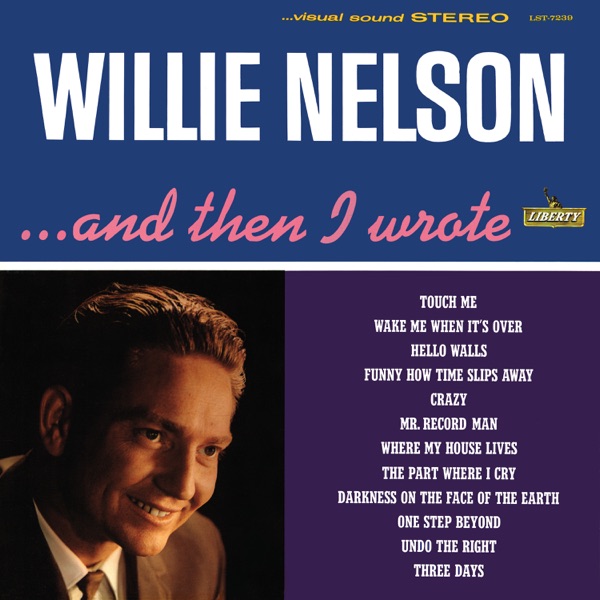
…and Then I Wrote
1962 · 12 tracks
- 1 Touch Me ↗ 2:16
- 2 Wake Me When It's Over ↗ 2:51
- 3 Hello Walls ↗ 2:26
- 4 Funny How Time Slips Away ↗ 3:05
- 5 Crazy ↗ 2:53
- 6 The Part Where I Cry ↗ 2:22
- 7 Mr. Record Man ↗ 2:47
- 8 Three Days ↗ 2:59
- 9 One Step Beyond ↗ 2:27
- 10 Undo the Right ↗ 2:35
- 11 Darkness On the Face of the Earth ↗ 2:33
- 12 Where My House Lives ↗ 2:22

Here’s Willie Nelson
1963 · 12 tracks
- 1 Roly Poly ↗ 1:53
- 2 Half a Man ↗ 2:27
- 3 Lonely Little Mansion ↗ 2:26
- 4 The Last Letter ↗ 2:58
- 5 Second Fiddle ↗ 2:24
- 6 Take My Word ↗ 1:49
- 7 Right or Wrong ↗ 2:11
- 8 Feed It a Memory ↗ 2:34
- 9 Let Me Talk to You ↗ 2:21
- 10 The Way You See Me ↗ 2:57
- 11 Things I Might Have Been ↗ 2:14
- 12 Home Motel ↗ 2:26

Country Willie: His Own Songs
1965 · 12 tracks
- 1 One Day at a Time ↗ 2:33
- 2 My Own Peculiar Way ↗ 2:57
- 3 Night Life ↗ 2:26
- 4 Funny How Time Slips Away ↗ 2:41
- 5 Healing Hands of Time ↗ 2:20
- 6 Darkness on the Face of the Earth ↗ 2:28
- 7 Hello Walls ↗ 2:13
- 8 Are You Sure ↗ 2:12
- 9 Mr. Record Man ↗ 2:14
- 10 It Should Be Easier Now ↗ 2:45
- 11 So Much to Do ↗ 2:12
- 12 Within Your Crowd ↗ 2:04

Country Favorites Willie Nelson Style
1966 · 12 tracks
- 1 Columbus Stockade Blues ↗ 1:56
- 2 Seasons of My Heart ↗ 2:43
- 3 I'd Trade All of My Tomorrows (For Just One Yesterday) ↗ 2:22
- 4 My Window Faces the South ↗ 1:41
- 5 Go on Home ↗ 2:13
- 6 Fraulein ↗ 2:55
- 7 San Antonio Rose ↗ 2:05
- 8 I Love You Because ↗ 2:57
- 9 Don't You Ever Get Tired (Of Hurting Me) ↗ 2:59
- 10 Home in San Antone ↗ 1:38
- 11 Heartaches by the Number ↗ 2:18
- 12 Making Believe ↗ 2:53

Make Way for Willie Nelson
1967 · 12 tracks
- 1 Make Way for a Better Man ↗ 2:02
- 2 Some Other World ↗ 2:13
- 3 Have I Stayed Away Too Long ↗ 3:04
- 4 Born to Lose ↗ 2:41
- 5 Lovin' Lies ↗ 3:00
- 6 You Made Me Live, Love and Die ↗ 2:51
- 7 What Now My Love ↗ 3:15
- 8 Teach Me to Forget ↗ 2:52
- 9 A Mansion on the Hill ↗ 3:01
- 10 If It's Wrong to Love You ↗ 2:19
- 11 Have I Told You Lately That I Love You? ↗ 3:03
- 12 One in a Row ↗ 2:36
Good Times
1968 · 12 tracks

Texas in My Soul
1968 · 11 tracks
- 1 Dallas ↗ 2:14
- 2 San Antonio ↗ 2:30
- 3 Streets Of Laredo ↗ 3:32
- 4 Who Put All My Ex's In Texas ↗ 2:15
- 5 The Hill Country Theme (from Lyndon Johnson's "Texas") ↗ 2:18
- 6 Waltz Across Texas ↗ 2:26
- 7 Travis Letter ↗ 2:05
- 8 Remember The Alamo ↗ 2:56
- 9 Texas In My Soul ↗ 2:00
- 10 There's A Little Bit Of Everything In Texas ↗ 2:20
- 11 Beautiful Texas ↗ 2:41

My Own Peculiar Way
1969 · 12 tracks
- 1 My Own Peculiar Way ↗ 3:09
- 2 I Walk Alone ↗ 3:09
- 3 Any Old Arms Won't Do ↗ 2:33
- 4 I Just Don't Understand ↗ 2:39
- 5 I Just Dropped By ↗ 3:28
- 6 Local Memory ↗ 1:52
- 7 That's All ↗ 2:27
- 8 I Let My Mind Wander ↗ 2:54
- 9 Natural to Be Gone ↗ 2:05
- 10 Love Has a Mind of Its Own ↗ 2:41
- 11 The Message ↗ 2:43
- 12 It Will Come to Pass ↗ 3:01

Laying My Burdens Down
1970 · 10 tracks
- 1 Laying My Burdens Down ↗ 2:36
- 2 How Long Have You Been There ↗ 2:33
- 3 Senses ↗ 2:13
- 4 I Don't Feel Anything (Previously Unreleased in the U.S.) ↗ 2:30
- 5 I've Seen That Look On Me (A Thousand Times) ↗ 2:28
- 6 Where Do You Stand? ↗ 2:17
- 7 Minstrel Man ↗ 2:28
- 8 Happiness Lives Next Door ↗ 2:37
- 9 When We Live Again ↗ 2:16
- 10 Following Me Around ↗ 2:43
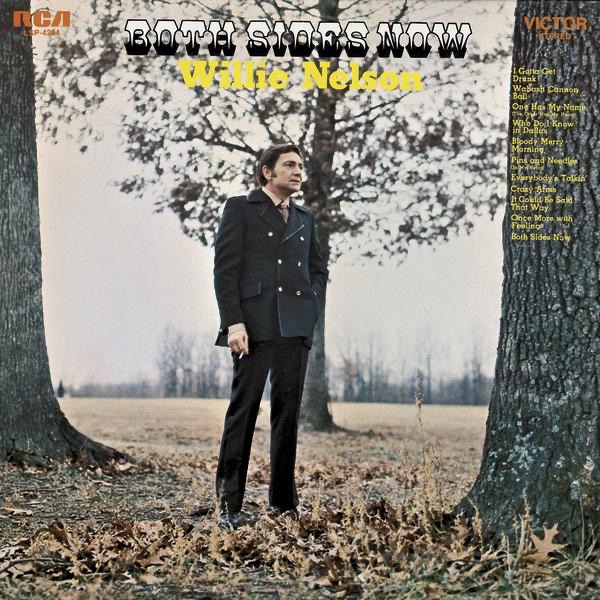
Both Sides Now
1970 · 11 tracks
- 1 Crazy Arms ↗ 2:30
- 2 Wabash Cannonball ↗ 2:42
- 3 Pins And Needles (In My Heart) ↗ 3:19
- 4 Who Do I Know in Dallas ↗ 2:27
- 5 I Gotta Get Drunk ↗ 2:15
- 6 Once More With Feeling ↗ 2:37
- 7 Both Sides Now ↗ 3:02
- 8 Bloody Mary Morning ↗ 3:17
- 9 Everybody's Talkin' ↗ 3:23
- 10 One Has My Name (The Other Has My Heart) ↗ 2:39
- 11 It Could Be Said That Way ↗ 3:11
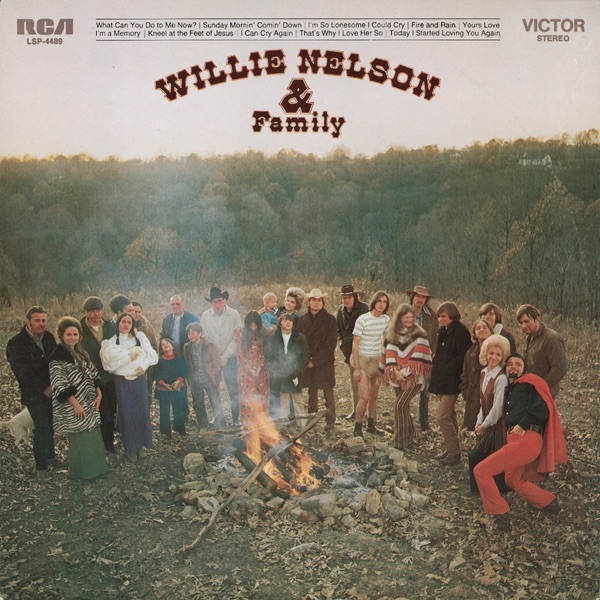
Willie Nelson and Family
1971 · 10 tracks
- 1 What Can You Do To Me Now? ↗ 3:27
- 2 Sunday Mornin' Comin' Down ↗ 5:49
- 3 I'm So Lonesome I Could Cry ↗ 2:24
- 4 Fire And Rain ↗ 2:58
- 5 Kneel At The Feet Of Jesus ↗ 2:48
- 6 I'm A Memory ↗ 2:24
- 7 Yours Love ↗ 3:03
- 8 I Can Cry Again ↗ 2:58
- 9 That's Why I Love Her So ↗ 2:31
- 10 Today I Started Loving You Again ↗ 4:01

Yesterday’s Wine
1971 · 10 tracks
- 1 Medley: Where's the Show / Let Me Be a Man ↗ 3:41
- 2 In God's Eyes ↗ 2:23
- 3 Family Bible ↗ 3:11
- 4 It's Not for Me to Understand ↗ 3:06
- 5 Medley: These Are Difficult Times / Remember the Good Times ↗ 3:15
- 6 Summer of Roses ↗ 2:05
- 7 December Day ↗ 2:19
- 8 Yesterday's Wine ↗ 3:15
- 9 Me and Paul ↗ 3:50
- 10 Goin' Home ↗ 3:06
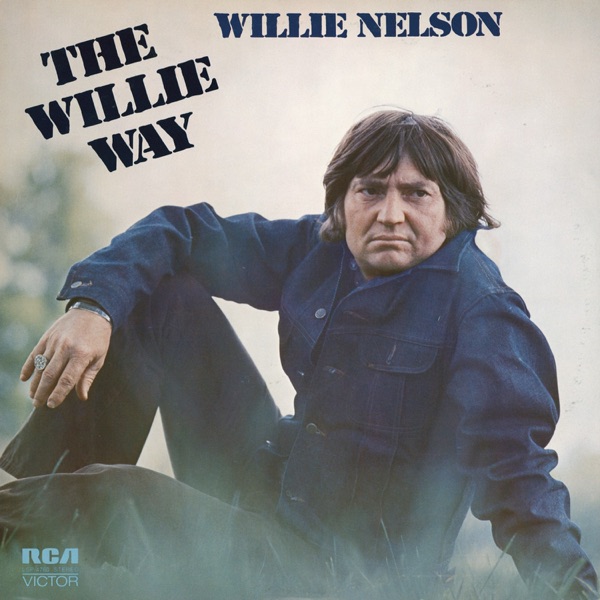
The Willie Way
1972 · 10 tracks
- 1 You Left A Long, Long Time Ago ↗ 2:40
- 2 Wonderful Future ↗ 2:36
- 3 Help Me Make It Through the Night ↗ 2:57
- 4 Wake Me When It's Over ↗ 3:43
- 5 Undo the Right ↗ 2:18
- 6 Mountain Dew ↗ 2:07
- 7 Home Is Where You're Happy ↗ 3:01
- 8 A Moment Isn't Very Long ↗ 3:04
- 9 What Do You Want Me to Do? ↗ 2:29
- 10 I'd Rather You Didn't Love Me ↗ 2:40
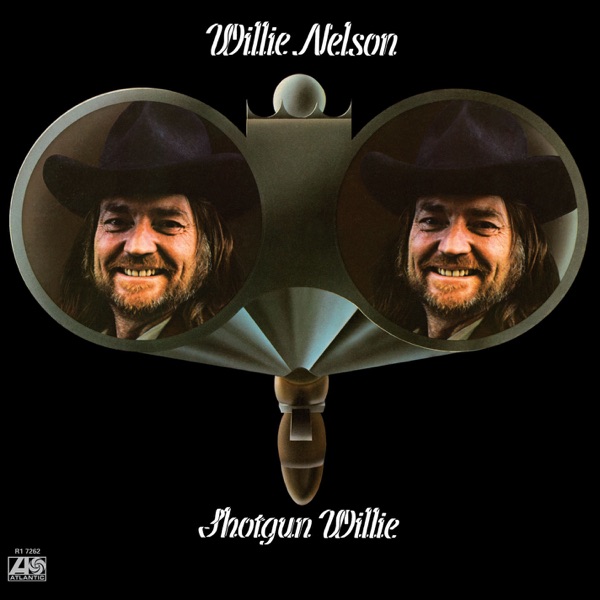
Shotgun Willie
1973 · 12 tracks
- 1 Shotgun Willie ↗ 2:41
- 2 Whiskey River ↗ 4:05
- 3 Sad Songs and Waltzes ↗ 3:07
- 4 Local Memory ↗ 2:20
- 5 Slow Down Old World ↗ 2:54
- 6 Stay All Night (Stay a Little Longer) ↗ 2:35
- 7 Devil In a Sleepin' Bag ↗ 2:40
- 8 She's Not for You ↗ 3:13
- 9 Bubbles In My Beer ↗ 2:34
- 10 You Look Like the Devil ↗ 3:27
- 11 So Much to Do ↗ 3:10
- 12 A Song for You ↗ 4:18

Phases and Stages
1974 · 11 tracks
- 1 Phases and Stages (Theme) / Washing the Dishes ↗ 1:42
- 2 Phases and Stages (Theme) / Walkin' ↗ 4:07
- 3 Pretend I Never Happened ↗ 3:01
- 4 Sister's Coming Home / Down At the Corner Beer Joint ↗ 3:47
- 5 (How Will I Know) I'm Falling In Love Again ↗ 3:26
- 6 Bloody Mary Morning ↗ 2:49
- 7 Phases and Stages (Theme) / No Love Around ↗ 2:25
- 8 I Still Can't Believe You're Gone ↗ 4:17
- 9 It's Not Supposed to Be That Way ↗ 3:29
- 10 Heaven and Hell ↗ 1:54
- 11 Phases and Stages (Theme) / Pick Up the Tempo / Phases and Stages (Theme) ↗ 3:27
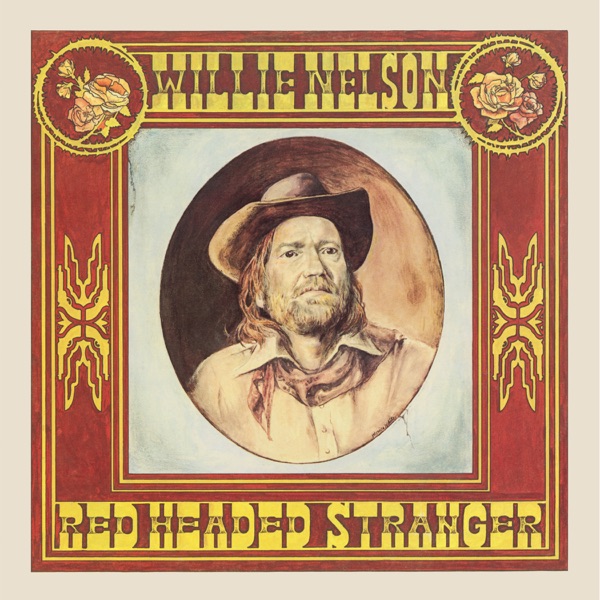
Red Headed Stranger
1975 · 15 tracks
- 1 Time of the Preacher ↗ 2:26
- 2 I Couldn't Believe It Was True ↗ 1:32
- 3 Time of the Preacher Theme ↗ 1:13
- 4 Medley: Blue Rock Montana / Red Headed Stranger ↗ 1:36
- 5 Blue Eyes Crying In the Rain ↗ 2:21
- 6 Red Headed Stranger ↗ 4:00
- 7 Time of the Preacher Theme (Short Version) ↗ 0:27
- 8 Just as I Am ↗ 1:49
- 9 Denver ↗ 0:53
- 10 O'er the Waves ↗ 0:47
- 11 Down Yonder ↗ 1:56
- 12 Can I Sleep in Your Arms ↗ 5:24
- 13 Remember Me (When the Candle Lights Are Gleaming) ↗ 2:53
- 14 Hands on the Wheel ↗ 4:22
- 15 Bandera ↗ 2:16

The Troublemaker
1976 · 11 tracks
- 1 Uncloudy Day ↗ 4:40
- 2 When the Roll Is Called Up Yonder ↗ 2:44
- 3 Whispering Hope ↗ 5:35
- 4 There Is a Fountain ↗ 3:14
- 5 Will the Circle Be Unbroken ↗ 4:35
- 6 The Troublemaker ↗ 1:53
- 7 In the Garden ↗ 4:08
- 8 Where the Soul Never Dies ↗ 4:14
- 9 Sweet Bye & Bye ↗ 2:39
- 10 Shall We Gather ↗ 3:07
- 11 Precious Memories ↗ 7:36

The Sound in Your Mind
1976 · 9 tracks
- 1 That Lucky Old Sun (Just Rolls Around Heaven All Day) ↗ 2:23
- 2 If You've Got the Money I've Got the Time ↗ 2:05
- 3 A Penny for Your Thoughts ↗ 3:22
- 4 The Healing Hands of Time ↗ 3:57
- 5 Thanks Again ↗ 2:13
- 6 I'd Have to Be Crazy ↗ 3:28
- 7 Amazing Grace ↗ 5:41
- 8 The Sound in Your Mind ↗ 4:21
- 9 Medley: Funny How Time Slips Away / Crazy / Night Life ↗ 8:32

To Lefty From Willie
1977 · 10 tracks
- 1 Mom and Dad's Waltz ↗ 3:04
- 2 Look What Thoughts Will Do ↗ 2:45
- 3 I Love You a Thousand Ways ↗ 3:01
- 4 Always Late (With Your Kisses) ↗ 2:26
- 5 I Want to Be with You Always ↗ 2:40
- 6 She's Gone, Gone, Gone ↗ 2:32
- 7 A Little Unfair ↗ 3:44
- 8 I Never Go Around Mirrors ↗ 2:37
- 9 That's the Way Love Goes ↗ 3:10
- 10 Railroad Lady ↗ 2:40

Stardust
1978 · 10 tracks

Pretty Paper
1979 · 12 tracks
- 1 Pretty Paper ↗ 2:28
- 2 White Christmas ↗ 2:46
- 3 Winter Wonderland ↗ 2:26
- 4 Rudolph the Red-Nosed Reindeer ↗ 2:12
- 5 Jingle Bells ↗ 2:12
- 6 Here Comes Santa Claus ↗ 1:54
- 7 Blue Christmas ↗ 2:40
- 8 Santa Claus Is Coming to Town ↗ 2:14
- 9 Frosty the Snowman ↗ 2:28
- 10 Silent Night, Holy Night ↗ 3:46
- 11 O Little Town of Bethlehem ↗ 1:27
- 12 Christmas Blues ↗ 3:13
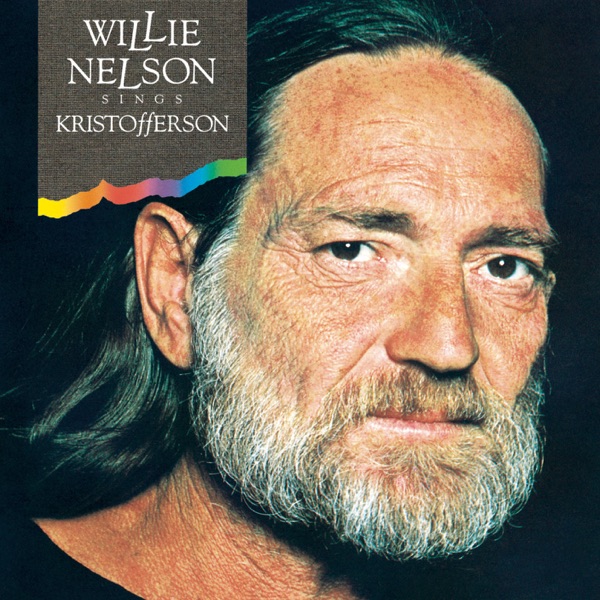
Sings Kristofferson
1979 · 9 tracks
- 1 Me and Bobby McGee ↗ 5:15
- 2 Help Me Make It Through the Night ↗ 4:01
- 3 The Pilgrim: Chapter 33 ↗ 3:36
- 4 Why Me ↗ 3:55
- 5 For the Good Times ↗ 5:26
- 6 You Show Me Yours (And I'll Show You Mine) ↗ 3:51
- 7 Loving Her Was Easier (Than Anything I'll Ever Do Again) ↗ 5:53
- 8 Sunday Mornin' Comin' Down ↗ 7:02
- 9 Please Don't Tell Me How the Story Ends ↗ 2:49

One for the Road
1979 · 20 tracks
- 1 Detour ↗ 2:26
- 2 I Saw the Light ↗ 3:06
- 3 Heartbreak Hotel ↗ 3:04
- 4 Let the Rest of the World Go By ↗ 3:49
- 5 Trouble in Mind ↗ 2:43
- 6 Don't Fence Me In ↗ 2:28
- 7 The Wild Side of Life ↗ 3:24
- 8 Ridin' Down the Canyon ↗ 2:23
- 9 Sioux City Sue ↗ 3:17
- 10 You Are My Sunshine ↗ 2:52
- 11 Danny Boy ↗ 4:00
- 12 Always ↗ 2:19
- 13 Summertime ↗ 2:30
- 14 Because of You ↗ 2:07
- 15 Am I Blue ↗ 2:20
- 16 Tenderly ↗ 4:01
- 17 Far Away Places ↗ 3:10
- 18 That Lucky Old Sun (Just Rolls Around Heaven All Day) ↗ 2:41
- 19 Stormy Weather ↗ 2:26
- 20 One for My Baby and "One More for the Road" ↗ 2:34

San Antonio Rose
1980 · 11 tracks
- 1 San Antonio Rose ↗ 3:44
- 2 I'll Be There (If You Ever Want Me) ↗ 2:43
- 3 I Fall To Pieces ↗ 3:18
- 4 Crazy Arms ↗ 2:44
- 5 Release Me ↗ 3:07
- 6 Don't You Ever Get Tired (Of Hurting Me) ↗ 3:42
- 7 This Cold War With You ↗ 3:22
- 8 Funny How Time Slips Away ↗ 3:53
- 9 Night Life ↗ 4:05
- 10 Deep Water ↗ 2:48
- 11 Faded Love ↗ 3:50

Somewhere Over the Rainbow
1981 · 10 tracks
- 1 Mona Lisa ↗ 2:32
- 2 Exactly Like You ↗ 2:25
- 3 Who's Sorry Now ↗ 3:00
- 4 I'm Confessin' (That I Love You) ↗ 3:34
- 5 Won't You Ride in My Little Red Wagon ↗ 2:31
- 6 Over the Rainbow ↗ 3:36
- 7 In My Mother's Eyes ↗ 3:09
- 8 I'm Gonna Sit Right Down and Write Myself a Letter ↗ 3:01
- 9 It Wouldn't Be the Same (Without You) ↗ 2:55
- 10 Twinkle, Twinkle Little Star ↗ 2:07

The Winning Hand
1982 · 20 tracks
- 1 You're Gonna Love Yourself (In the Morning) ↗ 2:56
- 2 Ping Pong ↗ 2:18
- 3 You'll Always Have Someone ↗ 2:58
- 4 Here Comes That Rainbow Again ↗ 2:53
- 5 The Bigger the Fool, The Harder the Fall ↗ 3:42
- 6 Help Me Make It Through the Night ↗ 3:48
- 7 Happy, Happy Birthday Baby ↗ 2:19
- 8 You Left Me a Long, Long Time Ago ↗ 2:47
- 9 To Make a Long Story Short, She's Gone ↗ 3:05
- 10 Someone Loves You Honey ↗ 2:50
- 11 Everything Is Beautiful (In It's Own Way) ↗ 3:14
- 12 Bring On the Sunshine ↗ 2:50
- 13 Put It Off Until Tomorrow ↗ 2:26
- 14 I Never Cared for You ↗ 2:21
- 15 Casey's Last Ride ↗ 4:08
- 16 King of a Lonely Castle ↗ 3:18
- 17 The Little Things ↗ 2:33
- 18 The Bandits of Beverly Hills ↗ 2:25
- 19 What Do You Think About Lovin' ↗ 2:39
- 20 Born to Love Me ↗ 4:19
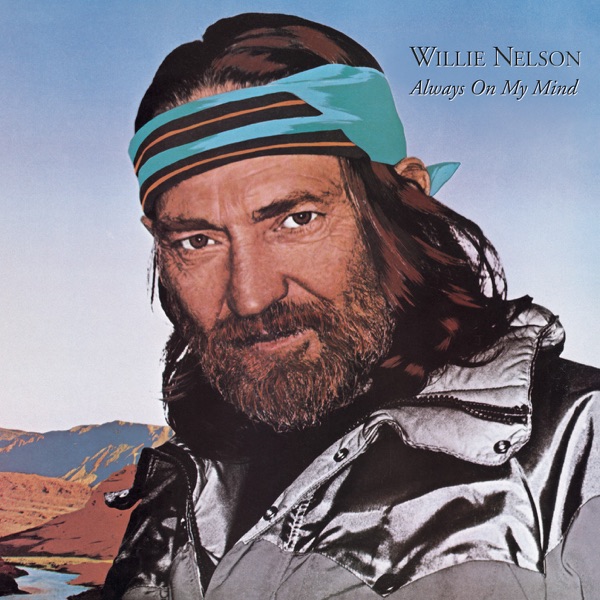
Always on My Mind
1982 · 10 tracks
- 1 Do Right Woman, Do Right Man ↗ 2:58
- 2 Always on My Mind ↗ 3:33
- 3 A Whiter Shade of Pale ↗ 4:02
- 4 Let It Be Me ↗ 3:30
- 5 Staring Each Other Down ↗ 2:16
- 6 Bridge Over Troubled Water ↗ 4:39
- 7 Old Fords and a Natural Stone ↗ 2:32
- 8 Permanently Lonely ↗ 2:41
- 9 Last Thing I Needed First Thing This Morning ↗ 4:22
- 10 The Party's Over ↗ 2:51

Pancho & Lefty
1982 · 10 tracks

In the Jailhouse Now
1982 · 10 tracks

Old Friends
1982 · 10 tracks
- 1 Old Friends (with Ray Price) ↗ 3:06
- 2 Husbands & Wives ↗ 3:45
- 3 Half A Mind ↗ 2:46
- 4 The Best I Can Give Her ↗ 2:31
- 5 Sorry Willie ↗ 2:35
- 6 When A House Is Not A Home ↗ 2:54
- 7 Aladambama ↗ 2:22
- 8 Invitation To The Blues ↗ 3:29
- 9 When Two Worlds Collide ↗ 2:53
- 10 I'll Pick Up My Heart (And Go Home) ↗ 3:30
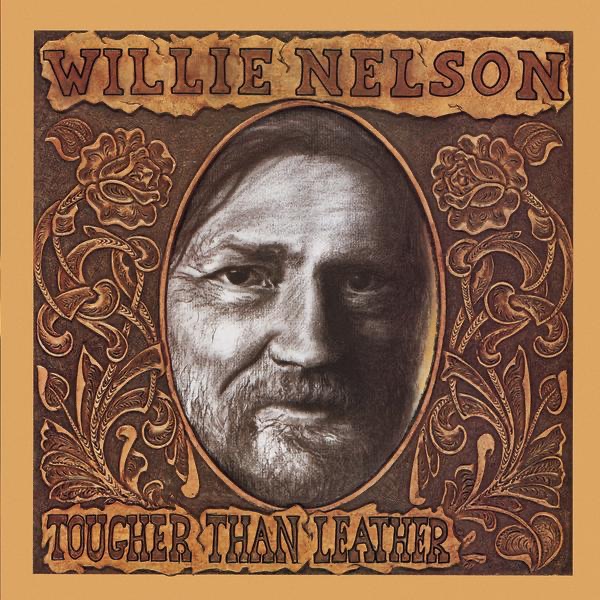
Tougher Than Leather
1983 · 14 tracks
- 1 My Love For The Rose ↗ 0:38
- 2 Changing Skies ↗ 3:02
- 3 Tougher Than Leather ↗ 4:52
- 4 Little Old Fashioned Karma ↗ 3:18
- 5 Somewhere In Texas (Part I) ↗ 0:53
- 6 Beer Barrel Polka ↗ 2:43
- 7 Summer Of Roses ↗ 3:11
- 8 Somewhere In Texas (Part II) ↗ 0:54
- 9 My Love For The Rose ↗ 0:38
- 10 The Convict And The Rose ↗ 3:51
- 11 Changing Skies ↗ 0:53
- 12 I Am The Forest ↗ 4:16
- 13 Nobody Slides, My Friend ↗ 1:39
- 14 Summer Of Roses / December Day (demo) ↗ 3:41

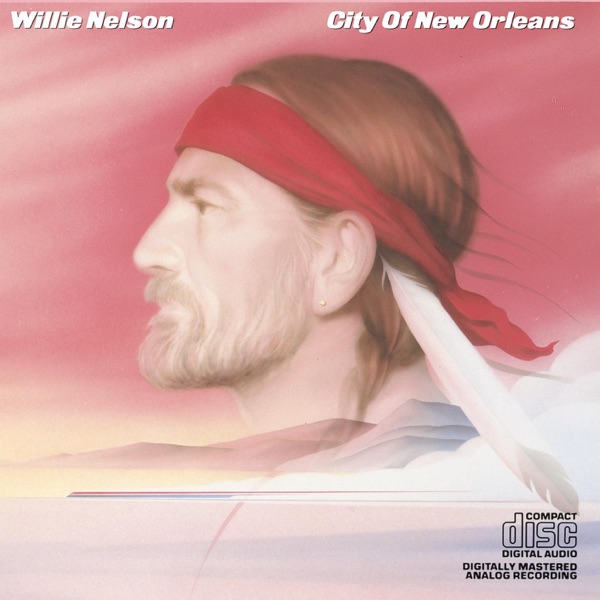
City of New Orleans
1984 · 10 tracks
- 1 City of New Orleans ↗ 4:52
- 2 Just Out Of Reach ↗ 3:37
- 3 Good Time Charlie's Got The Blues ↗ 2:55
- 4 Why Are You Pickin' On Me ↗ 2:31
- 5 She's Out Of My Life ↗ 3:31
- 6 Cry ↗ 3:47
- 7 Please Come To Boston ↗ 4:23
- 8 It Turns Me Inside Out ↗ 3:31
- 9 Wind Beneath My Wings ↗ 3:52
- 10 Until It's Time For You To Go ↗ 4:09

Brand on My Heart
1985 · 10 tracks

Funny How Time Slips Away
1985 · 11 tracks
- 1 Three Days (with Faron Young) ↗ 3:13
- 2 Touch Me (with Faron Young) ↗ 2:39
- 3 Congratulations (with Faron Young) ↗ 2:31
- 4 Half a Man (with Faron Young) ↗ 2:56
- 5 Hello Walls (with Faron Young) ↗ 2:32
- 6 She's Not for You (with Faron Young) ↗ 3:02
- 8 Sweet Dreams (with Faron Young) ↗ 3:06
- 9 Four in the Morning (with Faron Young) ↗ 3:00
- 10 Life Turned Her That Way (with Faron Young) ↗ 2:34
- 11 Going Steady (with Faron Young) ↗ 2:09
- 12 Funny How Time Slips Away (with Faron Young) ↗ 3:51
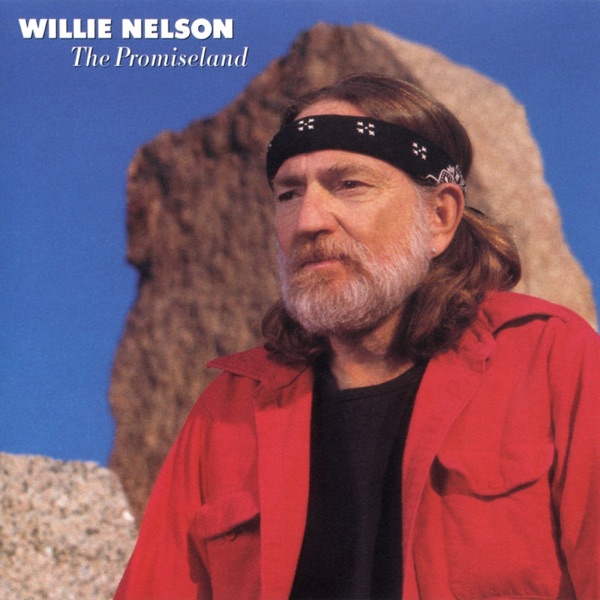
The Promiseland
1986 · 11 tracks
- 1 Living In the Promiseland ↗ 3:21
- 2 I'm Not Trying to Forget You ↗ 3:19
- 3 Here in My Heart ↗ 3:52
- 4 I've Got the Craziest Feeling ↗ 2:57
- 5 No Place But Texas ↗ 3:25
- 6 You're Only in My Arms (To Cry on My Shoulder) ↗ 3:17
- 7 Pass It On ↗ 3:14
- 8 Do You Ever Think of Me ↗ 2:19
- 9 Old Fashioned Love ↗ 2:50
- 10 Basin Street Blues ↗ 4:12
- 11 Bach Minuet in G ↗ 1:38

Seashores of Old Mexico
1987 · 10 tracks

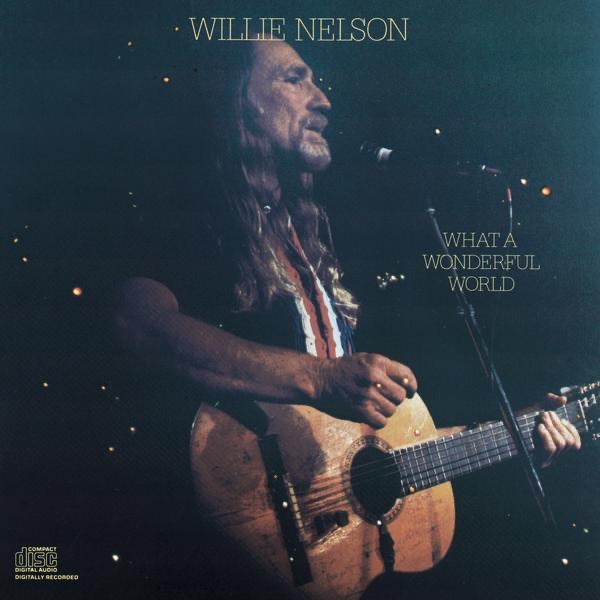
What a Wonderful World
1988 · 10 tracks
- 1 Spanish Eyes (with Willie Nelson) ↗ 3:33
- 2 Moon River ↗ 3:10
- 3 Some Enchanted Evening ↗ 3:41
- 4 What a Wonderful World ↗ 2:14
- 5 South Of The Border (Down Mexico Way) ↗ 3:16
- 6 Ole Buttermilk Sky ↗ 2:49
- 7 The Song From Moulin Rouge ↗ 2:53
- 8 To Each His Own ↗ 3:37
- 9 Twilight Time ↗ 2:50
- 10 Ac-cent-tchu-ate the Positive ↗ 2:01
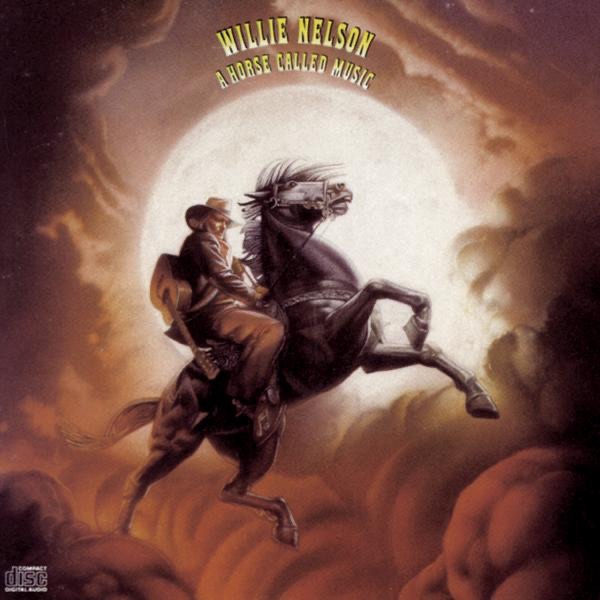
A Horse Called Music
1989 · 10 tracks

On the Road Again
1989 · 1 track
- 1 On the Road Again (ACM Lifting Lives Edition) [feat. Ingrid Andress, Gabby Barrett, Jordan Davis, Russell Dickerson, Lindsay Ell, Riley Green, Caylee Hammack, Cody Johnson, Tenille Townes & Morgan Wallen] ↗ 2:40

Born for Trouble
1990 · 10 tracks
- 1 Ain't Necessarily So ↗ 3:05
- 2 (I Don't Have a Reason) To Go to California Anymore ↗ 3:07
- 3 Ten with a Two ↗ 2:38
- 4 The Piper Came Today ↗ 3:24
- 5 You Decide ↗ 3:49
- 6 Pieces of My Life ↗ 3:33
- 7 It'll Come to Me ↗ 2:57
- 8 This Is How Without You Goes ↗ 3:03
- 9 Born for Trouble ↗ 3:16
- 10 Little Things Mean a Lot ↗ 3:33
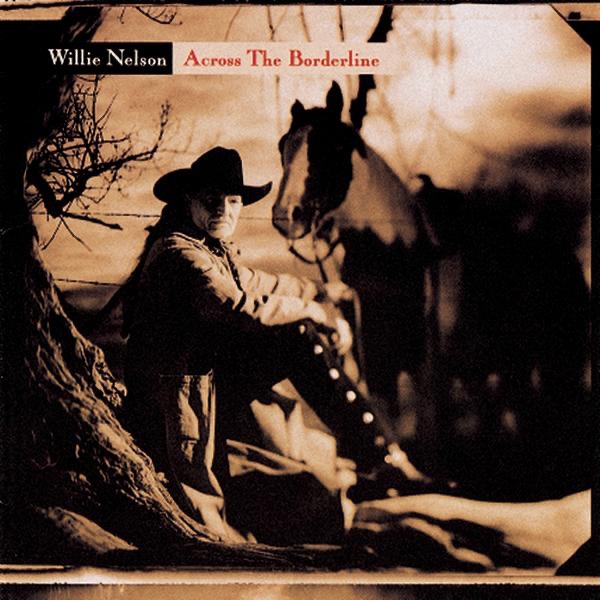
Across the Borderline
1993 · 14 tracks
- 1 American Tune (feat. Paul Simon) ↗ 4:20
- 2 Getting Over You ↗ 4:03
- 3 (The) Most Unoriginal Sin ↗ 4:48
- 4 Don't Give Up (feat. Sinéad O'Connor) ↗ 6:58
- 5 Heartland (feat. Bob Dylan) ↗ 4:33
- 6 Across the Borderline ↗ 4:41
- 7 Graceland ↗ 4:45
- 8 Farther Down the Line ↗ 3:14
- 9 Valentine ↗ 3:37
- 10 What Was It You Wanted ↗ 5:24
- 11 I Love the Life I Live ↗ 3:09
- 12 If I Were the Man You Wanted ↗ 3:37
- 13 She's Not for You ↗ 3:16
- 14 Still Is Still Moving to Me ↗ 3:30

Healing Hands of Time
1994 · 10 tracks
- 1 Funny How Time Slips Away (1994 Version) ↗ 5:31
- 2 Crazy (1994 Version) ↗ 3:30
- 3 Night Life (1994 Version) ↗ 3:56
- 4 Healing Hands of Time ↗ 3:46
- 5 (How Will I Know) I'm Falling In Love Again ↗ 4:14
- 6 All the Things You Are ↗ 2:51
- 7 Oh, What It Seemed to Be ↗ 3:21
- 8 If I Had My Way ↗ 3:24
- 9 I'll Be Seeing You ↗ 3:02
- 10 There Are Worse Things Than Being Alone ↗ 4:08
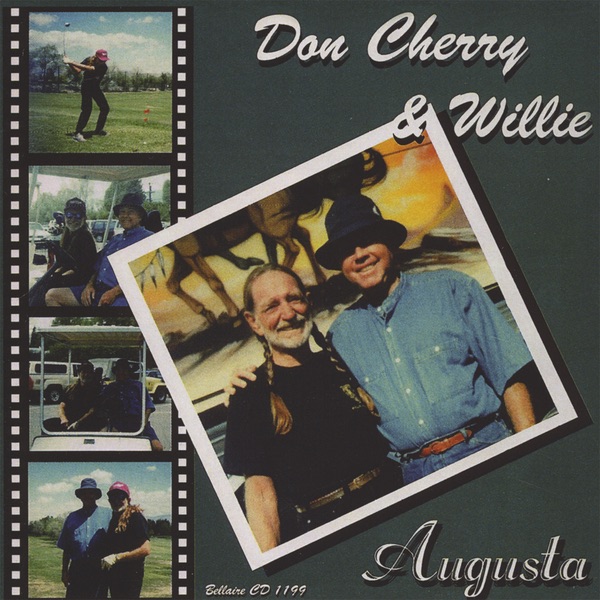
Augusta
1995 · 12 tracks
- 1 Augusta ↗ 2:51
- 2 My Way ↗ 4:23
- 3 One for the Road ↗ 4:16
- 4 Red Sails In the Sunset ↗ 2:57
- 5 Try a Little Tenderness ↗ 4:28
- 6 Tangerine ↗ 3:11
- 7 Love You for Sentimental Reasons ↗ 2:57
- 8 Prisoner of Love ↗ 2:56
- 9 Tenderly ↗ 3:38
- 10 Maybe You'll Be There ↗ 4:21
- 11 So Rare ↗ 2:15
- 12 Don't Go to Strangers ↗ 3:24

Spirit
1996 · 13 tracks
- 1 Matador (Instrumental) ↗ 1:42
- 2 She Is Gone ↗ 2:55
- 3 Your Memory Won't Die in My Grave ↗ 3:27
- 4 I'm Not Trying to Forget You ↗ 3:53
- 5 Too Sick to Pray ↗ 2:40
- 6 Mariachi (Instrumental) ↗ 2:06
- 7 I'm Waiting Forever ↗ 3:10
- 8 We Don't Run ↗ 3:02
- 9 I Guess I've Come to Live Here in Your Eyes ↗ 3:36
- 10 It's a Dream Come True ↗ 3:59
- 11 I Thought About You, Lord ↗ 4:12
- 12 Spirit of E9 (Instrumental) ↗ 4:58
- 13 Matador (Instrumental) [Snippet] ↗ 0:18

Teatro
1998 · 14 tracks
- 1 Ou Es-Tu, Mon Amour? (Where Are You, My Love?) ↗ 2:43
- 2 I Never Cared for You ↗ 2:19
- 3 Everywhere I Go ↗ 3:50
- 4 Darkness on the Face of the Earth ↗ 2:34
- 5 My Own Peculiar Way ↗ 3:38
- 6 These Lonely Nights ↗ 3:30
- 7 Home Motel ↗ 3:15
- 8 The Maker ↗ 5:09
- 9 I Just Can't Let You Say Goodbye ↗ 4:38
- 10 I've Just Destroyed the World I'm Living In ↗ 2:53
- 11 Somebody Pick up My Pieces ↗ 4:39
- 12 Nuages ↗ 3:07
- 13 I've Loved You All over the World ↗ 4:18
- 14 Annie ↗ 3:52

Milk Cow Blues
2000 · 15 tracks
- 1 Milk Cow Blues (Featuring Francine Reed) ↗ 4:31
- 2 Outskirts of Town (Featuring Keb' Mo') ↗ 2:57
- 3 Black Night (feat. Dr. John) ↗ 5:22
- 4 Funny (How Time Slips Away) [feat. Francine Reed] ↗ 4:11
- 5 Rainy Day Blues (Featuring Jonnny Lang) ↗ 5:09
- 6 Crazy (Featuring Susan Tedeschi) ↗ 4:16
- 7 The Thrill Is Gone ↗ 4:26
- 8 Wake Me When It's Over ↗ 4:12
- 9 Kansas City (Featuring Susan Tedeschi) ↗ 2:51
- 10 Fool's Paradise (Featuring Dr. John) ↗ 4:17
- 11 Ain't Nobody's Business (Featuring Jonny Lang) ↗ 5:08
- 12 Night Life (feat. B.B. King) [2000] ↗ 4:26
- 13 Sittin' On Top of the World ↗ 4:47
- 14 Lonely Street ↗ 4:26
- 15 Texas Flood (Featuring Kenny Wayne Shepherd) ↗ 8:46

Rainbow Connection
2001 · 13 tracks
- 1 Rainbow Connection ↗ 4:29
- 2 I'm Looking over a Four-Leaf Clover ↗ 2:31
- 3 Ol' Blue ↗ 2:37
- 4 Wise Old Me ↗ 4:14
- 5 Won't You Ride in My Little Red Wagon ↗ 1:28
- 6 Playmate ↗ 1:38
- 7 I'm My Own Grandpa ↗ 3:20
- 8 Rock Me to Sleep ↗ 3:16
- 9 Playin' Dominoes and Shootin' Dice ↗ 2:46
- 10 Wouldn't Have It Any Other Way ↗ 1:56
- 11 Outskirts of Town ↗ 7:21
- 12 Just Dropped In (To See What Condition My Condition Was In) ↗ 3:43
- 13 The Thirty-Third of August ↗ 4:35
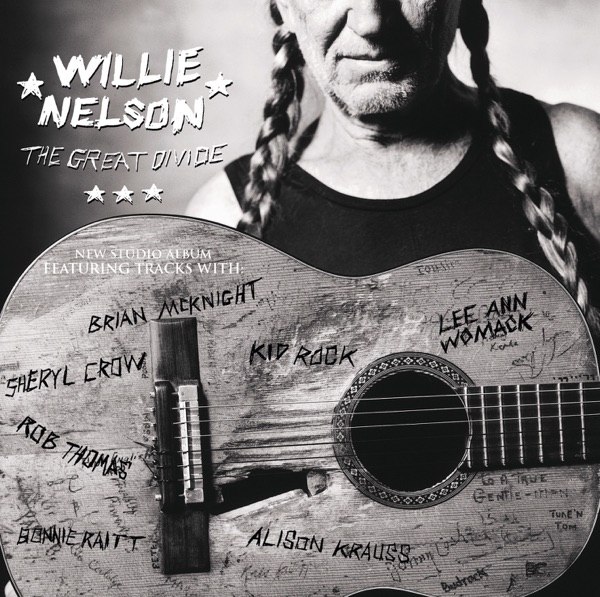
The Great Divide
2002 · 12 tracks
- 1 Maria (Shut Up and Kiss Me) ↗ 4:20
- 2 Mendocino County Line (feat. Lee Ann Womack) ↗ 4:32
- 3 Last Stand in Open Country (feat. Kid Rock) ↗ 4:47
- 4 Won't Catch Me Cryin' ↗ 4:07
- 5 Be There for You (feat. Sheryl Crow) ↗ 4:37
- 6 The Great Divide ↗ 4:06
- 7 Just Dropped In (To See What Condition My Condition Was In) ↗ 3:32
- 8 This Face ↗ 4:29
- 9 Don't Fade Away (feat. Brian McKnight) ↗ 4:18
- 10 Time after Time ↗ 4:05
- 11 Recollection Phoenix ↗ 4:53
- 12 You Remain (feat. Bonnie Raitt) ↗ 5:54

Run That by Me One More Time
2003 · 11 tracks
- 1 Deep Water ↗ 2:37
- 2 This Cold War With You ↗ 2:45
- 3 I'm So Ashamed ↗ 3:04
- 4 I've Just Destroyed the World I'm Living In ↗ 2:40
- 5 It Wouldn't Be the Same Without You ↗ 2:46
- 6 Home In San Antone ↗ 2:37
- 7 Something to Think About ↗ 2:21
- 8 Run That By Me One More Time ↗ 2:42
- 9 Soft Rain ↗ 3:32
- 10 I'll Keep On Lovin' You ↗ 2:14
- 11 I'm Still Not Over You ↗ 3:57

It Always Will Be
2004 · 14 tracks
- 1 It Always Will Be ↗ 4:12
- 2 Picture In a Frame ↗ 3:39
- 3 The Way You See Me ↗ 4:21
- 4 Be That As It May ↗ 3:28
- 5 You Were It ↗ 4:28
- 6 Big Booty ↗ 3:03
- 7 I Didn't Come Here (And I Ain't Leavin') ↗ 3:09
- 8 My Broken Heart Belongs to You ↗ 2:26
- 9 Dreams Come True ↗ 4:34
- 10 Overtime ↗ 3:45
- 11 Tired ↗ 4:19
- 12 Love's the One and Only Thing ↗ 3:34
- 13 Texas ↗ 3:52
- 14 Midnight Rider ↗ 3:00
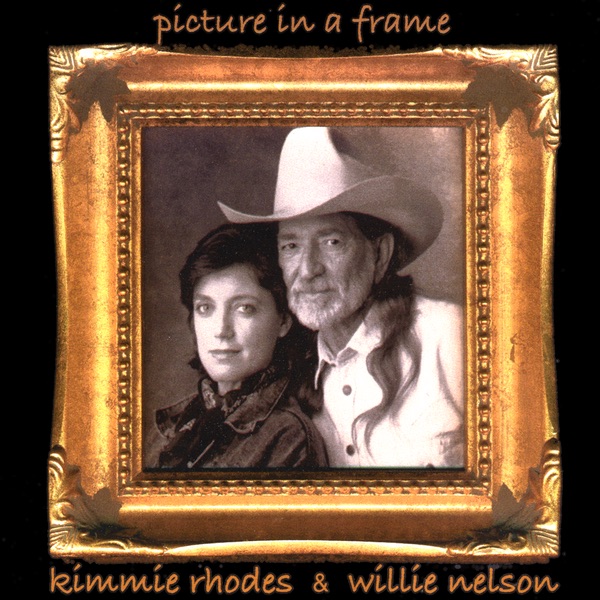
Picture in a Frame
2004 · 10 tracks
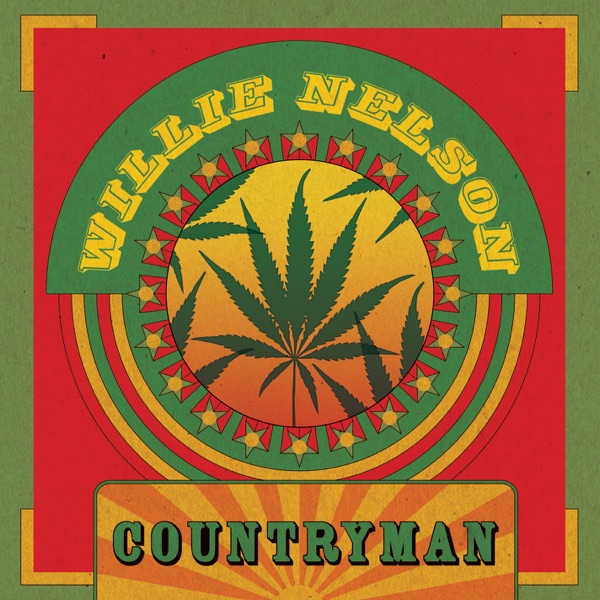
Countryman
2005 · 12 tracks
- 1 Do You Mind Too Much If I Don't Understand ↗ 2:48
- 2 How Long Is Forever ↗ 3:23
- 3 I'm a Worried Man (feat. Toots Hibbert) ↗ 2:35
- 4 The Harder They Come ↗ 3:39
- 5 Something to Think About ↗ 3:15
- 6 Sitting In Limbo ↗ 2:42
- 7 Darkness On the Face of the Earth ↗ 2:18
- 8 One In a Row ↗ 3:33
- 9 I've Just Destroyed the World ↗ 2:45
- 10 You Left Me a Long, Long Time Ago ↗ 3:02
- 11 I Guess I've Come to Live Here ↗ 3:27
- 12 Undo the Right ↗ 2:33

You Don’t Know Me: The Songs of Cindy Walker
2006 · 13 tracks
- 1 Bubbles In My Beer ↗ 2:49
- 2 Not That I Care ↗ 2:55
- 3 Take Me In Your Arms ↗ 3:21
- 4 Don't Be Ashamed of Your Age ↗ 3:33
- 5 You Don't Know Me ↗ 3:41
- 6 Sugar Moon ↗ 2:27
- 7 I Don't Care ↗ 2:55
- 8 Cherokee Maiden ↗ 3:07
- 9 Warm Red Wine ↗ 2:49
- 10 Miss Molly ↗ 2:33
- 11 Dusty Skies ↗ 3:33
- 12 It's All Your Fault ↗ 2:35
- 13 Just Walkin' Out the Door ↗ 2:54


Last of the Breed
2007 · 22 tracks
- 1 My Life's Been a Pleasure ↗ 3:02
- 1 Goin' Away Party ↗ 3:24
- 2 My Mary ↗ 3:12
- 2 If I Ever Get Lucky ↗ 4:10
- 3 Back to Earth ↗ 3:23
- 3 Sweet Memories ↗ 3:21
- 4 Heartaches By the Number ↗ 3:02
- 4 Pick Me Up On Your Way Down ↗ 3:14
- 5 Mom and Dad's Waltz ↗ 3:25
- 5 I Love You Because ↗ 3:02
- 6 Some Other World ↗ 3:24
- 6 Sweet Jesus ↗ 3:35
- 7 Why Me ↗ 3:42
- 7 Still Water Runs the Deepest ↗ 2:38
- 8 Lost Highway ↗ 2:52
- 8 I Love You So Much It Hurts ↗ 3:08
- 9 I Love You a Thousand Ways ↗ 2:56
- 9 That Silver Haired Daddy of Mine ↗ 3:24
- 10 Please Don't Leave Me Any More Darlin' ↗ 3:32
- 10 I'll Keep On Loving You ↗ 3:03
- 11 I Gotta Have My Baby Back ↗ 3:13
- 11 Night Watch ↗ 2:48

Moment of Forever
2008 · 14 tracks
- 1 Over You Again ↗ 5:35
- 2 Moment of Forever ↗ 3:50
- 3 The Bob Song ↗ 4:15
- 4 Louisiana ↗ 3:23
- 5 Gravedigger ↗ 3:52
- 6 Keep Me from Blowing Away ↗ 3:32
- 7 Takin' On Water ↗ 3:23
- 8 Always Now ↗ 3:27
- 9 I'm Alive ↗ 3:27
- 10 When I Was Young and Grandma Wasn't Old ↗ 3:04
- 11 Worry B Gone ↗ 3:08
- 12 You Don't Think I'm Funny Anymore ↗ 2:19
- 13 Gotta Serve Somebody ↗ 8:00
- 14 You Don't Think I'm Funny Anymore ↗ 1:33

American Classic
2009 · 13 tracks
- 1 The Nearness Of You ↗ 4:43
- 2 Fly Me To The Moon ↗ 2:50
- 3 Come Rain Or Come Shine ↗ 3:56
- 4 If I Had You (feat. Diana Krall) ↗ 4:22
- 5 Ain't Misbehavin' ↗ 2:54
- 6 I Miss You So ↗ 4:31
- 7 Because Of You ↗ 3:23
- 8 Baby It's Cold Outside (feat. Norah Jones) ↗ 3:58
- 9 Angel Eyes ↗ 4:33
- 10 On The Street Where You Live ↗ 2:56
- 11 Since I Fell For You ↗ 3:40
- 12 Always On My Mind ↗ 3:29
- 13 On A Slow Boat To China ↗ 2:20

Willie and the Wheel
2009 · 12 tracks
- 1 Hesitation Blues ↗ 2:47
- 2 Sweet Jennie Lee ↗ 3:01
- 3 Fan It ↗ 2:46
- 4 I Ain't Gonna Give Nobody None O' This Jelly Roll ↗ 3:12
- 5 Oh! You Pretty Woman ↗ 2:51
- 6 Bring It On Down to My House ↗ 3:29
- 7 Right or Wrong ↗ 3:11
- 8 Corrine Corrina ↗ 3:17
- 9 I'm Sittin' On Top of the World ↗ 4:45
- 10 Shame On You ↗ 3:00
- 11 South (feat. Paul Shaffer & Vince Gill) ↗ 3:40
- 12 Won't You Ride In My Little Red Wagon ↗ 3:40
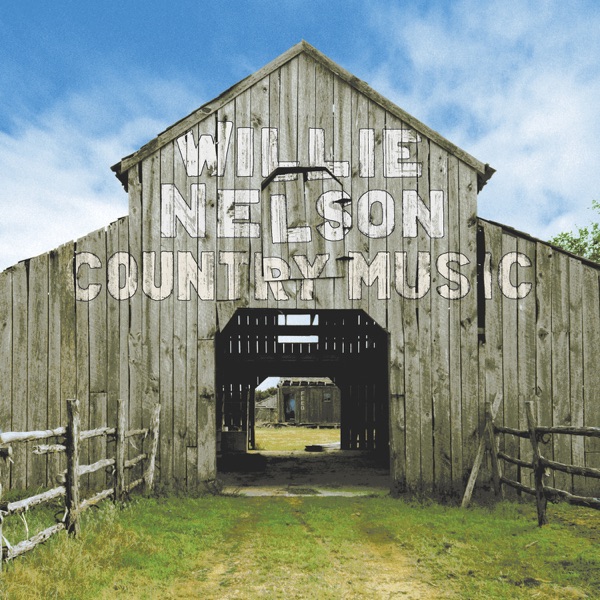
Country Music
2010 · 15 tracks
- 1 Man With the Blues ↗ 2:21
- 2 Seaman's Blues ↗ 3:22
- 3 Dark As a Dungeon ↗ 4:50
- 4 Gotta Walk Alone ↗ 2:13
- 5 Satan Your Kingdom Must Come Down ↗ 3:20
- 6 My Baby's Gone ↗ 5:06
- 7 Freight Train Boogie ↗ 2:39
- 8 Satisfied Mind ↗ 3:52
- 9 You Done Me Wrong ↗ 3:12
- 10 Pistol Packin' Mama ↗ 2:36
- 11 Ocean of Diamonds ↗ 3:36
- 12 Drinking Champagne ↗ 3:42
- 13 I Am a Pilgrim ↗ 4:52
- 14 House of Gold ↗ 4:44
- 15 Nobody's Fault But Mine ↗ 4:27
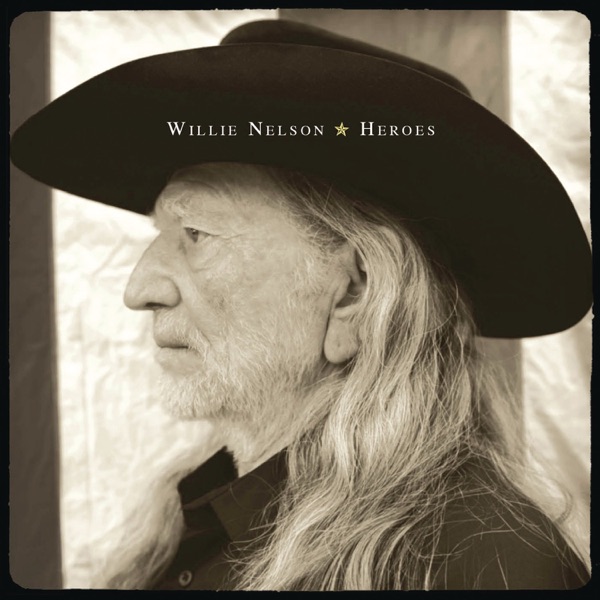
Heroes
2012 · 14 tracks
- 1 A Horse Called Music ↗ 4:37
- 2 Roll Me Up ↗ 3:27
- 3 That's All There Is To This Song ↗ 3:03
- 4 No Place To Fly ↗ 5:09
- 5 Every Time He Drinks He Thinks of Her (feat. Lukas Nelson & Promise of the Real) ↗ 2:49
- 6 Come On Up To The House ↗ 5:17
- 7 Hero ↗ 4:40
- 8 My Window Faces The South ↗ 2:33
- 9 The Sound Of Your Memory ↗ 6:12
- 10 Cold War With You ↗ 4:05
- 11 Just Breathe (feat. Lukas Nelson & Promise of the Real) ↗ 4:03
- 12 Home In San Antone ↗ 4:10
- 13 Come On Back Jesus ↗ 3:26
- 14 The Scientist ↗ 5:03
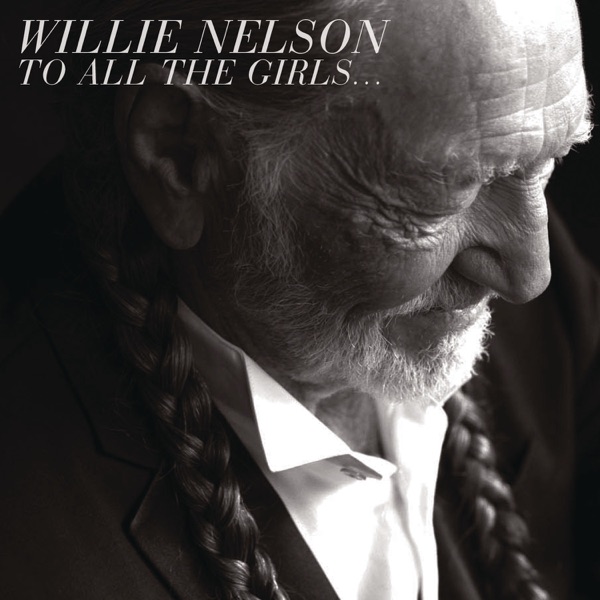
To All the Girls…
2013 · 18 tracks
- 1 From Here to the Moon and Back (feat. Dolly Parton) ↗ 4:02
- 2 She Was No Good for Me (feat. Miranda Lambert) ↗ 3:47
- 3 It Won't Be Very Long (feat. The Secret Sisters) ↗ 2:39
- 4 Please Don't Tell Me How the Story Ends (feat. Rosanne Cash) ↗ 4:20
- 5 Far Away Places (feat. Sheryl Crow) ↗ 4:59
- 6 Bloody Mary Morning (feat. Wynonna) ↗ 3:07
- 7 Always on My Mind (feat. Carrie Underwood) ↗ 3:57
- 8 Somewhere Between (feat. Loretta Lynn) ↗ 3:14
- 9 No Mas Amor (feat. Alison Krauss) ↗ 4:13
- 10 Back to Earth (feat. Melonie Cannon) ↗ 3:33
- 11 Grandma's Hands (feat. Mavis Staples) ↗ 3:11
- 12 Walkin' (feat. Norah Jones) ↗ 3:40
- 13 Till the End of the World (feat. Shelby Lynne) ↗ 2:02
- 14 Will You Remember Mine (feat. Lily Meola) ↗ 4:37
- 15 Dry Lightning (feat. Emmylou Harris) ↗ 4:22
- 16 Making Believe (feat. Brandi Carlile) ↗ 3:17
- 17 Have You Ever Seen the Rain (feat. Paula Nelson) ↗ 4:39
- 18 After the Fire Is Gone (feat. Tina Rose) ↗ 2:42

Let’s Face the Music and Dance
2013 · 14 tracks
- 1 Let's Face the Music and Dance ↗ 3:23
- 2 Is the Better Part Over ↗ 2:39
- 3 You'll Never Know ↗ 3:32
- 4 Vous Et Moi ↗ 3:24
- 5 Walking My Baby Back Home ↗ 3:52
- 6 Matchbox ↗ 2:40
- 7 Twilight Time ↗ 4:08
- 8 I Can't Give You Anything But Love ↗ 3:46
- 9 I'll Keep on Loving You ↗ 3:39
- 10 I Wish I Didn't Love You So ↗ 4:18
- 11 South of the Border ↗ 3:52
- 12 Nuages ↗ 3:37
- 13 Maria (The Dawn Is Breaking) ↗ 3:08
- 14 Shame on You ↗ 2:23
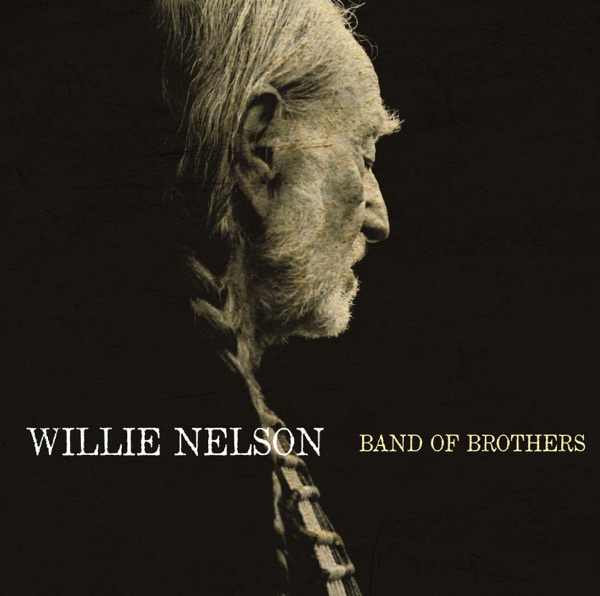
Band of Brothers
2014 · 14 tracks
- 1 Bring It On ↗ 2:55
- 2 Guitar in the Corner ↗ 3:56
- 3 The Wall (Digital Single) ↗ 3:30
- 4 Whenever You Come Around ↗ 4:14
- 5 Wives and Girlfriends (Digital Single) ↗ 3:03
- 6 I Thought I Left You ↗ 3:02
- 7 Send Me a Picture ↗ 4:00
- 8 Used to Her ↗ 2:47
- 9 The Git Go (with Jamey Johnson) ↗ 4:08
- 10 Band of Brothers ↗ 2:52
- 11 Hard to Be an Outlaw ↗ 3:10
- 12 Crazy Like Me ↗ 3:17
- 13 The Songwriters ↗ 3:17
- 14 I've Got a Lot of Traveling to Do ↗ 3:19
-
 …and Then I WroteWillie Nelson196212 tracks
 -
 Here’s Willie NelsonWillie Nelson196312 tracks
 -
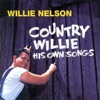 Country Willie: His Own SongsWillie Nelson196512 tracks
 -
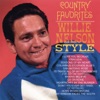 Country Favorites Willie Nelson StyleWillie Nelson196612 tracks
 -
 Make Way for Willie NelsonWillie Nelson196712 tracks
 -
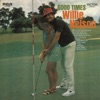 Good TimesWillie Nelson196812 tracks
 -
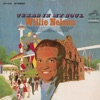 Texas in My SoulWillie Nelson196811 tracks
 -
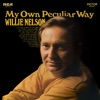 My Own Peculiar WayWillie Nelson196912 tracks
 -
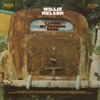 Laying My Burdens DownWillie Nelson197010 tracks
 -
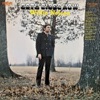 Both Sides NowWillie Nelson197011 tracks
 -
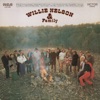 Willie Nelson and FamilyWillie Nelson197110 tracks
 -
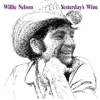 Yesterday’s WineWillie Nelson197110 tracks
 -
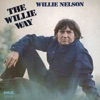 The Willie WayWillie Nelson197210 tracks
 -
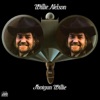 Shotgun WillieWillie Nelson197312 tracks
 -
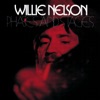 Phases and StagesWillie Nelson197411 tracks
 -
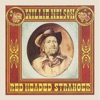 Red Headed StrangerWillie Nelson197515 tracks
 -
 The TroublemakerWillie Nelson197611 tracks
 -
 The Sound in Your MindWillie Nelson19769 tracks
 -
 To Lefty From WillieWillie Nelson197710 tracks
 -
 StardustWillie Nelson197810 tracks
 -
 Pretty PaperWillie Nelson197912 tracks
 -
 Sings KristoffersonWillie Nelson19799 tracks
 -
 One for the RoadWillie Nelson197920 tracks
 -
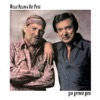 San Antonio RoseWillie Nelson198011 tracks
 -
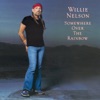 Somewhere Over the RainbowWillie Nelson198110 tracks
 -
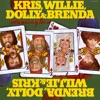 The Winning HandWillie Nelson198220 tracks
 -
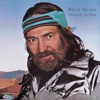 Always on My MindWillie Nelson198210 tracks
 -
 Pancho & LeftyWillie Nelson198210 tracks
 -
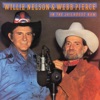 In the Jailhouse NowWillie Nelson198210 tracks
 -
 Old FriendsWillie Nelson198210 tracks
 -
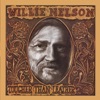 Tougher Than LeatherWillie Nelson198314 tracks
 -
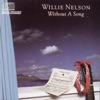 Without a SongWillie Nelson198310 tracks
 -
 Angel EyesWillie Nelson19848 tracks
 -
 City of New OrleansWillie Nelson198410 tracks
 -
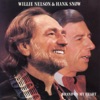 Brand on My HeartWillie Nelson198510 tracks
 -
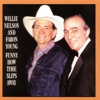 Funny How Time Slips AwayWillie Nelson198511 tracks
 -
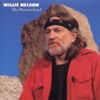 The PromiselandWillie Nelson198611 tracks
 -
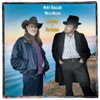 Seashores of Old MexicoWillie Nelson198710 tracks
 -
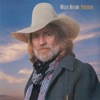 PartnersWillie Nelson198710 tracks
 -
 What a Wonderful WorldWillie Nelson198810 tracks
 -
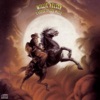 A Horse Called MusicWillie Nelson198910 tracks
 -
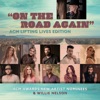 On the Road AgainWillie Nelson19891 track
 -
 Born for TroubleWillie Nelson199010 tracks
 -
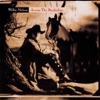 Across the BorderlineWillie Nelson199314 tracks
 -
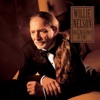 Healing Hands of TimeWillie Nelson199410 tracks
 -
 AugustaWillie Nelson199512 tracks
 -
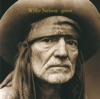 SpiritWillie Nelson199613 tracks
 -
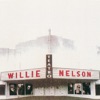 TeatroWillie Nelson199814 tracks
 -
 Milk Cow BluesWillie Nelson200015 tracks
 -
 Rainbow ConnectionWillie Nelson200113 tracks
 -
 The Great DivideWillie Nelson200212 tracks
 -
 Run That by Me One More TimeWillie Nelson200311 tracks
 -
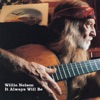 It Always Will BeWillie Nelson200414 tracks
 -
 Picture in a FrameWillie Nelson200410 tracks
 -
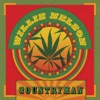 CountrymanWillie Nelson200512 tracks
 -
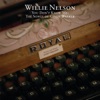 You Don’t Know Me: The Songs of Cindy WalkerWillie Nelson200613 tracks
 -
 SongbirdWillie Nelson200611 tracks
 -
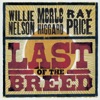 Last of the BreedWillie Nelson200722 tracks
 -
 Moment of ForeverWillie Nelson200814 tracks
 -
 American ClassicWillie Nelson200913 tracks
 -
 Willie and the WheelWillie Nelson200912 tracks
 -
 Country MusicWillie Nelson201015 tracks
 -
 HeroesWillie Nelson201214 tracks
 -
 To All the Girls…Willie Nelson201318 tracks
 -
 Let’s Face the Music and DanceWillie Nelson201314 tracks
 -
 Band of BrothersWillie Nelson201414 tracks
Deep Dive
Overview
Willie Hugh Nelson emerged from Texas in the 1950s to become one of the most prolific and artistically restless figures in American music. As a singer, guitarist, and songwriter, Nelson bridged country, rock, blues, and pop across a recording career spanning more than six decades. His critical and commercial breakthrough came in the early 1970s with Shotgun Willie, Red Headed Stranger, and Stardust—three albums that repositioned him from a respected Nashville songwriter into a cultural icon. Nelson’s influence extends far beyond country music: his willingness to work across genres and his refusal to accept the constraints of the Nashville sound made him a model for artistic independence in rock and Americana.
Formation Story
Willie Nelson was born in 1933 in Texas, a state that would define his musical identity throughout his life. He came of age during the postwar era when country music was beginning to splinter into regional variants and when Texas offered a particularly rich soil for musical hybrids—a place where western swing, blues, honky-tonk, and folk traditions intersected. Nelson began his professional career in the late 1950s and early 1960s as a working musician and songwriter, recording prolifically for small labels and majors alike. By the mid-1960s, he had established himself as a serious practitioner of country music, though he remained largely known among industry insiders and regional audiences.
Breakthrough Moment
Nelson’s ascent to broader prominence took shape across the early 1970s, driven by a series of landmark releases. Shotgun Willie (1973) marked a decisive turn toward a more personal, idiosyncratic sound—one that rejected the polished, orchestrated arrangements that dominated Nashville at the time. The album’s critical success opened doors, but it was Red Headed Stranger (1975) that proved Nelson could achieve both artistic credibility and commercial reach on his own terms. Released as a sparse, concept-driven work, Red Headed Stranger climbed the charts and cemented his status as a major artist. Stardust (1978) solidified his crossover appeal by pairing him with a set of American standards arranged in his contemplative, intimate style. These three consecutive triumphs established Nelson as one of the most recognized figures in country music and positioned him as a leading voice of the outlaw country movement.
Peak Era
The period from the mid-1970s through the mid-1980s represented Nelson’s most sustained creative and commercial power. Following Red Headed Stranger and Stardust, he continued to release albums that reflected his wide-ranging interests: Phases and Stages (1974) showcased his narrative songwriting; To Lefty From Willie (1977) paid homage to Lefty Frizzell; Pancho & Lefty (1982) was a collaborative duet album; and Always on My Mind (1982) demonstrated his mastery of the pop-country crossover. Throughout this period, Nelson also appeared in films and deepened his engagement with social causes. His productivity was extraordinary—he recorded multiple albums per year, often combining new material with cover versions and collaborative efforts. This prolific output, rather than diluting his brand, reinforced his image as an artist driven by creative necessity rather than market calculation.
Musical Style
Nelson’s sound is defined by his unmistakable vocal timbre—a weathered, understated delivery that conveys emotional depth without excess—and his distinctive guitar playing, which emphasizes melodic phrasing and understated elegance over technical virtuosity. His early recordings reflected Nashville’s production standards, but beginning with Shotgun Willie, he stripped away the orchestration to foreground his voice and acoustic guitar. This minimalist approach proved liberating and allowed the emotional content of his songs to emerge unfiltered. Nelson’s harmonic sensibility draws from country, jazz, and traditional pop; he is equally comfortable with a simple three-chord progression and with the sophisticated chord changes found in American standards. His songwriting spans multiple registers—from the spare narrative of Red Headed Stranger to the wistful interpretations of Stardust. Over time, Nelson’s willingness to record standards, gospel music, and songs by other writers (Kristofferson, Cindy Walker, Hank Williams) demonstrated that for him, the song itself mattered more than whether he wrote it. This openness to diverse material situated him within a broader Americana tradition that encompasses country, folk, blues, and American popular song.
Major Albums
Shotgun Willie (1973)
This album marked Nelson’s artistic declaration of independence, with lean production that placed his voice and guitar at the center and established the sonic template that would define his 1970s work.
Red Headed Stranger (1975)
A concept album built around a narrative of loss and redemption, Red Headed Stranger achieved both critical praise and commercial success, proving that country music could be introspective and commercially viable simultaneously.
Stardust (1978)
Nelson’s interpretation of American standards—including songs by Hoagy Carmichael, Irving Berlin, and Jerome Kern—demonstrated his ability to transcend genre boundaries and appeal to audiences across demographic lines.
Pancho & Lefty (1982)
A duet album with Merle Haggard that showcased two of outlaw country’s defining voices in direct conversation, with material ranging from traditional to contemporary.
Always on My Mind (1982)
This album achieved crossover success by pairing Nelson with polished pop-country production, including the title track, which became a significant chart entry and exemplified his range as an interpreter of contemporary material.
Signature Songs
- “On the Road Again”—A staple of Nelson’s live repertoire and a declaration of his commitment to constant touring and creative work.
- “Always on My Mind”—A pop-country ballad that showcased his ability to deliver emotional intimacy within a mainstream commercial context.
- “Blue Eyes Crying in the Rain”—Nelson’s interpretation of this traditional country song became synonymous with his contemplative vocal style.
- “Crazy”—Though written by Nelson and famously recorded by Patsy Cline, his version highlights the song’s compositional sophistication and his own vocal restraint.
- “To All the Girls I’ve Loved Before”—A duet that exemplified Nelson’s collaborative spirit and his appeal across musical boundaries.
Influence on Rock
Nelson’s most significant contribution to rock and American music was his demonstration that artistic integrity and commercial success were not mutually exclusive, even for an artist operating primarily within country music. By rejecting the conservative production standards of Nashville and recording according to his own vision, he opened a path for subsequent country and Americana artists to claim creative autonomy. His work on Stardust and his later reinterpretations of standards expanded the definition of what country artists could record and how they could be understood by mainstream audiences. Nelson’s cross-genre willingness—working with rock producers, collaborating with artists from disparate traditions, and recording everything from gospel to children’s music—influenced a broader understanding of genre as a starting point rather than a boundary. His outlaw country movement, defined partly in opposition to the Nashville sound, became a crucial counterweight in the history of country music and proved influential on the development of alternative country and Americana in subsequent decades.
Legacy
Willie Nelson’s career extends beyond music into activism, film, and cultural life. He has appeared in over thirty films, authored books, and become a prominent advocate for biofuels and marijuana legalization, positioning himself as a public intellectual as well as an entertainer. His songwriting catalog—including compositions recorded by countless artists—ensures his influence across generations. The sheer volume of his recorded output, spanning from 1962 through the 2010s and encompassing hundreds of albums and collaborations, makes him one of the most documented figures in American music. His ability to sustain creative relevance and recording productivity across six decades, while maintaining artistic credibility, places him in a rare category of musicians who have achieved both longevity and sustained cultural significance. Annual events like Farm Aid, which he cofounded, extended his cultural reach beyond music into social activism.
Fun Facts
- Nelson recorded his debut album …and Then I Wrote in 1962, establishing himself as a serious artist nearly a decade before his mainstream breakthrough.
- His 1978 album Stardust spent over a year on the country charts and demonstrated that traditional American popular songs could find a contemporary audience when interpreted by an artist of sufficient credibility.
- Throughout the 1980s and beyond, Nelson maintained a punishing tour schedule while simultaneously recording multiple albums per year, a work ethic that became legendary within the music industry.
- He recorded albums with nearly every major figure in country music, including Merle Haggard, Waylon Jennings, and Dolly Parton, making collaboration a central feature of his artistic practice.