

Photo by Nick Step , licensed under CC BY 2.0 · Wikimedia Commons
Rank #398
4 Non Blondes
From Wikipedia
4 Non Blondes is an American rock band formed in San Francisco in 1989. Their lineup comprises Linda Perry, Christa Hillhouse (bass), Dawn Richardson (drums) and Roger Rocha (guitar); previously in the band were founding members Shaunna Hall (guitar) and Wanda Day (drums).
Members
- Linda Perry
Discography & Previews
Browse through and click an album to open and play 30-second previews streamed from Apple Music.
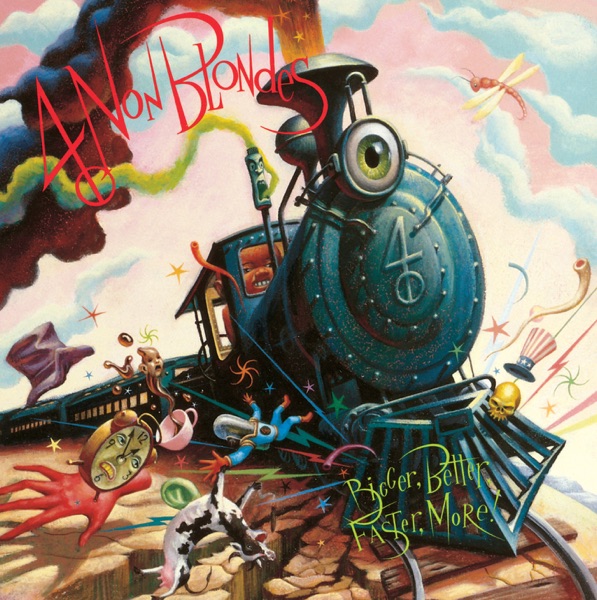
Bigger, Better, Faster, More!
1992 · 11 tracks
-
 Bigger, Better, Faster, More!4 Non Blondes199211 tracks
Deep Dive
Overview
4 Non Blondes emerged from San Francisco in 1989 as an alternative rock band that would come to define a moment in early-1990s rock music. Fronted by Linda Perry, the band built their sound around dynamic rock arrangements and distinctive vocal performances. Though their recording output remains focused, their cultural imprint extended well beyond their studio presence, marking them as a significant entry point for alternative rock radio in the decade.
Formation Story
4 Non Blondes coalesced in San Francisco in 1989, during a fertile moment for the city’s underground rock scene. The founding lineup included Linda Perry on vocals, Shaunna Hall on guitar, Christa Hillhouse on bass, and Wanda Day on drums. San Francisco in the late 1980s was home to a thriving community of independent and alternative acts, and 4 Non Blondes emerged as part of that ecosystem—a band of women performing in a genre historically dominated by male voices. The group’s formation reflected the city’s openness to experimental rock forms and the growing presence of women musicians and performers in the alternative rock movement.
Breakthrough Moment
4 Non Blondes’ breakthrough came with their debut album, Bigger, Better, Faster, More!, released in 1992. The record became a significant commercial and cultural moment for the band, establishing them within the broader alternative rock landscape that was gaining mainstream traction in the early 1990s. Released through Interscope Records, the album positioned 4 Non Blondes as a notable voice within the expanding universe of alternative rock radio and MTV programming. The album’s release marked the band’s transition from regional act to a group with wider recognition and reach.
Peak Era
The early 1990s constituted 4 Non Blondes’ most visible period, anchored by the success of Bigger, Better, Faster, More!. During this window, the band capitalized on the mainstream acceptance of alternative rock that had accelerated through the late 1980s and early 1990s. San Francisco’s cultural moment—driven by the success of other local acts and the city’s status as an alternative rock center—provided visibility and momentum for the band’s work. This era represented the band’s strongest commercial foothold and highest profile in rock music.
Musical Style
4 Non Blondes crafted alternative rock built on clear vocal performances and solidly arranged rock instrumentation. The band’s sound sat within the broader alternative rock tradition, drawing on the energy and structural approaches that defined the genre in the early 1990s. Linda Perry’s vocal presence became the focal point of their musical identity—a distinctive and expressive approach that carried their songs. The band’s reliance on guitar-driven arrangements, anchored by rhythm section work from Hillhouse and Day, placed them within the core tradition of rock band instrumentation adapted to alternative contexts. Their writing emphasized memorable melodic hooks and vocal-forward song structures, distinguishing them from some of the noise-forward or effect-heavy variations within alternative rock’s broader spectrum.
Major Albums
Bigger, Better, Faster, More! (1992)
The band’s sole major studio release, this debut album became the primary vehicle for 4 Non Blondes’ recorded legacy and the cornerstone of their discography. The album captured the band at their commercial and creative height, establishing their sound and solidifying their place within early-1990s alternative rock.
Signature Songs
- “What’s Up?” — The band’s most recognizable track, built on a distinctive vocal melody and energetic rock arrangement that became synonymous with their name across rock radio and popular culture.
Influence on Rock
4 Non Blondes represent a specific moment in rock music’s gender composition and the visibility of women performers in alternative rock during the 1990s. Their existence on major rock radio and within the alternative rock marketplace contributed to the normalization of female-fronted rock bands in mainstream contexts. The band’s presence alongside other women-led acts of the era helped widen the scope of what rock music could sound like and who could perform it on major labels and broadcasts. Their commercial presence on Interscope Records demonstrated that alternative rock acts led by women could achieve significant platform and distribution within the 1990s rock economy.
Legacy
4 Non Blondes’ cultural staying power derives largely from the singularity and recognizability of their music rather than a vast catalog. The band has remained active across the decades following their 1992 debut, maintaining a presence in rock music’s ongoing ecosystem. Lineup changes occurred over the years—Roger Rocha assumed guitar duties following founding member Shaunna Hall’s departure, while additional drummers succeeded Wanda Day, with Dawn Richardson eventually filling the role. The band’s sustained activity demonstrates the enduring interest in their music and their own commitment to the project. As streaming platforms and digital distribution have reshaped how catalog music reaches audiences, 4 Non Blondes’ recorded work has remained accessible to both longtime listeners and new audiences discovering the band through alternative rock retrospectives.
Fun Facts
- 4 Non Blondes signed to Interscope Records, one of the most prominent rock and alternative labels of the 1990s, during the label’s period of aggressive artist development in the alternative rock market.
- The band’s longevity—remaining active from 1989 onward—places them among the longer-running acts from San Francisco’s 1989 alternative rock emergence, outlasting many of their contemporaries in terms of continued touring and performance.
- Linda Perry became the band’s most visible member and later pursued a significant solo career, extending her work as a vocalist and musician beyond the band’s recorded catalog.