

Photo by Afirebenside , licensed under CC BY-SA 3.0 · Wikimedia Commons
Rank #163
AFI
California band who shifted from hardcore punk to dark post-hardcore arenas.
From Wikipedia
AFI is an American rock band from Ukiah, California, formed in 1991. Since 1998, it consists of lead vocalist Davey Havok, drummer and backing vocalist Adam Carson, bassist, backing vocalist and keyboardist Hunter Burgan, and guitarist, backing vocalist and keyboardist Jade Puget. Havok and Carson are the sole remaining original members. Originally a hardcore punk band, they have since delved into many genres, starting with horror punk and following through post-hardcore and emo into alternative rock and gothic rock.
Members
- Adam Carson (1991–present)
- Davey Havok (1991–present)
- Geoff Kresge (1992–1997)
- Hunter Burgan (1997–present)
- Jade Puget (1998–present)
Discography & Previews
Browse through and click an album to open and play 30-second previews streamed from Apple Music.

Answer That and Stay Fashionable
1995 · 15 tracks
- 1 Two Of A Kind ↗ 1:30
- 2 Half-Empty Bottle ↗ 1:39
- 3 Yürf Rendenmein ↗ 2:14
- 4 I Wanna Get A Mohawk (But Mom Won't Let Me Get One) ↗ 1:13
- 5 Brownie Bottom Sundae ↗ 1:47
- 6 The Checkered Demon ↗ 2:08
- 7 Cereal Wars ↗ 1:16
- 8 The Mother In Me ↗ 2:05
- 9 Rizzo In The Box ↗ 1:51
- 10 Kung-Fu Devil ↗ 2:12
- 11 Your Name Here ↗ 2:27
- 12 Ny-Quil ↗ 2:07
- 13 Don't Make Me Ill ↗ 2:40
- 14 Open Your Eyes ↗ 1:16
- 15 Highschool Football Hero/ Man In A Suitcase (Hidden Track) ↗ 15:03

Very Proud of Ya
1996 · 20 tracks
- 1 He Who Laughs Last... ↗ 1:51
- 2 File 13 ↗ 1:49
- 3 Wake-Up Call ↗ 1:43
- 4 Cult Status ↗ 1:58
- 5 Perfect Fit ↗ 1:59
- 6 Advances In Modern Technology ↗ 1:40
- 7 Theory of Revolution ↗ 1:32
- 8 This Secret Ninja ↗ 2:20
- 9 Soap-Box Derby ↗ 2:25
- 10 Aspirin Free ↗ 2:46
- 11 Fishbowl ↗ 1:51
- 12 Charles Atlas ↗ 2:23
- 13 Crop Tub ↗ 1:51
- 14 Consult My Lover ↗ 1:35
- 15 Take the Test ↗ 1:46
- 16 Two of a Kind ↗ 1:35
- 17 Shatty Fatmas ↗ 1:47
- 18 Yürf Rendenmein ↗ 2:12
- 19 Cruise Control ↗ 1:12
- 20 Modern Epic ↗ 1:48
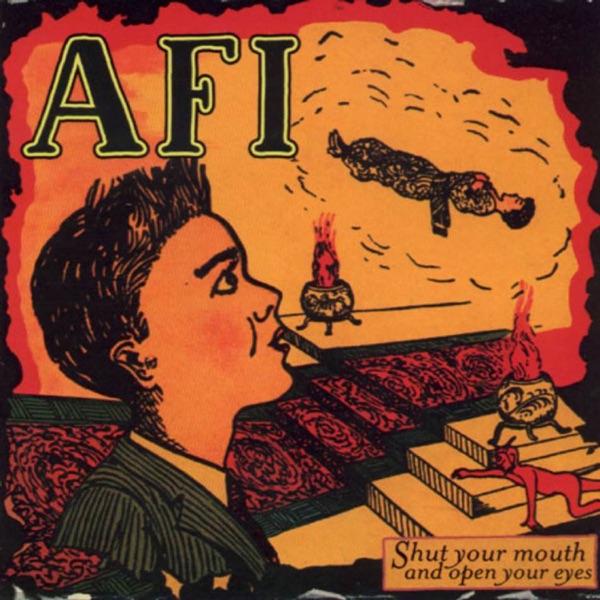
Shut Your Mouth and Open Your Eyes
1997 · 14 tracks
- 1 Keeping Out of Direct Sunlight (An Introduction) ↗ 0:58
- 2 Three Reasons ↗ 1:34
- 3 A Single Second ↗ 2:12
- 4 pH Low ↗ 1:42
- 5 Let It Be Broke ↗ 2:06
- 6 Third Season ↗ 2:49
- 7 Lower Your Head and Take It In the Body ↗ 1:46
- 8 Coin Return ↗ 2:34
- 9 The New Patron Saints and Angels ↗ 2:18
- 10 Three Seconds Notice ↗ 1:36
- 11 Salt for Your Wounds ↗ 2:25
- 12 Today's Lesson ↗ 2:15
- 13 The Devil Loves You ↗ 1:30
- 14 Triple Zero ↗ 2:51

Black Sails in the Sunset
1999 · 12 tracks
- 1 Strength Through Wounding ↗ 1:33
- 2 Porphyria Cutanea Tarda ↗ 2:07
- 3 Exsanguination ↗ 2:49
- 4 Malleus Maleficarum ↗ 4:02
- 5 Narrative of Soul Against Soul ↗ 2:30
- 6 Clove Smoke Catharsis ↗ 4:38
- 7 The Prayer Position ↗ 3:28
- 8 No Poetic Device ↗ 2:16
- 9 The Last Kiss ↗ 3:03
- 10 Weathered Tome ↗ 2:13
- 11 At a Glance ↗ 4:01
- 12 God Called In Sick Today / Midnight Sun (Hidden Track) ↗ 13:32

The Art of Drowning
2000 · 14 tracks
- 1 Initiation ↗ 0:39
- 2 The Lost Souls ↗ 2:43
- 3 The Nephilim ↗ 2:35
- 4 Ever and a Day ↗ 3:07
- 5 Sacrifice Theory ↗ 1:59
- 6 Of Greetings and Goodbyes ↗ 3:04
- 7 Smile ↗ 1:32
- 8 A Story at Three ↗ 3:53
- 9 The Days of the Phoenix ↗ 3:28
- 10 Catch a Hot One ↗ 2:54
- 11 Wester ↗ 3:02
- 12 6 to 8 ↗ 4:21
- 13 The Despair Factor ↗ 3:55
- 14 Morningstar / Battled (Hidden Track) ↗ 11:28

Sing the Sorrow
2003 · 13 tracks
- 1 Miseria Cantare—The Beginning ↗ 2:57
- 2 The Leaving Song, Pt. 2 ↗ 3:31
- 3 Bleed Black ↗ 4:15
- 4 Silver and Cold ↗ 4:11
- 5 Dancing Through Sunday ↗ 2:27
- 6 Girl's Not Grey ↗ 3:10
- 7 Death of Seasons ↗ 3:59
- 8 The Great Disappointment ↗ 5:27
- 9 Paper Airplanes (Makeshift Wings) ↗ 3:57
- 10 This Celluloid Dream ↗ 4:10
- 11 The Leaving Song ↗ 2:44
- 12 ...But Home Is Nowhere ↗ 3:51
- 13 This Time Imperfect ↗ 10:38

DECEMBERUNDERGROUND
2006 · 12 tracks

Crash Love
2009 · 12 tracks
- 1 Torch Song ↗ 3:45
- 2 Beautiful Thieves ↗ 3:46
- 3 End Transmission ↗ 3:46
- 4 Too Shy to Scream ↗ 2:57
- 5 Veronica Sawyer Smokes ↗ 2:44
- 6 Okay, I Feel Better Now ↗ 4:31
- 7 Medicate ↗ 4:21
- 8 I Am Trying Very Hard to Be Here ↗ 2:44
- 9 Sacrilege ↗ 3:27
- 10 Darling, I Want to Destroy You ↗ 3:43
- 11 Cold Hands ↗ 3:32
- 12 It Was Mine ↗ 3:54

Burials
2013 · 13 tracks
- 1 The Sinking Night ↗ 2:18
- 2 I Hope You Suffer ↗ 4:38
- 3 A Deep Slow Panic ↗ 4:02
- 4 No Resurrection ↗ 4:28
- 5 17 Crimes ↗ 2:57
- 6 The Conductor ↗ 3:41
- 7 Heart Stops ↗ 3:08
- 8 Rewind ↗ 4:12
- 9 The Embrace ↗ 3:26
- 10 Wild ↗ 3:12
- 11 Greater Than 84 ↗ 4:17
- 12 Anxious ↗ 3:51
- 13 The Face Beneath the Waves ↗ 5:11

AFI (The Blood Album)
2017 · 14 tracks
- 1 Dark Snow ↗ 3:17
- 2 Still a Stranger ↗ 2:49
- 3 Aurelia ↗ 2:54
- 4 Hidden Knives ↗ 2:56
- 5 Get Hurt ↗ 3:44
- 6 Above the Bridge ↗ 3:29
- 7 So Beneath You ↗ 3:19
- 8 Snow Cats ↗ 3:21
- 9 Dumb Kids ↗ 2:40
- 10 Pink Eyes ↗ 3:28
- 11 Feed from the Floor ↗ 4:10
- 12 White Offerings ↗ 2:50
- 13 She Speaks the Language ↗ 4:01
- 14 The Wind That Carries Me Away ↗ 3:39
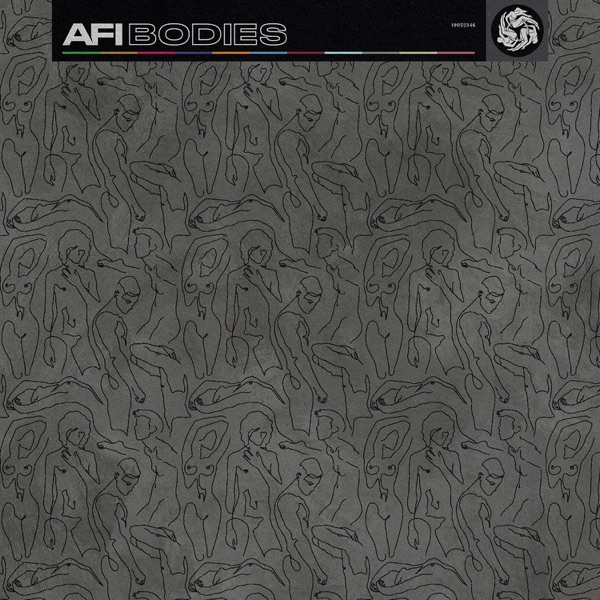

Silver Bleeds the Black Sun…
2025 · 10 tracks
-
 Answer That and Stay FashionableAFI199515 tracks
 -
 Very Proud of YaAFI199620 tracks
 -
 Shut Your Mouth and Open Your EyesAFI199714 tracks
 -
 Black Sails in the SunsetAFI199912 tracks
 -
 The Art of DrowningAFI200014 tracks
 -
 Sing the SorrowAFI200313 tracks
 -
 DECEMBERUNDERGROUNDAFI200612 tracks
 -
 Crash LoveAFI200912 tracks
 -
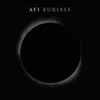 BurialsAFI201313 tracks
 -
 AFI (The Blood Album)AFI201714 tracks
 -
 BodiesAFI202111 tracks
 -
 Silver Bleeds the Black Sun…AFI202510 tracks
Deep Dive
Overview
AFI is an American rock band from Ukiah, California, formed in 1991, that spent three decades moving between and blending genres—from hardcore punk to horror punk, post-hardcore, emo, alternative rock, and gothic rock. The band’s core identity rests on the creative partnership of lead vocalist Davey Havok and drummer Adam Carson, the only two original members still active as of 2025. Joined in 1997 by bassist Hunter Burgan and in 1998 by guitarist Jade Puget, AFI crystallized into the lineup that would dominate underground and mainstream rock radio from the early 2000s onward. Their significance lies not in pioneering any single genre but in occupying a unique position at the intersection of punk’s DIY ethos, post-hardcore’s technical ambition, and pop-punk’s accessibility—a place few bands have navigated as successfully.
Formation Story
AFI coalesced in Ukiah, a small city in Sonoma County, California, when Davey Havok and Adam Carson began the band in 1991. The early lineup expanded to include Geoff Kresge, who played with the band through 1997. This initial phase saw AFI rooted in the hardcore punk tradition, drawing inspiration from the West Coast punk scene that had thrived for decades before their arrival. In 1997, Hunter Burgan joined as bassist, replacing or shifting the previous rhythm section. The pivotal addition came in 1998 when Jade Puget entered as guitarist and keyboardist, a move that would fundamentally alter AFI’s sonic palette and introduce the darker, more layered textures that would define their breakthrough sound.
Breakthrough Moment
While AFI released three albums in the mid-1990s—Answer That and Stay Fashionable (1995), Very Proud of Ya (1996), and Shut Your Mouth and Open Your Eyes (1997)—these early records remained largely confined to the hardcore underground. The real breakthrough arrived with Black Sails in the Sunset (1999), which captured the band transitioning toward horror punk and darker post-hardcore territory. That album’s success set the stage for The Art of Drowning (2000), their first record with the lineup that would carry them to widespread recognition. The Art of Drowning proved to be the turning point—a fuller, more ambitious work that brought AFI to the attention of alternative radio and the expanding pop-punk and post-hardcore audience of the early 2000s.
Peak Era
AFI’s peak period arrived between 2003 and 2009, a six-year span that included two of their most successful albums. Sing the Sorrow (2003) marked the moment when AFI transitioned from cult status to mainstream visibility, blending emo sensibility, gothic production, and post-hardcore intensity in a package that resonated with rock radio and MTV simultaneously. The album deepened the band’s exploration of darker themes while maintaining the melodic accessibility that wider audiences craved. They sustained that momentum through DECEMBERUNDERGROUND (2006), a title itself steeped in gothic imagery, followed by Crash Love (2009). This era established AFI as consistent album artists and touring draws, capable of filling mid-size and larger venues while maintaining the artistic credibility they had earned in underground circles.
Musical Style
AFI’s sound evolved markedly across their discography, but several constants remained. From their hardcore punk origins, they retained a visceral approach to rhythm and an unpolished energy that never fully surrendered to radio polish. Davey Havok’s vocal approach—ranging from barked spoken-word delivery in early years to a melodic but still angular singing voice in later albums—gave AFI a distinctive character among post-hardcore bands. Jade Puget’s addition of keyboards and layered guitar textures introduced gothic and alternative rock elements, replacing the raw three-chord aggression of early hardcore with minor-key atmospheric passages, synth pads, and more elaborate song structures. The rhythm section of Carson and Burgan anchored this expansion: Carson’s drumming became more dynamic and jazz-influenced, while Burgan’s bass often served a melodic function rather than a purely rhythmic one. By the mid-2000s, AFI had moved away from straightforward punk toward a sound that incorporated elements of industrial rock, new wave, and progressive rock, all filtered through a consistently dark, introspective lens.
Major Albums
Black Sails in the Sunset (1999)
The transitional album that moved AFI toward horror punk and post-hardcore, laying groundwork for mainstream breakthrough and introducing the darker production aesthetic that would define their identity.
The Art of Drowning (2000)
A fuller refinement of the post-hardcore sound with the core lineup intact, this album balanced technical musicianship with hooks strong enough to attract alternative radio attention.
Sing the Sorrow (2003)
AFI’s commercial and critical peak, merging emo emotion, gothic production, and post-hardcore intensity into their most cohesive and accessible record, cementing their position beyond the underground.
DECEMBERUNDERGROUND (2006)
A darker, more avant-garde entry that proved AFI willing to challenge their own formula, deepening the gothic influences and exploring industrial textures alongside post-hardcore fundamentals.
Crash Love (2009)
The final album of their peak era, balancing melodic accessibility with the darker sonic territories they had mapped throughout the 2000s, demonstrating sustained artistic reach.
Signature Songs
- Girl’s Not Grey — A defining moment of post-hardcore accessibility and gothic imagery, epitomizing AFI’s ability to blend darkness with radio-friendly melody.
- Miss Murder — A staple of Sing the Sorrow that showcased Havok’s expanded vocal range and the band’s cinematic approach to arrangement.
- Medicate — A showcase for the band’s evolving post-hardcore sound and layered production during their peak commercial period.
- The Leaving Song Pt. II — A fan favorite demonstrating AFI’s knack for combining abrasive instrumental sections with anthemic choruses.
Influence on Rock
AFI’s genre-shifting trajectory influenced a generation of post-hardcore and alternative rock bands working in the 2000s and beyond. By proving that a band could begin in hardcore punk and transition into gothic alternative rock without losing credibility, AFI opened a template for lateral movement across genre boundaries that many bands would follow. Their success on alternative and rock radio demonstrated that post-hardcore and emo aesthetics could achieve mainstream reach without abandoning artistic depth or visual and sonic darkness. The band’s layering of keyboards, use of minor-key melodies, and production sophistication helped elevate post-hardcore from its three-chord foundations into something closer to progressive rock in scope, influencing both contemporary and later bands navigating the intersection of punk energy and more sophisticated compositional ambition.
Legacy
As of 2025, AFI remains active, having released Burials (2013), AFI (The Blood Album) (2017), Bodies (2021), and Silver Bleeds the Black Sun… (2025), continuing a release schedule that few bands of their era have maintained. Their longevity and consistent output have secured their place in the pantheon of American post-hardcore and alternative rock, even as mainstream attention has shifted elsewhere. AFI’s influence extends through streaming platforms and rereleases of their catalog, making their evolution from hardcore punk to gothic post-hardcore continuously available to new listeners. The band’s refusal to be confined to a single sound—while remaining recognizably AFI across all iterations—has become their defining artistic statement.
Fun Facts
- Davey Havok and Adam Carson are the sole remaining original members, having anchored AFI through three and a half decades of genre exploration.
- The band’s name, AFI, is an acronym that has been subject to varying interpretations over the years, adding to their air of intentional mystique.
- AFI released albums across multiple major and independent labels including Rise Records, DreamWorks Records, and Interscope Records, reflecting their journey from underground to mainstream and back.
- The addition of Jade Puget in 1998 coincided with a dramatic sonic shift, as his keyboard expertise and production sensibility helped shape the darker aesthetic that defined their commercial success.