
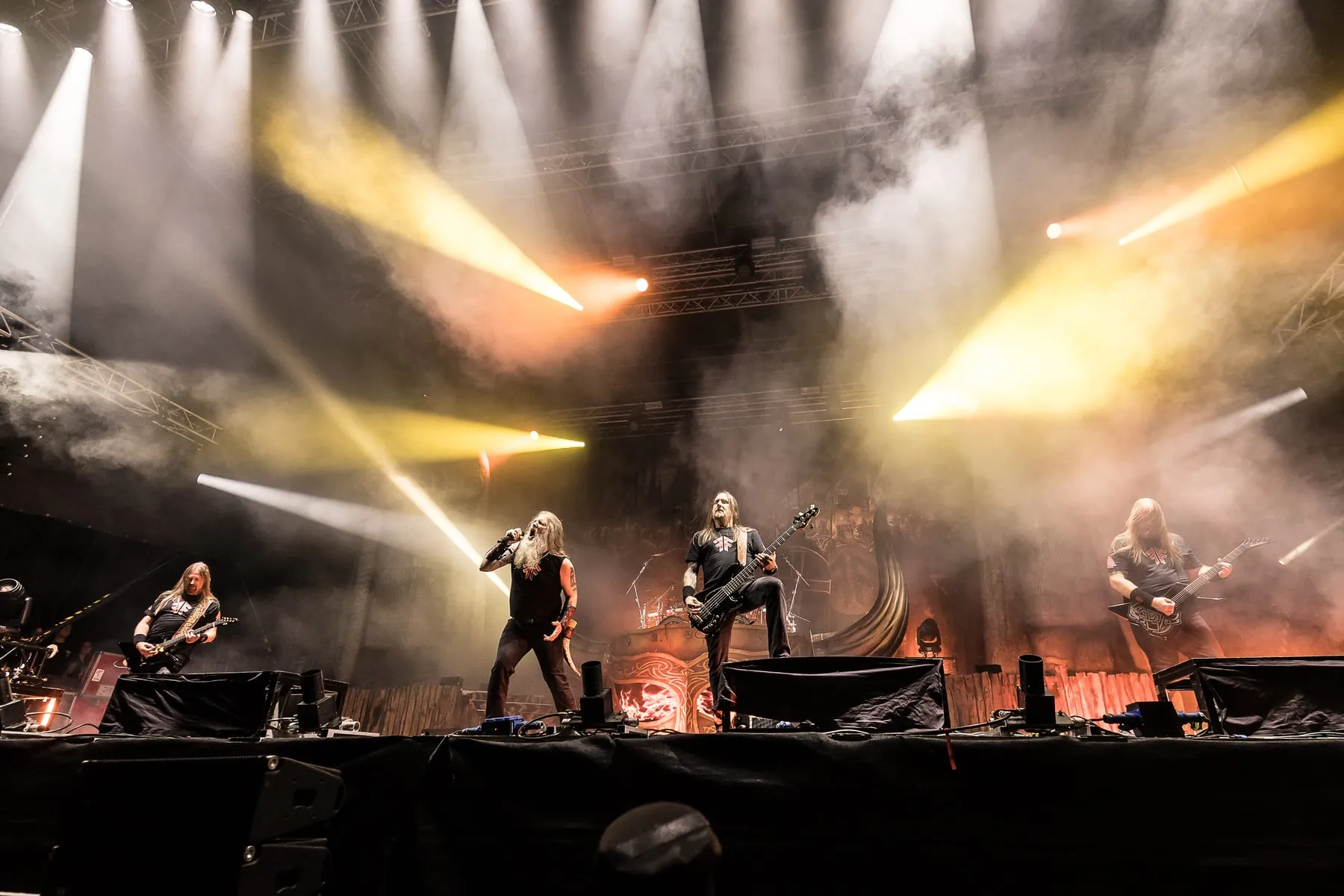
Photo by S. Bollmann , licensed under Attribution · Wikimedia Commons
Rank #377
Amon Amarth
From Wikipedia
Amon Amarth are a Swedish melodic death metal band from Tumba, formed in 1992. The band takes their name from the Sindarin name of Mount Doom, a volcano in J. R. R. Tolkien's Middle-earth. Their lyrics are mostly themed around Viking mythology and history, and so they are sometimes labelled "Viking metal", though they are musically melodic death metal, a term the band also prefers. Amon Amarth is composed of lead guitarist Olavi Mikkonen, vocalist Johan Hegg, bassist Ted Lundström, rhythm guitarist Johan Söderberg, and drummer Jocke Wallgren.
Members
- Fredrik Andersson
- Johan Hegg
- Johan Söderberg
- Martin Lopez
- Olavi Mikkonen
- Ted Lundström
Discography & Previews
Browse through and click an album to open and play 30-second previews streamed from Apple Music.
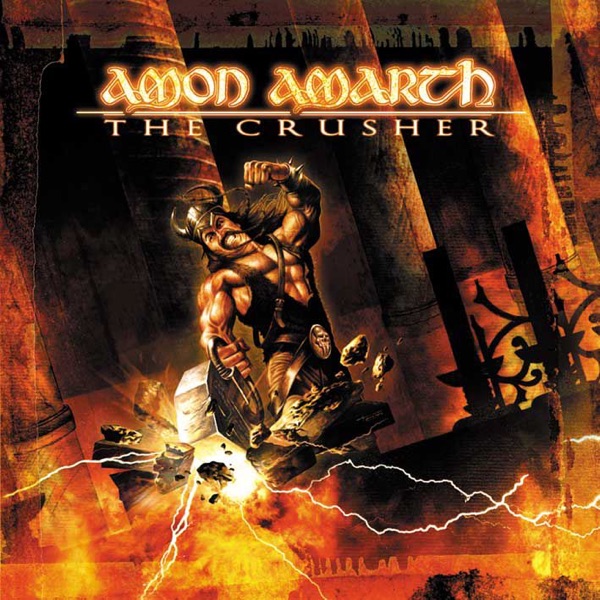
The Crusher
2001 · 10 tracks
- 1 Bastards of a Lying Breed ↗ 5:34
- 2 Masters of War ↗ 4:34
- 3 The Sound of Eight Hooves ↗ 4:50
- 4 Risen from the Sea (2000) ↗ 4:27
- 5 As Long As the Raven Flies ↗ 4:05
- 6 A Fury Divine ↗ 6:36
- 7 Annihilation of Hammerfest ↗ 5:03
- 8 The Fall Through Ginnungagap ↗ 5:21
- 9 Releasing Surtur's Fire ↗ 5:30
- 10 Eyes of Horror ↗ 3:35
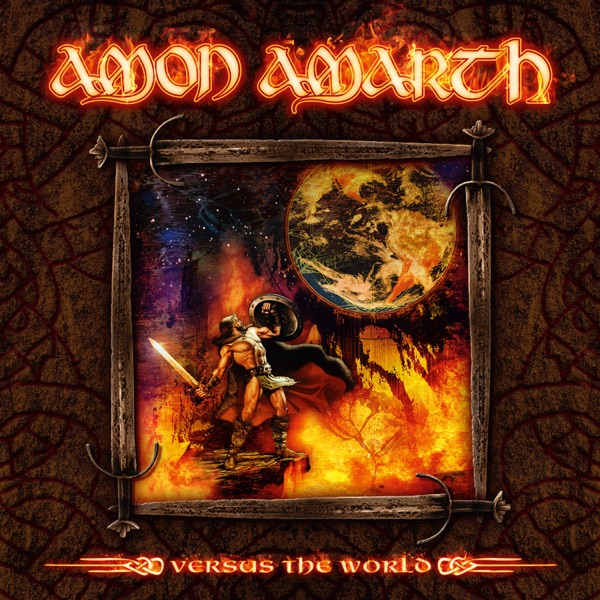
Versus the World
2002 · 18 tracks
- 1 Death In Fire ↗ 4:55
- 2 For the Stabwounds In Our Backs ↗ 4:56
- 3 Where Silent Gods Stand Guard ↗ 5:47
- 4 Versus the World ↗ 5:21
- 5 Across the Rainbow Bridge ↗ 4:49
- 6 Down the Slopes of Death ↗ 4:08
- 7 Thousand Years of Oppression ↗ 5:41
- 8 Bloodshed ↗ 5:14
- 9 ...And Soon the World Will Cease to Be ↗ 7:00
- 10 Death In Fire (Live) ↗ 5:08
- 11 For the Stabwounds In Our Backs (Live) ↗ 5:19
- 12 Where Silent Gods Stand Guard (Live) ↗ 5:49
- 13 Versus the World (Live) ↗ 5:58
- 14 Across the Rainbow Bridge (Live) ↗ 5:07
- 15 Down the Slopes of Death (Live) ↗ 4:38
- 16 Thousand Years of Oppression (Live) ↗ 6:07
- 17 Bloodshed (Live) ↗ 5:43
- 18 ...And Soon the World Will Cease to Be (Live) ↗ 7:08

With Oden on Our Side
2006 · 9 tracks

Twilight of the Thunder God
2008 · 10 tracks
- 1 Twilight of the Thunder God ↗ 4:09
- 2 Free Will Sacrifice ↗ 4:09
- 3 Guardians of Asgaard ↗ 4:23
- 4 Where Is Your God? ↗ 3:11
- 5 Varyags of Miklagaard ↗ 4:18
- 6 Tattered Banners and Bloody Flags ↗ 4:30
- 7 No Fear for the Setting Sun ↗ 3:52
- 8 The Hero ↗ 4:02
- 9 Live for the Kill ↗ 4:10
- 10 Embrace of the Endless Ocean ↗ 6:44
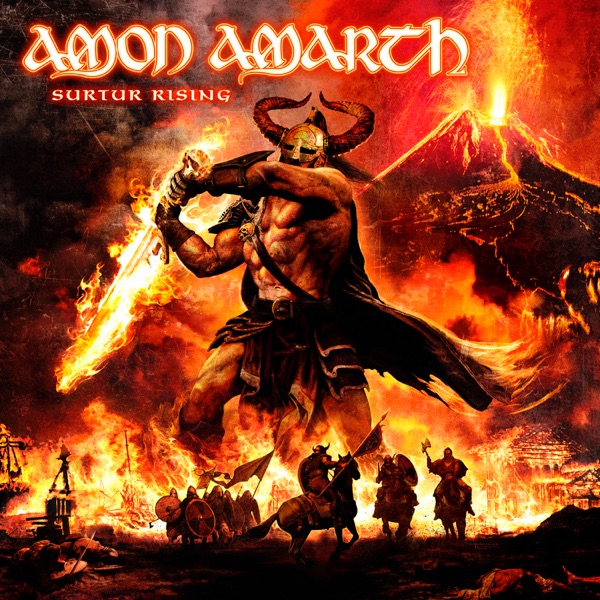
Surtur Rising
2011 · 11 tracks
- 1 War of the Gods ↗ 4:33
- 2 Loke's Treachery, Part II: Töck's Taunt ↗ 5:59
- 3 Destroyer of the Universe ↗ 3:41
- 4 Slaves of Fear ↗ 4:25
- 5 Live Without Regrets ↗ 5:03
- 6 The Last Stand of Frej ↗ 5:38
- 7 For Victory or Death ↗ 4:30
- 8 Wrath of the Norsemen ↗ 3:44
- 9 A Beast Am I ↗ 3:37
- 10 Doom Over Dead Man ↗ 5:56
- 11 Aerials (Bonus Track) ↗ 3:40
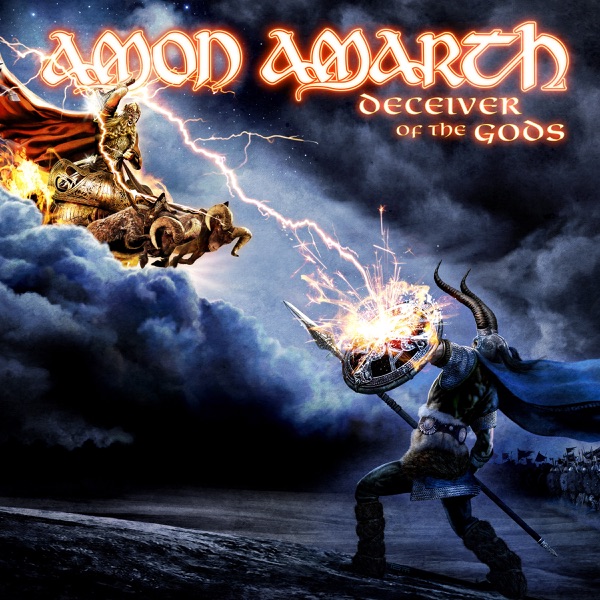
Deceiver of the Gods
2013 · 10 tracks
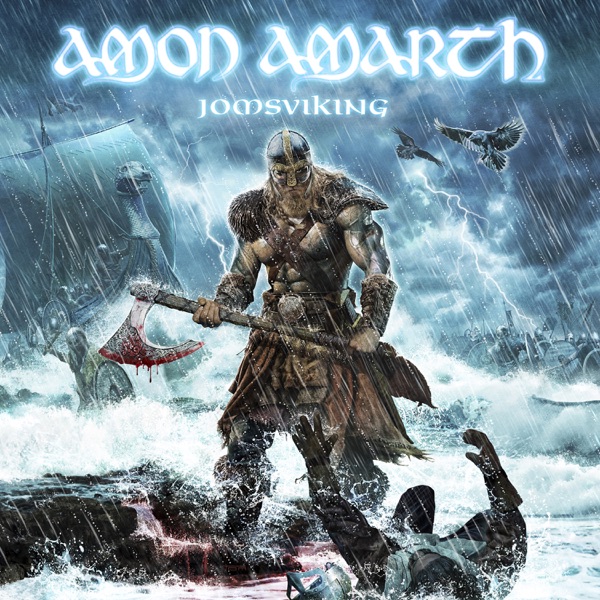
Jomsviking
2016 · 11 tracks
- 1 First Kill ↗ 4:22
- 2 Wanderer ↗ 4:43
- 3 On a Sea of Blood ↗ 4:05
- 4 One Against All ↗ 3:38
- 5 Raise Your Horns ↗ 4:24
- 6 The Way of Vikings ↗ 5:11
- 7 At Dawn's First Light ↗ 3:51
- 8 One Thousand Burning Arrows ↗ 5:50
- 9 Vengeance Is My Name ↗ 4:42
- 10 A Dream That Cannot Be (feat. Doro Pesch) ↗ 4:23
- 11 Back On Northern Shores ↗ 7:09

Berserker
2019 · 12 tracks
- 1 Fafner's Gold ↗ 5:01
- 2 Crack the Sky ↗ 3:50
- 3 Mjölner, Hammer of Thor ↗ 4:44
- 4 Shield Wall ↗ 3:47
- 5 Valkyria ↗ 4:44
- 6 Raven's Flight ↗ 5:22
- 7 Ironside ↗ 4:31
- 8 The Berserker at Stamford Bridge ↗ 5:15
- 9 When Once Again We Can Set Our Sails ↗ 4:26
- 10 Skoll and Hati ↗ 4:28
- 11 Wings of Eagles ↗ 4:05
- 12 Into the Dark ↗ 6:48

-
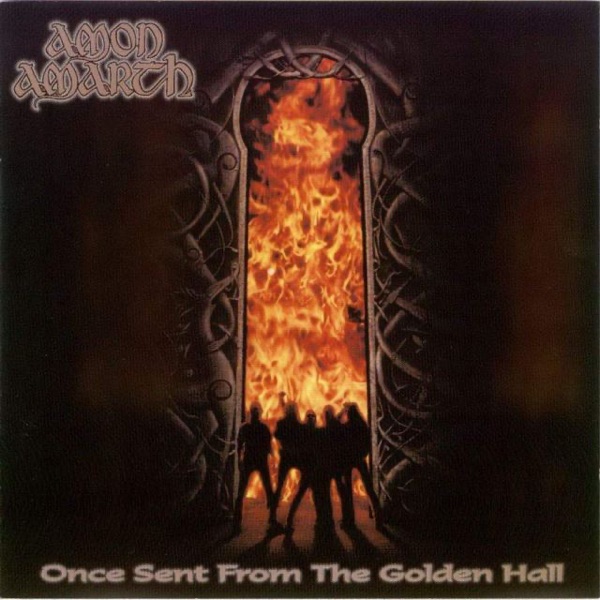
 Once Sent From the Golden HallAmon Amarth19988 tracks
 -
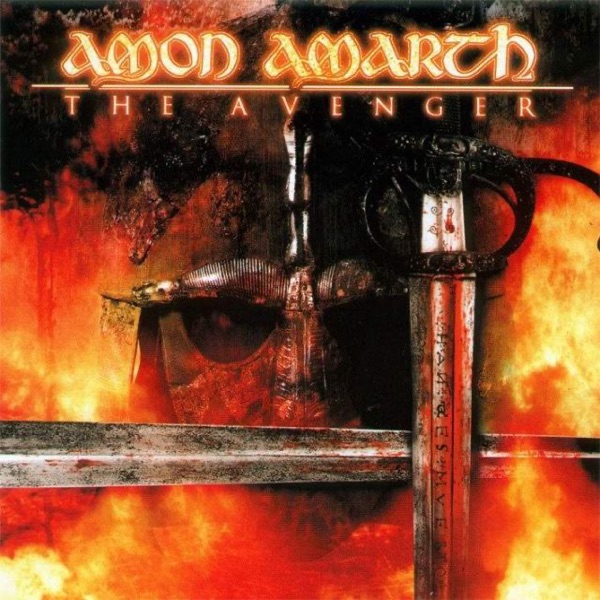
 The AvengerAmon Amarth19997 tracks
 -
 The CrusherAmon Amarth200110 tracks
 -
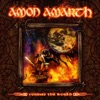 Versus the WorldAmon Amarth200218 tracks
 -
 Fate of NornsAmon Amarth20048 tracks
 -
 With Oden on Our SideAmon Amarth20069 tracks
 -
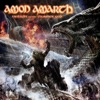 Twilight of the Thunder GodAmon Amarth200810 tracks
 -
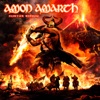 Surtur RisingAmon Amarth201111 tracks
 -
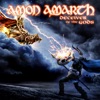 Deceiver of the GodsAmon Amarth201310 tracks
 -
 JomsvikingAmon Amarth201611 tracks
 -
 BerserkerAmon Amarth201912 tracks
 -
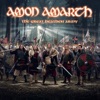 The Great Heathen ArmyAmon Amarth20229 tracks
Deep Dive
Overview
Amon Amarth are a Swedish melodic death metal band from Tumba, formed in 1992. Taking their name from the Sindarin designation of Mount Doom in J. R. R. Tolkien’s Middle-earth, the band has spent three decades establishing themselves as one of the defining acts of melodic death metal. While often labeled “Viking metal” due to their lyrical fascination with Norse mythology and history, Amon Amarth have consistently identified themselves as melodic death metal—a genre they have helped define and refine across more than a dozen studio albums. Their combination of fast, technically proficient guitar work with memorable melodic hooks and thematically cohesive songwriting around Viking subject matter has made them one of the most recognizable heavy metal bands to emerge from the Swedish metal scene.
Formation Story
Amon Amarth coalesced in Tumba, Sweden, in 1992, at a moment when Swedish melodic death metal was establishing itself as a vital international movement. The founding vision centered on vocalist Johan Hegg, lead guitarist Olavi Mikkonen, bassist Ted Lundström, rhythm guitarist Johan Söderberg, and drummer Jocke Wallgren, though the early years saw occasional lineup adjustments as the band solidified. The band emerged from the same creative well that produced Gothenburg’s In Flames and other acts melding death metal’s aggression with accessible melody. From their formation in the early 1990s, Amon Amarth distinguished themselves by cultivating a specific aesthetic and thematic identity: where many contemporaries drew inspiration from horror, fantasy, and existential darkness, Amon Amarth looked outward to Norse mythology, Viking warfare, and Scandinavian history. This thematic focus, paired with their disciplined approach to composition, set them apart even as the broader melodic death metal movement gained international traction.
Breakthrough Moment
Amon Amarth released their debut studio album, Once Sent From the Golden Hall, in 1998, introducing their template of viking-themed storytelling set to driving melodic death metal. The album established the band’s fundamental sound and gained them a devoted European following. However, their true breakthrough came with The Crusher in 2001, an album that refined the production, sharpened the songwriting, and demonstrated that Amon Amarth could sustain momentum and grow in technical confidence. The Crusher marked the point at which the band transitioned from a promising regional act to a force recognized across the broader metal landscape. By this period, their combination of fast double-bass drumming, interlocking guitar melodies, gruff vocal delivery, and conceptual coherence around Viking themes had begun attracting the sustained attention of fans and critics alike, establishing the framework for their subsequent work.
Peak Era
Amon Amarth’s most commercially and creatively vital period spanned from Versus the World (2002) through Twilight of the Thunder God (2008). These middle-period albums consolidated their strengths and saw them tour extensively, building an international fanbase that would sustain them for decades. Twilight of the Thunder God in particular represented a peak moment of artistic confidence and production clarity, arriving at a time when the band had absorbed enough touring experience and studio discipline to execute their vision with precision. The six-year stretch encompassing Versus the World, Fate of Norns (2004), With Oden on Our Side (2006), and Twilight of the Thunder God saw Amon Amarth refine their understanding of how to balance technical proficiency with memorable chorus writing, how to integrate keyboards and orchestral textures without losing heaviness, and how to sustain thematic unity across album-length formats. This era established them as reliable stadium-level metal performers and secured their position in the upper tier of Scandinavian metal exports.
Musical Style
Amon Amarth’s signature sound combines the velocity and distorted brutality of death metal with the harmonic sophistication and accessibility of traditional heavy metal melody. Their approach centers on precisely synchronized guitar harmonies, often in the minor key, played at high speed over double-bass drumming that frequently exceeds 180 beats per minute. Johan Hegg’s vocals sit somewhere between a growl and a shout—intelligible enough for audience comprehension, forceful rather than melodic, anchoring the songs in a martial, warrior-like sensibility. The band’s production choices, particularly from The Crusher onward, favor clarity and punch over the lo-fi obscurity some death metal acts cultivated; every instrument sits in a discrete frequency space, making the arrangement transparent even at volume. Compositionally, Amon Amarth favor verse-chorus structures more aligned with traditional rock songwriting than with the progressive complexity of some peers, a choice that has made them more accessible without sacrificing heaviness. The lyrics, sung in English, tell stories of Viking raids, mythological figures, and Norse cosmology, giving each album a narrative dimension that invites thematic rather than purely sonic engagement.
Major Albums
The Crusher (2001)
An early statement of purpose that marked the band’s graduation from debut to sustained force, demonstrating refined songwriting discipline and an almost perfect balance between aggression and melody that would define their signature style.
Versus the World (2002)
Expanded the band’s sonic palette while maintaining their core identity, with layered production and increasingly sophisticated arrangements that showed the band growing more ambitious without losing focus.
Twilight of the Thunder God (2008)
A peak achievement combining technical precision, strong songwriting, and production clarity, representing a mature statement of their melodic death metal vision after more than a decade of touring and refinement.
Surtur Rising (2011)
Demonstrated the band’s ability to sustain relevance and quality into their third decade, with tight songwriting and a continued focus on Viking-era storytelling and thematic coherence.
Jomsviking (2016)
A concept album centered on a Viking mercenary brotherhood, showcasing the band’s continued investment in narrative and thematic ambition alongside their melodic death metal foundation.
Signature Songs
- Twilight of the Thunder God — A landmark single that became synonymous with the band’s broader recognition and established them as capable of crafting memorable metal anthems.
- The Pursuit of Vikings — A driving showcase of the band’s signature dual-guitar harmonies and martial energy.
- Bloodhoof — Exemplifies their ability to merge storytelling lyrics with immediately accessible melodic hooks.
- Cry of the Blackbirds — Demonstrates the band’s mastery of building narrative tension within heavy metal song structures.
Influence on Rock
Amon Amarth have operated as ambassadors for melodic death metal to a global audience, proving that the genre could sustain a long-term career with consistent touring and album output. Their thematic focus on Viking mythology and history has influenced countless bands in the metal and rock sphere to explore similar narrative territories, contributing to the broader rise of Viking metal as both a sonic category and a thematic preoccupation across heavy music. They have shown that intelligent engagement with historical and mythological subject matter need not compromise heaviness or aggression, a lesson absorbed by younger acts working within metal, hard rock, and related genres. Their touring presence across six continents over more than two decades has helped establish Scandinavian metal’s commercial viability and cultural reach at the highest levels of the industry.
Legacy
Amon Amarth remain active as of 2022 with the release of The Great Heathen Army, maintaining their productivity and relevance across a thirty-year span. They have become one of the longest-running and most consistently touring acts in melodic death metal, with a fanbase that spans from their initial European audience to global reach. The band’s longevity and refusal to significantly compromise their core sound or aesthetic has earned them respect across generational lines within metal fandom. Their albums remain widely available through Metal Blade Records and Back on Black Records, and their touring schedule continues to fill larger venues. Amon Amarth have demonstrated that a regionally rooted melodic death metal band from the 1990s could sustain international relevance, commercial viability, and artistic focus across multiple decades without diluting their fundamental identity or chasing contemporary trends.
Fun Facts
- The band’s name derives from J. R. R. Tolkien’s The Lord of the Rings, specifically the Sindarin designation for Mount Doom, reflecting the band members’ engagement with fantasy literature.
- Amon Amarth’s thematic focus on Viking history and mythology has made them cultural ambassadors for Norse culture within international metal communities, attracting listeners with interest in historical and mythological subject matter.
- The band has maintained remarkable stability in their core lineup across their three-decade existence, with several members present since the band’s formation in 1992.
- Their 2016 album Jomsviking represented a concept album centered entirely on the historical Jomsviking mercenary brotherhood, showcasing the band’s commitment to thematic narrative across full-length releases.