
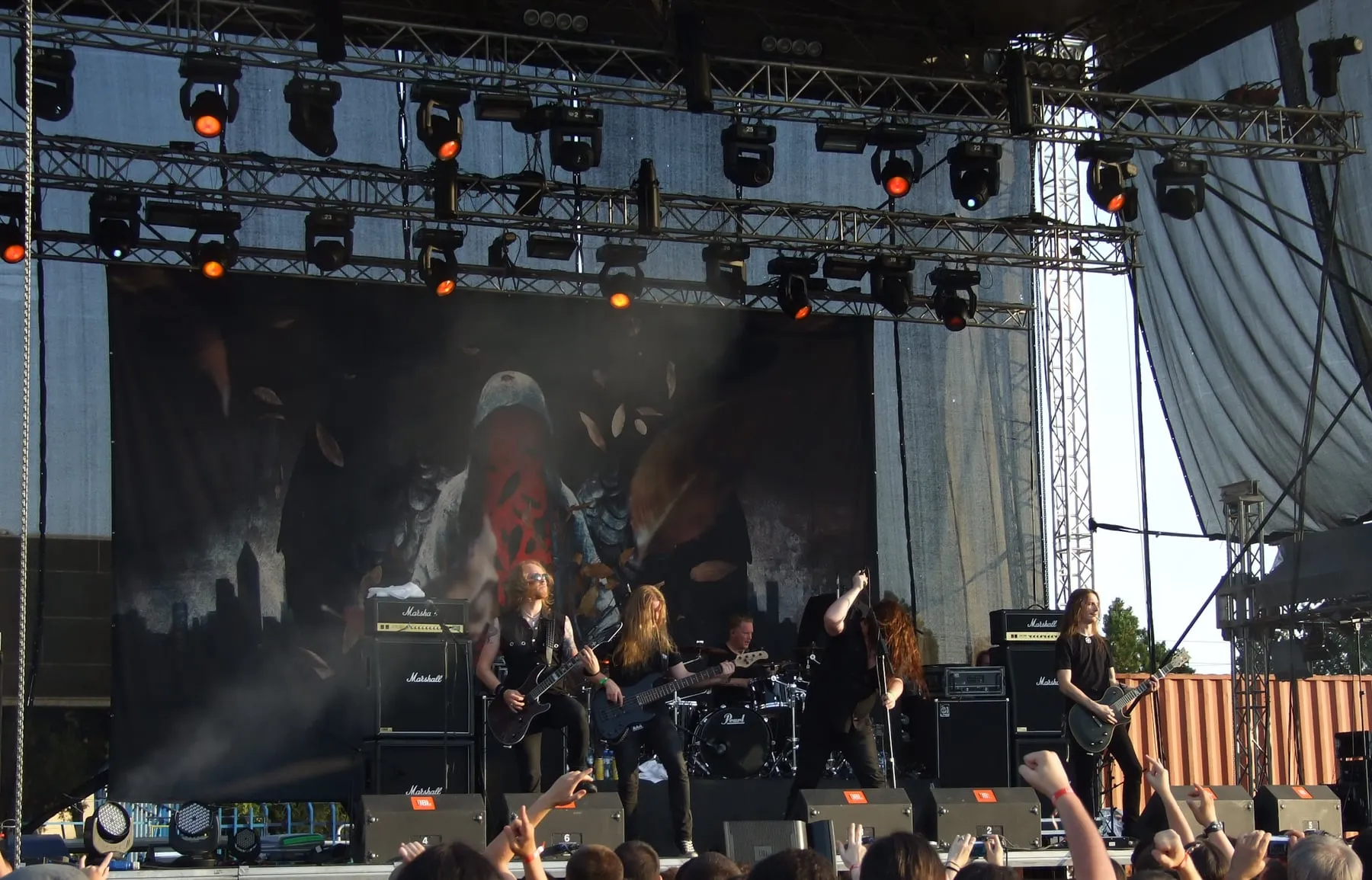
Photo by MrPanyGoff , licensed under CC BY-SA 3.0 · Wikimedia Commons
Rank #378
Katatonia
From Wikipedia
Katatonia is a Swedish heavy metal band formed in Stockholm in 1991 by Jonas Renkse and Anders Nyström. The band started as a studio-only project for the duo, as an outlet for their love of death metal. Increasing popularity led them to add more band members for live performances, though outside of the band's founders, the lineup was a constantly changing, revolving door of musicians throughout the 1990s, notably including Mikael Åkerfeldt of Opeth for a period. After two albums, Dance of December Souls (1993) and Brave Murder Day (1996), problems with Renkse's vocal cords coupled with new musical influences caused the band to stray away from the screamed vocals of black and death metal to a more traditional melodic form of progressive rock.
Members
- Anders Nyström
- Daniel Liljekvist
- Daniel Moilanen
- Fredrik Norrman
- Jonas Renkse
- Mattias Norrman
- Mikael Åkerfeldt
- Per Eriksson
Discography & Previews
Browse through and click an album to open and play 30-second previews streamed from Apple Music.

Dance of December Souls
1993 · 13 tracks
- 1 Seven Dreaming Souls ↗ 0:46
- 2 Gateways of Bereavement ↗ 8:16
- 3 In Silence Enshrined ↗ 6:32
- 4 Without God ↗ 6:49
- 5 Elohim Meth ↗ 1:42
- 6 Velvet Thorns (Of Drynwhyl) ↗ 13:58
- 7 Tomb of Insomnia ↗ 13:10
- 8 Dancing December ↗ 2:20
- 9 Midwinter Gates (Prologue) [Jhva Elohim Meth] ↗ 0:45
- 10 Without God (Jhva Elohim Meth) ↗ 6:54
- 11 Palace of Frost (Jhva Elohim Meth) ↗ 3:42
- 12 The Northern Silence (Jhva Elohim Meth) ↗ 4:02
- 13 Crimson Tears (Epliogue) [Jhva Elohim Meth] ↗ 1:57

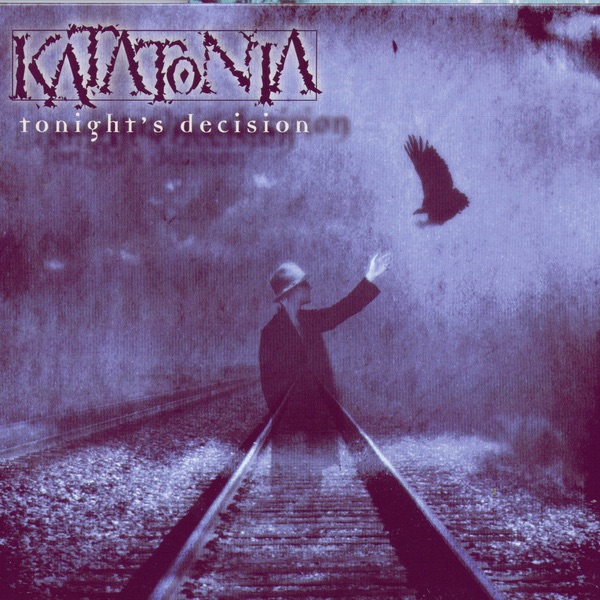
Tonight’s Decision
1999 · 13 tracks
- 1 For My Demons ↗ 5:47
- 2 I Am Nothing ↗ 4:37
- 3 In Death, a Song ↗ 4:51
- 4 Had to (Leave) ↗ 6:04
- 5 This Punishment ↗ 2:47
- 6 Right Into the Bliss ↗ 5:05
- 7 No Good Can Come of This ↗ 4:24
- 8 Strained ↗ 4:16
- 9 A Darkness Coming ↗ 5:01
- 10 Nightmares By the Sea ↗ 4:16
- 11 Black Session ↗ 7:02
- 12 No Devotion ↗ 4:49
- 13 Fractured ↗ 5:52


Viva Emptiness
2003 · 13 tracks


Dead End Kings
2012 · 11 tracks

Dethroned & Uncrowned
2013 · 11 tracks

The Fall of Hearts
2016 · 13 tracks


-
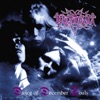 Dance of December SoulsKatatonia199313 tracks
 -
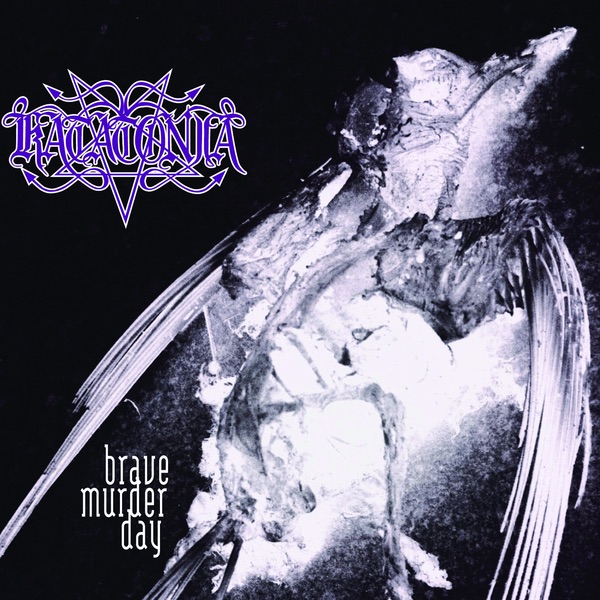
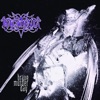 Brave Murder DayKatatonia19969 tracks
 -
 Discouraged OnesKatatonia199813 tracks
 -
 Tonight’s DecisionKatatonia199913 tracks
 -
 Last Fair Deal Gone DownKatatonia200111 tracks
 -
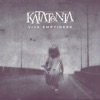 Viva EmptinessKatatonia200313 tracks
 -
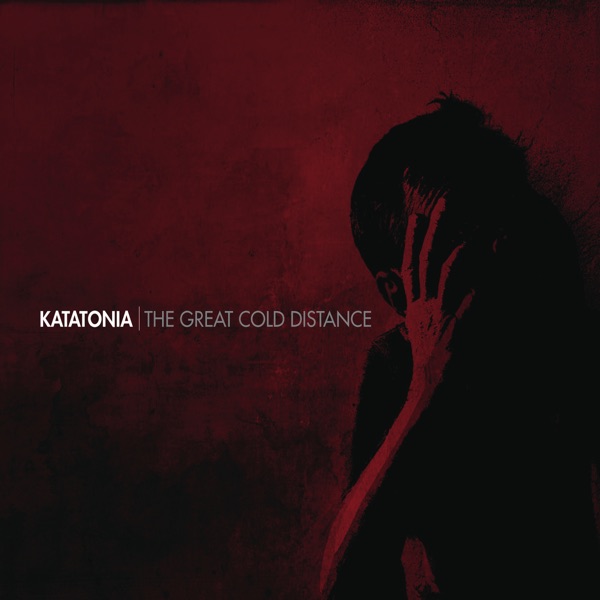
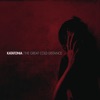 The Great Cold DistanceKatatonia200612 tracks
 -
 Night Is the New DayKatatonia200911 tracks
 -
 Dead End KingsKatatonia201211 tracks
 -
 Dethroned & UncrownedKatatonia201311 tracks
 -
 The Fall of HeartsKatatonia201613 tracks
 -
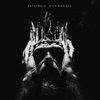 City BurialsKatatonia202012 tracks
 -
 Sky Void of StarsKatatonia202311 tracks
 -
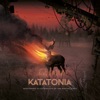 Nightmares as Extensions of the Waking StateKatatonia202510 tracks
Deep Dive
Overview
Katatonia is a Swedish heavy metal band formed in Stockholm in 1991 by Jonas Renkse and Anders Nyström. Beginning as a studio-only project rooted in death metal aesthetics, the band evolved across three decades into one of Northern Europe’s most consequential practitioners of gothic and doom-tinged progressive rock. Their trajectory traces a deliberate artistic retreat from screamed vocals and extreme metal fury toward orchestrated melancholy and lyrical introspection—a transformation that positioned them as architects of a distinctly Scandinavian strain of heavy music that prioritizes atmosphere and emotional weight over speed and brutality.
Formation Story
Katatonia emerged from Stockholm’s underground metal scene in 1991 as a creative outlet for the dual vision of Jonas Renkse and Anders Nyström. The duo began as a studio-only project, channeling their shared fascination with death metal into early compositions. Initially, Katatonia operated without a fixed live ensemble; the revolving membership throughout the 1990s reflected both the band’s exploratory phase and the scarcity of musicians willing to commit to their unconventional sound. Notably, Mikael Åkerfeldt—later the architect of Opeth’s own genre-spanning legacy—passed through Katatonia’s ranks during this formative period, contributing to sessions that would shape the band’s emerging identity. As the project garnered increasing attention within Swedish metal circles, Renkse and Nyström gradually formalized a touring lineup to accommodate growing demand for live performances, though the core creative vision remained theirs alone.
Breakthrough Moment
Katatonia’s first two albums, Dance of December Souls (1993) and Brave Murder Day (1996), established the band’s foundational sound and earned them credibility within European metal underground networks. These records showcased brutal, distorted riffing paired with anguished vocal delivery rooted in death and black metal conventions. However, the turning point came not as a sudden commercial breakthrough but as a gradual artistic reckoning. Problems with Jonas Renkse’s vocal cords, combined with the band’s growing exposure to new musical influences beyond extreme metal, prompted a fundamental reassessment of their sonic direction. Rather than abandon heaviness, Katatonia chose to channel it through different vocal and compositional approaches—a calculated pivot that would occupy their next phase of albums.
Peak Era
The band’s creative and commercial apex unfolded across the late 1990s and 2000s, beginning with Discouraged Ones (1998) and Tonight’s Decision (1999). These albums marked their transition away from screamed vocals toward Renkse’s signature clean, baritone delivery—a shift that paradoxically deepened rather than diminished their power. The releases of Last Fair Deal Gone Down (2001), Viva Emptiness (2003), and The Great Cold Distance (2006) solidified Katatonia’s standing as masters of a distinctive hybrid: heavy enough to satisfy metal audiences, melodic enough to entrance progressive rock listeners, and suffused with a melancholic European sensibility that set them apart from their peers. By this period, Katatonia had assembled a more stable core lineup including Fredrik Norrman, Daniel Liljekvist, and Mattias Norrman, allowing for tighter live execution and a more cohesive studio sound. These albums showcased fully realized arrangements that balanced crushing guitar tones with layered keyboards and dynamic vocal performances, establishing templates that would define their music for decades to come.
Musical Style
Katatonia’s sound is rooted in heavy metal fundamentals—downtuned guitars, crushing rhythm sections, and production that prioritizes density and weight—but executed through a prog-rock sensibility that prizes melody, dynamics, and emotional nuance. Early work drew directly from Swedish death metal’s brutalist vocabulary, yet even on Dance of December Souls and Brave Murder Day, the band favored groove and atmosphere over the blast-beat velocity common to their contemporaries. The vocal transformation from Renkse’s initial screamed approach to his mature clean baritone recasting was not a departure from heaviness but a recalibration of how to convey despair and introspection. By the 2000s, Katatonia had absorbed influences from gothic rock, post-punk, and alternative metal, weaving them into a tapestry of reverb-laden guitar work, synthesizer washes, and lyrics preoccupied with isolation, emptiness, and the darker dimensions of human psychology. Their instrumentation evolved to include prominent keyboards and textural layering, while maintaining the low-end weight characteristic of doom metal. This synthesis—heavy yet introspective, metal yet architectural—established a template that influenced countless Scandinavian and European bands seeking middle ground between extreme and accessible rock.
Major Albums
Dance of December Souls (1993)
The band’s debut crystallized their death metal roots while hinting at the melodic undercurrents that would flower later, establishing Katatonia as serious contenders within the Stockholm scene.
Brave Murder Day (1996)
Their second full-length deepened the sonic palette with more refined production and songwriting, showcasing the band’s growing command of heavy riffing and atmospheric dynamics before the vocal transformation.
Tonight’s Decision (1999)
A watershed moment marking the transition to clean vocals and progressive arrangements, this album proved Katatonia could evolve beyond extreme metal without sacrificing emotional intensity or heaviness.
Viva Emptiness (2003)
Wide-ranging and architecturally ambitious, this record represents the band at peak creative confidence, balancing crushing guitar work with intricate songwriting and Renkse’s mature vocal expression.
The Great Cold Distance (2006)
A richly layered work demonstrating Katatonia’s mastery of contrast—shifting between somber quiet passages and anthemic heavy sequences—while solidifying their status as alternative metal mainstays.
Night Is the New Day (2009)
A deliberate shift toward accessible songwriting and production clarity, this album expanded their listenership without compromising artistic vision, featuring some of their most recognizable material.
Signature Songs
- “12” — An early standout that exemplifies the band’s ability to blend brutality with melodic sensibility and remains a setlist fixture across their career.
- “My Sweet Shadow” — Showcases Renkse’s mature vocal approach paired with the kind of melancholic, layered production that became their trademark.
- “The Quiet Place” — A composition that distills Katatonia’s essence: introspective lyrics, dynamic guitar work, and the tension between heaviness and beauty.
- “Forsaker” — Demonstrates their gift for writing songs that balance accessibility with compositional sophistication and emotional depth.
Influence on Rock
Katatonia’s willingness to abandon the screamed vocal tradition of Swedish death metal while retaining its heaviness opened creative pathways for bands unwilling to choose between extremity and melody. Their success proved there was substantial audience appetite for gothic-tinged, melancholic heavy music that explored introspection as thoroughly as brutality. The template they established—clean vocals, minor-key progressions, synthesizer accompaniment, and lyrical preoccupation with psychological and existential themes—became influential throughout European alternative and gothic metal scenes. Bands seeking to escape the velocity-obsessed trajectory of 1990s extreme metal found in Katatonia a model for artistic reinvention grounded in fundamental heaviness, inspiring subsequent generations of musicians to view melodic accessibility and metal weight not as contradictions but as complementary tools.
Legacy
More than three decades after their formation, Katatonia remains an active and creatively vital force, releasing new material including Dead End Kings (2012), Dethroned & Uncrowned (2013), The Fall of Hearts (2016), City Burials (2020), Sky Void of Stars (2023), and Nightmares as Extensions of the Waking State (2025). Their catalog is widely available through modern streaming platforms, ensuring their music reaches audiences far beyond the original underground metal networks that nurtured them. The band’s longevity and consistent output stand as testament to the durability of their artistic direction and the enduring appeal of their particular synthesis of heaviness and melancholy. Katatonia demonstrated that artistic evolution need not mean artistic decline, and that a band born from extreme metal’s visceral traditions could find profound and lasting expression through progressive song architecture and emotional restraint.
Fun Facts
- The band’s rotating lineup during the 1990s, including Mikael Åkerfeldt’s guest contributions, reflected Stockholm’s close-knit metal community and the era’s fluid approach to guest musicianship.
- Katatonia’s long association with Peaceville Records connected them to a label equally invested in gothic and doom metal innovation.
- The band has maintained creative output across more than three decades while retaining its core founding members, Renkse and Nyström, as primary songwriters—a rarity in metal music’s frequently turbulent history.