
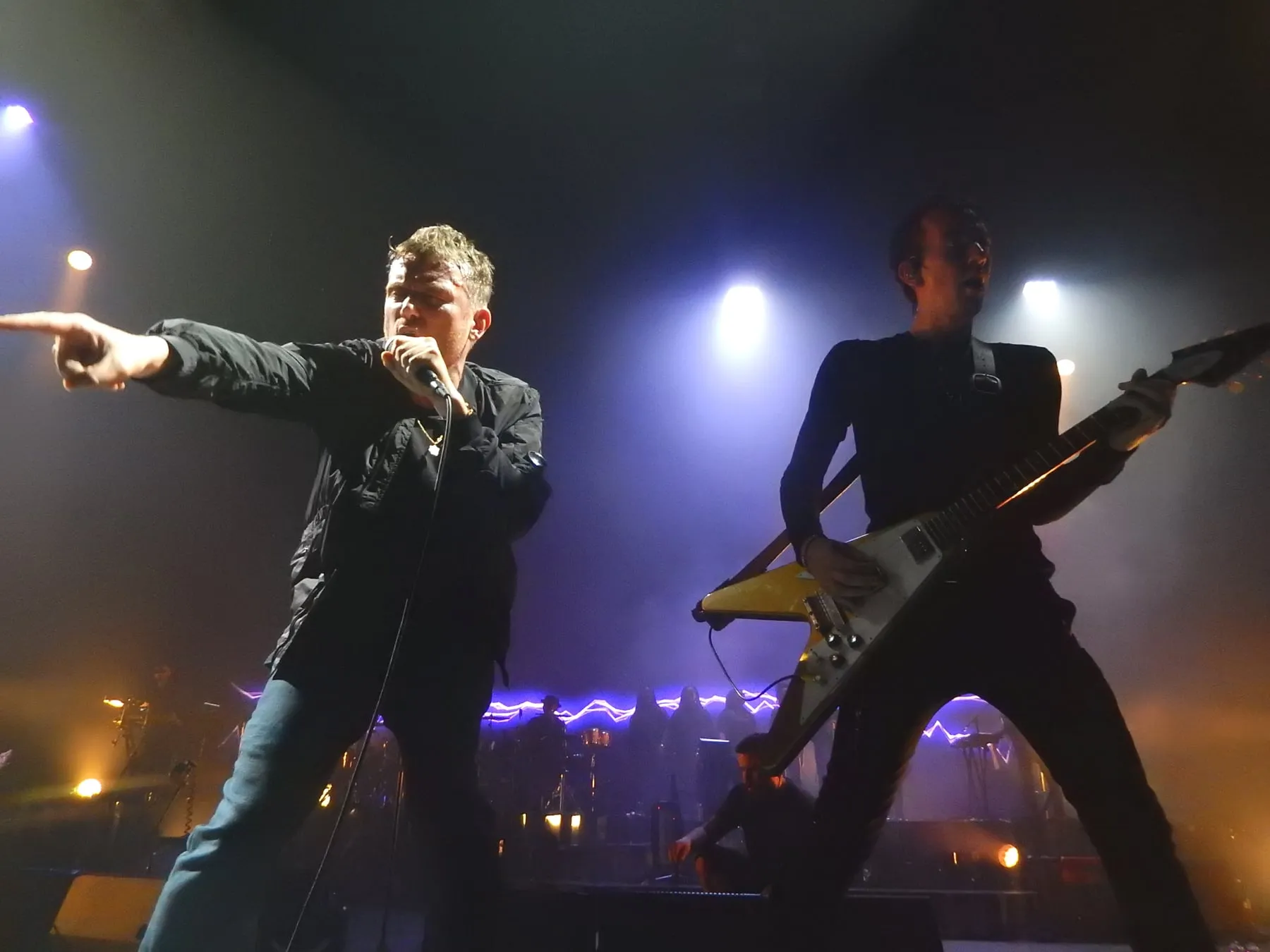
Photo by Drew de F Fawkes , licensed under CC BY 2.0 · Wikimedia Commons
Rank #478
Gorillaz
Damon Albarn's animated band crossing alt-rock with hip hop and electronica.
From Wikipedia
Gorillaz are an English virtual band created by musician Damon Albarn and artist Jamie Hewlett in 1998. The band primarily consists of four fictional members: 2-D, Murdoc Niccals, Noodle and Russel Hobbs (drums). Their universe is presented in media such as music videos, interviews, comic strips and short cartoons. Gorillaz's music has featured collaborations with a wide range of musicians and featured artists, with Albarn as the only permanent musical contributor.
Members
- Cyborg Noodle (2008–2010)
- Remi Kabaka Jr (2017–present)
- Ace (2018–2018)
- 2-D
- Damon Albarn
- Jamie Hewlett
- Murdoc Niccals
- Noodle
- Russel Hobbs
Discography & Previews
Browse through and click an album to open and play 30-second previews streamed from Apple Music.
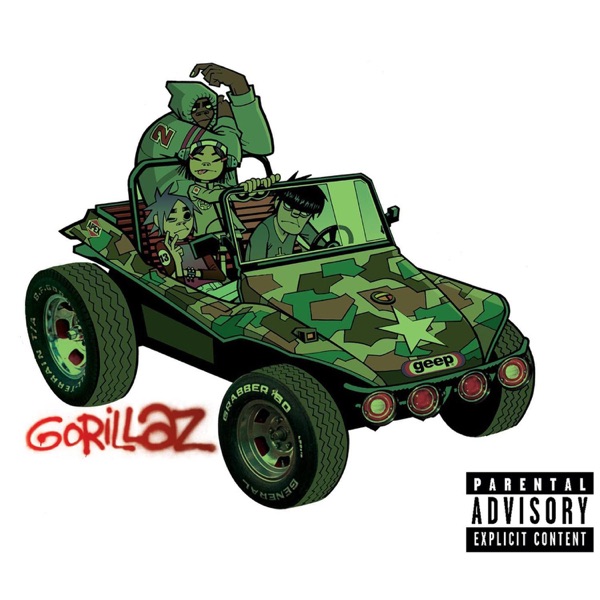
Gorillaz (album Sampler)
2000 · 17 tracks
- 1 Re-Hash ↗ 3:40
- 2 5/4 ↗ 2:42
- 3 Tomorrow Comes Today ↗ 3:14
- 4 New Genius (Brother) ↗ 4:00
- 5 Clint Eastwood ↗ 5:43
- 6 Man Research (Clapper) ↗ 4:33
- 7 Punk ↗ 1:39
- 8 Sound Check (Gravity) ↗ 4:43
- 9 Double Bass ↗ 4:47
- 10 Rock the House ↗ 4:09
- 11 19-2000 ↗ 3:28
- 12 Latin Simone (Que Pasa Contigo) ↗ 3:39
- 13 Starshine ↗ 3:34
- 14 Slow Country ↗ 3:38
- 15 M1 A1 ↗ 4:02
- 16 Clint Eastwood (Ed Case / Sweetie Irie Refix) ↗ 3:41
- 17 19-2000 (Soulchild Remix) ↗ 3:29
Gorillaz
2001 · 17 tracks
- 1 Re-Hash ↗ 3:40
- 2 5/4 ↗ 2:42
- 3 Tomorrow Comes Today ↗ 3:14
- 4 New Genius (Brother) ↗ 4:00
- 5 Clint Eastwood ↗ 5:43
- 6 Man Research (Clapper) ↗ 4:33
- 7 Punk ↗ 1:39
- 8 Sound Check (Gravity) ↗ 4:43
- 9 Double Bass ↗ 4:47
- 10 Rock the House ↗ 4:09
- 11 19-2000 ↗ 3:28
- 12 Latin Simone (Que Pasa Contigo) ↗ 3:39
- 13 Starshine ↗ 3:34
- 14 Slow Country ↗ 3:38
- 15 M1 A1 ↗ 4:02
- 16 Clint Eastwood (Ed Case / Sweetie Irie Refix) ↗ 3:41
- 17 19-2000 (Soulchild Remix) ↗ 3:29
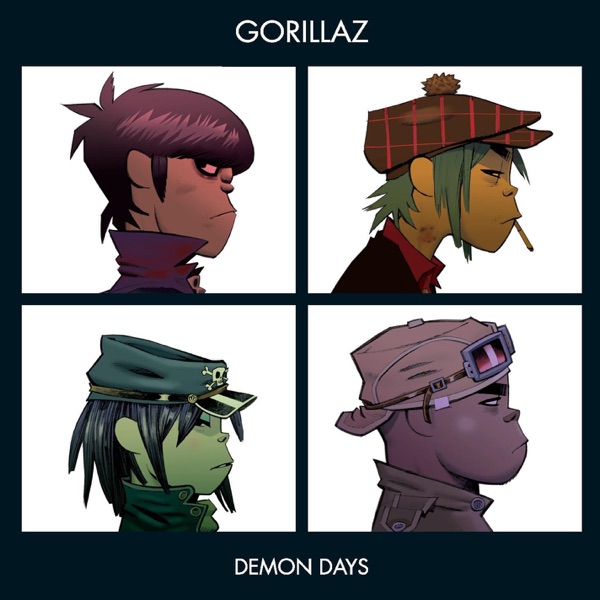
Demon Days
2005 · 15 tracks
- 1 Intro ↗ 1:03
- 2 Last Living Souls ↗ 3:10
- 3 Kids with Guns ↗ 3:46
- 4 O Green World ↗ 4:32
- 5 Dirty Harry (feat. Bootie Brown) ↗ 3:44
- 6 Feel Good Inc. (feat. David Jolicoeur, Kelvin Mercer & Vincent Mason) ↗ 3:41
- 7 El Mañana ↗ 3:50
- 8 Every Planet We Reach Is Dead ↗ 4:53
- 9 November Has Come ↗ 2:41
- 10 All Alone (feat. Martina Topley-Bird & Roots Manuva) ↗ 3:30
- 11 White Light ↗ 2:08
- 12 DARE (feat. Shaun Ryder & Roses Gabor) ↗ 4:04
- 13 Fire Coming out of the Monkey's Head ↗ 3:16
- 14 Don't Get Lost in Heaven ↗ 2:00
- 15 Demon Days ↗ 4:29
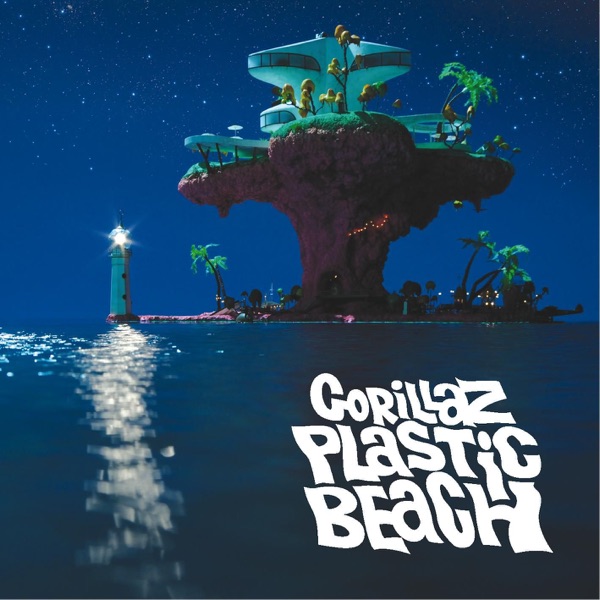
Plastic Beach
2010 · 16 tracks
- 1 Orchestral Intro (feat. sinfonia ViVA) ↗ 1:09
- 2 Welcome To the World of the Plastic Beach (feat. Snoop Dogg and Hypnotic Brass Ensemble) ↗ 3:36
- 3 White Flag (feat. Bashy, Kano and the National Orchestra For Arabic Music) ↗ 3:43
- 4 Rhinestone Eyes ↗ 3:20
- 5 Stylo (feat. Mos Def and Bobby Womack) ↗ 4:31
- 6 Superfast Jellyfish (feat. Gruff Rhys and De La Soul) ↗ 2:55
- 7 Empire Ants (feat. Little Dragon) ↗ 4:44
- 8 Glitter Freeze (feat. Mark E Smith) ↗ 4:03
- 9 Some Kind of Nature (feat. Lou Reed) ↗ 3:00
- 10 On Melancholy Hill ↗ 3:54
- 11 Broken ↗ 3:17
- 12 Sweepstakes (feat. Mos Def and Hypnotic Brass Ensemble) ↗ 5:20
- 13 Plastic Beach (feat. Mick Jones and Paul Simonon) ↗ 3:47
- 14 To Binge (feat. Little Dragon) ↗ 3:56
- 15 Cloud of Unknowing (feat. Bobby Womack and sinfonia ViVA) ↗ 3:06
- 16 Pirate Jet ↗ 2:32

The Fall
2010 · 15 tracks
- 1 Phoner to Arizona ↗ 4:15
- 2 Revolving Doors ↗ 3:26
- 3 Hillbilly Man ↗ 3:50
- 4 Detroit ↗ 2:03
- 5 Shy-Town ↗ 2:55
- 6 Little Pink Plastic Bags ↗ 3:10
- 7 The Joplin Spider ↗ 3:22
- 8 The Parish of Space Dust ↗ 2:26
- 9 The Snake In Dallas ↗ 2:11
- 10 Amarillo ↗ 3:24
- 11 The Speak It Mountains ↗ 2:15
- 12 Aspen Forest ↗ 2:50
- 13 Bobby In Phoenix (feat. Bobby Womack) ↗ 3:17
- 14 California and the Slipping of the Sun ↗ 3:24
- 15 Seattle Yodel ↗ 0:39
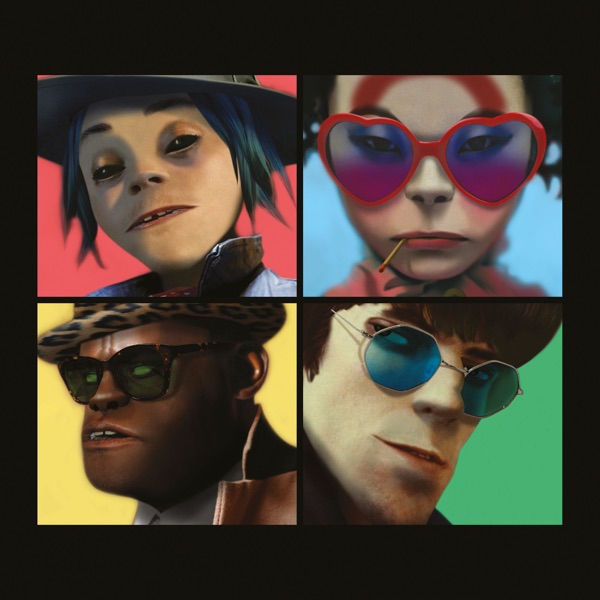
Humanz
2017 · 20 tracks
- 1 Intro: I Switched My Robot Off ↗ 0:23
- 2 Ascension (feat. Vince Staples) ↗ 2:36
- 3 Strobelite (feat. Peven Everett) ↗ 4:33
- 4 Saturnz Barz (feat. Popcaan) ↗ 3:02
- 5 Momentz (feat. De La Soul) ↗ 3:17
- 6 Interlude: The Non-Conformist Oath ↗ 0:22
- 7 Submission (feat. Danny Brown & Kelela) ↗ 3:22
- 8 Charger (feat. Grace Jones) ↗ 3:34
- 9 Interlude: Elevator Going Up ↗ 0:04
- 10 Andromeda (feat. DRAM) ↗ 3:18
- 11 Busted and Blue ↗ 4:37
- 12 Interlude: Talk Radio ↗ 0:20
- 13 Carnival (feat. Anthony Hamilton) ↗ 2:16
- 14 Let Me Out (feat. Mavis Staples & Pusha T) ↗ 2:56
- 15 Interlude: Penthouse ↗ 0:12
- 16 Sex Murder Party (feat. Jamie Principle & Zebra Katz) ↗ 4:19
- 17 She's My Collar (feat. Kali Uchis) ↗ 3:30
- 18 Interlude: The Elephant ↗ 0:12
- 19 Hallelujah Money (feat. Benjamin Clementine) ↗ 4:23
- 20 We Got the Power (feat. Jehnny Beth) ↗ 2:18


Song Machine, Season One: Strange Timez
2020 · 11 tracks
- 1 Strange Timez (feat. Robert Smith) ↗ 3:47
- 2 The Valley of the Pagans (feat. Beck) ↗ 3:01
- 3 The Lost Chord (feat. Leee John) ↗ 4:04
- 4 Pac-Man (feat. ScHoolboy Q) ↗ 3:13
- 5 Chalk Tablet Towers (feat. St Vincent) ↗ 3:03
- 6 The Pink Phantom (feat. Elton John & 6LACK) ↗ 4:13
- 7 Aries (feat. Peter Hook & Georgia) ↗ 4:13
- 8 Friday 13th (feat. Octavian) ↗ 3:35
- 9 Dead Butterflies (feat. Kano & Roxani Arias) ↗ 4:34
- 10 Désolé (feat. Fatoumata Diawara) [Extended Version] ↗ 5:33
- 11 Momentary Bliss (feat. slowthai & Slaves) ↗ 3:41

Cracker Island
2023 · 11 tracks
- 1 Cracker Island (feat. Thundercat) ↗ 3:34
- 2 Oil (feat. Stevie Nicks) ↗ 3:50
- 3 The Tired Influencer ↗ 3:31
- 4 Silent Running (feat. Adeleye Omotayo) ↗ 4:26
- 5 New Gold (feat. Bootie Brown & Tame Impala) ↗ 3:35
- 6 Baby Queen ↗ 3:40
- 7 Tarantula ↗ 3:32
- 8 Tormenta (feat. Bad Bunny) ↗ 3:13
- 9 Skinny Ape ↗ 4:41
- 10 Possession Island (feat. Beck) ↗ 3:26
- 11 Silent Running (feat. Adeleye Omotayo) [2D Piano Version] ↗ 4:23

The Mountain
2026 · 15 tracks
- 1 The Mountain (feat. Dennis Hopper, Ajay Prasanna, Anoushka Shankar, Amaan Ali Bangash & Ayaan Ali Bangash) ↗ 4:51
- 2 The Moon Cave (feat. Asha Puthli, Bobby Womack, David Jolicoeur, Jalen Ngonda & Black Thought) ↗ 4:58
- 3 The Happy Dictator (feat. Sparks) ↗ 4:45
- 4 The Hardest Thing (feat. Tony Allen) ↗ 2:18
- 5 Orange County (feat. Bizarrap, Kara Jackson & Anoushka Shankar) ↗ 3:28
- 6 The God of Lying (feat. IDLES) ↗ 3:09
- 7 The Empty Dream Machine (feat. Black Thought, Johnny Marr & Anoushka Shankar) ↗ 5:41
- 8 The Manifesto (feat. Trueno & Proof) ↗ 7:19
- 9 The Plastic Guru (feat. Johnny Marr & Anoushka Shankar) ↗ 3:15
- 10 Delirium (feat. Mark E. Smith) ↗ 3:52
- 11 Damascus (feat. Omar Souleyman & Yasiin Bey) ↗ 4:04
- 12 The Shadowy Light (feat. Asha Bhosle, Gruff Rhys, Ajay Prasanna, Amaan Ali Bangash & Ayaan Ali Bangash) ↗ 5:39
- 13 Casablanca (feat. Paul Simonon & Johnny Marr) ↗ 3:46
- 14 The Sweet Prince (feat. Ajay Prasanna, Johnny Marr & Anoushka Shankar) ↗ 4:34
- 15 The Sad God (feat. Black Thought, Ajay Prasanna & Anoushka Shankar) ↗ 4:49
-
 Gorillaz (album Sampler)Gorillaz200017 tracks
 - GorillazGorillaz200117 tracks
-
 Demon DaysGorillaz200515 tracks
 -
 Plastic BeachGorillaz201016 tracks
 -
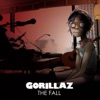 The FallGorillaz201015 tracks
 -
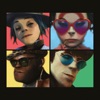 HumanzGorillaz201720 tracks
 -
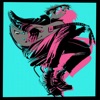 The Now NowGorillaz201811 tracks
 -
 Song Machine, Season One: Strange TimezGorillaz202011 tracks
 -
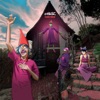 Cracker IslandGorillaz202311 tracks
 -
 The MountainGorillaz202615 tracks
Deep Dive
Overview
Gorillaz are an English virtual band created in 1998 by musician Damon Albarn and artist Jamie Hewlett. Unlike conventional rock acts, Gorillaz exist primarily through four fictional animated members—2-D, Murdoc Niccals, Noodle, and Russel Hobbs—presented across music videos, interviews, comic strips, and animated cartoons that form an elaborate narrative universe. The project fuses alternative rock with hip-hop, electronica, and pop sensibilities, establishing itself as a distinctive entry point for listeners seeking experimental production and genre-crossing collaboration within the late-1990s alternative music landscape.
Formation Story
Gorillaz emerged from Essex in 1998 as a collaborative venture between Damon Albarn, previously known for his work in Blur, and Jamie Hewlett, a visual artist. Rather than assembling a traditional touring band, Albarn and Hewlett constructed an animated world inhabited by four fictional characters who would serve as the public face of the project. This hybrid approach—combining music production with visual storytelling—represented an unconventional strategy for rock music at the time. From inception, Albarn remained the sole permanent musical contributor, while the fictional lineup provided continuity across albums, music videos, and supplementary media that gradually expanded the band’s conceptual universe.
Breakthrough Moment
Gorillaz released their debut self-titled album in 2001 to strong international attention, establishing the core sound and visual identity that would define the project. The album’s blend of alternative rock with hip-hop beats and electronic production caught audiences across multiple genres, proving that the animated framework was not gimmickry but a functional vehicle for serious musical experimentation. This debut positioned Gorillaz within broader conversations about pop and rock music, drawing interest from both alternative and mainstream audiences who engaged with both the sonic content and the fictional narrative surrounding the four characters.
Peak Era
The 2005 release of Demon Days marked the band’s creative and commercial zenith. Expanding on the electronic and hip-hop elements of their debut, Demon Days showcased Albarn’s growing confidence in collaborative production and genre fluidity. The album’s success was sustained through 2010 with Plastic Beach, another ambitious studio effort that further developed the band’s signature blend of live instrumentation and digital production. This five-year span from 2005 to 2010 consolidated Gorillaz as one of alternative rock’s most forward-thinking acts, with the animated narrative device becoming fully integrated into how audiences understood the music.
Musical Style
Gorillaz’s sound draws from alternative rock, hip-hop, electronica, trip-hop, and pop, with Albarn and collaborators prioritizing textural experimentation and genre-crossing arrangements over adherence to a single stylistic lane. The production is characterized by layered synths, sampled percussion, and organic instruments working in tandem, creating a sound both precise in studio detail and accessible to pop audiences. Vocals—primarily delivered through 2-D’s character—range from sung melodies to rhythmic delivery influenced by hip-hop cadence. The band’s approach to songwriting emphasizes featured artists and guest musicians, ensuring that no two albums sound identical while maintaining a recognizable core aesthetic. From their 1998 inception through subsequent releases, the band’s sound evolved from the lo-fi digital experimentation of their early work toward the more polished, collaboratively expansive productions of their peak years.
Major Albums
Gorillaz (2001)
The debut introduced the four fictional characters and established the electronic-alternative rock fusion that would define the project, blending British art-rock sensibilities with American hip-hop and electronic production techniques.
Demon Days (2005)
A landmark album that expanded the band’s sonic palette and featured collaborations with notable guest artists, solidifying Gorillaz as serious alternative music contenders with broad commercial appeal.
Plastic Beach (2010)
Continuing the trajectory established by Demon Days, Plastic Beach deepened the band’s immersive narrative universe while experimenting with production techniques and guest collaborations across a diverse musical landscape.
Humanz (2017)
Released after a seven-year gap, Humanz marked a return with a heavily collaborative framework, emphasizing hip-hop and electronic influences while updating the fictional characters and their visual presentation.
Song Machine, Season One: Strange Timez (2020)
This album adopted a serialized release model with featured artists, returning Gorillaz to consistent output after the 2017–2020 period and maintaining the collaborative ethos that had become central to the project.
Cracker Island (2023)
The band’s most recent studio album continues their established approach of blending alternative rock with electronic and pop elements while advancing the fictional narrative universe that surrounds the project.
Signature Songs
- Clint Eastwood — The breakout track from the 2001 debut, anchoring the band’s sound with its distinctive production and introducing the 2-D character’s vocal delivery to mainstream audiences.
- Feel Good Inc. — A defining moment from Demon Days that exemplified the band’s ability to craft infectious pop hooks atop hip-hop production sensibilities.
- Stylo — Released during the Plastic Beach era, establishing the album’s visual and sonic themes while showcasing the band’s continued evolution in electronic production.
- Humility — A standout from Humanz demonstrating the band’s ongoing interest in genre-crossing collaboration and contemporary production methods.
Influence on Rock
Gorillaz demonstrated that alternative rock could embrace electronic production, hip-hop aesthetics, and pop accessibility without sacrificing artistic credibility. By centering the project on fictional characters and narrative world-building, Albarn and Hewlett expanded possibilities for how rock music could be presented and marketed beyond the conventional touring band model. The project’s consistent embrace of featured artists and producers influenced subsequent acts seeking to position themselves at genre intersections rather than within discrete stylistic boundaries. Gorillaz essentially helped normalize electronic and hip-hop elements within alternative rock discourse, making such fusions expected rather than surprising by the 2010s.
Legacy
Gorillaz remain active as of 2023, with Cracker Island and continued development of their fictional universe confirming the project’s ongoing relevance. The band’s commercial consistency—sustained across two decades—reflects the durability of Albarn and Hewlett’s foundational concept. The animated framework, initially perceived as novelty, has instead become integral to how alternative and pop music engage with visual media and narrative worldbuilding. Gorillaz’ streaming presence remains substantial, with their catalogue regularly accessed by audiences introduced to the band across different eras. The project’s upcoming album The Mountain (2026) signals continued creative ambition, positioning Gorillaz as a enduring presence in rock music’s electronic-inflected branches.
Fun Facts
- Jamie Hewlett, the visual architect behind Gorillaz’ fictional universe, brought extensive experience in comic art and visual storytelling to the project, creating a fully realized animated world rather than simple album artwork.
- The band’s collaborative model has resulted in hundreds of featured musicians across their albums, with no two studio records sharing identical lineup compositions outside of Damon Albarn’s central role.
- Remi Kabaka Jr joined the project in 2017, expanding the core production team and contributing to the sound evolution on subsequent albums including Humanz and The Now Now.
- The fictional character Noodle underwent a digital transformation into Cyborg Noodle during the 2008–2010 period, reflecting the band’s willingness to evolve the narrative framework alongside musical change.