
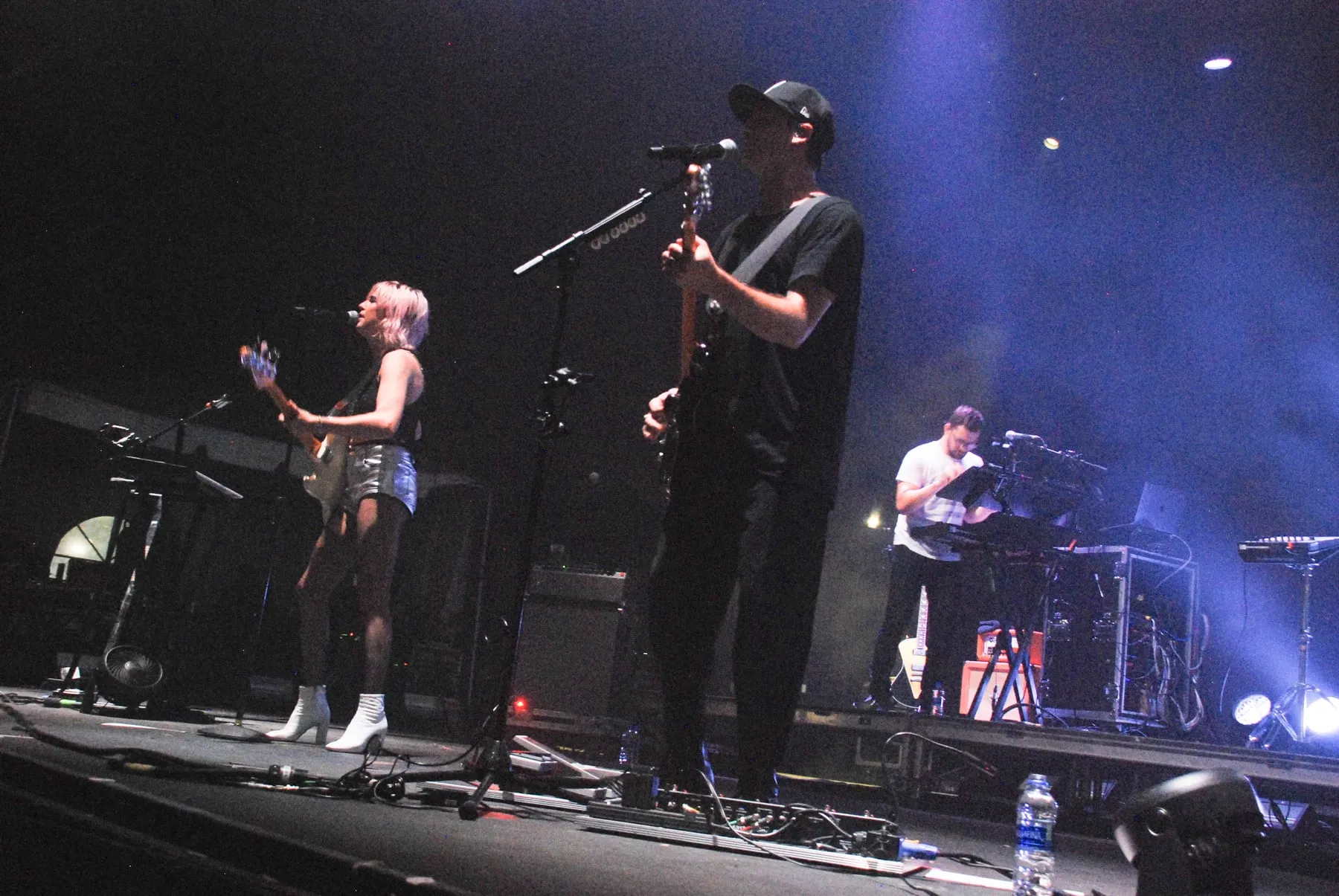
Photo by Colakovicsrdjan , licensed under CC BY-SA 4.0 · Wikimedia Commons
Rank #446
Phantogram
From Wikipedia
Phantogram is an American music duo from Greenwich, New York, formed in 2007 and consisting of multi-instrumentalists and vocalists Sarah Barthel and Josh Carter. Since 2009, the band has released five studio albums, four EPs, and numerous singles. Their third album, Three, reached top 10 on Billboard 200, while singles "Fall in Love" and "You Don't Get Me High Anymore" made top 10 on US Alternative.
Members
- Josh Carter
- Sarah Barthel
Discography & Previews
Browse through and click an album to open and play 30-second previews streamed from Apple Music.

Eyelid Movies
2009 · 12 tracks
- 1 Mouthful of Diamonds ↗ 4:13
- 2 When I'm Small ↗ 4:09
- 3 Turn It Off ↗ 4:01
- 4 Running from the Cops ↗ 3:58
- 5 All Dried Up ↗ 3:46
- 6 As Far As I Can See ↗ 3:30
- 7 You Are the Ocean ↗ 5:49
- 8 Bloody Palms ↗ 3:32
- 9 Futuristic Casket ↗ 3:38
- 10 Let Me Go ↗ 4:26
- 11 10,000 Claps ↗ 3:30
- 12 When I'm Small (Lucy's Mix) [Bonus Track] ↗ 4:24

Voices
2014 · 11 tracks

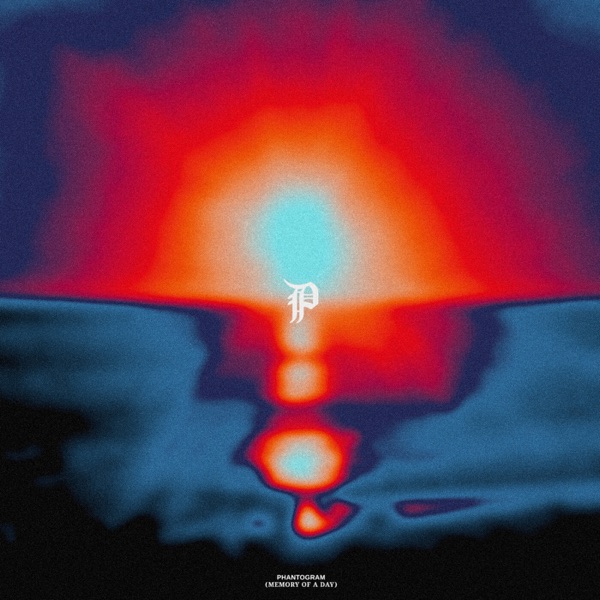
Memory of a Day
2024 · 12 tracks
-
 Eyelid MoviesPhantogram200912 tracks
 -
 VoicesPhantogram201411 tracks
 -
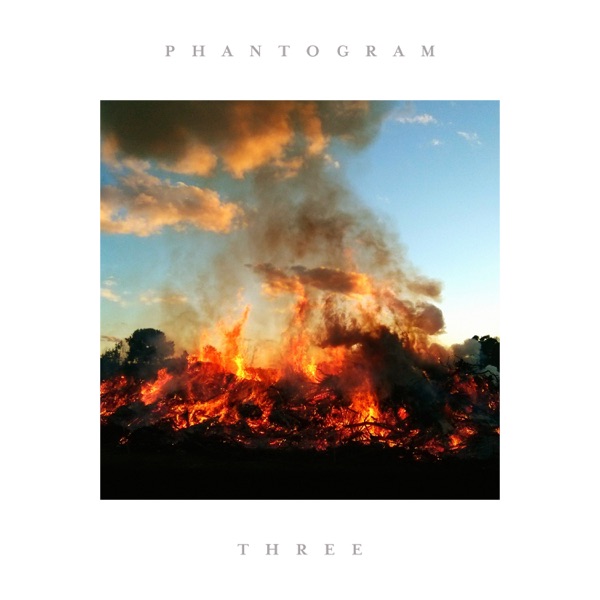
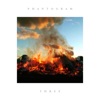 ThreePhantogram201610 tracks
 -
 CeremonyPhantogram202011 tracks
 -
 Memory of a DayPhantogram202412 tracks
Deep Dive
Overview
Phantogram is an American electronic rock duo formed in Greenwich, New York, in 2007. Consisting of multi-instrumentalists and vocalists Sarah Barthel and Josh Carter, the band occupies a distinctive position within the broader dream pop and shoegaze landscape of the 2000s and 2010s. Their work synthesizes trip hop, electronic production, and indie rock into atmospheric, introspective soundscapes marked by layered vocals, processed instrumentation, and moody melodic sensibility. Over their active years, Phantogram has become a fixture of alternative radio and streaming platforms, with their 2016 album Three achieving mainstream chart success while maintaining their commitment to textural, genre-fluid songwriting.
Formation Story
Phantogram emerged from Greenwich, New York, with Sarah Barthel and Josh Carter coming together in 2007 to form a project that would merge their complementary sonic interests. Both Barthel and Carter function as multi-instrumentalists and vocalists, allowing them to construct dense, layered arrangements in the studio while bringing flexibility to their live and collaborative work. The duo established themselves on the independent music circuit in the early 2010s, building their sound within the broader context of electronic rock and shoegaze revival that characterized the era. Their formation occurred at a moment when dream pop and shoegaze—genres that had peaked in the early 1990s—were experiencing renewed interest among younger musicians and listeners seeking introspective, atmospheric alternatives to the dominant indie rock and electronic dance music scenes.
Breakthrough Moment
Phantogram’s breakthrough arrived with the release of their second album, Voices, in 2014. The record marked a significant step forward in production sophistication and songwriting maturity, positioning the duo for crossover appeal beyond underground and college radio audiences. Building on the foundation of their 2009 debut Eyelid Movies, Voices demonstrated a band increasingly comfortable with their sonic palette and confident in their ability to construct anthemic yet introspective pop songs. The singles from this era began to accumulate radio play and streaming attention, establishing Phantogram as more than a niche shoegaze revival project—they were beginning to function as a viable alternative pop act capable of reaching mainstream alternative radio.
Peak Era
Phantogram’s commercial and critical peak came with the 2016 release of Three. The album reached the top 10 of the Billboard 200 chart, a major milestone for an independent electronic rock act and clear evidence that their appeal had broadened considerably since their formation. The era surrounding Three saw singles such as “Fall in Love” and “You Don’t Get Me High Anymore” achieve top 10 status on the US Alternative chart, bringing Phantogram into regular rotation on alternative radio stations nationwide. This period represented the culmination of their move from underground shoegaze revivalists to genuine alternative pop contenders, with the album demonstrating that their atmospheric production and emotionally direct songwriting could achieve both critical credibility and commercial reach. The success of Three and its supporting singles confirmed that dream pop and electronic rock remained viable commercial forms when executed with the sophistication and polish Barthel and Carter had developed.
Musical Style
Phantogram’s sonic approach centers on the interplay between ethereal, processed vocals and layered electronic production, grounded by elements of trip hop and indie rock instrumentation. Both Barthel and Carter contribute vocals, often layering their voices to create dense, shimmering textural effects—a technique inherited from both shoegaze traditions and contemporary pop production. The instrumental palette typically features synthesizers, drum machines, and processed guitars, with the band favoring atmospheric density and moody melodicism over conventional song structures. Their production style emphasizes reverb, delay, and other effects that blur the boundaries between vocals and instruments, creating a cohesive soundscape rather than discrete instrumental parts. Across their albums, this sonic vocabulary has remained relatively consistent, though their more recent work shows increased attention to accessibility and groove-oriented rhythms, reflecting the wider influence of electronic pop and indie dance music in the 2010s and 2020s.
Major Albums
Eyelid Movies (2009)
Phantogram’s debut introduced the core elements of their sound: ethereal vocal layers, electronic production, and shoegaze-influenced textures, establishing the template they would refine across subsequent records.
Voices (2014)
The second album marked significant growth in production sophistication and pop sensibility, with stronger melodic hooks and increased confidence in their songwriting, signaling the band’s transition toward broader appeal.
Three (2016)
Their breakthrough mainstream success, Three achieved top 10 Billboard 200 placement and produced the major alternative radio singles “Fall in Love” and “You Don’t Get Me High Anymore,” establishing Phantogram as a significant force in contemporary alternative music.
Ceremony (2020)
Released a decade into their career, Ceremony continued the band’s exploration of electronic rock and dream pop, maintaining their established sonic identity while navigating the evolving landscape of alternative music in the streaming era.
Memory of a Day (2024)
Phantogram’s most recent album demonstrates the duo’s continued creative engagement and relevance, affirming their longevity as a working band in the contemporary independent music landscape.
Signature Songs
- “Fall in Love” — A top 10 alternative chart hit from Three, exemplifying the band’s ability to craft emotionally direct pop songs with sophisticated electronic production.
- “You Don’t Get Me High Anymore” — A major single from the Three era, achieving significant alternative radio success and demonstrating Phantogram’s mainstream crossover potential.
- “Nightlife” — An atmospheric track showcasing the duo’s gift for creating moody, introspective soundscapes that balance electronic and organic instrumentation.
- “As Far as I Can See” — Highlights the distinctive layered vocal interplay between Barthel and Carter that characterizes much of their work.
Influence on Rock
Phantogram arrived during a period of shoegaze and dream pop revival in the 2000s and 2010s, contributing significantly to the elevation of these aesthetics from historical artifacts to living, contemporary forms. Their success—particularly the mainstream chart placement of Three—demonstrated that atmospheric, electronically informed indie rock and dream pop could achieve commercial viability without sacrificing sonic sophistication or emotional depth. The duo’s approach to production, vocal layering, and instrumental texture has influenced subsequent acts working within electronic rock, dream pop, and shoegaze-influenced indie music, establishing a template for how bands could retain the ethereal, introspective qualities of 1990s shoegaze while incorporating contemporary electronic production and pop songwriting sensibilities. Their work on alternative radio helped sustain space for experimental, non-traditional rock music within mainstream commercial frameworks during an era increasingly dominated by hip hop, electronic dance music, and highly produced pop.
Legacy
Since their formation in 2007, Phantogram has established themselves as a durable and creatively engaged band within the alternative music landscape. The release of five studio albums and numerous EPs across their active years, culminating in Memory of a Day in 2024, demonstrates their commitment to continued artistic output and creative exploration. The commercial success of Three and the sustained presence of their music on alternative radio and streaming platforms establish them as one of the more commercially successful shoegaze and dream pop acts of the 2010s and 2020s. Their career arc—from underground formation through gradual recognition to mainstream alternative radio success—reflects broader patterns in how independent music reaches audiences in the streaming era, where digital platforms and algorithm-driven radio have created new pathways for atmospheric, genre-fluid music to find large audiences without traditional major-label backing.
Fun Facts
- Phantogram operates as a true two-person operation, with Sarah Barthel and Josh Carter handling all instrumental and vocal duties, making them one of contemporary rock’s most self-contained acts.
- The band released their music through Barely Breaking Even, an independent record label, maintaining creative and commercial independence throughout their career.
- Both “Fall in Love” and “You Don’t Get Me High Anymore” achieved simultaneous presence on the US Alternative chart, a rarity that underscored the strength of the Three era commercially.
- Despite being based in Greenwich, New York, rather than a traditional music industry hub, Phantogram achieved mainstream alternative radio success, demonstrating the reduced geographical barriers to musical recognition in the streaming era.
- The band has maintained continuous activity across nearly two decades, releasing work consistently from 2009 through 2024 without extended hiatuses.