
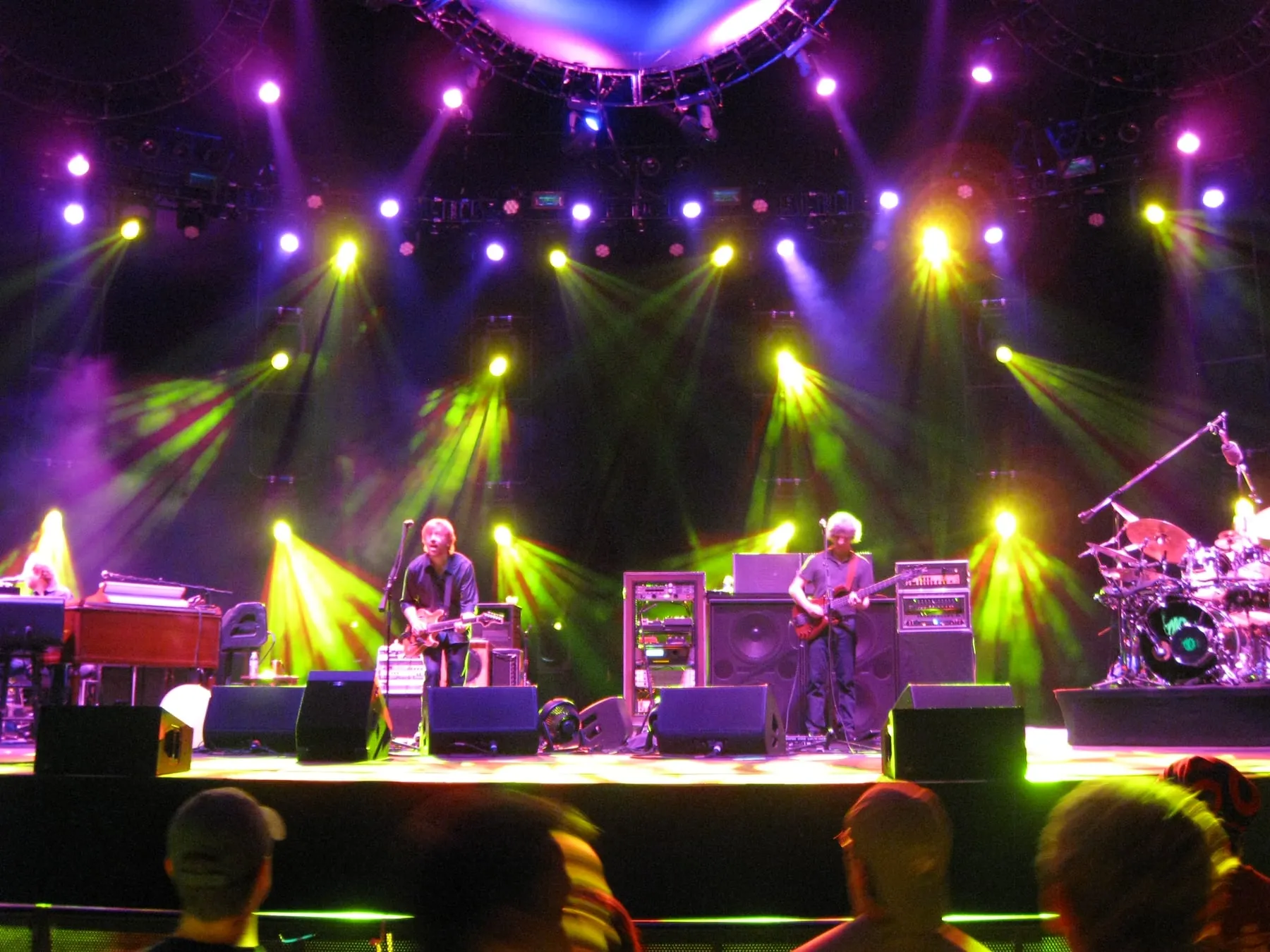
Photo by Heather Katsoulis from Western Mass , licensed under CC BY-SA 2.0 · Wikimedia Commons
Rank #194
Phish
From Wikipedia
Phish is an American rock band formed in Burlington, Vermont, in 1983. The band consists of guitarist Trey Anastasio, bassist Mike Gordon, drummer Jon Fishman, and keyboardist Page McConnell. All four members perform vocals, with Anastasio being the primary lead vocalist. The band is known for their musical improvisation and jams during their concert performances and for their devoted fan following.
Members
- Jeff Holdsworth (1983–1986)
- Jon Fishman (1983–present)
- Mike Gordon (1983–present)
- Trey Anastasio (1983–present)
- Page McConnell (1985–present)
- Marc Daubert
Discography & Previews
Browse through and click an album to open and play 30-second previews streamed from Apple Music.
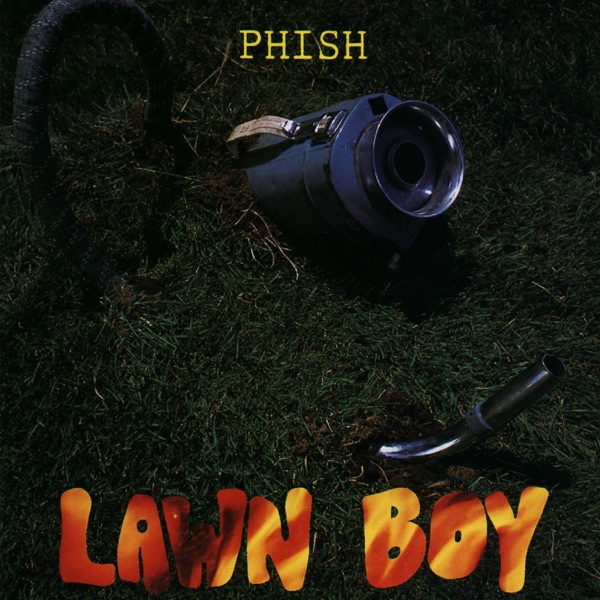

A Picture of Nectar
1992 · 16 tracks
- 1 Llama ↗ 3:31
- 2 Eliza ↗ 1:31
- 3 Cavern ↗ 4:24
- 4 Poor Heart ↗ 2:45
- 5 Stash ↗ 7:11
- 6 Manteca ↗ 0:29
- 7 Guelah Papyrus ↗ 5:22
- 8 Magilla ↗ 2:46
- 9 The Landlady ↗ 2:56
- 10 Glide ↗ 4:13
- 11 Tweezer ↗ 8:42
- 12 The Mango Song ↗ 6:23
- 13 Chalk Dust Torture ↗ 4:35
- 14 Faht ↗ 2:21
- 15 Catapult ↗ 0:32
- 16 Tweezer (Reprise) ↗ 2:40
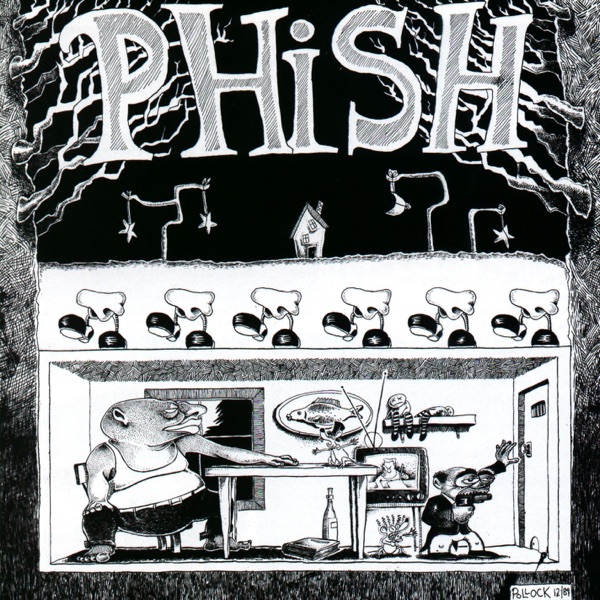
Junta
1992 · 14 tracks
- 1 Fee ↗ 5:25
- 2 You Enjoy Myself ↗ 9:50
- 3 Esther ↗ 9:24
- 4 Golgi Apparatus ↗ 4:40
- 5 Foam ↗ 6:51
- 6 Dinner and a Movie ↗ 3:43
- 7 The Divided Sky ↗ 11:57
- 8 David Bowie ↗ 10:59
- 9 Fluffhead ↗ 3:24
- 10 Fluff's Travels ↗ 11:39
- 11 Contact ↗ 6:42
- 12 Union Federal (Live) [Bonus Track] ↗ 25:29
- 13 Sanity (Live) [Bonus Track] ↗ 8:26
- 14 Icculus (Live) [Bonus Track] ↗ 4:26
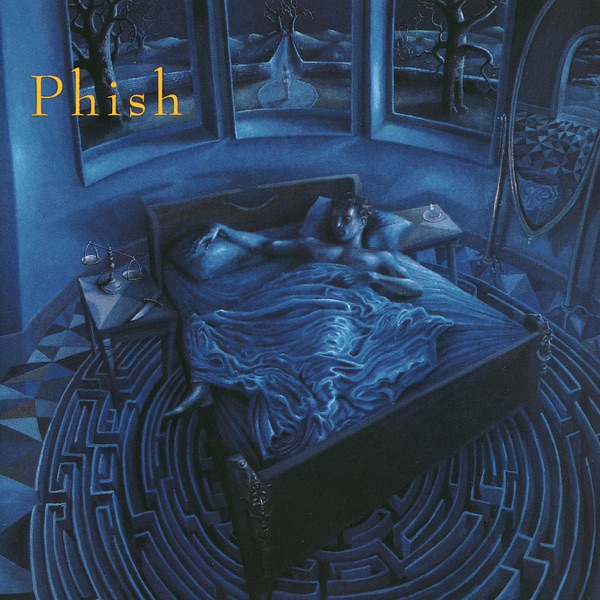
Rift
1993 · 15 tracks
- 1 Rift ↗ 6:14
- 2 Fast Enough for You ↗ 4:51
- 3 Lengthwise ↗ 1:19
- 4 Maze ↗ 8:14
- 5 Sparkle ↗ 3:55
- 6 Horn ↗ 3:38
- 7 The Wedge ↗ 4:07
- 8 My Friend, My Friend ↗ 6:10
- 9 Weigh ↗ 5:09
- 10 All Things Reconsidered ↗ 2:32
- 11 Mound ↗ 6:02
- 12 It's Ice ↗ 8:14
- 13 Lengthwise ↗ 0:35
- 14 The Horse ↗ 1:24
- 15 Silent in the Morning ↗ 5:28

The Story of the Ghost
1998 · 14 tracks


Undermind
2004 · 14 tracks
- 1 Scents and Subtle Sounds (Intro) ↗ 1:37
- 2 Undermind ↗ 4:58
- 3 The Connection ↗ 2:23
- 4 A Song I Heard the Ocean Sing ↗ 6:20
- 5 Army of One ↗ 5:02
- 6 Crowd Control ↗ 3:34
- 7 Maggie's Revenge ↗ 1:44
- 8 Nothing ↗ 4:06
- 9 Two Versions of Me ↗ 3:46
- 10 Access Me ↗ 2:38
- 11 Scents and Subtle Sounds ↗ 5:06
- 12 Tomorrow's Song ↗ 1:51
- 13 Secret Smile ↗ 6:31
- 14 Grind ↗ 0:59


Big Boat
2016 · 13 tracks
- 1 Friends ↗ 3:43
- 2 Breath and Burning ↗ 4:20
- 3 Home ↗ 6:27
- 4 Blaze On ↗ 4:20
- 5 Tide Turns ↗ 4:21
- 6 Things People Do ↗ 1:55
- 7 Waking Up Dead ↗ 4:15
- 8 Running Out of Time ↗ 3:32
- 9 No Men in No Man's Land ↗ 5:00
- 10 Miss You ↗ 7:02
- 11 I Always Wanted It This Way ↗ 4:29
- 12 More ↗ 4:22
- 13 Petrichor ↗ 13:33


-
 Lawn BoyPhish19909 tracks
 -
 A Picture of NectarPhish199216 tracks
 -
 JuntaPhish199214 tracks
 -
 RiftPhish199315 tracks
 -
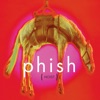 HoistPhish199411 tracks
 -
 Billy BreathesPhish199613 tracks
 -
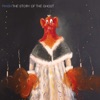 The Story of the GhostPhish199814 tracks
 -
 The Siket DiscPhish19999 tracks
 -
 FarmhousePhish200012 tracks
 -
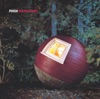 Round RoomPhish200212 tracks
 -
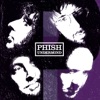 UndermindPhish200414 tracks
 -
 JoyPhish200910 tracks
 -
 FuegoPhish201410 tracks
 -
 Big BoatPhish201613 tracks
 -
 Sigma OasisPhish20209 tracks
 -
 EvolvePhish202412 tracks
Deep Dive
Overview
Phish is an American rock band that emerged from Burlington, Vermont, in 1983 and has remained a singular force in improvisation-driven rock music for over four decades. Anchored by guitarist and primary vocalist Trey Anastasio, bassist Mike Gordon, drummer Jon Fishman, and keyboardist Page McConnell—all of whom contribute vocals—the band built a massive and devoted following by elevating the extended jam and musical improvisation to the center of their concert performances. Operating at the intersection of funk rock and progressive rock, Phish developed a distinctive approach to live performance that prioritized spontaneity, musicianship, and the unpredictable conversation between players rather than note-for-note recreations of recorded material.
The band’s significance lies not in a single chart-topping album or cultural moment but in their sustained commitment to a particular vision of live rock music. For fans and critics alike, Phish represents a lineage that traces through the jam-band tradition—yet their technical proficiency, harmonic sophistication, and willingness to veer into funk, rock, and experimental territory simultaneously set them apart from many of their contemporaries.
Formation Story
Phish coalesced in Burlington, Vermont, in 1983 when Trey Anastasio, Mike Gordon, and Jon Fishman began playing together in the city’s emerging music scene. The trio’s early collaborations laid the foundation for what would become the band’s core sound: Gordon’s melodic bass lines, Fishman’s precise and inventive drumming, and Anastasio’s fluid, technically demanding guitar work. Jeff Holdsworth joined as a second guitarist in the band’s earliest years, contributing to their initial recordings and live sound from 1983 to 1986. Page McConnell, whose keyboard contributions would become integral to Phish’s sonic palette, joined the lineup in 1985, solidifying the four-piece configuration that would define the band for decades to come. The Burlington setting proved crucial—a smaller city with a tight-knit arts community provided the space and audience for a band to develop its experimental approach without the pressure of immediate commercial success.
Breakthrough Moment
Phish’s first studio album, Lawn Boy, arrived in 1990 and announced the band to a broader audience beyond the New England club circuit. A year later, the band released two albums in close succession: A Picture of Nectar in 1992 and Junta, also in 1992, solidifying their reputation as serious musicians with a growing catalog of original material. These early releases captured the band’s improvisational ethos in recorded form—a challenging feat, as Phish’s essence thrived in the unpredictability of live performance. The recording of Rift in 1993 and Hoist in 1994 demonstrated the band’s evolution as songwriters and studio craftspeople, establishing them as a force beyond the jam-band underground. By the mid-1990s, Phish had transitioned from Vermont regional attractions to a national touring act, with a fan base that followed them city to city and show to show, hungry for the never-repeated improvisations that characterized their live work.
Peak Era
Phish reached their creative and commercial apex in the mid-to-late 1990s. Billy Breathes (1996) and The Story of the Ghost (1998) represent the band at their most assured and inventive, albums that balanced accessible songwriting with extended instrumental passages and studio experimentation. This period saw Phish playing larger venues and festivals, selling out amphitheaters across North America, and accumulating one of rock’s most engaged fan bases. The release of Farmhouse in 2000 continued their momentum, showcasing a band comfortable with both studio craft and live theatricality. Throughout this era, Phish’s touring schedule intensified; the band’s commitment to playing multiple nights in major cities and constructing distinct setlists for each show became legendary among their followers. The 1990s and early 2000s represented Phish at their most vital commercially and artistically, a period when their particular brand of funk-inflected progressive rock reached its widest audience.
Musical Style
Phish’s sound is built on the interplay of four distinct voices working in real-time conversation. Trey Anastasio’s guitar work—fluid, technically sophisticated, and capable of sliding from clean funk rhythms to heavy distortion and psychedelic textures—anchors the band’s harmonic and melodic direction. Mike Gordon’s bass playing is unusually melodic and inventive, often driving the harmonic movement rather than serving a purely rhythmic function; his lines weave in and out of the foreground, sometimes supporting, sometimes leading. Jon Fishman’s drumming is precise and nuanced, capable of swinging behind funk grooves or providing the foundation for looser, more abstract explorations. Page McConnell’s keyboards—from electric piano to synthesizer to organ—add textural depth and harmonic color, often filling the upper register with ambient washes or driving rhythmic counterpoints.
Genre-wise, Phish occupies a space between funk rock’s emphasis on rhythmic pocket and progressive rock’s structural ambition and improvisational scope. Their songs often begin with structured compositions—verses, choruses, and hooks—but the band regularly extends these frameworks into extended jams where all four players pursue improvisation simultaneously. This approach means that no two Phish performances of the same song are identical; the band might transform a straightforward rock number into a twenty-minute exploration of texture, timing, and musical conversation. Early influences trace through jam-band and progressive traditions, though the specific alchemy of Phish—their refusal to be purely instrumental, their funk undertones, their willingness to shift dramatically within a single performance—makes them difficult to categorize by genre alone.
Major Albums
Lawn Boy (1990)
Phish’s debut studio album introduced their compositional voice and improvisational approach to a recorded medium, establishing the band as more than a live phenomenon and winning them a broader audience beyond Vermont.
Rift (1993)
A landmark in the band’s studio evolution, Rift showcased increasingly sophisticated songwriting and production, with Phish demonstrating their range across rock, funk, and more experimental territory.
Billy Breathes (1996)
Among Phish’s most polished and accessible studio efforts, Billy Breathes balanced radio-friendly songwriting with extended instrumental passages, reaching their widest mainstream audience.
The Story of the Ghost (1998)
Released at the height of Phish’s commercial and critical standing, this album represents the band confidently navigating studio experimentation while maintaining their improvisational identity.
Farmhouse (2000)
An album that cemented Phish’s position as veteran craftspeople, Farmhouse continued their streak of well-constructed studio work and remained relevant with their dedicated audience.
Round Room (2002)
Phish’s later major-label effort demonstrated the band’s continued evolution as songwriters and studio musicians, maintaining their creative momentum into the 2000s.
Signature Songs
- Divided Sky — An extended instrumental showcase that became a centerpiece of Phish’s live sets, demonstrating the band’s technical prowess and improvisational capabilities.
- Down with Disease — A funk-rock staple that highlights Mike Gordon’s melodic bass work and the band’s ability to lock into a groovewhile leaving room for improvisation.
- Tweezer — A high-energy composition known for its explosive jam potential, allowing the band to build intensity and explore heavy textures.
- Free — A slower, more introspective piece that showcases the band’s range and their ability to create atmospheric, textured passages.
- You Enjoy Myself — An early Phish anthem that became a fan favorite, featuring the band’s characteristic blend of funk, rock, and improvisational exploration.
- Chalkdust Torture — A hard-hitting rocker that became a concert staple and demonstrated Phish’s ability to deliver both compositional structure and extended jams.
Influence on Rock
Phish’s influence extends across multiple spheres: they helped legitimize the jam band as a serious artistic pursuit in the 1990s, when many rock institutions dismissed extended improvisation as self-indulgent. Their success demonstrated that audiences would sustain dedicated engagement with a band that prioritized live performance unpredictability and musical conversation over radio singles and stadium spectacle. In doing so, Phish expanded the possibilities for what a rock band could be in the post-grunge era, when alternative rock dominated mainstream rock radio. The band inspired countless jam bands that followed, from groups attempting to replicate their funkgroove-oriented approach to bands inspired by their touring ethos and fan engagement. Beyond direct influence on similar bands, Phish’s insistence on recording and archiving their concerts—making performances widely available to fans—also presaged modern streaming culture and the idea that a band’s entire catalog, live and studio, should be accessible to their audience.
Legacy
Phish has remained a touring and recording entity into the 2020s, releasing new studio albums including Sigma Oasis (2020), Get More Down (2022), and Evolve (2024). Their long career and sustained output demonstrate a band committed to the fundamental artistic and commercial model they established in 1983—live performance as the primary vehicle for their music, with studio albums serving as documentation and creative exploration alongside the concert experience. The band maintains their original four-piece lineup, with Trey Anastasio, Mike Gordon, Jon Fishman, and Page McConnell representing one of rock’s most enduring and stable configurations. Phish’s legacy is inseparable from the culture of passionate, mobile fans who have driven the band’s economics and artistic direction; the band has built a sustainable career not through mainstream radio play or viral moments but through direct fan engagement, live touring, and the particular devotion that emerges when musicians prioritize artistic unpredictability and audience experience above commercial formula.
Fun Facts
- Marc Daubert was associated with Phish during the band’s formation period, contributing to their early development as a group.
- Phish’s commitment to never repeating setlists has led to the documentation and archiving of thousands of unique concert recordings, creating one of the most comprehensive live-performance catalogs in rock music.
- The band released multiple albums within single years—including A Picture of Nectar and Junta both in 1992, and Hoist and Crimes of the Mind both in 1994—demonstrating an unusually prolific creative period in their early-to-mid 1990s era.
- Phish’s early recordings featured guitarist Jeff Holdsworth as a key contributor to their developing sound before Page McConnell’s arrival solidified the lineup that would define the band for decades.