
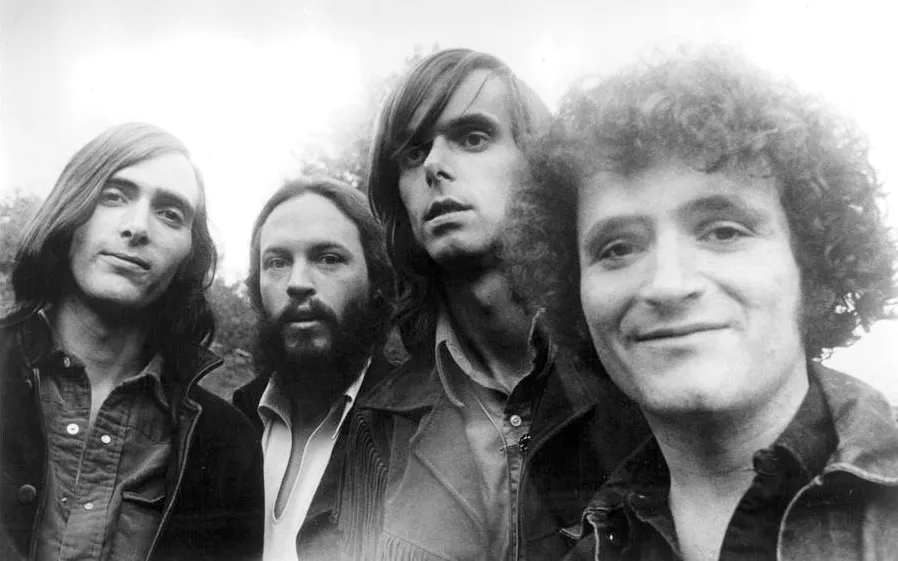
Photo by Capitol Records , licensed under Public domain · Wikimedia Commons
Rank #206
Quicksilver Messenger Service
From Wikipedia
Quicksilver Messenger Service is an American psychedelic rock band formed in 1965 in San Francisco. The band achieved wide popularity in the San Francisco Bay Area and, through their recordings, with psychedelic rock enthusiasts around the globe, and several of their albums ranked in the Top 30 of the Billboard Pop charts. They were part of the new wave of album-oriented bands, achieving renown and popularity despite a lack of success with their singles. Though not as commercially successful as contemporaries Jefferson Airplane and the Grateful Dead, Quicksilver was integral to the beginnings of their genre. With their jazz and classical influences and a strong folk background, the band attempted to create an individual, innovative sound. Music historian Colin Larkin wrote: "Of all the bands that came out of the San Francisco area during the late '60s, Quicksilver typified most of the style, attitude and sound of that era."
Members
- Chet Powers
- David Freiberg
- Gary Duncan
- Greg Elmore
- Jim Murray
- John Cipollina
- Mark Naftalin
- Nicky Hopkins
Discography & Previews
Browse through and click an album to open and play 30-second previews streamed from Apple Music.






-
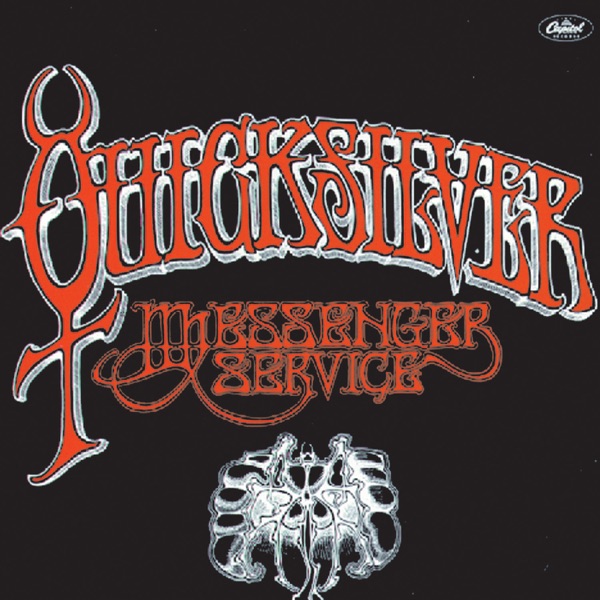
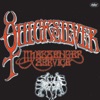 Quicksilver Messenger ServiceQuicksilver Messenger Service19686 tracks
 -
 Shady GroveQuicksilver Messenger Service19699 tracks
 -
 Just for LoveQuicksilver Messenger Service19709 tracks
 -
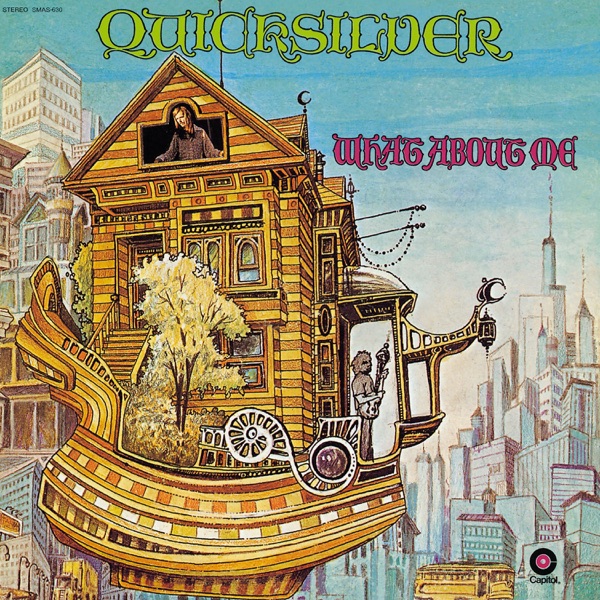
 What About MeQuicksilver Messenger Service197010 tracks
 -
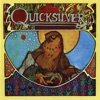 QuicksilverQuicksilver Messenger Service19719 tracks
 -
 Comin’ ThruQuicksilver Messenger Service19727 tracks
 -
 Solid SilverQuicksilver Messenger Service197510 tracks
 -
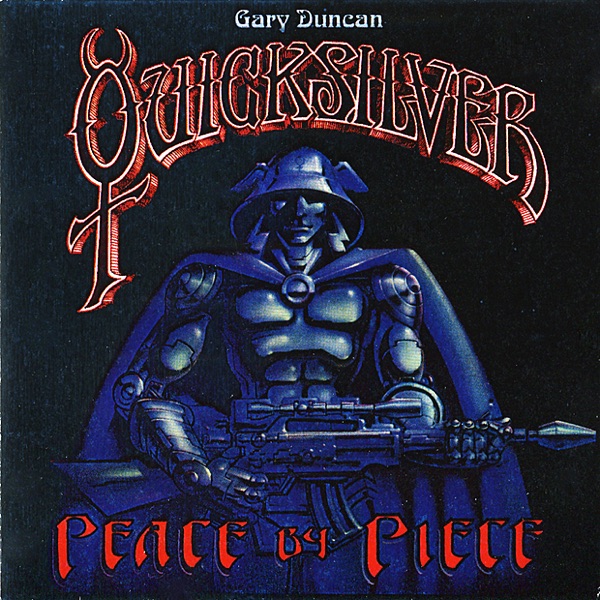
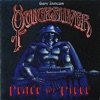 Peace by PieceQuicksilver Messenger Service198610 tracks
 -
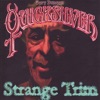 Strange TrimQuicksilver Messenger Service20066 tracks
 -
 Six String VoodooQuicksilver Messenger Service20087 tracks
Deep Dive
Overview
Quicksilver Messenger Service is an American psychedelic rock band formed in 1965 in San Francisco. Emerging from the Bay Area’s fertile music scene, they achieved wide popularity locally and, through their recordings, found an international audience among psychedelic rock enthusiasts. Though not reaching the commercial heights of contemporaries Jefferson Airplane and the Grateful Dead, Quicksilver became integral to the genesis of psychedelic rock as a sustained artistic movement. Music historian Colin Larkin observed that “Of all the bands that came out of the San Francisco area during the late ’60s, Quicksilver typified most of the style, attitude and sound of that era.”
The band’s distinctive approach to psychedelic rock—grounded in jazz and classical traditions alongside a strong folk sensibility—set them apart from peers who mined blues or hard rock foundations. Their ascent coincided with the rise of album-oriented rock, a shift that allowed bands to build devoted followings without charting hit singles, a path Quicksilver navigated successfully.
Formation Story
Quicksilver Messenger Service coalesced in San Francisco in 1965, at the moment when the city’s Haight-Ashbury district was becoming the epicenter of the emerging psychedelic movement. The band drew together musicians with varied backgrounds: John Cipollina brought virtuosic guitar work, Gary Duncan contributed songwriting and guitar, David Freiberg added vocals and keyboards, and Greg Elmore provided percussion. Chet Powers, Mark Naftalin, and Jim Murray rounded out the ensemble at various points, with additional contributions from keyboardist Nicky Hopkins. The collective drew inspiration from the city’s bohemian undercurrent and the technical sophistication of jazz and classical music, creating a sound that transcended the typical garage-rock or blues-based templates dominating American rock at the time.
San Francisco in the mid-1960s offered a unique crucible: proximity to the folk scene’s introspective traditions, proximity to jazz clubs, and a growing appetite for experimental music. Quicksilver absorbed all these influences, positioning themselves as serious musicians rather than trend-followers from their inception.
Breakthrough Moment
Quicksilver Messenger Service achieved significant recognition with the release of their self-titled debut album in 1968. The record introduced their fully formed sound to a wider audience and performed strongly enough to signal that the band had reached beyond local cult status. The album’s success on college radio and in the underground rock press established them as a fixture in the expanding psychedelic conversation. Follow-up albums strengthened their position: Shady Grove (1969) and subsequent releases throughout the early 1970s—including Just for Love (1970), What About Me (1970), Quicksilver (1971), and Comin’ Thru (1972)—landed several records in the Billboard Pop charts’ top 30. This consistent chart presence, unusual for a band without singles-driven radio hits, confirmed that Quicksilver had built a substantial and loyal audience willing to support full-length album purchases, marking them as exemplars of the new album-oriented rock paradigm.
Peak Era
Quicksilver’s peak creative and commercial period extended from 1968 through the early 1970s. Between their 1968 debut and Comin’ Thru in 1972, the band released a steady succession of albums that defined their reputation and musical vision. These four years represented their most prolific and ambitious phase, during which they refined their integration of psychedelic texture, instrumental sophistication, and songwriting craft. The band’s 1975 release, Solid Silver, represented a later high point, showing that they continued to command attention and studio resources. During this era, Quicksilver’s live performances, typically featuring extended improvisations and showcase pieces for individual instrumentalists, became legendary in San Francisco and developed a devoted following across North America.
Musical Style
Quicksilver Messenger Service’s sound synthesized psychedelic rock’s textural innovation with the harmonic complexity and improvisational ethos of jazz, combined with the lyrical directness and acoustic foundation of folk music. Cipollina’s electric guitar served as the instrumental centerpiece, capable of both delicate, floating tones and aggressive, sustain-heavy leads. The rhythm section—particularly Elmore’s drumming—maintained a tight, inventive pocket that accommodated both structured songs and fluid jamming. Naftalin’s and Hopkins’ keyboard work added swirling, sometimes orchestral textures characteristic of late-1960s psychedelia.
Vocally, the band employed multi-part harmonies and featured different singers across their repertoire, avoiding reliance on a single lead voice. This collective approach extended to songwriting, with Duncan, Powers, and others contributing material. The band’s arrangements often started with a clear pop or folk hook, then expanded into extended passages of instrumental exploration—a structure that worked particularly well on albums, where time constraints disappeared. Their classical and jazz foundations meant that even at their most psychedelic, Quicksilver maintained harmonic sophistication and instrumental discipline absent from more blues-based or garage-rooted peers.
Major Albums
Quicksilver Messenger Service (1968)
The band’s self-titled debut introduced their core sound: a fusion of folk melody, jazz harmony, and psychedelic texture. The album’s commercial and critical success on college radio announced their arrival as serious contenders in the San Francisco scene.
Shady Grove (1969)
This follow-up consolidated their reputation with refined songwriting and tighter arrangements, demonstrating that their debut was no fluke and that the band could sustain creative momentum.
What About Me (1970)
Released alongside Just for Love the same year, this album showcased the band’s continued evolution and their ability to populate the Billboard charts without singles-oriented radio play.
Quicksilver (1971)
A self-titled work marking a creative reassertion, this album proved the band’s enduring relevance in the early 1970s and maintained their album-chart presence.
Solid Silver (1975)
A later-era release that demonstrated Quicksilver’s ability to record and perform successfully after the initial psychedelic boom had waned, proving their staying power beyond the 1960s.
Signature Songs
- “Pride of Man” — A folk-rooted composition featuring extended instrumental passages, exemplifying the band’s ability to marry acoustic sensibility with psychedelic expansion.
- “Shady Grove” — The title track of their 1969 album, showcasing their gift for melody and harmonic sophistication.
- “Fresh Flower” — A showcase for the band’s layered arrangements and vocal harmonies.
- “Maiden of the Cancer Moon” — Demonstrates Cipollina’s distinctive guitar voice and the band’s taste for sophisticated, extended composition.
Influence on Rock
Quicksilver Messenger Service’s greatest impact lies in demonstrating that psychedelic rock could be sustained by serious musicians working in jazz and classical traditions rather than reducing it to a surface effect or novelty. They helped establish the template for album-oriented rock bands that could thrive without hit singles, a model that would define progressive rock and art-rock into the 1970s and beyond. Their emphasis on instrumental sophistication and improvisational freedom influenced subsequent generations of rock musicians who sought to elevate rock’s technical and compositional standards. Though less commercially dominant than Jefferson Airplane or the Grateful Dead, Quicksilver’s musical approach and artistic independence shaped how later bands conceived of rock as a serious artistic medium, capable of absorbing jazz harmony, classical structure, and folk authenticity into a unified psychedelic vision.
Legacy
Quicksilver Messenger Service remains emblematic of the San Francisco psychedelic era and a touchstone for collectors and listeners interested in the sophisticated end of 1960s rock. Their catalog has remained continuously available through various reissues and, later, streaming platforms, ensuring their music reaches new audiences. The band continued recording and performing sporadically in subsequent decades—releasing Peace by Piece in 1986, Shape Shifter Vols. 1 & 2 in 1996, and continuing with further studio work in the 2000s (Marin County Cowboys in 2000, Strange Trim in 2006, Six String Voodoo in 2008)—demonstrating remarkable longevity. Their influence appears in the DNA of countless psychedelic revivalists and progressive rock musicians who came of age studying their recordings. For historians and musicians alike, Quicksilver represents a crucial articulation of psychedelic rock’s artistic ambitions and the possibility of serious, jazz-informed musicianship within the rock idiom.
Fun Facts
- The band’s lineup evolved throughout their career, with members including John Cipollina, Gary Duncan, David Freiberg, Greg Elmore, Mark Naftalin, Chet Powers, Jim Murray, and keyboardist Nicky Hopkins at various points.
- Quicksilver’s live performances in San Francisco, particularly at venues like the Fillmore West, became legendary for extended improvisations and showcase pieces that often exceeded album versions by many minutes.
- The band signed to Capitol Records, placing them among the few psychedelic bands willing to work with a major label while maintaining artistic independence.
- Despite the heavy psychedelic competition in San Francisco, Quicksilver achieved multiple top-30 Billboard album chart placements, a distinction shared by only a handful of local peers.