
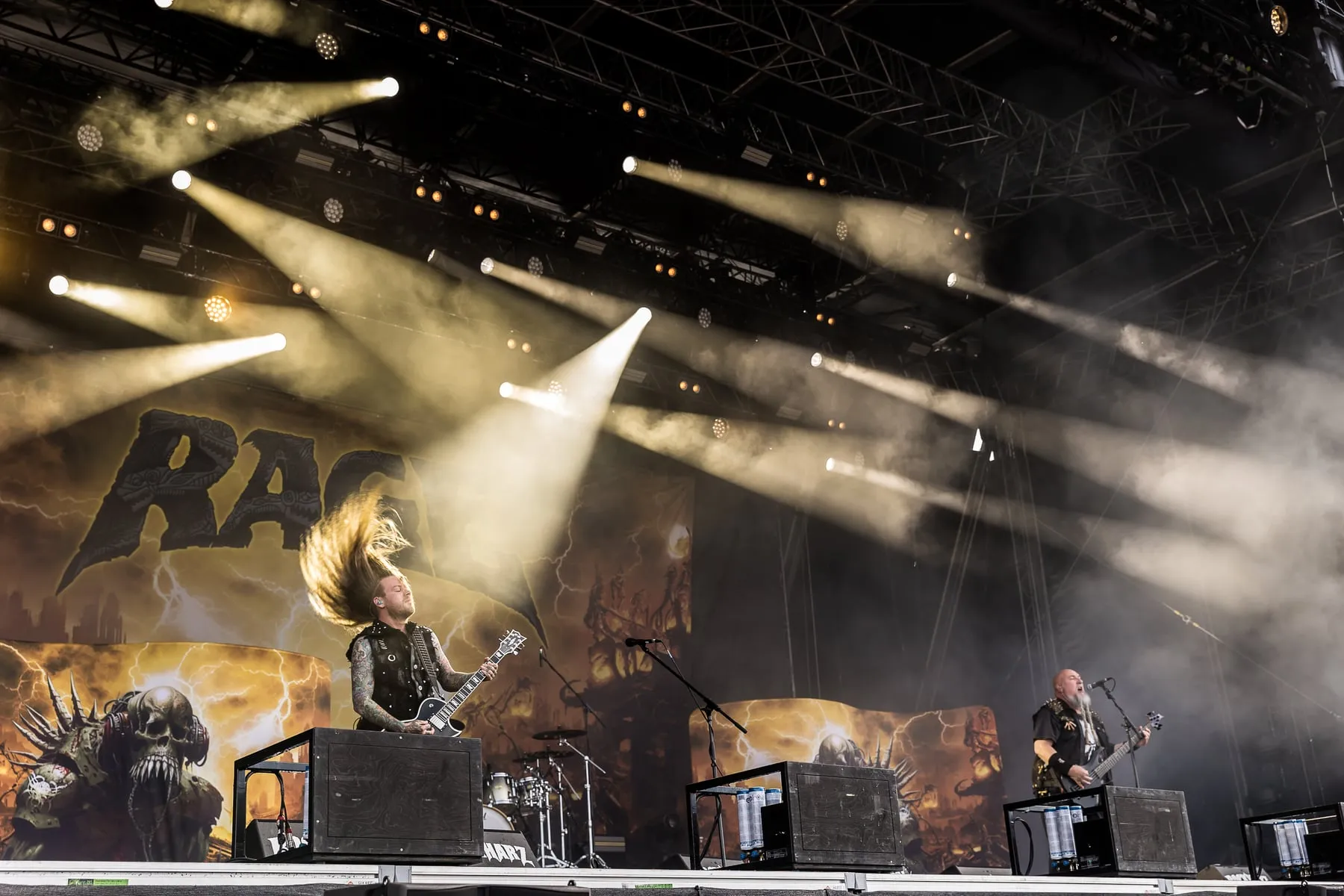
Photo by S. Bollmann , licensed under Attribution · Wikimedia Commons
Rank #187
Rage
Long-running German power-metal trio of relentless output.
From Wikipedia
Rage is a German heavy metal band formed in 1984 by Peter "Peavy" Wagner. They were part of the German heavy/speed/power metal scene that emerged in the early to mid-1980s and are considered part of the scene's "big four," alongside Grave Digger, Helloween, and Running Wild.
Members
- Andre Hilgers
- Jörg Michael
- Manni Schmidt
- Mike Terrana
- Peavy Wagner
- Victor Smolski
Discography & Previews
Browse through and click an album to open and play 30-second previews streamed from Apple Music.

Reign of Fear
1986 · 33 tracks
- 1 Scared to Death (Remastered 2015) ↗ 4:44
- 1 Scared to Death ↗ 4:42
- 1 Echoes of Evil (Demo 1985) ↗ 4:37
- 2 Deceiver (Remastered 2015) ↗ 3:38
- 2 Deceiver ↗ 3:36
- 2 Scared to Death (Demo 1985) ↗ 3:48
- 3 Reign of Fear (Remastered 2015) ↗ 3:56
- 3 Reign of Fear ↗ 3:54
- 3 Raw Energy (Demo 1985) ↗ 3:22
- 4 Hand of Glory (Remastered 2015) ↗ 3:28
- 4 Hand of Glory ↗ 3:26
- 4 Suicide (Demo 1985) ↗ 3:47
- 5 Raw Energy (Remastered 2015) ↗ 3:29
- 5 Raw Energy ↗ 3:27
- 5 Tough Like Leather (Demo 1985) ↗ 4:40
- 6 Echoes of Evil (Remastered 2015) ↗ 4:50
- 6 Echoes of Evil ↗ 4:48
- 6 Hand of Glory (Demo 1985) ↗ 3:23
- 7 Chaste Flesh (Remastered 2015) ↗ 4:54
- 7 Chaste Flesh ↗ 4:52
- 7 Reign of Fear (Demo 1985) ↗ 3:55
- 8 Suicide (Remastered 2015) ↗ 4:07
- 8 Suicide ↗ 4:05
- 8 Chaste Flesh (Demo 1985) ↗ 4:51
- 9 Machinery (Remastered 2015) ↗ 4:24
- 9 Machinery ↗ 4:22
- 9 Stay Wild (Demo 1985) ↗ 4:15
- 10 The Scaffold (Remastered 2015) ↗ 9:13
- 10 The Scaffold ↗ 9:12
- 10 Mirror (Demo 1985) ↗ 6:33
- 11 The Scaffold (Demo 1985) ↗ 6:43
- 12 Down to the Bone (Demo 1985) ↗ 5:14
- 13 Depraved to Black (Demo 1985) ↗ 4:33

Execution Guaranteed
1987 · 28 tracks
- 1 Down by Law (Remastered 2015) ↗ 3:23
- 1 Down by Law ↗ 3:23
- 1 Down by Law (Mix 1987) ↗ 3:17
- 2 Execution Guaranteed (Remastered 2015) ↗ 6:49
- 2 Execution Guaranteed ↗ 6:49
- 2 Execution Guaranteed (Mix 1987) ↗ 6:37
- 3 Before the Storm (Remastered 2015) ↗ 4:51
- 3 Before the Storm ↗ 4:49
- 3 Before the Storm (Mix 1987) ↗ 4:42
- 4 Streetwolf (Remastered 2015) ↗ 6:08
- 4 Streetwolf ↗ 6:07
- 4 Streetwolf (Mix 1987) ↗ 5:50
- 5 Deadly Error (Remastered 2015) ↗ 5:07
- 5 Deadly Error ↗ 5:07
- 5 Deadly Error (Mix 1987) ↗ 4:52
- 6 Hatred (Remastered 2015) ↗ 3:58
- 6 Hatred ↗ 3:57
- 6 Hatred (Mix 1987) ↗ 3:51
- 7 Grapes of Wrath (Remastered 2015) ↗ 5:15
- 7 Grapes of Wrath ↗ 5:12
- 7 Grapes of Wrath (Mix 1987) ↗ 5:07
- 8 Mental Decay (Remastered 2015) ↗ 5:56
- 8 Mental Decay ↗ 5:53
- 8 Mental Decay (Mix 1987) ↗ 5:48
- 9 When You're Dead (Remastered 2015) ↗ 4:32
- 9 When You're Dead ↗ 4:29
- 9 When You're Dead (Mix 1987) ↗ 4:19
- 10 The Execution Jam (Mix 1987) ↗ 23:39

Perfect Man
1988 · 35 tracks
- 1 Wasteland (Remastered) ↗ 3:27
- 1 Wasteland ↗ 3:27
- 1 Between the Lines (Live at Metal Mania 88 - Bonus Track) ↗ 3:03
- 2 In the Darkest Hour (Remastered) ↗ 3:16
- 2 In the Darkest Hour ↗ 3:16
- 2 Roundtrip (Live at Metal Mania 88 - Bonus Track) ↗ 3:15
- 3 Animal Instinct (Remastered) ↗ 3:48
- 3 Animal Instinct ↗ 3:48
- 3 Wasteland / Echoes of Evil / Animal Instinct / Don't Fear the Winter / Mental Decay (Live at Heavy Sound Festival 88) ↗ 19:54
- 4 Perfect Man (Remastered) ↗ 3:35
- 4 Perfect Man ↗ 3:35
- 4 Like a Gun with a Twisted Barrel (Bonus Track) ↗ 4:32
- 5 Sinister Thinking (Remastered) ↗ 3:18
- 5 Sinister Thinking ↗ 3:18
- 5 Sign of the Times (Bonus Track) ↗ 4:10
- 6 Supersonic Hydromatic (Remastered) ↗ 3:33
- 6 Supersonic Hydromatic ↗ 3:33
- 6 The Element of Crime (Bonus Track) ↗ 5:05
- 7 Don't Fear the Winter (Remastered) ↗ 3:27
- 7 Don't Fear the Winter ↗ 3:27
- 7 The Last Farewell (Bonus Track) ↗ 3:06
- 8 Death in the Afternoon (Remastered) ↗ 3:57
- 8 Death in the Afternoon ↗ 3:57
- 9 A Pilgrim's Path (Remastered) ↗ 4:27
- 9 A Pilgrim's Path ↗ 4:27
- 10 Time and Place (Remastered) ↗ 4:15
- 10 Time and Place ↗ 4:15
- 11 Roundtrip (Remastered) ↗ 3:24
- 11 Roundtrip ↗ 3:24
- 12 Between the Lines (Remastered) ↗ 3:18
- 12 Between the Lines ↗ 3:18
- 13 Symbols of Our Fear (Bonus Track - Remastered) ↗ 3:33
- 13 Symbols of Our Fear (Bonus Track - Original Version) ↗ 3:33
- 14 Neurotic (Bonus Track - Remastered) ↗ 3:03
- 14 Neurotic (Bonus Track - Original Version) ↗ 3:00

Secrets in a Weird World
1989 · 24 tracks
- 1 Intro (Opus 32 Nr. 3 - Remastered) ↗ 0:53
- 1 Intro (Opus 32 Nr. 3 - Original Version) ↗ 0:52
- 2 Time Waits for Noone (Remastered) ↗ 4:50
- 2 Time Waits for Noone ↗ 4:50
- 3 Make My Day (Remastered) ↗ 3:38
- 3 Make My Day ↗ 3:38
- 4 The Inner Search (Remastered) ↗ 4:41
- 4 The Inner Search ↗ 4:42
- 5 Invisible Horizons (Remastered) ↗ 4:36
- 5 Invisible Horizons ↗ 4:36
- 6 She (Remastered) ↗ 5:20
- 6 She ↗ 5:20
- 7 Light into the Darkness (Remastered) ↗ 4:51
- 7 Light into the Darkness ↗ 4:51
- 8 Talk to Grandpa (Remastered) ↗ 2:45
- 8 Talk to Grandpa ↗ 2:45
- 9 Distant Voices (Remastered) ↗ 5:49
- 9 Distant Voices ↗ 5:49
- 10 Without a Trace (Remastered) ↗ 9:13
- 10 Without a Trace ↗ 9:13
- 11 Lost Side of the World (Remastered) ↗ 4:45
- 11 Lost Side of the World ↗ 4:43
- 12 Law and Order (Bonus Track - Remastered) ↗ 3:04
- 13 Mirror (Bonus Track - Remastered) ↗ 6:21

Reflections of a Shadow
1990 · 25 tracks
- 1 Introduction (A Bit More of Green) [Remastered] ↗ 1:32
- 1 Introduction (A Bit More of Green) ↗ 1:32
- 2 That's Human Bondage (Remastered) ↗ 4:28
- 2 That's Human Bondage ↗ 4:28
- 3 True Face in Everyone (Remastered) ↗ 5:13
- 3 True Face in Everyone ↗ 5:13
- 4 Flowers That Fade in My Hand (Remastered) ↗ 7:40
- 4 Flowers That Fade in My Hand ↗ 7:40
- 5 Reflections of a Shadow (Remastered) ↗ 3:54
- 5 Reflections of a Shadow ↗ 3:54
- 6 Can't Get Out (Remastered) ↗ 5:05
- 6 Can't Get Out (Intro - Original Version) ↗ 0:42
- 7 Waiting for the Moon (Remastered) ↗ 4:41
- 7 Can't Get Out ↗ 4:23
- 8 Faith (Remastered) ↗ 5:43
- 8 Waiting for the Moon ↗ 4:41
- 9 Saddle the Wind (Remastered) ↗ 4:07
- 9 Faith ↗ 5:43
- 10 Dust (Remastered) ↗ 4:50
- 10 Saddle the Wind ↗ 4:07
- 11 Nobody Knows (Remastered) ↗ 3:51
- 11 Dust ↗ 4:50
- 12 Wild Seed (Bonus Track - Remastered) ↗ 5:27
- 12 Nobody Knows ↗ 3:51
- 13 Wild Seed (Bonus Track - Original Version) ↗ 5:25

Trapped!
1992 · 28 tracks
- 1 Shame on You (Remastered) ↗ 4:52
- 1 Shame on You ↗ 4:52
- 2 Solitary Man (Remastered) ↗ 3:37
- 2 Solitary Man ↗ 3:37
- 3 Enough Is Enough (Remastered) ↗ 6:43
- 3 Enough Is Enough ↗ 6:43
- 4 Medicine (Remastered) ↗ 3:43
- 4 Medicine ↗ 3:43
- 5 Questions (Remastered) ↗ 3:55
- 5 Questions ↗ 3:55
- 6 Take Me to the Water (Remastered) ↗ 6:01
- 6 Take Me to the Water ↗ 6:01
- 7 Power and Greed (Remastered) ↗ 4:26
- 7 Power and Greed ↗ 4:26
- 8 The Body Talks (Remastered) ↗ 4:34
- 8 The Body Talks ↗ 4:34
- 9 Not Forever (Remastered) ↗ 3:37
- 9 Not Forever ↗ 3:37
- 10 Beyond the Wall of Sleep (Remastered) ↗ 4:05
- 10 Beyond the Wall of Sleep ↗ 4:05
- 11 Baby, I'm Your Nightmare (Remastered) ↗ 5:23
- 11 Baby, I'm Your Nightmare ↗ 5:23
- 12 Fast as a Shark (Remastered) ↗ 3:04
- 12 Fast as a Shark ↗ 3:04
- 13 Difference (Remastered) ↗ 5:00
- 13 Difference ↗ 4:58
- 14 Innocent Guilty (Remastered) ↗ 2:50
- 15 Marching Heroes - The Wooden Cross (Remastered) ↗ 3:17

The Missing Link
1993 · 25 tracks
- 1 Firestorm (Remastered) ↗ 4:57
- 1 Firestorm ↗ 4:57
- 2 Nevermore (Remastered) ↗ 4:27
- 2 Nevermore ↗ 4:27
- 3 Refuge (Remastered) ↗ 3:38
- 3 Refuge ↗ 3:38
- 4 The Pit and the Pendulum (Remastered) ↗ 4:17
- 4 The Pit and the Pendulum ↗ 4:17
- 5 From the Underworld (Remastered) ↗ 3:11
- 5 From the Underworld ↗ 3:09
- 6 Certain Days (Remastered) ↗ 5:45
- 6 Certain Days ↗ 5:44
- 7 Who Dares? (Remastered) ↗ 4:28
- 7 Who Dares? ↗ 4:28
- 8 Wake Me When I'm Dead (Remastered) ↗ 5:22
- 8 Wake Me When I'm Dead ↗ 5:20
- 9 Lost in the Ice (Remastered) ↗ 9:49
- 9 Lost in the Ice ↗ 9:48
- 10 Her Diary's Black Pages (Remastered) ↗ 3:35
- 10 Her Diary's Black Pages ↗ 3:35
- 11 The Missing Link (Remastered) ↗ 4:25
- 11 The Missing Link ↗ 4:23
- 12 Raw Caress (Remastered) ↗ 5:26
- 12 Raw Caress ↗ 5:25
- 13 Another Kind of Madness (Bonus Japan-Remastered) ↗ 5:14

10 Years in Rage
1994 · 21 tracks
- 1 Vertigo (Remastered) ↗ 3:35
- 1 Vertigo ↗ 3:35
- 2 She Killed and Smiled (Remastered) ↗ 4:04
- 2 She Killed and Smiled ↗ 4:03
- 3 Destination Day (Remastered) ↗ 5:09
- 3 Destination Day ↗ 5:08
- 4 Take My Blood (Remastered) ↗ 4:17
- 4 Take My Blood ↗ 4:16
- 5 No Sign of Life (Remastered) ↗ 7:28
- 5 No Sign of Life ↗ 7:27
- 6 Submission (Remastered) ↗ 3:51
- 6 Submission ↗ 3:50
- 7 The Unknown (Remastered) ↗ 4:45
- 7 The Unknown ↗ 4:45
- 8 Dangerous Heritage (Remastered) ↗ 4:12
- 8 Dangerous Heritage ↗ 4:09
- 9 Prayers of Steel 94 (Remastered) ↗ 6:09
- 9 Prayers of Steel 94 ↗ 6:08
- 10 The Blow in a Row (Remastered) ↗ 7:38
- 10 The Blow in a Row (Original Version) ↗ 7:47
- 11 Brainsucker (Bonus Track-Remastered) ↗ 1:30
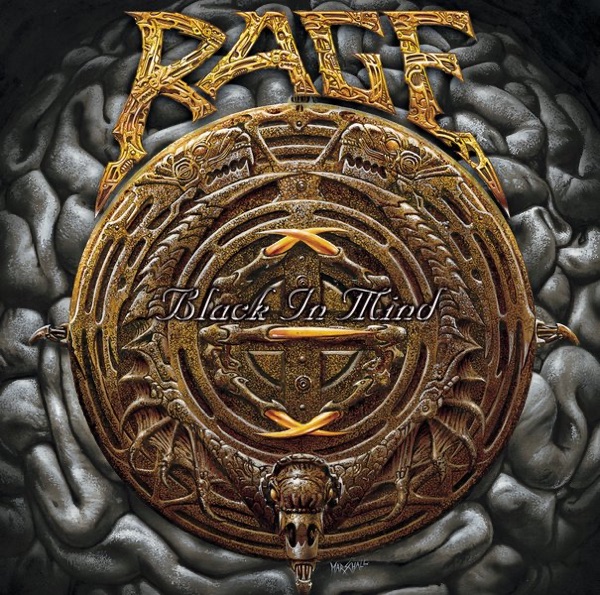
Black in Mind
1995 · 16 tracks
- 1 Black In Mind ↗ 4:09
- 2 The Crawling Chaos ↗ 4:46
- 3 Alive But Dead ↗ 4:56
- 4 Sent By the Devil ↗ 5:01
- 5 Shadow Out of Time ↗ 5:39
- 6 A Spider's Web ↗ 3:21
- 7 In a Nameless Time ↗ 10:12
- 8 The Ice Cold Hand of Destiny ↗ 4:06
- 9 Forever ↗ 4:45
- 10 Until I Die ↗ 4:34
- 11 My Rage ↗ 2:42
- 12 The Price of War ↗ 4:16
- 13 Start! ↗ 4:30
- 14 Tie the Rope ↗ 3:46
- 15 Forgive But Don't Forget ↗ 4:26
- 16 All This Time ↗ 5:33
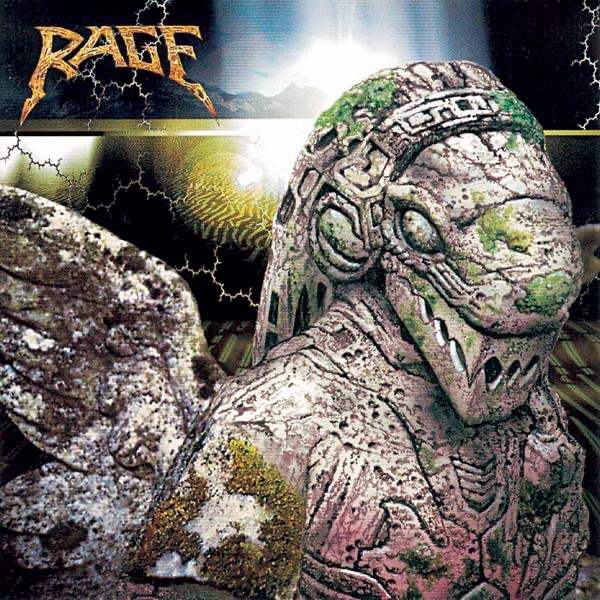
End of All Days
1996 · 14 tracks
- 1 Under Control ↗ 4:06
- 2 Higher Than the Sky ↗ 4:18
- 3 Deep In the Blackest Hole ↗ 4:24
- 4 End of All Days ↗ 4:45
- 5 Visions ↗ 4:17
- 6 Desperation ↗ 4:55
- 7 Voice from the Vault ↗ 5:37
- 8 Let the Night Begin ↗ 3:53
- 9 Fortress ↗ 3:57
- 10 Frozen Fire ↗ 3:42
- 11 Talking to the Dead ↗ 3:58
- 12 Face Behind the Mask ↗ 3:37
- 13 Silent Victory ↗ 4:54
- 14 Fading Hours ↗ 6:28

XIII
1998 · 13 tracks
- 1 Overture ↗ 1:56
- 2 From the Cradle to the Grave ↗ 4:51
- 3 Days of December ↗ 4:36
- 4 Sign of Heaven ↗ 4:17
- 5 Incomplete ↗ 5:11
- 6 Turn the Page ↗ 5:02
- 7 Heartblood ↗ 6:21
- 8 Over and Over ↗ 3:48
- 9 In Vain (I Won't Go Down) ↗ 5:19
- 10 Immortal Sin ↗ 5:28
- 11 Pain It, Black ↗ 4:32
- 12 Just Alone ↗ 6:34
- 13 Another Wasted Day ↗ 4:57

Unity
2002 · 13 tracks
- 1 All I Want ↗ 5:00
- 2 Insanity ↗ 4:22
- 3 Down ↗ 5:26
- 4 Set This World on Fire ↗ 5:06
- 5 Dies Irae ↗ 5:09
- 6 World of Pain ↗ 4:04
- 7 Shadows ↗ 0:57
- 8 Living My Dream ↗ 4:49
- 9 Seven Deadly Sins ↗ 4:10
- 10 You Want It, You'll Get It ↗ 4:08
- 11 Unity (Instrumental) ↗ 7:20
- 12 Mystery Trip ↗ 9:20
- 13 Fugue No. 5 ↗ 3:18

Soundchaser
2003 · 12 tracks
- 1 Orgy of Destruction (Instrumental) ↗ 1:26
- 2 War of Worlds ↗ 6:07
- 3 Great Old Ones ↗ 4:03
- 4 Soundchaser ↗ 5:37
- 5 Defenders of the Ancient Life ↗ 4:05
- 6 Secrets in a Weird World ↗ 5:28
- 7 Flesh and Blood ↗ 5:13
- 8 Human Metal ↗ 5:27
- 9 See You in Heaven or Hell ↗ 4:00
- 10 Falling from Grace (Wake the Nightmares, Pt. 1) ↗ 4:59
- 11 Falling from Grace (Death Is on It's Way, Pt. 2) ↗ 6:55
- 12 French Bourree (Bonus Track) ↗ 4:11

Speak of the Dead
2006 · 17 tracks
- 1 Mortituri Te Salutant ↗ 0:57
- 2 Prelude of Souls ↗ 2:46
- 3 Innocent ↗ 5:37
- 4 Depression ↗ 1:13
- 5 No Regrets ↗ 4:53
- 6 Confusion ↗ 1:46
- 7 Black ↗ 0:51
- 8 Beauty ↗ 3:54
- 9 No Fear ↗ 5:32
- 10 Soul Survivor ↗ 3:42
- 11 Full Moon ↗ 4:54
- 12 Kill Your Gods ↗ 5:14
- 13 Turn My World Around ↗ 3:59
- 14 Be with Me or Be Gone ↗ 3:47
- 15 Speak of the Dead ↗ 4:11
- 16 La Luna Reine ↗ 4:54
- 17 Vollmond ↗ 4:52

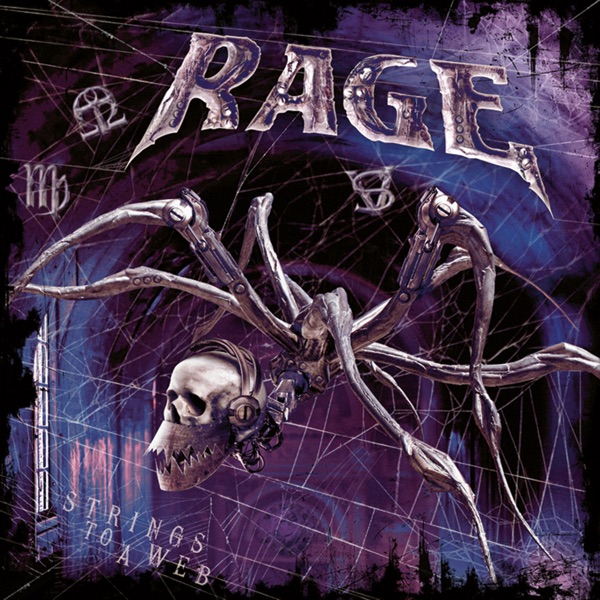
Strings to a Web
2010 · 14 tracks
- 1 The Edge of Darkness ↗ 4:32
- 2 Hunter and Prey ↗ 4:33
- 3 Into the Light ↗ 4:24
- 4 The Beggar´s Last Dime ↗ 5:43
- 5 Empty Hollow ↗ 6:20
- 6 Strings to a Web ↗ 3:54
- 7 Fatal Grace ↗ 1:21
- 8 Connected ↗ 2:54
- 9 Empty Hollow ↗ 1:50
- 10 Saviour of the Dead ↗ 5:45
- 11 Hellgirl ↗ 4:13
- 12 Purified ↗ 3:48
- 13 Through Ages ↗ 2:06
- 14 Tomorrow Never Comes ↗ 3:41
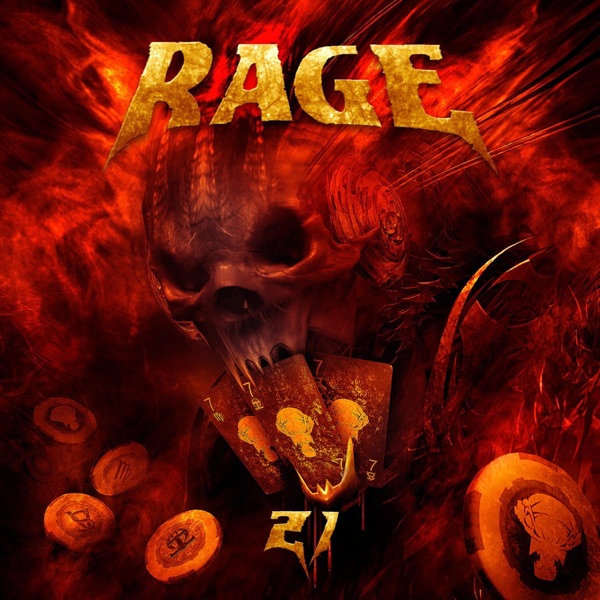
21
2012 · 23 tracks
- 1 House Wins ↗ 1:30
- 2 Twenty One ↗ 6:16
- 3 Forever Dead ↗ 6:20
- 4 Feel My Pain ↗ 5:40
- 5 Serial Killer ↗ 5:45
- 6 Psycho Terror ↗ 6:57
- 7 Destiny ↗ 5:13
- 8 Death Romantic ↗ 5:59
- 9 Black and White ↗ 5:20
- 10 Concrete Wall ↗ 3:50
- 11 Eternally ↗ 5:09
- 12 Opening (Live in Tokyo) ↗ 1:16
- 13 The Edge of Darkness (Live in Tokyo) ↗ 5:11
- 14 Hunter and Prey (Live in Tokyo) ↗ 5:45
- 15 Into the Light (Live in Tokyo) ↗ 5:42
- 16 Drop Dead (Live in Tokyo) ↗ 5:30
- 17 Empty Hollow (Live in Tokyo) ↗ 8:58
- 18 Light into the Darkness (Live in Tokyo) ↗ 5:03
- 19 Higher Than the Sky (Live in Tokyo) ↗ 6:20
- 20 War of Words (Live in Tokyo) ↗ 8:19
- 21 Carved in Stone (Live in Tokyo) ↗ 4:37
- 22 Soundchaser (Live in Tokyo) ↗ 5:49
- 23 Down (Live in Tokyo) ↗ 7:45

The Devil Strikes Again
2016 · 16 tracks
- 1 The Devil Strikes Again ↗ 4:38
- 2 My Way ↗ 4:20
- 3 Back on Track ↗ 4:19
- 4 The Final Curtain ↗ 4:13
- 5 War ↗ 4:21
- 6 Ocean Full of Tears ↗ 4:03
- 7 Deaf, Dumb and Blind ↗ 4:15
- 8 Spirits of the Night ↗ 4:55
- 9 Times of Darkness ↗ 5:14
- 10 The Dark Side of the Sun ↗ 5:47
- 11 Bring Me Down ↗ 5:05
- 12 Requiem ↗ 3:55
- 13 Into the Fire ↗ 5:27
- 14 Slave to the Grind ↗ 3:28
- 15 Bravado ↗ 4:38
- 16 Open Fire ↗ 4:42

Seasons of the Black
2017 · 17 tracks
- 1 Season of the Black ↗ 4:56
- 2 Serpents in Disguise ↗ 4:13
- 3 Blackened Karma ↗ 4:39
- 4 Time Will Tell ↗ 5:04
- 5 Septic Bite ↗ 4:21
- 6 Walk Among the Dead ↗ 4:06
- 7 All We Know Is Not ↗ 4:20
- 8 Gaia ↗ 1:03
- 9 Justify ↗ 6:09
- 10 Bloodshed in Paradise ↗ 5:40
- 11 Farewell ↗ 7:21
- 12 Adoration ↗ 3:32
- 13 Southcross Union ↗ 3:43
- 14 Assorted by Satan ↗ 4:22
- 15 Faster Than Hell ↗ 3:17
- 16 Sword Made of Steel ↗ 5:17
- 17 Down to the Bone ↗ 4:12

Wings of Rage
2020 · 12 tracks
- 1 True ↗ 5:02
- 2 Let Them Rest in Peace ↗ 4:31
- 3 Chasing the Twilight Zone ↗ 4:30
- 4 Tomorrow ↗ 5:02
- 5 Wings of Rage ↗ 4:31
- 6 Shadow Over Deadland (The Twilight Transition) ↗ 0:36
- 7 A Nameless Grave ↗ 5:59
- 8 Don't Let Me Down ↗ 4:57
- 9 Shine a Light ↗ 6:43
- 10 HTTS 2.0 (Higher than the Sky) ↗ 3:30
- 11 Blame It on the Truth ↗ 3:54
- 12 For Those Who Wish to Die ↗ 5:27

Resurrection Day
2021 · 12 tracks
- 1 Memento Vitae (Overture) ↗ 1:15
- 2 Resurrection Day ↗ 4:19
- 3 Virginity ↗ 3:42
- 4 A New Land ↗ 3:50
- 5 Arrogance and Ignorance ↗ 5:00
- 6 Man in Chains ↗ 4:37
- 7 The Age of Reason ↗ 4:22
- 8 Monetary Gods ↗ 3:55
- 9 Mind Control ↗ 4:15
- 10 Traveling Through Time ↗ 4:13
- 11 Black Room ↗ 4:49
- 12 Extinction Overkill ↗ 5:49

Afterlifelines
2024 · 21 tracks
- 1 In The Beginning ↗ 1:32
- 2 End Of Illusions ↗ 3:49
- 3 Under A Black Crown ↗ 4:00
- 4 Afterlife ↗ 3:45
- 5 Dead Man's Eyes ↗ 3:25
- 6 Mortal ↗ 4:04
- 7 Toxic Waves ↗ 3:36
- 8 Waterwar ↗ 3:42
- 9 Justice Will Be Mine ↗ 4:35
- 10 Shadow World ↗ 3:23
- 11 Life Among The Ruins ↗ 4:06
- 12 Cold Desire ↗ 3:59
- 13 Root Of Our Evil ↗ 4:03
- 14 Curse The Night ↗ 3:35
- 15 One World ↗ 4:25
- 16 It's All Too Much ↗ 5:11
- 17 Dying To Live ↗ 4:52
- 18 The Flood ↗ 3:57
- 19 Lifelines ↗ 9:55
- 20 Interlude ↗ 2:43
- 21 In The End ↗ 3:24

A New World Rising
2025 · 13 tracks
- 1 A New World Rising ↗ 1:21
- 2 Innovation ↗ 3:18
- 3 Against The Machine ↗ 4:11
- 4 Freedom ↗ 3:11
- 5 We'll Find A Way ↗ 3:49
- 6 Cross The Line ↗ 4:05
- 7 Next Generation ↗ 3:39
- 8 Fire In Your Eyes ↗ 3:29
- 9 Leave Behind ↗ 4:13
- 10 Paradigm Change ↗ 3:28
- 11 Fear Out Of Time ↗ 5:17
- 12 Beyond The Shield Of Misery ↗ 3:50
- 13 Straight To Hell '25 ↗ 3:29
-
 Reign of FearRage198633 tracks
 -
 Execution GuaranteedRage198728 tracks
 -
 Perfect ManRage198835 tracks
 -
 Secrets in a Weird WorldRage198924 tracks
 -
 Reflections of a ShadowRage199025 tracks
 -
 Trapped!Rage199228 tracks
 -
 The Missing LinkRage199325 tracks
 -
 10 Years in RageRage199421 tracks
 -
 Black in MindRage199516 tracks
 -
 End of All DaysRage199614 tracks
 -
 Lingua MortisRage19964 tracks
 -
 XIIIRage199813 tracks
 -
 UnityRage200213 tracks
 -
 SoundchaserRage200312 tracks
 -
 Speak of the DeadRage200617 tracks
 -
 Carved in StoneRage200810 tracks
 -
 Strings to a WebRage201014 tracks
 -
 21Rage201223 tracks
 -
 The Devil Strikes AgainRage201616 tracks
 -
 Seasons of the BlackRage201717 tracks
 -
 Wings of RageRage202012 tracks
 -
 Resurrection DayRage202112 tracks
 -
 AfterlifelinesRage202421 tracks
 -
 A New World RisingRage202513 tracks
Deep Dive
Overview
Rage is a German heavy metal band formed in 1984 in Herne, Germany, and has remained active for four decades with a discography spanning nearly thirty studio albums. Led by founder Peter “Peavy” Wagner, the band emerged from the early-to-mid-1980s German heavy-metal scene alongside acts like Grave Digger, Helloween, and Running Wild—a cohort often referred to as the “big four” of the country’s homegrown metal movement. Rage carved out their identity as steadfast practitioners of power metal and heavy metal, distinguishing themselves through relentless productivity and a rotating but ever-committed lineup.
Formation Story
Rage coalesced in 1984 in Herne, a city in North Rhine-Westphalia that became one of Germany’s key breeding grounds for heavy metal in the 1980s. Peavy Wagner, the band’s founder and creative anchor, established Rage during a pivotal moment for German metal: the scene was rapidly gaining confidence and international visibility, moving beyond the shadow of British and American metal movements to assert its own aesthetic and ambition. The early years saw the band solidify around Wagner and a core of collaborators, though the membership would evolve considerably over the following decades. The German metal scene of that era was marked by speed, technical precision, and a defiant refusal to follow trends; Rage absorbed those values from inception.
Breakthrough Moment
Rage’s debut album, Reign of Fear (1986), announced their arrival with a no-compromise blend of heavy and speed metal. That record, followed swiftly by Execution Guaranteed (1987), established the band as serious contenders in the emerging German metal underground. By the time of Perfect Man (1988) and Secrets in a Weird World (1989), Rage had begun to sharpen their songwriting and refine their approach to power metal’s demands for melody, technicality, and sheer forward momentum. These early releases circulated widely within European metal circles and laid the groundwork for the band’s career-long relationship with labels like GUN Records and Nuclear Blast, which would become the primary vehicles for their music.
Peak Era
Rage’s most prolific and commercially coherent stretch spanned the 1990s and early 2000s. Albums such as Reflections of a Shadow (1990), Trapped! (1992), The Missing Link (1993), and Black in Mind (1995) showcased a band hitting full stride, balancing the speed-metal aggression of their roots with increasingly sophisticated songwriting and production values. XIII (1998) and Ghosts (1999) extended that momentum into the new decade, while Welcome to the Other Side (2001), Unity (2002), and Soundchaser (2003) proved Rage remained creatively vital in an era when many acts of their generation had either disbanded or stalled. Throughout this period, the band maintained a touring presence across Europe and developed a loyal fanbase that sustained them through shifts in metal’s broader cultural standing.
Musical Style
Rage’s sound is rooted in the intersection of traditional heavy metal and the faster, more technically demanding world of power metal and speed metal. Wagner’s vocals—a commanding, aggressive tenor that sits front and center in the mix—drive the band’s identity, delivering lyrics with operatic intensity yet avoiding the theatrical excesses that characterized some European metal contemporaries. The band’s instrumentation emphasizes taut, articulate riffing, rapid-fire drumming, and synth layers that underscore rather than overwhelm the organic metal core. Their songwriting gravitates toward mid-tempo and uptempo material constructed around memorable hooks and dynamic shifts, with production that has gradually modernized across their four-decade span without sacrificing the raw edge that defines their work. Compared to the melodic extravagance of Helloween or the pirate-rock theatricality of Running Wild, Rage maintained a more direct, punishing aesthetic—closer to the straightforward aggression of traditional heavy metal but executed at power metal’s technical tempo and complexity.
Major Albums
Reign of Fear (1986)
The band’s debut set the template: heavy metal velocity and aggression, still raw but already purposeful, introducing Peavy Wagner’s dominant vocal approach and the band’s refusal to sacrifice substance for accessibility.
Perfect Man (1988)
A pivotal refinement that tightened songwriting and production while maintaining the bruising speed-metal core, establishing Rage as more than a promising newcomer.
Reflections of a Shadow (1990)
Representing the band’s entry into the 1990s with sophisticated arrangements and a clearer power-metal identity, marking the beginning of their most sustained creative period.
Black in Mind (1995)
A milestone of the band’s peak era, showcasing fully mature songwriting, polished yet uncompromising production, and the cohesion that characterized Rage in their strongest years.
XIII (1998)
A late-1990s statement that demonstrated the band’s ability to remain relevant and creatively inventive as the metal landscape shifted around them.
Signature Songs
- “Reign of Fear” — The title track from their 1986 debut, establishing the band’s aggressive sonic identity and Wagner’s commanding presence.
- “Trapped!” — Title track from the 1992 album, epitomizing the band’s locked-groove power-metal drive and direct lyrical approach.
- “Secrets in a Weird World” — The 1989 song that demonstrated Rage’s growing command of melodic structure within their heavy framework.
- “All for a Price” — A standout from the 1990s period, showcasing the band’s ability to balance aggression and memorable hooks.
- “The Missing Link” — Title track from 1993, exemplifying the band’s technical prowess and compositional sophistication.
Influence on Rock
Rage’s enduring significance lies not in explosive innovation but in sustained commitment to an uncompromising aesthetic. They helped codify the German power-metal and heavy-metal template alongside their “big four” peers, proving that European metal could achieve technical sophistication and commercial traction without adopting American stadium-rock posturing or British art-rock pretension. The band’s prolific output—nearly thirty albums across four decades—set a standard for longevity in a genre where burnout and stylistic exhaustion are perpetual hazards. Younger European metal bands, particularly in Germany and across continental Europe, have drawn from Rage’s model of steady evolution and steadfast genre commitment. Their influence flows most directly into the lineage of power-metal and traditional heavy-metal acts who prioritize songcraft and audience engagement over chasing trends.
Legacy
Rage remains active and touring, with recent albums including Wings of Rage (2020), Resurrection Day (2021), and Afterlifelines (2024), demonstrating that the band’s creative drive has not dimmed. The release of A New World Rising in 2025 further underscores their ongoing presence in the European metal landscape. Their catalogue is widely available on digital platforms and through their long-standing relationships with GUN Records and Nuclear Blast, making their work accessible to both longtime supporters and new listeners discovering the band. In the broader context of German metal’s international impact, Rage stands alongside Helloween and Grave Digger as a foundational act whose four-decade tenure validates both the genre’s depth and the enduring appetite for technically skilled, unironic heavy metal. They have become a touchstone of European power metal’s second wave and a reminder that consistency and honest craftsmanship can sustain a band’s relevance and respect across generational divides.
Fun Facts
- Rage released Lingua Mortis in 1996, the same year as End of All Days, demonstrating their capacity for ambitious multiple releases within a single calendar year.
- The band’s 1994 album 10 Years in Rage served as a milestone retrospective during their first decade, marking their transition into their most creatively stable period.
- Peavy Wagner’s tenure as founder and linchpin has spanned the band’s entire existence, making him one of metal’s most consistent creative forces and allowing Rage to maintain a unified vision across four decades despite lineup changes.
- The band’s involvement with Nuclear Blast Records, one of the world’s largest independent metal labels, positioned them at the center of European metal’s commercial and artistic infrastructure throughout the 1990s and beyond.