
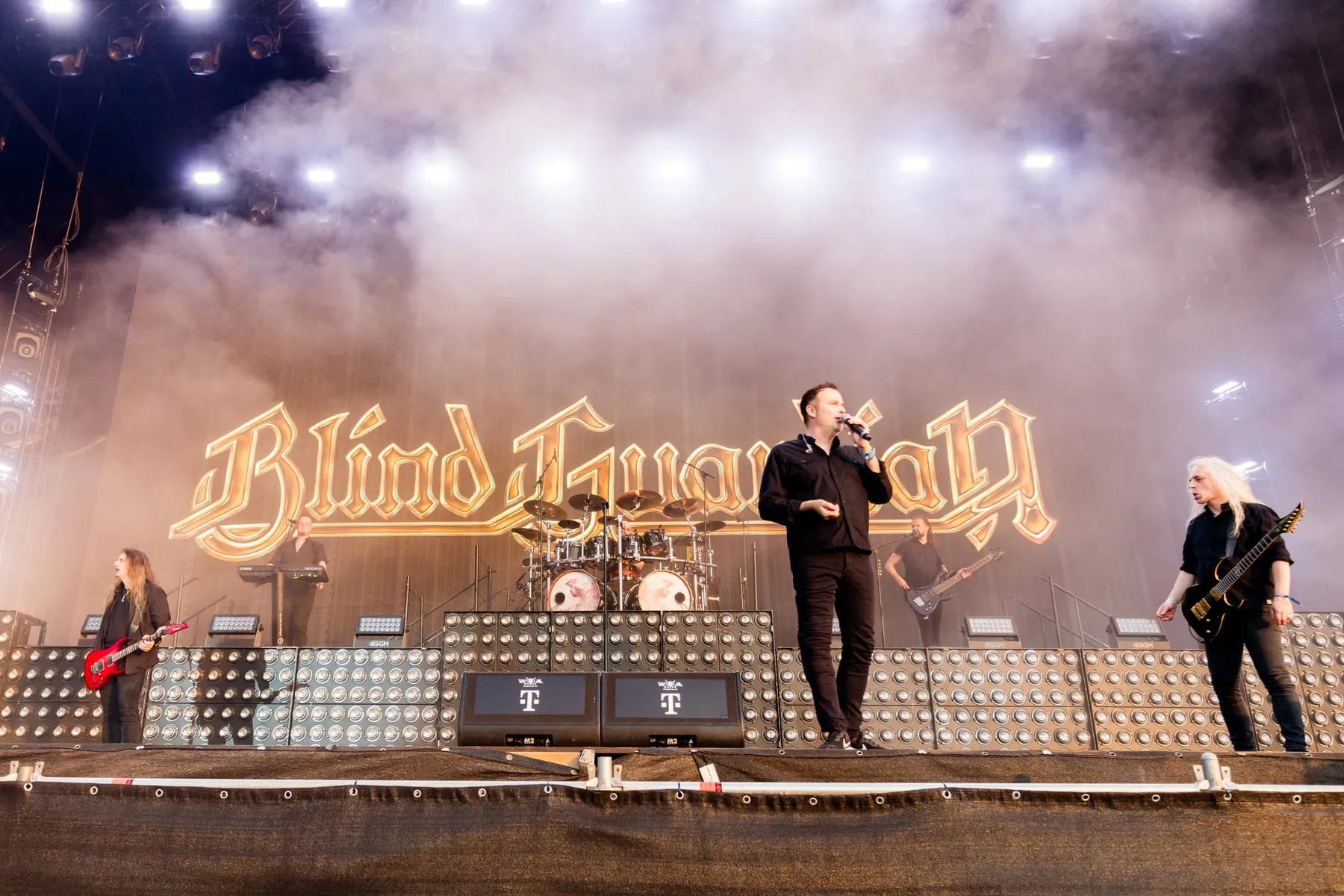
Photo by Sven Mandel , licensed under CC BY-SA 4.0 · Wikimedia Commons
Rank #388
Blind Guardian
From Wikipedia
Blind Guardian is a German power metal band formed in 1984 in Krefeld, West Germany. They are often credited as one of the seminal and most influential bands in the power metal and speed metal subgenres. Nine musicians have been part of the band's lineup throughout its history, which currently includes singer Hansi Kürsch, guitarists André Olbrich and Marcus Siepen, and, since 2005, drummer Frederik Ehmke.
Members
- Hansi Kürsch
Discography & Previews
Browse through and click an album to open and play 30-second previews streamed from Apple Music.

Battalions of Fear
1988 · 13 tracks
- 1 Majesty (Remastered 2017) ↗ 7:31
- 2 Guardian of the Blind (Remastered 2017) ↗ 5:11
- 3 Trial by the Archon (Remastered 2017) ↗ 1:44
- 4 Wizard's Crown (Remastered 2017) ↗ 3:50
- 5 Run for the Night (Remastered 2017) ↗ 3:36
- 6 The Martyr (Remastered 2017) ↗ 6:17
- 7 Battalions of Fear (Remastered 2017) ↗ 6:09
- 8 By the Gates of Moria (Remastered 2017) ↗ 2:53
- 9 Gandalf's Rebirth (Remastered 2017) ↗ 2:10
- 10 Brian (Demo, Remastered 2017) ↗ 2:38
- 11 Halloween (The Wizard's Crown) [Demo, Remastered 2017] ↗ 3:21
- 12 Lucifer's Heritage (Demo, Remastered 2017) ↗ 4:36
- 13 Symphonies of Doom (Demo, Remastered 2017) ↗ 4:03

Follow the Blind
1989 · 14 tracks
- 1 Inquisition (Remastered 2017) ↗ 0:41
- 2 Banish from Sanctuary (Remastered 2017) ↗ 5:29
- 3 Damned for All Time (Remastered 2017) ↗ 4:59
- 4 Follow the Blind (Remastered 2017) ↗ 7:13
- 5 Hall of the King (Remastered 2017) ↗ 4:17
- 6 Fast to Madness (Remastered 2017) ↗ 5:59
- 7 Beyond the Ice (Remastered 2017) ↗ 3:30
- 8 Valhalla (Remastered 2017) ↗ 4:57
- 9 Don't Break the Circle (Remastered 2017) ↗ 4:20
- 10 Barbara Ann (Remastered 2017) ↗ 1:43
- 11 Majesty (Demo, Remastered 2017) ↗ 7:15
- 12 Trial by the Archon (Demo, Remastered 2017) ↗ 3:52
- 13 Battalions of Fear (Demo, Remastered 2017) ↗ 6:20
- 14 Run for the Night (Demo, Remastered 2017) ↗ 4:30
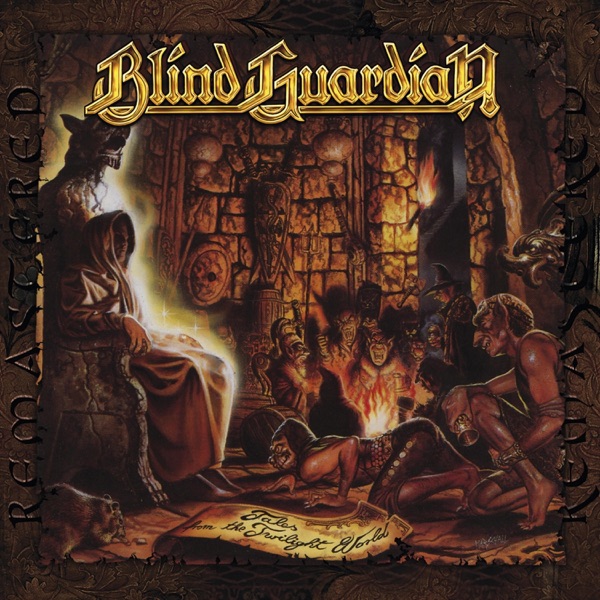
Tales From the Twilight World
1990 · 12 tracks
- 1 Traveler in Time (Remastered 2007) ↗ 6:00
- 2 Welcome to Dying (Remastered 2007) ↗ 4:49
- 3 Weird Dreams (Remastered 2007) ↗ 1:19
- 4 Lord of the Rings (Remastered 2007) ↗ 3:16
- 5 Goodbye My Friend (Remastered 2007) ↗ 5:34
- 6 Lost in the Twilight Hall (Remastered 2007) ↗ 5:59
- 7 Tommyknockers (Remastered 2007) ↗ 5:11
- 8 Altair 4 (Remastered 2007) ↗ 2:27
- 9 The Last Candle (Remastered 2007) ↗ 6:00
- 10 Run for the Night (Remastered 2007) ↗ 3:41
- 11 Lost in the Twilight Hall (Demo) [Remastered 2007] ↗ 5:56
- 12 Tommyknockers (Demo) [Remastered 2007] ↗ 5:13
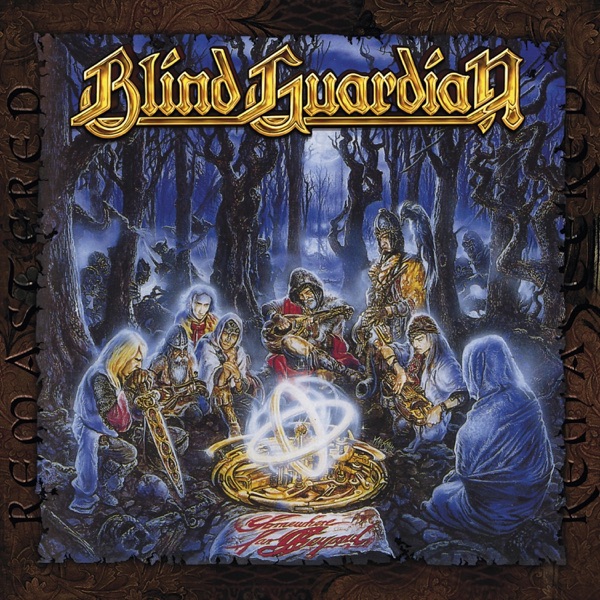
Somewhere Far Beyond
1992 · 15 tracks
- 1 Time What Is Time (Remastered 2007) ↗ 5:44
- 2 Journey Through the Dark (Remastered 2007) ↗ 4:46
- 3 Black Chamber (Remastered 2007) ↗ 0:57
- 4 Theatre of Pain (Remastered 2007) ↗ 4:15
- 5 The Quest for Tanelorn (Remastered 2007) ↗ 5:53
- 6 Ashes to Ashes (Remastered 2007) ↗ 5:59
- 7 The Bard's Song - In the Forest (Remastered 2007) ↗ 3:10
- 8 The Bard's Song - The Hobbit (Remastered 2007) ↗ 3:52
- 9 The Piper's Calling (Remastered 2007) ↗ 0:58
- 10 Somewhere Far Beyond (Remastered 2007) ↗ 7:29
- 11 Spread Your Wings (Remastered 2007) ↗ 4:13
- 12 Trial by Fire (Remastered 2007) ↗ 3:43
- 13 Theatre of Pain (Classic Version, Remastered 2007) ↗ 4:13
- 14 Ashes to Ashes (Demo, Remastered 2007) ↗ 5:36
- 15 Time What Is Time (Demo, Remastered 2007) ↗ 5:09

Imaginations From the Other Side
1995 · 9 tracks
- 1 Imaginations from the Other Side (Live) ↗ 8:27
- 2 I'm Alive (Live) ↗ 5:41
- 3 A Past and Future Secret (Live) ↗ 4:13
- 4 The Script for My Requiem (Live) ↗ 6:33
- 5 Mordred's Song (Live) ↗ 5:20
- 6 Born in a Mourning Hall (Live) ↗ 5:37
- 7 Bright Eyes (Live) ↗ 5:41
- 8 Another Holy War (Live) ↗ 5:03
- 9 And the Story Ends (Live) ↗ 7:27

Nightfall in Middle‐Earth
1998 · 23 tracks
- 1 War of Wrath (Remastered 2007) ↗ 1:51
- 2 Into the Storm (Remastered 2007) ↗ 4:25
- 3 Lammoth (Remastered 2007) ↗ 0:28
- 4 Nightfall (Remastered 2007) ↗ 5:35
- 5 The Minstrel (Remastered 2007) ↗ 0:32
- 6 The Curse of Feanor (Remastered 2007) ↗ 5:42
- 7 Captured (Remastered 2007) ↗ 0:26
- 8 Blood Tears (Remastered 2007) ↗ 5:23
- 9 Mirror Mirror (Remastered 2007) ↗ 5:06
- 10 Face the Truth (Remastered 2007) ↗ 0:24
- 11 Noldor (Dead Winter Reigns) [Remastered 2007] ↗ 6:52
- 12 Battle of Sudden Flames (Remastered 2007) ↗ 0:43
- 13 Time Stands Still (At the Iron Hill) [Remastered 2007] ↗ 4:54
- 14 The Dark Elf (Remastered 2007) ↗ 0:23
- 15 Thorn (Remastered 2007) ↗ 6:18
- 16 The Eldar (Remastered 2007) ↗ 3:38
- 17 Nom the Wise (Remastered 2007) ↗ 0:34
- 18 When Sorrow Sang (Remastered 2007) ↗ 4:26
- 19 Out on the Water (Remastered 2007) ↗ 0:44
- 20 The Steadfast (Remastered 2007) ↗ 0:21
- 21 A Dark Passage (Remastered 2007) ↗ 6:01
- 22 Final Chapter: Thus Ends... (Remastered 2007) ↗ 0:51
- 23 Harvest of Sorrow (Remastered 2007) ↗ 3:39

A Night at the Opera
2002 · 10 tracks
- 1 Precious Jerusalem (Remastered 2017) ↗ 6:20
- 2 Battlefield (Remastered 2017) ↗ 5:36
- 3 Under the Ice (Remastered 2017) ↗ 5:43
- 4 Sadly Sings Destiny (Remastered 2017) ↗ 6:03
- 5 The Maiden and the Minstrel Knight (Remastered 2017) ↗ 5:28
- 6 Wait for an Answer (Remastered 2017) ↗ 6:28
- 7 The Soulforged (Remastered 2017) ↗ 5:17
- 8 Age of False Innocence (Remastered 2017) ↗ 6:04
- 9 Punishment Divine (Remastered 2017) ↗ 5:42
- 10 And Then There Was Silence (Remastered 2017) ↗ 14:07

A Twist in the Myth
2006 · 11 tracks
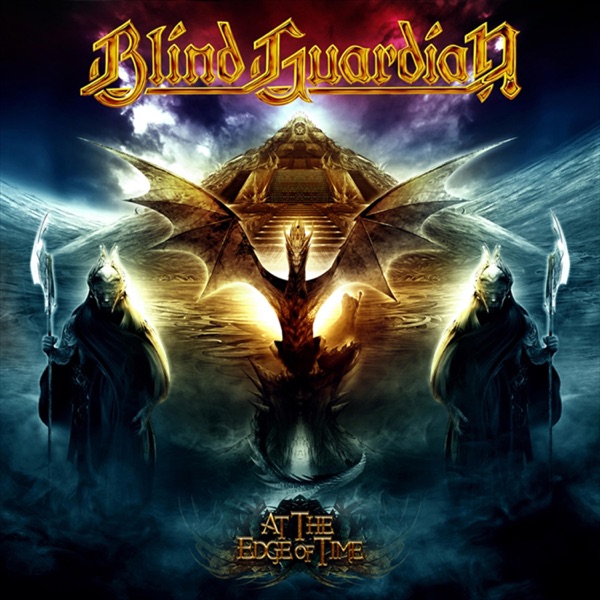
At the Edge of Time
2010 · 17 tracks
- 1 Sacred Worlds ↗ 9:19
- 2 Tanelorn (Into the Void) ↗ 5:59
- 3 Road of No Release ↗ 6:31
- 4 Ride into Obsession ↗ 4:47
- 5 Curse My Name ↗ 5:50
- 6 Valkyries ↗ 6:34
- 7 Control the Divine ↗ 5:25
- 8 War of the Thrones (Piano Version) ↗ 4:55
- 9 A Voice in the Dark ↗ 5:41
- 10 Wheel of Time ↗ 8:56
- 11 Sacred Worlds (Extended "Sacred" Version) ↗ 6:49
- 12 Wheel of Time (Orchestral Version) ↗ 8:55
- 13 You're the Voice (Radio Edit) ↗ 3:36
- 14 Tanelorn (Into the Void) [Demo] ↗ 5:59
- 15 Curse My Name (Demo) ↗ 4:42
- 16 A Voice in the Dark (Demo) ↗ 5:40
- 17 Ride into Obsession (Demo Version) ↗ 4:49
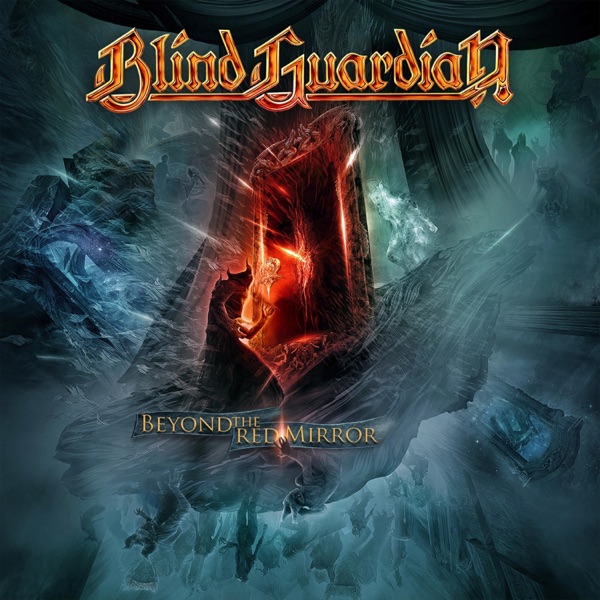
Beyond the Red Mirror
2015 · 11 tracks

-
 Battalions of FearBlind Guardian198813 tracks
 -
 Follow the BlindBlind Guardian198914 tracks
 -
 Tales From the Twilight WorldBlind Guardian199012 tracks
 -
 Somewhere Far BeyondBlind Guardian199215 tracks
 -
 Imaginations From the Other SideBlind Guardian19959 tracks
 -
 Nightfall in Middle‐EarthBlind Guardian199823 tracks
 -
 A Night at the OperaBlind Guardian200210 tracks
 -
 A Twist in the MythBlind Guardian200611 tracks
 -
 At the Edge of TimeBlind Guardian201017 tracks
 -
 Beyond the Red MirrorBlind Guardian201511 tracks
 -
 The God MachineBlind Guardian20229 tracks
Deep Dive
Overview
Blind Guardian is a German power metal band that emerged from Krefeld in 1984 and has maintained continuous activity for four decades. Formed during the formative years of heavy metal’s regional underground scenes, they are widely regarded as among the most influential architects of the power metal and speed metal subgenres. The band’s contribution to rock music extends beyond technical virtuosity—they established a template for conceptual storytelling within the power metal framework, drawing heavily from literary sources, most notably J.R.R. Tolkien’s Middle-earth universe.
Formation Story
Blind Guardian began their existence in Krefeld, West Germany in 1984, during a period when the country was consolidating its identity as a center of heavy metal innovation. The band’s formation occurred in the mid-1980s, a time when speed metal was crystallizing as a distinct genre and the foundations for power metal’s emergence were being laid across Europe. Hansi Kürsch has anchored the band’s sound from the outset as its primary vocalist. The core partnership between Kürsch and guitarist André Olbrich became the creative engine driving the band’s output, establishing a working relationship that would span the full duration of the band’s existence. Guitarist Marcus Siepen joined the lineup as a permanent member, completing the instrumental foundation. For most of the band’s first two decades, the rhythm section rotated through several musicians before drummer Frederik Ehmke joined in 2005, establishing the lineup that would carry the band forward into the 21st century.
Breakthrough Moment
Blind Guardian’s early years saw the release of two foundational albums: Battalions of Fear in 1988 and Follow the Blind in 1989. These records established the band’s technical prowess and their commitment to speed metal’s demanding instrumental execution. However, the true watershed moment arrived with Tales From the Twilight World in 1990, which introduced conceptual ambition and narrative scope to their sound. This album demonstrated that speed metal could accommodate storytelling and thematic coherence without sacrificing instrumental intensity. The album’s success within Europe’s growing metal underground expanded the band’s reach beyond regional recognition and positioned them as innovators within the speed metal and emerging power metal landscape.
Peak Era
The period from 1992 through the late 1990s represents Blind Guardian’s most creatively fertile and commercially successful phase. Somewhere Far Beyond (1992) expanded the scale and ambition of their songwriting, while Imaginations From the Other Side (1995) cemented their status as power metal leaders through its balance of melodic sophistication and technical execution. Most crucially, Nightfall in Middle‐Earth (1998) represented the culmination of their Tolkien-inspired conceptual approach, transforming the band’s literary influences into a full-scale metal opera. This album, released when the band had been active for fourteen years, demonstrated that they had mastered both the technical and compositional demands of their chosen genre. During this era, Blind Guardian achieved their highest commercial visibility and critical recognition, establishing themselves as one of Europe’s premier metal exports.
Musical Style
Blind Guardian’s sound synthesizes speed metal’s relentless instrumental drive with power metal’s emphasis on melody, harmony, and epic scope. The band’s approach is characterized by rapid, precision-executed guitar riffs and solos executed by Olbrich and Siepen, layered vocal harmonies from Kürsch, and production values that prioritize clarity even at accelerated tempos. Their songwriting evolved from straightforward speed metal structures in their earliest work toward increasingly complex arrangements incorporating layered vocals, symphonic elements, and extended instrumental passages. Kürsch’s vocal performance—encompassing clean singing, multi-tracked harmonies, and dramatic dynamic range—became a defining characteristic, distinguishing the band from contemporaries who relied on more aggressive vocal delivery. The band’s commitment to literary and conceptual framing separated them from speed metal contemporaries who favored more conventional heavy metal lyrical content. Over successive albums, their production expanded to incorporate orchestral elements and conceptual complexity while maintaining the fast-picked guitars and intricate rhythmic structures fundamental to their identity.
Major Albums
Battalions of Fear (1988)
Blind Guardian’s debut established their foundational sound: speed metal executed with technical precision and memorable melodic hooks, introducing Kürsch’s distinctive vocal approach to metal audiences.
Tales From the Twilight World (1990)
This third album integrated narrative storytelling and expanded arrangements into their speed metal framework, proving that conceptual ambition could enhance rather than dilute instrumental intensity.
Imaginations From the Other Side (1995)
A landmark power metal statement combining sophisticated harmonic arrangements, dramatic vocal performances, and instrumental virtuosity at the band’s creative peak, demonstrating mastery of their chosen genre’s full vocabulary.
Nightfall in Middle‐Earth (1998)
Blind Guardian’s most ambitious conceptual work, transforming Tolkien’s literary world into a full-scale metal opera with interconnected compositions, layered vocal arrangements, and orchestral production.
A Night at the Opera (2002)
Released four years after Nightfall, this album consolidated their power metal mastery while demonstrating continued compositional evolution and production sophistication.
At the Edge of Time (2010)
Capturing the band at their midpoint in continuous existence, this album balanced established songwriting approaches with contemporary production techniques.
Signature Songs
- Valhalla — Demonstrates the band’s ability to merge speed metal instrumental demands with narrative storytelling and Kürsch’s multi-tracked vocal harmonies.
- Mirror Mirror — Showcases the dynamic range of the band’s compositions, moving between melodic passages and accelerated instrumental sections.
- Nightfall — Serves as the narrative anchor for their Middle-earth conceptual work, illustrating how speed metal could accommodate complex arrangement and thematic development.
- The Bard’s Song — Exhibits the band’s integration of folk-influenced melody with metal’s instrumental aggression, becoming one of their most recognizable compositions.
- And Then There Was Silence — A centerpiece of Nightfall in Middle‐Earth, demonstrating the band’s capability for extended compositions that maintain listener engagement across multiple movements.
Influence on Rock
Blind Guardian fundamentally shaped power metal’s development during its consolidation as a distinct subgenre in the 1990s. By proving that speed metal’s technical demands could accommodate orchestral arrangements, conceptual frameworks, and sophisticated vocal production, they expanded the genre’s artistic possibilities. Their integration of literary sources—particularly Tolkien—into metal’s thematic vocabulary influenced subsequent generations of power metal acts to pursue narrative and conceptual ambition. The band’s technical standards established expectations for instrumental execution within power metal that persisted across the genre’s global expansion. European metal’s international breakthrough in the 1990s and 2000s owes a measurable debt to Blind Guardian’s early success in demonstrating that non-English-speaking acts could achieve significant commercial reach through technical sophistication and genre innovation.
Legacy
Four decades of continuous activity have established Blind Guardian as an institution within European heavy metal. Their discography spans twelve studio albums from 1988 through 2024, including The God Machine (2022) and Somewhere Far Beyond Revisited (2024), demonstrating sustained creative engagement well into their fifth decade of existence. The band’s influence on power metal and speed metal is broadly acknowledged across the genre, with their innovations in conceptual storytelling and production sophistication remaining touchstones for contemporary bands. Multiple lineup changes—most notably the addition of drummer Frederik Ehmke in 2005—have not diminished their creative output, suggesting a deep collaborative foundation beyond any individual member beyond Kürsch’s consistent vocal presence.
Fun Facts
- Blind Guardian’s 1998 album Nightfall in Middle‐Earth represents one of metal’s most sustained engagement with a single literary work, adapting multiple narratives from Tolkien’s Middle-earth universe across the album’s full length.
- The band has maintained continuous recording and touring activity across forty years with only minor lineup fluctuations, an unusual achievement within metal’s historically unstable roster dynamics.
- Their recordings across multiple record labels—including Virgin Records, Nuclear Blast, Century Media Records, and No Remorse Records—reflect both their international reach and the industry’s recognition of their commercial potential.