
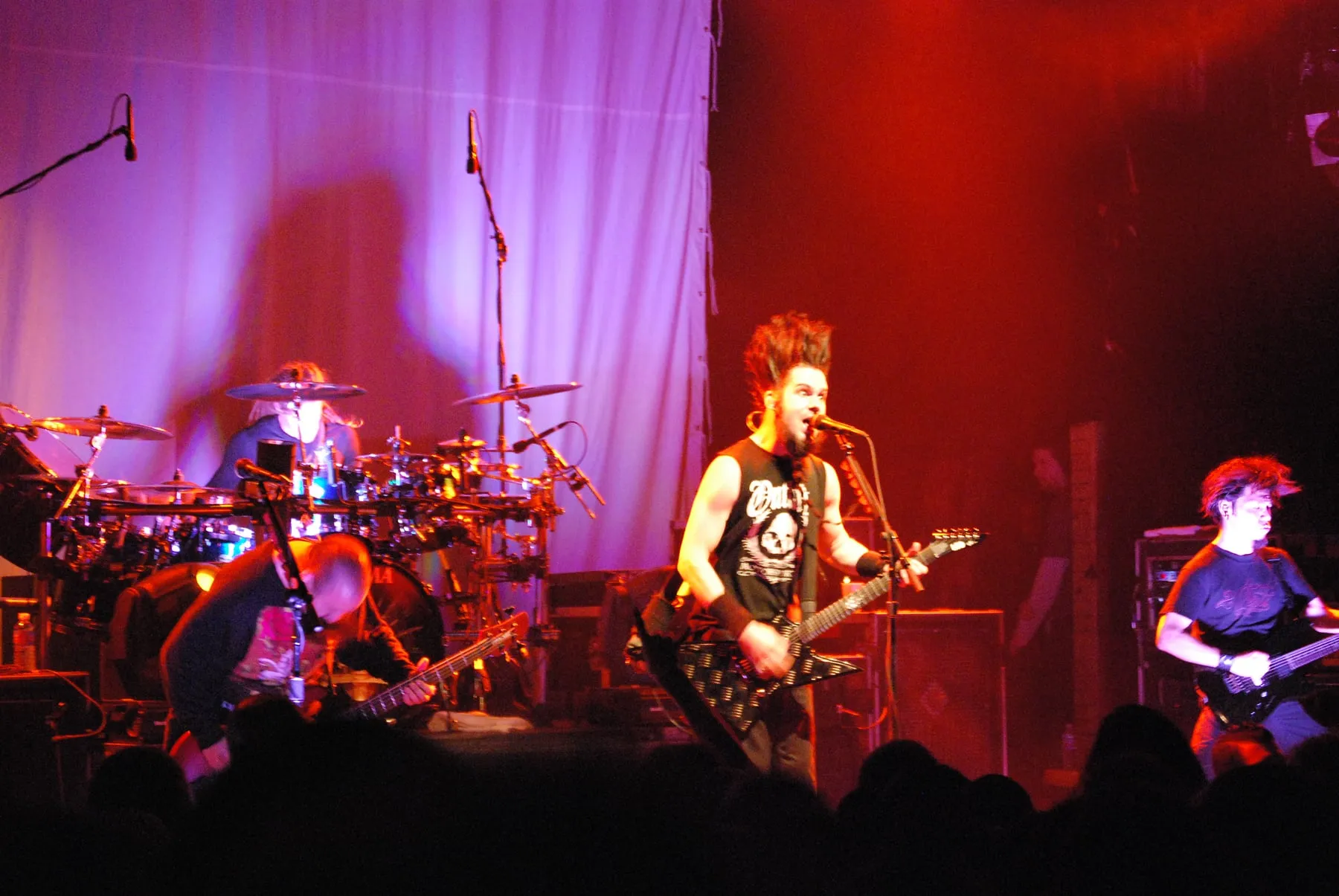
Photo by Photographer: Angel Orozco www.otsegoville.com Lasxrcista , licensed under CC BY-SA 3.0 · Wikimedia Commons
Rank #324
Static-X
From Wikipedia
Static-X is an American industrial metal band from Los Angeles, California, formed in 1994. The line-up has fluctuated over the years, but was long held constant with band founder, frontman, vocalist and rhythm guitarist Wayne Static until his death in 2014.
Members
- Ken Jay
- Koichi Fukuda
- Tony Campos
- Wayne Static
Discography & Previews
Browse through and click an album to open and play 30-second previews streamed from Apple Music.


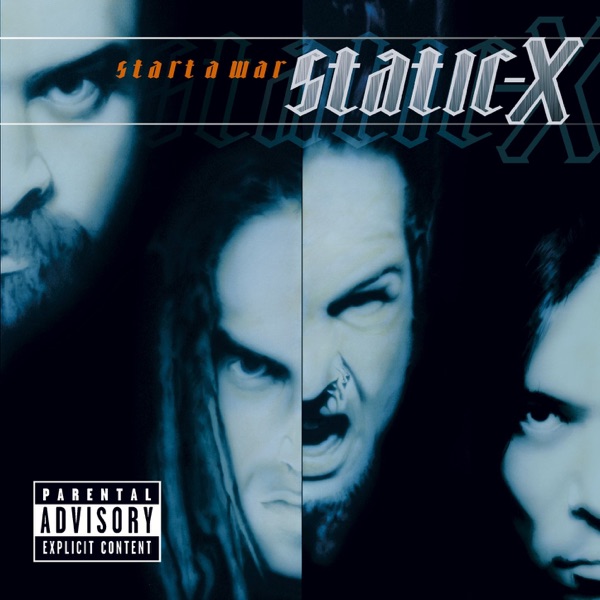
Start a War
2005 · 13 tracks

Cannibal
2007 · 12 tracks

Project: Regeneration Vol. 1
2020 · 12 tracks
- 1 Regeneration ↗ 1:00
- 2 Hollow (Project Regeneration) ↗ 2:42
- 3 Worth Dyin For ↗ 3:27
- 4 Terminator Oscillator ↗ 3:14
- 5 All These Years ↗ 3:56
- 6 Accelerate ↗ 2:48
- 7 Bring You Down (Project Regeneration) ↗ 3:35
- 8 My Destruction ↗ 3:29
- 9 Something of My Own (Project Regeneration) ↗ 2:53
- 10 Otsego Placebo ↗ 4:20
- 11 Follow ↗ 3:09
- 12 Dead Souls ↗ 4:45

Project: Regeneration Vol. 2
2024 · 14 tracks
- 1 Stay Alive ↗ 3:47
- 2 Z0mbie ↗ 3:11
- 3 Jic Boi ↗ 2:58
- 4 Black Star ↗ 4:00
- 5 Kamikaze ↗ 3:00
- 6 No Hope ↗ 3:18
- 7 Take Control ↗ 3:55
- 8 Tone ↗ 3:16
- 9 Run For Your Life ↗ 2:48
- 10 Dark Place ↗ 3:19
- 11 Disco Otsego ↗ 3:57
- 12 From Heaven ↗ 3:55
- 13 Terrible Lie (Bonus Track) ↗ 4:03
- 14 Grover Yoda Data 14 (Bonus Track) ↗ 2:39
-
 Wisconsin Death TripStatic-X199912 tracks
 -
 MachineStatic-X200112 tracks
 -
 Shadow ZoneStatic-X200313 tracks
 -
 Start a WarStatic-X200513 tracks
 -
 CannibalStatic-X200712 tracks
 -
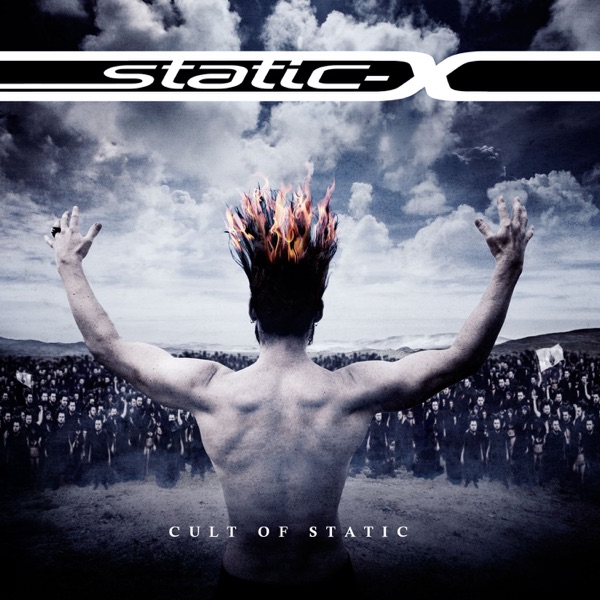
 Cult of StaticStatic-X200911 tracks
 -
 Project: Regeneration Vol. 1Static-X202012 tracks
 -
 Project: Regeneration Vol. 2Static-X202414 tracks
Deep Dive
Overview
Static-X emerged from Los Angeles in 1994 as an industrial metal band that would define a corner of the nu metal landscape through synthesizer-heavy production, mechanical rhythm guitar, and Wayne Static’s abrasive, processed vocal approach. The band occupied a distinct position within nu metal—less groove-oriented than Korn or Limp Bizkit, more dependent on electronic texture and industrial noise as primary sonic materials. For two decades, Static-X remained a working touring and recording act, building a devoted following through consistency and refusal to chase mainstream trends.
Formation Story
Static-X coalesced in Los Angeles during the early 1990s, a city already saturated with metal experimentation and crossover acts. The band was founded by Wayne Static, who served as frontman, vocalist, and rhythm guitarist, establishing the creative core around which all subsequent lineup changes revolved. Though the membership would shift significantly across three decades, Static remained the constant identity marker of the project. The quartet that would record their debut included Tony Campos, Ken Jay, and Koichi Fukuda, each bringing specialized skills to the industrial metal formula: Campos on bass, Jay on drums, and Fukuda on keyboards and synthesizers—the last instrument crucial to Static-X’s layered, electronic approach.
Breakthrough Moment
Static-X’s entry into wider recognition came via their 1999 debut album Wisconsin Death Trip, a title that evoked both macabre Americana and industrial bleakness. The album’s uncompromising aesthetic—distorted synth lines, heavily processed guitars, and Wayne Static’s strangled, effects-drenched vocals—caught the ear of audiences discovering nu metal through increasingly diverse channels. Wisconsin Death Trip established the template that would carry the band through the following decade: intricate electronic production, rhythmic precision, and an overall sonic heaviness achieved not through downtuned guitars alone but through the sheer density of layered synthesizer and guitar interplay.
Peak Era
Static-X’s commercial and creative zenith extended through the early 2000s and into the middle of the decade. The follow-up album Machine (2001) refined and expanded the sonic palette, while Shadow Zone (2003) and Start a War (2005) sustained the band’s output with touring schedules that kept them visible within the nu metal and industrial metal festival circuits. Cannibal (2007) and Cult of Static (2009) continued to demonstrate a band comfortable with its identity, neither chasing radio play nor abandoning the core electronic-metal fusion that defined them. This fifteen-year run—from 1999 through 2014—represented an unusually sustained tenure for a nu metal act, particularly one that never achieved mainstream radio saturation.
Musical Style
Static-X synthesized industrial metal’s mechanistic precision with nu metal’s contemporary aggression, creating a sound defined by the tension between human and electronic elements. Synth lines provided the primary melodic and textural backbone, often distorted and compressed to sit alongside heavily processed guitars. Wayne Static’s vocals employed digital delay, pitch shifting, and distortion so extensively that his voice functioned as another synthesizer layer rather than a pure vocal instrument. The rhythm section—Tony Campos’s propulsive bass and Ken Jay’s tight, often complex drum patterns—anchored the occasionally abstract electronic architecture. Compared to the groove-metal emphasis of contemporary nu metal bands, Static-X pushed toward the colder, more abstract territories of industrial music while maintaining the downtuned heaviness and contemporary accessibility of nu metal proper.
Major Albums
Wisconsin Death Trip (1999)
The debut established Static-X’s core sound: layers of distorted synthesizer, mechanical guitar riffs, and Wayne Static’s strangled vocal processing, all compressed into a cohesive industrial metal statement that announced the band’s presence without apology for its abrasiveness.
Machine (2001)
The follow-up refined the production and deepened the songwriting, demonstrating that Wisconsin Death Trip was not a one-off experiment but rather the beginning of a sustained artistic vision grounded in electronic precision and metal aggression.
Shadow Zone (2003)
Continuing the band’s prolific pace, Shadow Zone showcased further confidence in their aesthetic, maintaining the core formula while exploring incremental variations in arrangement and vocal processing.
Start a War (2005)
Released at the moment when nu metal’s commercial peak had passed, Start a War stood as evidence that Static-X retained their creative drive and devoted fanbase independent of radio-friendly trends or celebrity endorsement.
Cannibal (2007)
The band’s seventh year of output demonstrated sustained productivity, releasing an album that did not require reinvention, instead offering longtime listeners the continuation of the established sound with minor evolutionary adjustments.
Signature Songs
- “Push It” — An early standout that showcased the band’s ability to build metallic heaviness from synthesizer layers and processed vocal aggression.
- “Sweat of the Bud” — A signature cut from Wisconsin Death Trip that exemplified the band’s fusion of rhythmic punch and electronic texture.
- “Bled Dry” — Demonstrated the band’s capacity for memorable hooks buried within industrial noise and compression.
- “Cold” — A track that allowed Wayne Static’s vocal processing to become a melodic instrument rather than pure aggression.
Influence on Rock
Static-X’s industrial metal approach influenced subsequent acts exploring the intersection of electronic music and heavy rock, proving that synthesizers need not soften metal or push it toward synth-pop accessibility. Bands working in industrial metal, darkwave-metal fusion, and electronic-heavy extreme music could cite Static-X as a precedent for integrating digital production and distorted synth as primary rather than supplementary elements. Within nu metal specifically, Static-X occupied a unique niche—respected by the broader community but never as commercially dominant as Korn or Limp Bizkit, allowing them to influence through example rather than through ubiquitous radio play or MTV rotation.
Legacy
Wayne Static’s death in 2014 marked a definitive end to the band’s original era, yet Static-X did not dissolve entirely. The project’s return in 2020 with Project: Regeneration Vol. 1 and its continuation in 2024 with Project: Regeneration Vol. 2 demonstrates the ongoing cultural attachment to the band’s catalog and sonic identity. These recent releases, produced without Wayne Static but drawing on archival material and new recordings, kept Static-X in circulation within metal communities and preserved the band name for audiences who discovered them through streaming services or retrospective nu metal interest. The band’s consistency across three decades—their refusal to chase trends, their embrace of an uncompromising industrial aesthetic—positioned them as a durable if never mainstream fixture within rock and metal history.
Fun Facts
- Static-X maintained one of the most stable and creatively consistent lineups in nu metal, with Wayne Static serving as the unchanging frontman and creative nucleus from 1994 onward.
- The band’s name, Static-X, reflects their merger of electronic static and distortion as core sonic elements rather than auxiliary effects.
- Despite never achieving the mainstream radio saturation of contemporaries like Korn or Limp Bizkit, Static-X built one of the most devoted touring fanbases in industrial metal, commanding consistent ticket sales and festival appearances across two decades.