
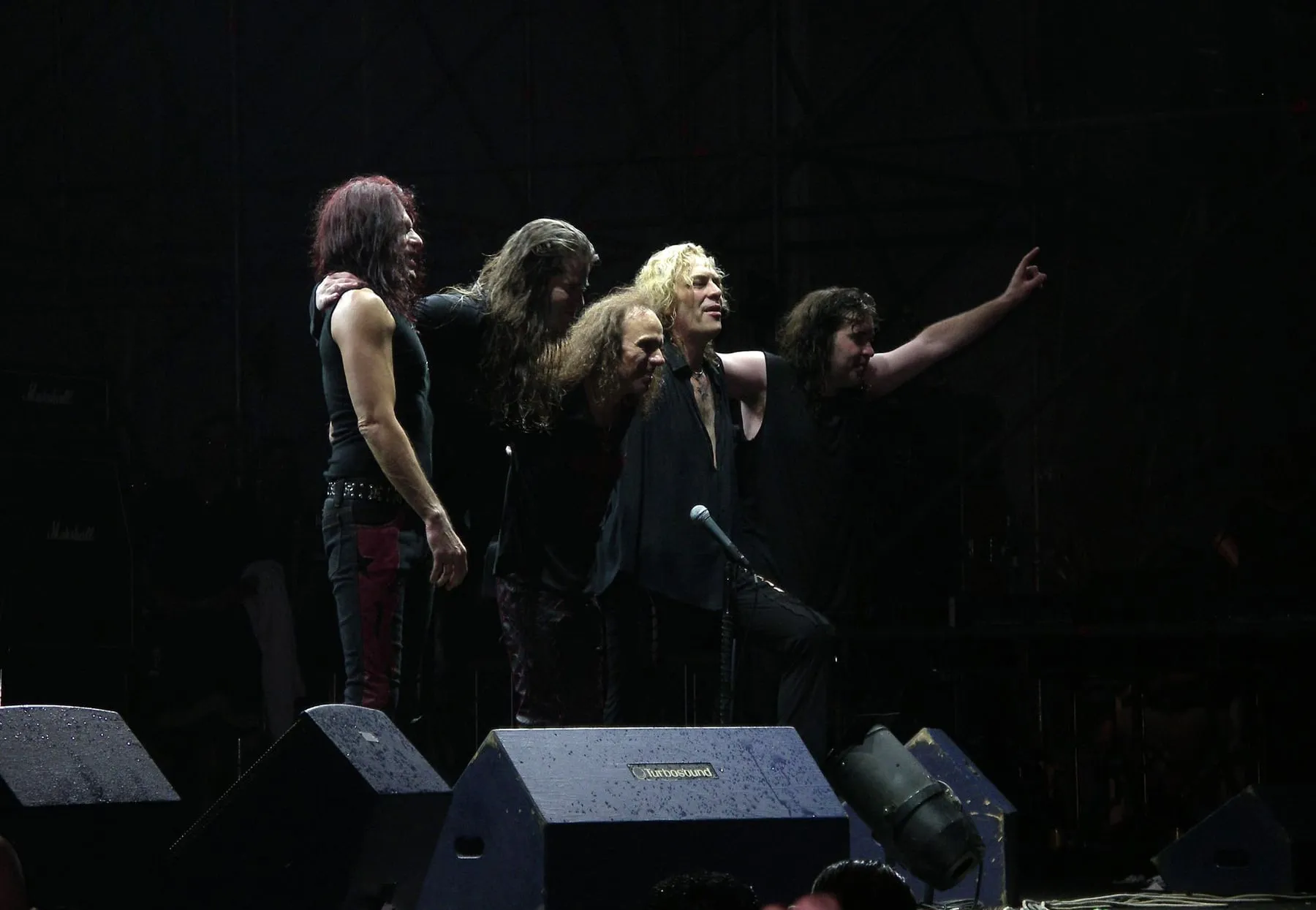
Photo by Shadowgate from Novara, Italy. , licensed under CC BY 2.0 · Wikimedia Commons
Rank #325
Dio
From Wikipedia
Dio was an American heavy metal band formed in 1982 and led by vocalist Ronnie James Dio. Dio left Black Sabbath with intentions to form a new band with fellow former Black Sabbath member, drummer Vinny Appice. The band released ten studio albums and had numerous lineup changes over the years, with Dio himself being the only constant member. Guitarists included Vivian Campbell, Craig Goldy, Doug Aldrich, Warren DeMartini, Tracy G, Jake E. Lee and Rowan Robertson.
Members
- Ronnie James Dio
Discography & Previews
Browse through and click an album to open and play 30-second previews streamed from Apple Music.




Strange Highways
1993 · 11 tracks


Magica
2000 · 14 tracks
- 1 Discovery ↗ 0:55
- 2 Magica Theme ↗ 1:17
- 3 Lord of the Last Day ↗ 4:04
- 4 Fever Dreams ↗ 4:38
- 5 Turn To Stone ↗ 5:20
- 6 Feed My Head ↗ 5:39
- 7 Eriel ↗ 7:23
- 8 Challs ↗ 4:01
- 9 As Long As It's Not About Love ↗ 6:29
- 10 Losing My Insanity ↗ 5:05
- 11 Otherworld ↗ 4:57
- 12 Magica (Reprise) ↗ 1:53
- 13 Lord of the Last Day (Reprise) ↗ 1:41
- 14 The Magica Story ↗ 18:24


-
 Holy DiverDio19839 tracks
 -
 The Last in LineDio19849 tracks
 -
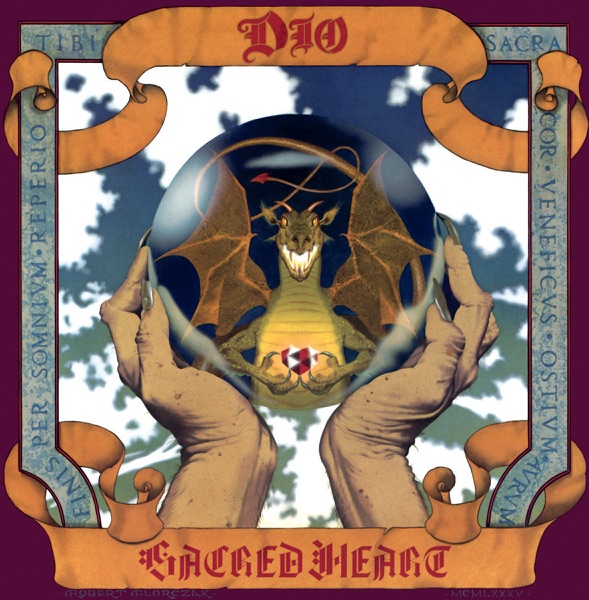
 Sacred HeartDio19859 tracks
 -
 Dream EvilDio19879 tracks
 -
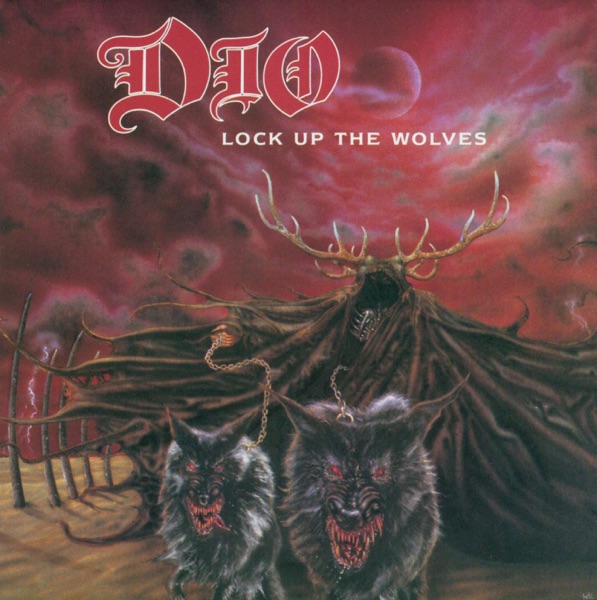
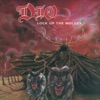 Lock Up the WolvesDio199011 tracks
 -
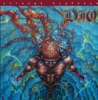 Strange HighwaysDio199311 tracks
 -
 Angry MachinesDio199610 tracks
 -
 MagicaDio200014 tracks
 -
 Killing the DragonDio200210 tracks
 -
 Master of the MoonDio200410 tracks
Deep Dive
Overview
Dio was an American heavy metal band formed in 1982 and fronted by vocalist Ronnie James Dio. Emerging from the dissolution of his tenure with Black Sabbath, Dio created a vehicle for hard rock and heavy metal that would endure for nearly three decades, releasing ten studio albums and establishing itself as a significant force in the classic rock and metal landscape of the 1980s and beyond. The band served as a flagship project for one of metal’s most respected and technically gifted vocalists, distinguished by its professional musicianship and consistent album output across multiple lineup changes.
Formation Story
Dio formed the band in 1982 following his departure from Black Sabbath, one of heavy metal’s foundational acts. He recruited Vinny Appice, the drummer who had also played in Black Sabbath, as a founding member, immediately establishing a direct lineage to the band’s legendary past. The partnership between Dio and Appice provided the core creative and performative stability that would define the band throughout its existence. Though Appice would not remain in the lineup continuously, the choice to co-found with him signaled Dio’s intention to build a serious metal project grounded in the experience and credibility of former Sabbath musicians.
Breakthrough Moment
The band’s 1983 debut album Holy Diver announced Dio’s arrival as a frontman of his own project and became the band’s signature statement. The album showcased Dio’s formidable vocal range and technical command, distinguishing the band’s sound in the crowded metal market of the early 1980s. The Last in Line, released in 1984, consolidated that initial breakthrough, building on the commercial and critical momentum established by Holy Diver. These first two albums established Dio as a bandleader capable of sustaining a successful metal act independent of Black Sabbath’s legacy, while drawing strength from the musicianship of key guitarists who rotated through the lineup.
Peak Era
The mid-to-late 1980s represented the band’s most creatively vital and commercially successful period, anchored by the releases of Sacred Heart (1985) and Dream Evil (1987). During this window, Dio maintained a consistent presence on the metal touring circuit and in the rock media, with a stable lineup featuring key figures such as Vivian Campbell and Craig Goldy on guitar. The band’s records from this era demonstrated technical proficiency, strong melodic hooks, and Dio’s undiminished vocal prowess, positioning them within the upper tier of American heavy metal acts of the decade. The 1980s also saw the band tour extensively and build a devoted fanbase that appreciated the straightforward, professionally executed metal sound Dio and his musicians delivered album after album.
Musical Style
Dio’s musical approach was rooted in classic heavy metal, drawing direct continuity from Black Sabbath’s pioneering blueprint while incorporating the more polished production values and melodic sensibilities of 1980s rock. The band’s sound centered on Ronnie James Dio’s operatic, soaring vocal delivery—technically precise, wide-ranging, and unmistakably distinctive—layered over electric guitar riffs and arrangements that favored harmonic sophistication and careful songwriting structure. The rhythm section, anchored by Vinny Appice’s drumming when he was present, provided the propulsive backbone. Guitarists including Vivian Campbell, Craig Goldy, Doug Aldrich, and others brought their own interpretations to the band’s compositional aesthetic, but all worked within a framework that prioritized clarity, power, and technical execution over experimentation or genre-blending. Over its nearly three-decade run, the band’s sound remained fundamentally consistent: heavy metal rooted in traditional rock song structure, elevated by Dio’s extraordinary vocal command and the rotating cast of capable musicians who cycled through the lineup.
Major Albums
Holy Diver (1983)
The band’s debut and most commercially successful album, featuring Ronnie James Dio’s commanding vocal presence and establishing the template for the band’s signature sound in the early 1980s.
The Last in Line (1984)
A strong follow-up that built on the momentum of Holy Diver, demonstrating that the band could sustain critical and commercial interest beyond a debut.
Sacred Heart (1985)
Released at the height of the band’s 1980s prominence, this album showcased the band’s technical confidence and Dio’s undiminished vocal range.
Dream Evil (1987)
Representing the culmination of the band’s most commercially vital period, this album maintained the professional heavy metal standard established across the decade.
Lock Up the Wolves (1990)
The band’s fifth studio album, continuing their prolific output into the 1990s and demonstrating sustained creative engagement despite shifting trends in rock and metal.
Magica (2000)
A notable entry from the band’s later period, released at a time when many 1980s metal acts had faded from prominence, affirming Dio’s continued commitment to the project.
Signature Songs
- Holy Diver — The title track from the 1983 debut, encapsulating Ronnie James Dio’s vocal prowess and the band’s classic metal foundation.
- Rainbow in the Dark — A hallmark track from the early era, showcasing the band’s ability to balance accessibility with technical musicianship.
- We Rock — A straightforward anthem that became synonymous with the band’s touring presence and fan engagement.
- Heaven and Hell — A deeper cut from the band’s catalog that demonstrated the songwriting ambition sustained across albums.
Influence on Rock
While Dio did not fundamentally alter the landscape of heavy metal the way Black Sabbath or Van Halen had, the band served an important role in maintaining a traditional, professionally executed heavy metal sound through the 1980s and beyond. Ronnie James Dio’s continued presence as an active, touring metal vocalist helped sustain the credibility and viability of classic heavy metal as a living tradition even as grunge and alternative rock dominated the commercial landscape in the 1990s. The band’s consistency—ten studio albums across twenty-eight years—demonstrated that serious, uncompromising heavy metal could endure without compromise or trendchasing. Musicians and vocalists who came of age during this period recognized in Dio a model of technical excellence and professional dedication to craft.
Legacy
Dio’s legacy rests on its role as a flagship project for Ronnie James Dio, one of heavy metal’s most technically gifted and respected vocalists. The band released a steady stream of albums from 1983 through 2004, maintaining a touring schedule that kept them visible to devoted metal audiences across decades of shifting commercial trends. The final studio album At The Edge was released in 2023, years after the band’s initial dissolution in 2010, underscoring the persistent appeal of Ronnie James Dio’s voice and the band’s music to longtime fans. Though the band never achieved the cultural saturation or critical reassessment accorded to some 1980s metal acts, it remained a consistent presence in classic rock radio and metal circles, with Ronnie James Dio himself recognized as one of the genre’s premier vocalists until his death in 2010.
Fun Facts
- Ronnie James Dio remained the only constant member throughout the band’s entire history from 1982 to 2010, surviving numerous guitarist changes including Vivian Campbell, Craig Goldy, Doug Aldrich, Warren DeMartini, Tracy G, Jake E. Lee, and Rowan Robertson.
- The band released albums across two distinct decades of rock history, from the MTV-saturated 1980s through the streaming era of the 2000s, adapting to evolving industry practices while maintaining their core sound.
- Vinny Appice, the band’s founding drummer recruited from Black Sabbath, represented a direct musical link to heavy metal’s pioneering era, lending immediate credibility to the new project.