
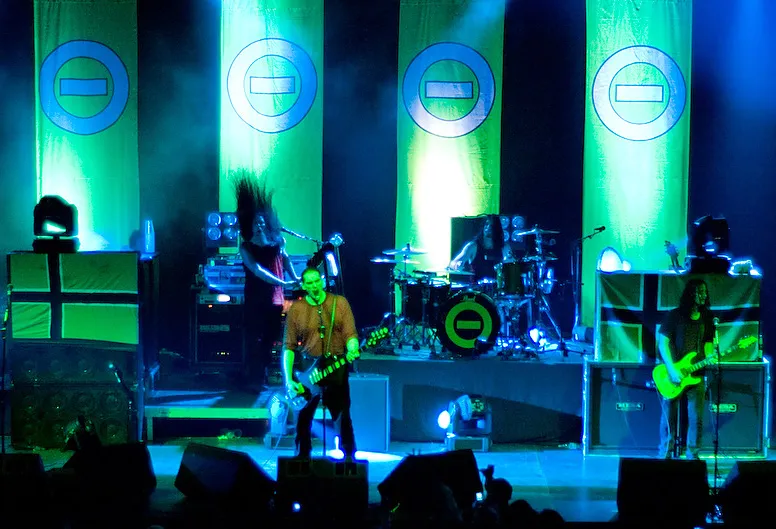
Photo by melle , slight crop by User:Wickethewok , licensed under CC BY-SA 2.0 · Wikimedia Commons
Rank #255
Type O Negative
From Wikipedia
Type O Negative was an American gothic doom metal band from Brooklyn, New York, formed in 1989. The band was formed by vocalist and bassist Peter Steele, guitarist Kenny Hickey, keyboardist Josh Silver, and drummer Sal Abruscato, who was later replaced by Johnny Kelly. Their lyrical emphasis on themes of addiction, death, depression, religion, romance, and sex resulted in the nickname "the Drab Four", which is in homage to the Beatles' "Fab Four" moniker. The band went platinum with Bloody Kisses (1993) and gold with October Rust (1996), and gained a substantial cult following through seven studio albums, two best-of compilations, and concert DVDs.
Members
- Josh Silver (1989–2010)
- Kenny Hickey (1989–2010)
- Peter Steele (1989–2010)
- Sal Abruscato (1989–1993)
- Johnny Kelly (1993–2010)
Discography & Previews
Browse through and click an album to open and play 30-second previews streamed from Apple Music.
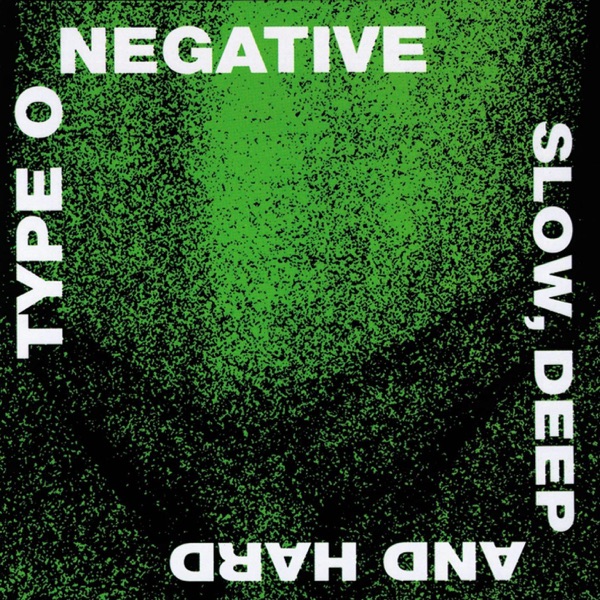
Slow, Deep and Hard
1991 · 7 tracks
- 1 Unsuccessfully Coping With the Natural Beauty of Infidelity ↗ 12:37
- 2 Der Untermensch ↗ 8:55
- 3 Xero Tolerance ↗ 7:46
- 4 Prelude to Agony ↗ 12:15
- 5 Glass Walls of Limbo (Dance Mix) ↗ 6:44
- 6 The Misinterpretation of Silence and Its Disastrous Consequences ↗ 1:04
- 7 Gravitational Constant: G = 6.67 * 10-8 Cm-3 Gm-1 Sec-2 ↗ 9:15
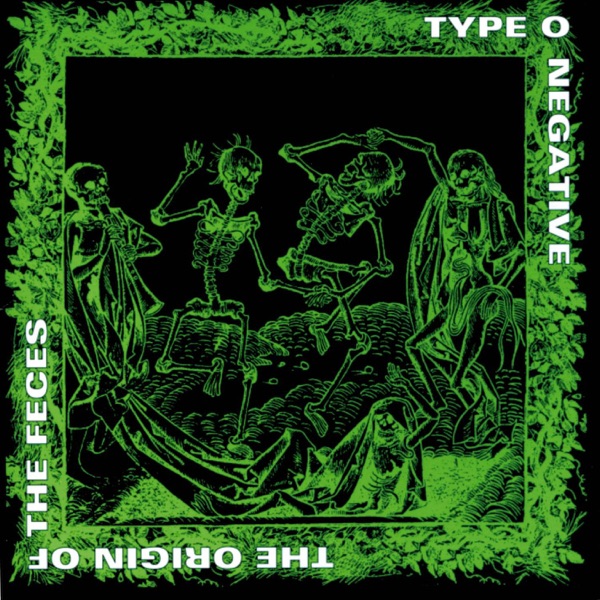
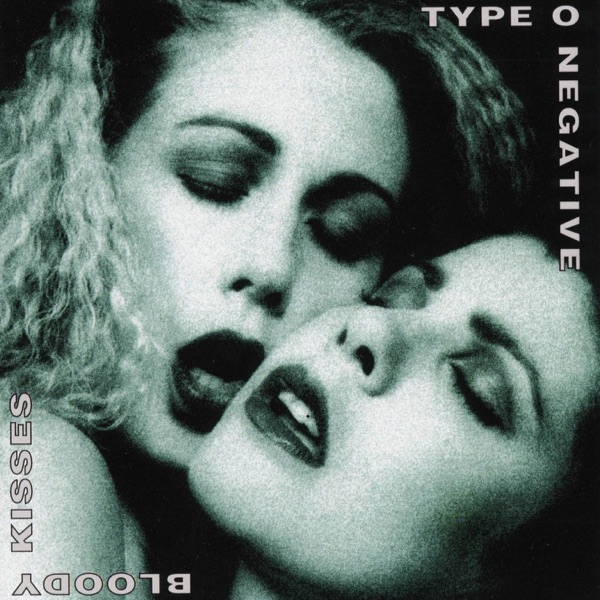
Bloody Kisses
1993 · 14 tracks
- 1 Machine Screw ↗ 0:41
- 2 Christian Woman ↗ 8:58
- 3 Black No. 1 (Little Miss Scare-All) ↗ 11:16
- 4 Fay Wray Come Out and Play ↗ 1:03
- 5 Kill All the White People ↗ 3:24
- 6 Summer Breeze ↗ 4:49
- 7 Set Me On Fire ↗ 3:30
- 8 Dark Side of the Womb ↗ 0:28
- 9 We Hate Everyone ↗ 6:51
- 10 Bloody Kisses (A Death In the Family) ↗ 10:56
- 11 3.O.I.F. ↗ 2:06
- 12 Too Late: Frozen ↗ 7:51
- 13 Blood & Fire ↗ 5:33
- 14 Can't Lose You ↗ 6:06

October Rust
1996 · 15 tracks
- 1 Bad Ground ↗ 0:38
- 2 Spoken Word Intro ↗ 0:21
- 3 Love You to Death ↗ 7:09
- 4 Be My Druidess ↗ 5:26
- 5 Green Man ↗ 5:48
- 6 Red Water (Christmas Mourning) ↗ 6:49
- 7 My Girlfriend's Girlfriend ↗ 3:46
- 8 Die With Me ↗ 7:13
- 9 Burnt Flowers Fallen ↗ 6:10
- 10 In Praise of Bacchus ↗ 7:37
- 11 Cinnamon Girl ↗ 4:01
- 12 The Glorious Liberation of the People's Technocratic Republic of Vinnland By the Combined Forces of the United Territories of Europa ↗ 1:07
- 13 Wolf Moon (Including Zoanthropic Paranoia) ↗ 6:38
- 14 Haunted ↗ 10:07
- 15 Spoken Word Outro ↗ 0:09
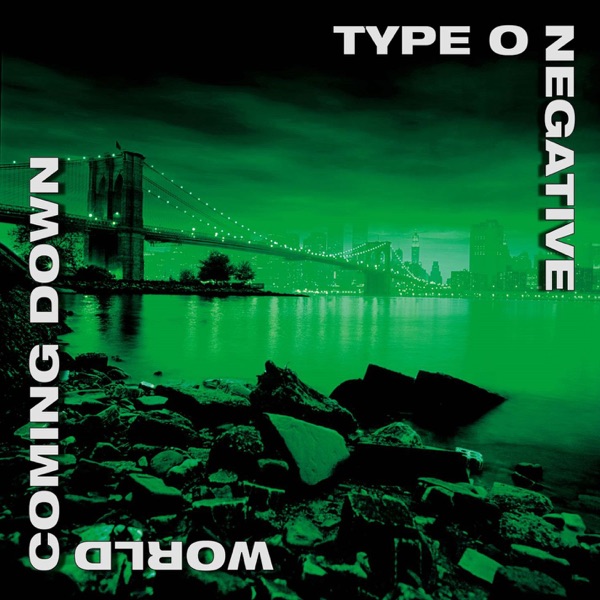
World Coming Down
1999 · 13 tracks
- 1 Skip It ↗ 0:11
- 2 White Slavery ↗ 8:22
- 3 Sinus ↗ 0:53
- 4 Everyone I Love Is Dead ↗ 6:11
- 5 Who Will Save the Sane? ↗ 6:41
- 6 Liver ↗ 1:42
- 7 World Coming Down ↗ 11:10
- 8 Creepy Green Light ↗ 6:57
- 9 Everything Dies ↗ 7:44
- 10 Lung ↗ 1:36
- 11 Pyretta Blaze ↗ 6:57
- 12 All Hallows Eve ↗ 8:36
- 13 Day Tripper / If I Needed Someone / I Want You (She's So Heavy) ↗ 7:02
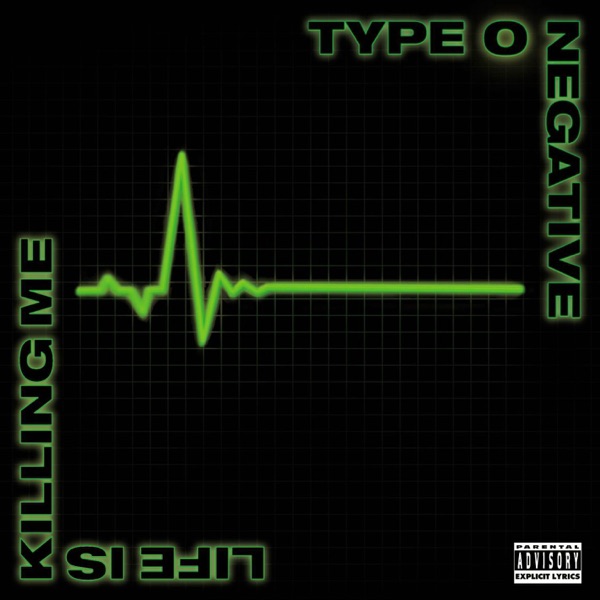
Life Is Killing Me
2003 · 15 tracks
- 1 Thir13teen ↗ 1:08
- 2 I Don't Wanna Be Me ↗ 5:09
- 3 Less Than Zero ↗ 5:26
- 4 Todd's Ship Gods ↗ 4:11
- 5 I Like Goils ↗ 2:35
- 6 ...A Dish Best Served Coldly ↗ 7:13
- 7 How Could She? ↗ 7:36
- 8 Life Is Killing Me ↗ 6:35
- 9 Nettie ↗ 4:47
- 10 (We Were) Electrocute ↗ 6:39
- 11 IYDKMIGTHTKY (Gimme That) ↗ 6:20
- 12 Angry Inch ↗ 3:39
- 13 Anesthesia ↗ 6:41
- 14 Drunk In Paris ↗ 1:27
- 15 The Dream Is Dead ↗ 5:07

Dead Again
2007 · 20 tracks
- 1 Dead Again ↗ 4:16
- 2 Tripping a Blind Man ↗ 7:05
- 3 The Profit of Doom ↗ 10:47
- 4 September Sun ↗ 9:48
- 5 Halloween in Heaven ↗ 4:50
- 6 These Three Things ↗ 14:21
- 7 She Burned Me Down ↗ 7:54
- 8 Some Stupid Tomorrow ↗ 4:21
- 9 An Ode to Locksmiths ↗ 5:16
- 10 Hail and Farewell to Britain ↗ 8:58
- 11 Everything Dies (Live) ↗ 6:06
- 12 My Girlfriend's Girlfriend (Live) ↗ 3:44
- 13 Are You Afraid / Gravitational Constant (Live) ↗ 7:14
- 14 Black Sabbath (Intro) / Christian Woman [Live] ↗ 8:36
- 15 Love You To Death (Live) ↗ 7:16
- 16 Black No. 1 (Little Miss Scare All) [Live] ↗ 9:11
- 17 Anesthesia (Live at Wacken Open Air 2007) ↗ 6:05
- 18 Christian Woman (Live at Wacken Open Air 2007) ↗ 7:59
- 19 Love You To Death (Live at Wacken Open Air 2007) ↗ 6:06
- 20 Kill You Tonight (Live at Wacken Open Air 2007) ↗ 9:48
-
 Slow, Deep and HardType O Negative19917 tracks
 -
 The Origin of the FecesType O Negative19928 tracks
 -
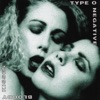 Bloody KissesType O Negative199314 tracks
 -
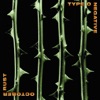 October RustType O Negative199615 tracks
 -
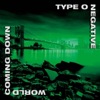 World Coming DownType O Negative199913 tracks
 -
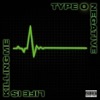 Life Is Killing MeType O Negative200315 tracks
 -
 Dead AgainType O Negative200720 tracks
Deep Dive
Overview
Type O Negative was an American gothic doom metal band from Brooklyn, New York, that operated from 1989 to 2010. The group distinguished itself within heavy metal by fusing the slow, crushing riffs of doom metal with orchestral synths, cinematic arrangements, and lyrical preoccupations with death, addiction, depression, religion, romance, and sex. Their willingness to merge high and low art—combining operatic keyboards with crude humor and visceral imagery—carved out a singular space in late-1980s and 1990s metal culture. The band achieved mainstream platinum and gold certifications and cultivated a devoted international following across seven studio albums.
Formation Story
Type O Negative crystallized in Brooklyn in 1989 around the partnership of Peter Steele, a bass player and vocalist of imposing physical presence, and guitarist Kenny Hickey. The ensemble was completed by keyboardist Josh Silver and drummer Sal Abruscato, establishing the core unit that would record the band’s first two albums. Steele and Hickey had worked together in Carnivore, an earlier metal project, before transitioning into what would become Type O Negative’s template: a marriage of doom-metal heaviness with gothic aesthetics and dramatic keyboards. Brooklyn in the late 1980s was an incubator for punk, hardcore, and metal fusion; Type O emerged from that collision of genres and sensibilities, arriving as New York metal evolved beyond the thrash paradigm.
Breakthrough Moment
Type O Negative’s first major album, Bloody Kisses (1993), became the fulcrum of their rise. Released on Roadrunner Records, the album achieved platinum certification and introduced the band to a much wider audience. By this point, drummer Sal Abruscato had been replaced by Johnny Kelly, who would remain with the band for the rest of its existence. Bloody Kisses showcased Steele’s deep vocal delivery layered against lush keyboard arrangements from Silver and thunderous riffing from Hickey, and it established the band’s signature visual and sonic identity—a blend of morbidity and camp that appealed to both underground metal audiences and crossover listeners. The album’s success signaled that heavy metal could accommodate darkness and irony without sacrificing emotional weight.
Peak Era
Type O Negative’s peak era spanned the mid-to-late 1990s. October Rust (1996), their follow-up to Bloody Kisses, earned gold certification and further refined their gothic-doom formula, moving slightly away from pure heaviness in favor of atmosphere and song craft. The band’s willingness to slow down, to let keyboards breathe, and to foreground melody within a funeral-dirge framework made them increasingly distinctive in a late-1990s metal landscape still anchored in thrash and grunge. World Coming Down (1999) continued their trajectory, and the band accumulated substantial concert audiences both in North America and Europe. This period established Type O Negative as more than a niche act—they were a platinum-selling band with structural integrity and a clear artistic vision.
Musical Style
Type O Negative’s sound rested on the foundation of doom metal’s glacial tempos and downtuned riffs, but Kenny Hickey’s guitar work often interwove melody and texture rather than relying solely on distortion walls. Josh Silver’s keyboard contributions were essential to the band’s identity; rather than serving as mere accompaniment, his arrangements—often drawing from classical and film-score traditions—were co-equal to the guitar and bass. Peter Steele’s vocals ranged from operatic sustained notes to spoken-word passages, lending a theatrical quality to the songs. Lyrically, the band embraced subjects—suicide, funeral rites, romantic obsession, religious doubt—that many mainstream metal acts sidestepped. Production-wise, their albums benefited from clarity and depth; guitars, keyboards, and Steele’s bass lines occupied distinct tonal spaces. The band’s evolution from the harsher Slow, Deep and Hard (1991) through the orchestral ambitions of Bloody Kisses and beyond showed a band gradually expanding its sonic palette while remaining rooted in funeral-march fundamentals.
Major Albums
Bloody Kisses (1993)
The album that brought Type O Negative to mainstream attention, Bloody Kisses achieved platinum certification and introduced millions to Steele’s baritone, Silver’s baroque keyboard work, and Hickey’s melodic doom aesthetic. It remains the band’s best-known statement and the touchstone for their legacy.
October Rust (1996)
A gold-certified follow-up that showcased increased melodic sophistication and layered arrangements. The album refined the gothic-doom template, balancing heaviness with beauty and establishing the band’s reputation for emotional nuance within a crushing sonic framework.
World Coming Down (1999)
Continuing the band’s exploration of production depth and songwriting maturity, World Coming Down sustained their commercial momentum and demonstrated that their formula could accommodate sustained album-length development without repetition.
Dead Again (2007)
The band’s final studio album demonstrated that Type O Negative retained their creative ambition after a four-year gap. Dead Again showed the band still capable of weaving their melodic, orchestral, and funeral-march traditions into cohesive song structures.
Signature Songs
- “Christian Woman” — One of the band’s most recognizable tracks, a slow-building composition that exemplifies their blend of religious imagery and darkly romantic sensibility.
- “Black No. 1” — A more groove-oriented piece that showcases the band’s ability to inject rhythm and wry humor into their gothic aesthetic.
- “October Rust” — The title track from their 1996 album, a sweeping instrumental-vocal hybrid that captures the band’s cinematic architectural approach.
- “Everything Dies” — A World Coming Down highlight that distills the band’s obsession with mortality and decay into compact, devastating form.
Influence on Rock
Type O Negative did not pioneer doom metal—that lineage traced back to Black Sabbath and bands like Mournful Congregation and Cathedral—but they demonstrated that doom metal could achieve mainstream commercial success and critical respect without abandoning its aesthetic integrity. Their synthesis of orchestral elements with heavy riffing opened paths for later gothic and symphonic metal acts. The band’s willingness to embrace theatrical presentation, camp humor, and emotional vulnerability within an ostensibly brutal genre challenged the hypermasculinity that often dominated metal in the 1990s. They influenced countless bands in the gothic, symphonic, and doom metal territories, and their template—slow riffs, ornate keyboards, and emotional frankness—became a touchstone for acts seeking to merge accessibility with darkness.
Legacy
Type O Negative disbanded in 2010, with Peter Steele’s death that April marking the final end of any possibility for reunion. The band’s catalog—seven studio albums, two best-of compilations, and concert DVDs—remained in print and maintained robust streaming presence. Bloody Kisses and October Rust continued to attract new listeners decades after their release, their aesthetic undiminished by the passage of time. The band occupied a distinct niche in 1990s metal history: neither thrash nor grunge, neither purely underground nor overexposed, they achieved a balance between commercial success and artistic independence that eluded most of their contemporaries. Their influence persisted in the ongoing popularity of gothic and symphonic metal internationally, and their recordings served as touchstones for musicians seeking to reconcile beauty and brutality.
Fun Facts
- The band adopted the nickname “the Drab Four,” an ironic inversion of the Beatles’ “Fab Four,” reflecting their darkly comedic approach to their own image.
- Type O Negative released two albums in 2003—Life Is Killing Me and After Dark—representing an unusually prolific period in the band’s later career.
- The band’s visual presentation and merchandise often played with tongue-in-cheek imagery, blending horror-movie aesthetics with pop-cultural references in ways that reflected Steele’s and Hickey’s irreverent sensibility.