
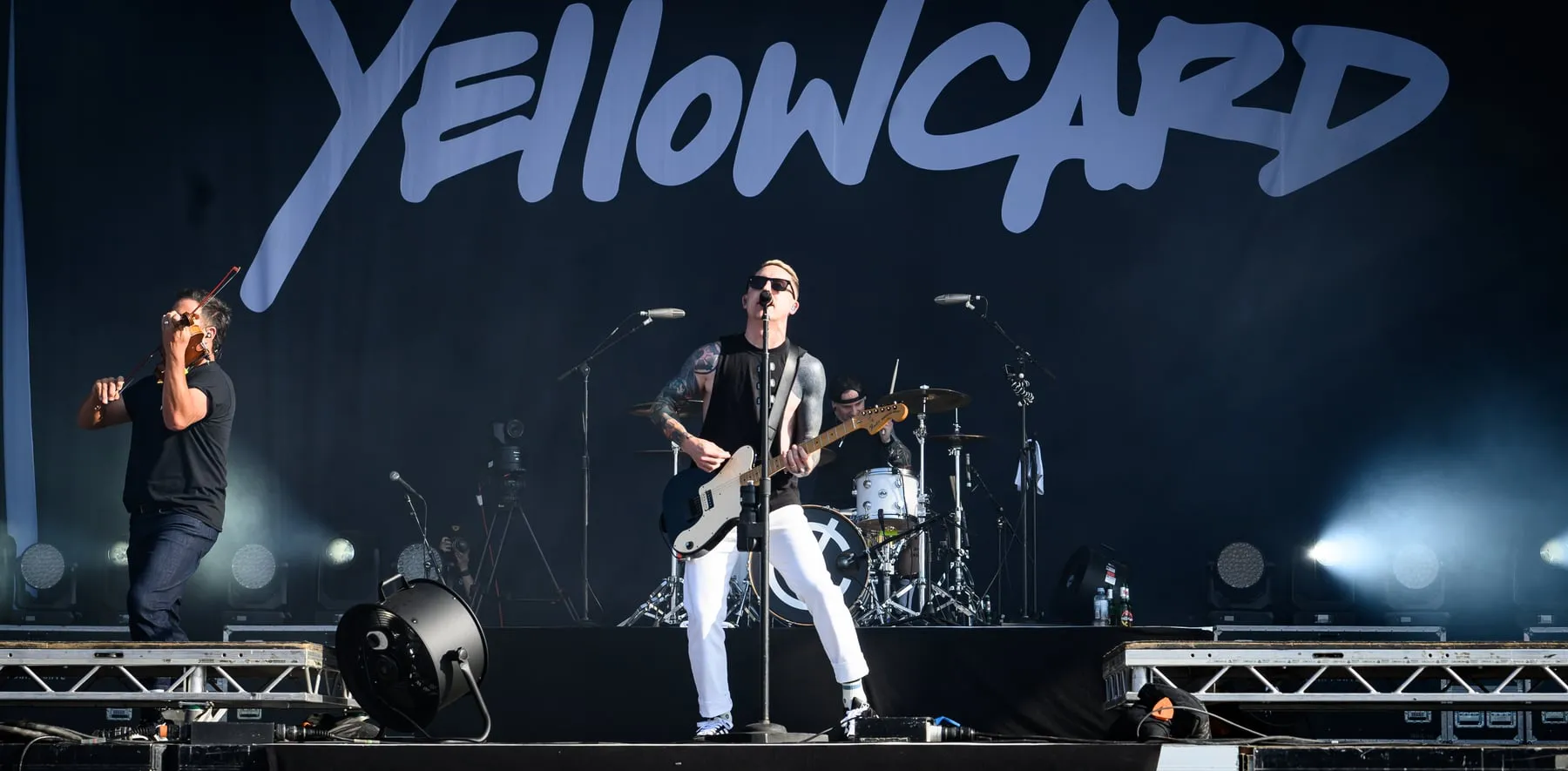
Photo by Moiyeah , licensed under CC BY-SA 4.0 · Wikimedia Commons
Rank #314
Yellowcard
From Wikipedia
Yellowcard is an American rock band who formed in Jacksonville, Florida, in 1997. Their official lineup currently consists of lead singer and rhythm guitarist Ryan Key, who was previously a guest vocalist, lead guitarist Ryan Mendez, bassist Josh Portman and violinist Sean Mackin. Mackin is the only remaining original member. Primarily a pop-punk group, their music is recognized for having a distinct and unique sound in its genre due to their prominent use of a violin. The group's most-recognized singles include "Ocean Avenue", "Only One", and "Lights and Sounds". Released in 2003, "Ocean Avenue" and its parent album of the same name are both certified double platinum and platinum in the US respectively by the Recording Industry Association of America (RIAA); "Only One" and the band's 2006 album Lights and Sounds have been certified gold.
Members
- Ryan Key
Discography & Previews
Browse through and click an album to open and play 30-second previews streamed from Apple Music.
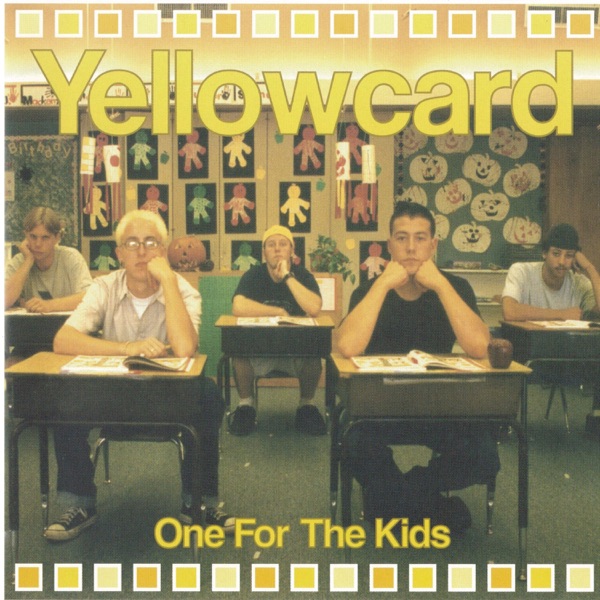
One for the Kids
2001 · 13 tracks

Ocean Avenue
2003 · 13 tracks

Lights and Sounds
2006 · 15 tracks
- 1 Three Flights Up (Instrumental) ↗ 1:24
- 2 Lights and Sounds ↗ 3:28
- 3 Down On My Head ↗ 3:32
- 4 Sure Thing Falling ↗ 3:43
- 5 City of Devils ↗ 4:23
- 6 Rough Landing, Holly ↗ 3:34
- 7 Two Weeks from Twenty ↗ 4:19
- 8 Waiting Game ↗ 4:15
- 9 Martin Sheen or JFK ↗ 3:47
- 10 Space Travel ↗ 3:47
- 11 Grey ↗ 3:00
- 12 Words, Hands, Hearts ↗ 4:24
- 13 How I Go ↗ 4:33
- 14 Holly Wood Died ↗ 4:39
- 15 Three Flights Down ↗ 4:42

Paper Walls
2007 · 16 tracks
- 1 The Takedown ↗ 3:37
- 2 Fighting ↗ 3:01
- 3 Shrink the World ↗ 3:21
- 4 Keeper ↗ 3:56
- 5 Light Up the Sky ↗ 3:37
- 6 Shadows and Regrets ↗ 3:59
- 7 Five Becomes Four ↗ 3:30
- 8 Afraid ↗ 3:14
- 9 Date Line (I Am Gone) ↗ 3:23
- 10 Dear Bobbie ↗ 4:14
- 11 You and Me and One Spotlight ↗ 3:58
- 12 Cut Me, Mick ↗ 3:34
- 13 Paper Walls ↗ 4:28
- 14 Gifts and Curses (Live) [Acoustic] ↗ 5:01
- 15 How I Go (Live) [Acoustic] ↗ 4:39
- 16 Bombers ↗ 3:29


Lift a Sail
2014 · 13 tracks

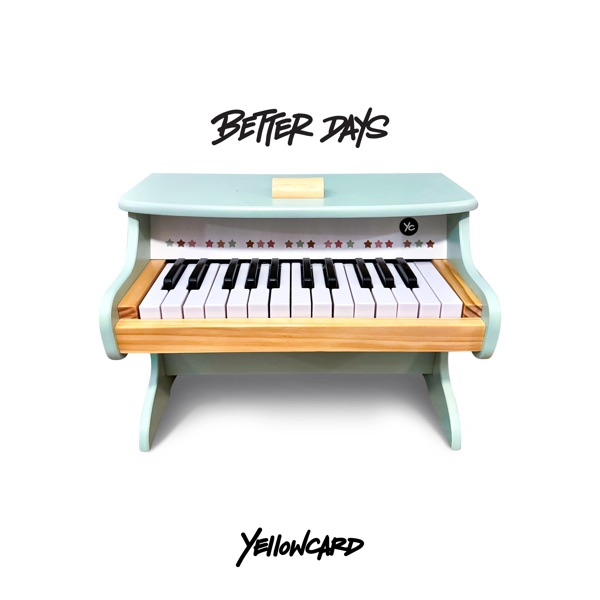
Better Days
2025 · 10 tracks
-
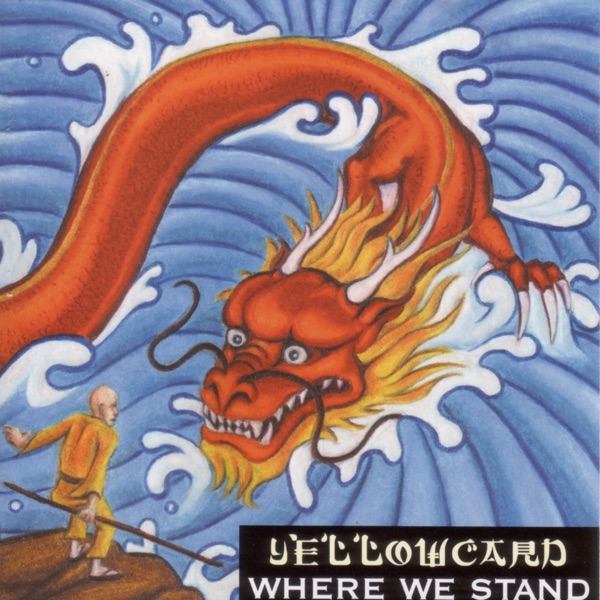
 Where We StandYellowcard199910 tracks
 -
 One for the KidsYellowcard200113 tracks
 -
 Ocean AvenueYellowcard200313 tracks
 -
 Lights and SoundsYellowcard200615 tracks
 -
 Paper WallsYellowcard200716 tracks
 -
 When You’re Through Thinking, Say YesYellowcard201110 tracks
 -
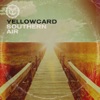 Southern AirYellowcard201211 tracks
 -
 Lift a SailYellowcard201413 tracks
 -
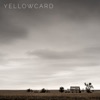 YellowcardYellowcard201610 tracks
 -
 Better DaysYellowcard202510 tracks
Deep Dive
Overview
Yellowcard is an American rock band formed in Jacksonville, Florida, in 1997. Operating across more than two decades of shifting musical tastes, they built a dedicated following through a signature sound that distinguished pop-punk from its peers: the integration of a prominent violin alongside conventional guitar-bass-drums rock architecture. The band achieved their commercial peak in the early 2000s with the platinum-certified album Ocean Avenue and its double-platinum lead single of the same name, establishing themselves as one of the era’s most recognizable alternative rock acts.
Formation Story
Yellowcard emerged from Jacksonville’s rock scene in 1997 during the post-grunge era when pop-punk was beginning to crystallize as a distinct genre separate from its punk and alternative rock forebears. The band’s founding vision centered on the unconventional pairing of violin with rock instrumentation—a decision that immediately set them apart from the power-chord-driven standard of their peers. Sean Mackin, the sole surviving original member from the band’s inception, established the violin as an integral compositional voice rather than mere ornamentation, shaping the group’s trajectory from their earliest recordings. The lineup evolved through the 1990s as the band refined their approach, with Ryan Key becoming the established lead vocalist, Ryan Mendez on lead guitar, and Josh Portman anchoring the low end on bass.
Breakthrough Moment
Yellowcard’s transition from regional act to mainstream recognition arrived with the 2003 release of their self-titled album Ocean Avenue. The album’s lead single, also titled “Ocean Avenue,” became the band’s signature song and achieved double-platinum certification in the United States—a commercial milestone that placed them in the upper echelon of early-2000s rock radio. The parent album received platinum certification, signaling both strong radio support and sustained album sales in an era when those metrics still reliably indicated cultural penetration. The song’s narrative directness and the band’s instantly identifiable violin-guitar interplay resonated across multiple formats, from rock radio to MTV’s remaining music video programming, establishing Yellowcard as more than a regional concern.
Peak Era
The period spanning 2003 through 2007 represented Yellowcard’s commercial and creative zenith. Following the massive success of Ocean Avenue, the band released Lights and Sounds in 2006, which yielded the gold-certified single “Only One” and achieved gold status itself—confirming that their appeal extended beyond a single breakout hit. Paper Walls arrived in 2007, maintaining the group’s profile during an era when pop-punk remained a viable commercial force. These three albums demonstrated the band’s capacity to generate radio-friendly material while maintaining their sonic identity, with the violin consistently deployed to create melodic hooks and textural depth that gave Yellowcard’s songs architectural distinction from their competitors.
Musical Style
Yellowcard’s sound is fundamentally a pop-punk construction—emphasizing accessible melodies, straightforward verse-chorus-verse songwriting, and clean vocal production—but elevated by the sustained presence of violin as a lead and harmonic voice. Rather than restricting the violin to orchestral fills or post-chorus swells, Mackin’s approach integrated the instrument into the core melodic architecture, often trading off with or reinforcing the lead guitar line. Rhythmically, the band favored driving, energetic tempos and crisp drum programming that pushed songs forward with youthful urgency. Ryan Key’s vocal delivery remained characteristically earnest and direct, avoiding both the aggressive shouting of hardcore-adjacent pop-punk and the affected theatricality of later emo variants. The production aesthetic across their major-label releases maintained clarity and punch—electric but not overprocessed—allowing each instrumental voice space to register distinctly without sacrificing cohesion.
Major Albums
Ocean Avenue (2003)
The album that rewrote Yellowcard’s commercial trajectory, anchored by the double-platinum title track and producing multiple radio-friendly singles. Ocean Avenue demonstrated that the band could scale their sound to arena-sized production without abandoning their essential identity.
Lights and Sounds (2006)
Continuing the momentum of their breakthrough, this album produced the gold-certified “Only One” and established that Yellowcard possessed a sustainable catalog beyond their signature moment, consolidating their status as reliable hitmakers within the pop-punk landscape.
Paper Walls (2007)
Released in the waning years of mainstream pop-punk’s commercial dominance, Paper Walls represented the band’s final album in this commercial trajectory, maintaining the formula that had served them well while industry conditions began to shift.
When You’re Through Thinking, Say Yes (2011)
An album marking a transition period as the broader pop-punk market contracted, reflecting the band’s ongoing commitment to recording despite diminished commercial expectations.
Yellowcard (2016)
A self-titled effort representing the band’s matured approach to songwriting and production, demonstrating their continued relevance to a core fanbase as legacy acts achieved renewed prominence through streaming and nostalgia.
Signature Songs
- “Ocean Avenue” — The band’s commercial breakthrough and signature song, merging infectious melody with violin-forward arrangement to define Yellowcard’s public identity.
- “Only One” — A gold-certified single that proved their catalog contained material beyond their initial smash, becoming a staple of 2000s rock radio rotation.
- “Lights and Sounds” — The title track from their second major-label album, exemplifying their melodic approach and violin integration.
Influence on Rock
Yellowcard’s sustained integration of non-traditional rock instrumentation—specifically the orchestral violin—demonstrated a viable commercial pathway for bands seeking to differentiate themselves within the crowded pop-punk marketplace. While violin had appeared in rock music before, Yellowcard’s approach made it central rather than supplementary, influencing subsequent acts to incorporate atypical instruments as legitimate compositional voices. Their success demonstrated that accessibility and sonic distinction were not mutually exclusive; the band proved that alternative rock radio and mainstream audiences would embrace unconventional arrangements if the underlying songwriting remained strong and the melodic hooks remained present. Their trajectory paralleled the broader rise of pop-punk from underground punk club fixture to mainstream commercial force during the late 1990s and early 2000s, positioning them as reliable chroniclers of that genre’s evolution.
Legacy
Yellowcard has maintained an active touring schedule and continued recording through the late 2010s and into the 2020s, adapting to the shift from physical sales and terrestrial radio dominance to streaming platform distribution and fan-direct engagement. The band released Better Days in 2025, demonstrating their ongoing creative commitment decades after their formation. Their early-2000s releases remain staples of streaming services and digital music libraries, ensuring continued exposure to both original audiences and successive generations discovering pop-punk through retrospective engagement. The double-platinum and platinum certifications of Ocean Avenue and its title track remain among the era’s most visible commercial achievements, anchoring Yellowcard’s position as significant figures in alternative rock history rather than as footnotes to larger movements.
Fun Facts
- Sean Mackin is the only remaining original member from Yellowcard’s 1997 formation in Jacksonville, providing continuity across the band’s more than two-decade existence.
- The violin was not a conventional feature of pop-punk during Yellowcard’s emergence, making their instrumental approach genuinely distinctive within a genre otherwise built around traditional rock configurations.
- “Ocean Avenue” achieved double-platinum certification in the United States, a milestone typically reserved for artists with broader mainstream crossover appeal, underscoring the song’s unusual commercial penetration for a pop-punk track.
- Ryan Key transitioned from guest vocalist to the band’s established lead singer, illustrating the fluid lineup evolution that characterized Yellowcard’s early history.