

Photo by Stefan Brending ( 2eight ) , licensed under CC BY-SA 3.0 de · Wikimedia Commons
Rank #186
Alice Cooper
From Wikipedia
Alice Cooper is an American singer and songwriter. With a career spanning over six decades, he is known for his raspy singing voice and theatrical stage shows that feature numerous props and illusions. Cooper is considered by music journalists and peers to be "The Godfather of Shock Rock". He has drawn from horror films, vaudeville, and garage rock to pioneer a macabre and theatrical brand of rock designed to shock audiences.
Discography & Previews
Browse through and click an album to open and play 30-second previews streamed from Apple Music.

Pretties for You
1969 · 13 tracks
- 1 Titanic Overture ↗ 1:13
- 2 Ten Minutes Before the Worm ↗ 1:40
- 3 Swing Low, Sweet Cheerio ↗ 5:43
- 4 Today Mueller ↗ 1:48
- 5 Living ↗ 3:12
- 6 Fields of Regret ↗ 5:45
- 7 No Longer Umpire ↗ 2:02
- 8 Levity Ball ↗ 4:40
- 9 B.B. On Mars ↗ 1:18
- 10 Reflected ↗ 3:17
- 11 Apple Bush ↗ 3:09
- 12 Earwigs to Eternity ↗ 1:20
- 13 Changing Arranging ↗ 3:04




The Revenge of Alice Cooper
2025 · 14 tracks
- 1 Black Mamba ↗ 4:58
- 2 Wild Ones ↗ 4:18
- 3 Up All Night ↗ 3:07
- 4 Kill the Flies ↗ 4:13
- 5 One Night Stand ↗ 3:06
- 6 Blood on the Sun ↗ 6:03
- 7 Crap That Gets in the Way of Your Dreams ↗ 3:00
- 8 Famous Face ↗ 4:19
- 9 Money Screams ↗ 3:44
- 10 What a Syd ↗ 2:42
- 11 Intergalactic Vagabond Blues ↗ 3:11
- 12 What Happened to You (feat. Glen Buxton) ↗ 4:00
- 13 I Ain't Done Wrong ↗ 3:43
- 14 See You on the Other Side ↗ 3:58
-
 Pretties for YouAlice Cooper196913 tracks
 -
 Easy ActionAlice Cooper19709 tracks
 -
 KillerAlice Cooper19718 tracks
 -
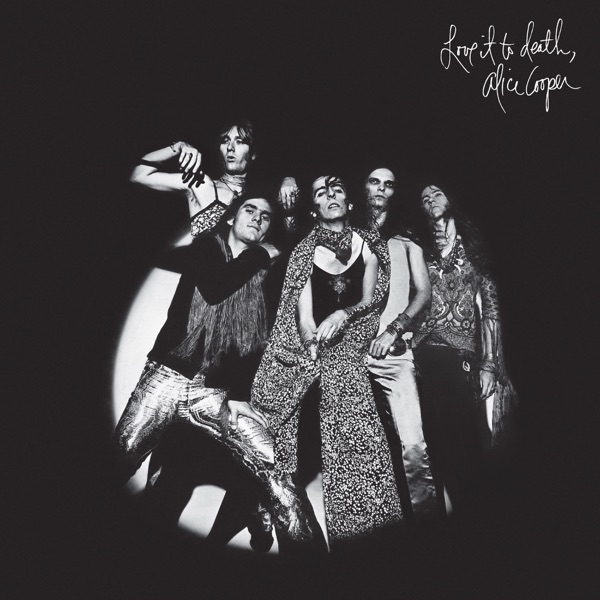
 Love It to DeathAlice Cooper19719 tracks
 -
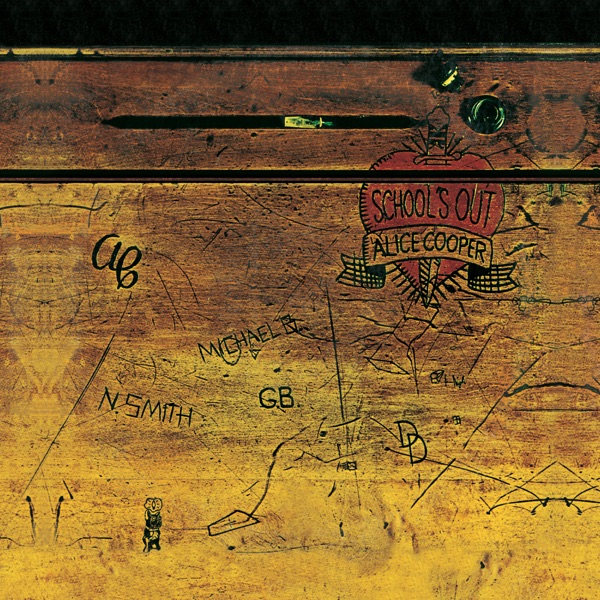
 School’s OutAlice Cooper19729 tracks
 -
 Billion Dollar BabiesAlice Cooper197310 tracks
 -
 Muscle of LoveAlice Cooper19739 tracks
 -
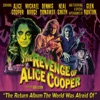 The Revenge of Alice CooperAlice Cooper202514 tracks
Deep Dive
Overview
Alice Cooper is an American rock singer and songwriter whose six-decade career has established him as the primary architect of shock rock—a fusion of horror aesthetics, vaudeville theatricality, and hard rock instrumentation designed explicitly to unsettle audiences. Born in 1948, he emerged from the late-1960s garage rock scene with a raspy vocal style and an uncompromising commitment to provocative live performance. His influence extends far beyond the 1970s, when he achieved his greatest commercial and critical success; he remains active into the 2020s, cementing a legacy as “The Godfather of Shock Rock.”
Formation Story
Alice Cooper began his career during the late 1960s, drawing inspiration from garage rock, horror cinema, and vaudeville performance traditions. He entered the music industry at a moment when rock was beginning to fragment into harder, more theatrical subdivisions. The late 1960s counterculture provided space for acts to experiment with visual presentation and shock tactics, yet Cooper’s approach was more systematically grotesque than his contemporaries. By 1969, he had assembled a full-fledged artistic vision: rock music paired with macabre staging, props, and illusions meant to provoke rather than merely entertain. This combination of sonic aggression and visual horror became his trademark and laid the foundation for shock rock as a viable subgenre.
Breakthrough Moment
Alice Cooper’s breakthrough came with the release of School’s Out in 1972, an album that delivered both chart success and cultural notoriety. The title track became his most recognizable song, a hard rock anthem built on a deceptively simple premise—the relief of leaving school—wrapped in Cooper’s distinctive raspy vocal delivery and the band’s tight, unrelenting instrumentation. The song’s commercial performance elevated him from cult figure to mainstream act, and the album itself demonstrated that shock rock could achieve both critical credibility and broad appeal. Killer (1971) and Love It to Death (1971) had established the musical foundation, but School’s Out proved the formula’s viability on radio and in record stores, transforming Cooper into a household name and validating the theatrical hard rock approach he had pioneered.
Peak Era
Cooper’s peak creative and commercial period ran from 1971 through 1973, spanning the albums Killer, Love It to Death, School’s Out, Billion Dollar Babies, and Muscle of Love. During these years, he refined a signature sound that blended hard rock’s heavy riffs and driving rhythms with theatrical production and shock-oriented lyrics. Billion Dollar Babies (1973) continued his commercial ascent, further cementing his status as hard rock’s most visually ambitious and provocative act. This era coincided with the rise of glam rock and heavy metal, genres with which Cooper shared certain aesthetics and sensibilities, yet his focus on horror imagery and audience provocation remained distinctly his own. By the mid-1970s, he had established a touring apparatus built around elaborate stage sets, props, and illusions that transformed rock concerts into theatrical events—a precedent that influenced decades of hard rock and metal performance.
Musical Style
Alice Cooper’s sound combined garage rock’s raw energy with hard rock’s structural solidity and shock rock’s transgressive themes. His raspy, often gritty vocal style cut through dense, guitar-driven arrangements, while his songwriting gravitated toward subjects drawn from horror, dark humor, and social satire. The instrumentation emphasized heavy riffs, straightforward rock rhythms, and production clarity—allowing both the music and the lyrical content to register with equal force. His style evolved across the early 1970s from the rougher edges of Pretties for You (1969) and Easy Action (1970) toward the more polished, radio-friendly approach of School’s Out and Billion Dollar Babies, yet the core aesthetic—hard rock paired with macabre theatricality—remained consistent. Cooper drew from horror films and vaudeville tradition to create a theatrical brand of rock distinct from the psychedelia and folk influences dominating mainstream rock at the time.
Major Albums
Killer (1971)
A cornerstone hard rock statement that demonstrated Cooper’s ability to craft memorable hooks within an aggressive sonic framework, establishing many of the thematic and musical patterns he would refine throughout the decade.
Love It to Death (1971)
Released the same year as Killer, this album showcased Cooper’s expanding ambitions in songwriting and production, solidifying his presence in the hard rock marketplace.
School’s Out (1972)
The breakthrough album that delivered mainstream success, anchored by the title track’s enduring cultural footprint and commercially viable shock-rock formula.
Billion Dollar Babies (1973)
Cooper’s artistic peak, balancing radio accessibility with theatrical ambition and solidifying his position as hard rock’s leading provocateur.
Muscle of Love (1973)
The final album of his early peak era, maintaining the formula of heavy instrumentation paired with transgressive lyrical content.
Signature Songs
- School’s Out — The definitive Alice Cooper song; a hard rock anthem built on the universal experience of academic liberation, transformed into a celebration of rebellion and nonconformity.
- I’m Eighteen — A driving hard rock track addressing adolescent anxiety and social alienation, becoming one of his most frequently performed pieces.
- No More Mr. Nice Guy — A percussive, rhythm-driven statement of defiance that exemplifies Cooper’s ability to channel aggression into memorable pop-rock hooks.
- Billion Dollar Babies — The title track of his 1973 album, showcasing the theatrical production values and commercial ambition of his peak era.
Influence on Rock
Alice Cooper’s influence on rock music operates across multiple registers: he legitimized shock tactics as a permanent aspect of hard rock and metal performance, established the concept of the rock musician as theatrical character rather than mere entertainer, and created a template for horror-inflected rock that influenced generations of metal, punk, and alternative acts. His commitment to visual spectacle elevated the rock concert from a musical event to a multimedia experience, a precedent embraced by stadium rock acts, heavy metal bands, and shock-oriented performers across subsequent decades. By fusing horror aesthetics, vaudeville tradition, and hard rock aggression into a coherent artistic vision, Cooper demonstrated that rock music could accommodate both commercial success and genuine artistic provocation. His work helped establish shock rock as a viable subgenre and influence, validating approaches to rock performance that prioritized spectacle and transgression alongside musical substance.
Legacy
Alice Cooper’s legacy extends across his continuing recording and touring activity into the 2020s, with recent releases including Don’t Blow Your Mind: The Mascot Sessions (2024) and The Revenge of Alice Cooper (2025), demonstrating his sustained commitment to recording and live performance. His six-decade career has established him as a foundational figure in hard rock and shock rock history, a status reflected in his influence on metal, punk, and alternative rock acts who drew directly from his theatrical approach. The shock rock subgenre itself—combining horror imagery, transgressive content, and hard rock instrumentation—traces its lineage primarily to Cooper’s innovations and artistic consistency. His ongoing relevance in streaming platforms, touring circuits, and popular culture reflects both the enduring appeal of his catalog and the permanent validation of theatrical rock performance as a legitimate artistic practice. Cooper’s positioning as “The Godfather of Shock Rock” reflects recognition of his role in establishing and refining the genre, a status earned through sustained creative output and uncompromising artistic vision across multiple decades.
Fun Facts
- Alice Cooper’s early albums Pretties for You (1969) and Easy Action (1970) preceded his commercial breakthrough, establishing the musical foundation upon which his mid-1970s success was built.
- The theatrical and visual elements of Cooper’s live performances have remained a central component of his touring strategy from the early 1970s through the present day, making his concerts multimedia events rather than traditional rock shows.
- His record labels across his career have included Straight, Warner Records, Epic Records, Atlantic Records, and others, reflecting both his commercial success and the shifting landscape of the music industry across multiple decades.