
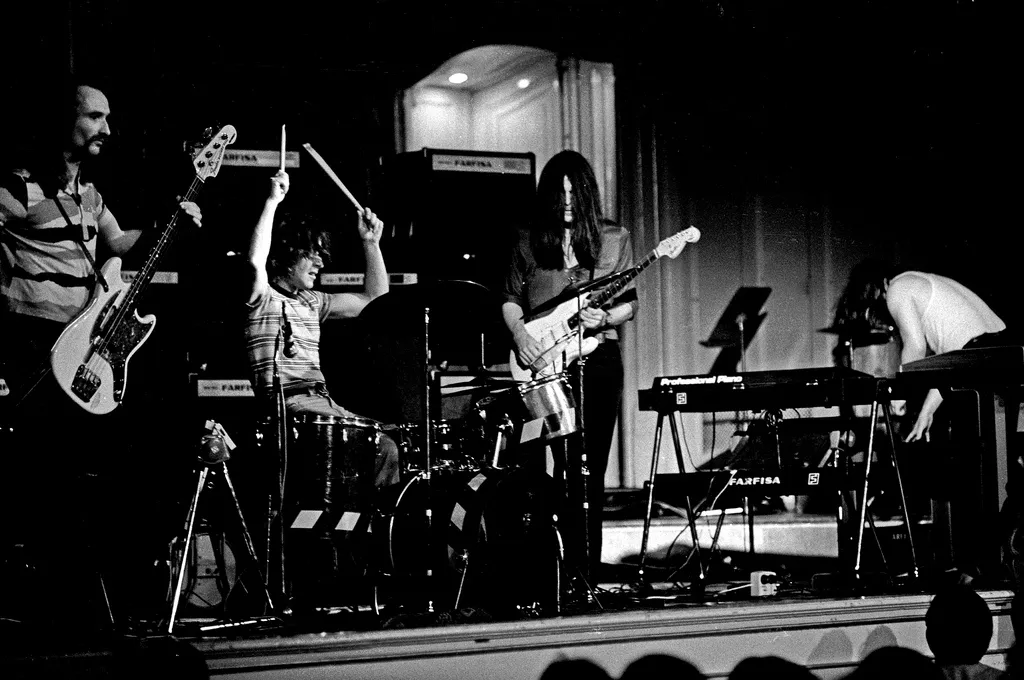
Photo by Heinrich Klaffs , licensed under CC BY-SA 2.0 · Wikimedia Commons
Rank #184
Can
From Wikipedia
Can were a German experimental rock band formed in Cologne in 1968 by Holger Czukay, Irmin Schmidt (keyboards), Michael Karoli (guitar), and Jaki Liebezeit (drums). They featured several vocalists, including American Malcolm Mooney (1968–70) and Japanese Damo Suzuki (1970–73). They have been hailed as pioneers of the German krautrock scene.
Discography & Previews
Browse through and click an album to open and play 30-second previews streamed from Apple Music.


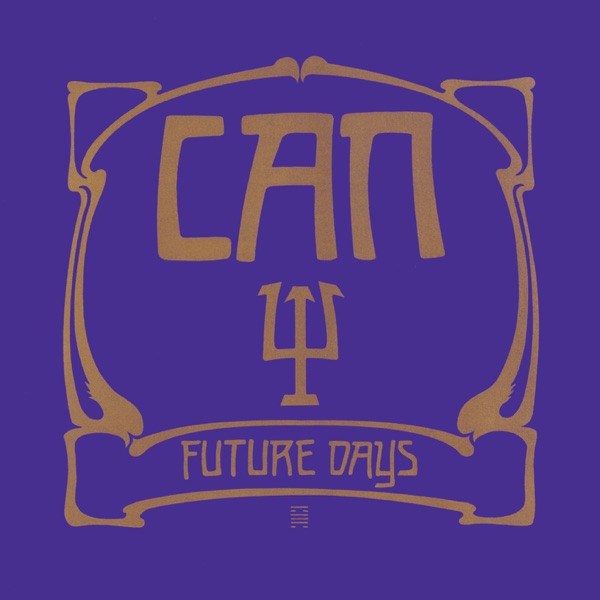
Future Days
1973 · 4 tracks



-
 Monster MovieCan19694 tracks
 -
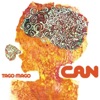 Tago MagoCan19717 tracks
 -
 Ege BamyasıCan19727 tracks
 -
 Future DaysCan19734 tracks
 -
 Soon Over BabalumaCan19745 tracks
 -
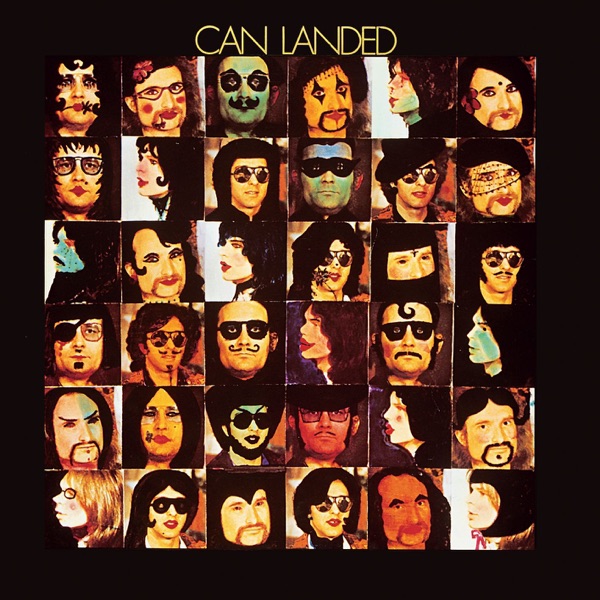
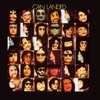 LandedCan19756 tracks
 -
 Flow MotionCan19767 tracks
 -
 Saw DelightCan19775 tracks
 -
 Out of ReachCan19787 tracks
 -
 CanCan19788 tracks
 -
 Rite TimeCan19898 tracks
Deep Dive
Overview
Can were a German experimental rock band that emerged from Cologne in 1968 and became one of the defining forces of the krautrock movement. Operating across shifting vocalist lineups and an evolving sonic palette, the band synthesized electronic instrumentation, polyrhythmic percussion, and improvisational structures into a body of work that stretched far beyond conventional rock song formats. Their influence on electronic music, post-punk, and contemporary experimental rock runs deep, making them central to any account of rock music’s avant-garde evolution in the late twentieth century.
Formation Story
Can coalesced in Cologne in 1968 around the nucleus of four musicians who would define the ensemble’s instrumental identity. Holger Czukay, who had studied composition under Karlheinz Stockhausen, provided bass and production sensibility. Irmin Schmidt supplied keyboards and harmonic architecture, while Michael Karoli’s guitar work ranged from melodic playing to textural abstraction. Jaki Liebezeit’s drumming formed the rhythmic backbone—precise, polyrhythmic, and drawn from jazz and world music traditions rather than straightforward rock patterns. The Cologne scene of the late 1960s, distinct from the Berlin avant-garde circuit, fostered this fusion of classical education, electronic experimentation, and rock instrumentation. Rather than adhere to the verse-chorus-verse template that dominated Anglo-American rock, Can embraced open-ended compositions that could stretch across an entire album side.
Breakthrough Moment
Can’s first album, Monster Movie (1969), announced their experimental intentions but remained relatively contained. The true breakthrough arrived with Tago Mago (1971), a sprawling double album that showcased the band at their most expansive and musically assured. Featuring vocalist Malcolm Mooney on much of the material, Tago Mago established Can as a band willing to stretch rock into uncharted territory—tracks flowed into one another, percussion patterns shifted without warning, and synths created layers of texture that seemed to envelope the listener. The album’s critical and underground reception positioned Can as not merely a German band but as a global force in experimental rock, earning them recognition from critics and musicians across Europe and beyond.
Peak Era
Can’s most creatively fertile and commercially significant period spanned 1970 to 1975. In 1970, the band underwent a crucial change: Malcolm Mooney departed, replaced by Japanese vocalist Damo Suzuki, whose distinctive vocal approach—somewhere between psychedelic mysticism and rhythmic utterance—defined the band’s sound through Tago Mago, Ege Bamyası (1972), and Future Days (1973). Each album deepened their exploration of rhythmic complexity and studio production innovation. Future Days in particular, with its blend of accessible melodies and underlying experimental architecture, represented the band at an apex where accessibility and radical challenge coexisted. By 1973, Can had become essential listening for musicians and critics engaged with rock’s outer reaches, even as their music remained largely outside mainstream commercial channels.
Musical Style
Can’s sound was built on a foundation of precise, interlocking rhythms that drew as much from non-Western and jazz drumming traditions as from rock. Jaki Liebezeit’s drumming rarely locked into a steady four-on-the-floor pulse; instead, he constructed polyrhythmic frameworks that created a sense of propulsion without predictability. Irmin Schmidt’s keyboards—whether organ, synthesizer, or Mellotron—provided harmonic color and often the primary melody, while Michael Karoli’s guitar functioned as a textural element as often as a lead voice, using effects and unconventional playing techniques to create soundscapes. Holger Czukay’s bass work was melodic rather than strictly supportive, weaving through the mix with compositional intent. The vocalists—first Malcolm Mooney’s more abstract, almost detached delivery, then Damo Suzuki’s otherworldly phrasing and repetitive incantations—added a human element that seemed to float above rather than anchor the instrumental machinery. Songs often began with a simple phrase or rhythm and evolved through accretion and layering, a compositional strategy closer to minimalism or trance music than to traditional rock arrangement. Production was meticulous, with Can treating the studio itself as an instrument, employing overdubbing, looping, and tape manipulation to create dense, multi-textured final mixes.
Major Albums
Tago Mago (1971)
A landmark double album featuring Malcolm Mooney, Tago Mago presents Can in their most expansive mode, with extended compositions that blur genre boundaries and showcase their mastery of dynamic shifts and studio innovation.
Ege Bamyası (1972)
Released with Damo Suzuki now established as the band’s vocalist, this album deepens their exploration of trance-like rhythmic states and melodic sophistication, balancing experimental rigor with moments of genuine accessibility.
Future Days (1973)
Often cited as Can’s most fully realized work, Future Days merges their complex rhythmic innovations with more song-oriented structures, proving that experimental rock could offer both intellectual challenge and emotional resonance.
Soon Over Babaluma (1974)
Following the departure of Damo Suzuki, this album saw the band recalibrating their approach, with new vocalist Holger Czukay stepping into vocal duties on select tracks, reflecting a band in transition.
Landed (1975)
The final studio album of their initial peak era, Landed continues their synthesis of polyrhythmic precision and textural ambition, though the energy begins to shift as the band’s original momentum waned.
Signature Songs
- Vitamin C — A propulsive, minimalist piece built on relentless rhythm and hypnotic repetition, showcasing the band’s trance-rock innovations.
- Yoo Doo Right — An extended, polyrhythmic exploration of texture and rhythm that stretches across nearly seven minutes, epitomizing Can’s studio ambitions.
- Mother Sky — A relatively straightforward but still unconventional composition featuring Damo Suzuki’s distinctive vocals over driving, precise rhythm work.
- Oh Yeah — A funk-influenced track that demonstrates Can’s ability to absorb popular music idioms while maintaining their experimental core.
Influence on Rock
Can’s influence on rock and electronic music cannot be overstated. They pioneered a blueprint for experimental rock that treated improvisation, studio production, and rhythmic complexity as primary compositional elements rather than decorative touches. Their approach to the drum kit—emphasizing polyrhythm and texture over standard timekeeping—directly influenced post-punk drummers and alternative rock musicians. Bands from Joy Division and Talking Heads through more recent experimentalists have traced their lineage through Can’s rhythmic and production innovations. The krautrock movement itself—encompassing Kraftwerk, Neu!, and scores of others—benefited immensely from Can’s example: that German bands operating outside the Anglo-American rock mainstream could create intellectually rigorous, emotionally compelling music. Beyond rock proper, Can’s deployment of tape loops, layered overdubbing, and non-linear song structures anticipated both electronic music and later developments in dance and trance idioms. Their work validated the possibility of rock as experimental art without apology for difficulty or abstraction.
Legacy
Can disbanded and reformed multiple times over the decades, with various reunions and studio projects extending into the 2000s—Ogam Ogat arrived in 2009 as evidence of the band’s ongoing creative restlessness. While never achieving mainstream commercial status comparable to rock’s most famous acts, Can secured a permanent place in the critical canon and the listening habits of musicians and serious rock listeners. Their original 1968–1973 catalog remains their most celebrated period, continuously reissued and discovered by new generations of listeners. The band’s experimental integrity—their refusal to water down their vision for commercial palatability—has only increased their stature in retrospect. In an era of easy accessibility and streaming, Can’s demanding, textural, rhythmically sophisticated approach stands as a testament to the depth and challenge rock music can contain.
Fun Facts
- Can recorded much of their early material in a basement studio in Cologne, building their signature sound under decidedly unglamorous circumstances.
- Holger Czukay studied under Karlheinz Stockhausen, one of the twentieth century’s most influential experimental composers, bringing avant-garde classical training into the rock context.
- The band’s name, deliberately chosen to be simple and ordinary, stood in stark contrast to the complexity of their music—a philosophical statement about form and content.
- Damo Suzuki, recruited to the band as a virtually unknown Japanese vocalist, became central to Can’s most celebrated recordings despite (or because of) his unconventional approach to singing in English.