
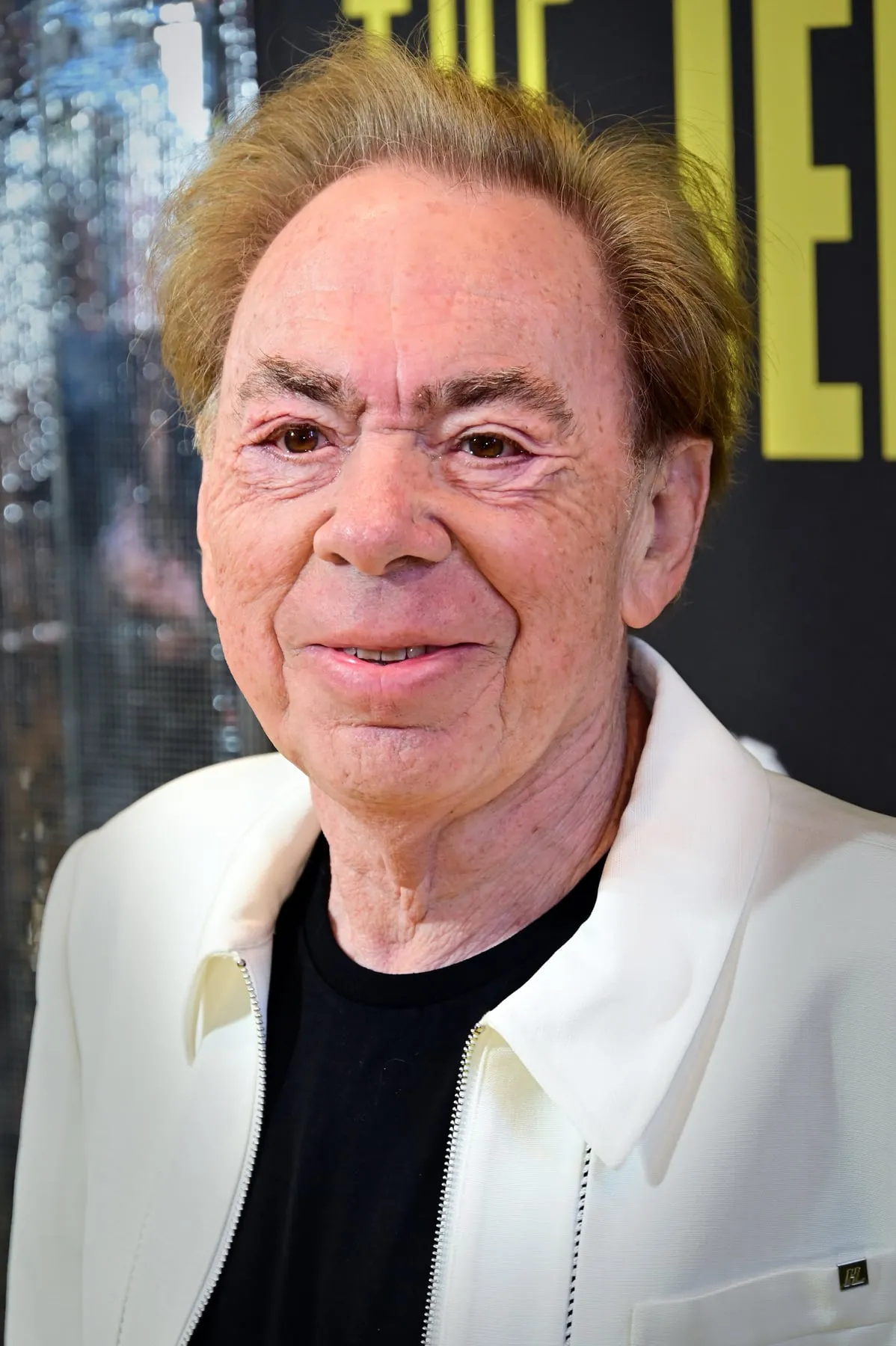
Photo by PhilipRomanoPhoto , licensed under CC BY-SA 4.0 · Wikimedia Commons
Rank #400
Andrew Lloyd Webber
From Wikipedia
Andrew Lloyd Webber, Baron Lloyd-Webber is an English composer and impresario of musical theatre. Several of his musicals have run for more than a decade both in the West End and on Broadway. He has composed 21 musicals, a song cycle, a set of variations, two film scores, and a Latin Requiem Mass.
Discography & Previews
Browse through and click an album to open and play 30-second previews streamed from Apple Music.
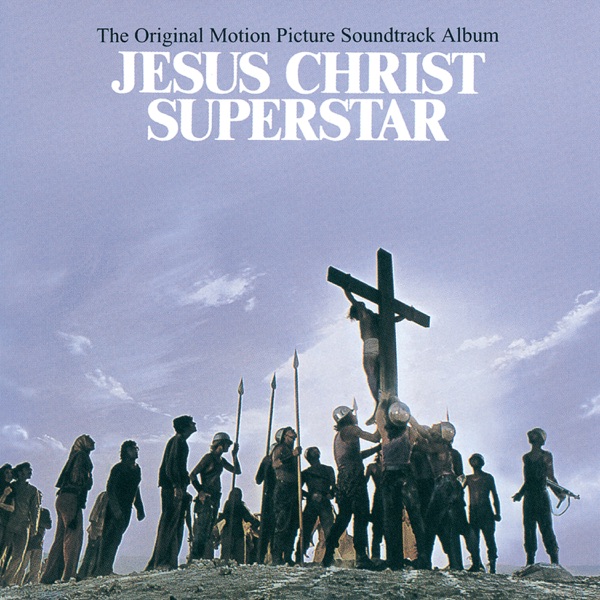
Jesus Christ Superstar
1970 · 26 tracks
- 1 Overture ↗ 5:30
- 1 The Last Supper ↗ 7:14
- 2 Heaven On Their Minds ↗ 4:21
- 2 Gethsemane (I Only Wanted To Say) ↗ 5:41
- 3 What's The Buzz ↗ 2:35
- 3 The Arrest ↗ 3:16
- 4 Strange Thing Mystifying ↗ 1:52
- 4 Peter's Denial ↗ 1:29
- 5 Then We Are Decided ↗ 2:34
- 5 Pilate And Christ ↗ 2:59
- 6 Everything's Alright ↗ 3:35
- 6 King Herod's Song ↗ 3:16
- 7 This Jesus Must Die ↗ 3:47
- 7 Could We Start Again, Please? ↗ 2:47
- 8 Hosanna ↗ 2:54
- 8 Judas' Death ↗ 4:40
- 9 Simon Zealotes ↗ 4:52
- 9 Trial Before Pilate ↗ 6:49
- 10 Poor Jerusalem ↗ 1:37
- 10 Superstar ↗ 3:58
- 11 Pilate's Dream ↗ 1:49
- 11 The Crucifixion ↗ 2:43
- 12 The Temple ↗ 5:36
- 12 John Nineteen: Forty-One ↗ 2:20
- 13 I Don't Know How To Love Him ↗ 3:58
- 14 Damned For All Time / Blood Money ↗ 4:37
Jesus Christ Superstar
1973 · 26 tracks
- 1 Overture ↗ 5:30
- 1 The Last Supper ↗ 7:14
- 2 Heaven On Their Minds ↗ 4:21
- 2 Gethsemane (I Only Wanted To Say) ↗ 5:41
- 3 What's The Buzz ↗ 2:35
- 3 The Arrest ↗ 3:16
- 4 Strange Thing Mystifying ↗ 1:52
- 4 Peter's Denial ↗ 1:29
- 5 Then We Are Decided ↗ 2:34
- 5 Pilate And Christ ↗ 2:59
- 6 Everything's Alright ↗ 3:35
- 6 King Herod's Song ↗ 3:16
- 7 This Jesus Must Die ↗ 3:47
- 7 Could We Start Again, Please? ↗ 2:47
- 8 Hosanna ↗ 2:54
- 8 Judas' Death ↗ 4:40
- 9 Simon Zealotes ↗ 4:52
- 9 Trial Before Pilate ↗ 6:49
- 10 Poor Jerusalem ↗ 1:37
- 10 Superstar ↗ 3:58
- 11 Pilate's Dream ↗ 1:49
- 11 The Crucifixion ↗ 2:43
- 12 The Temple ↗ 5:36
- 12 John Nineteen: Forty-One ↗ 2:20
- 13 I Don't Know How To Love Him ↗ 3:58
- 14 Damned For All Time / Blood Money ↗ 4:37

Variations
1978 · 12 tracks
- 1 Variations: Lento misterioso - Theme (Moderato con energia) - Variations 1-4 ↗ 4:23
- 2 Variations: Variation 5 (Andante - poco meno mosso e energico) - Var. 6 - Var. 7 (Vivace) ↗ 5:22
- 3 Variations: Variation 8 (Andante piacevole) - Var. 9 (Moderato con moto) ↗ 3:16
- 4 Variations: Variation 10 (Moderato mosso) ↗ 2:41
- 5 Variations: Variation 11 (Moderato con fuoco) - Var. 12 (Allegro - Allegretto calmato) - Var. 13 - Var. 14 (L'istesso tempo, giocoso) - Var. 15 (Vivace quasi danza - Lento) ↗ 3:53
- 6 Variations: Variation 16 (Moderato ritmico) ↗ 2:19
- 7 Variations: Variation 17 ↗ 1:44
- 8 Variations: Variation 18 (Andante - Adagio) ↗ 3:31
- 9 Variations: Variation 19 (Andante liberamente) - Var. 20 (Moderato con ergico - Meno mosso) ↗ 3:12
- 10 Variations: Variation 21 (Moderato assai) ↗ 0:54
- 11 Variations: Variation 22 (Lento) - Var.23 (Andante - Allegro - Poco meno ) ↗ 3:43
- 12 Aurora ↗ 10:15

Requiem
1985 · 8 tracks

CATS オリジナル・キャスト
1985 · 21 tracks
- 1 The Overture ↗ 2:50
- 1 The Moments of Happiness ↗ 3:12
- 2 Prologue: Jellicle Songs for Jellicle Cats ↗ 5:17
- 2 Gus: The Theatre Cat ↗ 6:32
- 3 The Naming of Cats ↗ 3:02
- 3 Growltiger's Last Stand / The Ballad of Billy Mccaw ↗ 11:41
- 4 The Invitation to the Jellicle Ball ↗ 2:10
- 4 Skimbleshanks: The Railway Cat ↗ 4:52
- 5 The Old Gumbie Cat ↗ 3:49
- 5 Macavity: The Mystery Cat ↗ 8:23
- 6 The Rum Tum Tugger ↗ 3:42
- 6 Mr. Mistoffelees ↗ 4:25
- 7 Grizabella: The Glamour Cat ↗ 3:06
- 7 Memory ↗ 5:21
- 8 Bustopher Jones ↗ 3:08
- 8 The Journey to the Heaviside Layer ↗ 2:44
- 9 Mungojerrie and Rumpelteazer ↗ 4:28
- 9 The Ad-Dressing of Cats ↗ 4:22
- 10 Old Deuteronomy ↗ 4:03
- 11 The Jellicle Ball ↗ 9:34
- 12 Grizabella: The Glamour Cat / Memory (Medley) ↗ 4:22
Cats (Nederlandstalige Versie)
1987 · 21 tracks
- 1 The Overture ↗ 2:50
- 1 The Moments of Happiness ↗ 3:12
- 2 Prologue: Jellicle Songs for Jellicle Cats ↗ 5:17
- 2 Gus: The Theatre Cat ↗ 6:32
- 3 The Naming of Cats ↗ 3:02
- 3 Growltiger's Last Stand / The Ballad of Billy Mccaw ↗ 11:41
- 4 The Invitation to the Jellicle Ball ↗ 2:10
- 4 Skimbleshanks: The Railway Cat ↗ 4:52
- 5 The Old Gumbie Cat ↗ 3:49
- 5 Macavity: The Mystery Cat ↗ 8:23
- 6 The Rum Tum Tugger ↗ 3:42
- 6 Mr. Mistoffelees ↗ 4:25
- 7 Grizabella: The Glamour Cat ↗ 3:06
- 7 Memory ↗ 5:21
- 8 Bustopher Jones ↗ 3:08
- 8 The Journey to the Heaviside Layer ↗ 2:44
- 9 Mungojerrie and Rumpelteazer ↗ 4:28
- 9 The Ad-Dressing of Cats ↗ 4:22
- 10 Old Deuteronomy ↗ 4:03
- 11 The Jellicle Ball ↗ 9:34
- 12 Grizabella: The Glamour Cat / Memory (Medley) ↗ 4:22

The Andrew Lloyd Webber Collection
1991 · 16 tracks
- 1 The Phantom of the Opera ↗ 4:19
- 2 Unexpected Song ↗ 2:55
- 3 Chanson D'enfance ↗ 3:54
- 4 All I Ask of You (From "The Phantom of the Opera") ↗ 4:09
- 5 Don't Cry for Me Argentina (From 'Evita') ↗ 5:53
- 6 Another Suitcase in Another Hall ↗ 3:19
- 7 Love Changes Everything ↗ 3:33
- 8 Amigos para Siempre ↗ 4:34
- 9 Memory ↗ 3:56
- 10 Gus: The Theatre Cat ↗ 5:11
- 11 Anything but Lonely ↗ 2:56
- 12 Macavity: The Mystery Cat ↗ 4:44
- 13 Tell Me on a Sunday ↗ 3:44
- 14 Wishing You Were Somehow Here Again (From "The Phantom of the Opera") ↗ 3:29
- 15 Pie Jesu ↗ 3:54
- 16 The Music of the Night ↗ 5:22

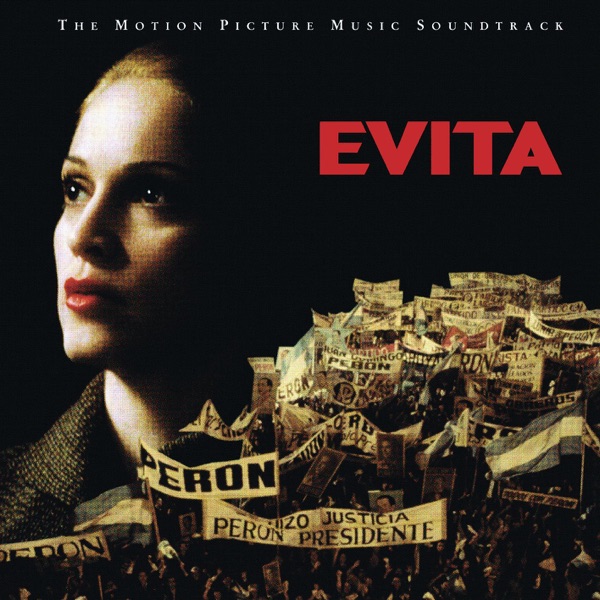
Evita
1995 · 31 tracks
- 1 A Cinema in Buenos Aires, 26 July 1952 ↗ 1:18
- 2 Requiem for Evita ↗ 4:16
- 3 Oh What a Circus ↗ 5:45
- 4 On This Night of a Thousand Stars ↗ 2:24
- 5 Eva and Magaldi / Eva Beware of the City ↗ 5:21
- 6 Buenos Aires ↗ 4:09
- 7 Another Suitcase In Another Hall ↗ 3:33
- 8 Goodnight and Thank You ↗ 4:18
- 9 The Lady's Got Potential ↗ 4:25
- 10 Charity Concert / The Art of the Possible ↗ 2:33
- 11 I'd Be Surprisingly Good for You ↗ 4:19
- 12 Hello and Goodbye ↗ 1:47
- 13 Peron's Latest Flame ↗ 5:17
- 14 A New Argentina ↗ 8:10
- 15 On the Balcony of the Casa Rosada, Pt. 1 ↗ 1:27
- 16 Don't Cry for Me Argentina ↗ 5:36
- 17 On the Balcony of the Casa Rosada, Pt. 2 ↗ 2:00
- 18 High Flying, Adored ↗ 3:32
- 19 Rainbow High ↗ 2:27
- 20 Rainbow Tour ↗ 4:51
- 21 The Actress Hasn't Learned the Lines (You'd Like to Hear) ↗ 2:32
- 22 And the Money Kept Rolling In (And Out) ↗ 3:53
- 23 Partido Feminista ↗ 1:40
- 24 She Is a Diamond ↗ 1:40
- 25 Santa Evita ↗ 2:31
- 26 Waltz for Eva and Che ↗ 4:13
- 27 Your Little Body's Slowly Breaking Down ↗ 1:25
- 28 You Must Love Me ↗ 2:51
- 29 Eva's Final Broadcast ↗ 3:05
- 30 Latin Chant ↗ 2:11
- 31 Lament ↗ 5:17
Andrew Lloyd Webber
1996 · 16 tracks
- 1 The Phantom of the Opera ↗ 4:19
- 2 Unexpected Song ↗ 2:55
- 3 Chanson D'enfance ↗ 3:54
- 4 All I Ask of You (From "The Phantom of the Opera") ↗ 4:09
- 5 Don't Cry for Me Argentina (From 'Evita') ↗ 5:53
- 6 Another Suitcase in Another Hall ↗ 3:19
- 7 Love Changes Everything ↗ 3:33
- 8 Amigos para Siempre ↗ 4:34
- 9 Memory ↗ 3:56
- 10 Gus: The Theatre Cat ↗ 5:11
- 11 Anything but Lonely ↗ 2:56
- 12 Macavity: The Mystery Cat ↗ 4:44
- 13 Tell Me on a Sunday ↗ 3:44
- 14 Wishing You Were Somehow Here Again (From "The Phantom of the Opera") ↗ 3:29
- 15 Pie Jesu ↗ 3:54
- 16 The Music of the Night ↗ 5:22

By Jeeves
2001 · 14 tracks
- 1 Wooster Will Entertain You (Bertie) [The American Premier Recording] ↗ 3:59
- 2 Travel Hopefully (Bertie, Jeeves & Bingo) [The American Premier Recording] ↗ 4:22
- 3 That Was Nearly Us (Honoria & Bertie) [The American Premier Recording] ↗ 3:30
- 4 Love's Maze (The American Premier Recording) ↗ 3:13
- 5 The Hallo Song (Bertie, Budge & Gussie) [The American Premier Recording] ↗ 3:04
- 6 Entr'Acte (The American Premier Recording) ↗ 3:03
- 7 By Jeeves (Bertie, Bingo & Gussie) [The American Premier Recording] ↗ 3:20
- 8 When Love Arrives (Bertie & Madeline) [The American Premier Recording] ↗ 3:06
- 9 What Have You Got to Say Jeeves? (Bertie & Jeeves) [The American Premier Recording] ↗ 2:10
- 10 Half a Moment (Harold & Stiffy) [The American Premier Recording] ↗ 4:11
- 11 It's a Pig (Honoria, Madeline, Bertie, Bassett & Gussie) [The American Premier Recording] ↗ 3:31
- 12 Banjo Boy (Bertie & Company) [The American Premier Recording] ↗ 3:24
- 13 Wizard Rainbow Banjo Mix (The Company) [The American Premier Recording] ↗ 3:55
- 14 Playout (The American Premier Recording) ↗ 2:27

Cats
2010 · 24 tracks
- 1 Ouvertüre (Live) ↗ 3:08
- 1 Glück (Live) ↗ 5:35
- 2 Jellicle Katzen (Live) ↗ 7:32
- 2 Gus, der Theater Kater (Live) ↗ 7:13
- 3 Die Namen der Katzen (Live) ↗ 6:04
- 3 Growltigers letzter Kampf & In Una Tepida Notte D’Estate (Live) ↗ 9:32
- 4 Die alte Gumbie-Katze (Live) ↗ 4:48
- 4 Gus, der Theater Kater - Reprise (Live) ↗ 1:38
- 5 Der Rum Tum Tugger (Live) ↗ 4:42
- 5 Shimbleshanks von der Eisenbahn (Live) ↗ 5:32
- 6 Auftritt Grizabella (Live) ↗ 4:07
- 6 Macavity (Live) ↗ 6:31
- 7 Bustopher Jones (Live) ↗ 4:51
- 7 Macavitys Kampf (Live) ↗ 3:48
- 8 Mungojerrie & Rumpelteazer (Live) ↗ 5:07
- 8 Mister Mistoffelees (Live) ↗ 7:49
- 9 Alt Deuteronimus (Live) ↗ 3:58
- 9 Erinnerung (Live) ↗ 7:22
- 10 Der Kampf zwischen Pekinesen & Pollicles (Live) ↗ 7:27
- 10 Reise in den sphärischen Raum (Live) ↗ 3:17
- 11 Der Jellicle Ball (Live) ↗ 12:49
- 11 Wie spricht man eine Katze an? (Live) ↗ 4:28
- 12 Grizabella - Der Katzenstar (Live) ↗ 5:39
- 12 Finale (Live) ↗ 6:39

Symphonic Suites
2021 · 18 tracks
- 1 Evita Symphonic Suite: Pt. 1 ↗ 4:32
- 2 Evita Symphonic Suite: Pt. 2 ↗ 4:54
- 3 Evita Symphonic Suite: Pt. 3 ↗ 2:45
- 4 Evita Symphonic Suite: Pt. 4 ↗ 5:06
- 5 Evita Symphonic Suite: Pt. 5 ↗ 3:08
- 6 Evita Symphonic Suite: Pt. 6 ↗ 3:45
- 7 Sunset Boulevard Symphonic Suite: Pt. 1 ↗ 4:13
- 8 Sunset Boulevard Symphonic Suite: Pt. 2 ↗ 3:53
- 9 Sunset Boulevard Symphonic Suite: Pt. 3 ↗ 5:40
- 10 Sunset Boulevard Symphonic Suite: Pt. 4 ↗ 4:27
- 11 Sunset Boulevard Symphonic Suite: Pt. 5 ↗ 3:34
- 12 Sunset Boulevard Symphonic Suite: Pt. 6 ↗ 2:07
- 13 The Phantom Of The Opera Symphonic Suite: Pt. 1 ↗ 5:18
- 14 The Phantom Of The Opera Symphonic Suite: Pt. 2 ↗ 2:22
- 15 The Phantom Of The Opera Symphonic Suite: Pt. 3 ↗ 4:09
- 16 The Phantom Of The Opera Symphonic Suite: Pt. 4 ↗ 3:56
- 17 The Phantom Of The Opera Symphonic Suite: Pt. 5 ↗ 2:12
- 18 The Phantom Of The Opera Symphonic Suite: Pt. 6 ↗ 3:26
-
 Jesus Christ SuperstarAndrew Lloyd Webber197026 tracks
 - Jesus Christ SuperstarAndrew Lloyd Webber197326 tracks
-
 VariationsAndrew Lloyd Webber197812 tracks
 -
 RequiemAndrew Lloyd Webber19858 tracks
 -
 CATS オリジナル・キャストAndrew Lloyd Webber198521 tracks
 - Cats (Nederlandstalige Versie)Andrew Lloyd Webber198721 tracks
-
 The Andrew Lloyd Webber CollectionAndrew Lloyd Webber199116 tracks
 -
 Jesus Christ Superstar (Highlights From The 20th Anniversary)Andrew Lloyd Webber19925 tracks
 -
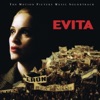 EvitaAndrew Lloyd Webber199531 tracks
 - Andrew Lloyd WebberAndrew Lloyd Webber199616 tracks
-
 By JeevesAndrew Lloyd Webber200114 tracks
 -
 CatsAndrew Lloyd Webber201024 tracks
 -
 Symphonic SuitesAndrew Lloyd Webber202118 tracks
Deep Dive
Overview
Andrew Lloyd Webber is an English composer and impresario who stands as one of the most commercially successful theatre creators of the late twentieth century. Born in 1948, he emerged during an era when rock music was beginning to reshape popular culture, and he channeled that energy into a series of musicals that blended theatrical narrative with rock and orchestral sensibilities. His works have redefined the relationship between rock music and stage drama, creating a hybrid form that has run continuously in major theatres for decades and influenced generations of musical theatre composers.
Webber’s career spans five decades of composition, during which he has created 21 musicals, a song cycle, variations, two film scores, and a Latin Requiem Mass. His influence on rock and popular music extends far beyond the concert stage; his melodies have become part of the cultural mainstream, and his shows have grossed billions in global box-office revenue. He represents a crucial bridge between the youth-oriented rock movements of the 1960s and 1970s and the establishment institutions of theatrical production.
Formation Story
Webber came of age during a transformative moment in British popular culture. Born in 1948, he entered his professional composing career in the early 1970s, when the boundaries between rock music and classical training were beginning to blur. Rather than following the traditional path of concert hall composition, Webber aligned himself with the emerging rock opera movement, a genre that sought to combine the narrative scope and orchestral richness of classical music with the amplified energy and accessibility of rock.
His early work reflected the cultural moment in which he matured: a time when rock bands were beginning to attempt album-length concept pieces and theatrical ambitions. Webber’s decision to work in musical theatre allowed him to synthesize his classical training with contemporary popular music in ways that established concert composers were not attempting. This positioning—classically educated but utterly attuned to rock’s commercial and sonic possibilities—became the foundation of his career.
Breakthrough Moment
Webber’s breakthrough arrived with Jesus Christ Superstar in 1970, a work that announced both his compositional ambitions and his willingness to tackle culturally charged subject matter. The album release of Jesus Christ Superstar established him as a serious composer working at the intersection of rock and theatre. The work’s orchestration, its rock-inflected harmonic language, and its dramatic scope demonstrated that the musical theatre form could absorb and deploy rock idioms without sacrificing theatrical sophistication.
Following this success, Webber continued to develop his distinctive approach to musical composition. By the mid-1970s and 1980s, he had established himself as the primary figure in theatrical rock opera, creating works that were simultaneously commercially successful and artistically ambitious. Each new project expanded his reach, bringing musical theatre to audiences who might otherwise have encountered only pop and rock music.
Peak Era
The decade from the late 1970s through the 1980s represented Webber’s most prolific and culturally dominant period. In 1978, he released Variations, demonstrating his continued evolution as a composer and his command of instrumental as well as vocal music. Throughout this period, he was simultaneously composing for stage and recording soundtrack albums, with major works including Evita (1979 initial recordings, 1995 album), which brought Argentine political history into the rock opera idiom, and Requiem (1985), a full-scale Latin Mass that showcased his ambitions in non-theatrical classical composition.
During these years, Webber was also developing what would become his signature work: The Phantom of the Opera, which premiered in the West End and subsequently on Broadway, achieving an unprecedented run that lasted decades. The 1986 material and subsequent 1996 recordings underscore the work’s dominance in his catalogue and its ongoing commercial vitality. By the late 1980s and early 1990s, Webber had become not merely a successful composer but a dominant force in global theatrical production.
Musical Style
Webber’s compositional voice draws from multiple sources: his classical training provides harmonic sophistication and orchestral texture, while his engagement with rock music brings rhythmic drive and melodic accessibility. His instrumentation typically combines full orchestras with amplified rock instruments, creating a sound that is neither purely classical nor purely rock but a distinctive synthesis of both. His melodies tend toward the soaring and memorable, often constructed with the narrative functionality of traditional theatre songs but the harmonic ambition of concert music.
The evolution of his style across the 1970s and 1980s reflects increasing sophistication in orchestral arrangement and harmonic language. Early works like Jesus Christ Superstar employed relatively straightforward rock and orchestral textures; by the time of later works, Webber was integrating more complex harmonic progressions and orchestral effects. His songs function simultaneously as emotional peaks within larger theatrical narratives and as standalone pieces capable of existing in concert performance, a duality that explains their extraordinary crossover appeal. The rock opera form itself—which Webber helped to legitimize and popularize—depends on this ability to blend narrative function with melodic memorability.
Major Albums
Jesus Christ Superstar (1970)
Webber’s debut studio album introduced the rock opera form to a mass audience and established him as a composer capable of sustained large-scale works. The album’s blend of rock instrumentation and orchestral arrangement became the template for much of his subsequent work.
Variations (1978)
A purely instrumental work demonstrating Webber’s compositional range beyond musical theatre, Variations showcased his ability to work in concert music idioms while maintaining his distinctive harmonic language and accessibility.
Requiem (1985)
A full Latin Mass setting that positioned Webber within the classical tradition while maintaining his contemporary sensibility, this work underscored his ambition to compose in forms beyond theatrical music.
Andrew Lloyd Webber (1996)
This solo piano album represents Webber performing and arranging his own compositions, allowing direct access to the melodic and harmonic content of his most significant works without theatrical context.
Signature Songs
- “Don’t Cry for Me Argentina” from Evita, which became a concert staple and international hit, representing Webber’s gift for writing character-defining melodies that transcend their theatrical context.
- The title song from The Phantom of the Opera, an extended composition that became synonymous with theatrical grandeur and one of the most performed musical theatre songs of the modern era.
- Songs from Jesus Christ Superstar that established the template for rock opera composition and remain central to Webber’s public identity.
- Material from Cats, which brought feline-themed narrative poetry into the rock opera idiom and achieved unprecedented theatrical longevity.
Influence on Rock
Webber’s impact on rock music and popular composition lies primarily in his legitimation of theatrical ambition within a rock context. He demonstrated that rock instrumentation and sensibility could support extended narrative forms and complex emotional material without compromising commercial appeal. The rock opera form itself—a hybrid that combines narrative, orchestration, and rock energy—owes its mainstream credibility largely to Webber’s sustained success.
Beyond the theatre world, Webber influenced how popular composers thought about melody, orchestration, and the relationship between accessibility and sophistication. His insistence that commercially successful music need not sacrifice harmonic or narrative complexity helped reshape attitudes about popular composition throughout the 1980s and beyond. Generations of film composers, musical theatre creators, and popular music producers have drawn on models he established.
Legacy
Webber’s impact on global popular culture remains vast and ongoing. His musicals have grossed extraordinary sums, run for decades in multiple cities simultaneously, and achieved cultural penetration that extends far beyond theatre audiences. The Phantom of the Opera alone ran on Broadway for nearly three decades, making it the longest-running show in Broadway history at the time of its closure. His works continue to be recorded, performed in concert versions, and adapted for new media.
The breadth of his catalogue—evident in the numerous compilation and soundtrack albums released from the 1990s onward—demonstrates the depth of his creative output and the enduring appeal of his melodies. From Japanese cast recordings to concert performances by major orchestras, from film adaptations to solo piano interpretations, Webber’s music continues to circulate globally. His position as a baron and cultural figure of international standing reflects both his commercial success and his impact on serious musical theatre composition. In the early twenty-first century, his works remain standard repertoire for musical theatre performers and continue to introduce audiences to rock-inflected theatrical music.
Fun Facts
- Lloyd Webber has received a peerage, becoming Baron Lloyd-Webber, reflecting his cultural significance in British life and his status as one of the most commercially successful composers in history.
- His catalogue includes not only major theatrical works but also instrumental compositions and liturgical settings, demonstrating a range of compositional ambition unusual among popular music creators.
- The international reach of his works is evident in the numerous international cast recordings in his discography, including versions in Dutch and Japanese, underscoring the global penetration of his theatrical creations.
- His role as an impresario extends beyond composition; he has been actively involved in the production and direction of his own theatrical works, giving him unusual control over their artistic realization.