

Photo by Marcelo Costa , licensed under CC BY 2.0 · Wikimedia Commons
Rank #275
Big Star
From Wikipedia
Big Star was an American rock band formed in Memphis, Tennessee in 1971 by Alex Chilton, Chris Bell, Jody Stephens (drums), and Andy Hummel (bass). They have been described as the "quintessential American power pop band", and "one of the most mythic and influential cult acts in all of rock & roll". In its first era, the band's musical style drew influence from 1960s acts such as the Beatles and the Byrds, pioneering a style that foreshadowed the alternative rock of the 1980s and 1990s. Before they broke up, Big Star created a "seminal body of work that never stopped inspiring succeeding generations" according to Rolling Stone. Three of Big Star's studio albums are included in Rolling Stone's lists of the "500 Greatest Albums of All Time".
Discography & Previews
Browse through and click an album to open and play 30-second previews streamed from Apple Music.
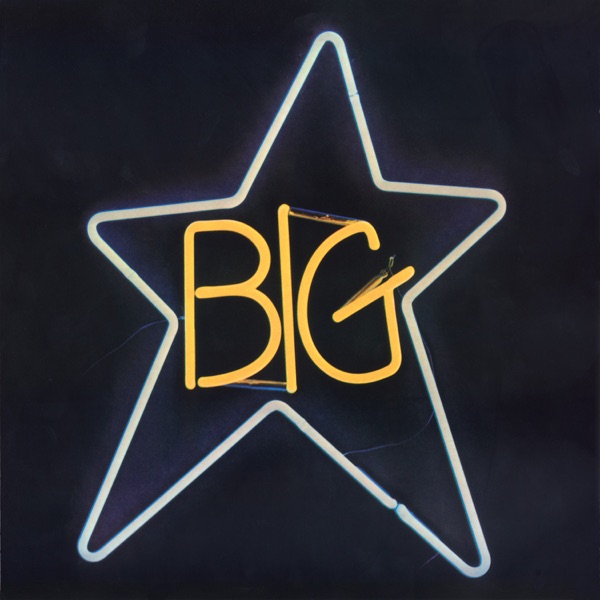
#1 Record
1972 · 12 tracks

Radio City
1974 · 12 tracks

Complete Third
2016 · 69 tracks
- 1 Like St. Joan (Kanga Roo) [Demo] ↗ 3:46
- 2 Lovely Day (Demo) ↗ 1:54
- 3 Downs (Demo) ↗ 1:28
- 4 Femme Fatale (Demo) ↗ 2:53
- 5 Thank You Friends (Demo) ↗ 2:48
- 6 Holocaust (Demo) ↗ 3:38
- 7 Jesus Christ (Demo) ↗ 2:30
- 8 Blue Moon (Demo) ↗ 2:10
- 9 Nightime (Demo) ↗ 2:15
- 10 Take Care (Demo) ↗ 1:37
- 11 Big Black Car (Demo #2) [Acoustic Take 1] ↗ 4:42
- 12 Don't Worry Baby ↗ 3:36
- 13 I'm In Love With a Girl ↗ 2:15
- 14 Big Black Car (Demo #3) [Acoustic Take 2] ↗ 4:41
- 15 I'm So Tired ↗ 3:19
- 16 That's All It Took ↗ 3:05
- 17 Pre-Downs ↗ 5:27
- 18 Baby Strange ↗ 2:54
- 19 Big Black Car (Demo #1) [Band] ↗ 6:08
- 20 Kizza Me (Dickinson Rough Mix) [Alex Guide Vocal] ↗ 2:43
- 21 Till the End of the Day (Dickinson Rough Mix) [Alex Guide Vocal] ↗ 2:19
- 22 Thank You Friends (Dickinson Rough Mix) [Alex Guide Vocal] ↗ 3:14
- 23 O, Dana (Dickinson Rough Mix) ↗ 2:37
- 24 Dream Lover (Dickinson Rough Mix) ↗ 3:54
- 25 Big Black Car (Dickinson Rough Mix) [Alex Guide Vocal] ↗ 3:43
- 26 Whole Lotta Shakin' Goin' On (Dickinson Rough Mix) ↗ 3:30
- 27 Take Care (Dickinson Rough Mix) ↗ 3:00
- 28 Holocaust (Dickinson Rough Mix) ↗ 3:53
- 29 Nightime (Dickinson Rough Mix) ↗ 2:06
- 30 Thank You Friends (Dickinson Rough Mix) ↗ 3:13
- 31 Nature Boy (Dickinson Rough Mix) ↗ 2:32
- 32 After Hours ↗ 2:11
- 33 Stroke It Noel (Backward Intro) ↗ 0:25
- 34 Lovely Day (Fry Rough Mix) ↗ 2:09
- 35 Nightime (Fry Rough Mix) ↗ 2:52
- 36 Blue Moon (Fry Rough Mix) ↗ 2:09
- 37 Till the End of the Day (Alternate Mix #1) ↗ 2:15
- 38 Big Black Car (Rough Mix) ↗ 3:40
- 39 Holocaust (Rough Mix) ↗ 4:12
- 40 Downs (Fry Rough Mix) ↗ 1:53
- 41 Kanga Roo (Fry Rough Mix) ↗ 3:51
- 42 Femme Fatale (Fry Rough Mix) ↗ 3:45
- 43 For You (Alternate Version) [Alex Vocal] ↗ 2:28
- 44 Thank You Friends (Fry Rough Mix) ↗ 3:14
- 45 Take Care (Alternate Version) [Alex Vocal] ↗ 2:42
- 46 Kizza Me (Fry Rough Mix) ↗ 2:47
- 47 Till the End of the Day (Fry Rough Mix #2) [Lesa Vocals] ↗ 2:23
- 48 Nature Boy (Fry Rough Mix) ↗ 2:46
- 49 Mañana ↗ 0:49
- 50 Stroke It Noel ↗ 2:07
- 51 Downs ↗ 1:50
- 52 Femme Fatale ↗ 3:31
- 53 Thank You Friends ↗ 3:08
- 54 Holocaust ↗ 3:51
- 55 Jesus Christ ↗ 2:39
- 56 Blue Moon ↗ 2:07
- 57 Kizza Me ↗ 2:43
- 58 For You ↗ 2:45
- 59 O, Dana ↗ 2:35
- 60 Nightime ↗ 2:53
- 61 Whole Lotta Shakin' Goin' On ↗ 3:24
- 62 Kanga Roo ↗ 3:49
- 63 Take Care ↗ 2:48
- 64 Big Black Car ↗ 3:38
- 65 Dream Lover ↗ 3:35
- 66 You Can't Have Me ↗ 3:18
- 67 Till the End of the Day ↗ 2:14
- 68 Lovely Day ↗ 2:09
- 69 Nature Boy ↗ 2:40
-
 #1 RecordBig Star197212 tracks
 -
 Radio CityBig Star197412 tracks
 -
 Complete ThirdBig Star201669 tracks
Deep Dive
Overview
Big Star was an American rock band formed in Memphis, Tennessee in 1971, comprising Alex Chilton, Chris Bell, Jody Stephens on drums, and Andy Hummel on bass. Though they achieved limited commercial success during their initial run, Big Star became one of the most influential cult acts in rock history, earning the designation “quintessential American power pop band.” Their musical approach—rooted in 1960s pop sensibility but executed with rock urgency and sophisticated arrangement—created a template for power pop that would reverberate through alternative rock for decades to come. Three of their studio albums appear on Rolling Stone’s list of the 500 Greatest Albums of All Time, a testament to the enduring critical regard for their work.
Formation Story
Big Star emerged from Memphis at a moment when the city’s musical landscape was shifting. Alex Chilton, a former teen idol and member of the Box Tops, brought pop sensibility and vocal maturity to the project. Chris Bell contributed songwriting acumen and a keen ear for melodic arrangement. With Jody Stephens on drums and Andy Hummel anchoring the bottom on bass, the band was assembled in 1971 with a clear aesthetic intent: to channel the harmonic sophistication and emotional directness of 1960s acts like the Beatles and the Byrds into a contemporary rock context. The band recorded initially for Stax Records, home to Memphis soul and R&B, an unlikely but creatively fertile base for a power pop outfit. This intersection of soul-label infrastructure and pop-rock ambition became central to Big Star’s identity.
Breakthrough Moment
Big Star’s debut, #1 Record (1972), announced the band’s arrival with unmistakable clarity. The album showcased Chilton and Bell’s gift for melody and their command of both introspective ballads and propulsive rockers. Though initial chart performance was modest, the album began circulating among musicians and critics attuned to its emotional intelligence and sophisticated production. Radio City, released two years later in 1974, solidified their reputation. The album deepened Big Star’s exploration of power pop, balancing jangly guitar work with lush arrangements and vocal harmonies. Songs on Radio City demonstrated the band’s facility with both uptempo pop-rock and chamber-like arrangements, establishing them as serious compositional voices within the genre. These early releases built Big Star’s reputation as a band for musicians and devoted listeners, the foundation of their eventual cult status.
Peak Era
The mid-1970s represented Big Star’s most creatively fertile and critically celebrated period. The success of #1 Record and Radio City positioned them as the leading voice in American power pop, a genre that melded 1970s rock energy with the melodic rigor and harmonic experimentation of pop music. During this era, Big Star became a reference point for a growing contingent of musicians and critics who saw in their work an alternative to the guitar-dominated hard rock and arena rock dominating radio. The band’s ability to construct songs with intricate vocal arrangements, sophisticated chord progressions, and emotional directness marked a departure from rock orthodoxy. Though they remained a cult phenomenon rather than a mainstream act, their influence was immediate and pronounced among their peers, establishing a lineage that would eventually crystallize in the post-punk and alternative rock movements of the following decade.
Musical Style
Big Star synthesized 1960s pop and rock into a style that was both intellectually sophisticated and emotionally direct. The band’s sound was characterized by tight vocal harmonies, often multi-tracked to create lush, interwoven arrangements, paired with jangly or crisply articulated guitars influenced by the Byrds’ jangly pop-rock. Jody Stephens’ drumming combined melodic sensibility with rock propulsion, while Andy Hummel’s bass lines provided harmonic grounding rather than simple rhythm anchoring. Alex Chilton’s lead vocals possessed both a teen idol’s accessibility and a rock vocalist’s grit, while Chris Bell contributed distinctive vocal harmonies and songwriting that ranged from intimate ballads to infectious rockers. The band rejected the grandiosity of early-1970s progressive rock and hard rock, instead favoring economy of arrangement and emotional clarity. This aesthetic—power pop’s defining characteristic—would later be recognized as a direct precursor to alternative rock. Songs typically built from sparse, often acoustic beginnings into fully arranged productions, a structure that emphasized songwriting craftsmanship.
Major Albums
#1 Record (1972)
Big Star’s debut introduced the world to their power pop template: Beatles-influenced melodies married to contemporary rock production, with intricate vocal harmonies and sophisticated chord progressions throughout. The album established Chilton and Bell as serious songwriters and positioned the band as torchbearers of 1960s pop sensibility in the 1970s.
Radio City (1974)
The second album deepened Big Star’s command of arrangement and songwriting, balancing uptempo rockers with chamber-pop ballads and demonstrating the band’s range without sacrificing their core identity. Radio City became the album that cemented their cult reputation among musicians and critics attuned to power pop’s artistic potential.
3rd (1978)
Released after initial tensions within the band, 3rd continued Big Star’s exploration of complex arrangements and emotional nuance, solidifying their place in the emerging alternative rock canon even as their commercial footprint remained modest.
Signature Songs
- “In the Street” — A defining power pop statement balancing pop accessibility with rock energy and infectious melody.
- “Thirteen” — An intimate, emotionally resonant track showcasing Chilton’s vocal vulnerability and the band’s mastery of arrangement.
- “Don’t Lie to Me” — A jangly, uptempo rocker that captures Big Star’s ability to blend 1960s sensibility with 1970s rock drive.
- “Way Out West” — A showcase for the band’s sophisticated harmonic sense and their skill at building emotional intensity through arrangement.
Influence on Rock
Big Star’s impact extended far beyond their era, establishing power pop as a legitimate and enduring alternative to mainstream rock. Their synthesis of 1960s pop melody with 1970s rock production provided a direct lineage to the post-punk and alternative rock movements that began in the late 1970s and exploded in the 1980s and 1990s. Bands from R.E.M. to The Replacements to countless indie rock acts acknowledged Big Star’s template as foundational to their own approaches. The band demonstrated that rock could be intellectually sophisticated and emotionally direct without sacrificing melodic appeal or pop sensibility. By pioneering a sound that foreshadowed alternative rock years before that movement’s commercial breakthrough, Big Star created the conceptual framework that younger musicians would build upon. Their influence circulated through underground music networks, establishing them as canonical even without mainstream radio play, a cultural position that few acts achieve.
Legacy
Big Star’s legacy rests not on commercial ubiquity but on artistic influence and critical esteem that deepened across decades. Three of their albums’ inclusion on Rolling Stone’s 500 Greatest Albums list stands as formal recognition of their importance. The band reunited periodically and released new material—What’s Goin’ Ahn in 2001, In Space in 2005, and Complete Third in 2016—evidence of ongoing creative vitality and the enduring bonds between the core members. Their catalog remains central to discussions of power pop as both a genre and a historical moment, and their work continues to be discovered by musicians and listeners seeking alternatives to mainstream rock convention. Big Star exemplifies a particular kind of rock legacy: one built not on massive sales or radio dominance but on the deep, generational influence exerted by artists whose work speaks most powerfully to other artists. They remain a touchstone for anyone seeking to understand how rock music absorbed pop melody and sophistication in the 1970s.
Fun Facts
- Alex Chilton was previously known as a member of the Box Tops, a 1960s teen pop group, giving him a unique perspective on pop stardom before Big Star.
- The band was signed to Stax Records, better known for soul and R&B, making them an unusual artist on a label defined by a different genre entirely.
- Big Star’s cult status was cemented in no small part by their relative obscurity during their initial run, a scarcity that made their records more valued by dedicated collectors and musicians seeking alternatives to mainstream rock.