
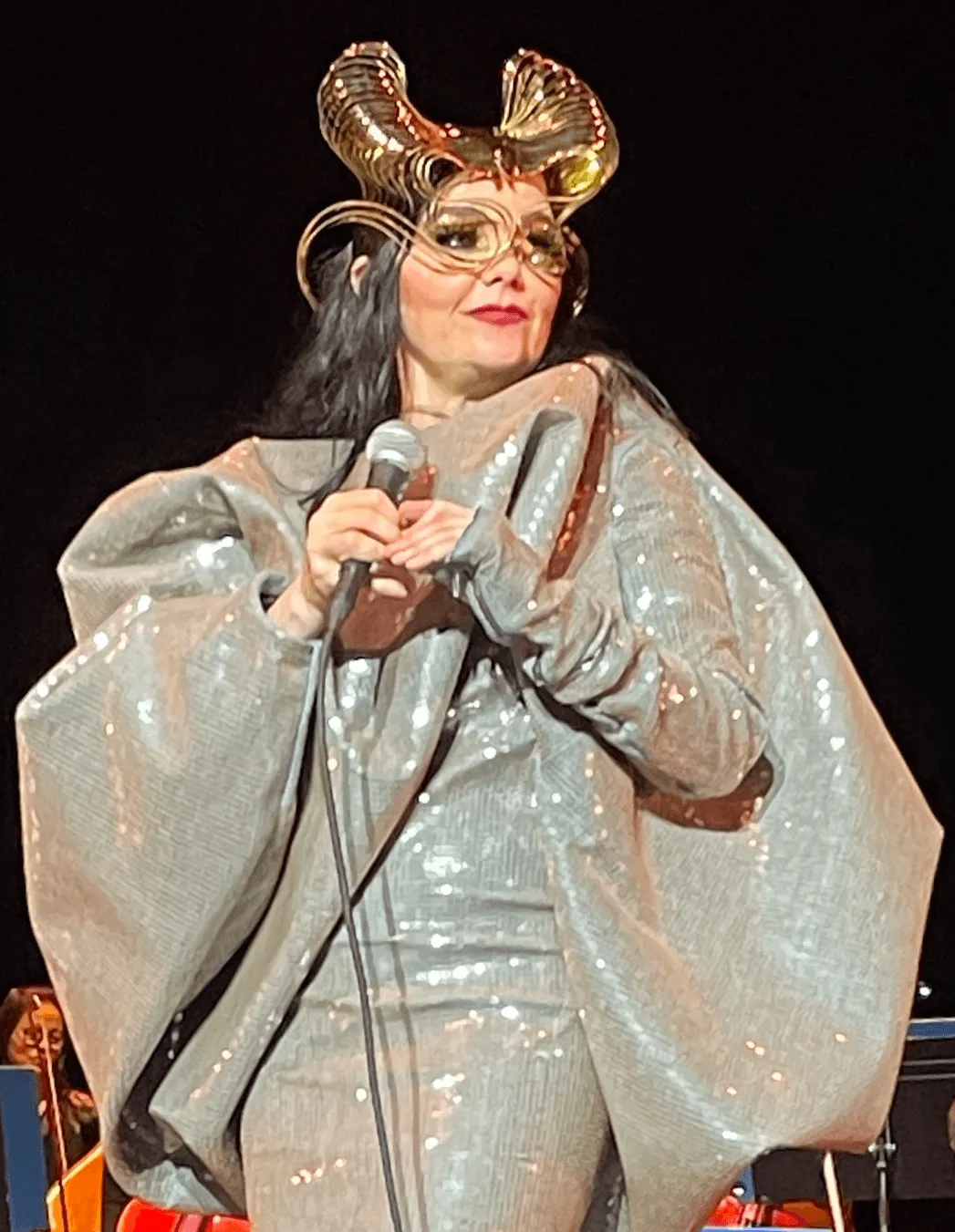
Photo by Frédéric Vicomte , licensed under CC BY-SA 4.0 · Wikimedia Commons
Rank #39
Björk
From Wikipedia
Björk Guðmundsdóttir, known mononymously as Björk, is an Icelandic singer, songwriter, composer, record producer, and actress. Noted for her distinct voice, three-octave vocal range, and eccentric public persona, she has developed an eclectic musical style over a career spanning five decades, drawing on electronica, pop, dance, trip hop, jazz, and avant-garde music. She is regarded as one of the most influential musicians of her era.
Discography & Previews
Browse through and click an album to open and play 30-second previews streamed from Apple Music.
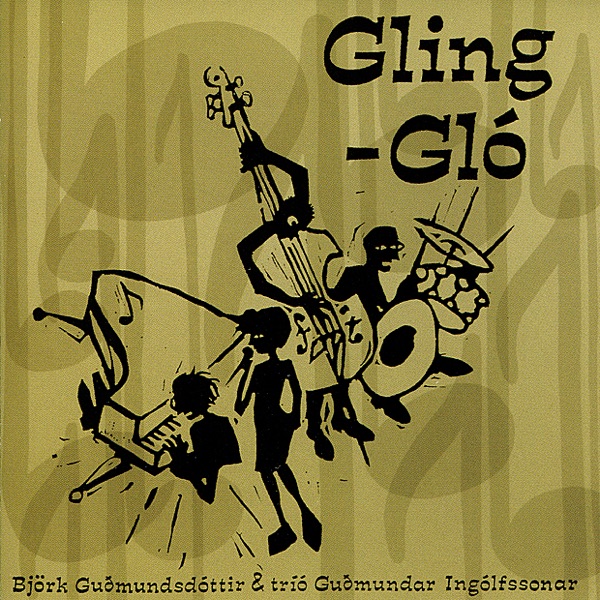
Gling‐Gló
1990 · 16 tracks
- 1 Gling Glo ↗ 2:43
- 2 Luktar-Gvendur ↗ 4:03
- 3 Kata Rokkar ↗ 2:59
- 4 Pabbi Minn ↗ 2:43
- 5 Brestir Og Brak ↗ 3:21
- 6 Astartofrar ↗ 2:46
- 7 Bella Simamaer ↗ 2:40
- 8 Litli Tonlistarmadurinn ↗ 3:25
- 9 Pad Sest Ekki Saetari Mey ↗ 4:03
- 10 Bilavisur ↗ 2:41
- 11 Tondeleyo ↗ 3:33
- 12 Eg Veit Ei Hvad Skal Segja ↗ 3:06
- 13 I Dansi Med Per ↗ 2:28
- 14 Bornin Vid Tjornina ↗ 2:50
- 15 Ruby Baby ↗ 4:07
- 16 I Can't Help Loving That Man ↗ 3:42

Debut
1993 · 11 tracks

Post
1995 · 11 tracks

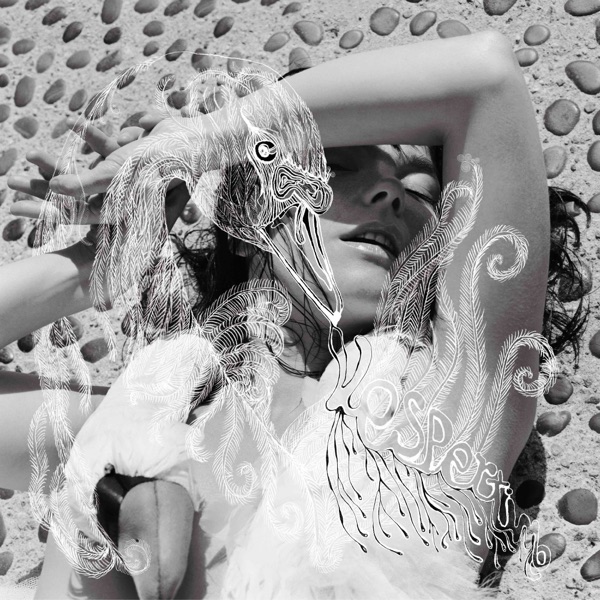

Medúlla
2004 · 14 tracks
- 1 Pleasure Is All Mine ↗ 3:27
- 2 Show Me Forgiveness ↗ 1:24
- 3 Where Is the Line? ↗ 4:41
- 4 Vokuru ↗ 3:14
- 5 Oll Birtan ↗ 1:52
- 6 Who Is It (Carry My Joy On the Left, Carry My Pain On the Right) ↗ 3:57
- 7 Submarine ↗ 3:14
- 8 Desired Constellation ↗ 4:56
- 9 Oceania ↗ 3:23
- 10 Sonnets / Unrealities ↗ 2:00
- 11 Ancestors ↗ 4:08
- 12 Mouths Cradle ↗ 4:00
- 13 Midvikudags ↗ 1:25
- 14 Triumph of a Heart ↗ 4:02


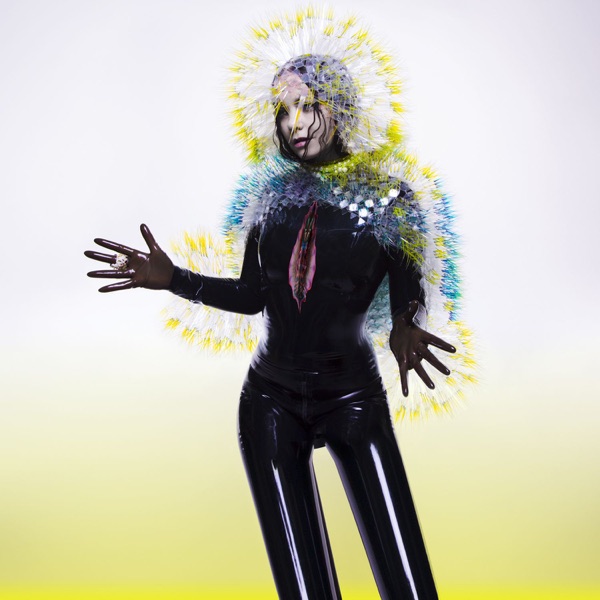
Biophilia
2011 · 20 tracks
- 1 Oskasteinn (Live) ↗ 2:50
- 1 Isobel (Live) ↗ 6:10
- 2 Thunderbolt (Live) ↗ 5:22
- 2 Sonnets / Unrealities (Live) ↗ 2:03
- 3 Moon (Live) ↗ 6:05
- 3 Mutual Core (Live) ↗ 5:18
- 4 Crystalline (Live) ↗ 5:12
- 4 Cosmogony (Live) ↗ 5:23
- 5 Hollow (Live) ↗ 6:00
- 5 Solstice (Live) ↗ 5:44
- 6 Dark Matter (Live) ↗ 3:05
- 6 One Day (Live) ↗ 7:10
- 7 Hidden Place (Live) ↗ 5:48
- 7 Nattura (Live) ↗ 3:32
- 8 Virus (Live) ↗ 5:36
- 8 Declare Independence (Live) ↗ 4:55
- 9 Possibly Maybe (Live) ↗ 5:07
- 9 Sacrifice (Live) ↗ 5:18
- 10 Mouth's Cradle (Live) ↗ 4:15
- 10 Bat Sounds (feat. Jeremy Deller) [Live] ↗ 1:39
Utopia
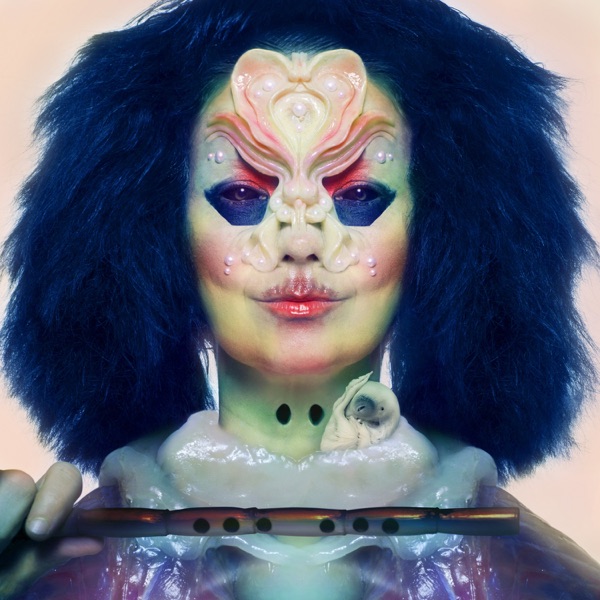
2017 · 14 tracks
- 1 Arisen My Senses (feat. Arca) ↗ 5:00
- 2 Blissing Me (feat. Arca) ↗ 5:06
- 3 The Gate (feat. Arca) ↗ 6:34
- 4 Utopia (feat. Arca) ↗ 4:43
- 5 Body Memory (feat. Arca) ↗ 9:47
- 6 Features Creatures ↗ 4:50
- 7 Courtship (feat. Arca) ↗ 4:45
- 8 Losss (feat. Arca) ↗ 6:51
- 9 Sue Me (feat. Arca) ↗ 4:58
- 10 Tabula Rasa (feat. Arca) ↗ 4:42
- 11 Claimstaker (feat. Arca) ↗ 3:19
- 12 Paradisia ↗ 1:45
- 13 Saint (feat. Arca) ↗ 4:41
- 14 Future Forever (feat. Arca) ↗ 4:47
Fossora
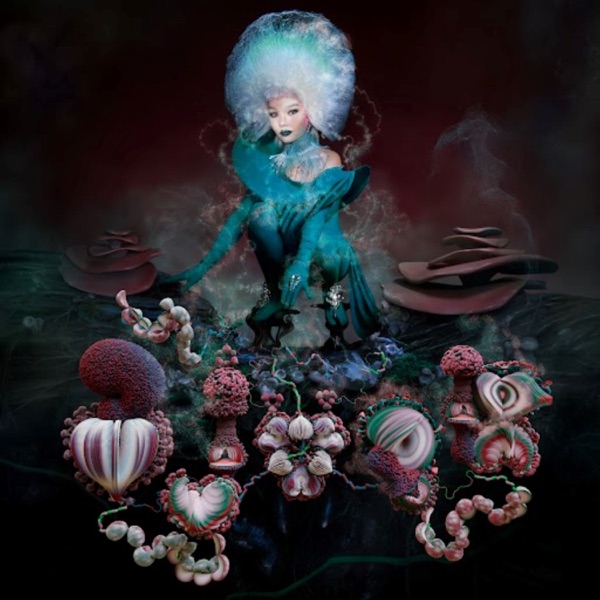
2022 · 13 tracks
- 1 Atopos (feat. Kasimyn) ↗ 4:47
- 2 Ovule ↗ 3:38
- 3 Mycelia ↗ 2:00
- 4 Sorrowful Soil ↗ 3:16
- 5 Ancestress (feat. Sindri Eldon) ↗ 7:18
- 6 Fagurt Er Í Fjörðum ↗ 0:44
- 7 Victimhood ↗ 6:57
- 8 Allow (feat. Emilie Nicolas) ↗ 5:27
- 9 Fungal City (feat. serpentwithfeet) ↗ 4:46
- 10 Trölla-Gabba (feat. Kasimyn) ↗ 1:58
- 11 Freefall ↗ 4:31
- 12 Fossora (feat. Kasimyn) ↗ 4:19
- 13 Her Mother's House (feat. ísadóra bjarkardóttir barney) ↗ 4:33
-
 BjörkBjörk19772 tracks
 -
 Gling‐GlóBjörk199016 tracks
 -
 DebutBjörk199311 tracks
 -
 PostBjörk199511 tracks
 -
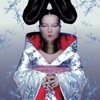 HomogenicBjörk199710 tracks
 -
 VespertineBjörk200112 tracks
 -
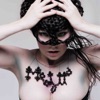 MedúllaBjörk200414 tracks
 -
 VoltaBjörk200710 tracks
 -
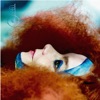 BiophiliaBjörk201120 tracks
 -
 VulnicuraBjörk20159 tracks
 -
 UtopiaBjörk201714 tracks
 -
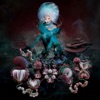 FossoraBjörk202213 tracks
Deep Dive
Overview
Björk Guðmundsdóttir, known mononymously as Björk, is an Icelandic singer, songwriter, composer, record producer, and actress whose career spanning five decades has established her as one of the most influential musicians of her era. Distinguished by a three-octave vocal range, a distinctive and expressive voice, and an eccentric public persona, Björk has built an eclectic musical identity that draws across electronica, pop, dance, trip hop, jazz, and avant-garde music. Her work defies easy genre categorization, positioning her at the intersection of alternative rock, art pop, and experimental composition—a space she has helped define and continuously expand since the early 1990s.
Formation Story
Björk was born in Reykjavík, Iceland, in 1965, entering a musical landscape far removed from major Western rock centers. Iceland’s isolation and small population fostered a distinctive creative environment where musicians often drew from global influences while maintaining a distinctly Nordic sensibility. Her early musical development reflected this context: she began her recording career in 1977 with a self-titled album, an early entry into the Icelandic music scene that would later produce an outsized influence on international alternative and electronic music. Her formation as an artist was shaped by Iceland’s unique cultural position—neither fully embedded in Anglo-American rock tradition nor entirely separate from it—a duality that would define her later work.
Breakthrough Moment
Björk’s international breakthrough came with the release of Debut in 1993, an album that announced her as a major creative force to audiences beyond Iceland. Debut combined electronic production with her distinctive vocal presence, introducing listeners worldwide to her artistic vision. The album established her in the early 1990s alternative music landscape, marking the transition from respected Icelandic artist to internationally recognized innovator. This breakthrough opened the way for her next work, Post (1995), which further solidified her status and demonstrated that Debut was not a one-off success but the beginning of a sustained, evolving artistic project.
Peak Era
The mid-to-late 1990s and early 2000s represented Björk’s most creatively ambitious and commercially successful period. Post (1995) and Homogenic (1997) established her as a major voice in alternative and electronic music, each album exploring distinct sonic territories while maintaining her distinctive artistic identity. Vespertine (2001) continued this trajectory, showcasing her compositional sophistication and willingness to reinvent her sound with each release. These albums, spanning 1995 to 2001, consolidated her position not merely as a successful recording artist but as a figure who expanded the possibilities of what rock and electronic music could encompass—a period in which she influenced the direction of alternative and experimental music globally.
Musical Style
Björk’s sound is characterized by the integration of organic and electronic elements, orchestral arrangements, unconventional percussion, and her vocal delivery—which ranges from whispered and intimate to powerfully expressive across her three-octave range. Her musical style evolved significantly across her discography: early work drew on electronica and pop sensibilities, while later albums incorporated trip hop, avant-garde composition, jazz influences, and experimental production techniques. She frequently employed string arrangements, electronic manipulation, vocal layering, and unconventional instrumentation to create textures that blur boundaries between dance music, art music, and traditional song structure. This stylistic range—from the electronic pop of her breakthrough period to the avant-garde experimentation of later work—reflects a career in which she has consistently pushed against genre conventions, treating each album as an opportunity to explore new sonic and compositional territories.
Major Albums
Debut (1993)
Björk’s international breakthrough album, Debut introduced her distinctive vocal presence and eclectic production approach to global audiences, combining electronic textures with song-based structures that established her as a major voice in 1990s alternative music.
Post (1995)
Following the success of Debut, Post expanded her sonic palette with more elaborate arrangements and production, deepening her exploration of electronica and alternative music while maintaining the melodic accessibility that defined her breakthrough.
Homogenic (1997)
This album marked a significant artistic statement, featuring orchestral arrangements alongside electronic production and showcasing Björk’s compositional ambitions and vocal range in service of more complex, layered soundscapes.
Vespertine (2001)
A more intimate and detailed work than its predecessors, Vespertine employed intricate production and orchestral elements, demonstrating her continued evolution as a composer and her ability to create sophisticated, immersive sonic environments.
Medúlla (2004)
Featuring primarily vocal-based composition and experimental techniques, Medúlla represented a bold artistic choice that foregrounded her voice as an instrumental and compositional tool alongside minimal additional instrumentation.
Biophilia (2011)
This album combined electronic music with natural elements and scientific themes, representing another significant artistic departure and showcasing Björk’s continued willingness to explore unconventional approaches to composition and production.
Signature Songs
- “Human Behaviour” — A leading track from Debut that introduced her distinctive vocal presence and eclectic production style to international audiences.
- “Army of Me” — A powerful, rhythmically driven song from Post showcasing her range and the album’s more assertive sonic character.
- “All Is Full of Love” — A notable track from Homogenic that demonstrates her ability to craft emotionally direct songs within complex musical arrangements.
- “Hyperballad” — An extended composition from Post that builds through layered instrumentation and vocal expression, exemplifying her approach to song structure and production.
- “Hidden Place” — A standout from Vespertine featuring intimate production and her distinctive vocal delivery in a more restrained context.
Influence on Rock
Björk’s influence on contemporary rock and electronic music extends across multiple dimensions. Her integration of avant-garde composition with popular song structures demonstrated that alternative and experimental music could achieve both critical and commercial success. She influenced a generation of alternative artists and producers to embrace eclecticism, unconventional instrumentation, and vocal experimentation. Her work contributed to the broader acceptance of electronic music as a serious artistic medium within rock contexts, helping dissolve boundaries between electronic, alternative, and art music that had previously been more rigidly maintained. Artists working in art pop, experimental rock, and electronic music have drawn from her example of radical artistic reinvention—the willingness to substantially change sonic direction with each album while maintaining a coherent artistic vision.
Legacy
Björk’s five-decade career and ongoing creative activity position her as one of the most significant musicians of her era. Her influence extends beyond music into broader contemporary culture, reflected in her work as an actress and multimedia artist. Her career demonstrates the possibility of sustaining artistic relevance and critical credibility across multiple decades through consistent innovation and refusal to repeat earlier successes. The breadth of her discography—spanning from early electronic work through avant-garde composition, incorporating dance, jazz, and experimental influences—establishes her as a major figure in the expansion of rock music’s possibilities in the late twentieth and early twenty-first centuries. Her continued recording and performance activity maintains her presence in contemporary music, ensuring that her influence continues to reach new audiences.
Fun Facts
- Björk began her recording career in 1977 at a very young age, making her one of Iceland’s earliest professional recording artists and granting her an unusually long career arc within rock and electronic music.
- Her work has incorporated multimedia elements and visual experimentation throughout her career, extending her artistic practice beyond conventional album-based music into film, visual art, and performance installation.
- Björk’s Icelandic heritage and background remain central to her artistic identity, with Iceland’s isolation and unique cultural position influencing her outsider perspective within global music industries.
- Her vocal range and technical capabilities—particularly her three-octave range—represent rare instrumental abilities that have enabled her distinctive approach to composition and performance.