
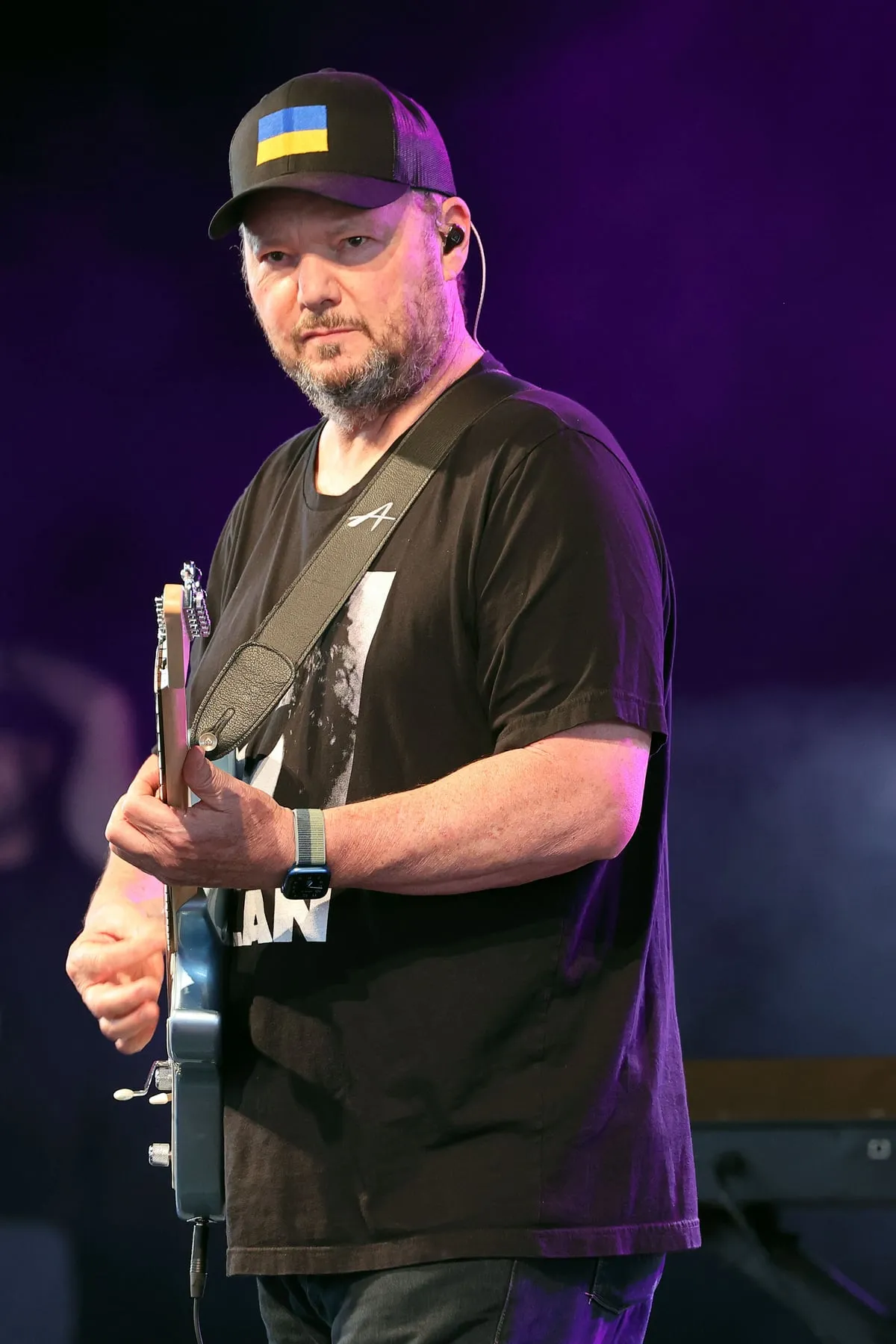
Photo by Steven Miller , licensed under CC BY 2.0 · Wikimedia Commons
Rank #410
Christopher Cross
From Wikipedia
Christopher Cross is an American singer, songwriter, and guitarist. He won five Grammy Awards for his eponymous debut album released in 1979. The singles "Sailing" (1980), and "Arthur's Theme ", from the 1981 film Arthur, peaked at number one on the U.S. Billboard Hot 100.
Discography & Previews
Browse through and click an album to open and play 30-second previews streamed from Apple Music.


Every Turn of the World
1985 · 10 tracks


Window
1994 · 11 tracks

Walking in Avalon
1998 · 26 tracks
- 1 In a Red Room ↗ 3:48
- 2 Walking in Avalon ↗ 4:57
- 3 Hunger ↗ 3:35
- 4 When She Smiles ↗ 4:07
- 5 It's Always Something ↗ 5:04
- 6 Dream Too Loud ↗ 4:22
- 7 I Know You Well ↗ 4:52
- 8 Kind of I Love You ↗ 4:38
- 9 Curled Around the World ↗ 4:29
- 10 Rainy Day in Vancouver ↗ 6:51
- 11 Rendezvous (Live At The Galaxy Theatre, Santa Ana, CA 10th March 1998) ↗ 5:24
- 12 Never Be the Same (Live At The Galaxy Theatre, Santa Ana, CA 10th March 1998) ↗ 4:41
- 13 Back of My Mind (Live At The Galaxy Theatre, Santa Ana, CA 10th March 1998) ↗ 3:56
- 14 Sailing (Live At The Galaxy Theatre, Santa Ana, CA 10th March 1998) ↗ 4:22
- 15 Every Turn of the World (Live At The Galaxy Theatre, Santa Ana, CA 10th March 1998) ↗ 4:28
- 16 Deputy Dan (Live At The Galaxy Theatre, Santa Ana, CA 10th March 1998) ↗ 4:29
- 17 In the Blink of an Eye (Live At The Galaxy Theatre, Santa Ana, CA 10th March 1998) ↗ 4:00
- 18 Swept Away (Live At The Galaxy Theatre, Santa Ana, CA 10th March 1998) ↗ 4:43
- 19 Think of Laura (Live At The Galaxy Theatre, Santa Ana, CA 10th March 1998) ↗ 3:41
- 20 Minstrel Gigolo (Live At The Galaxy Theatre, Santa Ana, CA 10th March 1998) ↗ 4:11
- 21 Open Up My Window (Live At The Galaxy Theatre, Santa Ana, CA 10th March 1998) ↗ 4:29
- 22 Alibi (Live At The Galaxy Theatre, Santa Ana, CA 10th March 1998) ↗ 5:54
- 23 Is There Something (Live At The Galaxy Theatre, Santa Ana, CA 10th March 1998) ↗ 5:18
- 24 Arthur's Theme (Best That You Can Do) [Live At The Galaxy Theatre, Santa Ana, CA 10th March 1998] ↗ 4:23
- 25 Ride Like the Wind (Live At The Galaxy Theatre, Santa Ana, CA 10th March 1998) ↗ 5:44
- 26 All Right (Live At The Galaxy Theatre, Santa Ana, CA 10th March 1998) ↗ 4:40

Red Room
2000 · 10 tracks
- 1 In a Red Room ↗ 3:48
- 2 Walking in Avalon ↗ 4:57
- 3 Hunger ↗ 3:35
- 4 When She Smiles ↗ 4:07
- 5 It's Always Something ↗ 5:04
- 6 Dream Too Loud ↗ 4:22
- 7 I Know You Well (with Gigi Worth) [with Gigi Worth] ↗ 4:52
- 8 Kind of I Love You ↗ 4:38
- 9 Curled Around the World ↗ 4:29
- 10 Rainy Day in Vancouver ↗ 6:51

A Christopher Cross Christmas
2007 · 12 tracks
- 1 Silent Night ↗ 1:25
- 2 Christmastime Is Here ↗ 3:06
- 3 The Christmas Song ↗ 3:10
- 4 Does It Feel Like Christmas ↗ 2:58
- 5 Little Drummer Boy ↗ 3:14
- 6 I'll Be Home for Christmas ↗ 3:02
- 7 A Dream of Peace At Christmastime ↗ 3:29
- 8 Count Your Blessings Instead of Sheep ↗ 3:43
- 9 Do You Hear What I Hear ↗ 4:45
- 10 The Best Christmas ↗ 4:10
- 11 Have Yourself a Merry Little Christmas ↗ 3:50
- 12 O Come, O Come, Emmanuel ↗ 5:31

The Café Carlyle Sessions
2008 · 15 tracks
- 1 Never Be the Same ↗ 4:59
- 2 Deputy Dan ↗ 4:32
- 3 Swept Away ↗ 4:49
- 4 Walking In Avalon ↗ 5:22
- 5 Arthur's Theme (Best That You Can Do) ↗ 4:00
- 6 In the Blink of an Eye ↗ 3:52
- 7 Think of Laura ↗ 3:25
- 8 All Right ↗ 4:22
- 9 Back of My Mind ↗ 4:36
- 10 Sailing ↗ 4:59
- 11 Open Up My Window ↗ 4:45
- 12 Driftin' Away ↗ 4:52
- 13 Words of Wisdom ↗ 4:55
- 14 Ride Like the Wind ↗ 4:50
- 15 Talking In My Sleep ↗ 3:56

Doctor Faith
2011 · 13 tracks
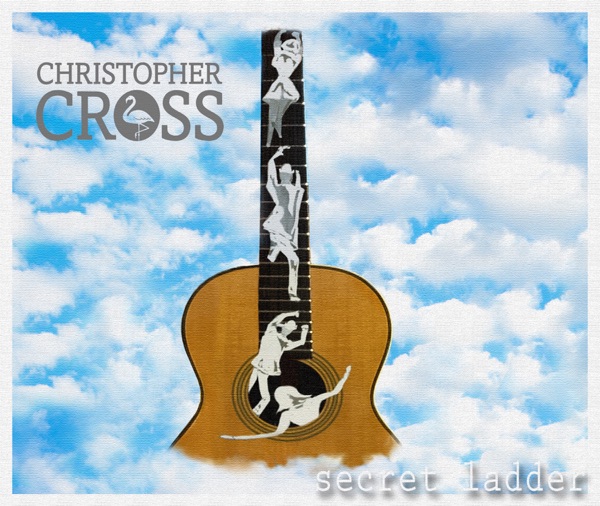
Secret Ladder
2014 · 13 tracks
- 1 Reverend Blowhard ↗ 4:23
- 2 I Don't See It Your Way ↗ 4:23
- 3 The Times I Needed You ↗ 3:11
- 4 Island of Anger ↗ 3:46
- 5 V ↗ 3:50
- 6 Experiment ↗ 5:14
- 7 Light the World (with Michael McDonald) ↗ 3:53
- 8 Simple ↗ 3:55
- 9 Wonderland ↗ 4:24
- 10 We Will Remember You (with Gigi Worth) ↗ 3:58
- 11 With Me Now ↗ 4:38
- 12 Got to Be a Better Way ↗ 5:28
- 13 A Letter to My Children ↗ 3:52

-
 Christopher CrossChristopher Cross19799 tracks
 -
 Another PageChristopher Cross198310 tracks
 -
 Every Turn of the WorldChristopher Cross198510 tracks
 -
 Back of My MindChristopher Cross198810 tracks
 -
 RendezvousChristopher Cross199110 tracks
 -
 WindowChristopher Cross199411 tracks
 -
 Walking in AvalonChristopher Cross199826 tracks
 -
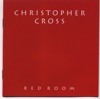 Red RoomChristopher Cross200010 tracks
 -
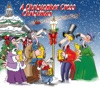 A Christopher Cross ChristmasChristopher Cross200712 tracks
 -
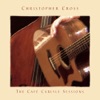 The Café Carlyle SessionsChristopher Cross200815 tracks
 -
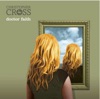 Doctor FaithChristopher Cross201113 tracks
 -
 Secret LadderChristopher Cross201413 tracks
 -
 Take Me as I AmChristopher Cross201710 tracks
Deep Dive
Overview
Christopher Cross is an American singer-songwriter and guitarist whose polished, introspective approach to rock music and popular song defined a significant strand of 1980s adult contemporary sound. Born in 1951, Cross emerged in the late 1970s with a style rooted equally in rock instrumentation and sentimental ballad sensibilities. His eponymous 1979 debut album proved to be one of the decade’s most commercially successful rock records, anchored by two number-one singles that became cultural touchstones and established Cross as a major force in mainstream rock.
Formation Story
Christopher Cross grew up in the United States during the 1950s and 1960s, absorbing influences from post-war American popular song, folk-inflected singer-songwriter traditions, and the emerging rock idiom. By the late 1970s, as punk and new wave fractured rock’s center, Cross positioned himself in a different direction entirely: toward a more refined, arrangement-heavy form of rock that borrowed from jazz-influenced production and intricate orchestration. He established himself as both performer and songwriter, working within the Los Angeles session and studio ecosystem that produced much of the era’s sophisticated pop-rock.
Breakthrough Moment
Cross’s breakthrough came with his self-titled debut album in 1979. The record became a massive commercial success, earning him five Grammy Awards and establishing him as a major recording artist. Two singles from the album achieved the ultimate measure of mainstream success: “Sailing” and “Arthur’s Theme,” both of which reached number one on the U.S. Billboard Hot 100. “Arthur’s Theme,” recorded for the 1981 film Arthur, extended his visibility beyond the radio-friendly rock audience into the broader pop-culture sphere. These early successes positioned him not as a niche artist but as a central figure in the rock mainstream of the early 1980s.
Peak Era
The 1979–1985 period marked Cross’s most commercially significant years. His debut album had established the template: sophisticated production, smooth vocal delivery, lyrical introspection, and a willingness to blend rock with broader popular-song traditions. His second album, Another Page (1983), continued this trajectory, while Every Turn of the World (1985) further explored the sonic and thematic territory he had staked out. During this window, Cross was one of the defining voices of adult-oriented rock radio, a format that valued technical polish, emotional directness, and crossover appeal to pop audiences.
Musical Style
Cross’s sound synthesizes several distinct traditions. At its core sits the singer-songwriter framework—carefully constructed melodies, introspective lyrics, and a guitarist’s control of arrangement—but rendered in a decidedly polished, production-forward manner. His music belongs to the broader genus of sentimental ballad, with string arrangements, sophisticated chord progressions, and an emphasis on vocal clarity and emotional understatement. The rock elements are present in his guitar work and the use of traditional rock instrumentation, but they are deployed within a framework that privileges melody and lyrical content over rhythmic propulsion or harmonic edge. This aesthetic—rock music as a vehicle for adult sensibility and sophisticated arrangement—made him both commercially successful and, in certain critical circles, a polarizing figure. Yet his technical facility as a singer and songwriter, and the genuine craftsmanship of his productions, placed his work at a considerable distance from purely commercial formula.
Major Albums
Christopher Cross (1979)
His debut established the Christopher Cross template and won five Grammy Awards. The album’s worldwide commercial success and the two number-one singles made it one of the decade’s defining rock records.
Another Page (1983)
Cross’s follow-up reinforced the sophisticated production values and introspective songwriting of his debut, maintaining his presence on adult-oriented rock radio.
Every Turn of the World (1985)
This album extended his catalog during his commercial peak, continuing to explore the thematic and sonic ground he had established.
Back of My Mind (1988)
Released as the 1980s drew to a close, this album demonstrated Cross’s continued recording activity and commitment to his artistic vision.
Signature Songs
- “Sailing” — His most iconic recording and one of the era’s defining rock ballads, reaching number one on the Billboard Hot 100.
- “Arthur’s Theme” — Featured in the 1981 film Arthur, this ballad became a major pop crossover success and reached number one.
- “Think of Laura” — A signature example of his introspective, arrangement-heavy approach to rock balladry from his debut album.
- “All Right” — Another key track from his debut demonstrating his gift for sophisticated, emotionally direct popular song.
Influence on Rock
Christopher Cross’s success in the early 1980s legitimized a particular strain of rock music: emotionally earnest, technically sophisticated, and unashamed of its debt to traditional popular-song structures. He demonstrated that rock could be commercially dominant while remaining oriented toward melody, orchestration, and lyrical introspection rather than edge, novelty, or sonic experimentation. His influence extended to the broader adult-contemporary and soft-rock traditions, establishing that a rock musician could command major commercial success through craft, polish, and emotional directness. While alternative and punk movements were reshaping rock’s underground, Cross occupied the mainstream center, proving that there remained substantial audiences for rock that prioritized melody and arrangement.
Legacy
Christopher Cross’s career has spanned from 1979 to the present, encompassing numerous studio albums through Take Me as I Am (2017) and beyond. His early commercial peak, anchored by “Sailing” and “Arthur’s Theme,” established him as one of the 1980s’ most successful rock figures. While critical attention has often been more measured than commercial success, the technical quality of his vocal work and songwriting has ensured his place in the broader rock canon. His Grammy Awards and chart achievements remain among the era’s most significant accomplishments. In an age of streaming and digital distribution, Cross continues to maintain a presence, with his classic recordings reaching new audiences and his original fan base continuing to follow his work across decades of continued recording and performance.
Fun Facts
- Christopher Cross has recorded extensively across multiple eras of music production, from the analog studio techniques of the late 1970s through digital recording and the contemporary streaming age.
- His 2007 album A Christopher Cross Christmas demonstrates his willingness to explore genre variations and seasonal repertoire.
- The Café Carlyle Sessions (2008) represented a return to more intimate, acoustic-based recording, contrasting with his elaborately produced earlier work.
- Cross’s career has included contributions across multiple record labels, including Reprise Records, Warner Bros. Records, and later independent labels, reflecting the changing landscape of the music industry across his four decades of activity.