
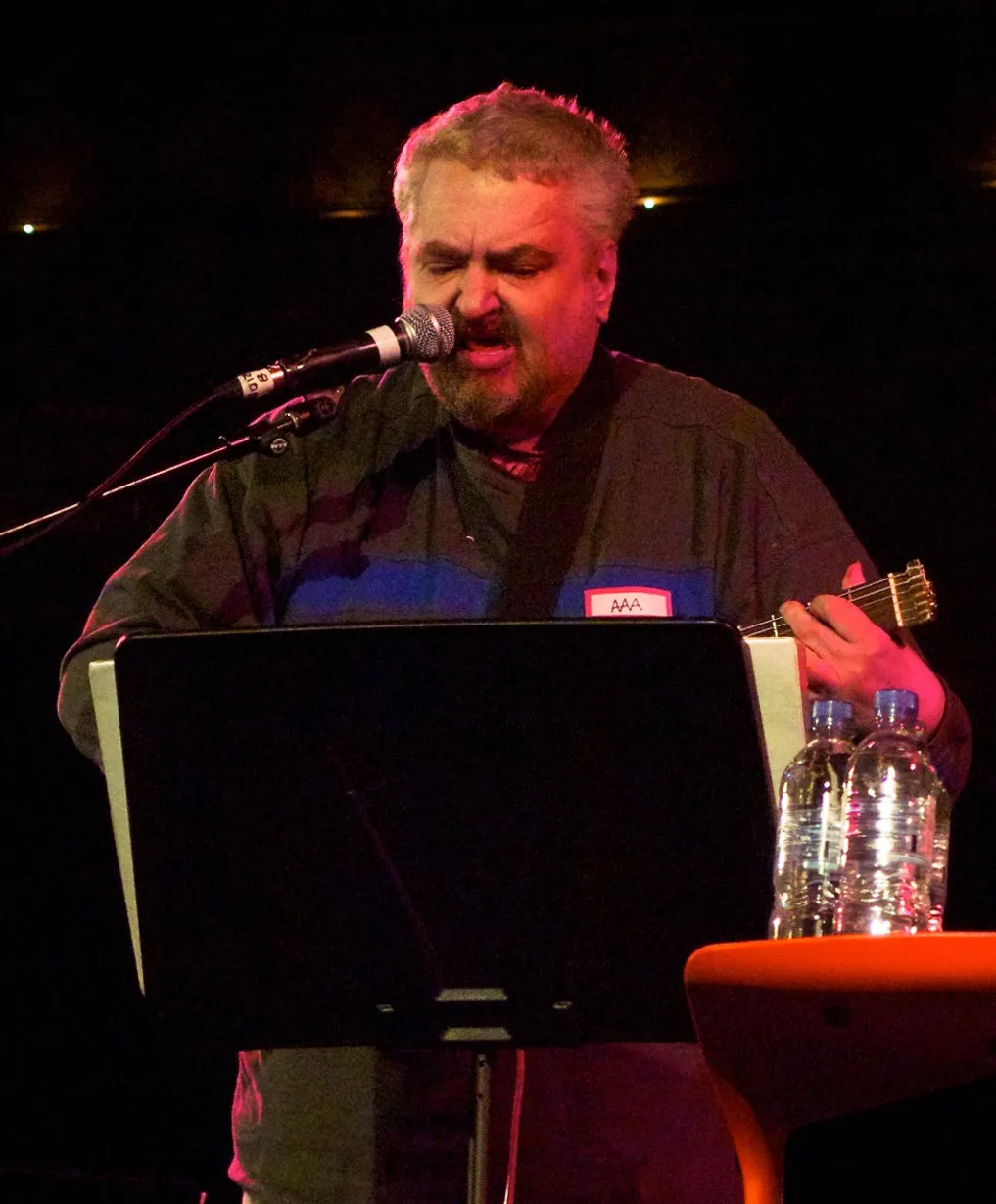
Photo by Paul Hudson from United Kingdom , licensed under CC BY 2.0 · Wikimedia Commons
Rank #394
Daniel Johnston
From Wikipedia
Daniel Dale Johnston was an American singer, musician and artist regarded as a significant figure in outsider, lo-fi, and alternative music scenes. Most of his work consisted of cassettes recorded alone in his home, and his music was frequently cited for its "pure" and "childlike" qualities.
Discography & Previews
Browse through and click an album to open and play 30-second previews streamed from Apple Music.

Songs of Pain
1980 · 20 tracks
- 1 Grievances ↗ 2:47
- 2 A Little Story ↗ 3:29
- 3 Joy Without Pleasure ↗ 1:53
- 4 Never Relaxed ↗ 3:26
- 5 Brainwash ↗ 2:38
- 6 Pot Head ↗ 3:22
- 7 Wicked World ↗ 2:34
- 8 Lazy ↗ 2:40
- 9 I Save Cigarette Butts ↗ 5:24
- 10 Like a Monkey in a Zoo ↗ 3:27
- 11 Wicked Will ↗ 1:43
- 12 An Idiot's End ↗ 4:34
- 13 Wild West Virginia ↗ 2:38
- 14 Since I Lost My Tooth ↗ 1:20
- 15 Urge ↗ 2:34
- 16 Living Life ↗ 4:06
- 17 Tuna Ketchup ↗ 2:05
- 18 Premarital Sex ↗ 3:04
- 19 Don't Act Nice ↗ 0:36
- 20 Hate Song ↗ 2:07
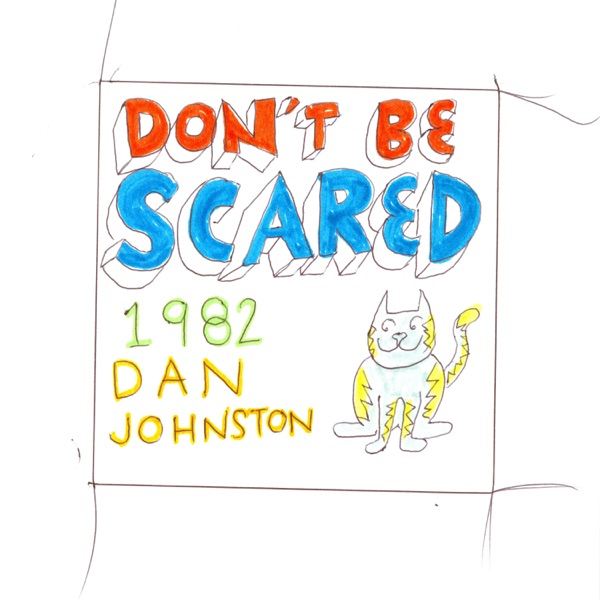
Don’t Be Scared
1982 · 18 tracks
- 1 Going Down ↗ 2:58
- 2 Lost Without a Dame ↗ 2:59
- 3 Harley Man ↗ 2:04
- 4 Something More ↗ 3:24
- 5 Evening Stars ↗ 2:05
- 6 Cold Hard World ↗ 3:11
- 7 I Had a Dream ↗ 2:41
- 8 The Story of an Artist ↗ 5:08
- 9 My Yoke Is Heavy ↗ 5:53
- 10 Stars on Parade ↗ 2:42
- 11 And You Love It ↗ 4:02
- 12 I Had Lost My Mind ↗ 1:46
- 13 The Sun Shines Down on Me ↗ 2:51
- 14 Loner ↗ 4:10
- 15 Don't Be Scared ↗ 3:21
- 16 Lullaby ↗ 3:12
- 17 I Was Alone ↗ 4:44
- 18 Mother Mom Said ↗ 3:35
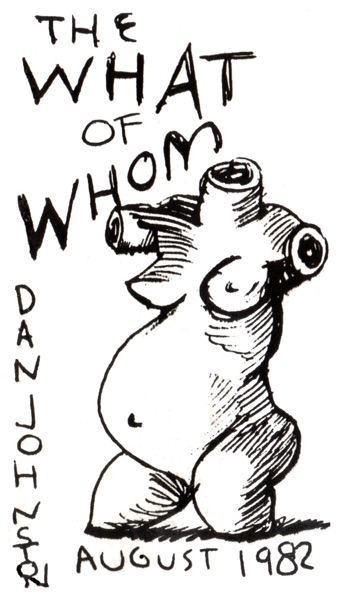
The What of Whom
1982 · 18 tracks
- 1 Man Obsessed ↗ 1:29
- 2 Peek a Boo ↗ 4:50
- 3 Never Before, Never Again ↗ 1:48
- 4 The Goldfish & the Frog ↗ 2:20
- 5 Scuttel Butt ↗ 2:10
- 6 Heart, Mind and Soul ↗ 5:23
- 7 Blue Clouds ↗ 5:35
- 8 Shurely You Don't Work At Night ↗ 4:11
- 9 I Can't Think Anymore ↗ 2:19
- 10 Excuse Me ↗ 0:17
- 11 Polke Dot Rag ↗ 5:27
- 12 Why Without You ↗ 3:23
- 13 An Incoherent Speech ↗ 1:28
- 14 Wicked World ↗ 4:14
- 15 To Go Home ↗ 4:31
- 16 Scrambled Eggs ↗ 5:01
- 17 Peace & Tranquillity ↗ 2:48
- 18 When You Are Pretty ↗ 2:52
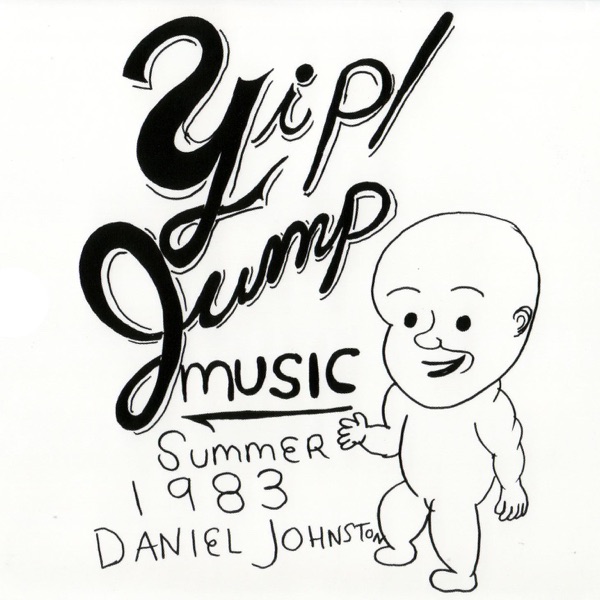
Yip/Jump Music
1983 · 20 tracks
- 1 Chord Organ Blues ↗ 4:03
- 2 The Beatles ↗ 2:25
- 3 Sorry Entertainer ↗ 2:19
- 4 Speeding Motorcycle ↗ 3:21
- 5 Casper the Friendly Ghost ↗ 2:58
- 6 Don't Let the Sun Go Down On Your Grievances ↗ 3:19
- 7 Danny Don't Rapp ↗ 2:53
- 8 Sweetheart ↗ 1:56
- 9 King Kong ↗ 5:43
- 10 The Creature / Third Chair ↗ 1:27
- 11 I Live for Love ↗ 3:21
- 12 Almost Got Hit By a Truck ↗ 3:58
- 13 Worried Shoes ↗ 6:32
- 14 Dead Lover's Twisted Heart ↗ 1:12
- 15 Rocket Ship ↗ 5:01
- 16 God ↗ 2:30
- 17 Love Defined ↗ 0:55
- 18 Museum of Love ↗ 4:18
- 19 Rarely ↗ 0:50
- 20 I Remember Painfully ↗ 2:44
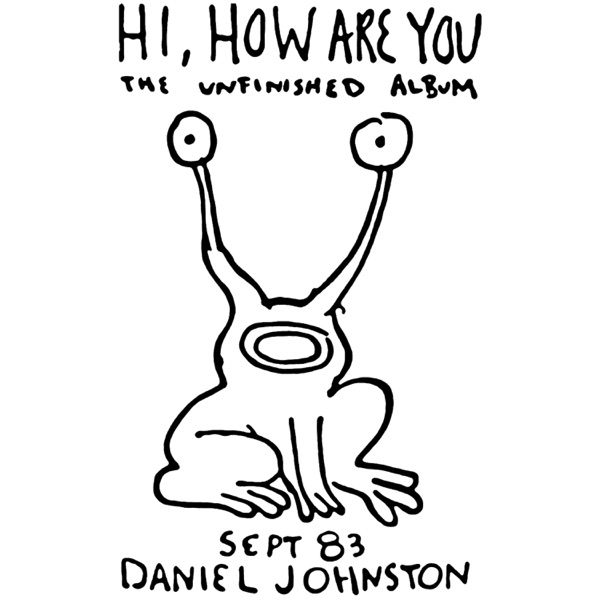
Hi, How Are You
1983 · 15 tracks
- 1 Poor You ↗ 2:03
- 2 Big Business Monkey ↗ 2:02
- 3 Walking the Cow ↗ 3:34
- 4 I Picture Myself with a Guitar ↗ 0:45
- 5 Despair Came Knocking ↗ 2:44
- 6 I Am a Baby (In My Universe) ↗ 1:37
- 7 Nervous Love ↗ 0:18
- 8 I'll Never Marry ↗ 0:21
- 9 Get Yourself Together ↗ 0:32
- 10 Running Water ↗ 1:32
- 11 Desperate Man Blues ↗ 3:40
- 12 Hey Joe ↗ 2:44
- 13 She Called Pest Control ↗ 0:53
- 14 Keep Punching Joe ↗ 3:11
- 15 No More Pushing Joe Around ↗ 4:42

More Songs of Pain
1983 · 18 tracks
- 1 Phantom of My Own Opera ↗ 3:27
- 2 Man at War ↗ 2:06
- 3 Only Missing You ↗ 1:58
- 4 More Dead Than Alive ↗ 6:35
- 5 I Will ↗ 1:23
- 6 Poptunes ↗ 2:01
- 7 You Put My Love out the Door ↗ 1:51
- 8 You're Gonna Make It, Joe ↗ 3:17
- 9 Grievances ↗ 1:25
- 10 Never Get to Heaven ↗ 2:39
- 11 Follow That Dream ↗ 2:43
- 12 Pow ↗ 1:47
- 13 For the Love of Pete ↗ 1:20
- 14 Blue Cloud ↗ 3:46
- 15 Grievances Revisited ↗ 2:22
- 16 True Grief ↗ 3:57
- 17 My Baby Cares for the Dead ↗ 2:01
- 18 Mabel's Grievances ↗ 3:11
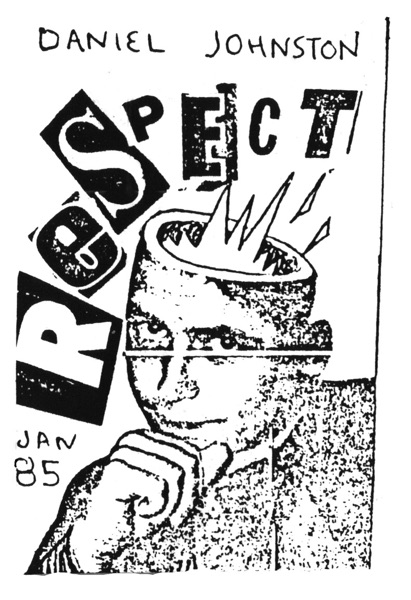
Respect
1985 · 18 tracks
- 19 No Love In Town ↗ 1:00
- 20 An Angel Cry ↗ 2:12
- 21 Have Respect ↗ 2:47
- 22 Dream ↗ 1:06
- 23 I Know What I Want ↗ 2:10
- 24 Merry-Go-Round ↗ 1:58
- 25 A Little Bit of Soap ↗ 2:26
- 26 Lonliness ↗ 1:42
- 27 Good Morning You ↗ 1:13
- 28 Go ↗ 4:22
- 29 Fast Go ↗ 1:26
- 30 Car Crash ↗ 0:25
- 31 Just Like a Window ↗ 1:46
- 32 Heartbreak Hotel ↗ 2:16
- 33 You Killed My Baby ↗ 1:51
- 34 You a Writer ↗ 0:27
- 35 Go Some More ↗ 0:14
- 36 Theme from Respect ↗ 1:18

Continued Story
1985 · 14 tracks
- 1 It's Over (feat. Rick Morgan) ↗ 3:16
- 2 Ain't No Woman Gonna Make a George Jones Outta Me (feat. Bill Anderson) ↗ 2:43
- 3 The Dead Dog Laughing in the Cloud (feat. The Texas Instruments) ↗ 2:39
- 4 Funeral Home (feat. The Texas Instruments) ↗ 0:54
- 5 Her Blues (feat. The Texas Instruments) ↗ 1:31
- 6 Running Water Revisited ↗ 2:09
- 7 I Saw Her Standing There ↗ 2:55
- 8 Casper the Friendly Ghost ↗ 2:19
- 9 Ghost of Our Love (feat. The Texas Instruments) ↗ 1:51
- 10 Fly Eye ↗ 2:00
- 11 Etiquette ↗ 2:58
- 12 A Walk in the Wind ↗ 2:21
- 13 Dem Blues ↗ 3:21
- 14 Girls (feat. The Texas Instruments & Bill Anderson) ↗ 6:31
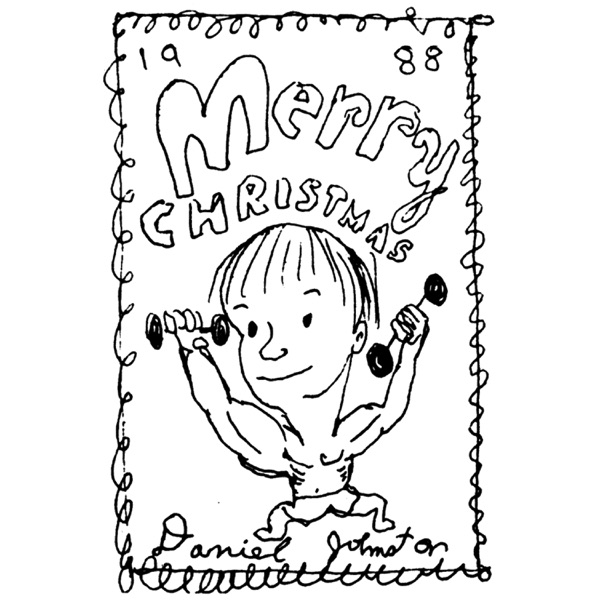
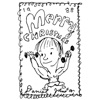
Merry Christmas
1988 · 13 tracks
- 1 A Recorded Message ↗ 1:19
- 2 Where the Soul Never Dies ↗ 1:25
- 3 Held the Hand ↗ 3:08
- 4 Golly Gee ↗ 2:02
- 5 And Then She Kissed Me ↗ 3:01
- 6 Casper the Friendly Ghost ↗ 2:42
- 7 Christmas in the Loony Bin ↗ 2:06
- 8 Fool on the Hill ↗ 0:28
- 9 Don't Play Cards with Satan ↗ 3:28
- 10 Laura Hadley ↗ 3:24
- 11 Lord, Give Me Hope ↗ 5:41
- 12 Whiz Kid ↗ 2:03
- 13 The River of No Return ↗ 0:39

It’s Spooky
1989 · 31 tracks
- 1 It's Spooky ↗ 1:55
- 2 Summer Time ↗ 3:03
- 3 I Met Roky Erickson ↗ 2:30
- 4 Happy Talk ↗ 4:11
- 5 McDonalds On the Brain ↗ 0:42
- 6 I Did Acid With Caroline ↗ 1:43
- 7 If I'd Only Known ↗ 1:54
- 8 Tongues Wag In This Town ↗ 1:08
- 9 Tomorrow Never Knows ↗ 1:53
- 10 Oh Honey ↗ 2:13
- 11 A Vow of Love ↗ 0:52
- 12 When Love Calls ↗ 2:20
- 13 Frankenstein Vs. The World ↗ 2:21
- 14 Hands of Love ↗ 2:04
- 15 Kicking the Dog ↗ 2:56
- 16 What I've Seen ↗ 2:50
- 17 Something's Got a Hold On Me ↗ 2:01
- 18 Villiam ↗ 2:38
- 19 Chords of Fame ↗ 2:55
- 20 Ostrich ↗ 0:32
- 21 Casper the Friendly Ghost ↗ 4:14
- 22 First Day At Work ↗ 3:03
- 23 Fan and Games ↗ 0:47
- 24 Nothing Left ↗ 2:15
- 25 Memphis Tenessee ↗ 1:15
- 26 Comes Back ↗ 2:57
- 27 Tears Stupid Tears ↗ 3:01
- 28 The Making of the Album ↗ 1:51
- 29 Get Yourself Together ↗ 1:24
- 30 What the World Need Now ↗ 3:03
- 31 Sweet Loafed ↗ 2:45
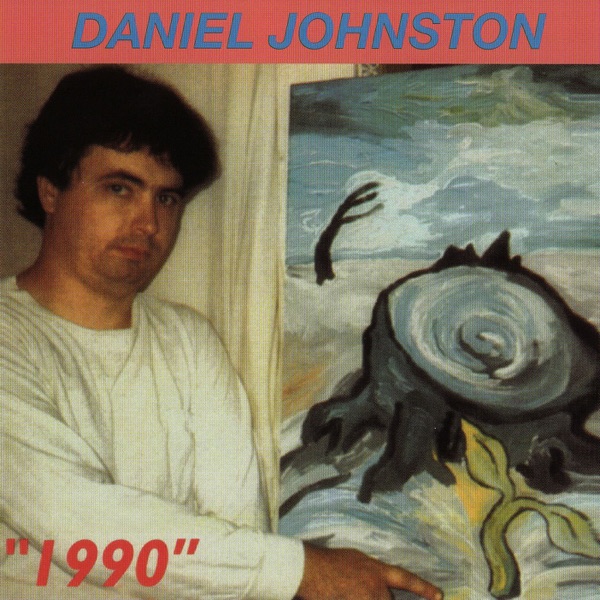
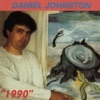
1990
1990 · 12 tracks
- 1 Devil Town ↗ 1:06
- 2 Spirit World Rising ↗ 6:14
- 3 Held the Hand ↗ 1:43
- 4 Lord Give Me Hope ↗ 6:25
- 5 Some Things Last a Long Time ↗ 4:54
- 6 Tears Stupid Tears ↗ 3:27
- 7 Don't Play Cards With Satan ↗ 4:24
- 8 True Love Will Find You In the End ↗ 1:51
- 9 Got to Get You Into My Life ↗ 4:26
- 10 Careless Soul ↗ 2:23
- 11 Funeral Home ↗ 3:13
- 12 Softly and Tenderly ↗ 4:51
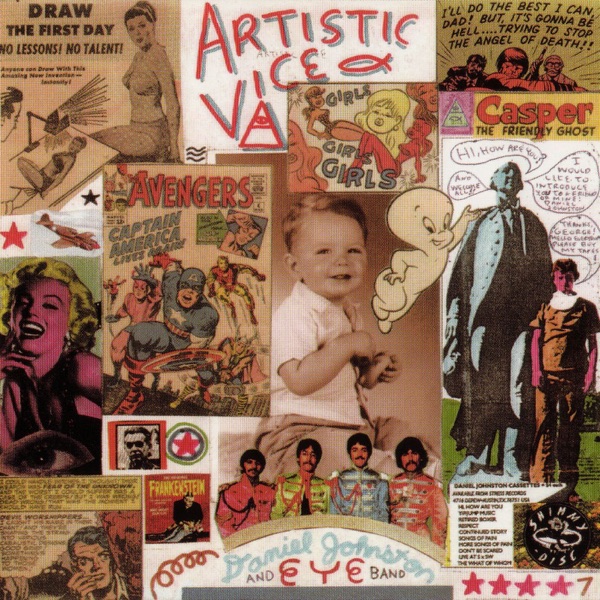
Artistic Vice
1991 · 16 tracks
- 1 My Life Is Starting Over ↗ 2:06
- 2 Honey I Sure Will Miss You ↗ 3:22
- 3 I Feel So High ↗ 3:21
- 4 A Ghostly Story ↗ 2:58
- 5 Tell Me Now ↗ 3:28
- 6 Easy Listening ↗ 2:09
- 7 I Know Caspar ↗ 2:01
- 8 The Startling Facts ↗ 1:54
- 9 Hoping ↗ 0:47
- 10 It's Got to Be Good ↗ 2:16
- 11 Happy Soul ↗ 3:54
- 12 The Dream Is Over ↗ 1:44
- 13 Love of My Life ↗ 2:35
- 14 I Killed the Monster ↗ 3:57
- 15 Laurie ↗ 2:23
- 16 Fate Will Get Done ↗ 5:09
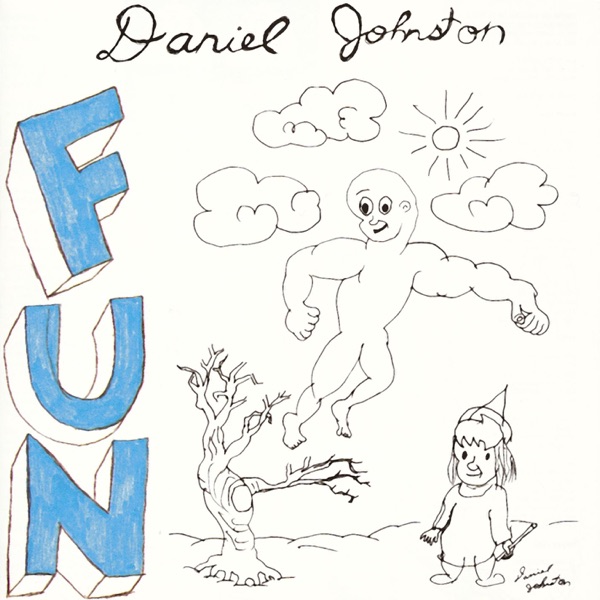
Fun
1994 · 18 tracks
- 1 Love Wheel ↗ 2:20
- 2 Life In Vain ↗ 3:22
- 3 Crazy Love ↗ 1:13
- 4 Catie ↗ 2:30
- 5 Happy Time ↗ 2:54
- 6 Mind Contorted ↗ 2:56
- 7 Jelly Beans ↗ 1:24
- 8 Foxy Girl ↗ 4:24
- 9 Sad Sac & Tarzan ↗ 3:08
- 10 Psycho Nightmare ↗ 2:05
- 11 Silly Love ↗ 1:31
- 12 Circus Man ↗ 1:30
- 13 Love Will See You Through ↗ 2:07
- 14 Lousy Weekend ↗ 2:07
- 15 Delusion & Confusion ↗ 2:44
- 16 When I Met You ↗ 0:56
- 17 My Little Girl ↗ 4:08
- 18 Rock 'N' Roll / EGA ↗ 4:45
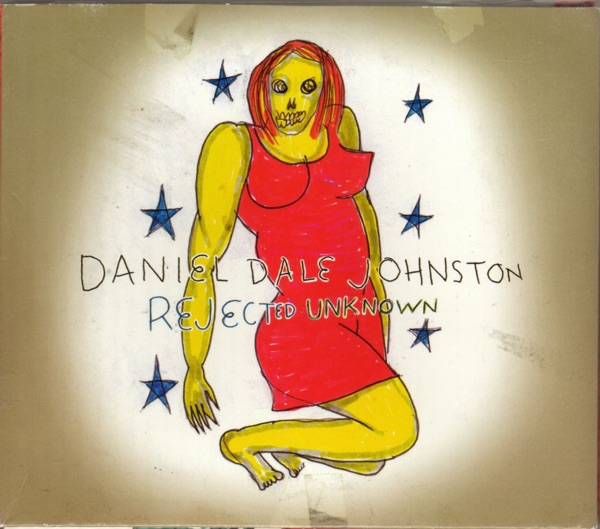
Rejected Unknown
1999 · 15 tracks
- 1 Impossible Love ↗ 2:59
- 2 Funeral Girl ↗ 4:39
- 3 Dream Scream ↗ 5:42
- 4 Love Forever ↗ 4:09
- 5 Cathy Cline ↗ 4:07
- 6 Davinare ↗ 3:08
- 7 Party ↗ 5:19
- 8 The Spook ↗ 2:55
- 9 Girl of My Dreams ↗ 4:34
- 10 Billions I Rock ↗ 7:13
- 11 Thrill ↗ 3:25
- 12 Favorite Darling Girl ↗ 2:16
- 13 Some Time Spent In Heaven ↗ 2:40
- 14 Wedding Ring Bells Blue ↗ 2:59
- 15 I Lose ↗ 3:12

The Lucky Sperms: Somewhat Humorous
2001 · 20 tracks
- 1 Movie ↗ 2:51
- 2 Yes, We Can ↗ 3:22
- 3 She Starts Fire ↗ 2:27
- 4 Cow At the Sacrifice ↗ 4:43
- 5 Yellow Buttons ↗ 3:47
- 6 Michelle ↗ 2:39
- 7 Ruby Tuesday ↗ 3:33
- 8 Loony Take Me Home ↗ 2:10
- 9 Stale Spaghetti ↗ 2:35
- 10 Lost ↗ 3:50
- 11 Grey ↗ 4:06
- 12 All the While ↗ 4:42
- 13 Screw ↗ 3:43
- 14 Pancakes Flop ↗ 2:56
- 15 Undying Love ↗ 5:06
- 16 Easter Bunny ↗ 1:45
- 17 Death ↗ 5:28
- 18 Coffee Cup ↗ 2:18
- 19 Melody ↗ 4:09
- 20 Berserk ↗ 2:47
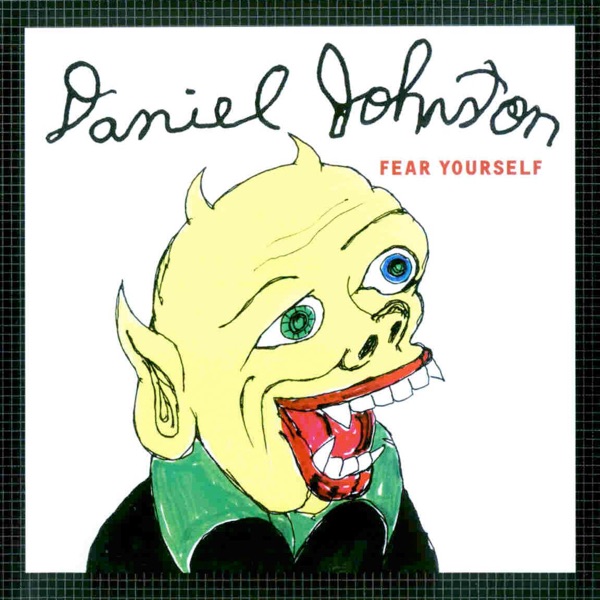
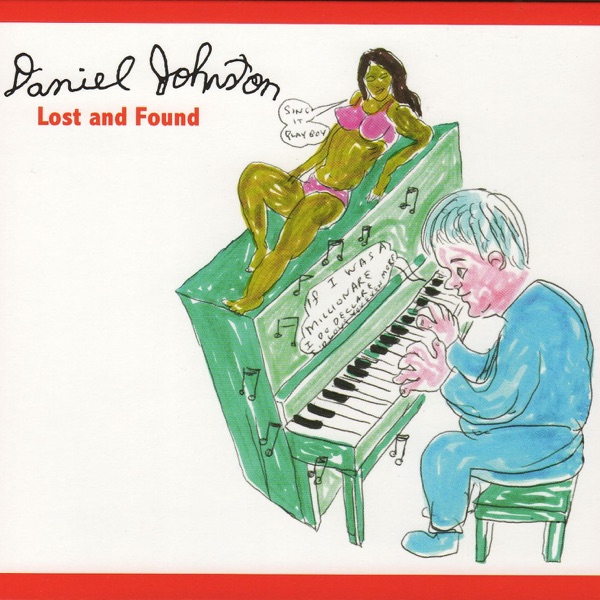
Lost and Found
2006 · 14 tracks
- 1 Rock This Town ↗ 6:13
- 2 Try to Love ↗ 4:50
- 3 The Beatles ↗ 2:25
- 4 Lonely Song ↗ 3:05
- 5 Foolin' ↗ 4:09
- 6 Haunt ↗ 4:13
- 7 Squiggly Lines ↗ 2:37
- 8 Country Song ↗ 3:19
- 9 Mrs. Daniel Johnston ↗ 3:16
- 10 History of Our Love ↗ 3:40
- 11 Rock Around the Christmas Tree ↗ 2:11
- 12 It's Impossible ↗ 5:12
- 13 Wishing You Well ↗ 2:57
- 14 Everlasting Love ↗ 4:47

Is and Always Was
2009 · 12 tracks
- 1 Mind Movies ↗ 3:01
- 2 Fake Records of Rock and Roll ↗ 3:35
- 3 Queenie the Doggie ↗ 3:34
- 4 High Horse ↗ 2:33
- 5 Without You ↗ 3:14
- 6 I Had Lost My Mind ↗ 1:21
- 7 Freedom ↗ 1:46
- 8 Tears ↗ 3:22
- 9 Is and Always Was ↗ 3:03
- 10 Lost in My Infinite Memory ↗ 3:03
- 11 Light of Day ↗ 6:34
- 12 Shoe (Bonus Track) ↗ 4:38
-
 Songs of PainDaniel Johnston198020 tracks
 -
 Don’t Be ScaredDaniel Johnston198218 tracks
 -
 The What of WhomDaniel Johnston198218 tracks
 -
 Yip/Jump MusicDaniel Johnston198320 tracks
 -
 Hi, How Are YouDaniel Johnston198315 tracks
 -
 More Songs of PainDaniel Johnston198318 tracks
 -
 RespectDaniel Johnston198518 tracks
 -
 Continued StoryDaniel Johnston198514 tracks
 -
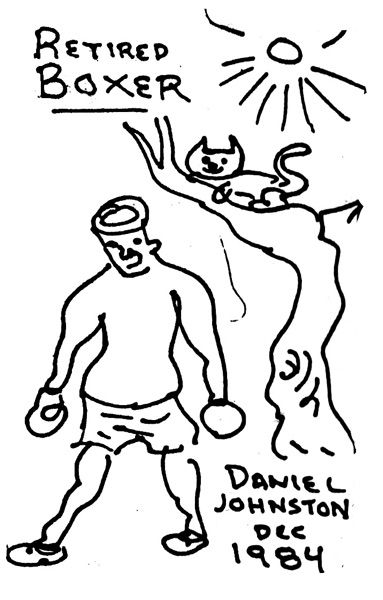
 Retired BoxerDaniel Johnston19879 tracks
 -
 Merry ChristmasDaniel Johnston198813 tracks
 -
 It’s SpookyDaniel Johnston198931 tracks
 -
 1990Daniel Johnston199012 tracks
 -
 Artistic ViceDaniel Johnston199116 tracks
 -
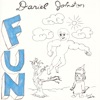 FunDaniel Johnston199418 tracks
 -
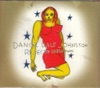 Rejected UnknownDaniel Johnston199915 tracks
 -
 The Lucky Sperms: Somewhat HumorousDaniel Johnston200120 tracks
 -
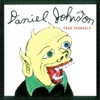 Fear YourselfDaniel Johnston200312 tracks
 -
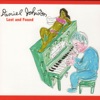 Lost and FoundDaniel Johnston200614 tracks
 -
 Is and Always WasDaniel Johnston200912 tracks
Deep Dive
Overview
Daniel Johnston was an American singer, musician, and visual artist who carved an idiosyncratic path through late-twentieth-century music, creating work almost entirely in isolation. From 1980 until his death in 2019, Johnston recorded prolifically on cassette in his home, producing music that was later recognized as foundational to the outsider, lo-fi, and alternative music scenes. His influence extended far beyond his limited commercial footprint, shaping how independent musicians understood the possibilities of homemade recording and raw emotional expression.
Formation Story
Born in 1961, Daniel Dale Johnston emerged from modest American roots and found in music and visual art a means of personal expression. Rather than pursuing the conventional path of band formation or studio apprenticeship, Johnston developed his artistic voice entirely on his own terms, working primarily with basic recording equipment in private spaces. Beginning in the early 1980s, he created hundreds of songs, releasing them initially through homemade cassette tapes that he distributed by hand. This DIY ethic was not a strategic choice but a reflection of his outsider status and his singular commitment to creation without compromise or commercial expectation.
Breakthrough Moment
Johnston’s early cassette releases—Songs of Pain (1980), Don’t Be Scared (1982), and Hi, How Are You (1983)—circulated through underground music networks, building a devoted cult following among musicians and collectors who recognized his unmediated emotional honesty. These early works on cassette became legendary within independent music circles, traded hand to hand and bootlegged widely. By the mid-1980s, Johnston had recorded Yip/Jump Music (1983) and Respect (1985), establishing a catalog that demonstrated his prolific nature and the consistency of his vision. Though these releases reached small audiences, they marked the foundation of a reputation that would expand significantly in later decades as lo-fi and indie rock aesthetics became more central to contemporary music conversations.
Peak Era
Johnston’s creative output remained remarkably consistent from the early 1980s through the 1990s. Albums like Retired Boxer (1987), Artistic Vice (1991), and Fun (1994) showcased his ability to sustain a distinctive artistic voice across two decades of work. While major commercial success eluded him, his influence among musicians and critics grew steadily, particularly as alternative and indie rock scenes increasingly valorized authenticity, emotional directness, and lo-fi production aesthetics. His work on Rejected Unknown (1999) continued to demonstrate his undiminished creative drive and his refusal to compromise artistic vision for market appeal.
Musical Style
Johnston’s music was characterized by its haunting simplicity and emotional transparency. Recorded primarily alone on basic cassette equipment, his productions featured minimal instrumentation—often just vocals and guitar, sometimes with rudimentary keyboard or percussion overdubs. His voice carried a distinctive childlike quality and plaintive directness, delivering lyrics that ranged from deeply introspective to whimsically absurd. The production aesthetic was defined by its rawness: tape hiss, limited dynamic range, and homemade layering that gave his work a dream-like or spectral quality. While categorized within indie rock, avant-pop, and outsider music, Johnston’s sound occupied a space beyond conventional genre boundaries, drawing instead on the emotional openness of folk traditions, the experimental impulses of avant-garde music, and the unpolished authenticity that lo-fi aesthetics would later celebrate. His songwriting combined vulnerability with dark humor, creating a body of work that felt simultaneously fragile and resilient.
Major Albums
Hi, How Are You (1983)
One of Johnston’s most celebrated early works, this album established many of the themes and production approaches that would define his career, capturing his distinctive voice and songwriting in intimate home-recording settings.
Yip/Jump Music (1983)
Released in the same productive year as Hi, How Are You, this album demonstrated Johnston’s ability to combine playfulness with emotional depth, blending whimsical compositions with passages of genuine vulnerability.
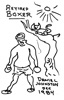
Retired Boxer (1987)
By the late 1980s, Johnston’s artistic vision had matured while retaining its essential qualities; this album showed his continued creative command and his ability to sustain engagement across a full-length work.
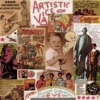
Artistic Vice (1991)
This album marked Johnston’s continued prolific output in the early 1990s, maintaining the integrity of his homemade aesthetic while exploring new thematic and musical territory.
Fun (1994)
Released toward the middle of his career, Fun demonstrated Johnston’s enduring ability to balance accessibility with artistic uncompromise, creating work that felt both deeply personal and broadly resonant.
Is and Always Was (2009)
In his later career, Johnston continued recording and releasing new material, with this album representing his work in the 2000s and affirming his status as an elder statesman of lo-fi and outsider music.
Signature Songs
- “True Love Will Find You in the End” — An achingly direct expression of faith and longing, the song became Johnston’s most widely recognized composition and appeared across multiple album formats throughout his career.
- “Some Things Last a Long Time” — A meditation on permanence and memory that exemplifies Johnston’s ability to deliver profound emotional insights through deceptively simple songwriting.
- “Walking the Hallway” — A composition that captures Johnston’s gift for combining mundane observation with deeper psychological or spiritual inquiry.
- “Speeding Motorcycle” — Demonstrating Johnston’s range between the whimsical and the introspective, the song showcases his melodic inventiveness and lyrical unpredictability.
Influence on Rock
Daniel Johnston’s impact on rock and alternative music extended far beyond his commercial reach. He became a foundational figure for the lo-fi movement, demonstrating that high-fidelity studio production was not a prerequisite for emotional or artistic power. Musicians and producers in indie rock, alternative, and avant-garde traditions cited Johnston’s work as proof that authenticity and directness could emerge from the most basic recording conditions. His willingness to record and release work without professional mediation inspired countless bedroom musicians and independent artists who built the DIY music movements of subsequent decades. Critical reevaluations of his catalog in the 1990s and 2000s positioned him as a visionary outsider artist, alongside figures who worked in similarly uncompromising ways, and his influence shaped how subsequent generations understood the relationship between production, authenticity, and artistic legitimacy.
Legacy
Daniel Johnston died in 2019, leaving behind a discography of over thirty studio albums and a vast archive of unreleased recordings. His status ascended significantly in the decades following his initial releases, as lo-fi and outsider music gained critical recognition and as contemporary listeners developed greater appreciation for unmediated artistic expression. Posthumous releases, including compilations and previously unreleased material such as Lost Recordings V and Lost Recordings IV (both 2024), continued to introduce his work to new audiences and affirmed the historical importance of his early cassette period. Johnston’s career demonstrated that artistic significance could be achieved entirely outside conventional music industry structures, and his influence persists in how contemporary independent musicians understand questions of authenticity, production, and emotional honesty in recorded music.
Fun Facts
- Johnston maintained an official website at hihowareyou.com that served as a primary resource for his work and biographical information.
- His 1979 Tapes remain part of the historical record, documenting his earliest creative period and the genesis of his distinctive sound.
- Johnston recorded extensively in his home throughout his career, making cassette tapes the primary medium for his artistic output and distribution method.