
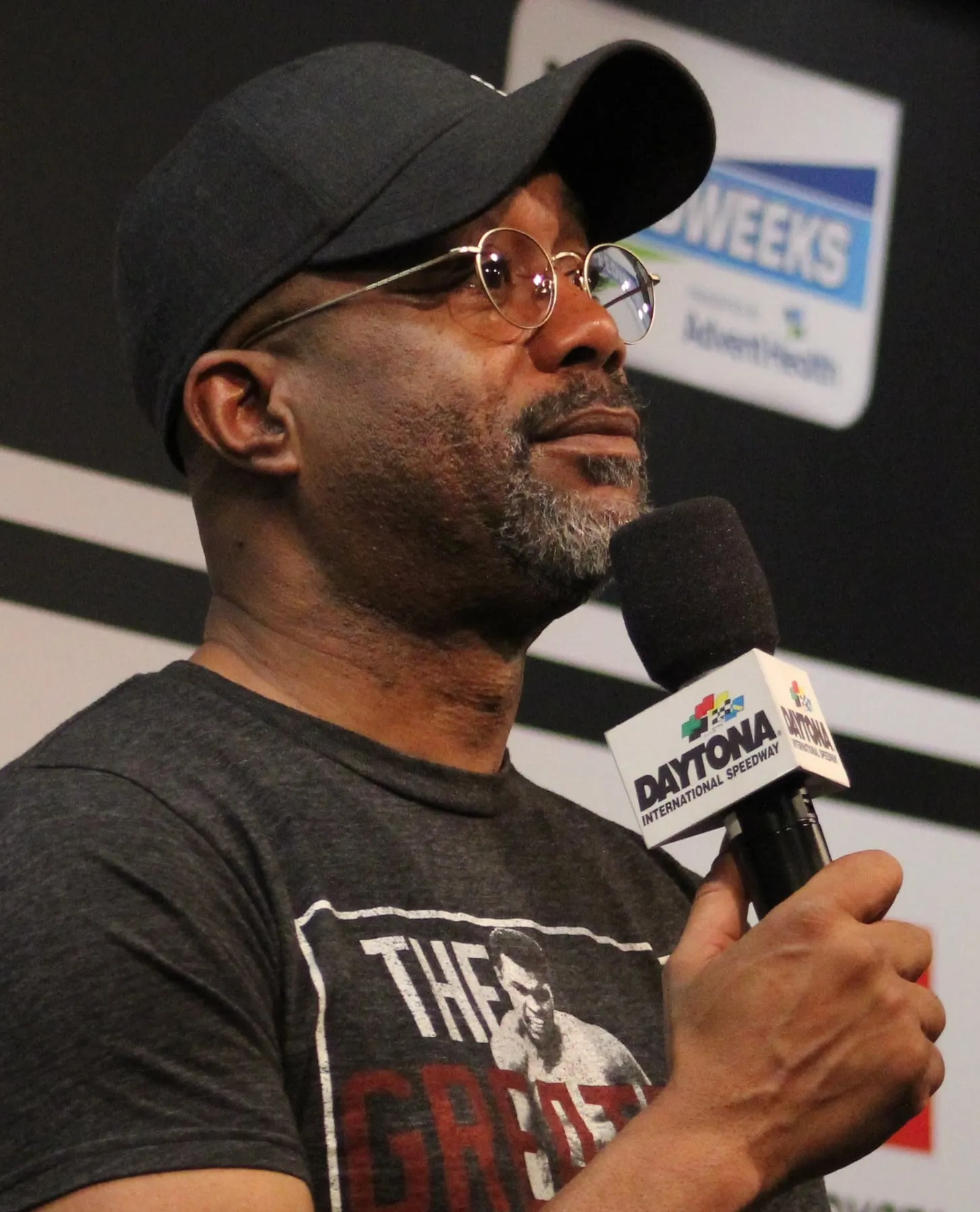
Photo by Zach Catanzareti Photo , licensed under CC BY 2.0 · Wikimedia Commons
Rank #472
Darius Rucker
From Wikipedia
Darius Carlos Rucker is an American singer, musician, and songwriter. He first gained fame as the lead vocalist and rhythm guitarist of rock band Hootie & the Blowfish, which he founded in 1986 at the University of South Carolina along with Mark Bryan, Jim "Soni" Sonefeld, and Dean Felber. The band released five studio albums with Rucker as a member and charted six top 40 hits on the Billboard Hot 100. Rucker co-wrote most of the songs with the other members of the band.
Discography & Previews
Browse through and click an album to open and play 30-second previews streamed from Apple Music.
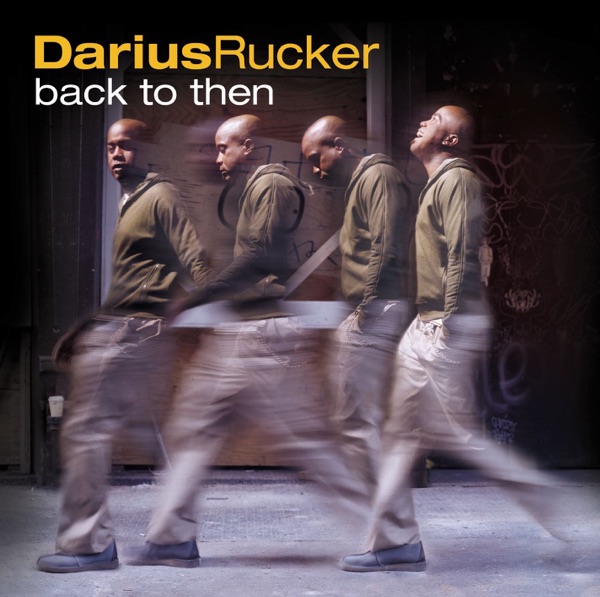
Back to Then
2002 · 13 tracks
- 1 Wild One ↗ 3:35
- 2 Exodus ↗ 4:11
- 3 Sometimes I Wonder (Featuring Jill Scott) ↗ 4:15
- 4 Back to Then ↗ 4:58
- 5 This Is My World ↗ 5:06
- 6 I'm Glad You're Mine ↗ 3:05
- 7 Butterfly ↗ 4:31
- 8 Hold On ↗ 4:07
- 9 Ten Years ↗ 3:56
- 10 One More Night ↗ 4:18
- 11 Amazing Grace ↗ 0:49
- 12 Somewhere ↗ 13:18
- 13 Sleeping In My Bed (Featuring Snoop Dogg) ↗ 4:44
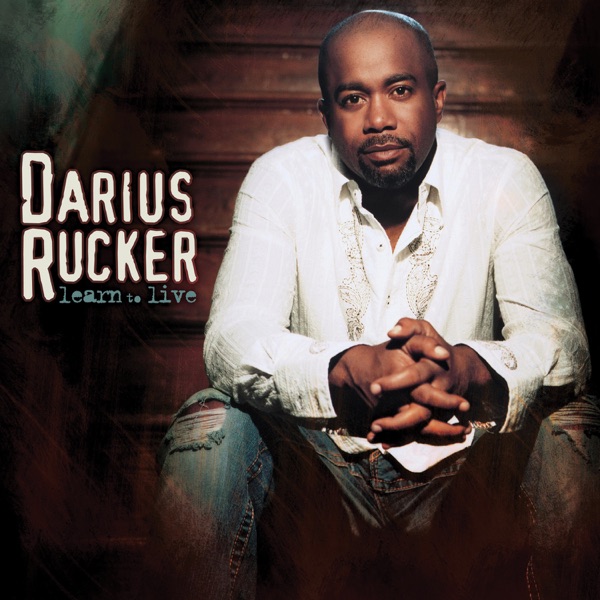
Learn to Live
2008 · 13 tracks
- 1 Forever Road ↗ 4:02
- 2 All I Want ↗ 3:49
- 3 Don’t Think I Don’t Think about It ↗ 3:03
- 4 Learn to Live ↗ 3:48
- 5 If I Had Wings ↗ 4:04
- 6 History in the Making ↗ 3:29
- 7 Alright ↗ 3:52
- 8 It Won’t Be like This for Long ↗ 3:39
- 9 Drinkin' and Dialin' ↗ 3:05
- 10 I Hope They Get to Me in Time ↗ 3:27
- 11 While I Still Got the Time ↗ 3:50
- 12 Be Wary of a Woman ↗ 3:26
- 13 I Wanna Thank You ↗ 3:57
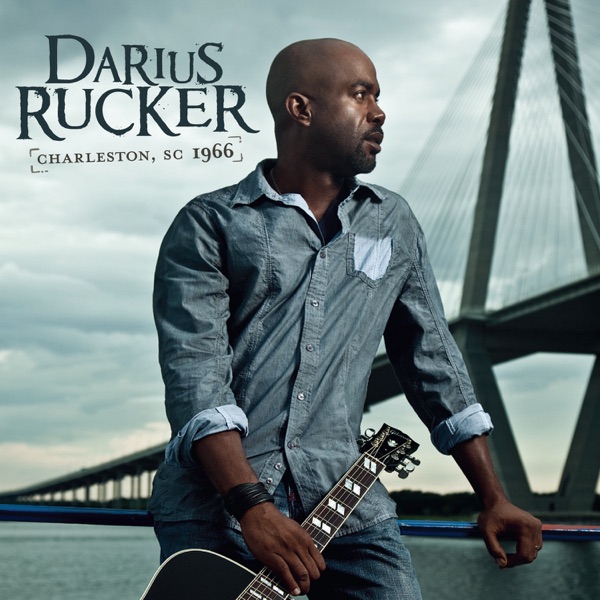
Charleston, SC 1966
2010 · 13 tracks
- 1 This ↗ 3:39
- 2 Come Back Song ↗ 3:55
- 3 Might Get Lucky ↗ 3:45
- 4 Whiskey and You ↗ 4:15
- 5 Southern State of Mind ↗ 3:37
- 6 Love Will Do That ↗ 3:25
- 7 The Craziest Thing ↗ 3:16
- 8 Things I'd Never Do ↗ 3:48
- 9 We All Fall Down ↗ 3:35
- 10 I Don't Care (feat. Brad Paisley) ↗ 4:02
- 11 She's Beautiful ↗ 4:06
- 12 I Got Nothin' ↗ 3:24
- 13 In a Big Way ↗ 3:52

True Believers
2013 · 12 tracks
- 1 True Believers ↗ 3:59
- 2 Miss You ↗ 4:01
- 3 Wagon Wheel ↗ 4:58
- 4 Love Without You (feat. Sheryl Crow) ↗ 3:19
- 5 Radio ↗ 3:10
- 6 Lost In You ↗ 3:29
- 7 I Will Love You Still (feat. Mallary Hope) ↗ 3:49
- 8 Take Me Home ↗ 4:10
- 9 Shine ↗ 4:12
- 10 Heartbreak Road ↗ 3:14
- 11 Leavin' the Light On ↗ 3:57
- 12 Lie To Me ↗ 4:04

Home for the Holidays
2014 · 12 tracks
- 1 Let It Snow, Let It Snow, Let It Snow ↗ 2:57
- 2 Have Yourself a Merry Little Christmas ↗ 3:39
- 3 What God Wants for Christmas ↗ 3:38
- 4 You're a Mean One, Mr. Grinch ↗ 3:28
- 5 Baby, It's Cold Outside (feat. Sheryl Crow) ↗ 3:46
- 6 I'll Be Home For Christmas ↗ 3:53
- 7 O Come, All Ye Faithful ↗ 4:05
- 8 Winter Wonderland ↗ 2:48
- 9 Candy Cane Christmas ↗ 3:23
- 10 Please Come Home For Christmas ↗ 4:11
- 11 Hark! The Herald Angels Sing ↗ 3:52
- 12 White Christmas ↗ 3:39

Southern Style
2015 · 13 tracks
- 1 Homegrown Honey ↗ 3:25
- 2 Good For a Good Time ↗ 3:40
- 3 Baby I'm Right (feat. Mallary Hope) ↗ 3:14
- 4 Southern Style ↗ 3:58
- 5 High On Life ↗ 3:35
- 6 Perfect ↗ 3:22
- 7 You, Me and My Guitar ↗ 3:17
- 8 Low Country ↗ 4:13
- 9 Need You More ↗ 3:32
- 10 Half Full Dixie Cup ↗ 3:34
- 11 Lighter Up ↗ 3:17
- 12 You Can Have Charleston ↗ 4:30
- 13 So I Sang ↗ 3:27
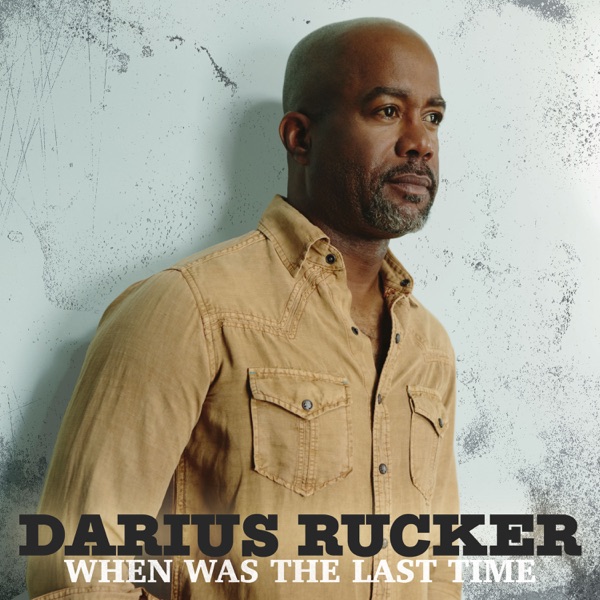
When Was the Last Time
2017 · 13 tracks
- 1 For the First Time ↗ 3:17
- 2 Bring It On ↗ 3:13
- 3 Life's Too Short ↗ 3:35
- 4 If I Told You ↗ 3:32
- 5 Don't ↗ 3:54
- 6 Twenty Something ↗ 3:11
- 7 Straight To Hell (feat. Jason Aldean, Luke Bryan & Charles Kelley) ↗ 4:14
- 8 Count the Beers ↗ 3:28
- 9 Another Night With You ↗ 3:00
- 10 Hands On Me ↗ 3:44
- 11 She ↗ 4:53
- 12 Story To Tell ↗ 3:17
- 13 Straight To Hell (feat. Jason Aldean, Luke Bryan & Charles Kelley) [Full Length Version] ↗ 5:35
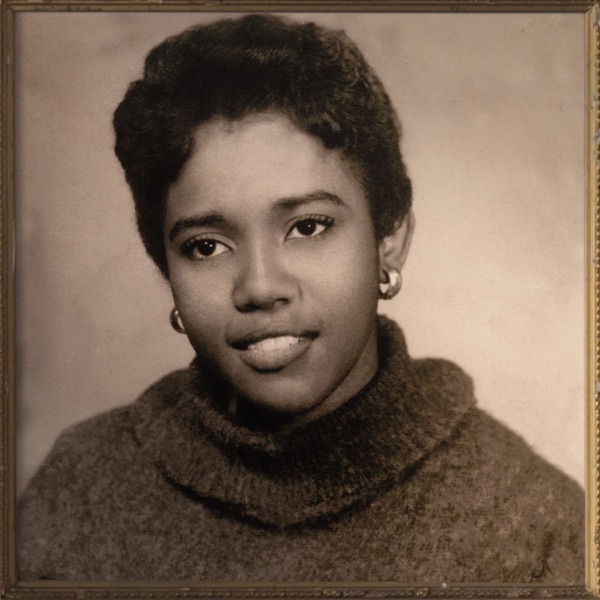
Carolyn's Boy
2023 · 14 tracks
- 1 Beers And Sunshine ↗ 2:58
- 2 In This Together ↗ 3:01
- 3 Never Been Over ↗ 3:25
- 4 Fires Don't Start Themselves ↗ 3:47
- 5 Ol' Church Hymn (feat. Chapel Hart) ↗ 3:31
- 6 7 Days ↗ 3:21
- 7 Same Beer Different Problem ↗ 3:02
- 8 Sara ↗ 3:40
- 9 Have A Good Time ↗ 3:31
- 10 Sure Would Have Loved Her ↗ 3:09
- 11 Southern Comfort ↗ 3:10
- 12 3 am In Carolina ↗ 3:20
- 13 Lift Me Up ↗ 3:11
- 14 Stargazing ↗ 2:59
-
 Back to ThenDarius Rucker200213 tracks
 -
 Learn to LiveDarius Rucker200813 tracks
 -
 Charleston, SC 1966Darius Rucker201013 tracks
 -
 True BelieversDarius Rucker201312 tracks
 -
 Home for the HolidaysDarius Rucker201412 tracks
 -
 Southern StyleDarius Rucker201513 tracks
 -
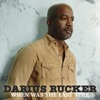 When Was the Last TimeDarius Rucker201713 tracks
 -
 Carolyn's BoyDarius Rucker202314 tracks
Deep Dive
Overview
Darius Carlos Rucker emerged as one of rock music’s defining voices of the 1990s as the lead vocalist and rhythm guitarist of Hootie & the Blowfish, the South Carolina–born rock band that became a cultural phenomenon. After stepping into a solo career in the early 2000s, Rucker shifted toward country music, establishing himself as a working musician across multiple genres and decades. His trajectory spans nearly four decades, from college garage band to arena-filling act to consistent recording presence, making him a figure of sustained relevance in American popular music.
Formation Story
Darius Carlos Rucker was born in 1966 in Charleston, South Carolina, where he grew up immersed in the musical culture of the American South and Southeast. He discovered rock music as his idiom during his formative years, absorbing influences from the region’s rich tradition of soul, blues, and rock. The turning point came in 1986 when Rucker, then a student at the University of South Carolina, cofounded Hootie & the Blowfish alongside guitarist Mark Bryan, drummer Jim “Soni” Sonefeld, and bassist Dean Felber. The band emerged from the college rock circuit and the broader alternative rock movement of the mid-1980s, developing a sound that would eventually bridge the gap between rock authenticity and mainstream accessibility.
Breakthrough Moment
Hootie & the Blowfish achieved national prominence with their debut album Cracked Rear View (1994), which became a landmark release of the mid-1990s rock landscape. The band charted six top 40 hits on the Billboard Hot 100, establishing Rucker as a recognized voice in rock music and securing their place in the era’s cultural conversation. Over the course of the band’s tenure, Hootie & the Blowfish released five studio albums total, with Rucker as lead vocalist and co-writer of most songs alongside the other band members. This success created a foundation that would allow Rucker to sustain a recording career independently when he transitioned to solo work.
Peak Era
Hootie & the Blowfish reached their commercial and creative zenith during the mid-to-late 1990s, when rock radio and MTV gave substantial airtime to guitar-driven alternative rock bands with mainstream appeal. The band’s ability to craft memorable melodies, coupled with Rucker’s distinctive vocal delivery, positioned them at the forefront of a wave of rock acts that dominated the decade. During this period, the band built a loyal audience and achieved the kind of cultural penetration that translated into sustained touring revenue and album sales, establishing Rucker as a prominent figure in American rock music.
Musical Style
Rucker’s vocal approach defined Hootie & the Blowfish’s signature sound—warm, slightly raspy, and emotionally direct without excessive ornamentation. The band’s music combined elements of rock, soul, and Americana, creating a sound that felt both rooted in tradition and contemporary for its era. As a rhythm guitarist, Rucker contributed to arrangements that favored groove-oriented rhythms and accessible song structures. His co-writing credits across the band’s catalog demonstrate his role as a primary songwriter and conceptual partner, not merely a vocalist. In his later solo work beginning in 2002, Rucker shifted toward country music, drawing on the same emotional directness that characterized his rock era but repositioning himself within Nashville’s commercial landscape.
Major Albums
Back to Then (2002)
Rucker’s solo debut marked his first step away from Hootie & the Blowfish as a recording artist, establishing him as a solo entity and charting his new creative direction independent of the band.
Learn to Live (2008)
Released through Capitol Records, this album represented Rucker’s continued development as a solo recording artist, reinforcing his presence in the marketplace after several years of lower-profile activity.
Charleston, SC 1966 (2010)
Named for his birthplace and year of birth, this album anchored Rucker’s solo identity in his South Carolina roots and the country-music context he had increasingly adopted.
True Believers (2013)
This Capitol Records release continued Rucker’s work in the country idiom, demonstrating his sustained commitment to the genre transition he had undertaken in the previous decade.
When Was the Last Time (2017)
Rucker’s album from this period maintained his presence as a recording artist, showing continued output and engagement with audiences following his stylistic pivot.
Signature Songs
While Rucker’s solo discography is substantial, his most recognized songs remain those from his Hootie & the Blowfish era, when the band achieved radio saturation and cultural penetration across multiple formats. His solo work, though less chart-dominant than his band work, demonstrates his ongoing commitment to songwriting and recording as a solo artist, though specific song-level details from his solo albums are not enumerated in the available data.
Influence on Rock
Rucker’s impact on 1990s rock music extended beyond commercial success; his work with Hootie & the Blowfish helped legitimize a more emotionally open and melody-driven approach to alternative rock, standing apart from the more aggressive guitar or sample-based aesthetics that competed for airspace. The band’s commercial accessibility without sacrificing musical credibility influenced how rock music could be packaged and marketed in the 1990s. Rucker’s subsequent shift toward country music represented a different kind of influence—the idea that a rock-era artist could authentically transition across genres and maintain a recording career, reflecting the increasingly porous boundaries between American popular music formats.
Legacy
Darius Rucker’s legacy is bifurcated across two distinct but interconnected chapters. As the voice and creative force behind Hootie & the Blowfish, he remains a defining figure of 1990s rock radio, a time when the band’s music dominated MTV, radio playlists, and concert venues across North America. His recordings with the band continue to circulate through streaming platforms and classic-rock radio, ensuring generational exposure to his work. His solo career, spanning from 2002 into the 2020s with eight studio albums recorded and released, demonstrates a musician committed to sustained creative output and audience engagement across multiple decades. That output includes releases on two major labels—Atlantic and Capitol Records—and extends into 2023 with Carolyn’s Boy, indicating Rucker’s ongoing presence as a recording artist well into his sixth decade of life.
Fun Facts
- Rucker cofounded Hootie & the Blowfish while still a student at the University of South Carolina, launching one of the decade’s most commercially successful rock bands from a college setting.
- His solo album Charleston, SC 1966 was explicitly titled to reference both his birthplace and birth year, directly tethering the record to his South Carolina identity and origins.
- Over his career, Rucker has recorded for multiple major labels, including Atlantic Records during his Hootie & the Blowfish years and Capitol Records during his solo phase, reflecting shifts in the industry and his own career trajectory.
- Rucker has maintained a consistent recording presence across more than two decades as a solo artist, with studio albums released in 2002, 2008, 2010, 2013, 2014, 2015, 2017, and 2023, demonstrating sustained engagement with the recording industry despite genre transition and changing commercial landscapes.